Dossier Pages
124
Source-backed pages generated from one shared research model.
Paradi // Deep Space Interface
Synchronizing deep-space research lanes...
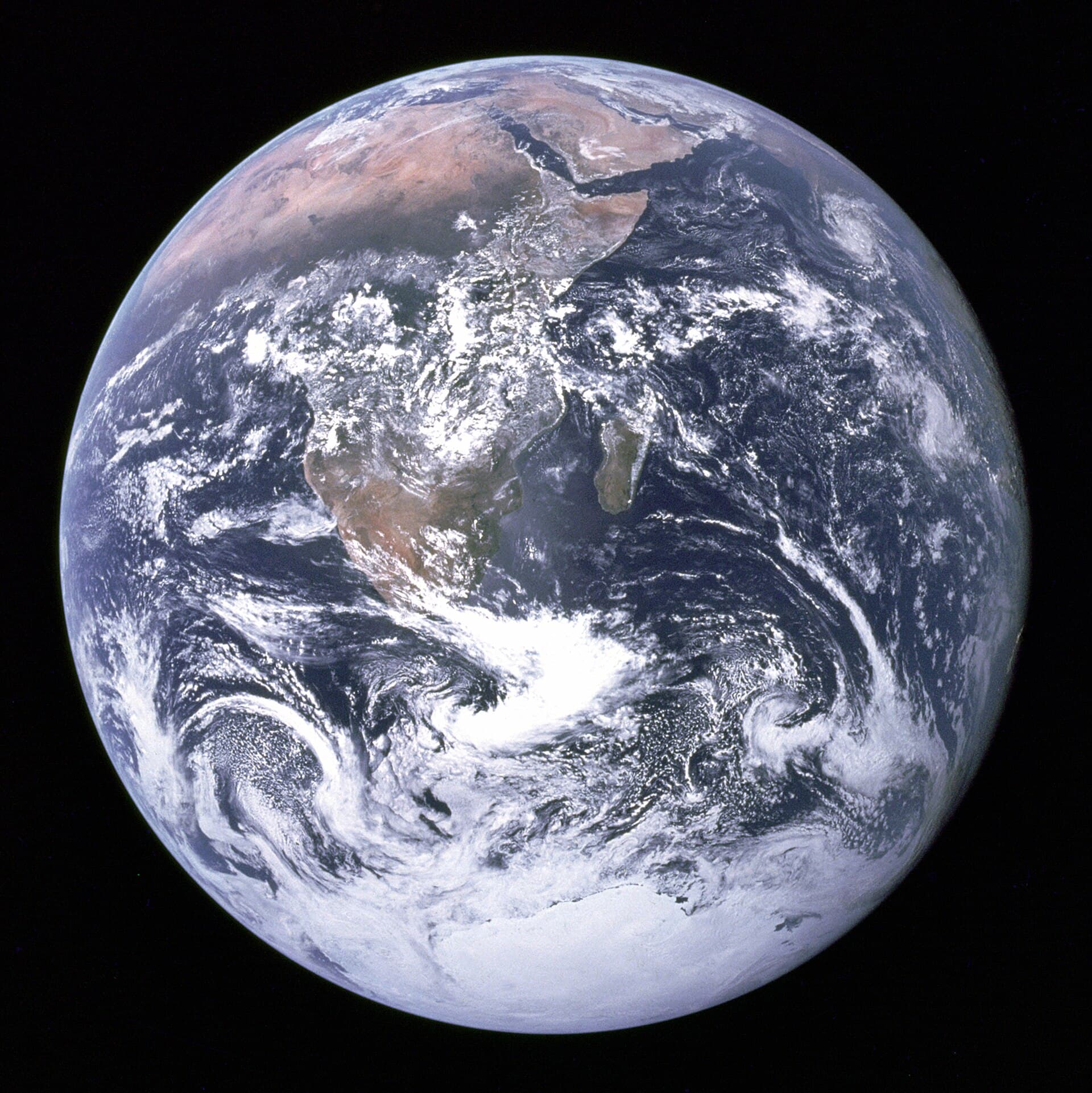
Paradi
Exo-Intelligence Atlas
Paradi / Research Atlas
A source-backed research platform on UAP, extraterrestrial life, technosignatures, and first-contact protocol.
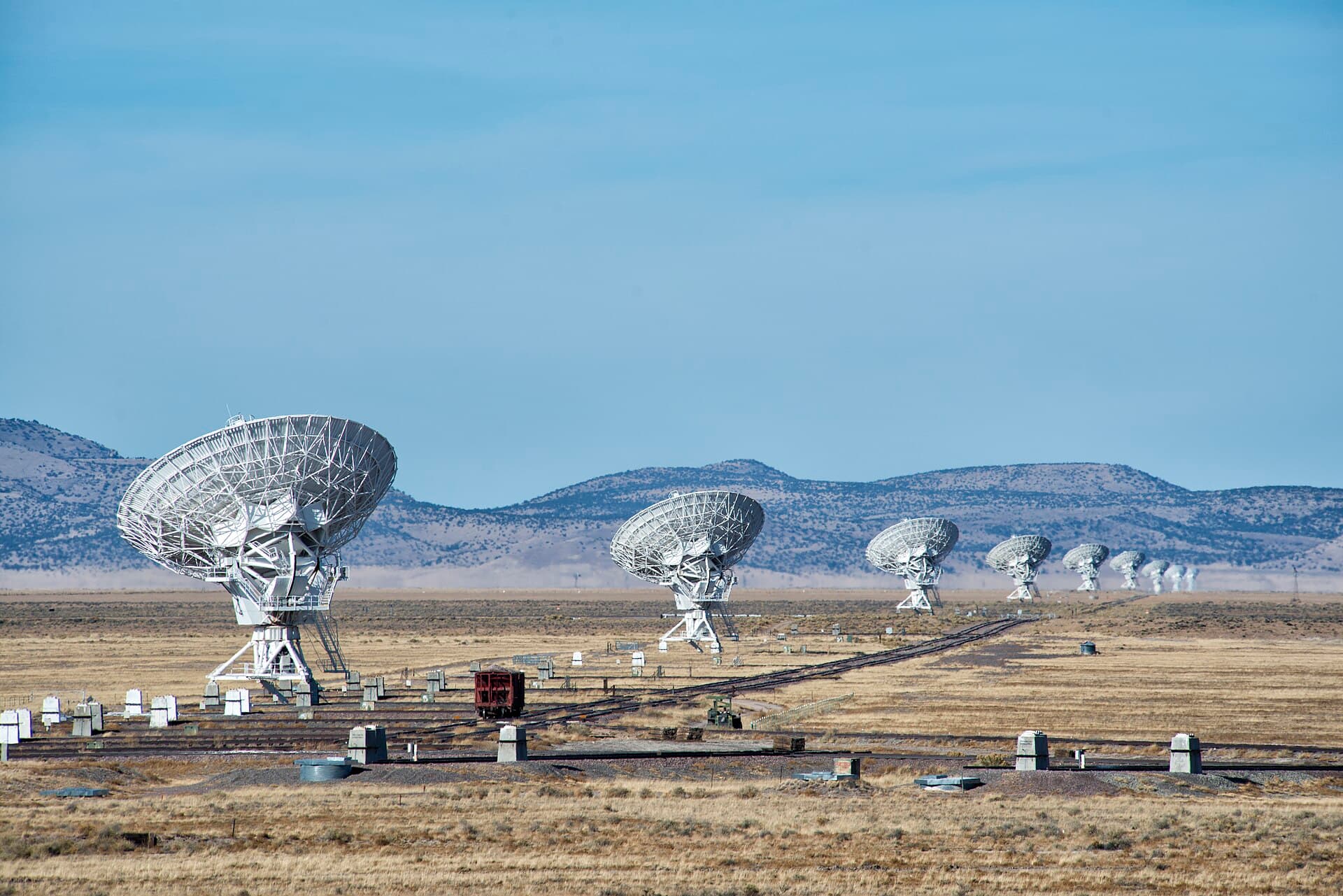
Active Observatory Field
Instrument-scale rendering for missions, signals, and contact-timing research.
Paradi / Exo-Intelligence Command Mesh
This interface is an active cosmic research system: 100-plus dossier pages, dense source-linked trails, 3D simulation fields, and a command-grade atlas for exploring extraterrestrial evidence without dropping methodological rigor.
The editorial position stays strict: no public official or scientific source here confirms alien visitation on Earth. What this system does show is the strongest official record, the modern search for life and intelligence, and the first serious outline for how humans might communicate if a credible signal ever arrives.
Dossier Pages
124
Source-backed pages generated from one shared research model.
Category Indexes
8
One global library index plus a dedicated index for each research lane.
Tracked Sources
314
Reports, hearings, archives, videos, datasets, and protocol documents.
Video Links
13
Direct video or video-hub references users can inspect themselves.
Visual field
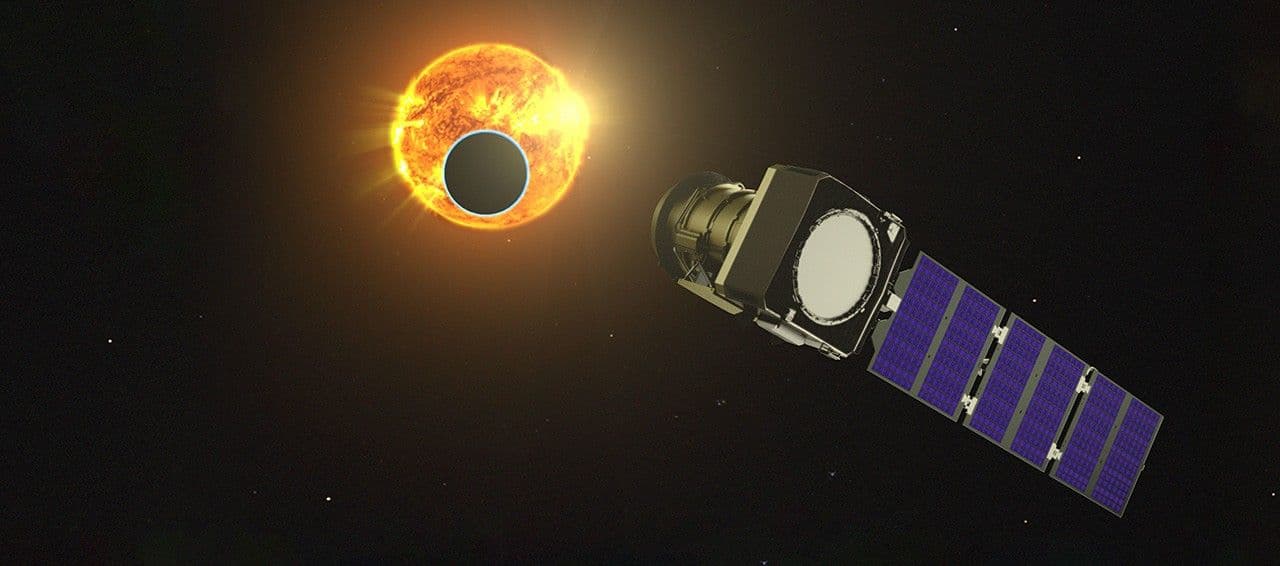
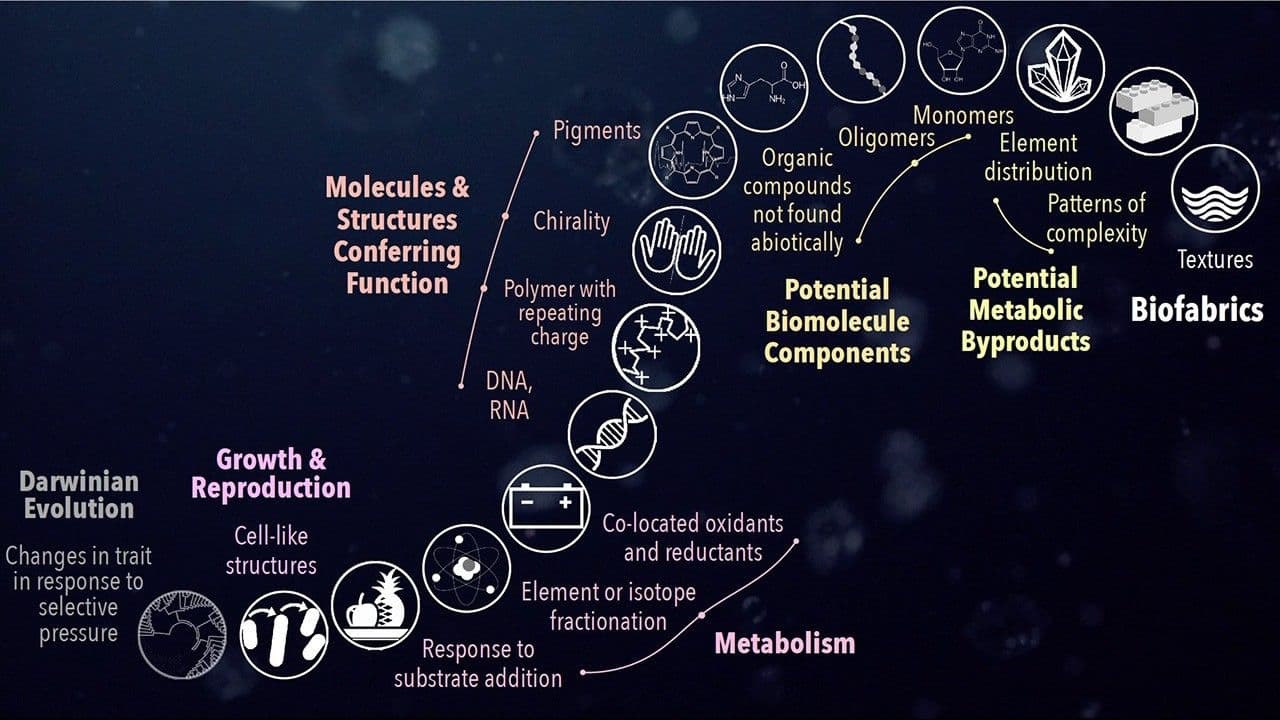
The atlas now foregrounds cinematic research imagery so each lane reads like an instrument panel instead of a text-only index.

Method anchor
Visual anchors keep the interface grounded in real instruments, mission concepts, and documented methods while the immersive layers handle depth and atmosphere.
Truth framework
The library is large on purpose, but the claim discipline stays tight. Every page is meant to clarify what is verified, what is still open, and what belongs to the search for life rather than to retroactive proof of visitation.
The strongest official sources in this library do not confirm extraterrestrial beings or technology on Earth.
Open cases can be important for safety, intelligence, and methodology even when they do not justify an extraterrestrial conclusion.
Exoplanets, astrobiology, biosignatures, and technosignatures make the search for non-human life and intelligence reasonable science.
A credible first-contact workflow starts with detection and verification, then moves into governance, message design, and transmission choices.
New research layer
The interface now tracks 38 current research highlights across 261 unique sources, then displays them in the research feed, source ledger, timeline, simulation workbench, library lanes, and contact lab.
May 16, 2026 / Research operations
MDTraj and ASE documentation, VTK Python API references, HOOMD installation guidance, and PyMOL CLI options now provide a clearer execution lane from molecule/trajectory prep to simulation and visualization runtime choices.
May 16, 2026 / Research operations
Gemmi and PDBFixer references now connect directly with PyVista and trimesh docs, plus Molecular Nodes and Blender Geometry Nodes manuals, making it easier to move from biological structure files to interactive and rendered 3D outputs.
May 16, 2026 / Research operations
OpenUSD Exchange SDK setup guidance, Blender Python quickstart references, 3Dmol.js documentation, and wwPDB format-transition pages now give a more explicit bridge from structural-data standards into web and DCC visualization workflows.
New documentation visuals
Recent 3D, volumetric, and molecular documentation snapshots are integrated directly into the homepage research surface so users can inspect tools and methods before drilling into detailed briefs.
142 visible sources / scope all
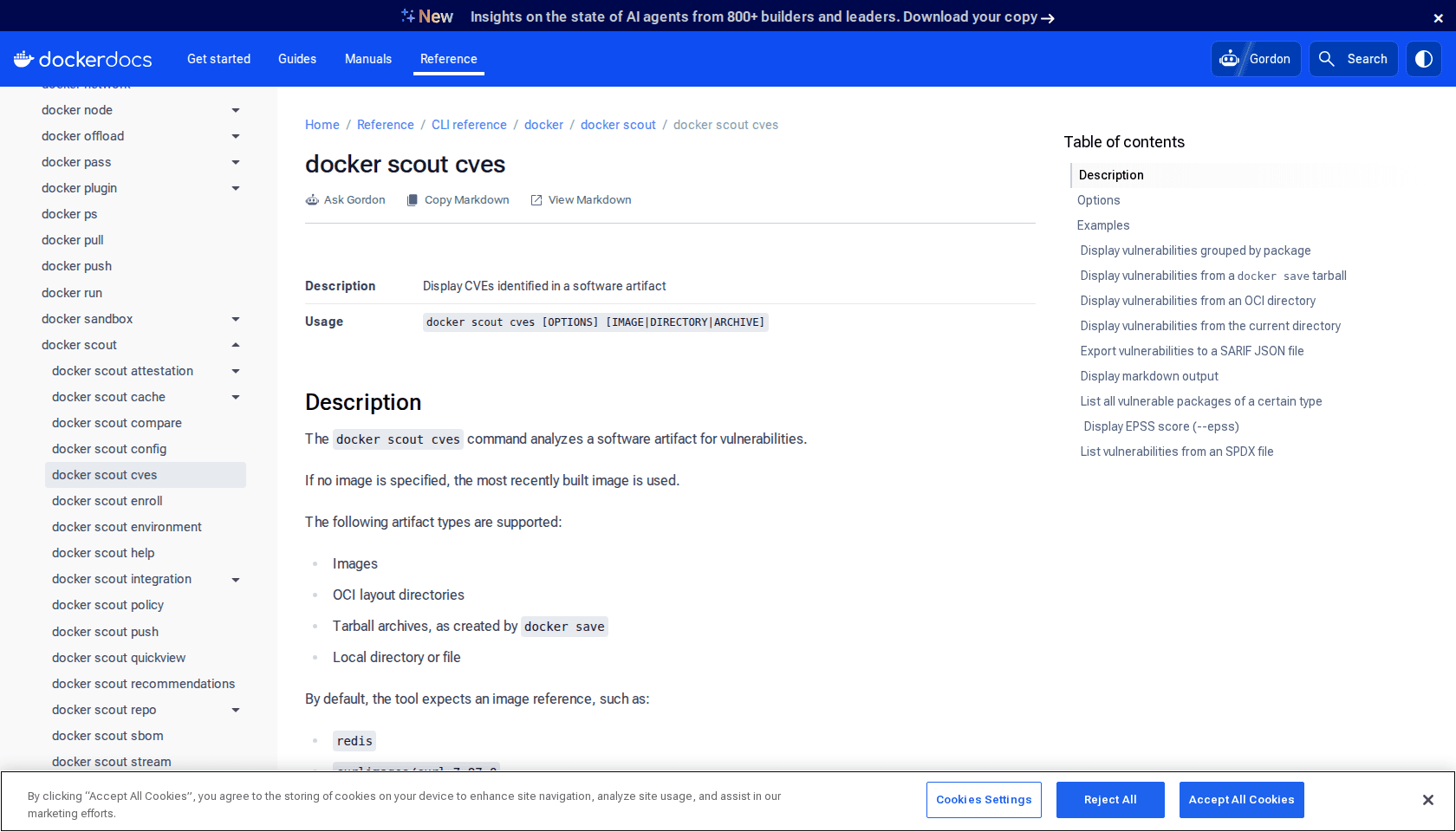
protocol / May 16, 2026
docker scout cves
docker scout cves | Docker Docs
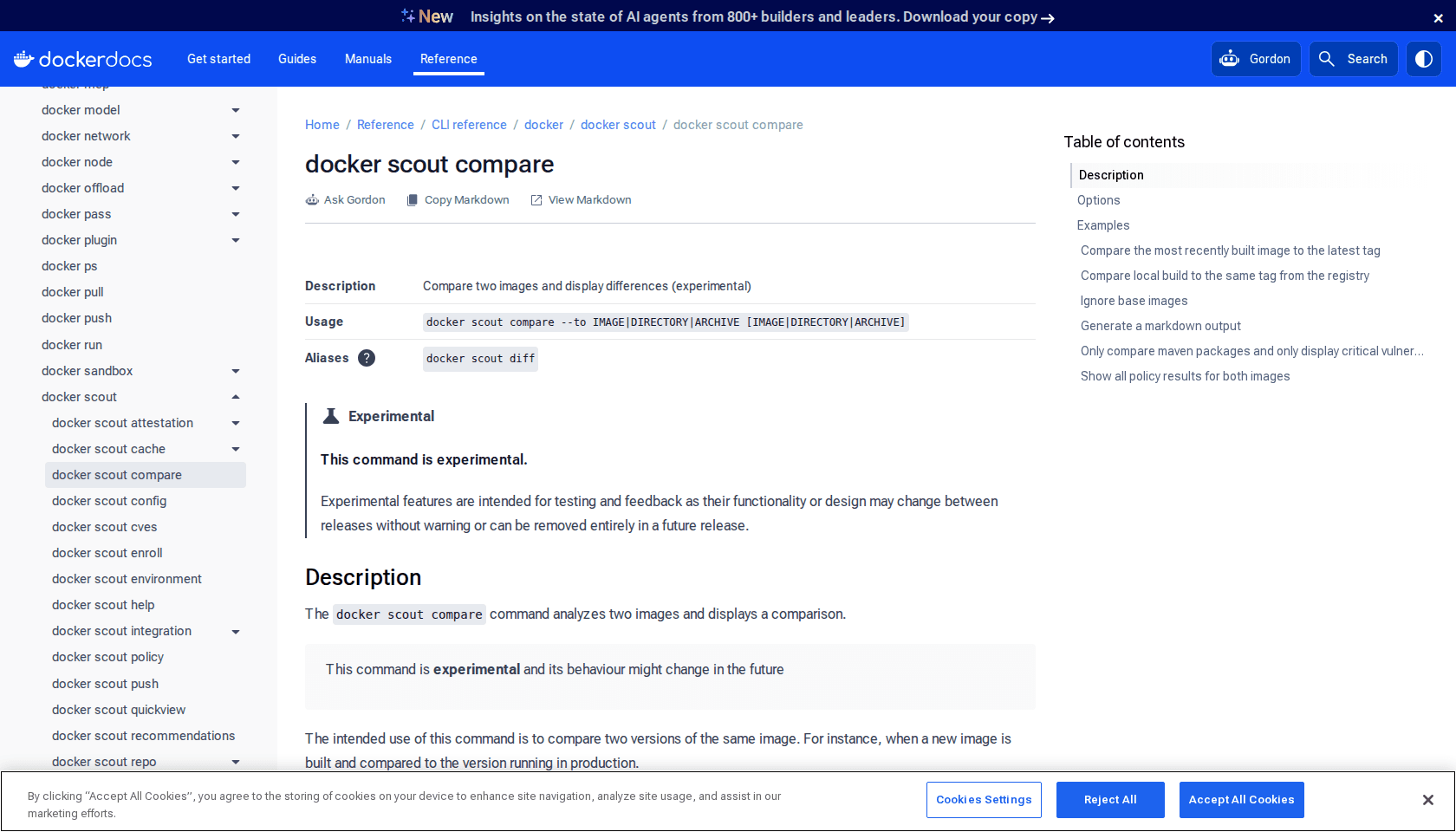
protocol / May 16, 2026
docker scout compare
docker scout compare | Docker Docs
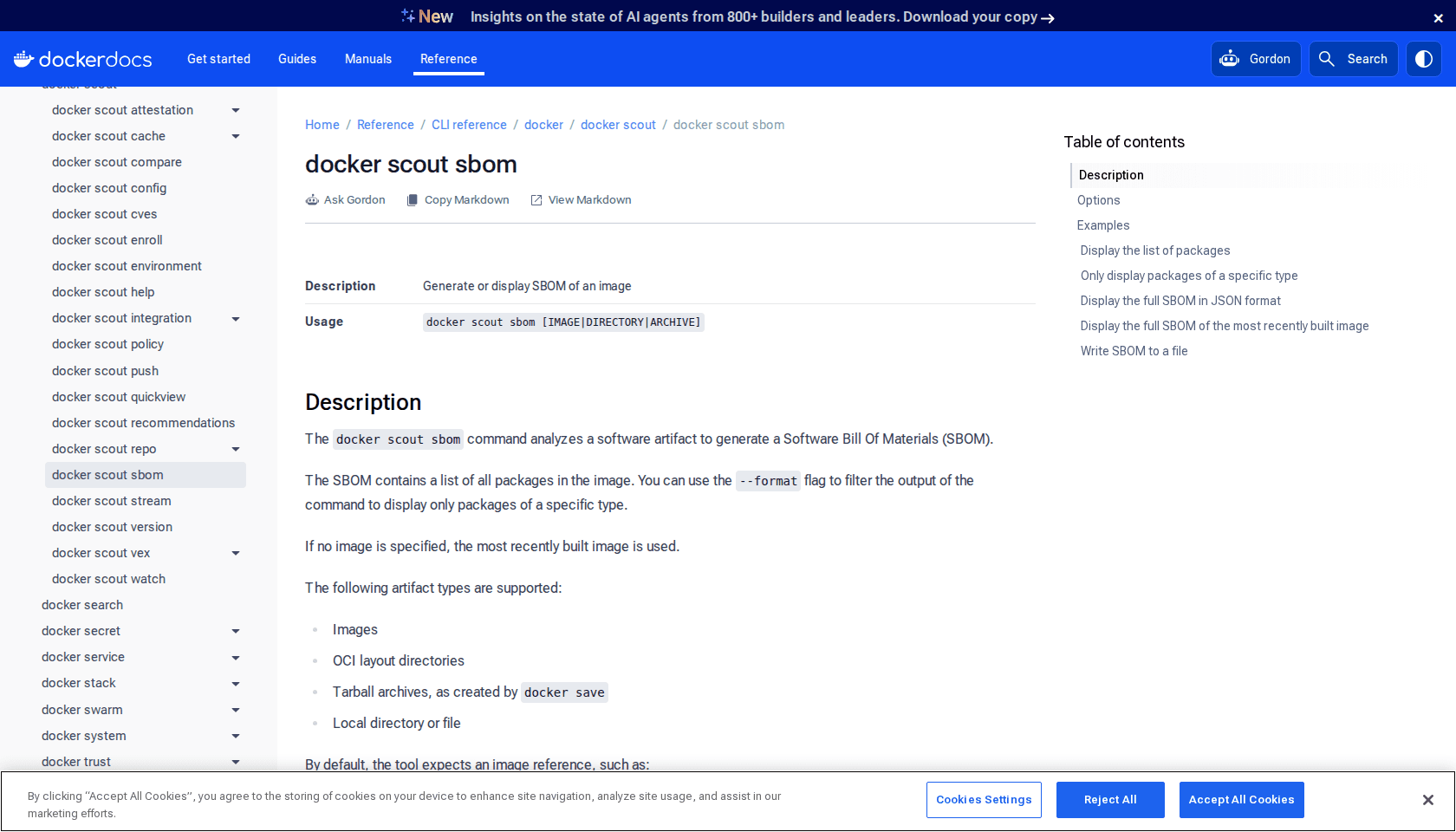
protocol / May 16, 2026
docker scout sbom
docker scout sbom | Docker Docs
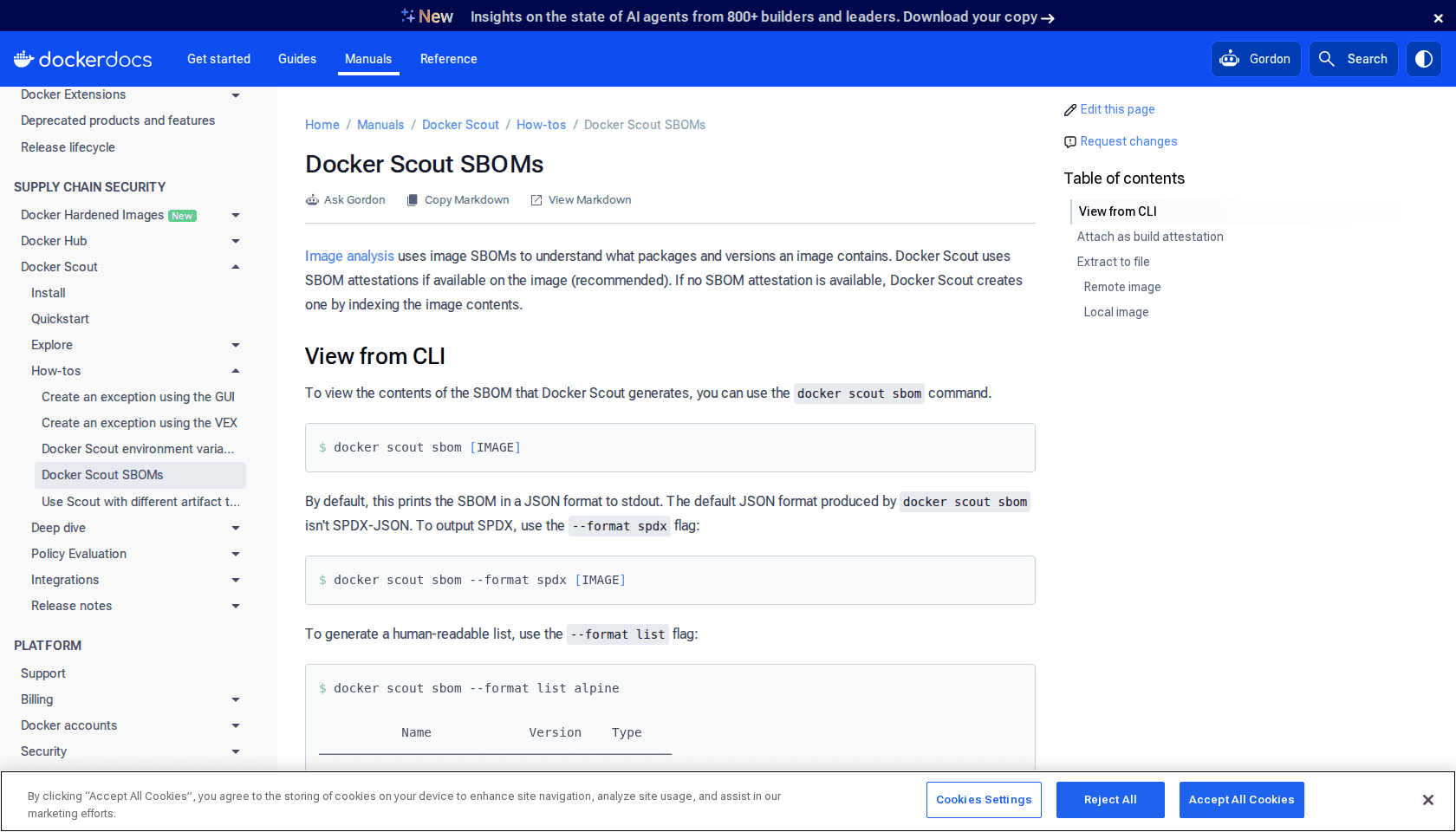
protocol / May 16, 2026
Scout SBOM How-To
View and create SBOMs | Docker Docs
protocol / May 16, 2026
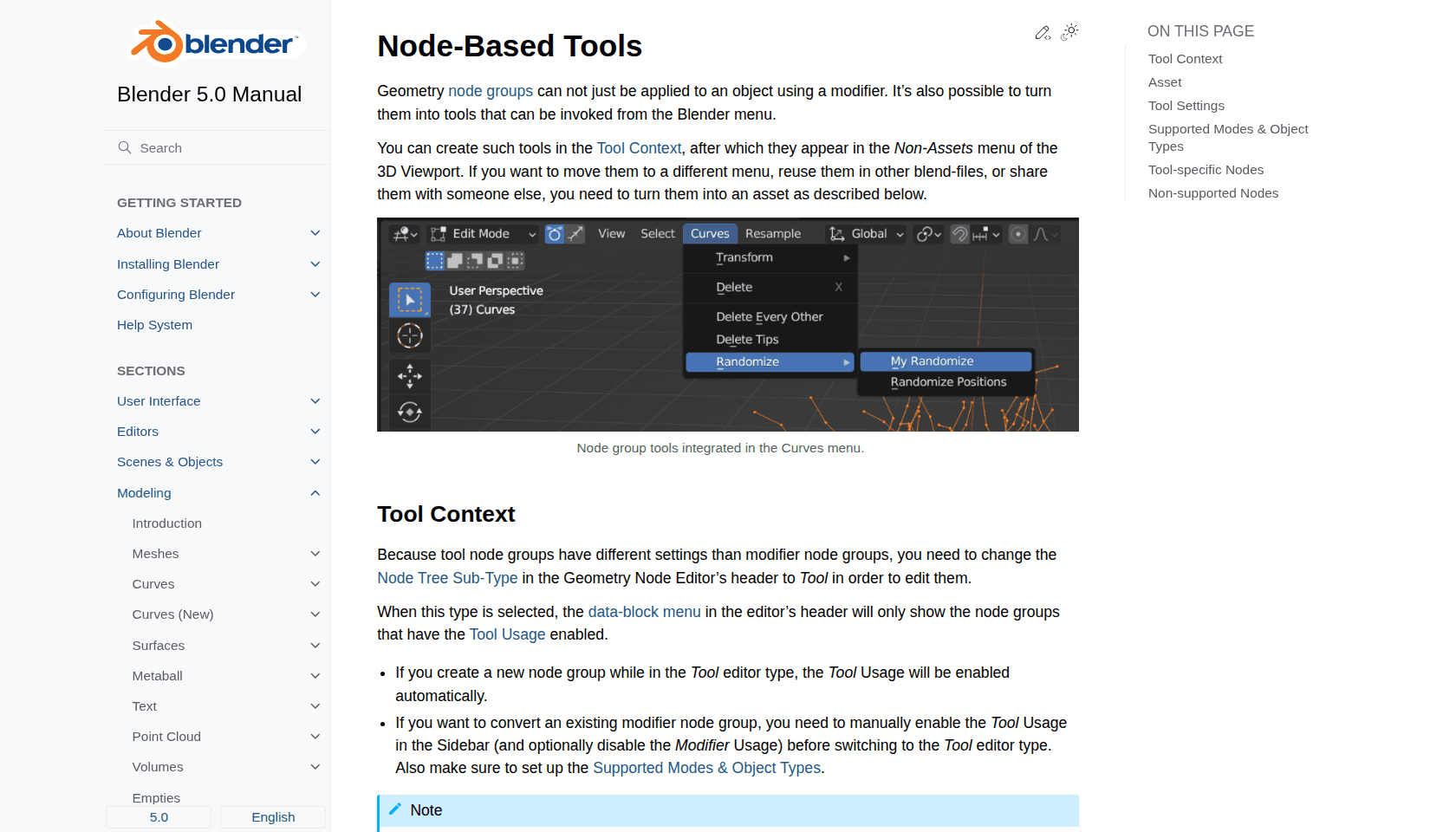
GN Tool Nodes
Node-Based Tools - Blender 5.0 Manual
protocol / May 16, 2026
GN Baking
Baking - Blender 4.5 LTS Manual
protocol / May 16, 2026
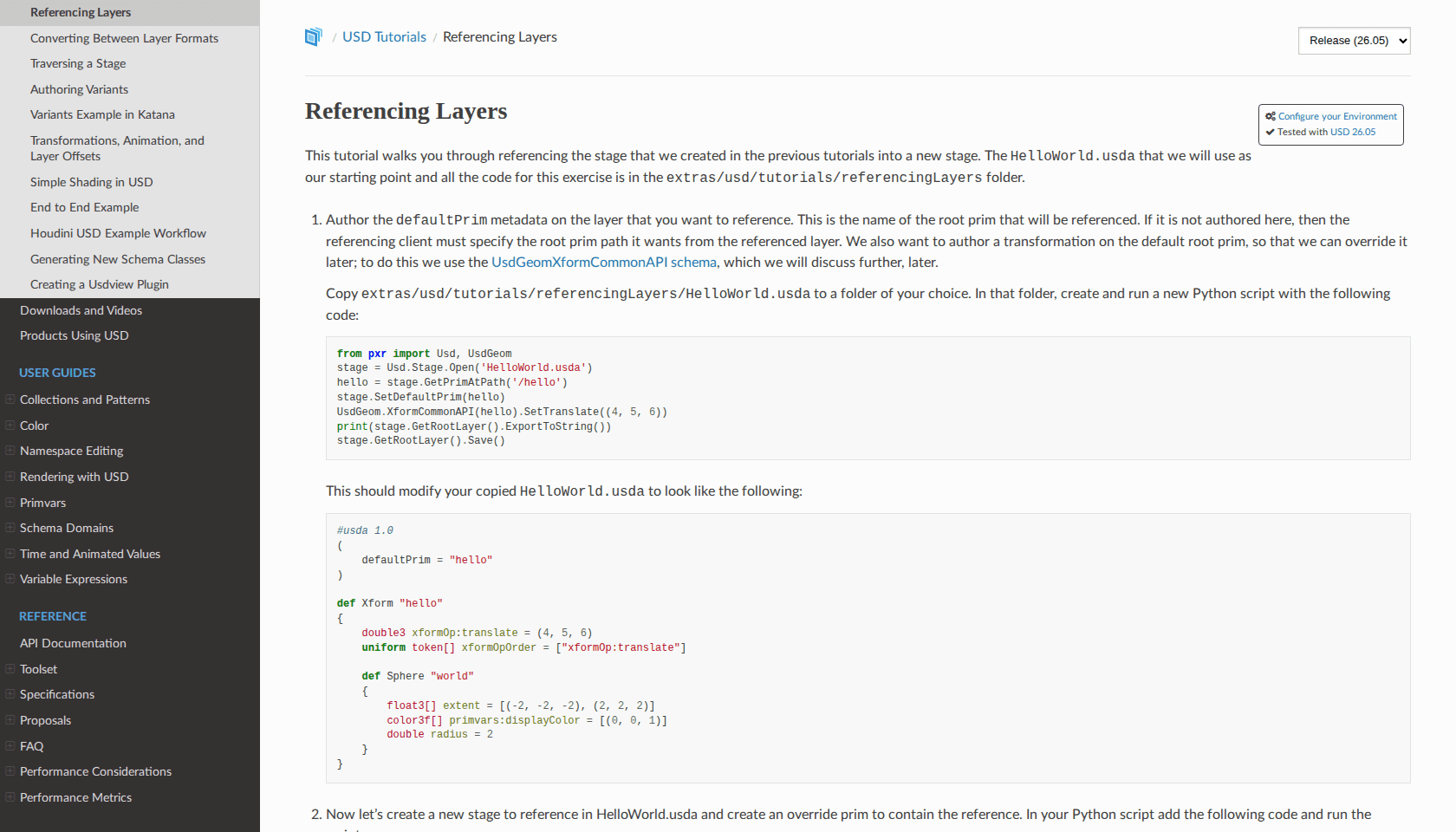
USD Layer Refs
Referencing Layers — Universal Scene Description documentation
protocol / May 16, 2026
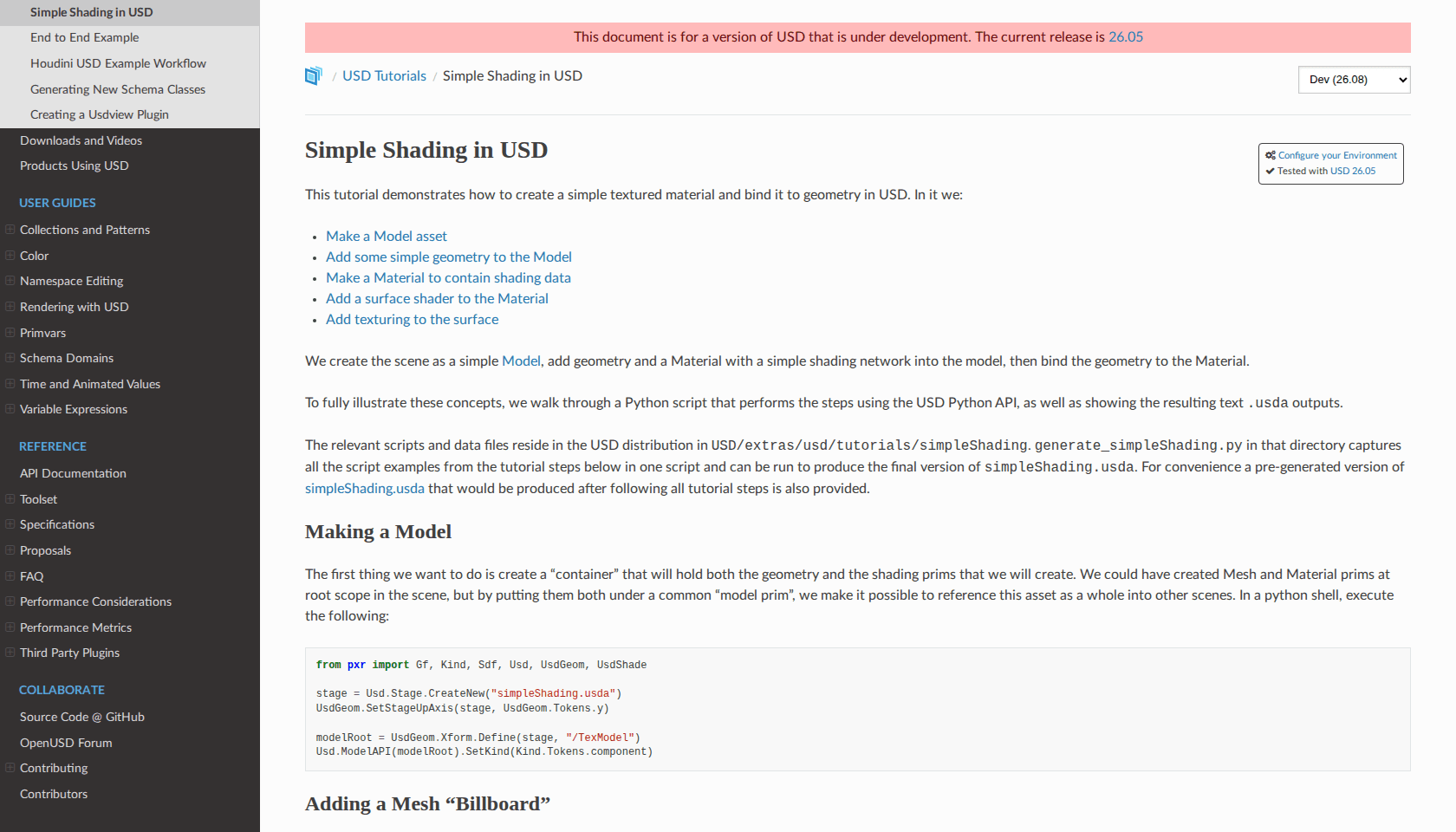
USD Shading Tut
Simple Shading in USD — Universal Scene Description documentation
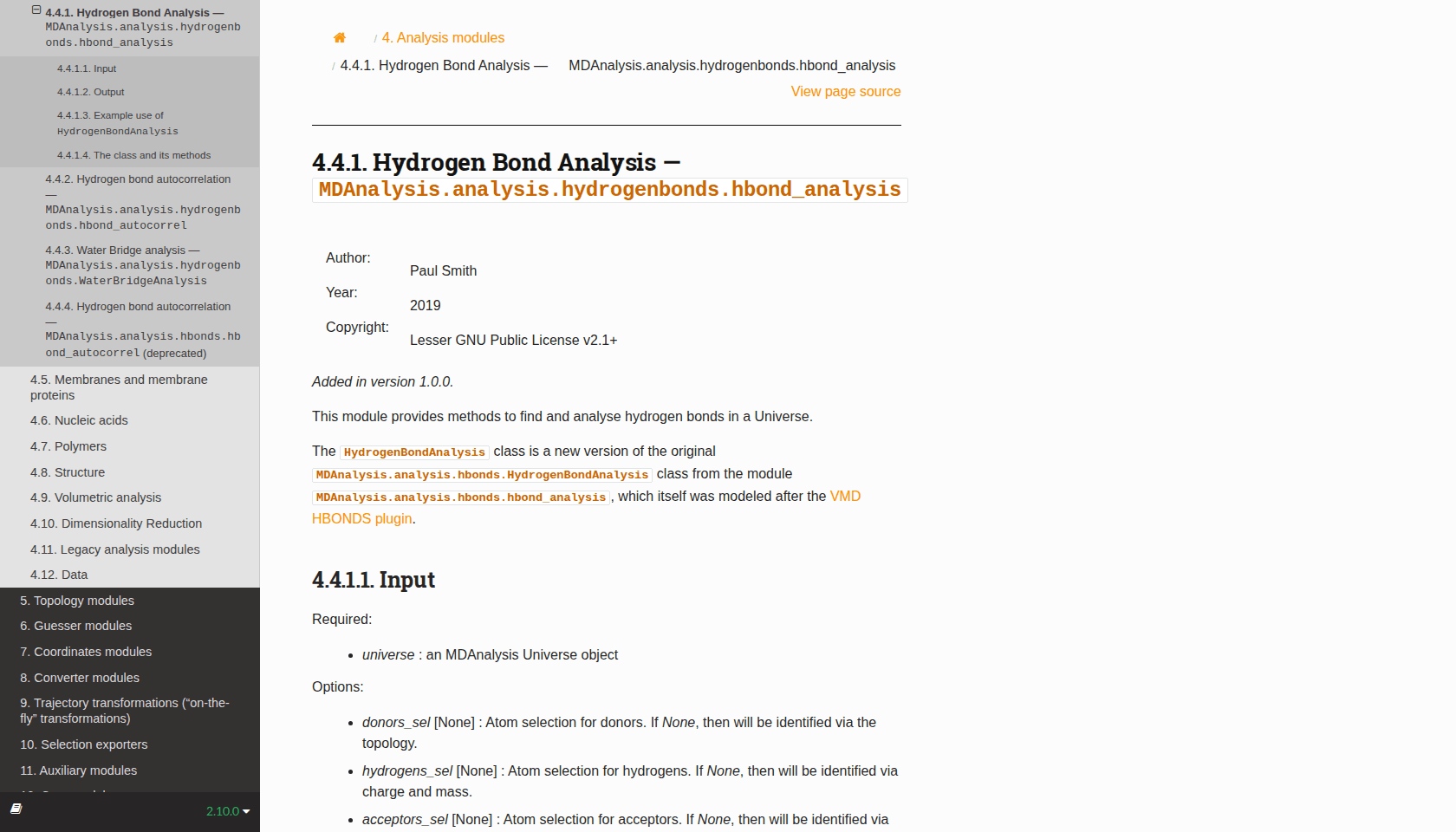
protocol / May 16, 2026
MDAnalysis H-Bonds
Hydrogen Bond Analysis — MDAnalysis.analysis.hydrogenbonds — MDAnalysis 2.10.0 documentation
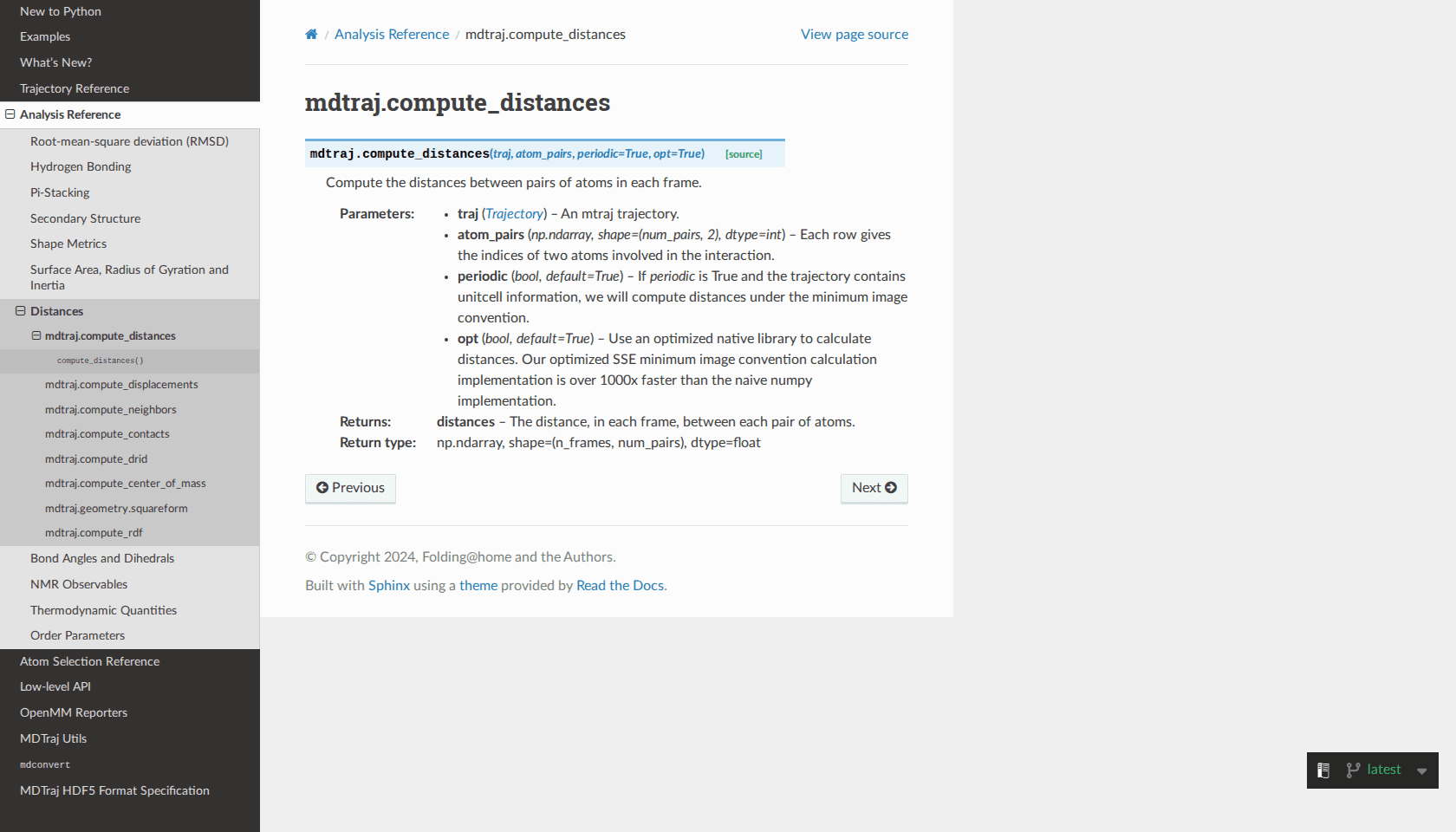
protocol / May 16, 2026
MDTraj Distances
mdtraj.compute_distances — MDTraj documentation
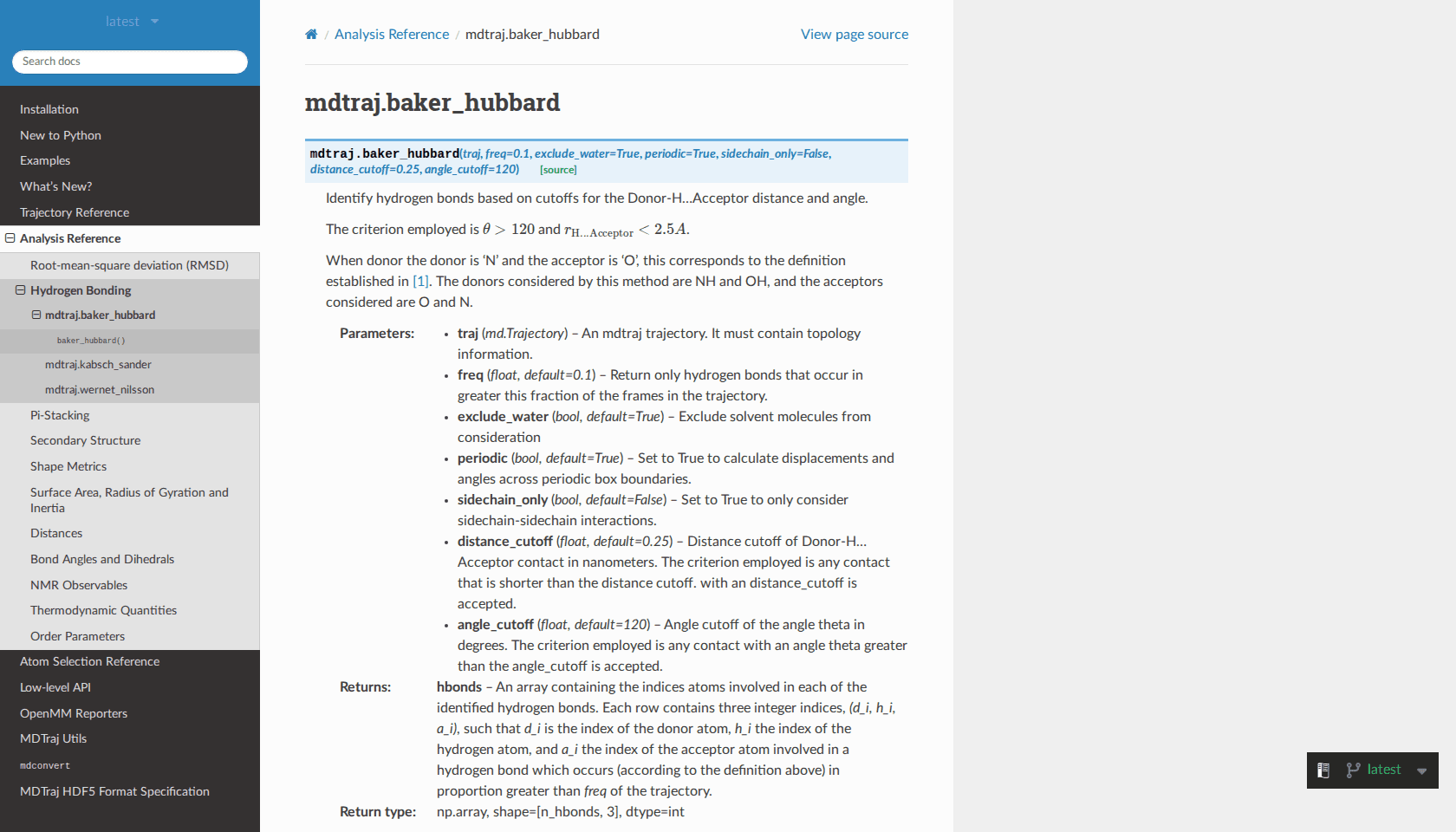
protocol / May 16, 2026
MDTraj H-Bonds
mdtraj.baker_hubbard — MDTraj documentation
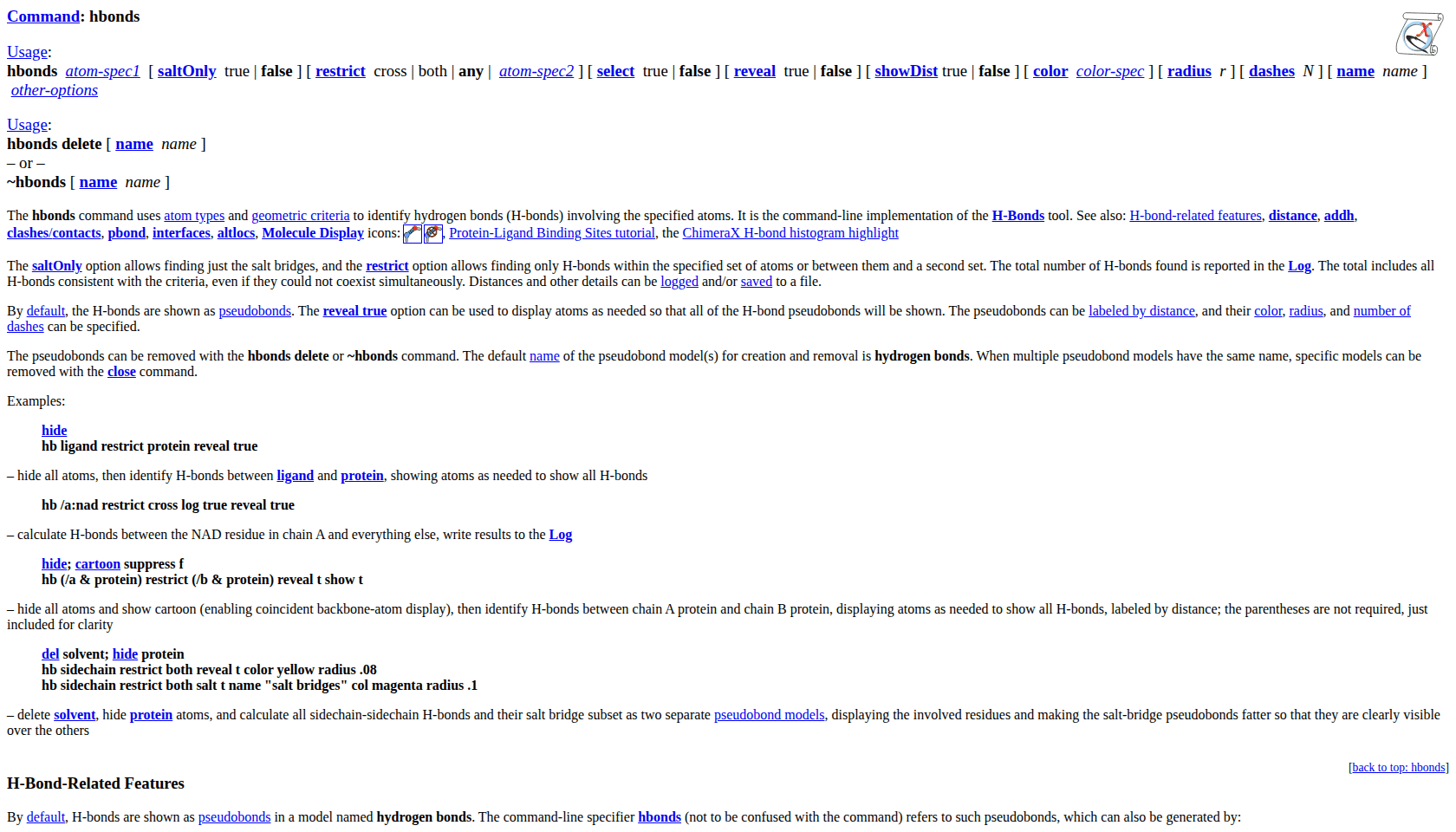
protocol / May 16, 2026
ChimeraX hbonds
Command: hbonds
protocol / May 16, 2026
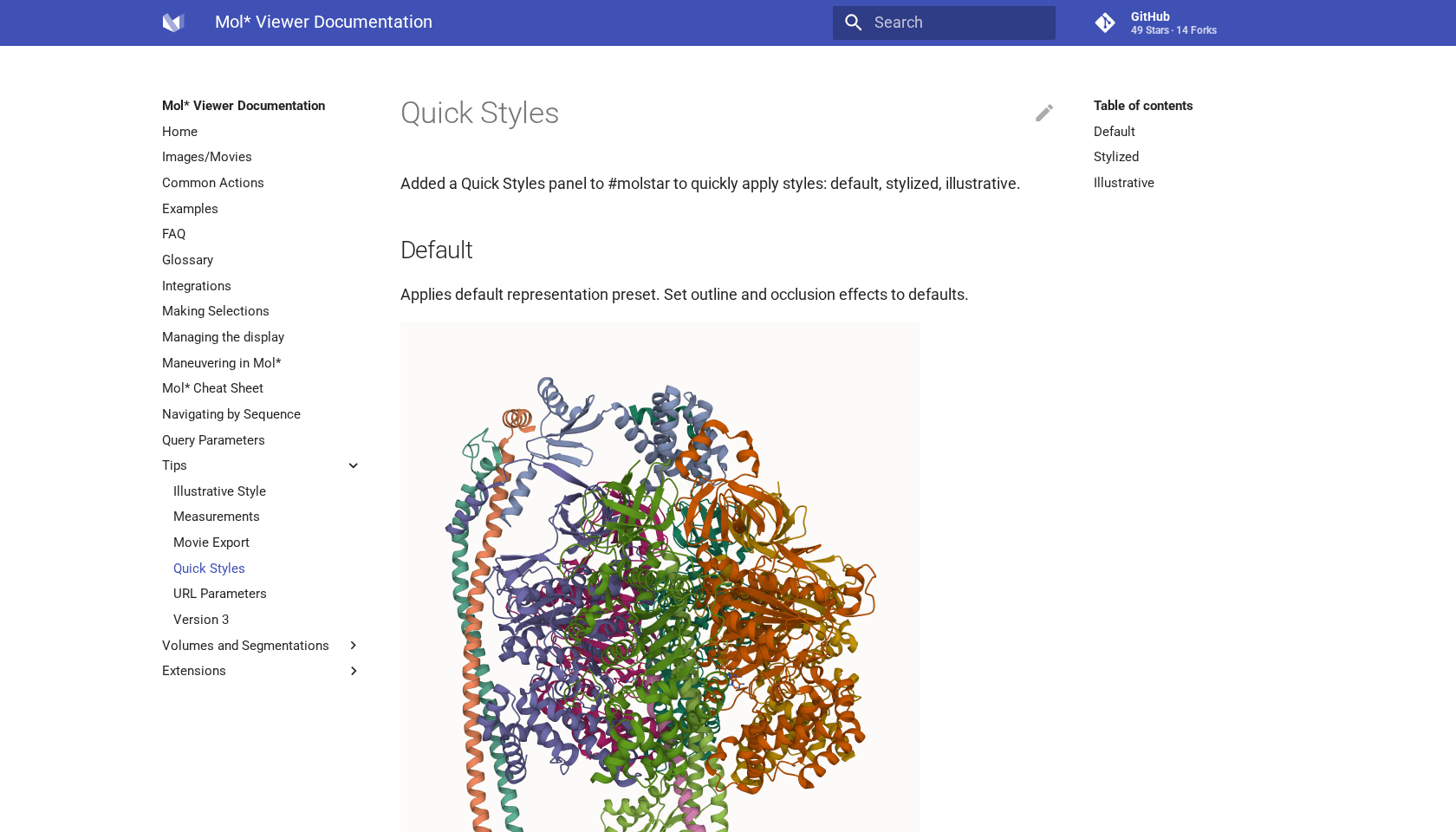
Mol* Quick Styles
Quick Styles - Mol* Viewer Documentation
protocol / May 16, 2026
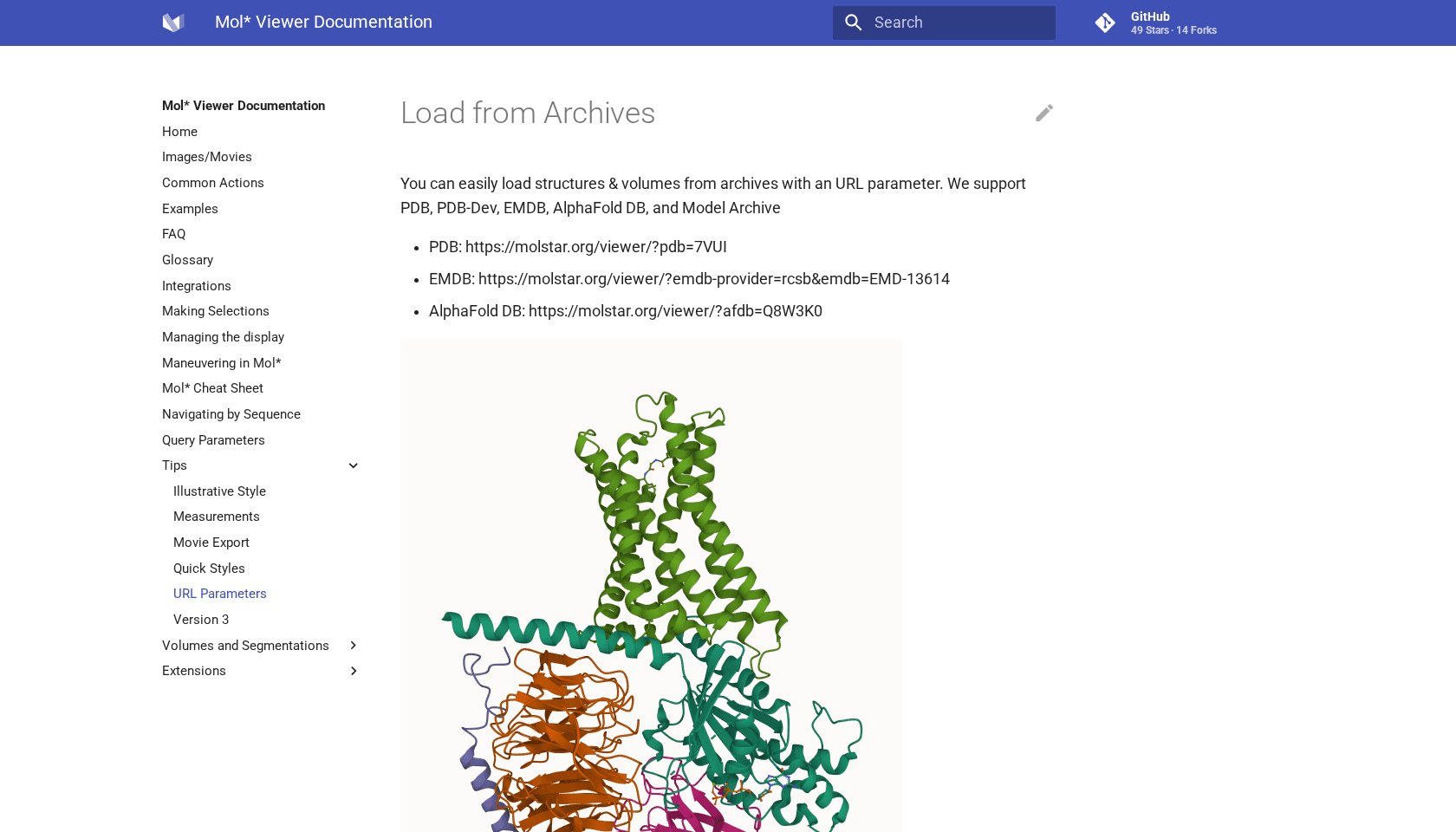
Mol* URL Tips
URL Parameters - Mol* Viewer Documentation
protocol / May 16, 2026
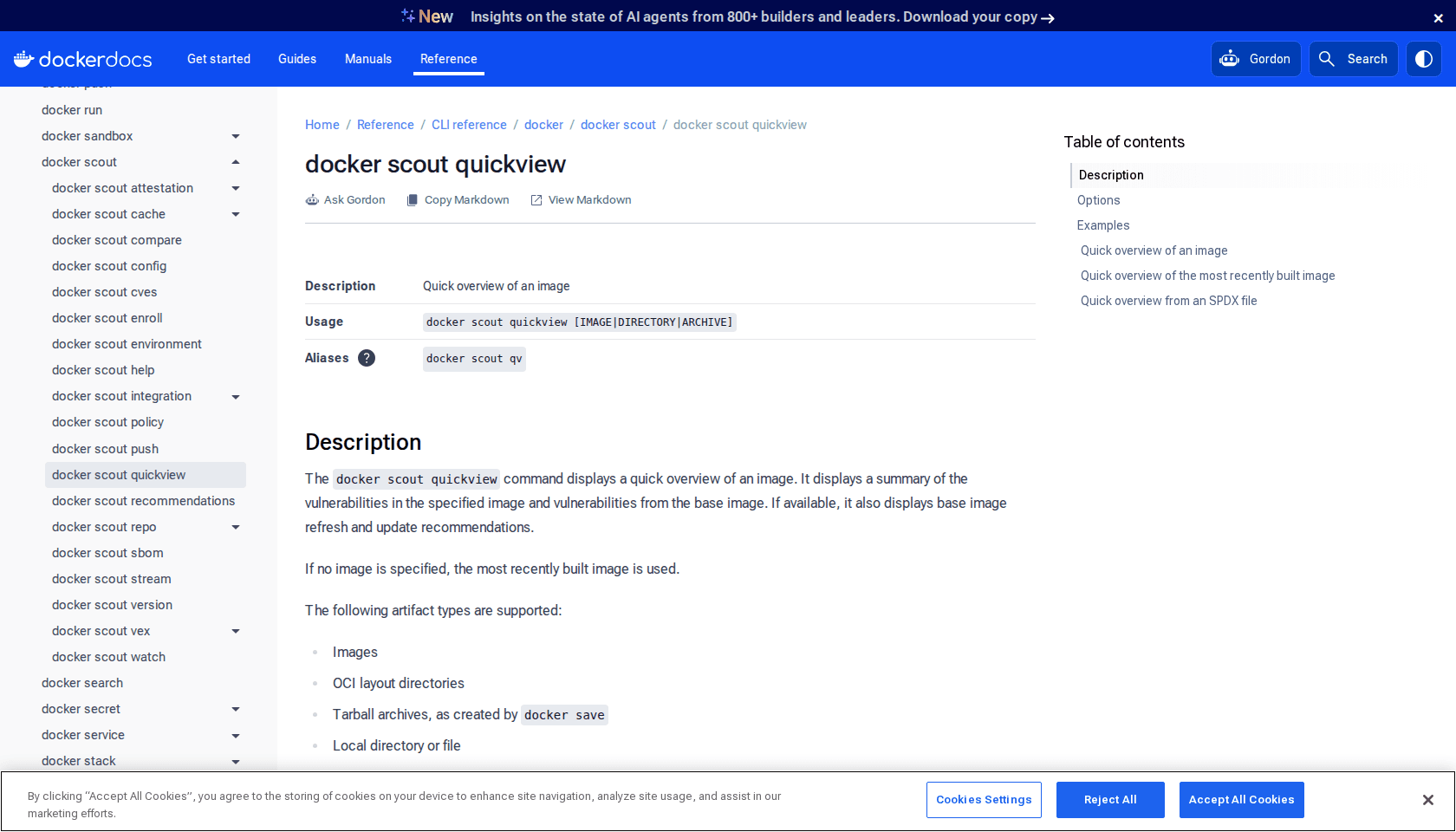
docker scout quickview
docker scout quickview | Docker Docs
protocol / May 16, 2026
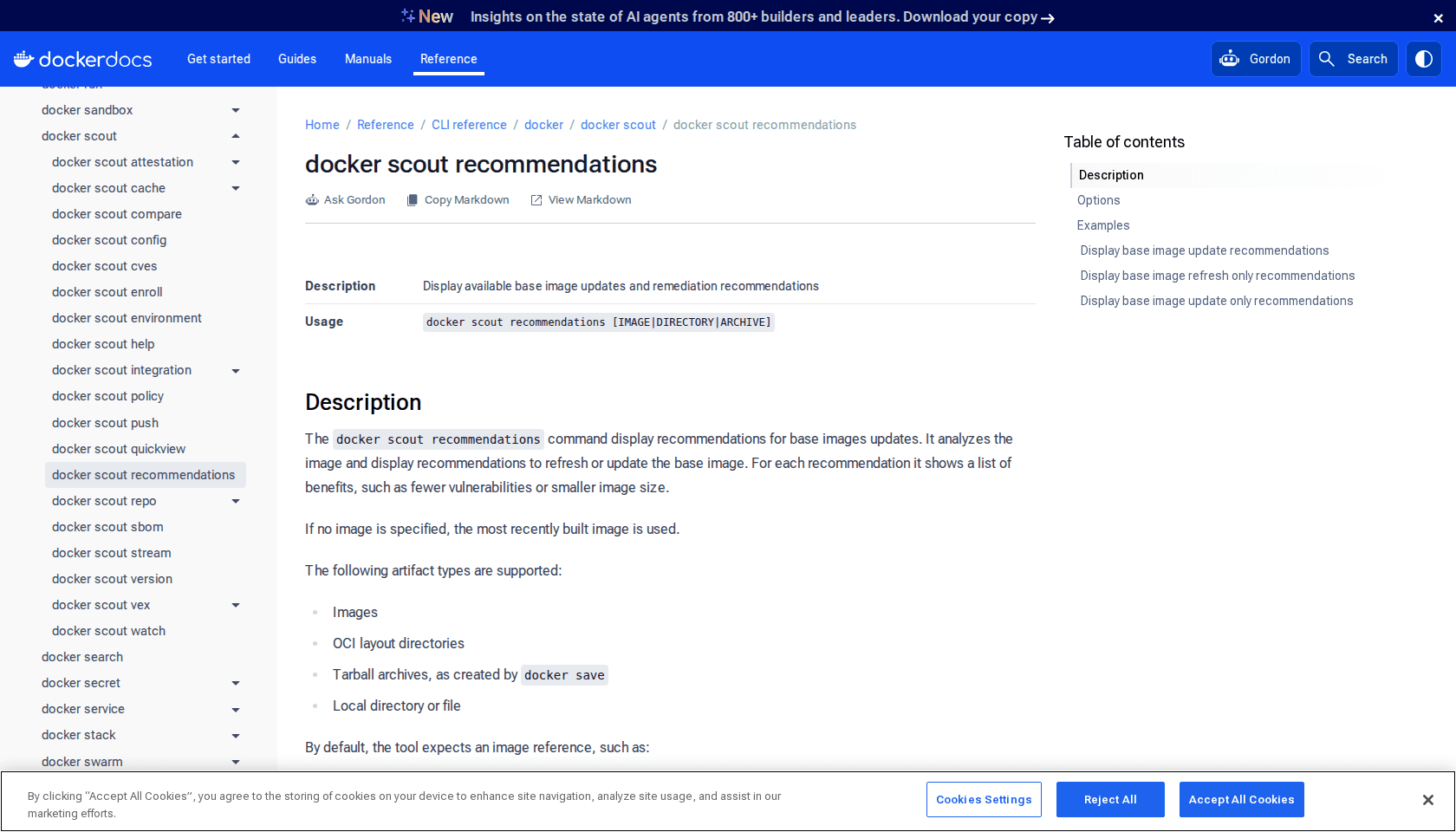
scout recommendations
docker scout recommendations | Docker Docs
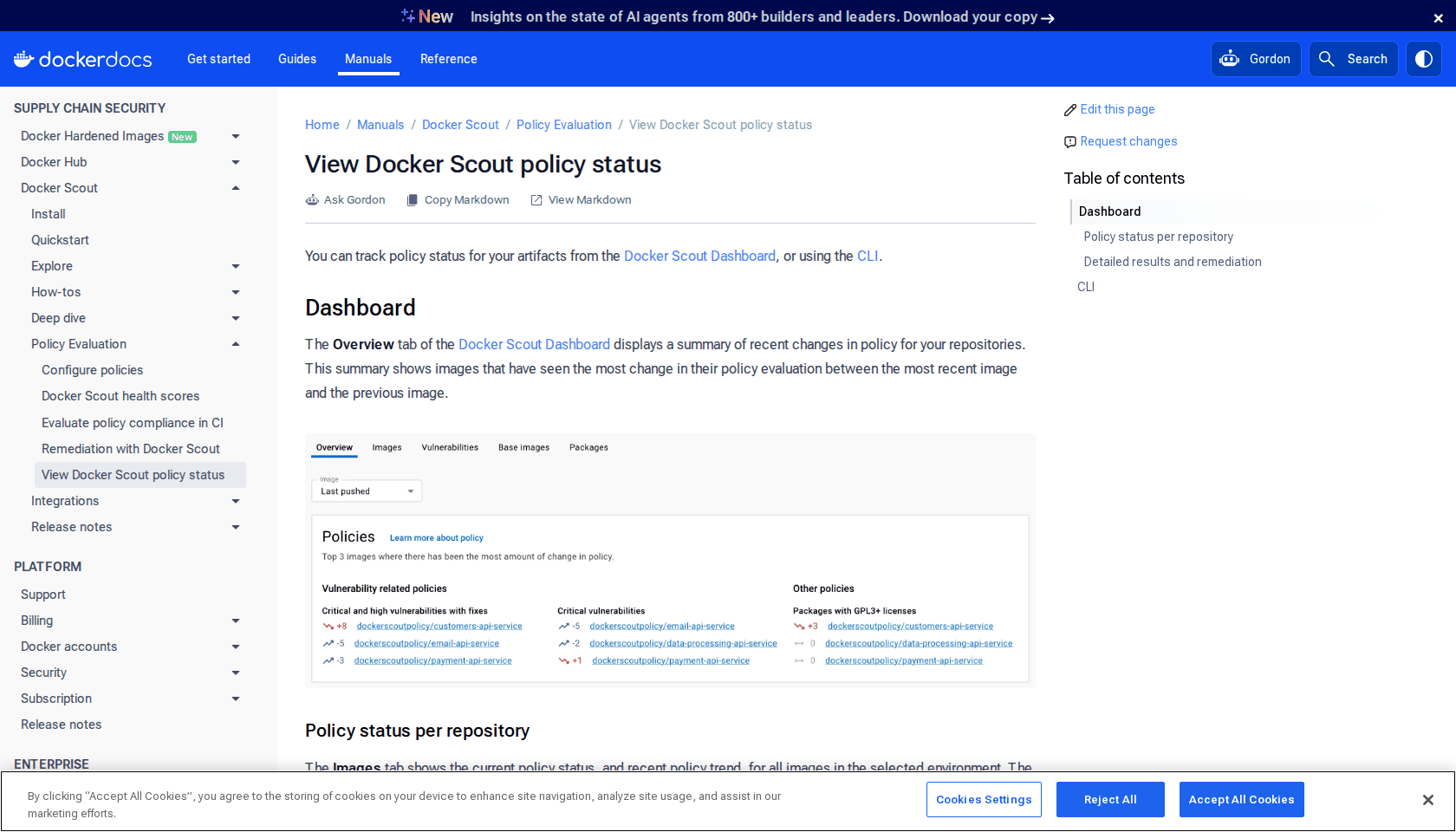
protocol / May 16, 2026
Scout Policy View
View Docker Scout policy status | Docker Docs
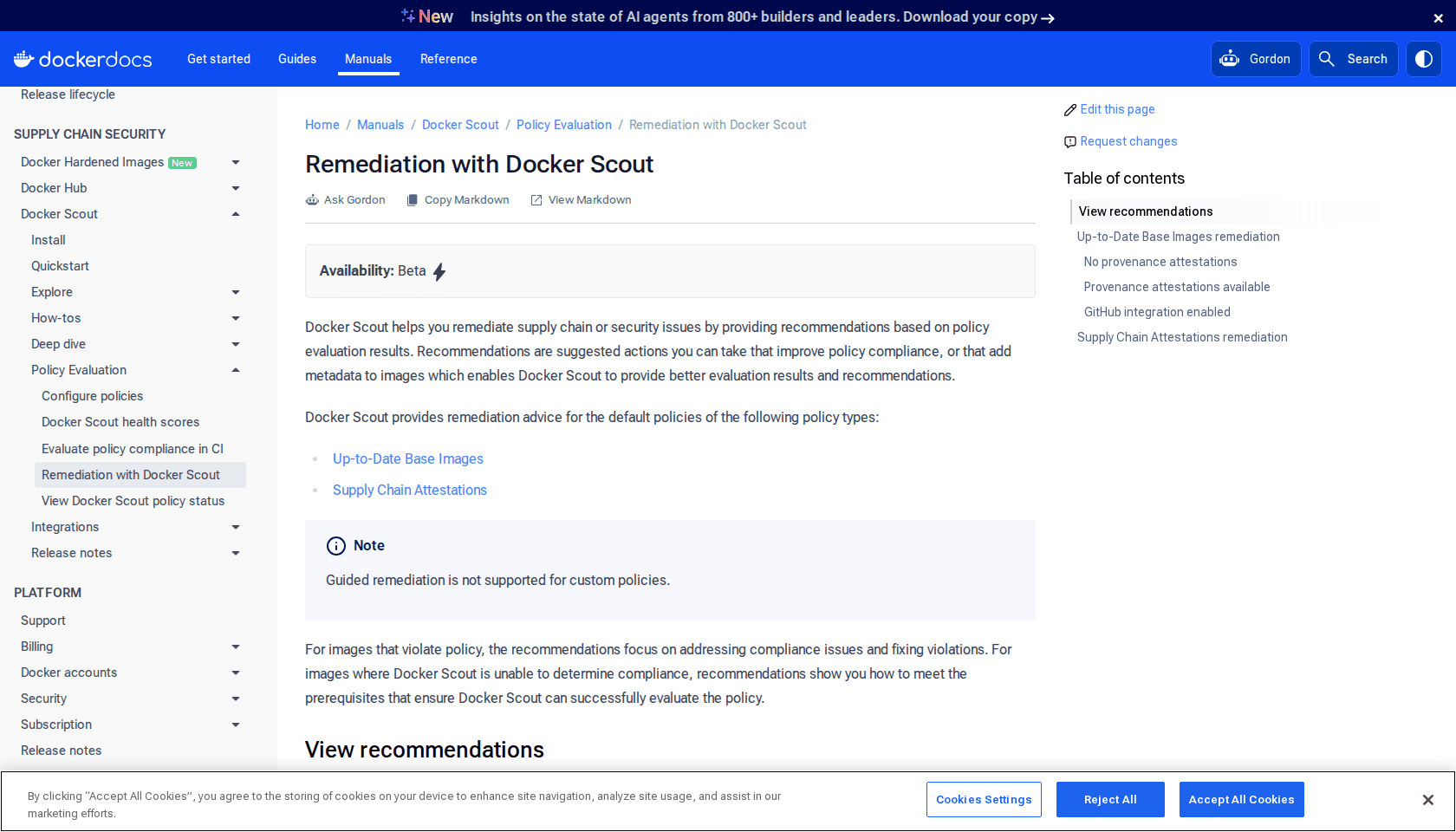
protocol / May 16, 2026
Scout Remediation
Remediation with Docker Scout | Docker Docs
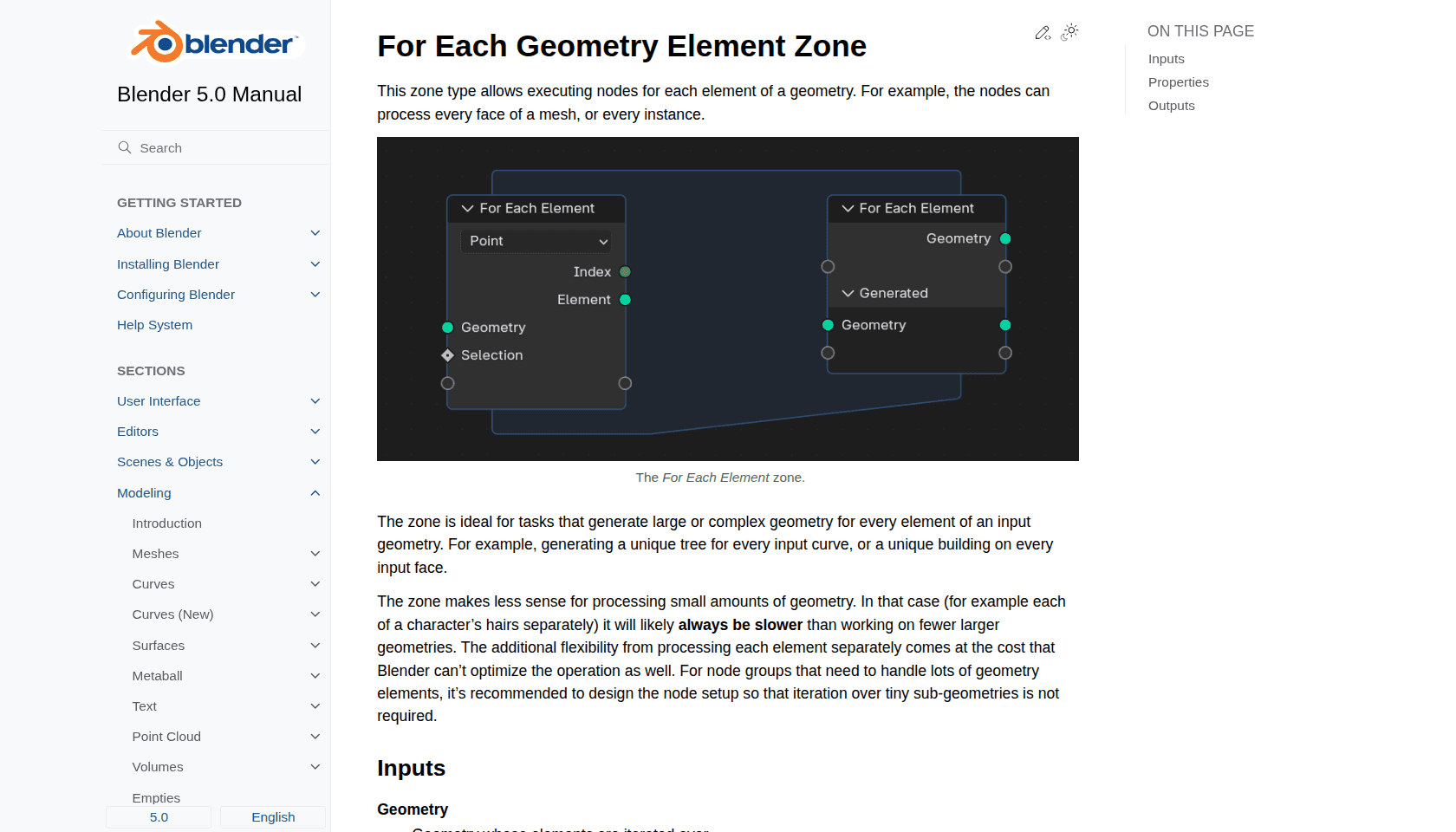
protocol / May 16, 2026
For Each Zone
For Each Geometry Element Zone - Blender 5.0 Manual
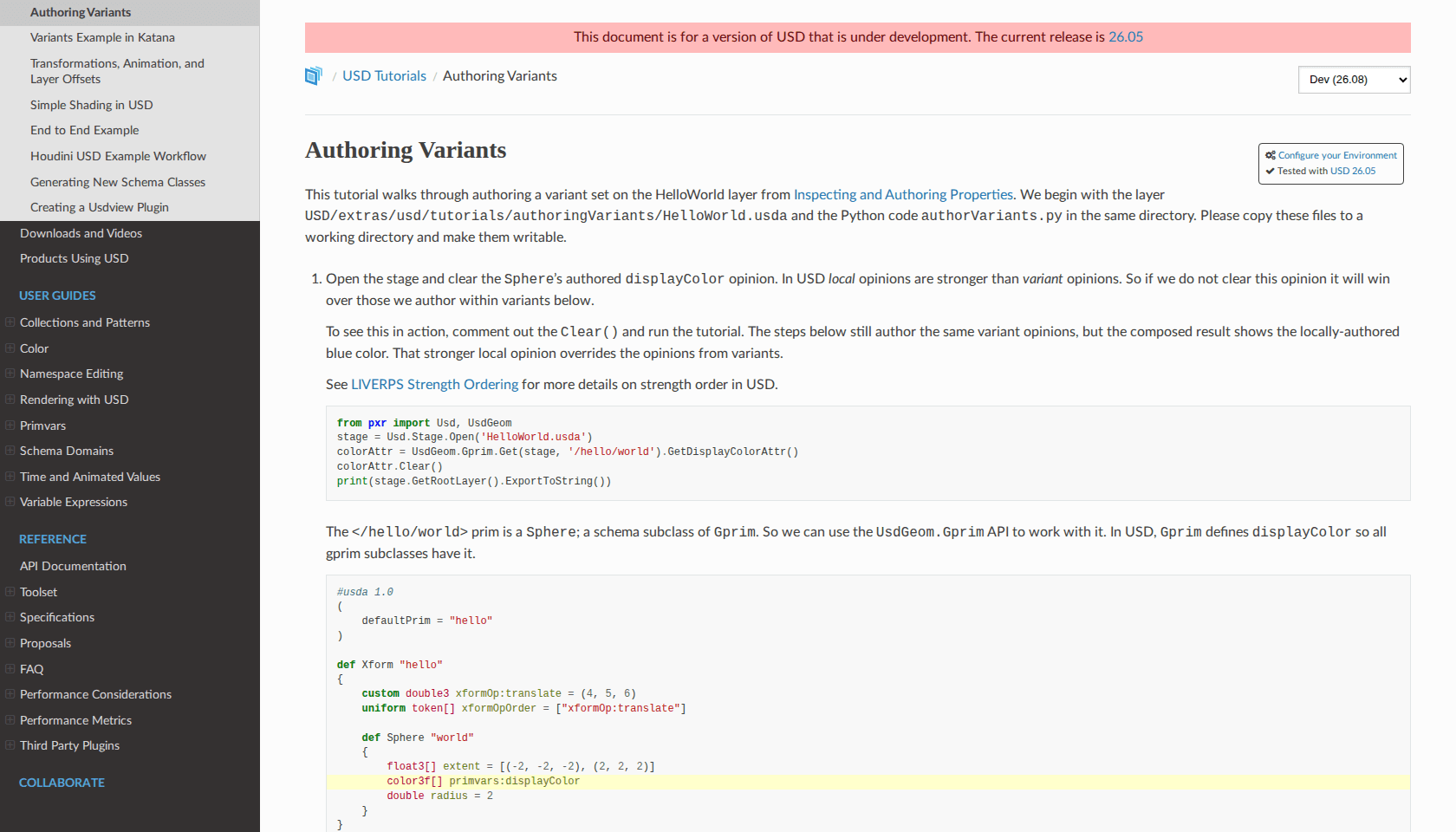
protocol / May 16, 2026
USD Variants
Authoring Variants — Universal Scene Description documentation
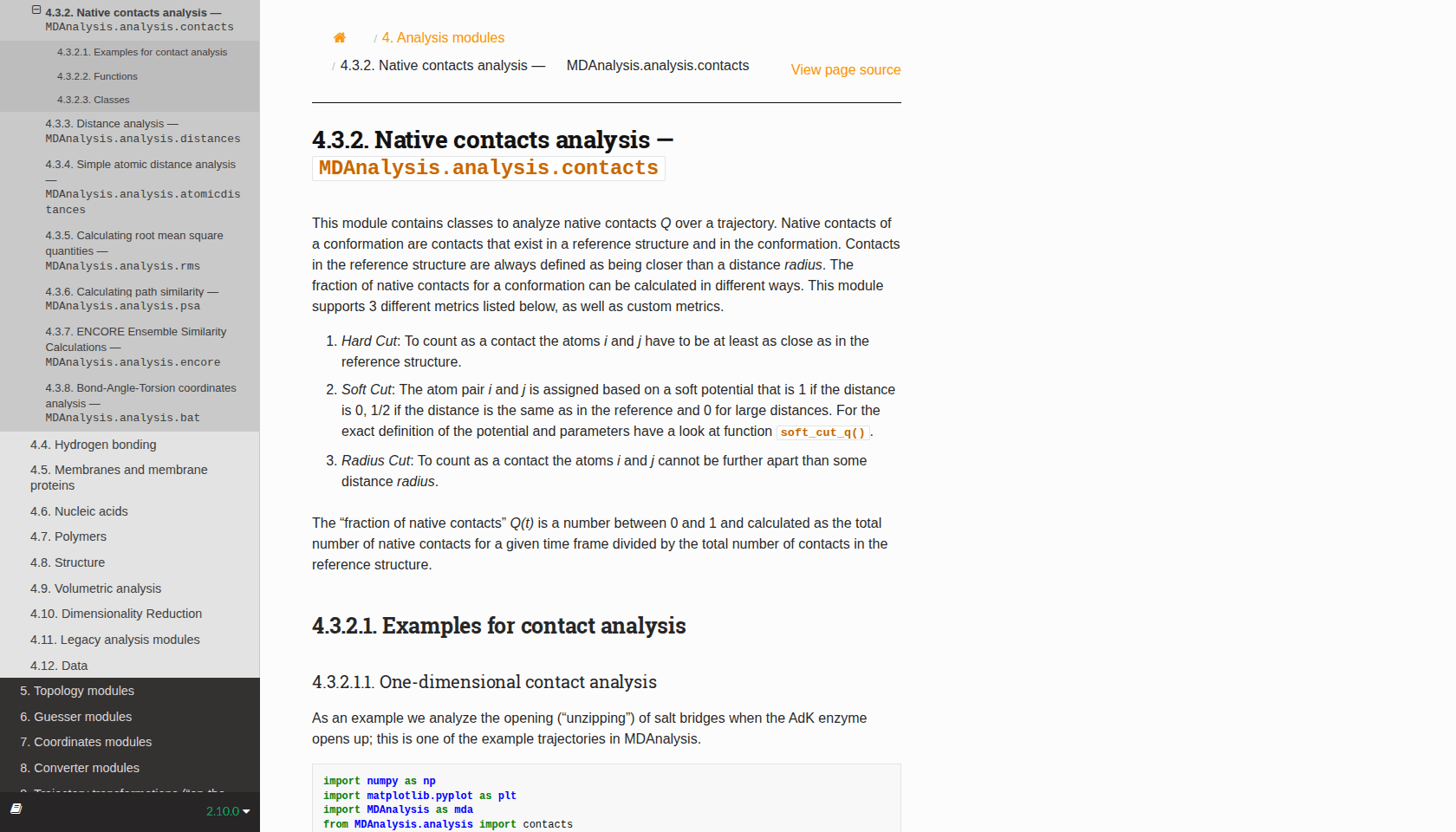
protocol / May 16, 2026
MDAnalysis Contacts
Native contacts analysis — MDAnalysis.analysis.contacts — MDAnalysis 2.10.0 documentation
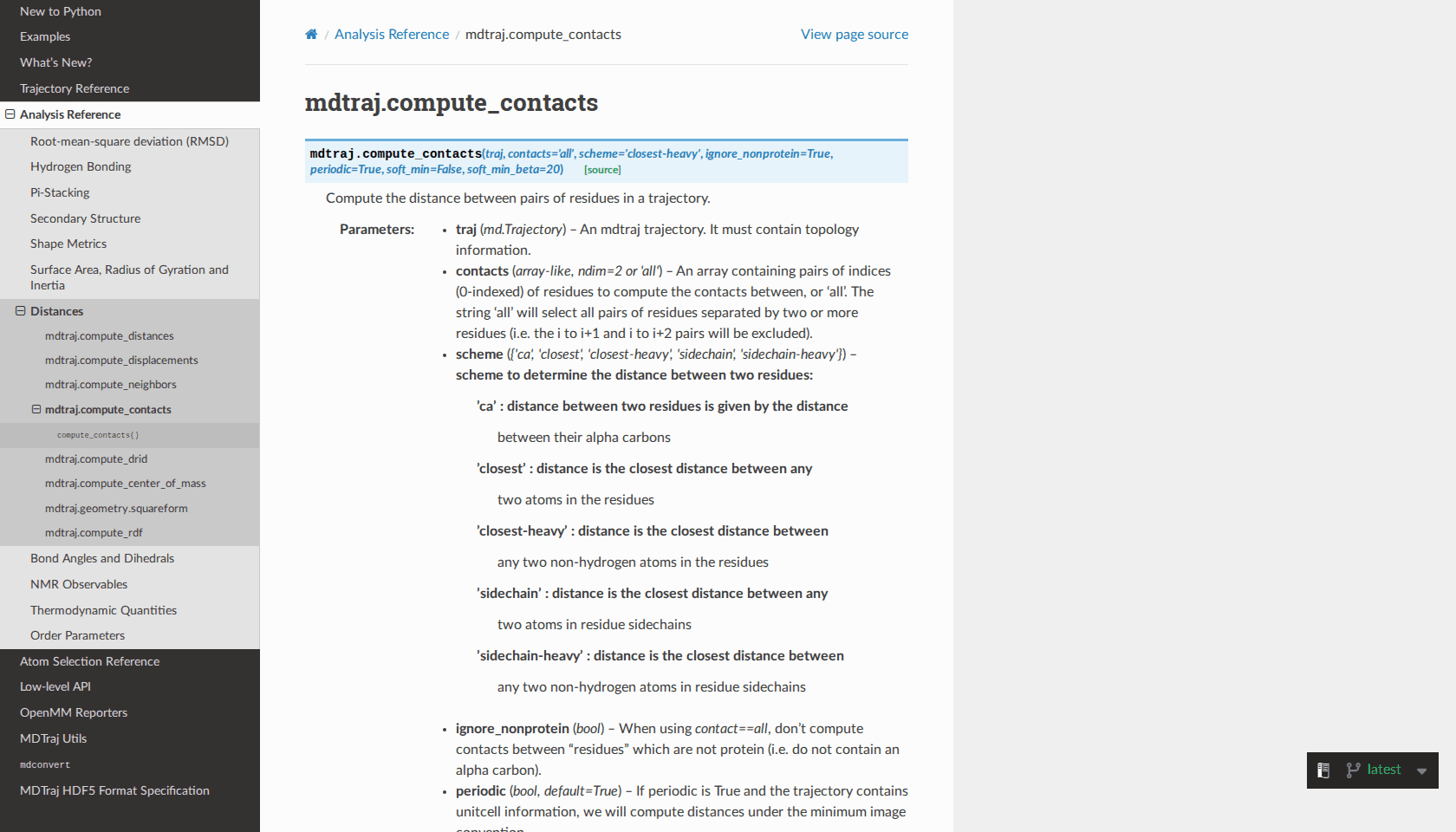
protocol / May 16, 2026
MDTraj Contacts
mdtraj.compute_contacts — MDTraj documentation
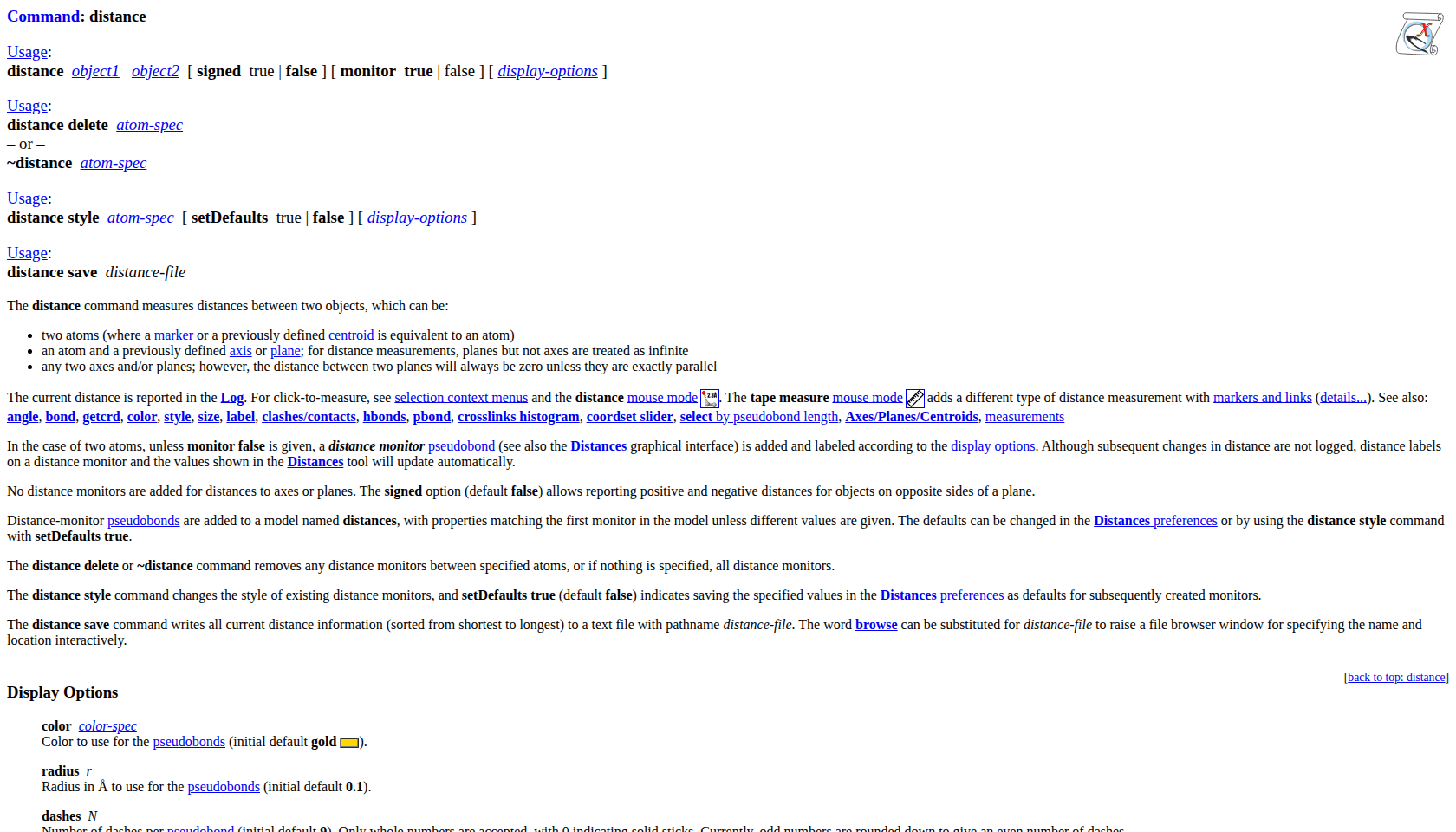
protocol / May 16, 2026
ChimeraX distance
Command: distance
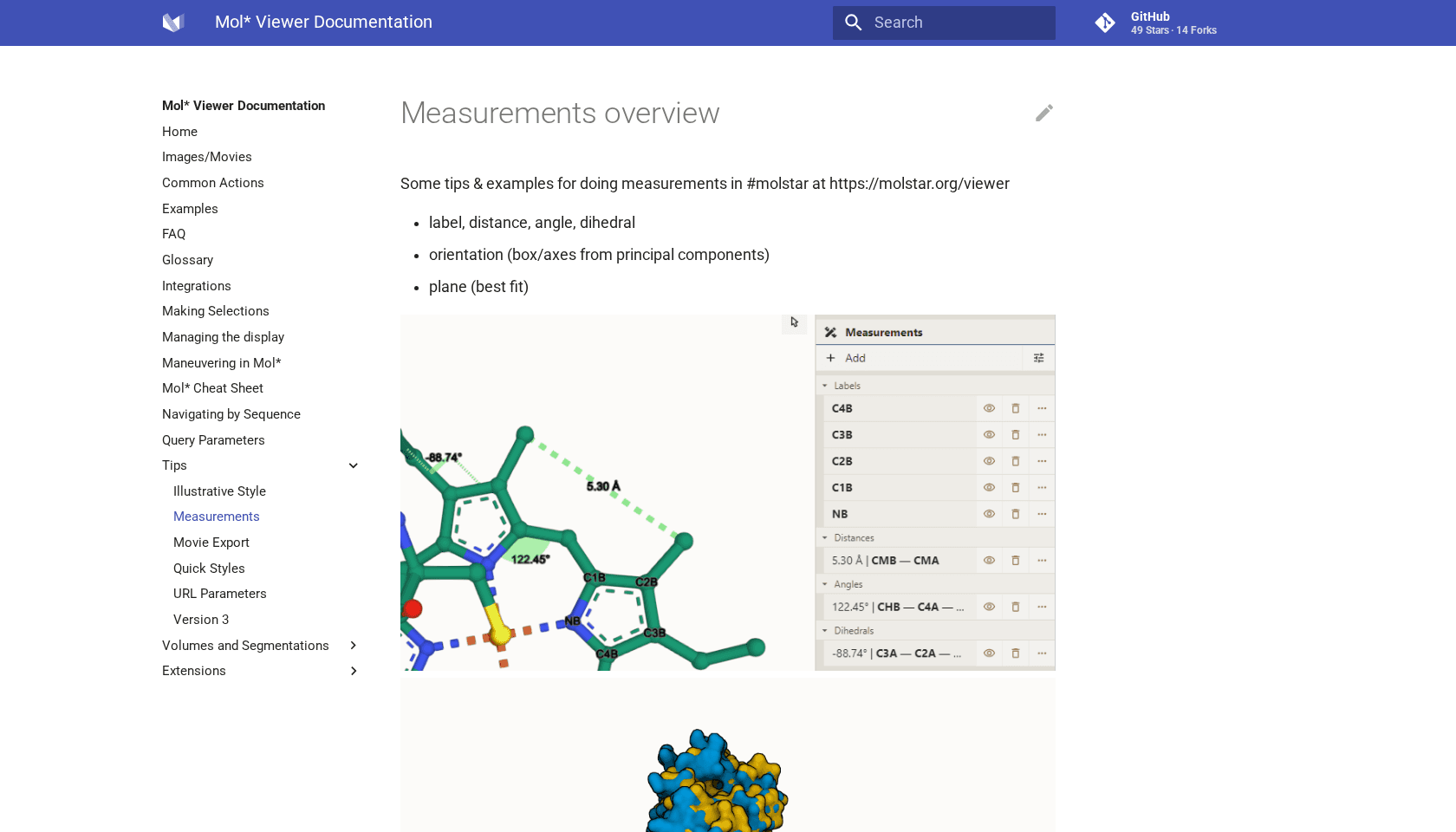
protocol / May 16, 2026
Mol* Measurements
Measurements - Mol* Viewer Documentation
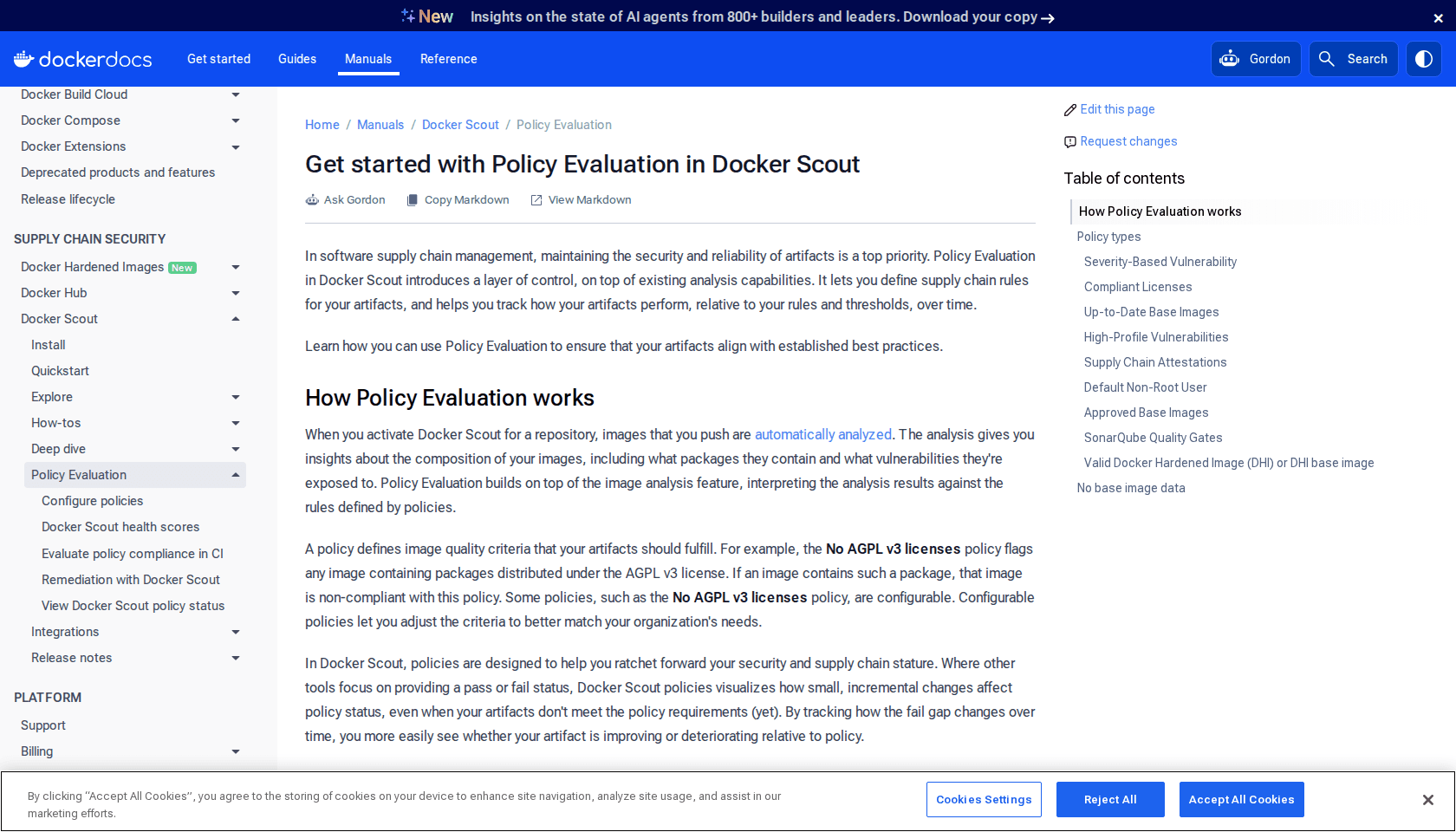
protocol / May 16, 2026
Scout Policy
Get started with Policy Evaluation in Docker Scout | Docker Docs
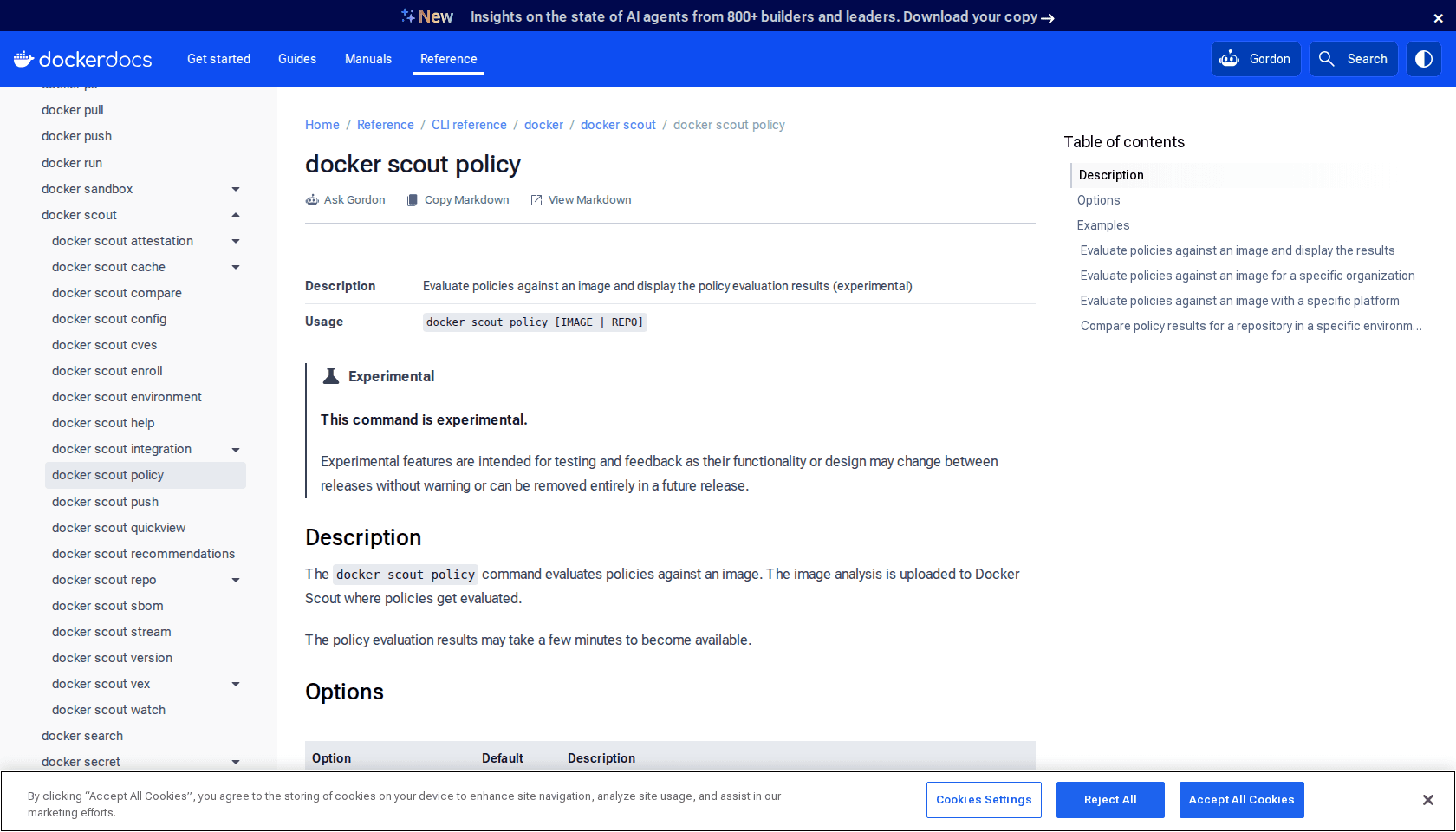
protocol / May 16, 2026
docker scout policy
docker scout policy | Docker Docs
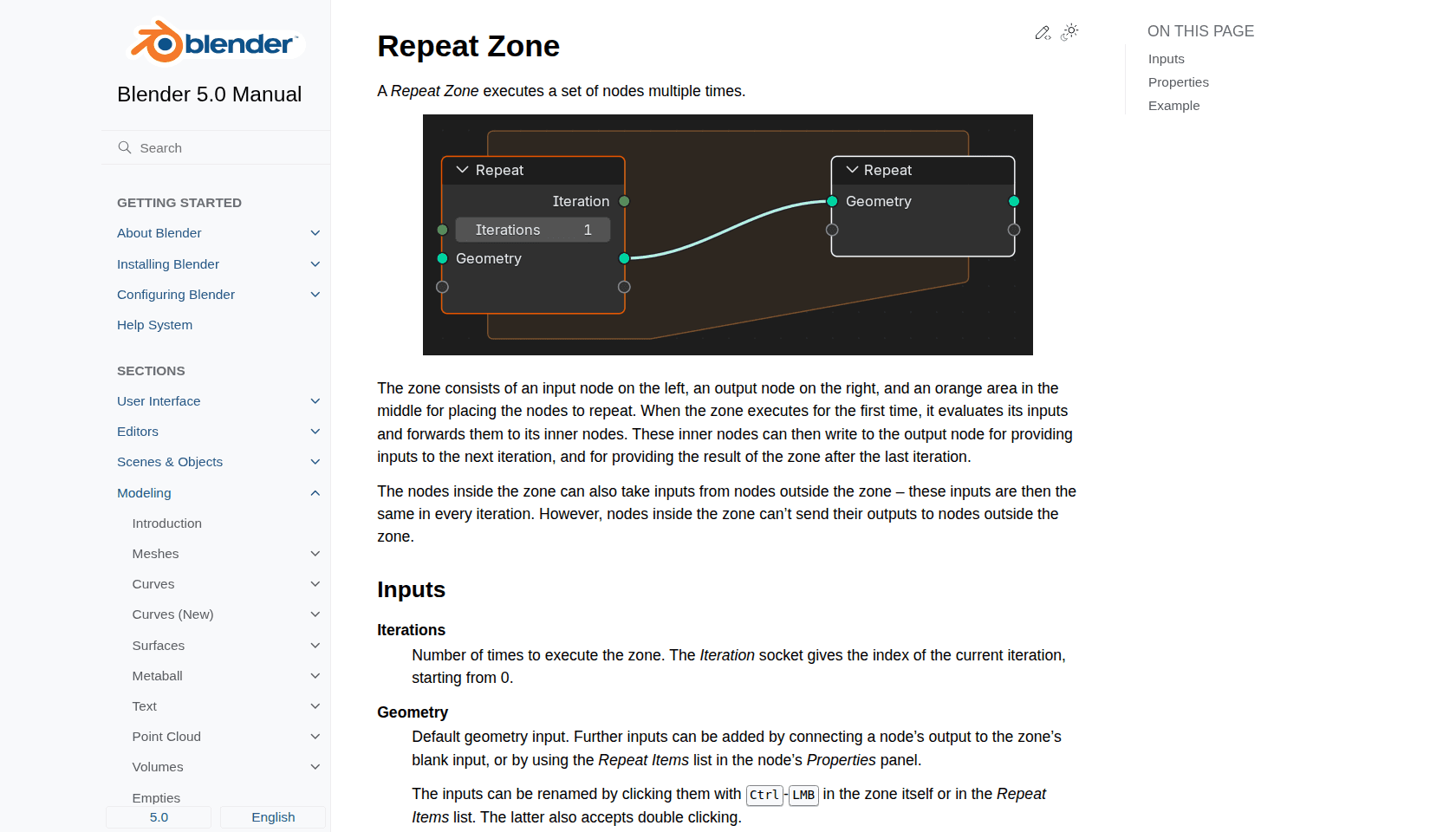
protocol / May 16, 2026
Repeat Zone
Repeat Zone - Blender 5.0 Manual
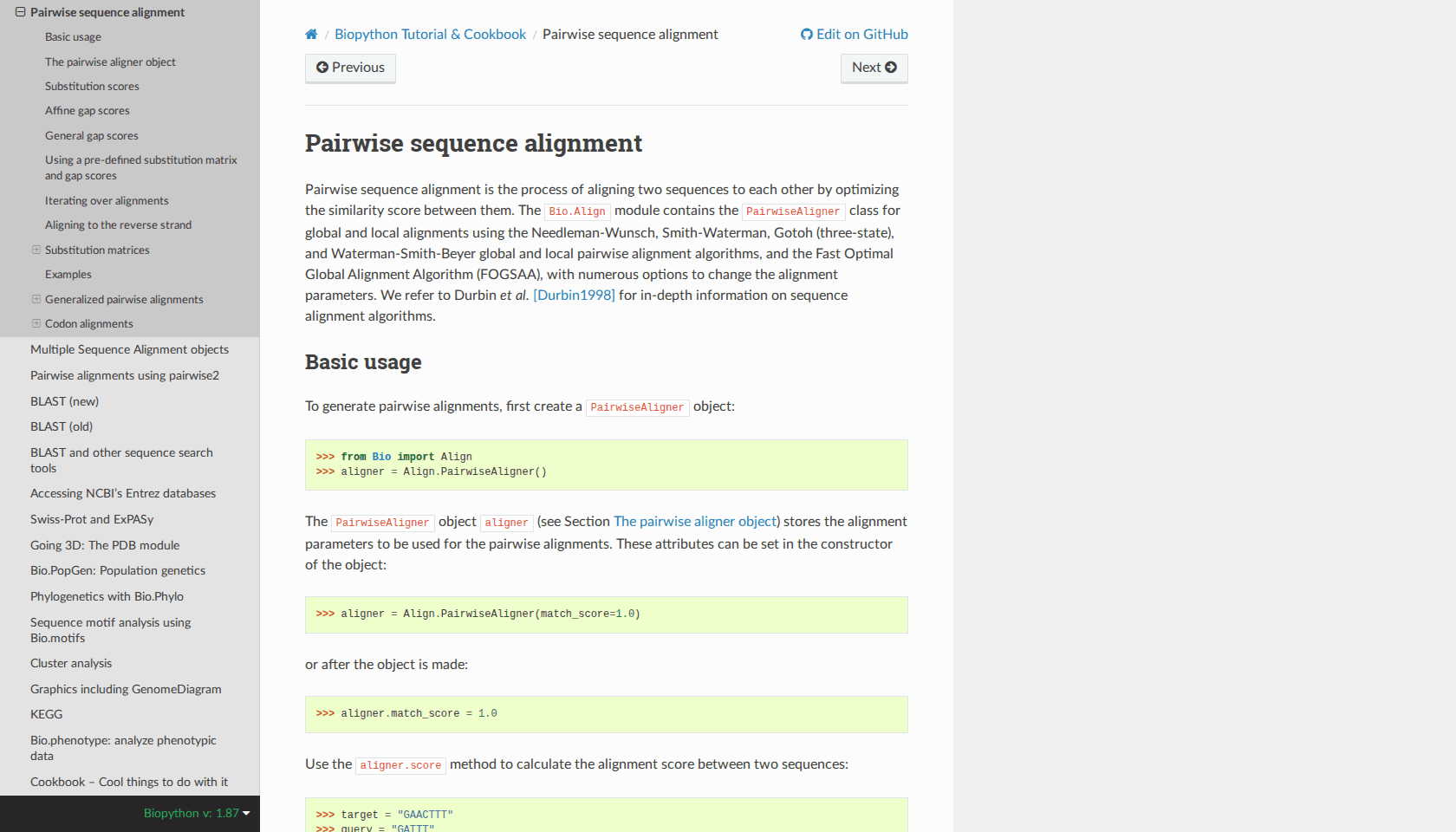
protocol / May 16, 2026
Biopython Pairwise
Pairwise sequence alignment — Biopython documentation
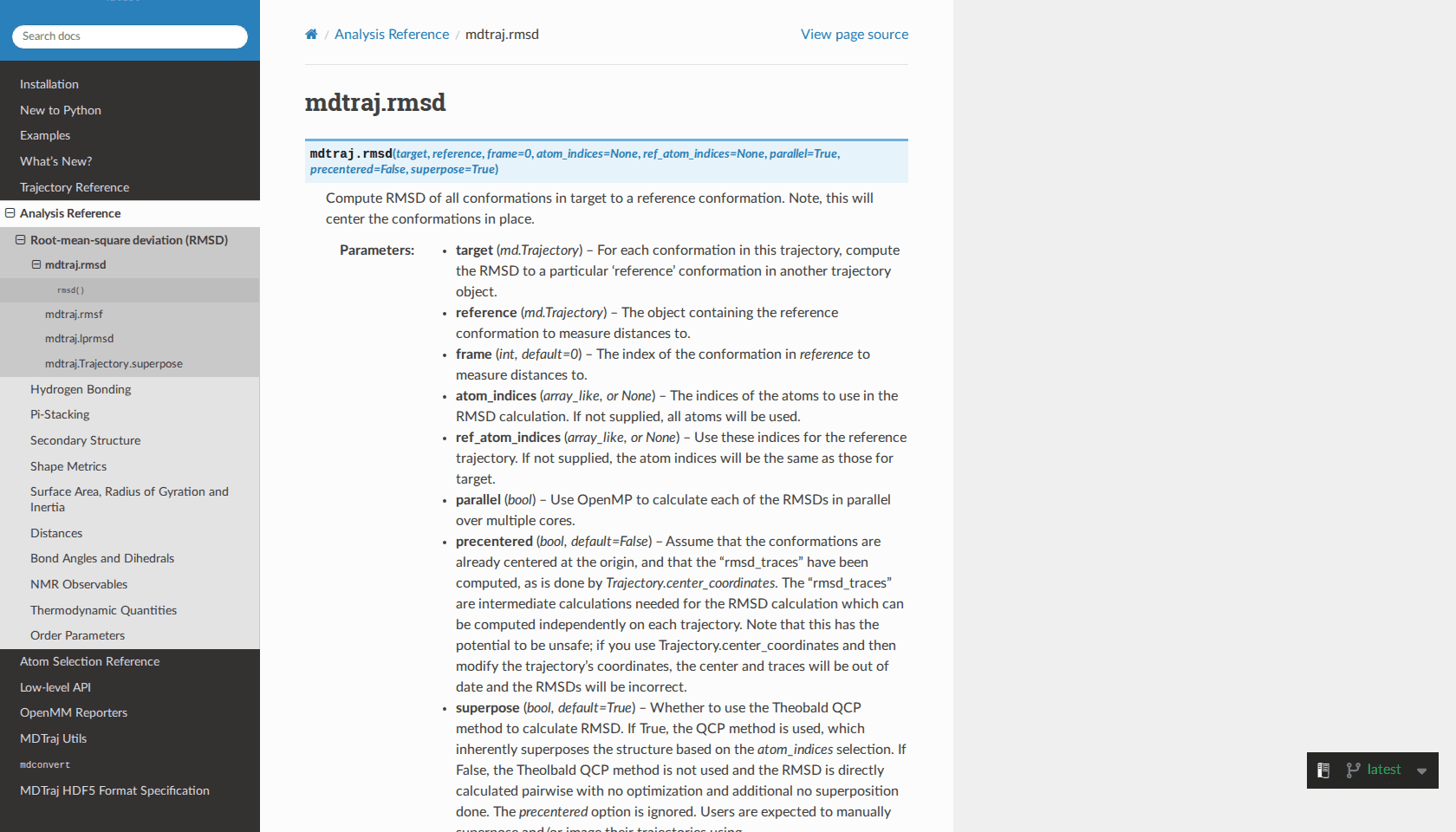
protocol / May 16, 2026
MDTraj RMSD
mdtraj.rmsd — MDTraj documentation
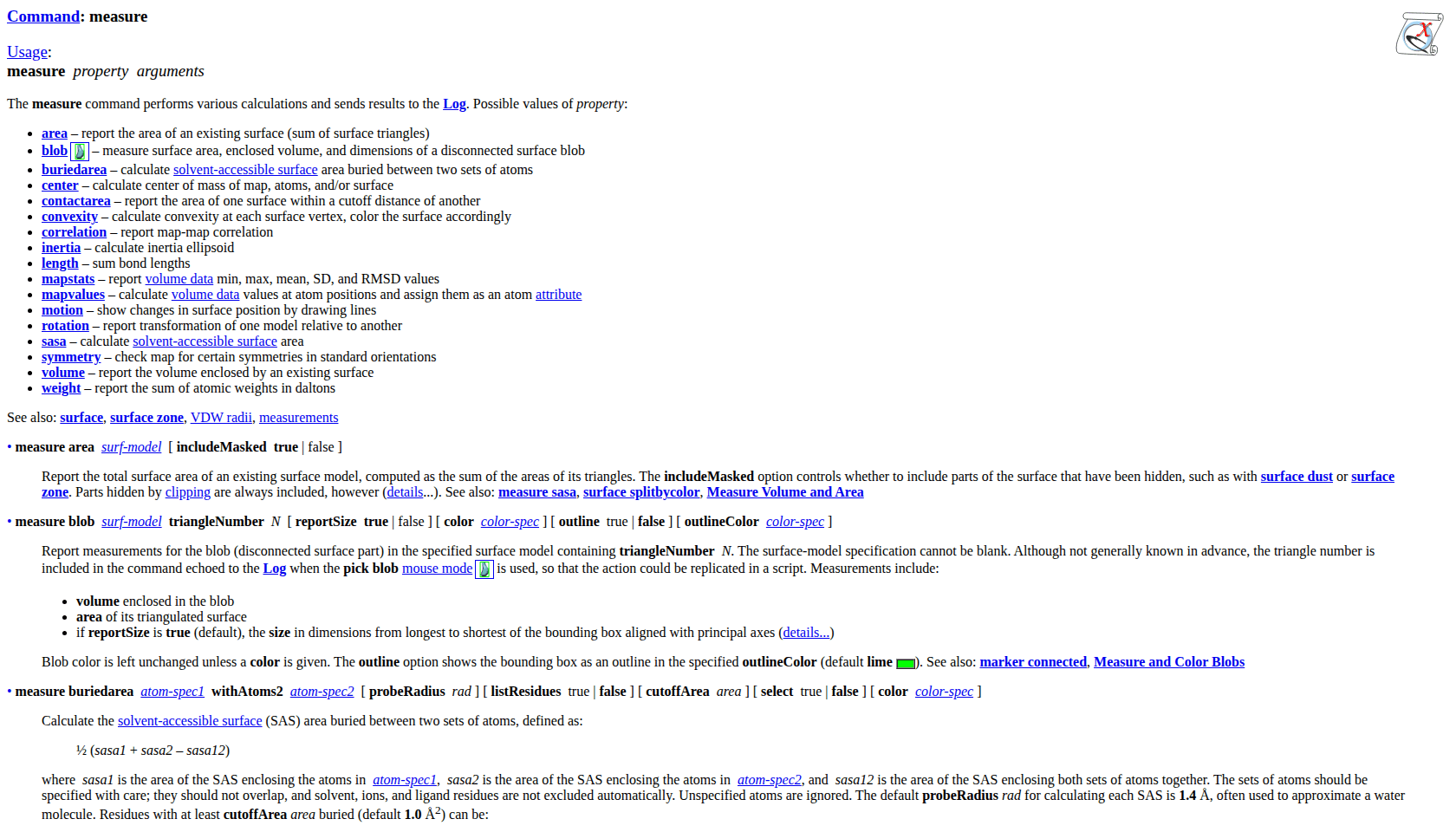
protocol / May 16, 2026
ChimeraX measure
Command: measure
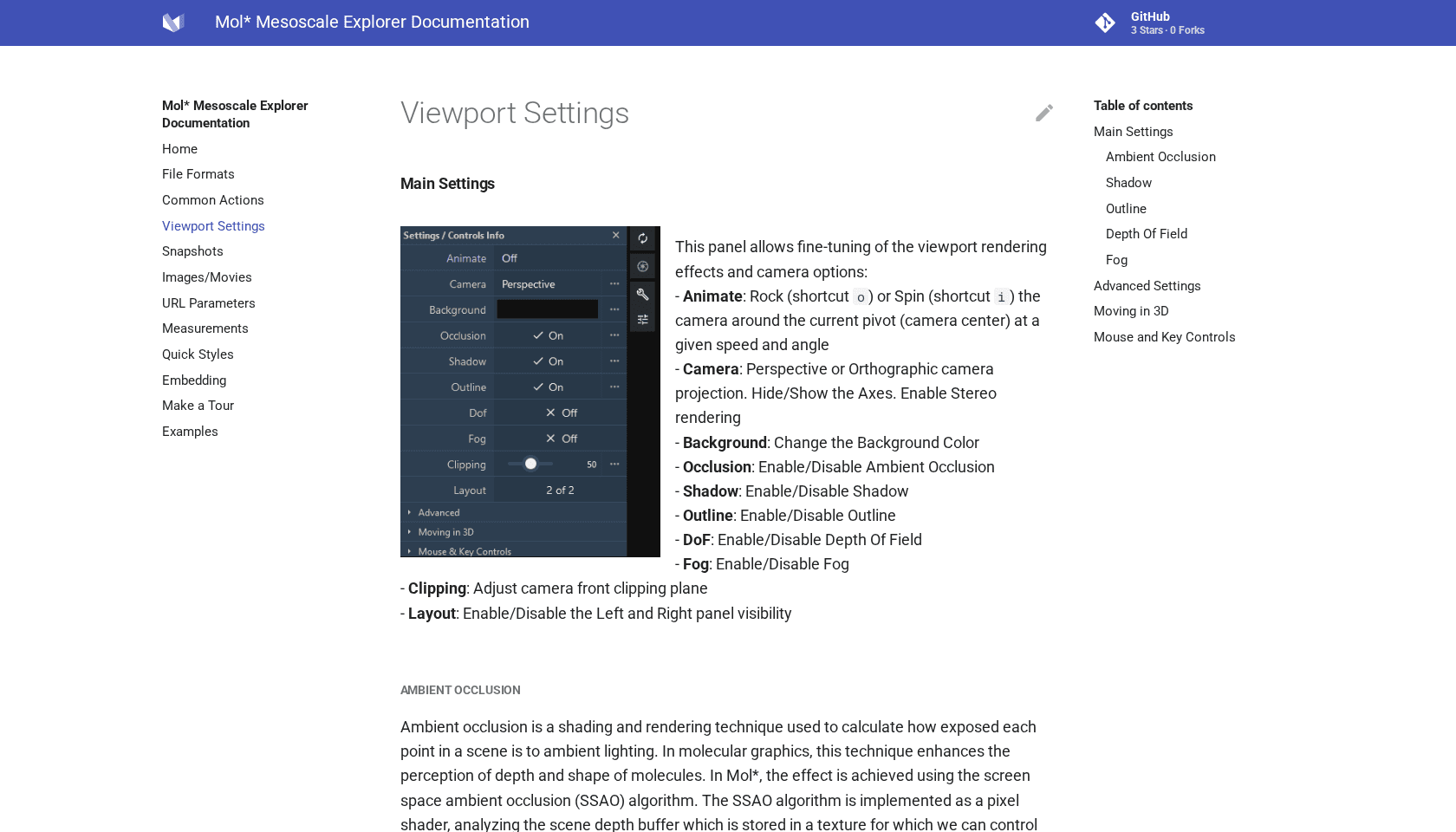
protocol / May 16, 2026
Mol* Viewport
Viewport Settings - Mol* Mesoscale Explorer Documentation
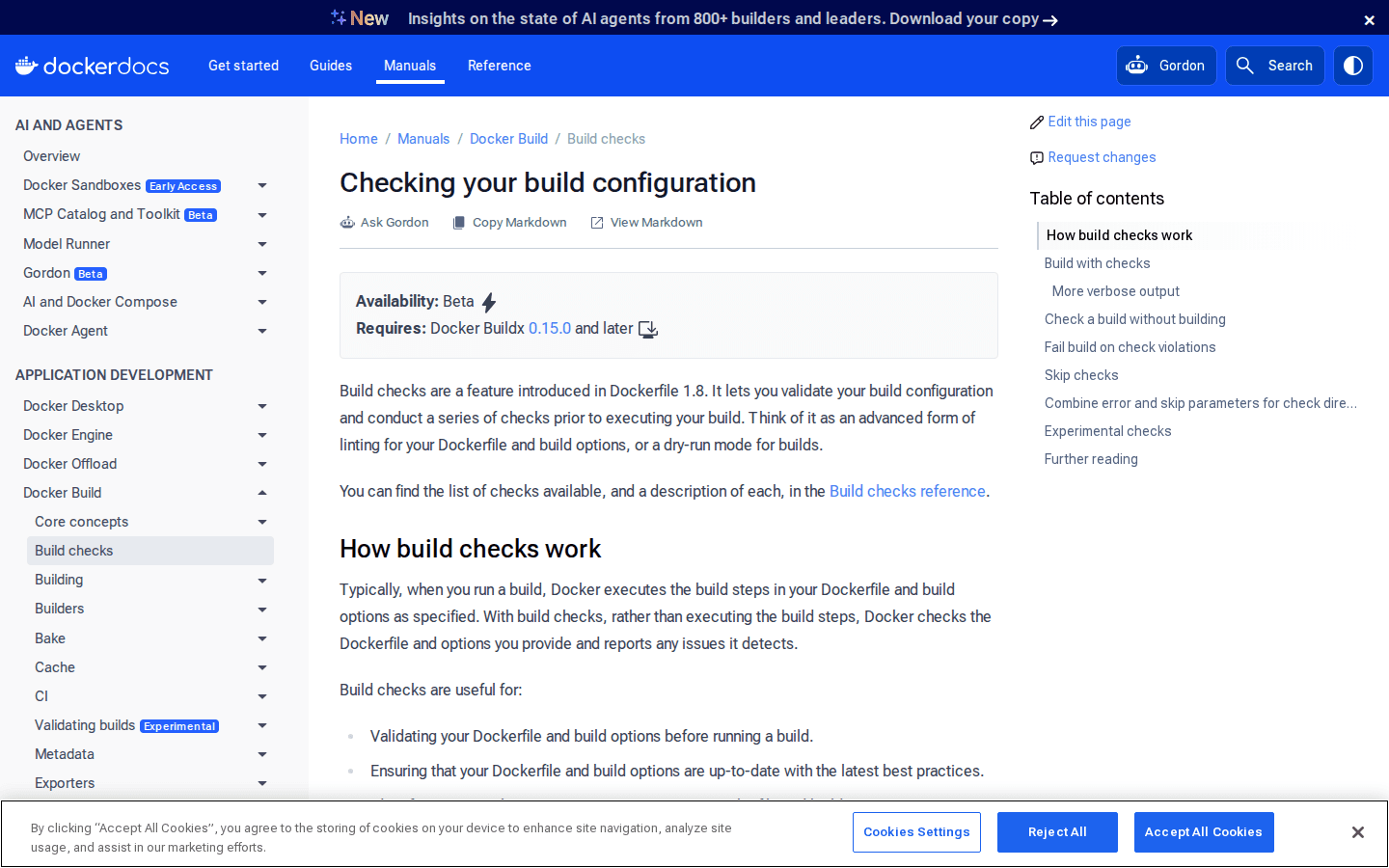
protocol / May 16, 2026
Build Checks
Checking your build configuration | Docker Docs
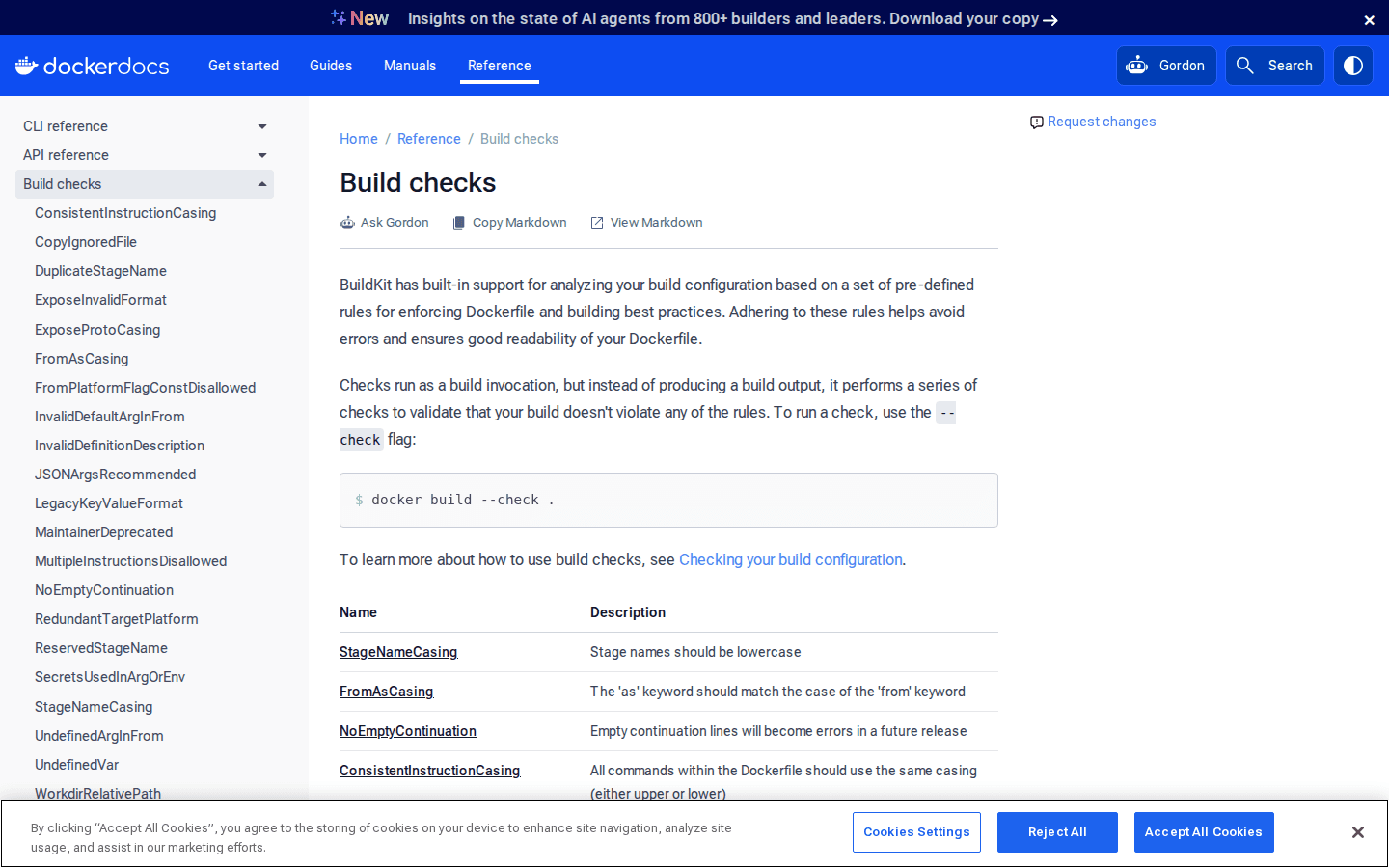
protocol / May 16, 2026
Build Check Rules
Build checks | Docker Docs
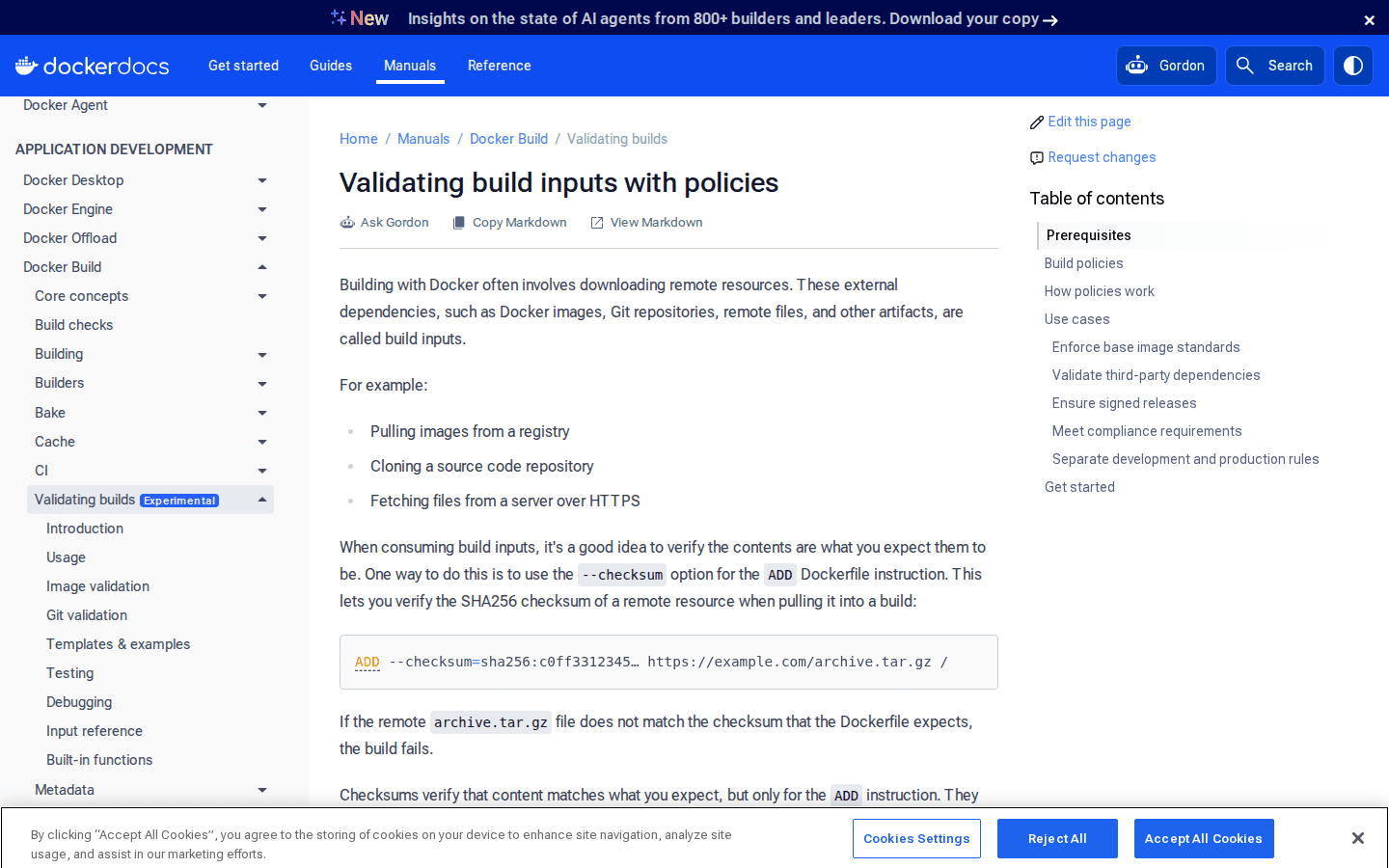
protocol / May 16, 2026
Build Policies
Validating build inputs with policies | Docker Docs
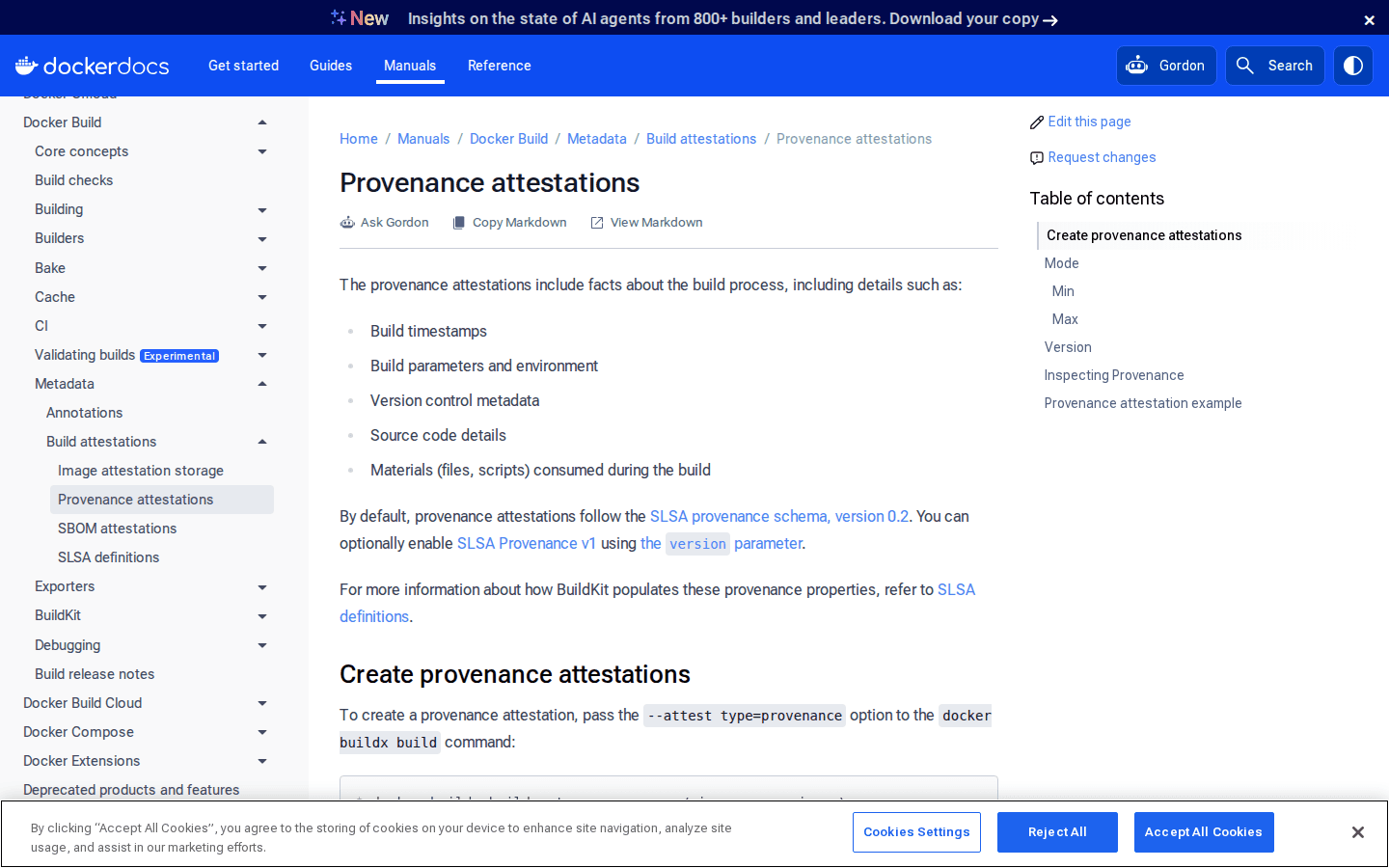
protocol / May 16, 2026
SLSA Provenance
Provenance attestations | Docker Docs
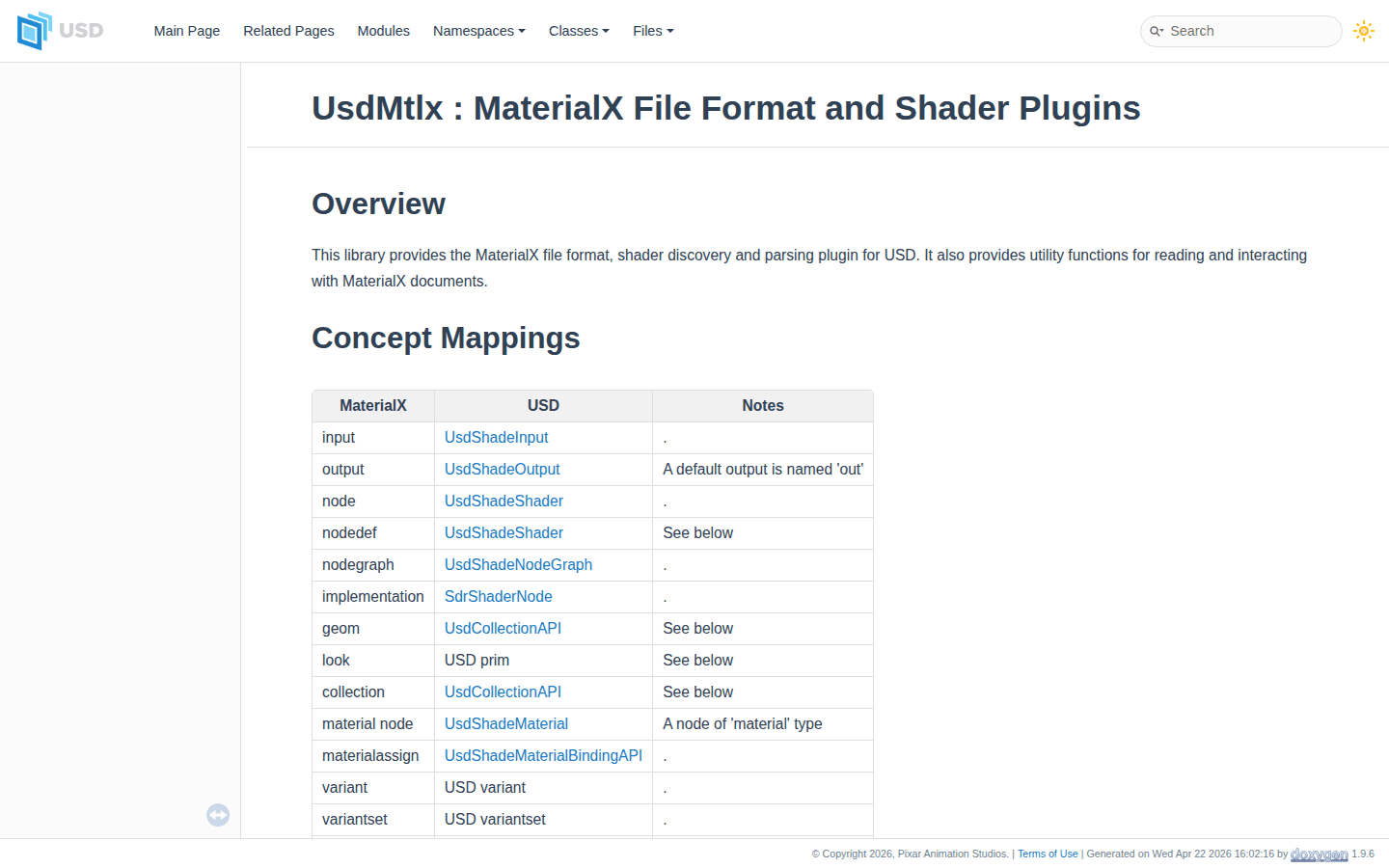
protocol / May 16, 2026
UsdMtlx
Universal Scene Description: UsdMtlx : MaterialX File Format and Shader Plugins
protocol / May 16, 2026
UsdSkel
Universal Scene Description: UsdSkel : USD Skeleton Schema and API
protocol / May 16, 2026
UsdRi
Universal Scene Description: UsdRi: USD Renderman Schemas
protocol / May 16, 2026
UsdMedia
Universal Scene Description: UsdMedia : USD Media Schemas
protocol / May 16, 2026
UsdProc
Universal Scene Description: UsdProc : USD Procedural Generation Schemas
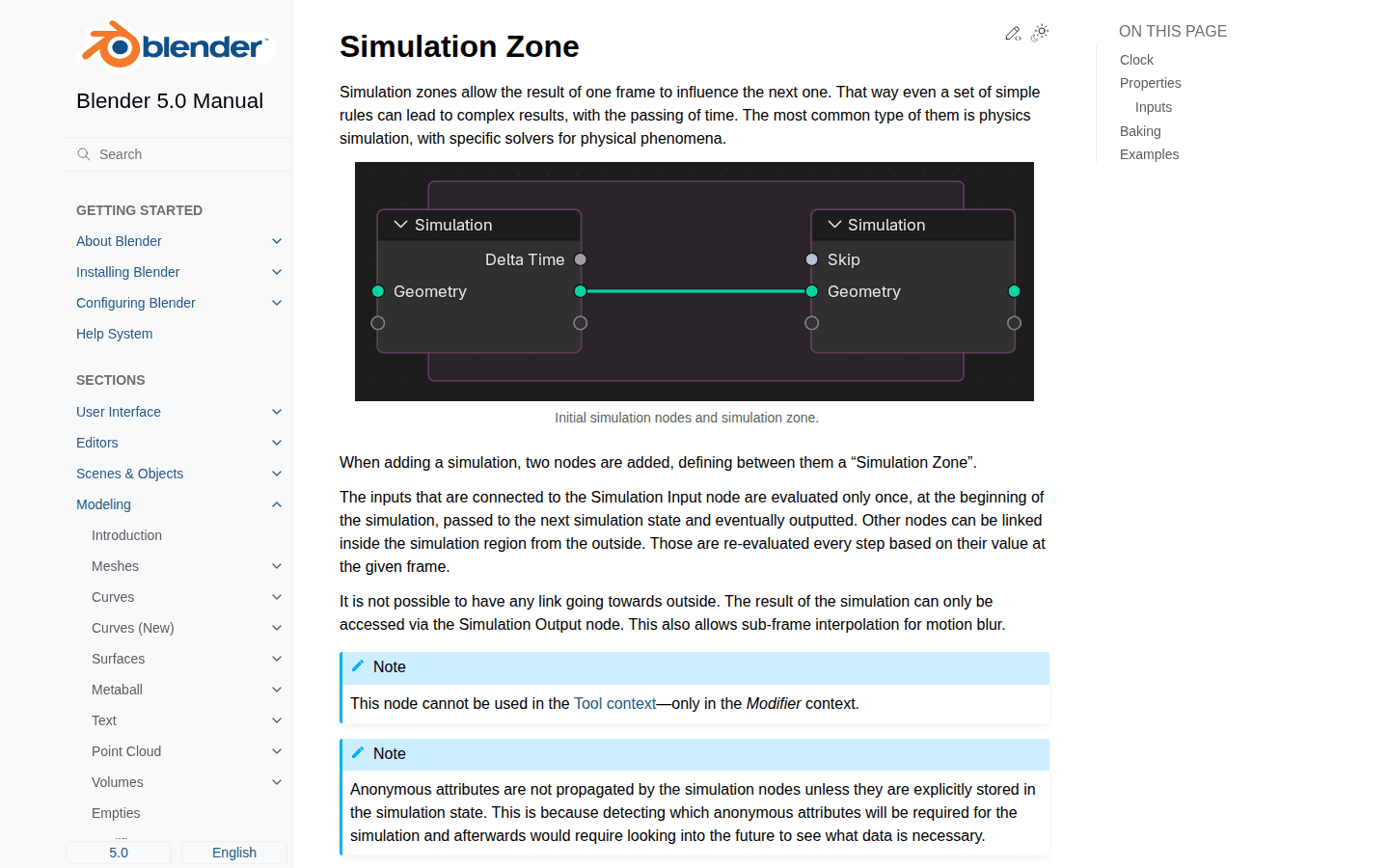
protocol / May 16, 2026
Simulation Zone
Simulation Zone - Blender 5.0 Manual
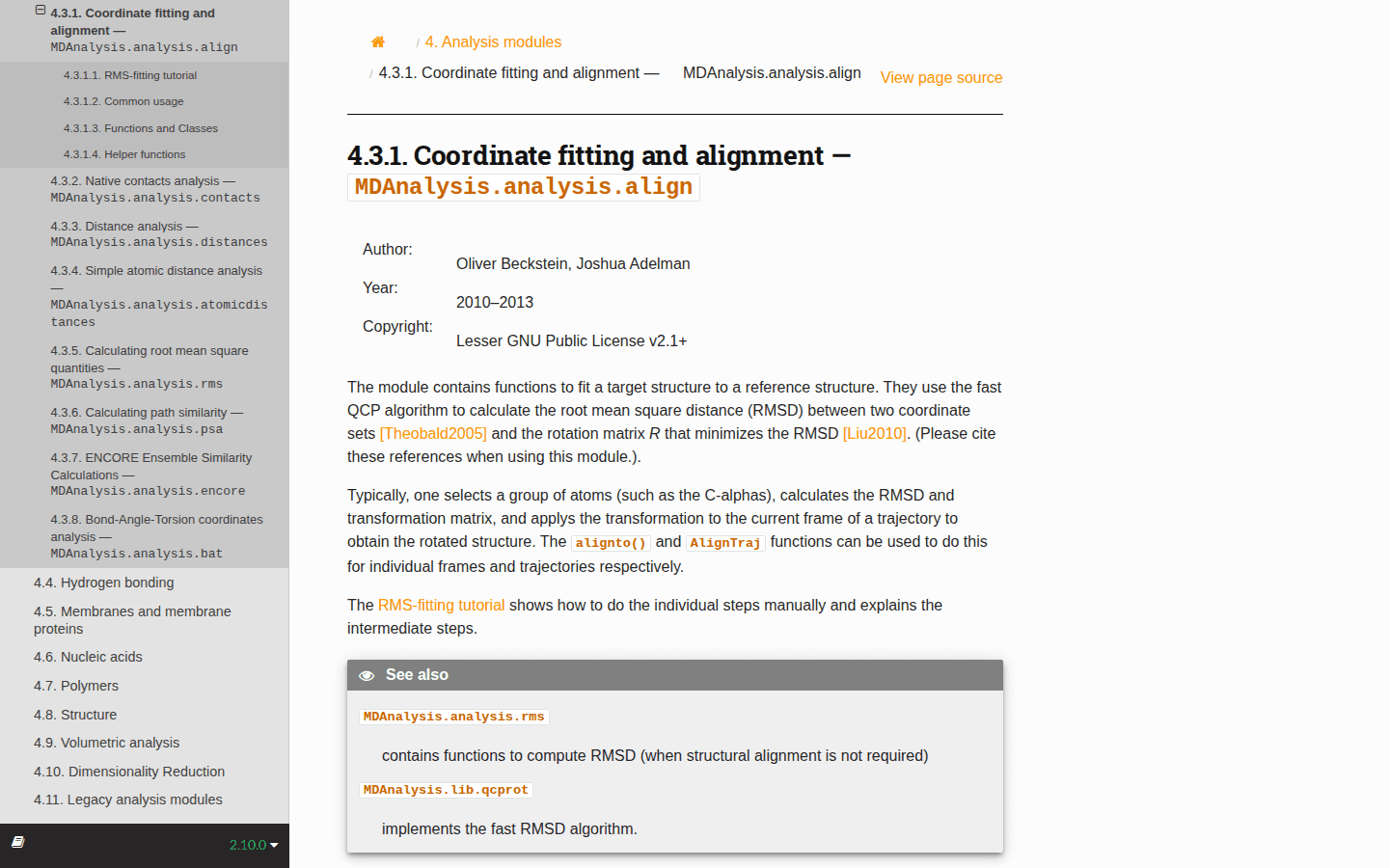
protocol / May 16, 2026
MDAnalysis Align
Coordinate fitting and alignment — MDAnalysis.analysis.align — MDAnalysis 2.10.0 documentation
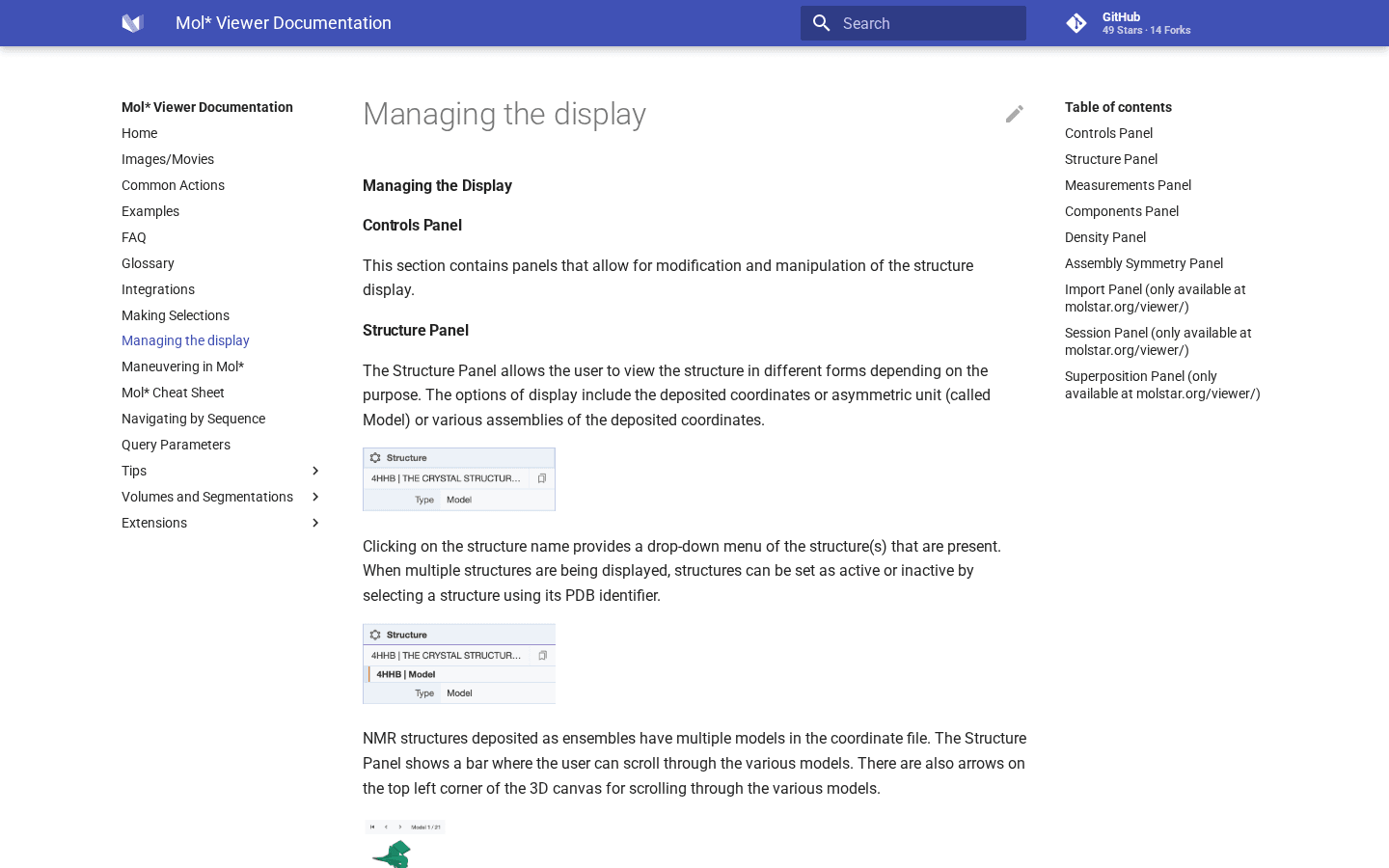
protocol / May 16, 2026
Mol* Display
Managing the display - Mol* Viewer Documentation
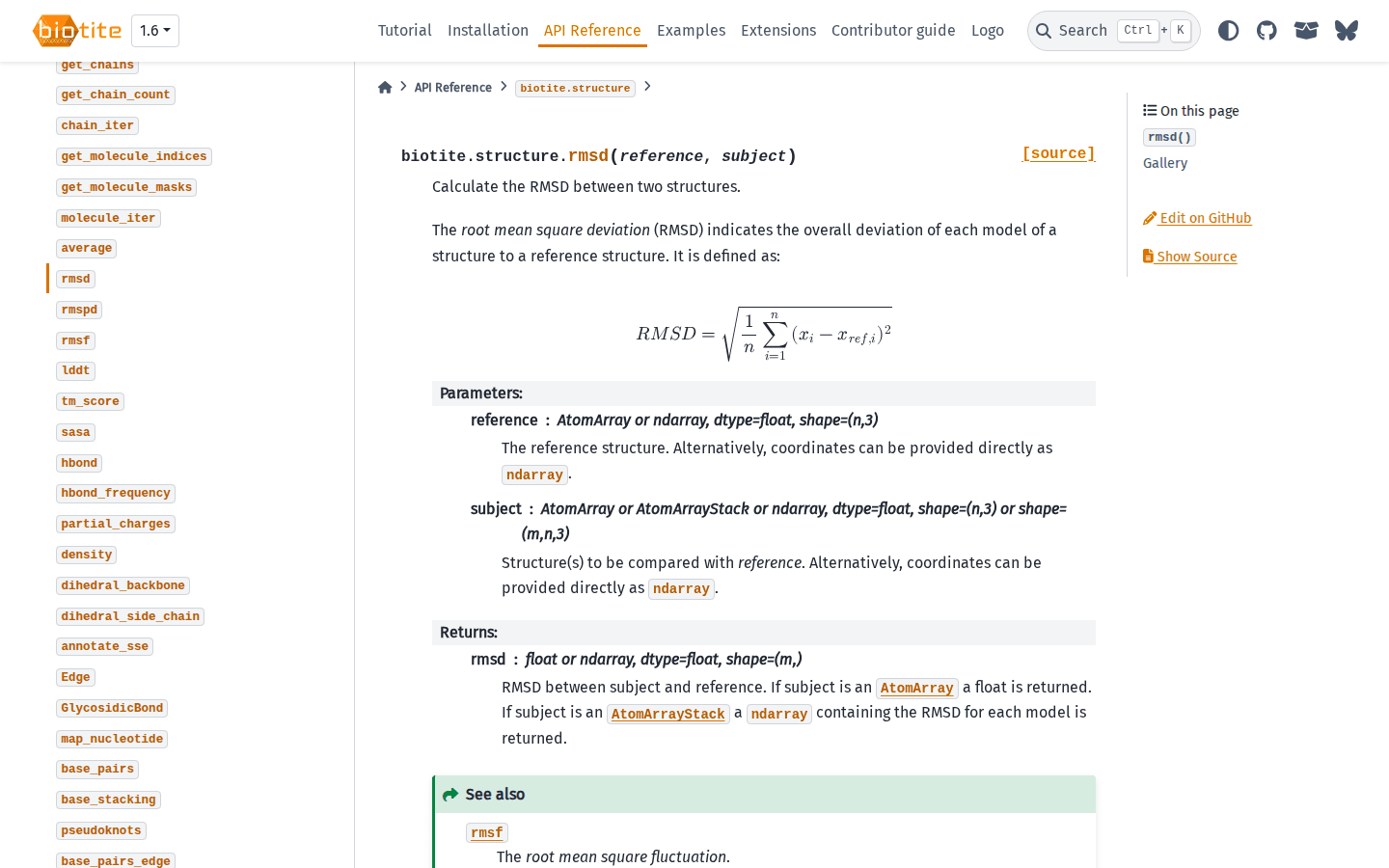
protocol / May 16, 2026
Biotite RMSD
rmsd — Biotite
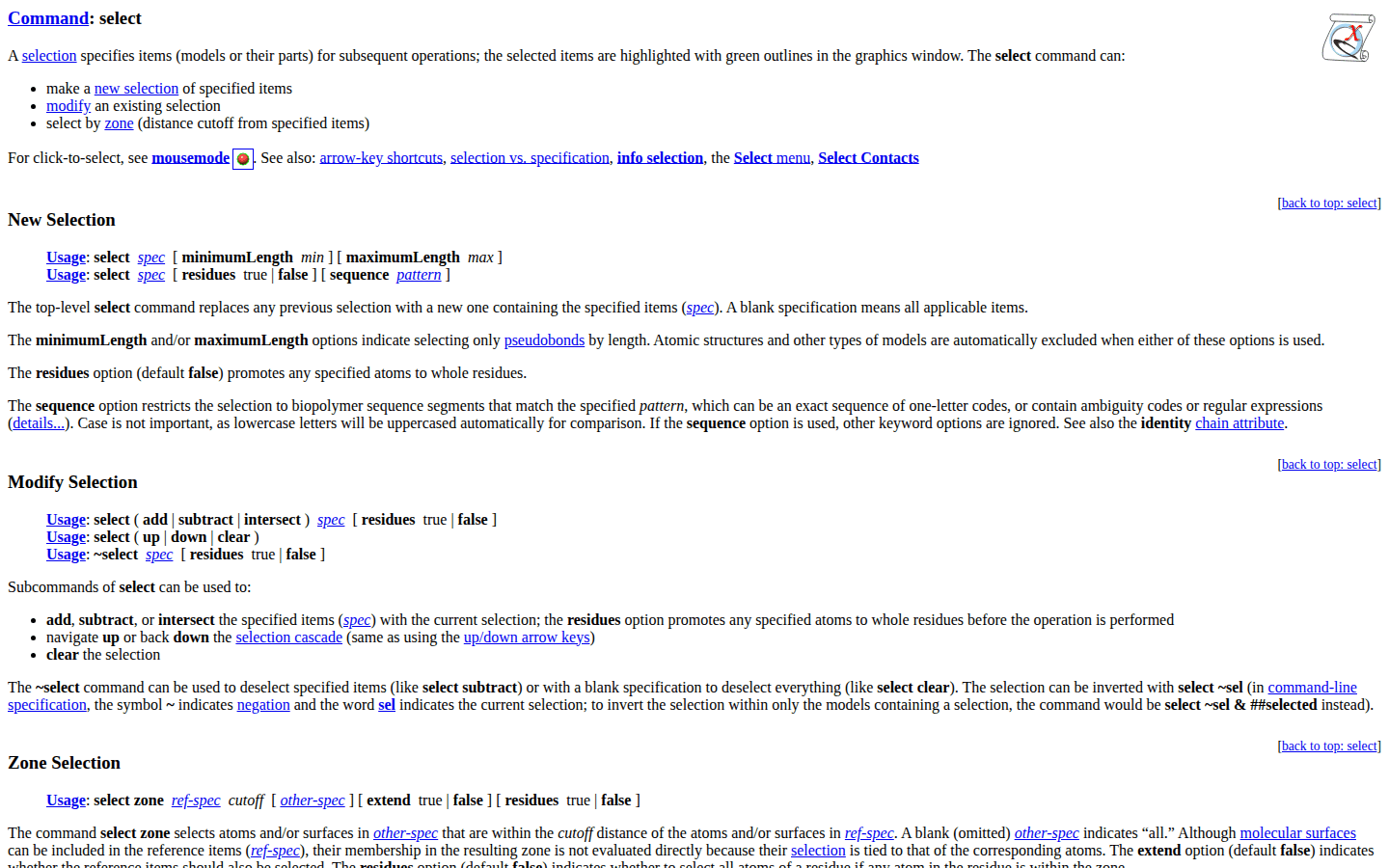
protocol / May 16, 2026
ChimeraX select
Command: select
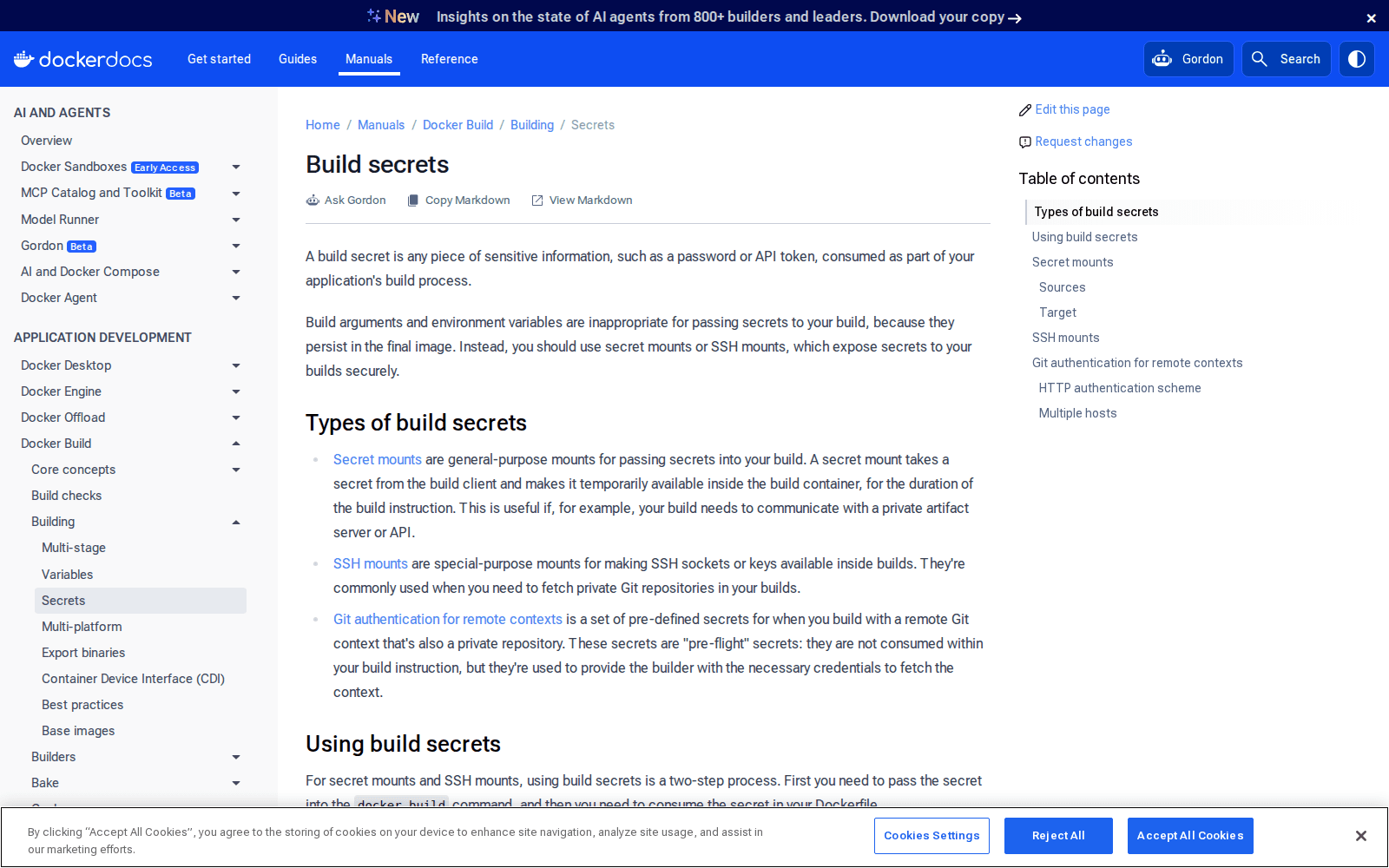
protocol / May 16, 2026
Build Secrets
Build secrets | Docker Docs
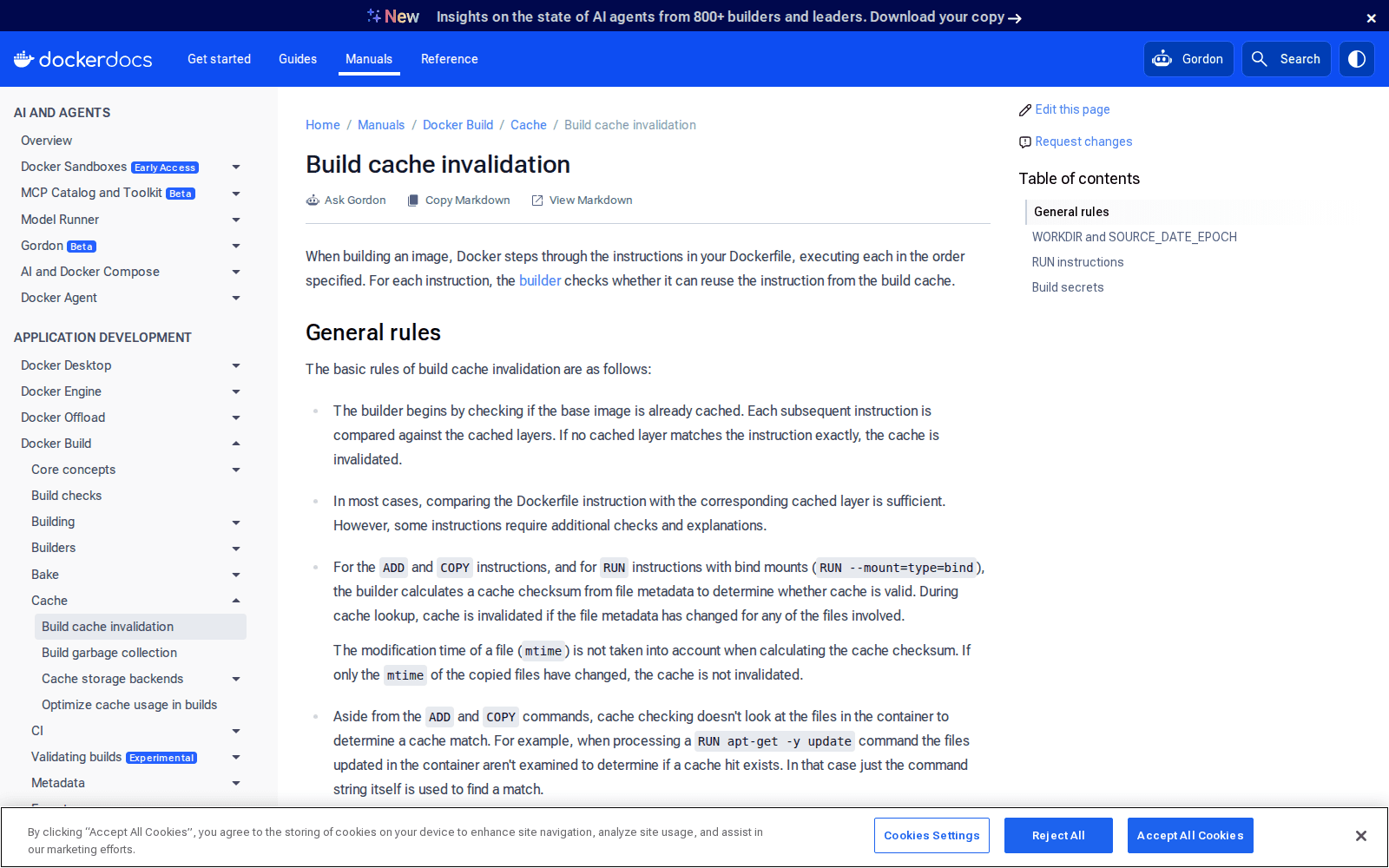
protocol / May 16, 2026
Cache Invalidate
Build cache invalidation | Docker Docs

protocol / May 16, 2026
Multi-stage Builds
Multi-stage builds | Docker Docs
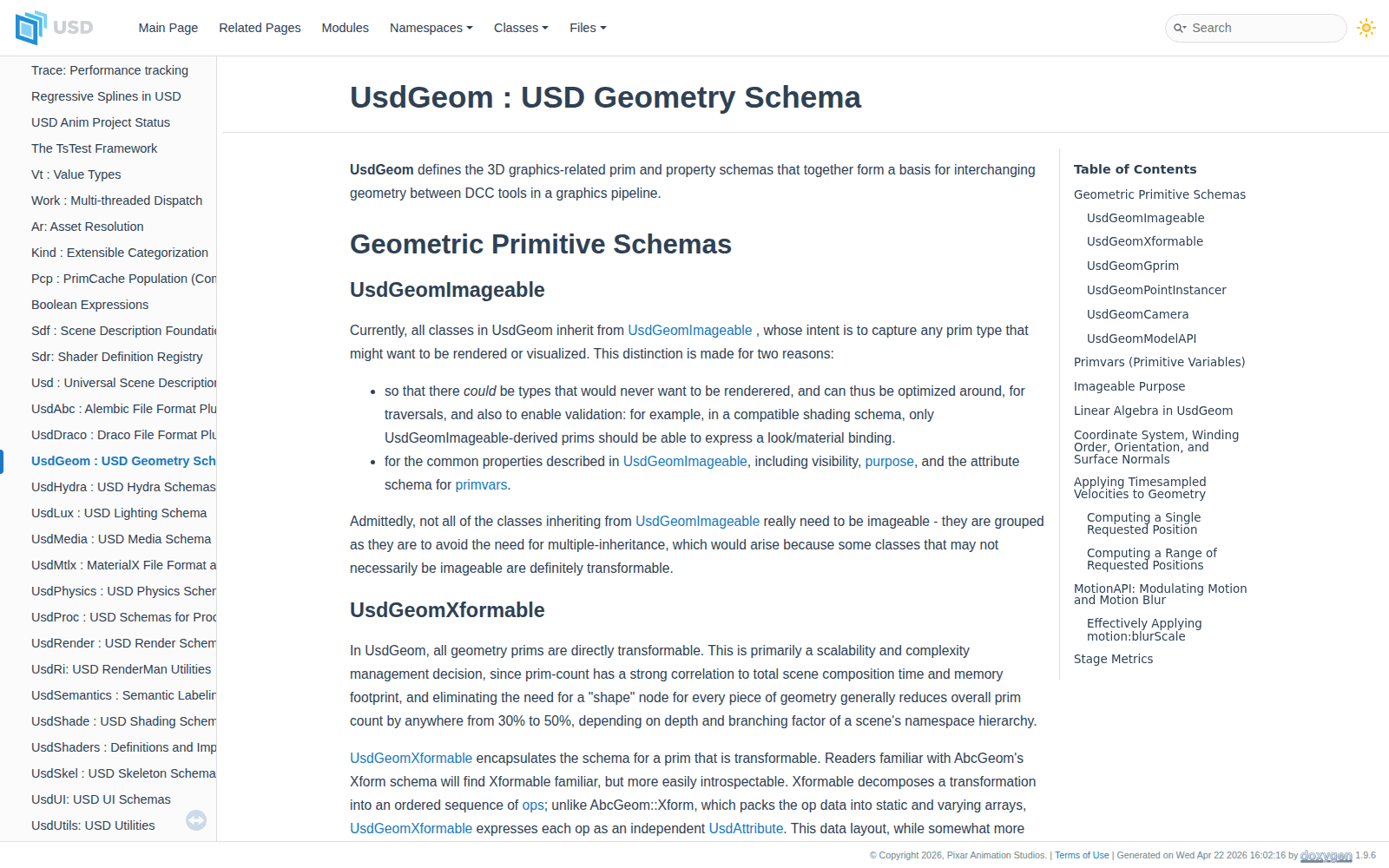
protocol / May 16, 2026
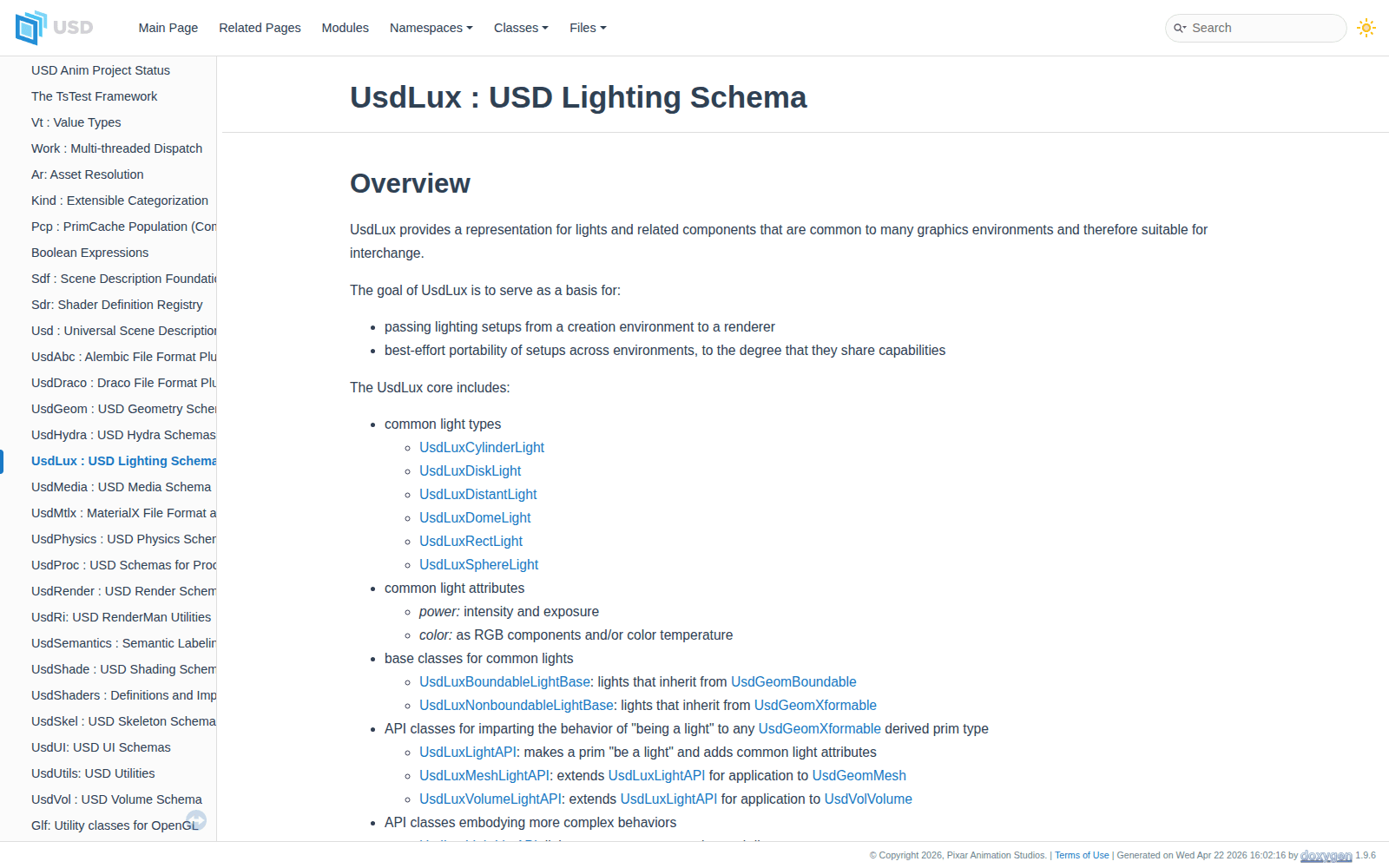
UsdGeom
Universal Scene Description: UsdGeom : USD Geometry Schema
protocol / May 16, 2026
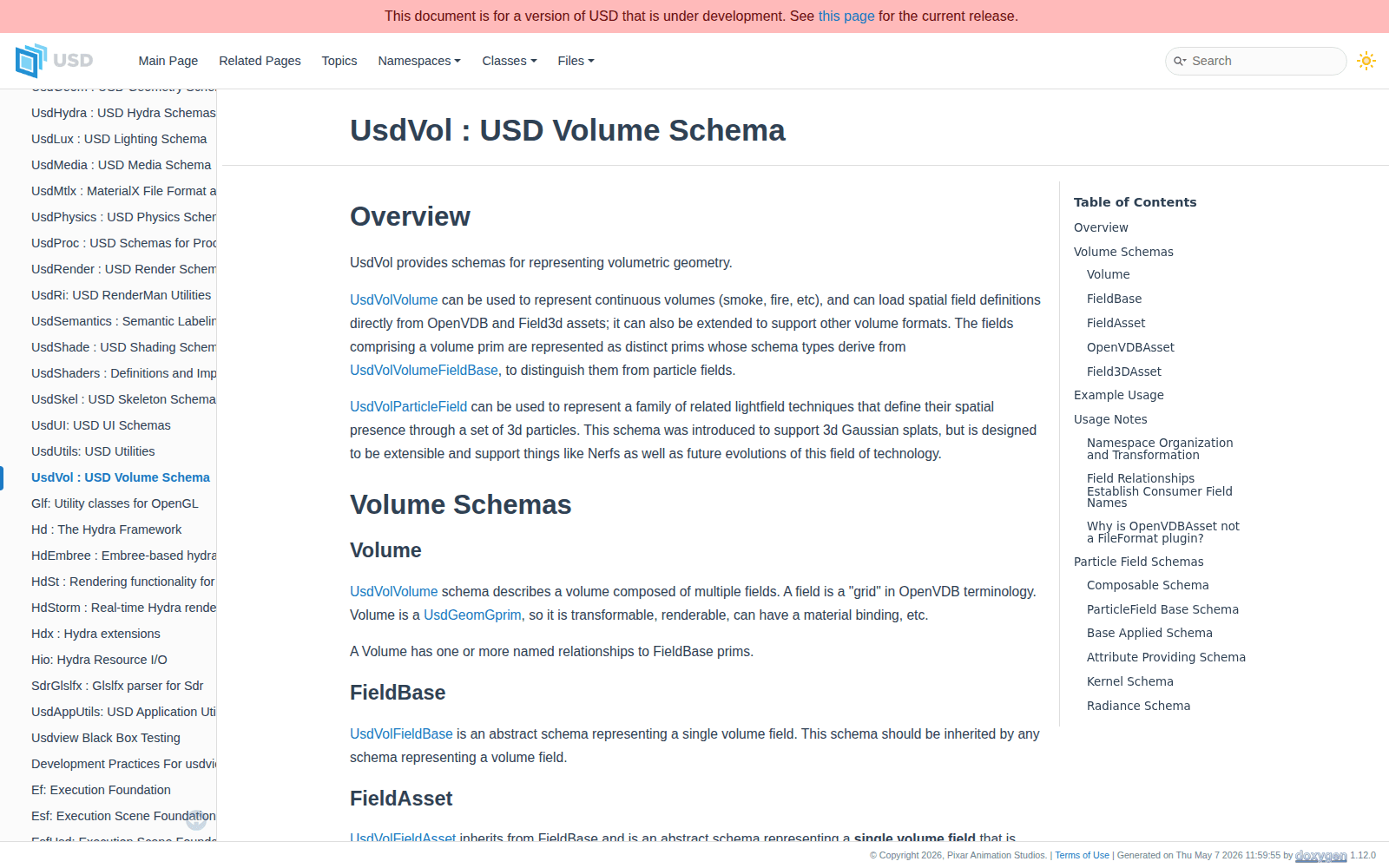
UsdLux
Universal Scene Description: UsdLux : USD Lighting Schema
protocol / May 16, 2026
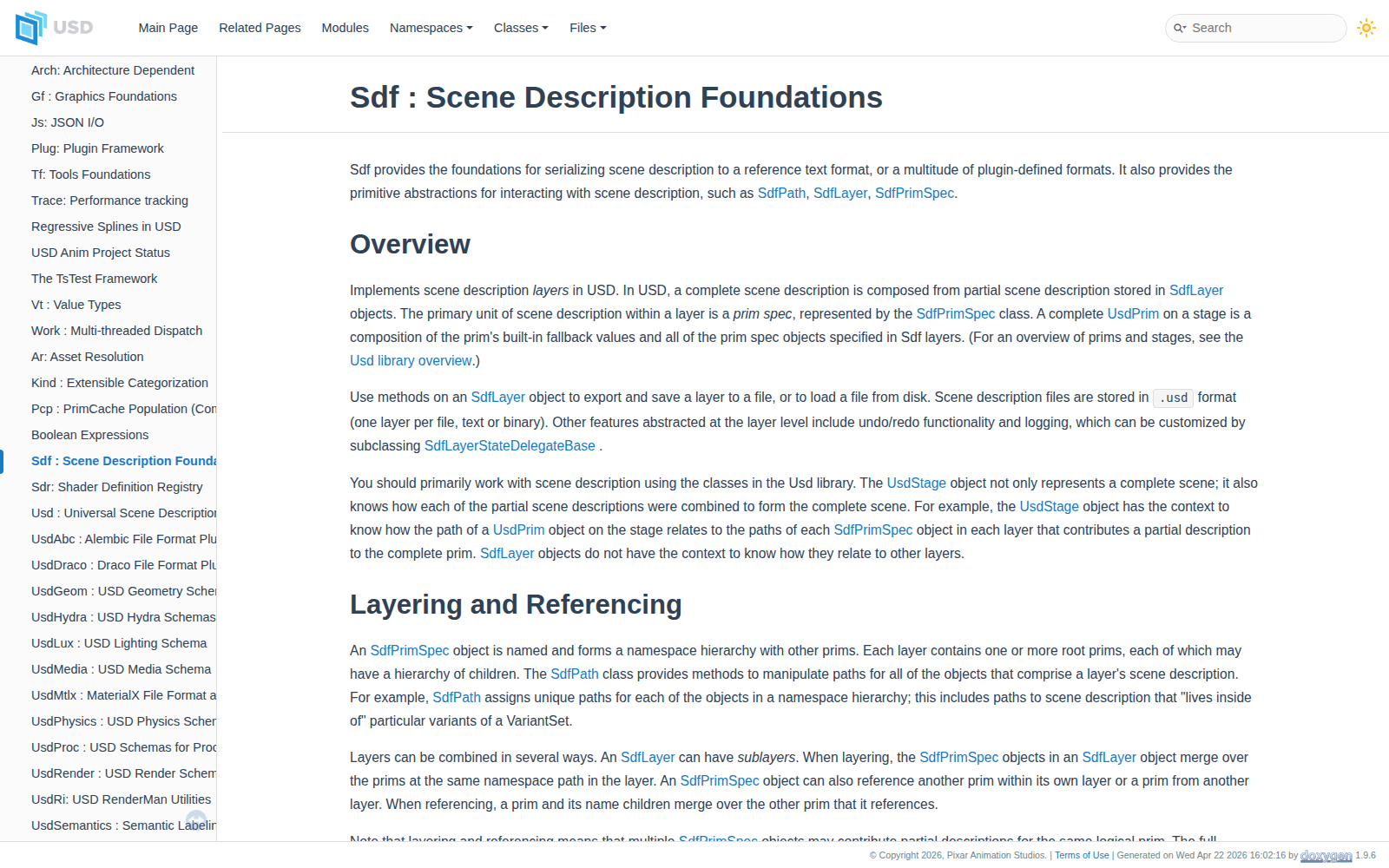
UsdVol
Universal Scene Description: UsdVol : USD Volume Schema
protocol / May 16, 2026
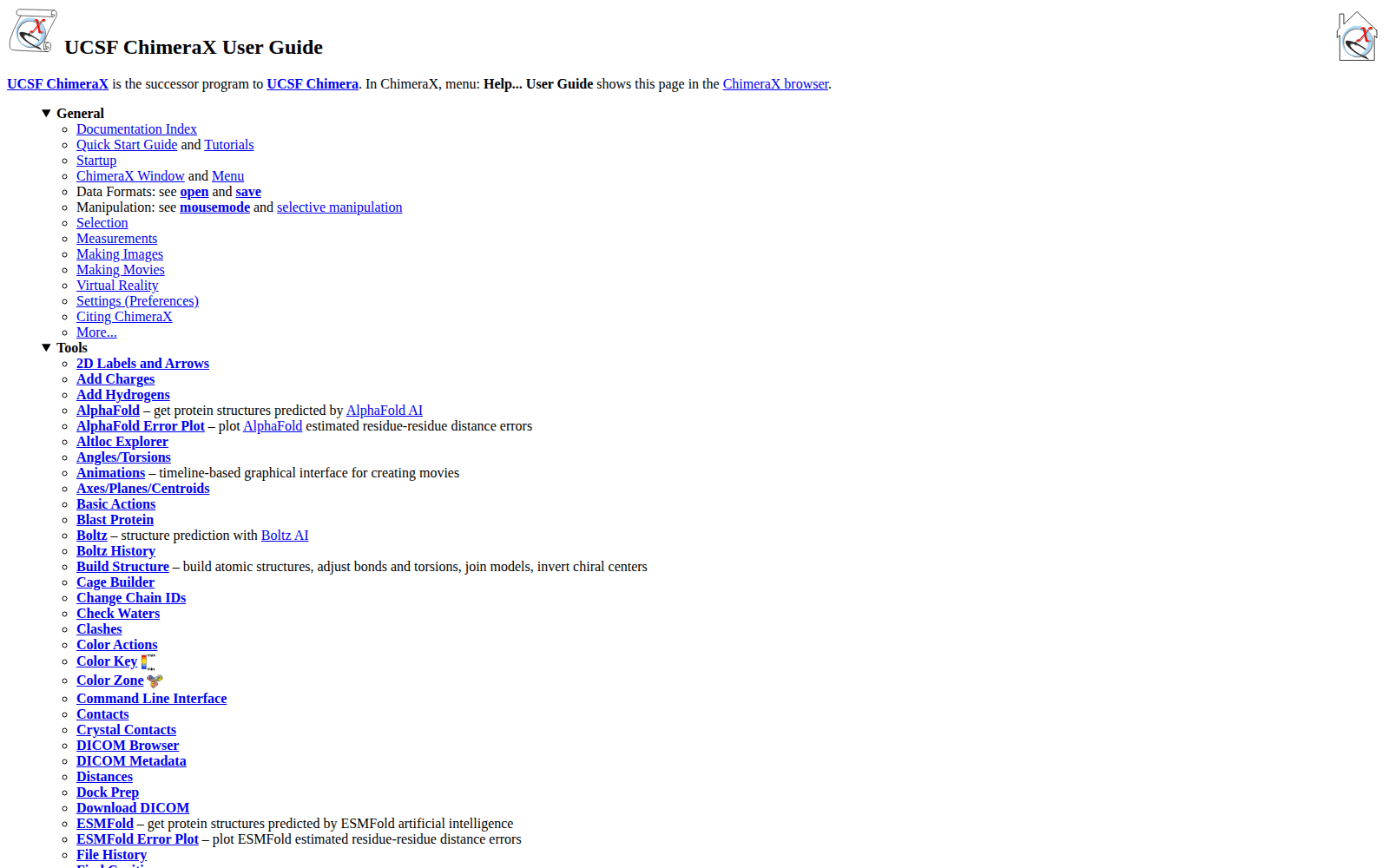
Sdf Foundations
Universal Scene Description: Sdf : Scene Description Foundations
protocol / May 16, 2026
ChimeraX User Guide
UCSF ChimeraX User Guide
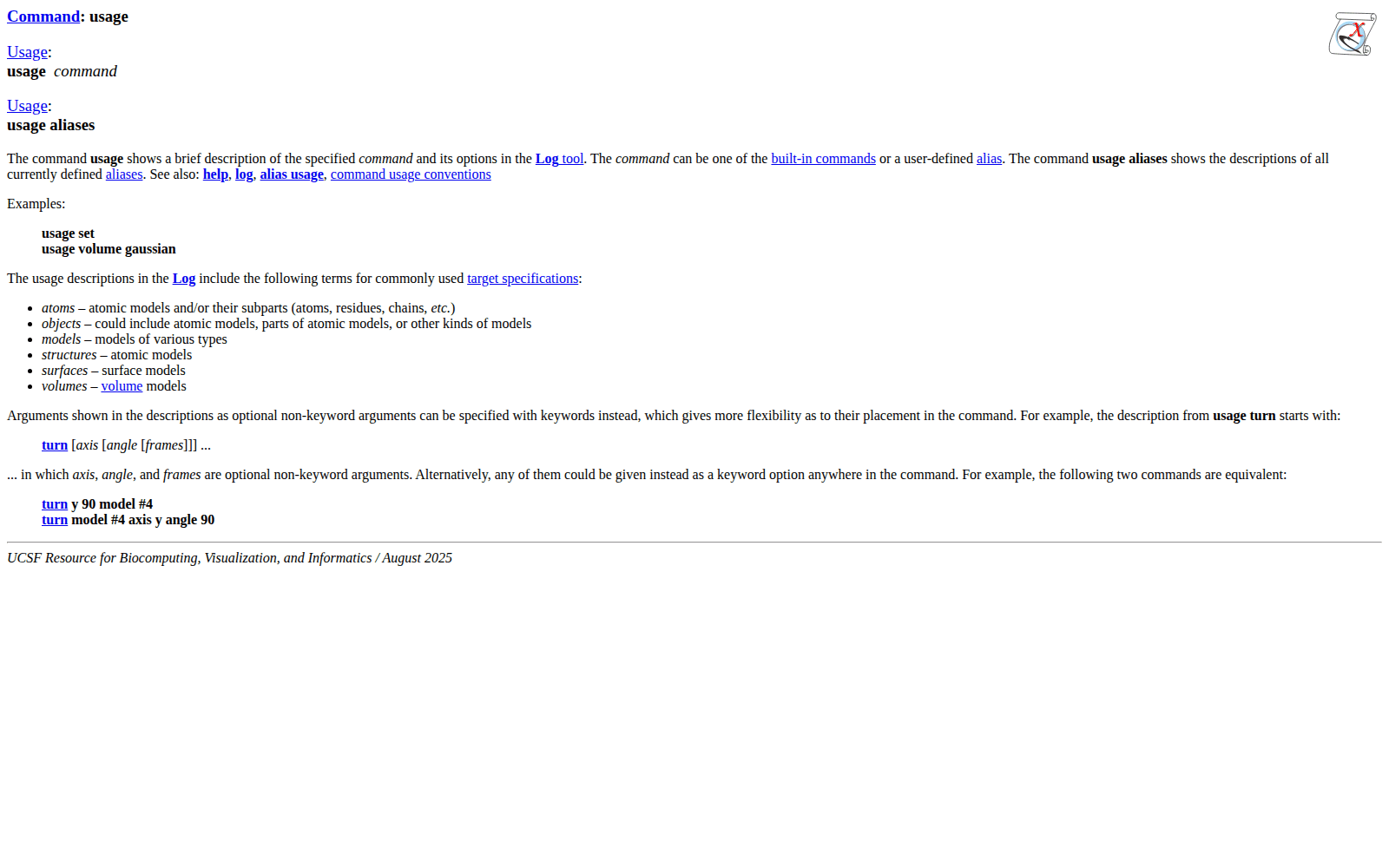
protocol / May 16, 2026
ChimeraX usage
Command: usage
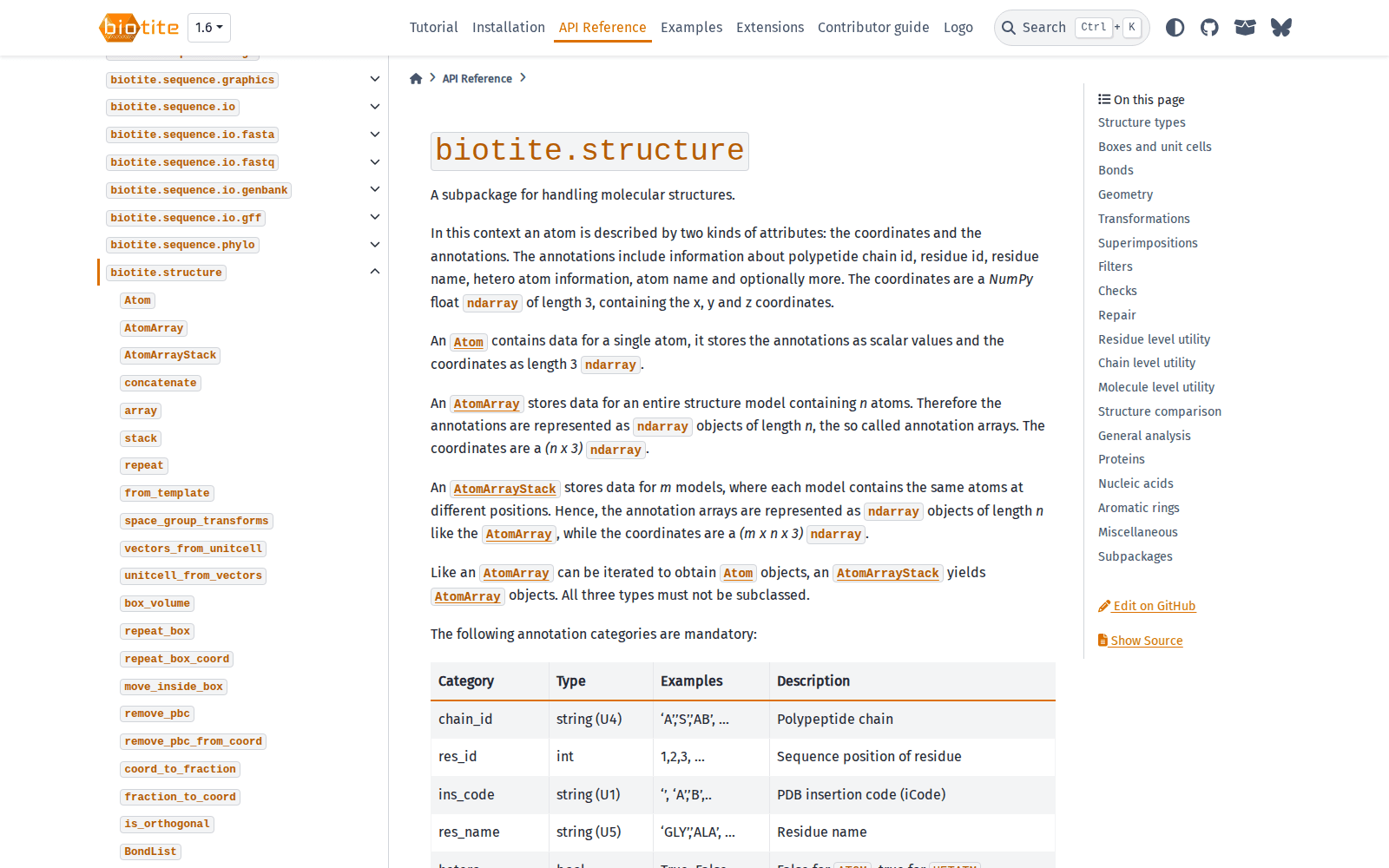
protocol / May 16, 2026
Biotite Structure
biotite.structure — Biotite
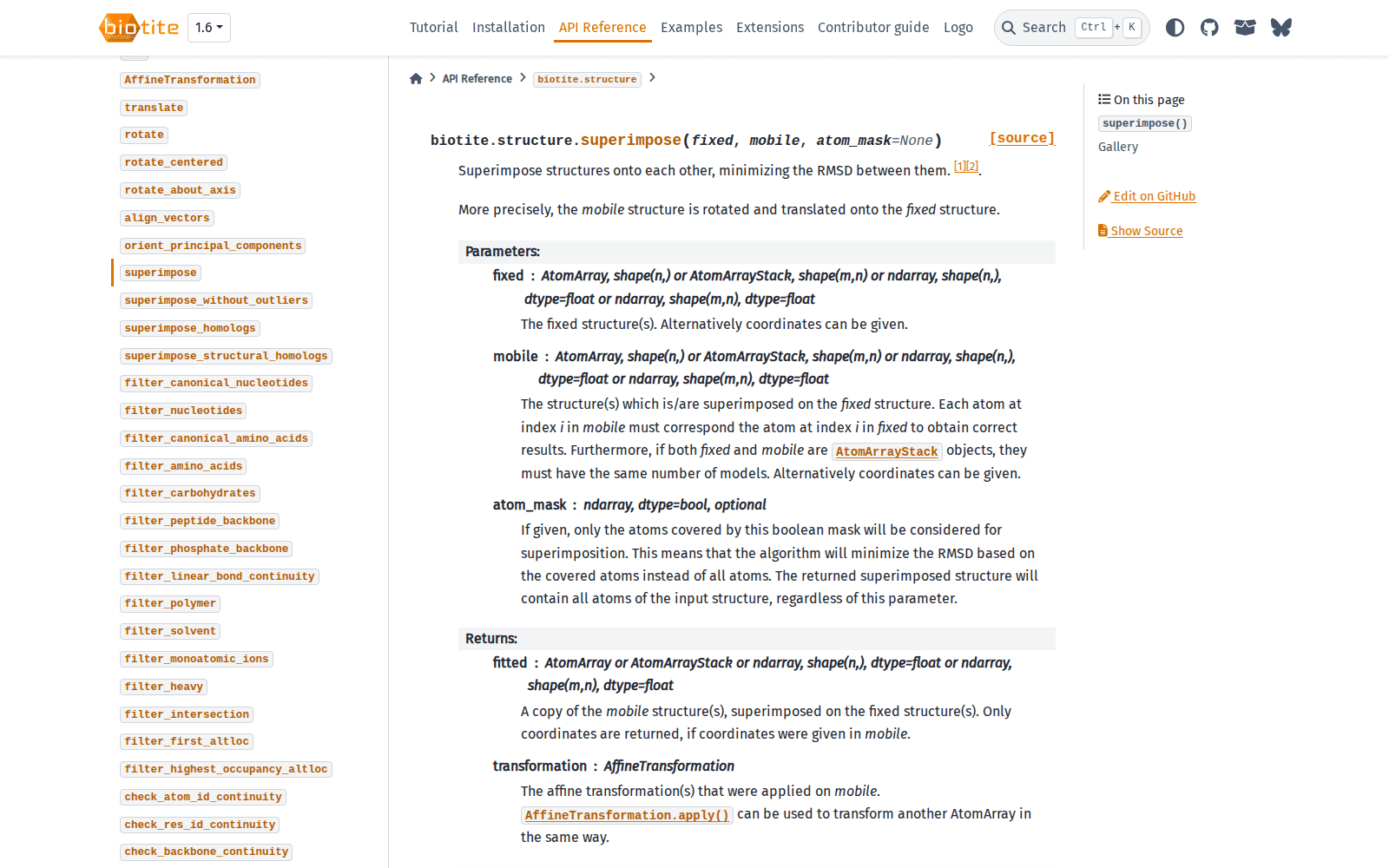
protocol / May 16, 2026
Biotite Superimpose
superimpose — Biotite
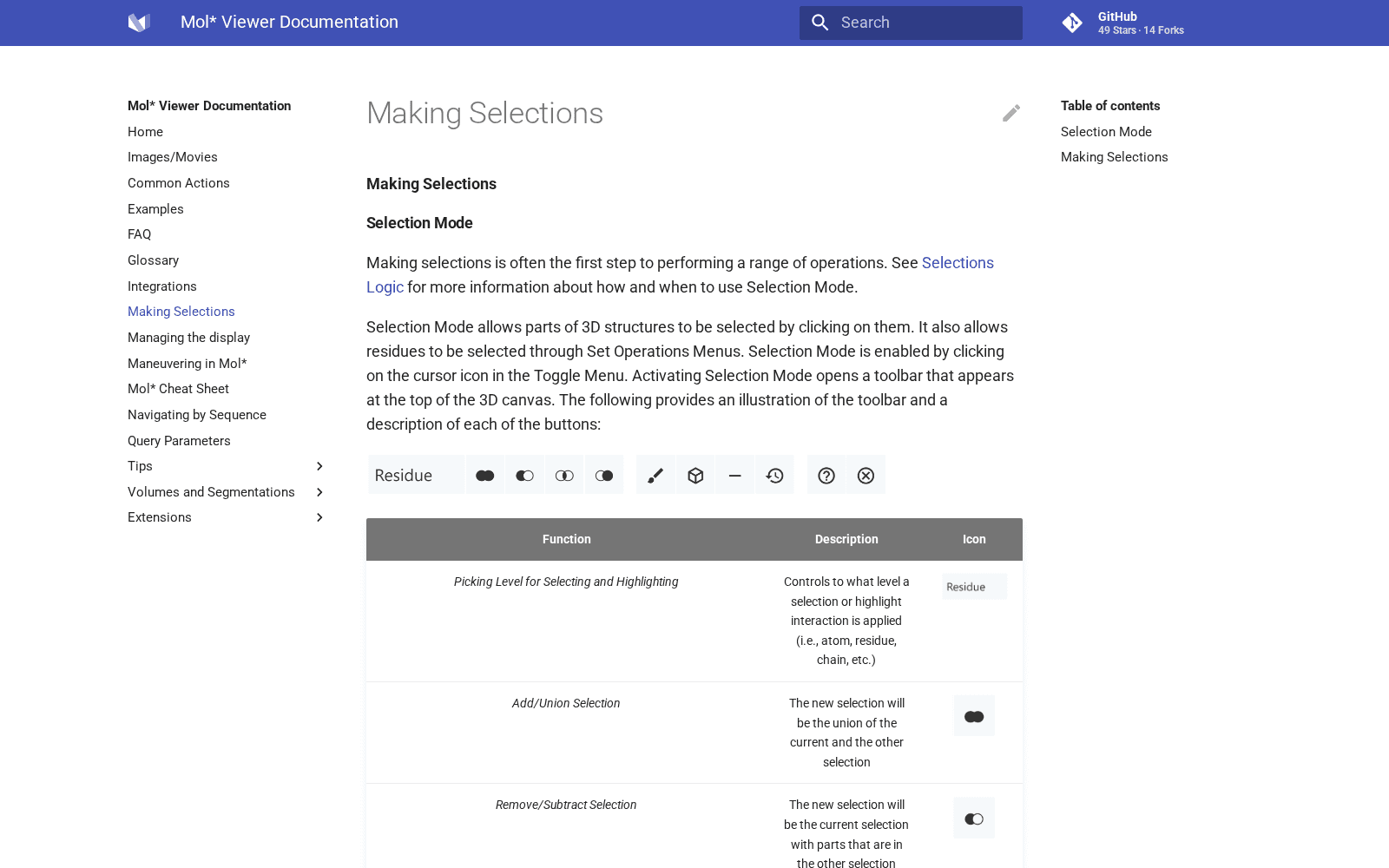
protocol / May 16, 2026
Mol* Selections
Making Selections - Mol* Viewer Documentation
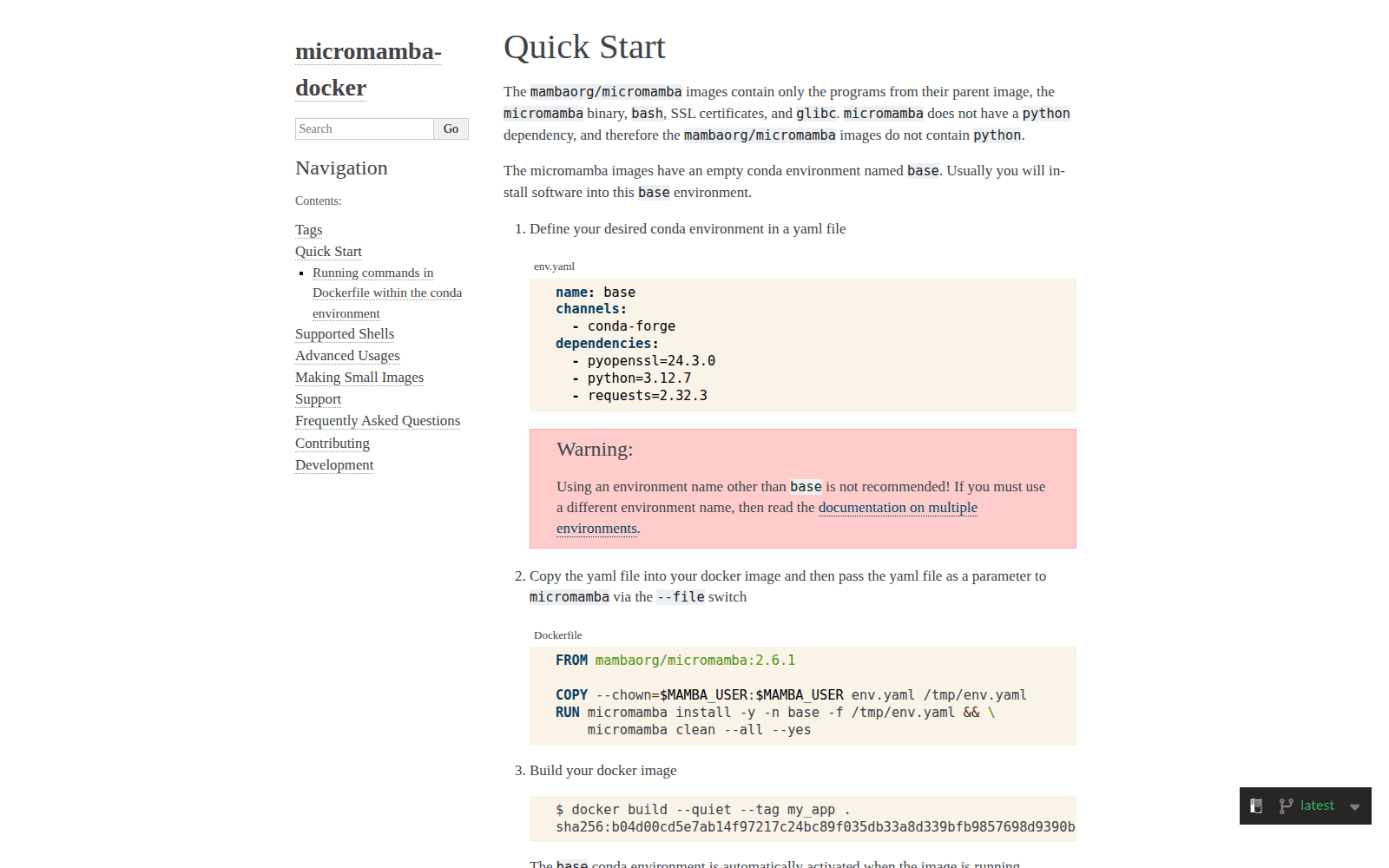
protocol / May 16, 2026
micromamba Docker
Quick Start — micromamba-docker 2.6.1 documentation
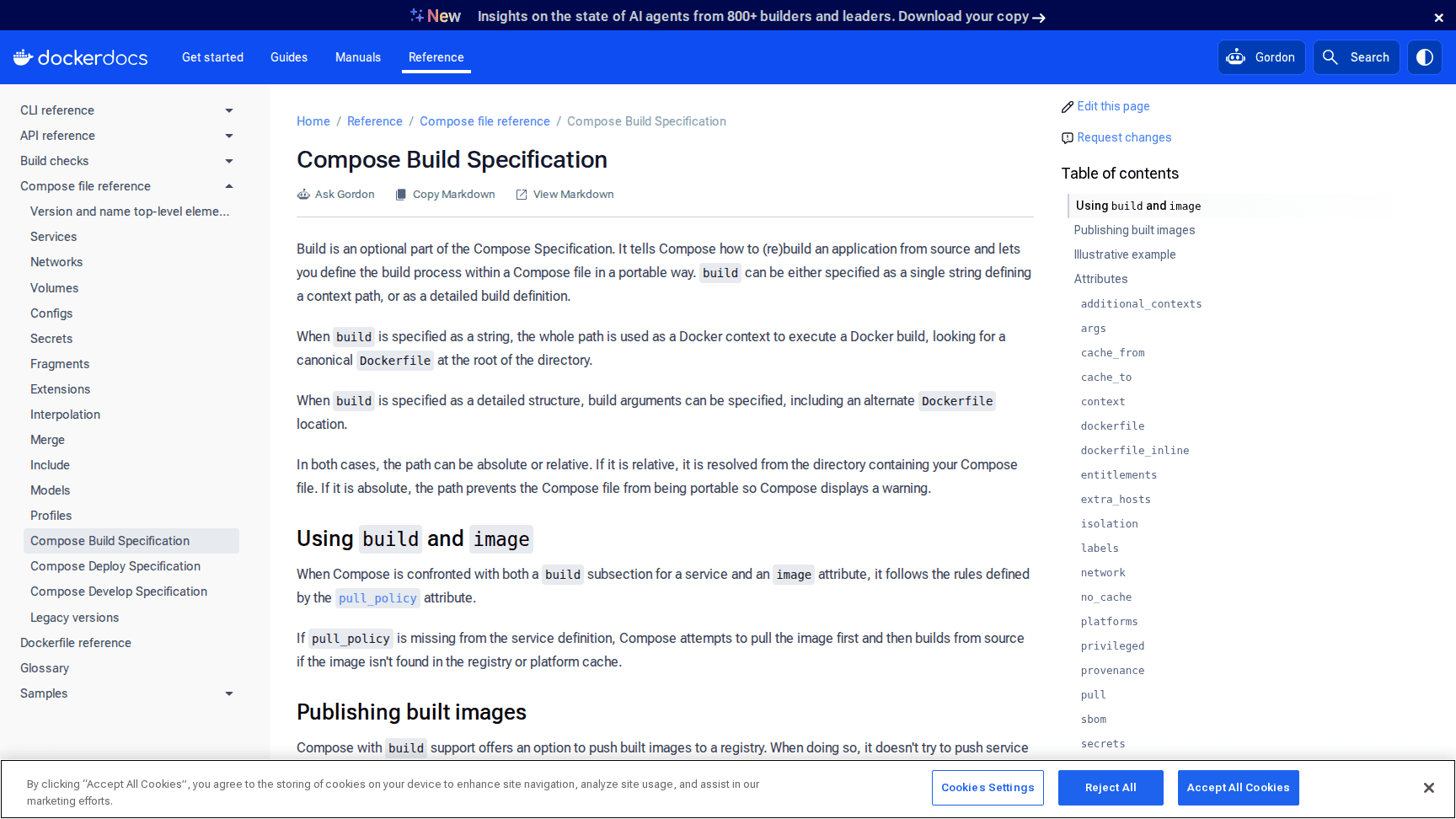
protocol / May 16, 2026
Compose Build Spec
Compose Build Specification | Docker Docs
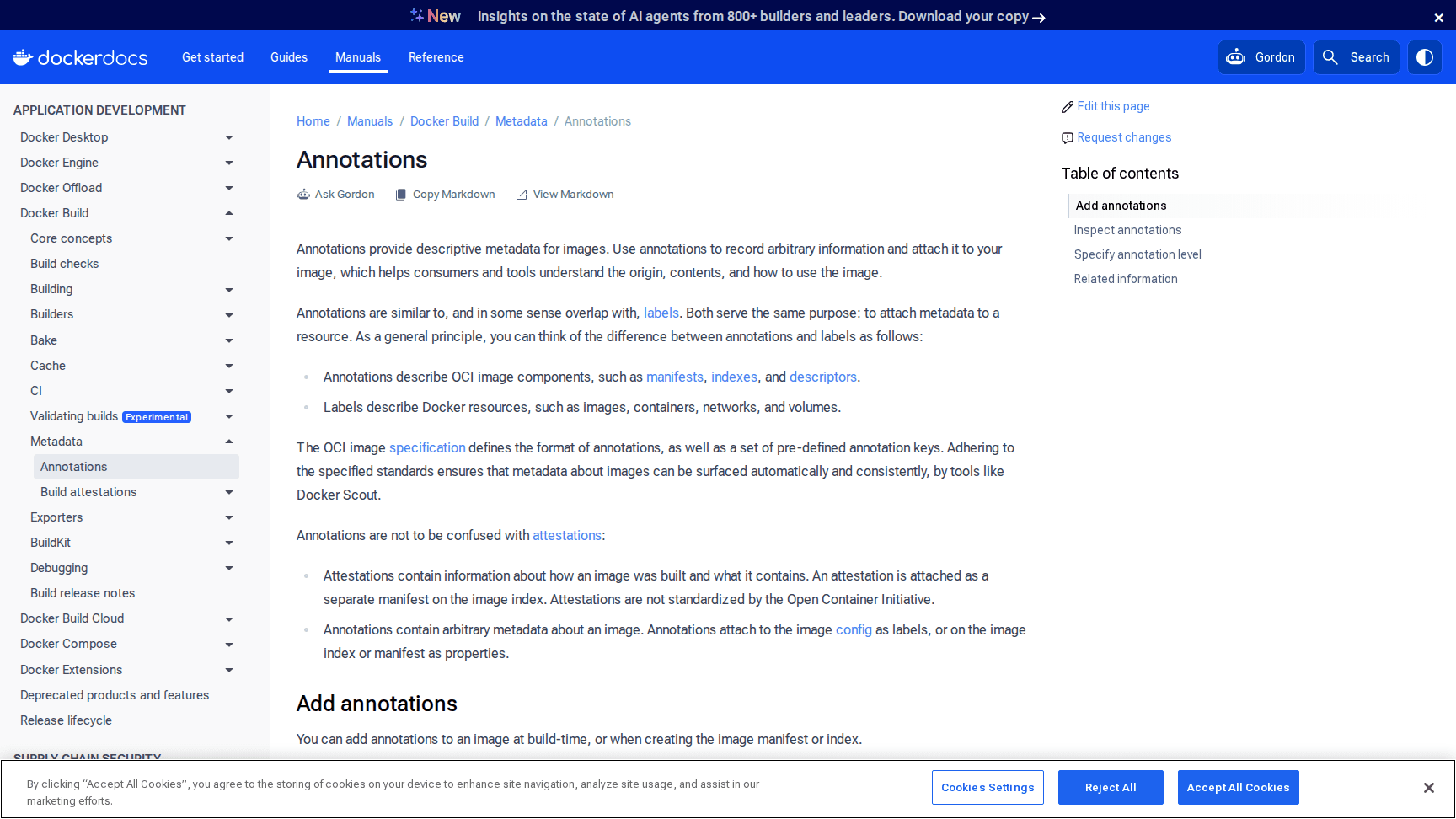
protocol / May 16, 2026
Build Annotations
Annotations | Docker Docs
protocol / May 16, 2026
Nextflow Containers
Containers — Nextflow documentation
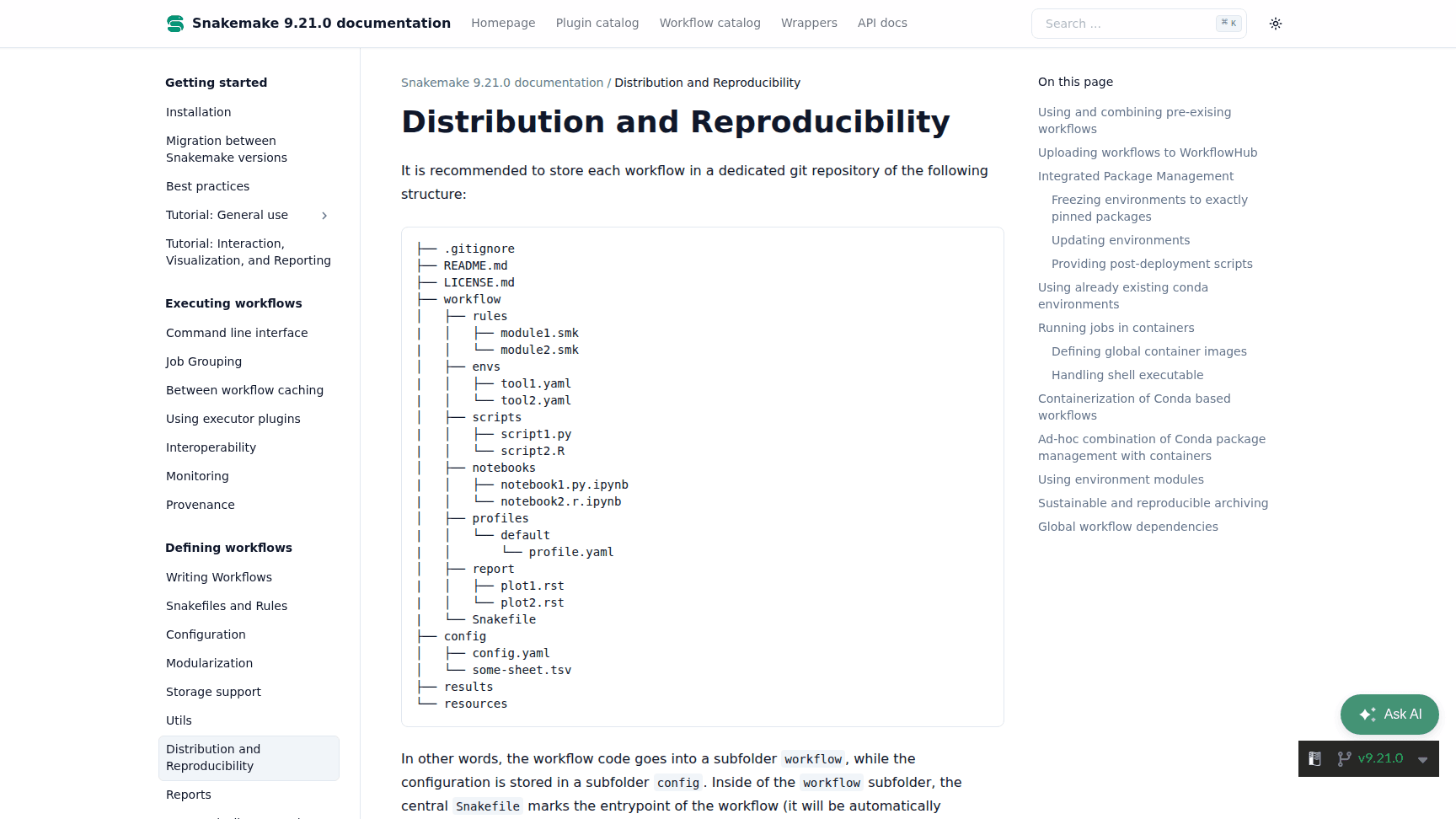
protocol / May 16, 2026
Snakemake Deploy
Distribution and Reproducibility | Snakemake 9.21.0 documentation
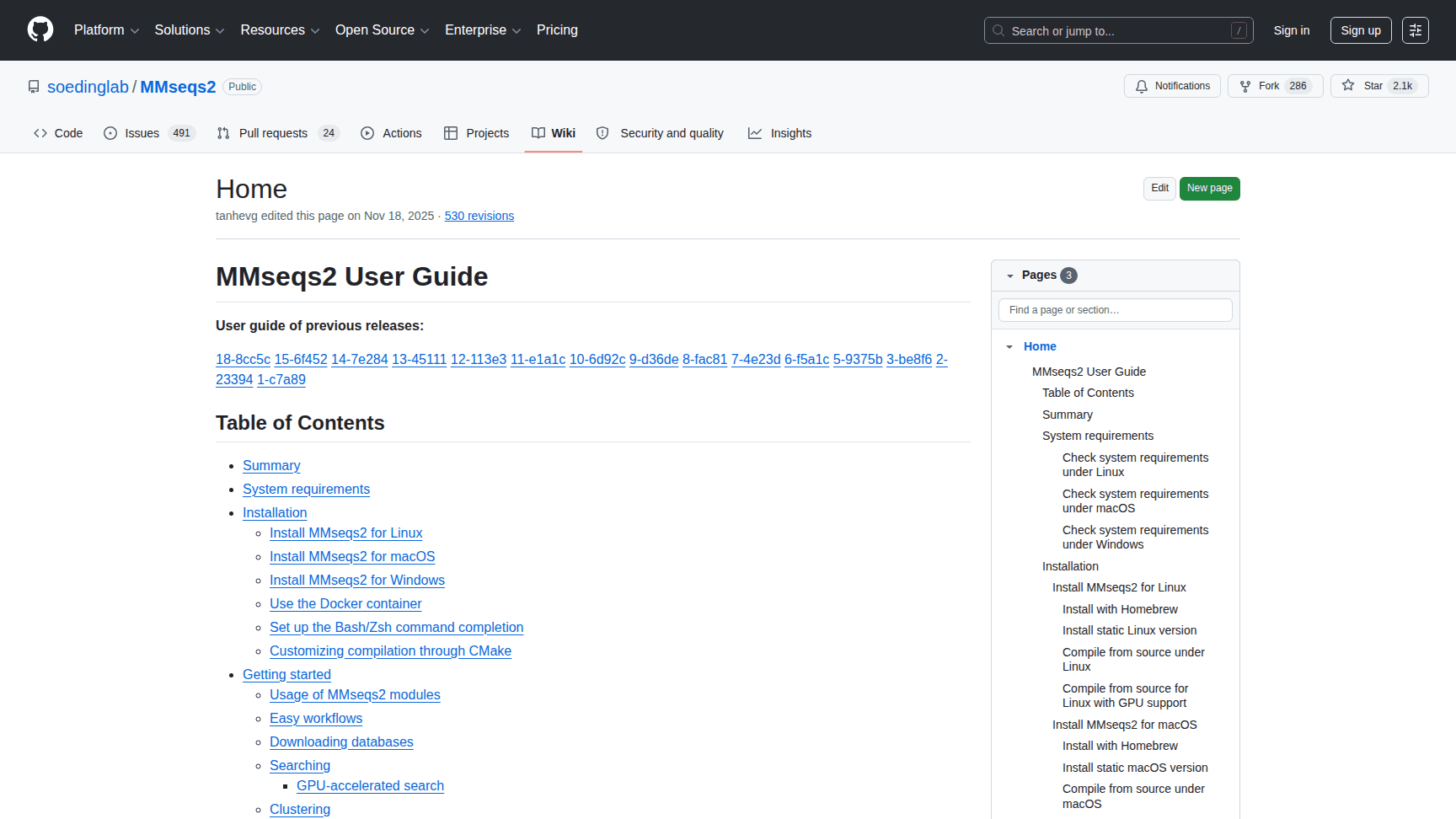
protocol / May 16, 2026
MMseqs2 Wiki
Home · soedinglab/MMseqs2 Wiki · GitHub
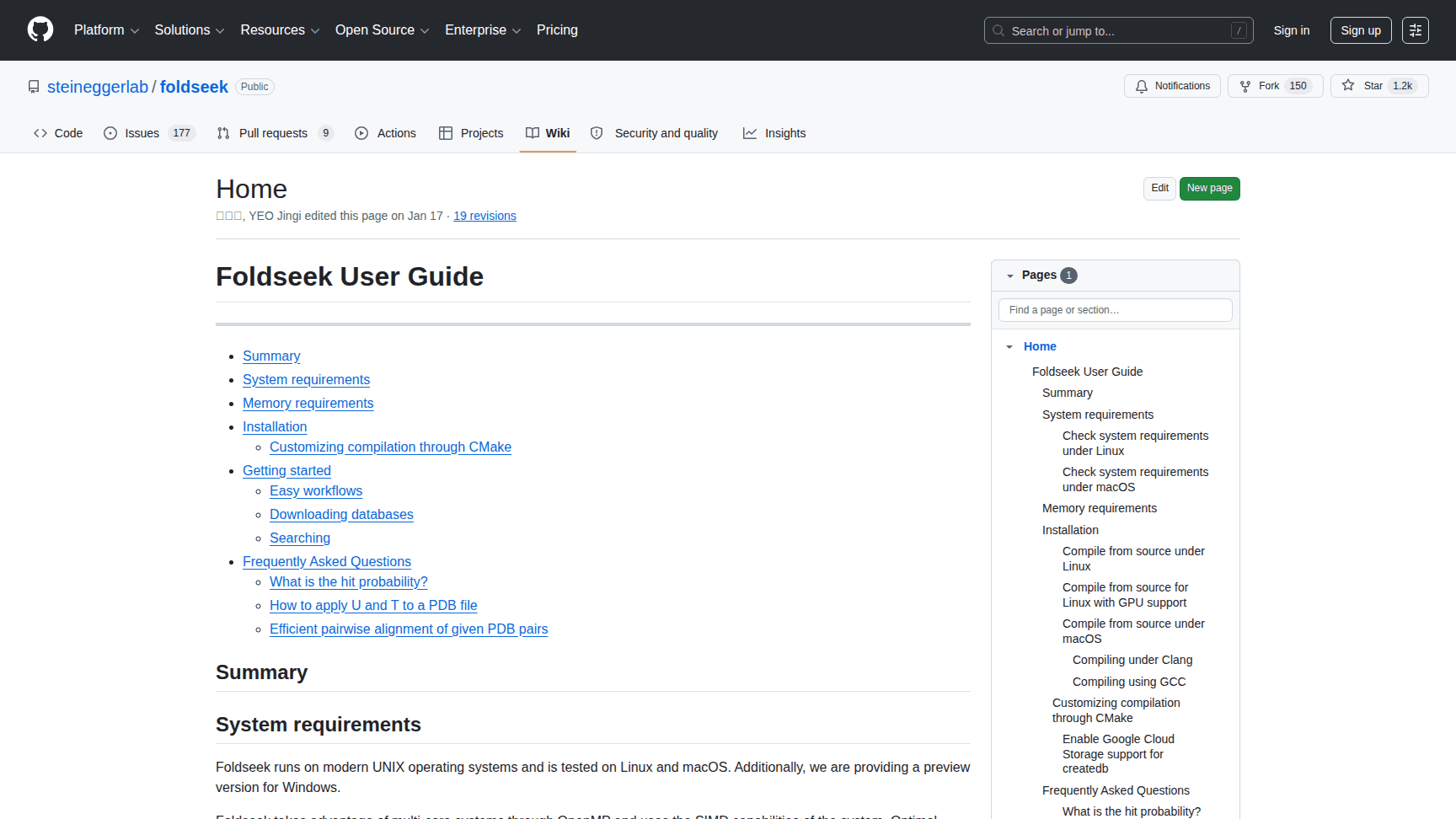
protocol / May 16, 2026
Foldseek Wiki
Home · steineggerlab/foldseek Wiki · GitHub
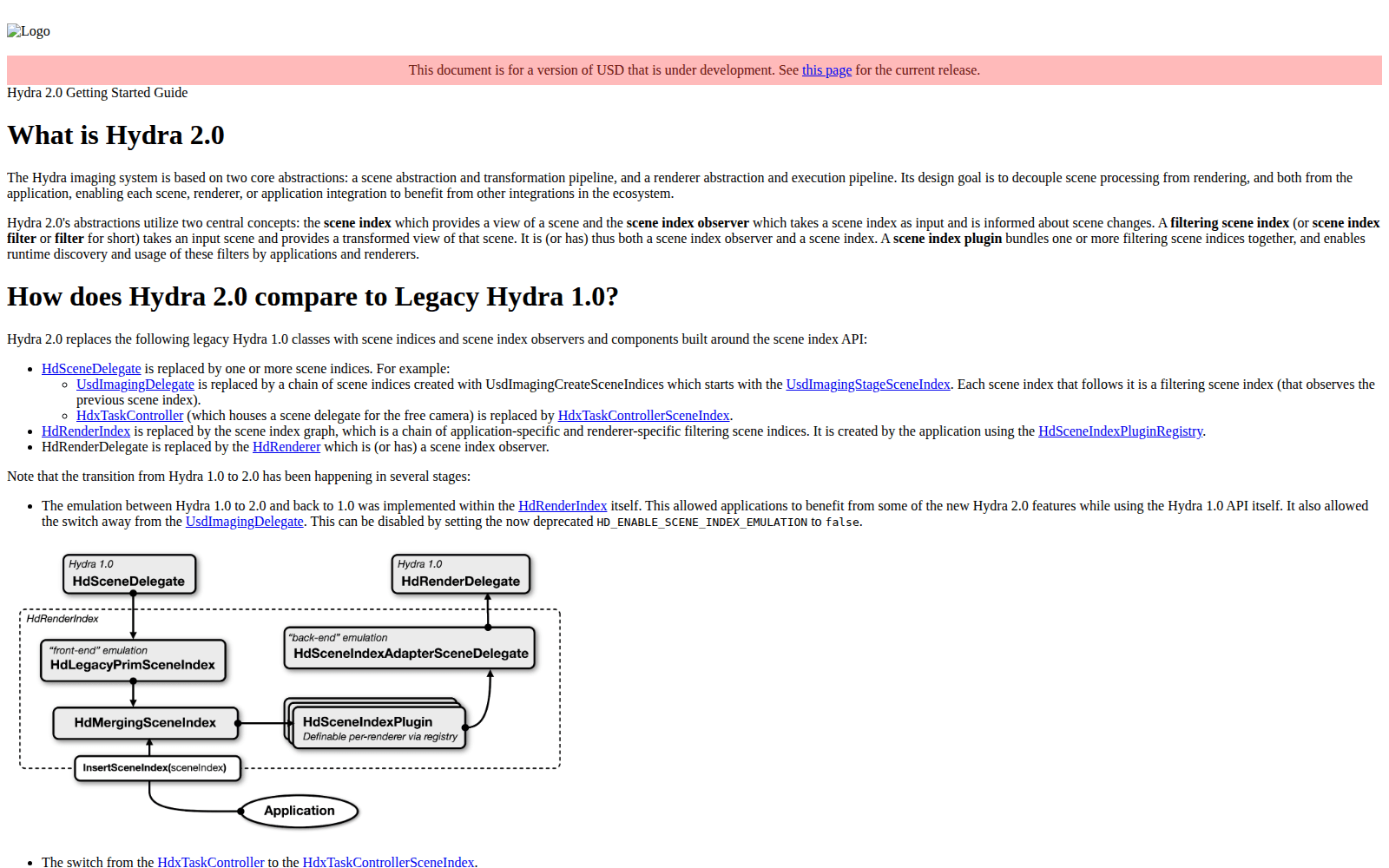
protocol / May 16, 2026
Hydra 2.0 Dev
Universal Scene Description: Hydra 2.0 Getting Started Guide
protocol / May 16, 2026
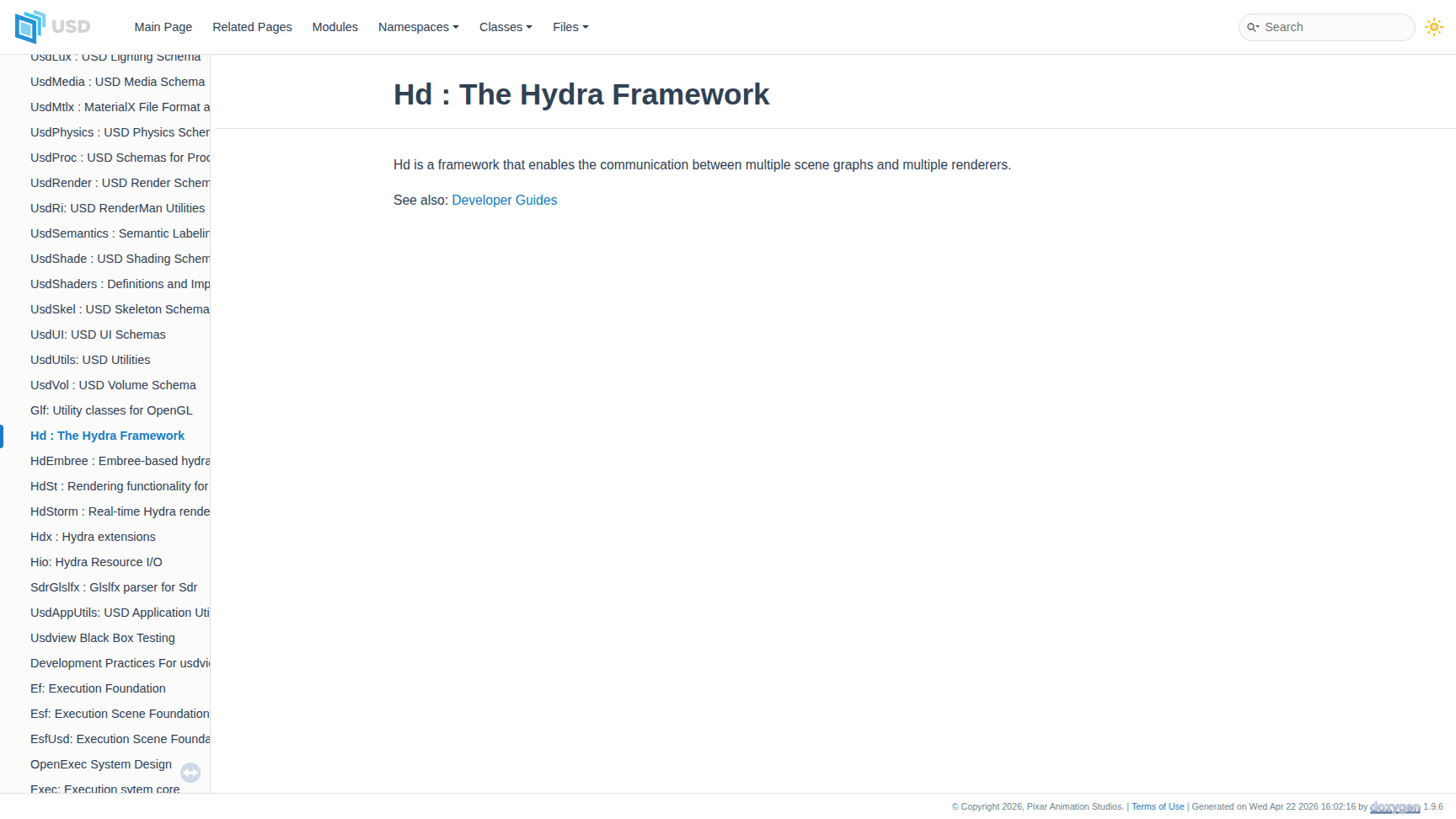
Hydra Framework
Universal Scene Description: Hd : The Hydra Framework
protocol / May 16, 2026
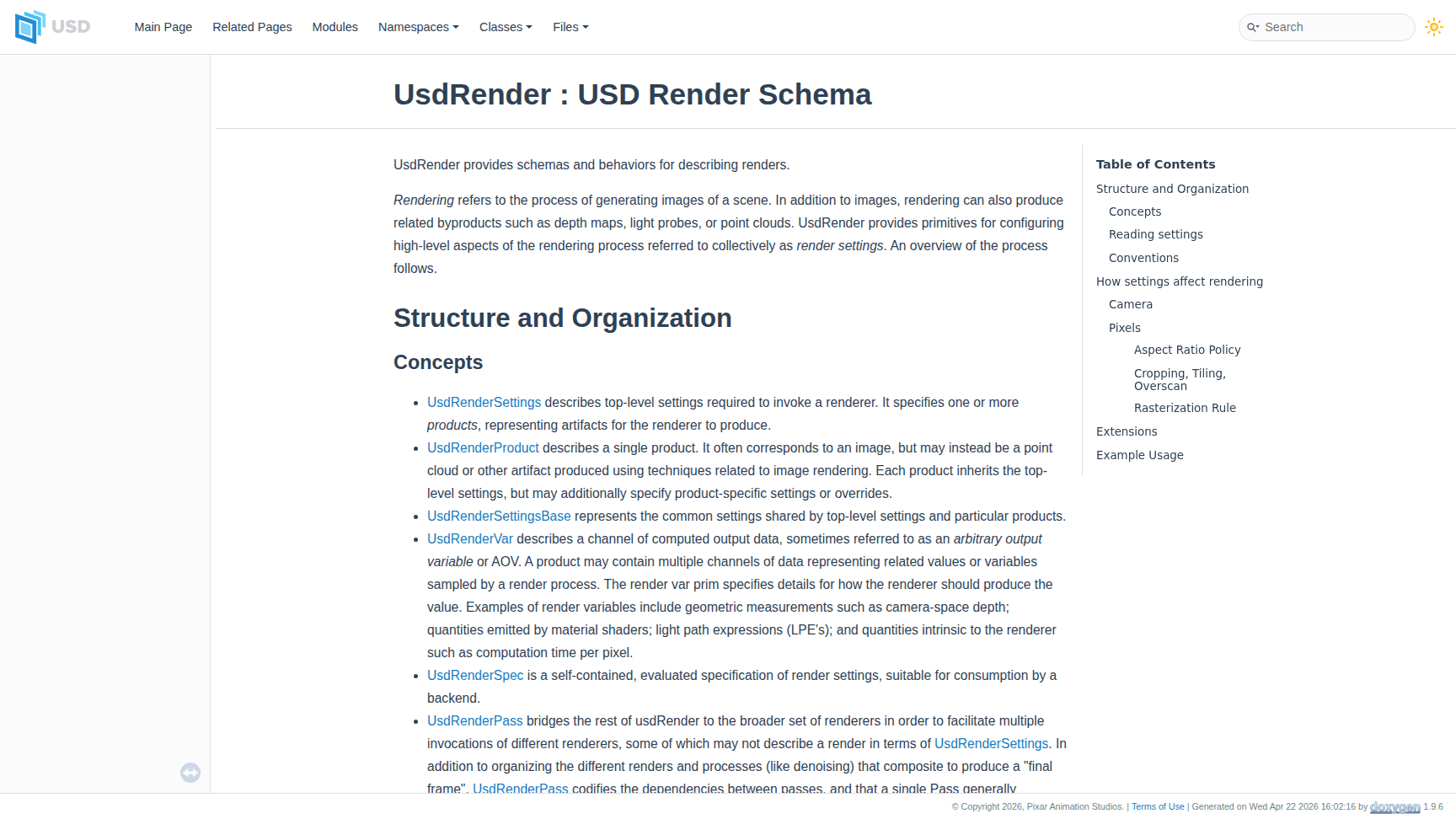
UsdRender
Universal Scene Description: UsdRender : USD Render Schema
protocol / May 16, 2026
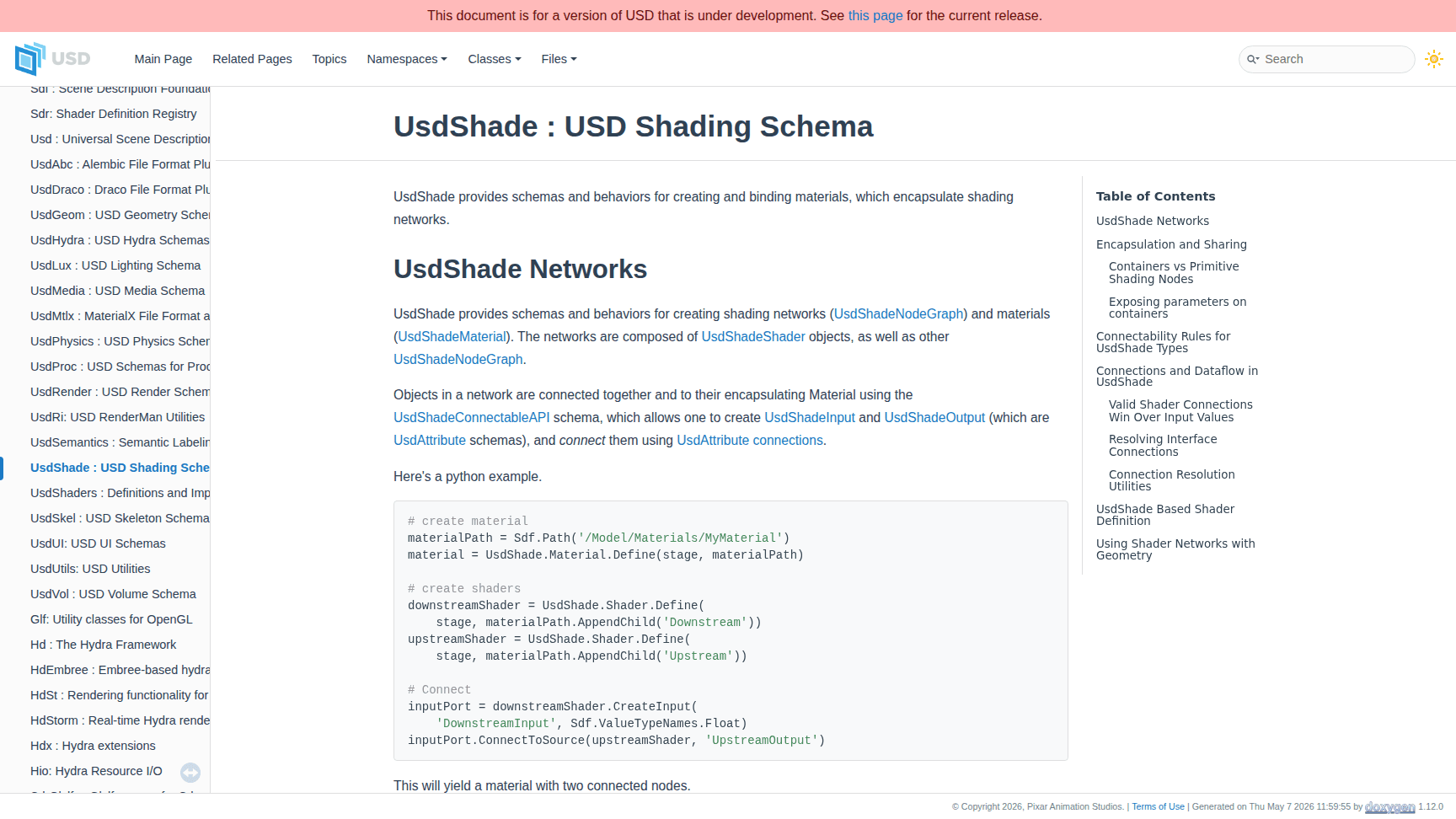
UsdShade
Universal Scene Description: UsdShade : USD Shading Schema
protocol / May 16, 2026
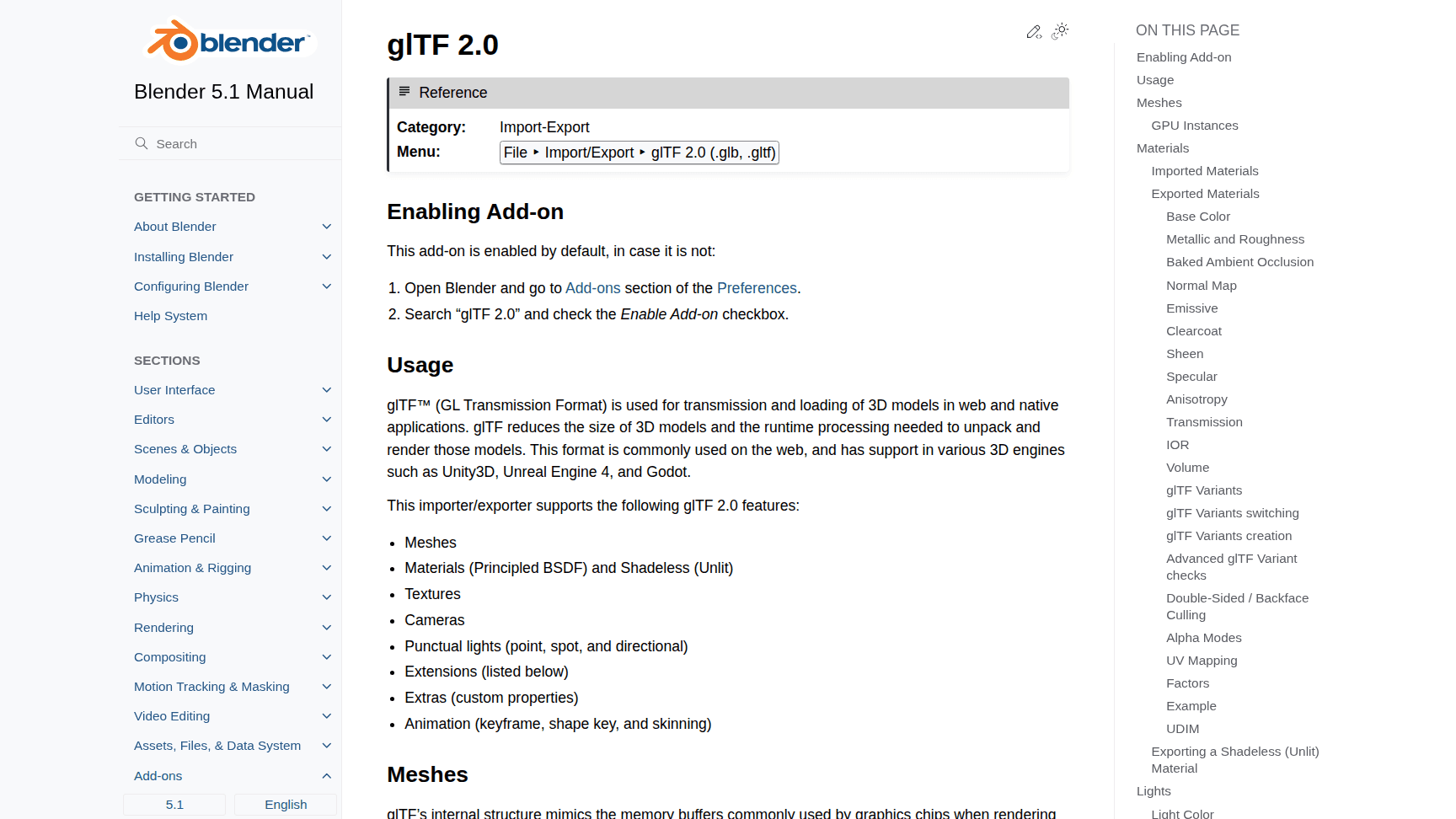
Blender glTF
glTF 2.0 - Blender 4.4 Manual
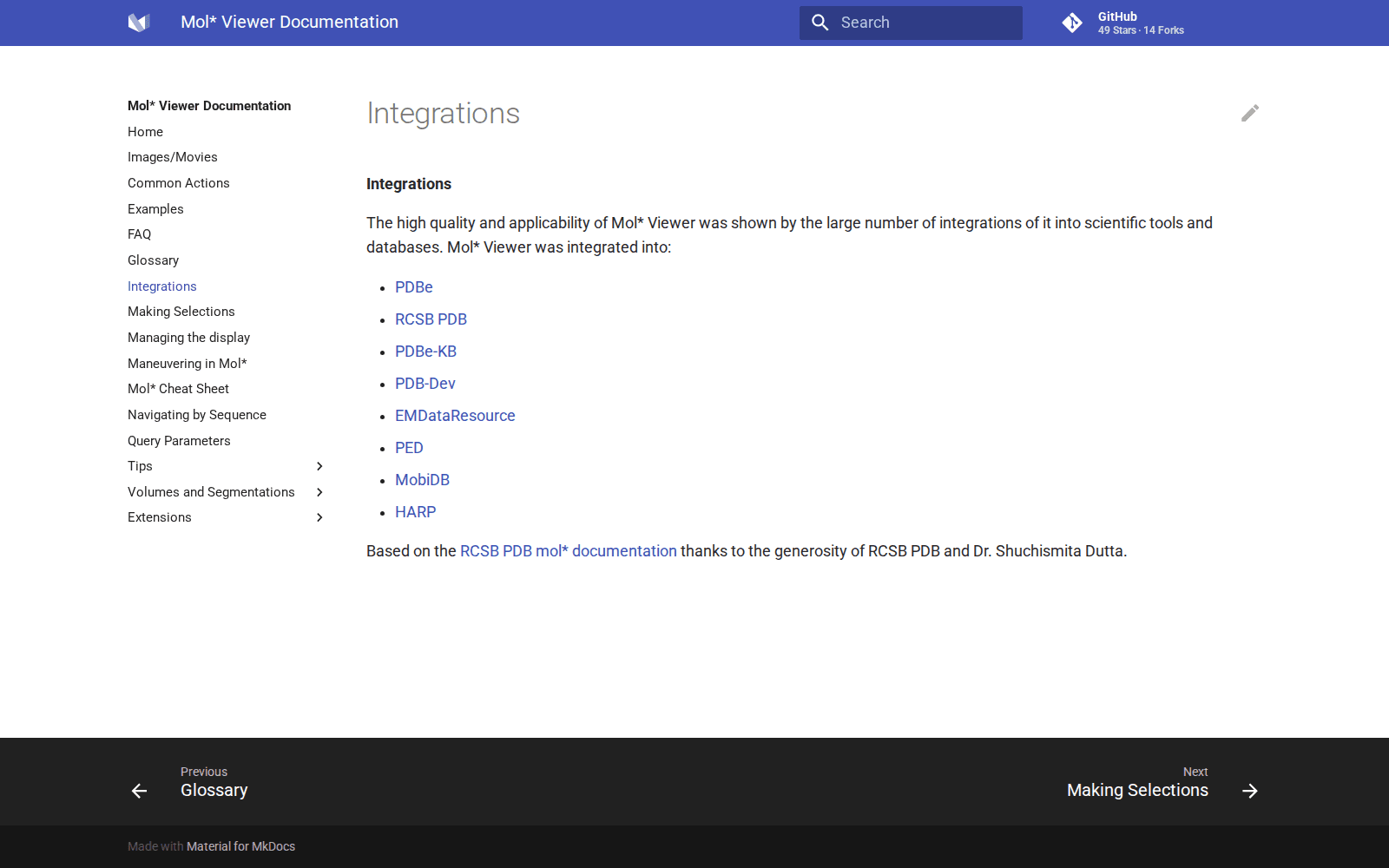
protocol / May 16, 2026
Mol* Integrations
Integrations - Mol* Viewer Documentation
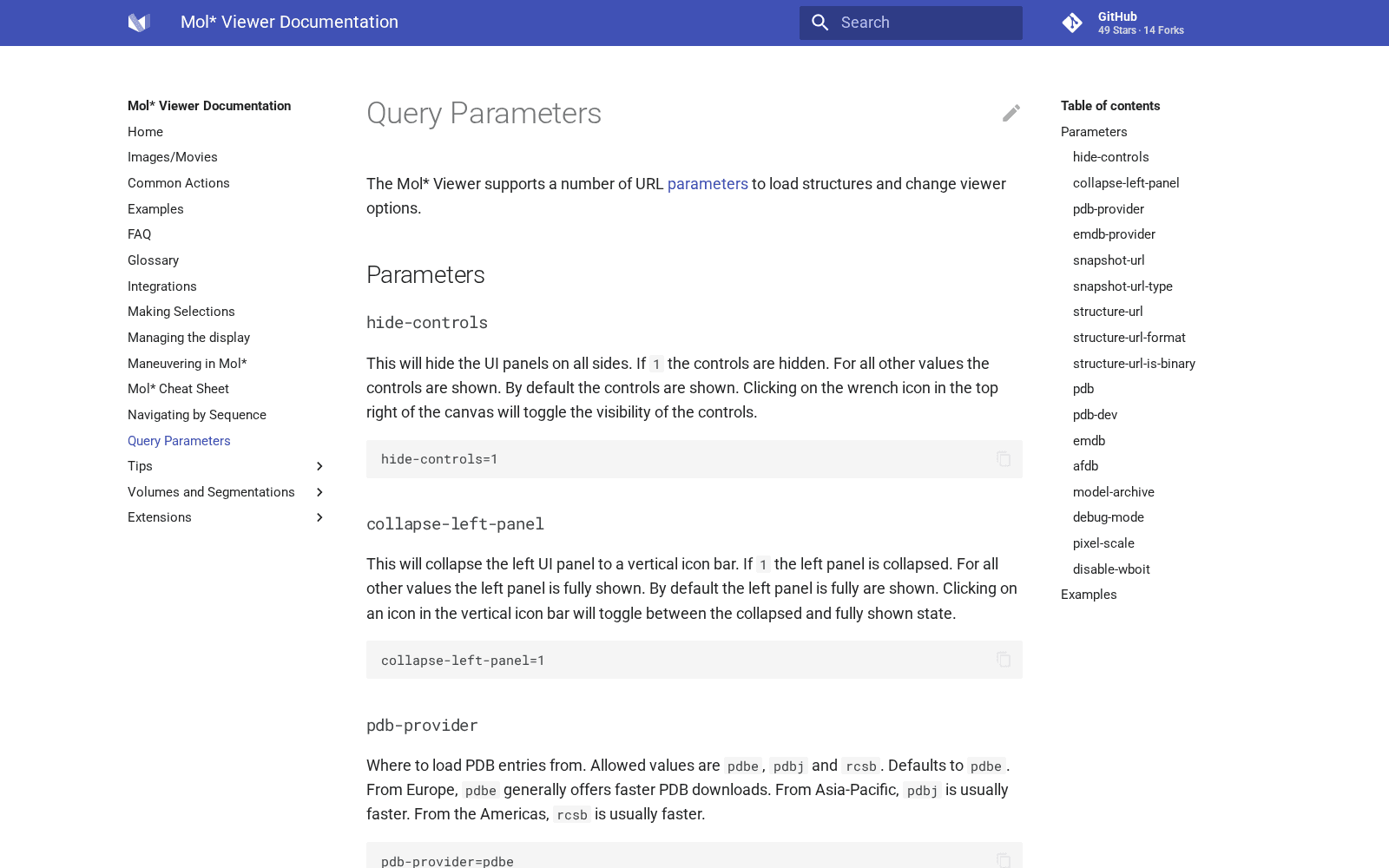
protocol / May 16, 2026
Mol* Query Params
Query Parameters - Mol* Viewer Documentation
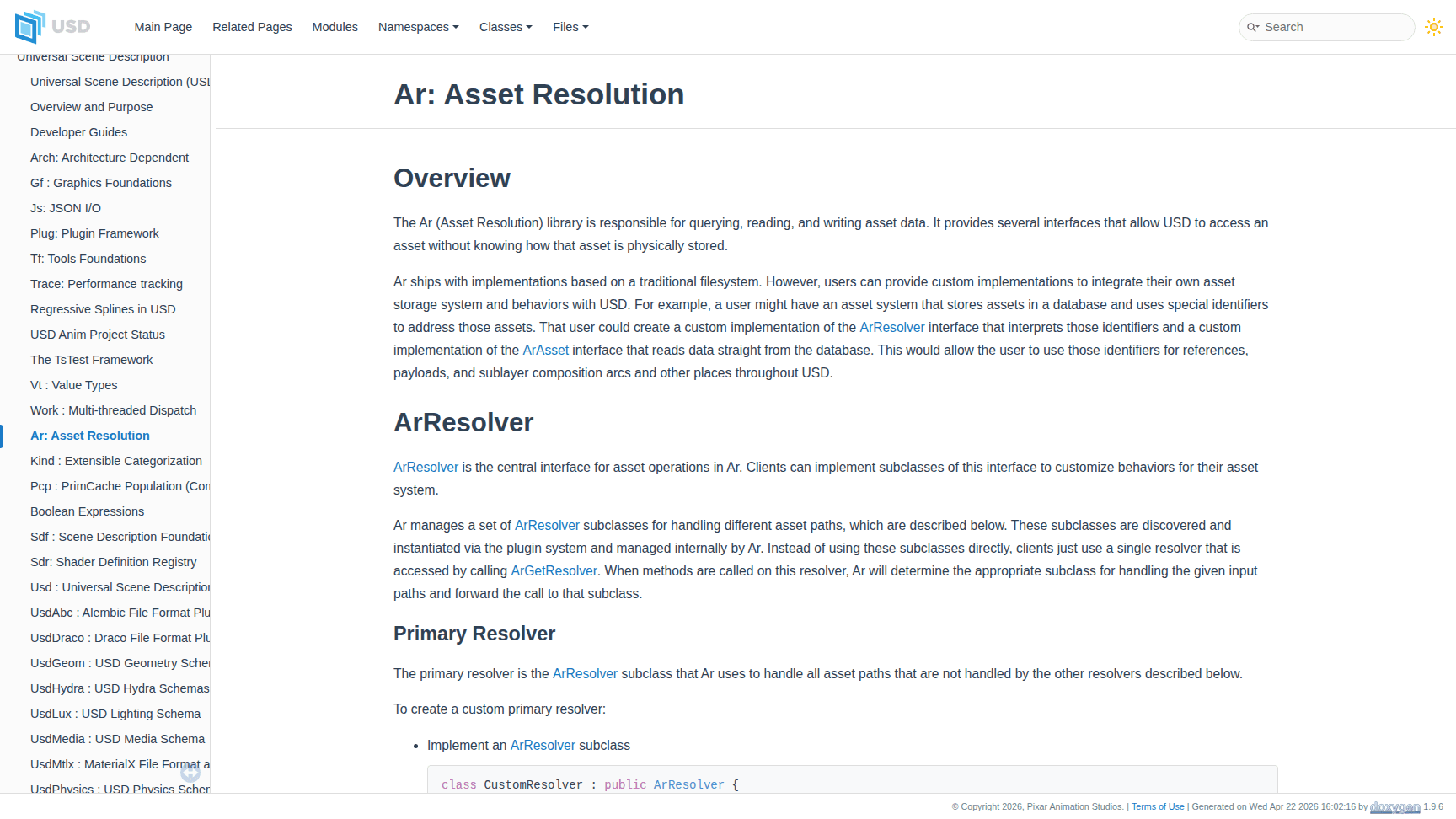
protocol / May 16, 2026
USD Ar
Universal Scene Description: Ar: Asset Resolution
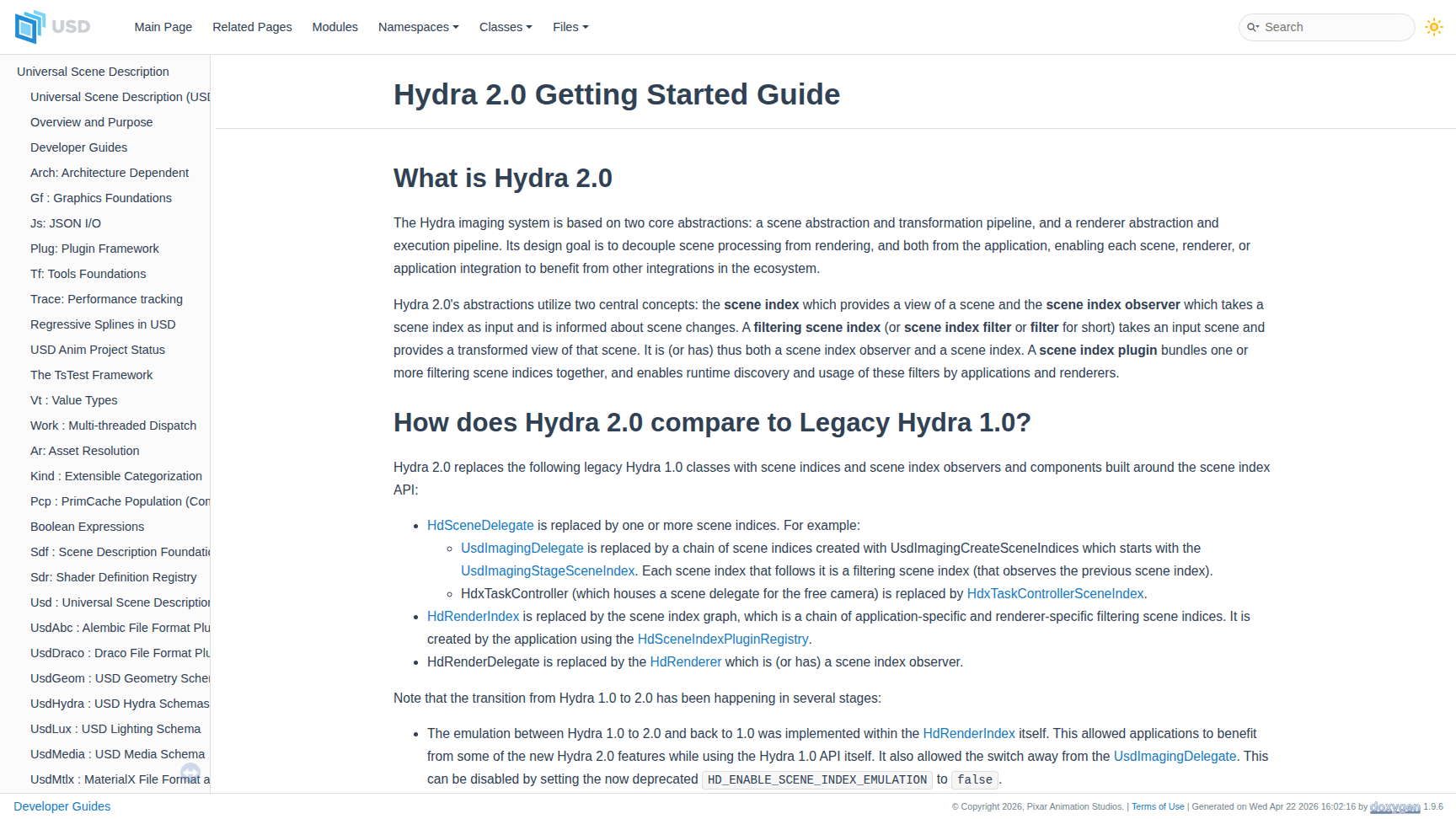
protocol / May 16, 2026
Hydra 2.0 Start
Universal Scene Description: Hydra 2.0 Getting Started Guide
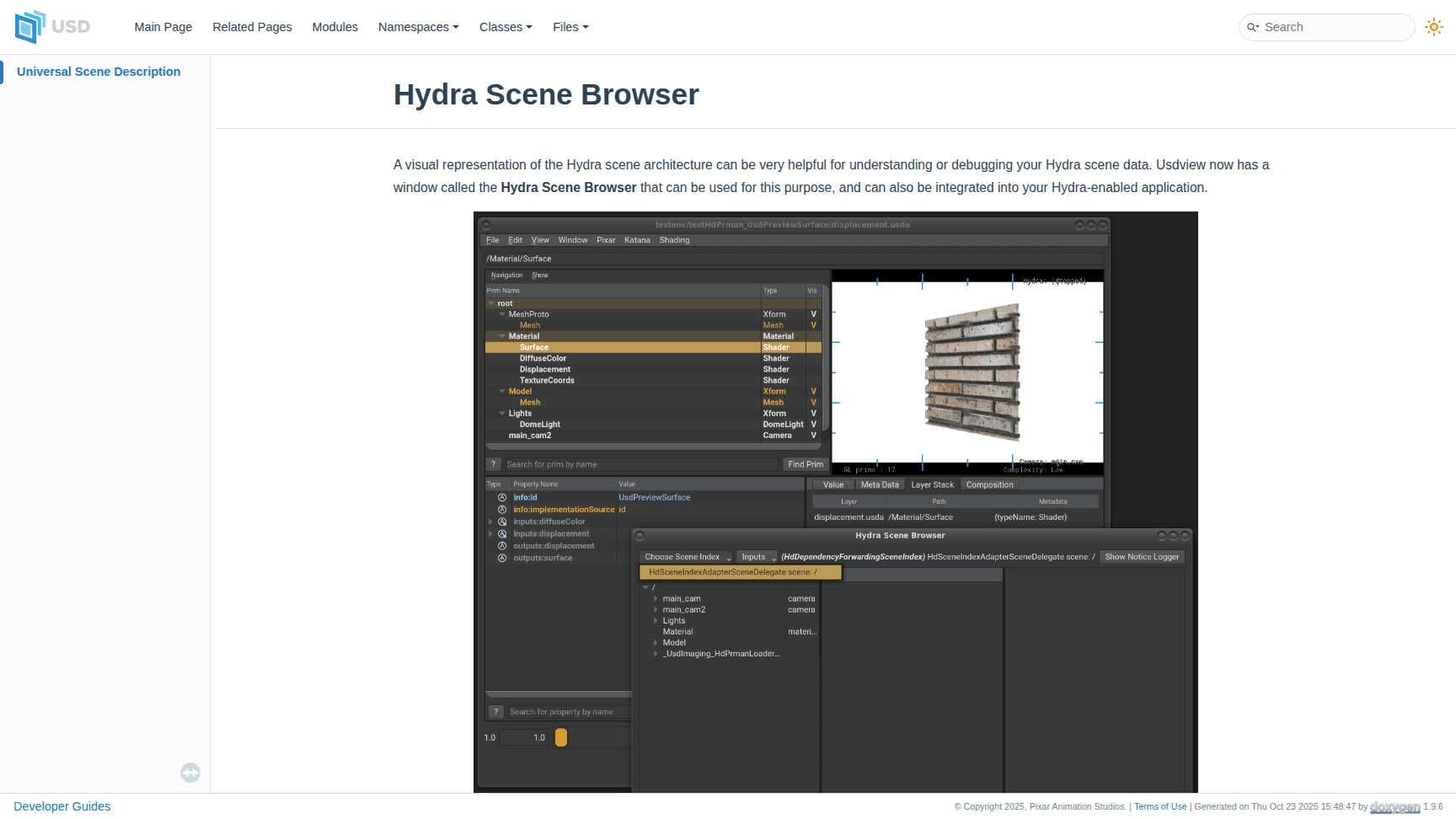
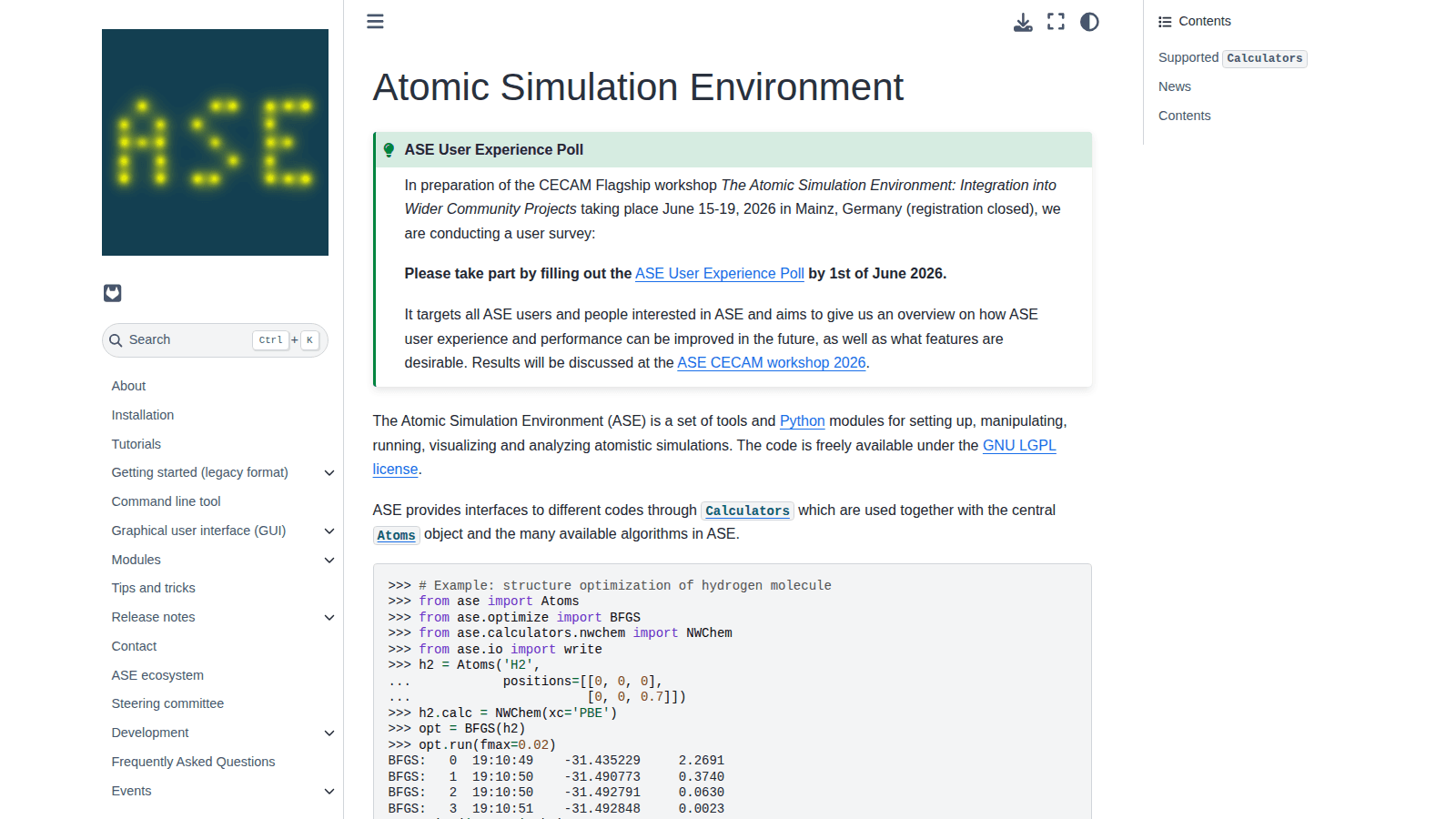
protocol / May 16, 2026
Hydra Scene Browser
Universal Scene Description: Hydra Scene Browser
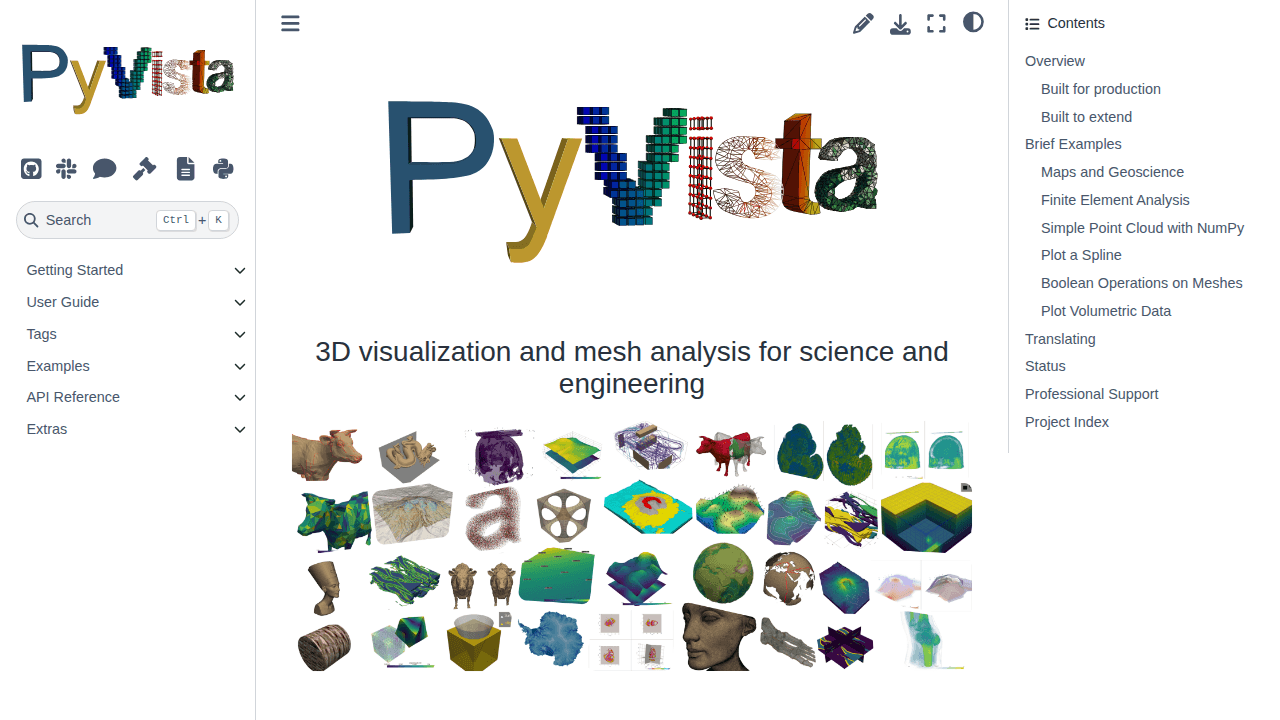
protocol / May 16, 2026
ASE Docs
Atomic Simulation Environment — ASE documentation
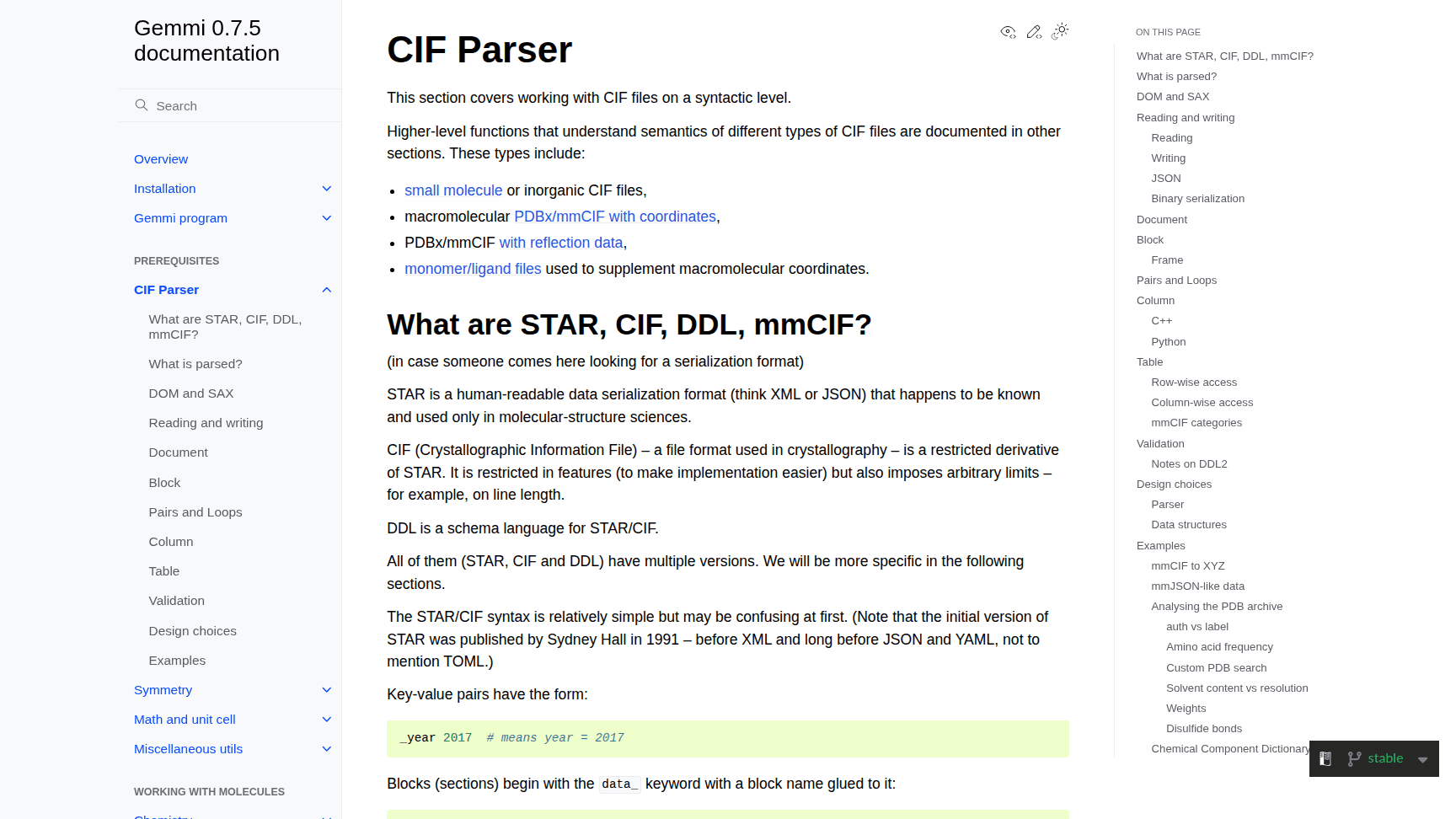
protocol / May 16, 2026
PyVista Docs
PyVista — PyVista 0.48.2 documentation
protocol / May 16, 2026
Gemmi CIF
CIF Parser - Gemmi 0.7.5 documentation
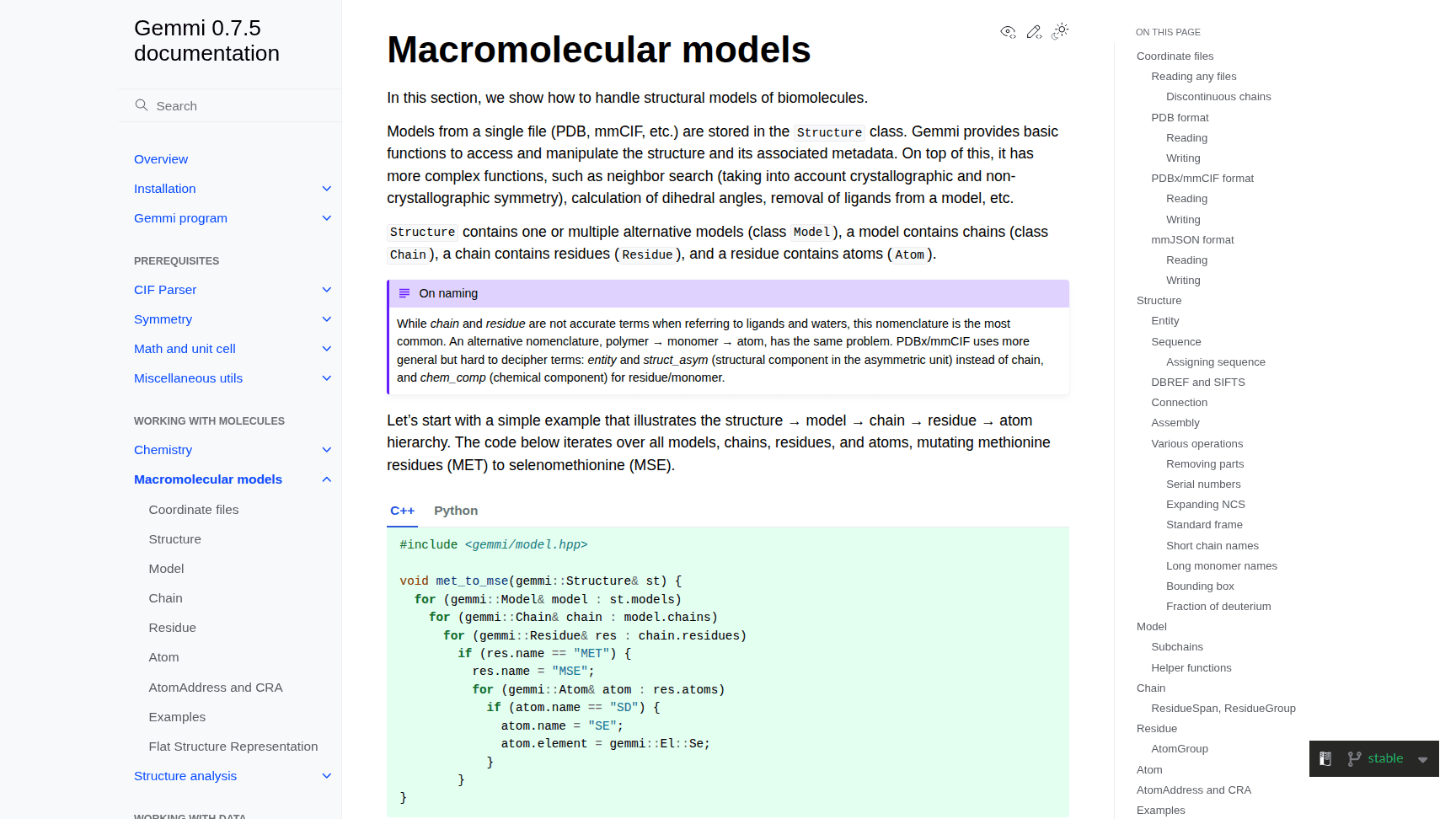
protocol / May 16, 2026
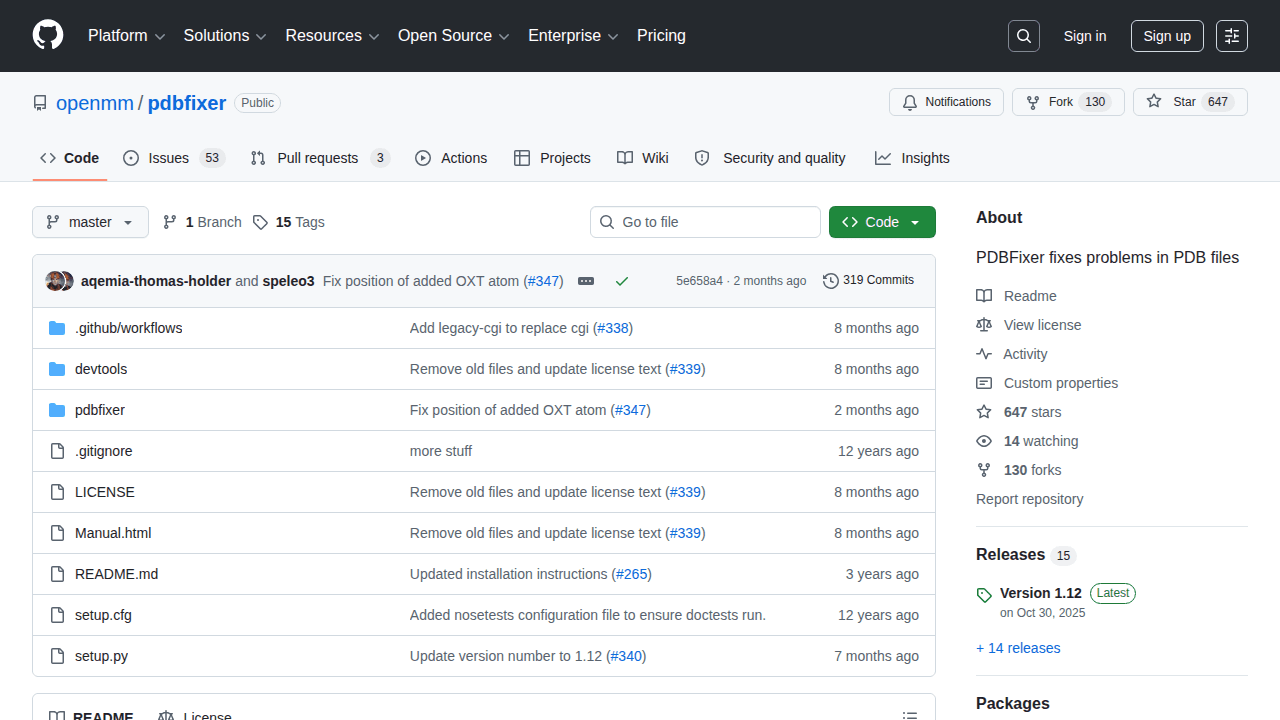
Gemmi Mol Models
Macromolecular models - Gemmi 0.7.5 documentation
protocol / May 16, 2026
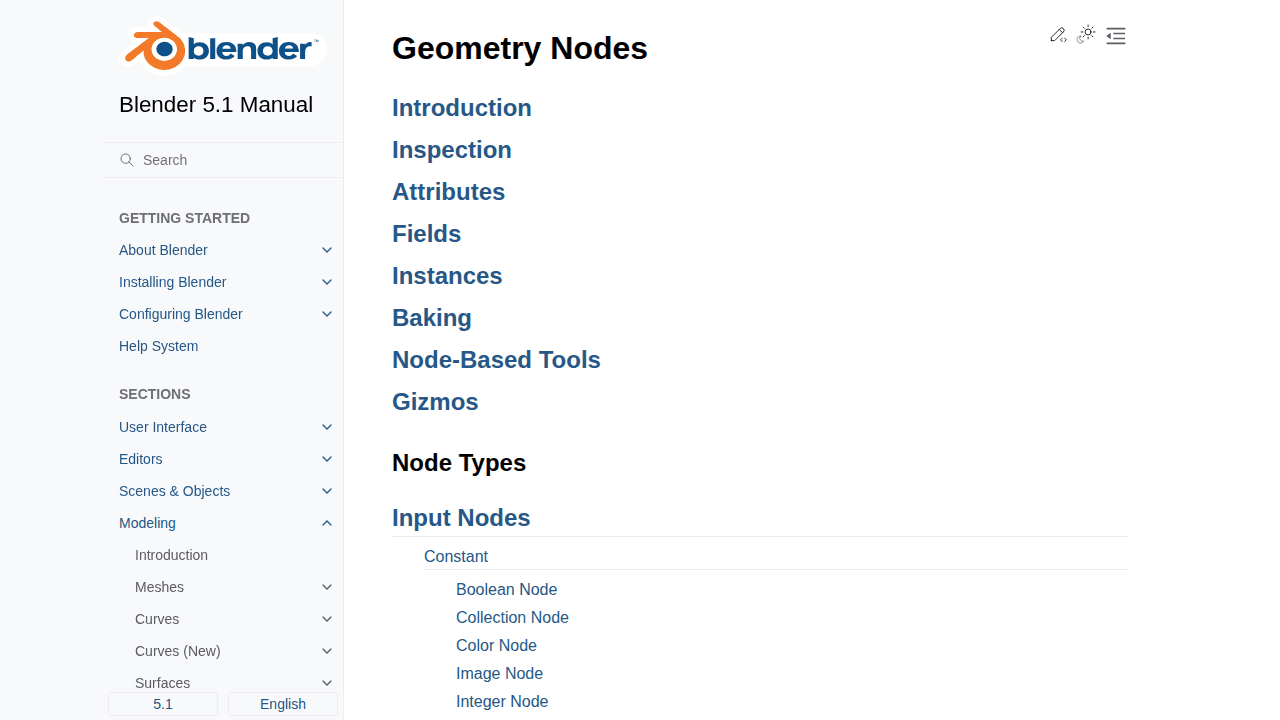
PDBFixer
openmm/pdbfixer
protocol / May 16, 2026
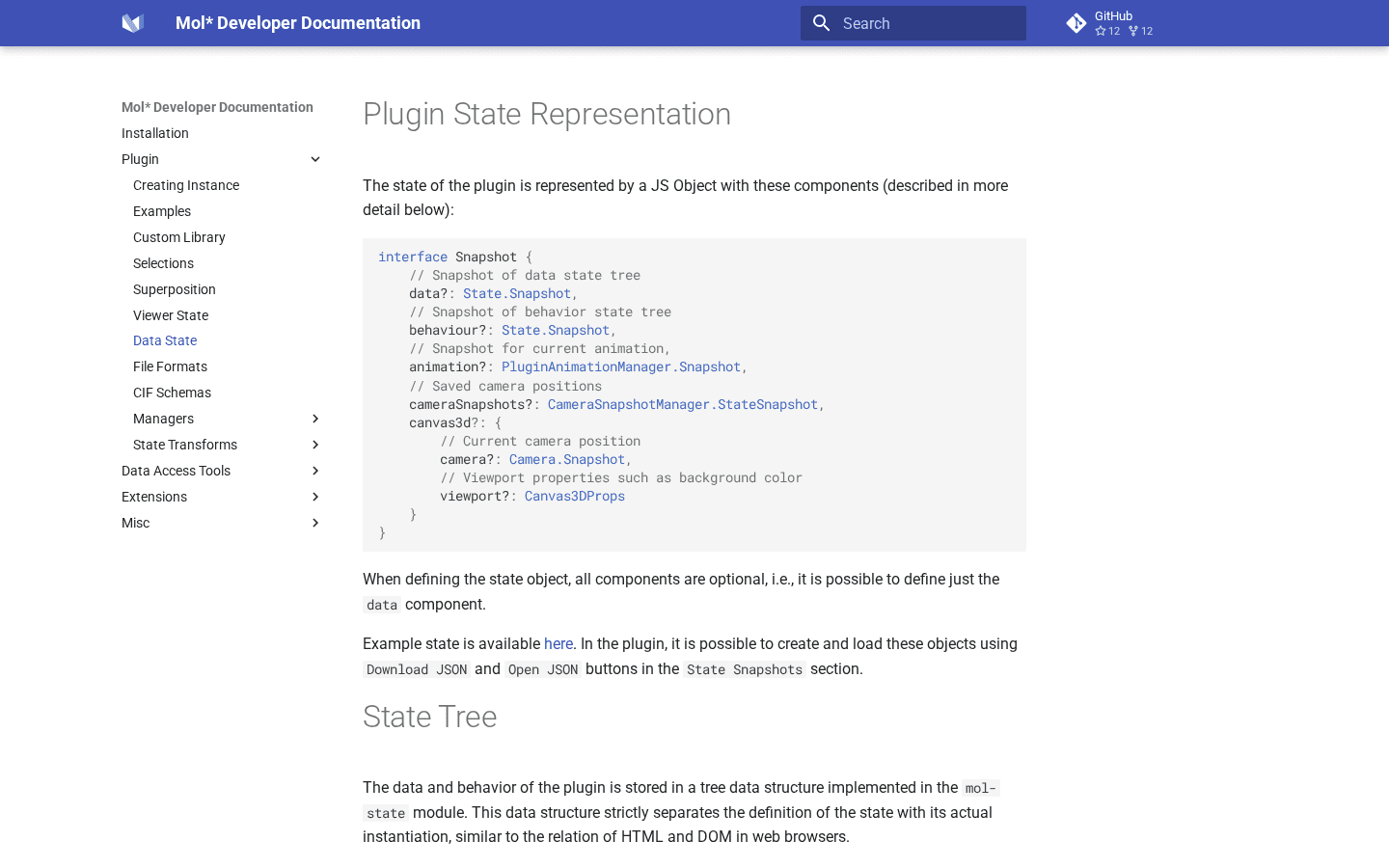
Geometry Nodes
Geometry Nodes - Blender 5.1 Manual
protocol / May 16, 2026
Mol* Data State
Data State - Mol* Developer Documentation
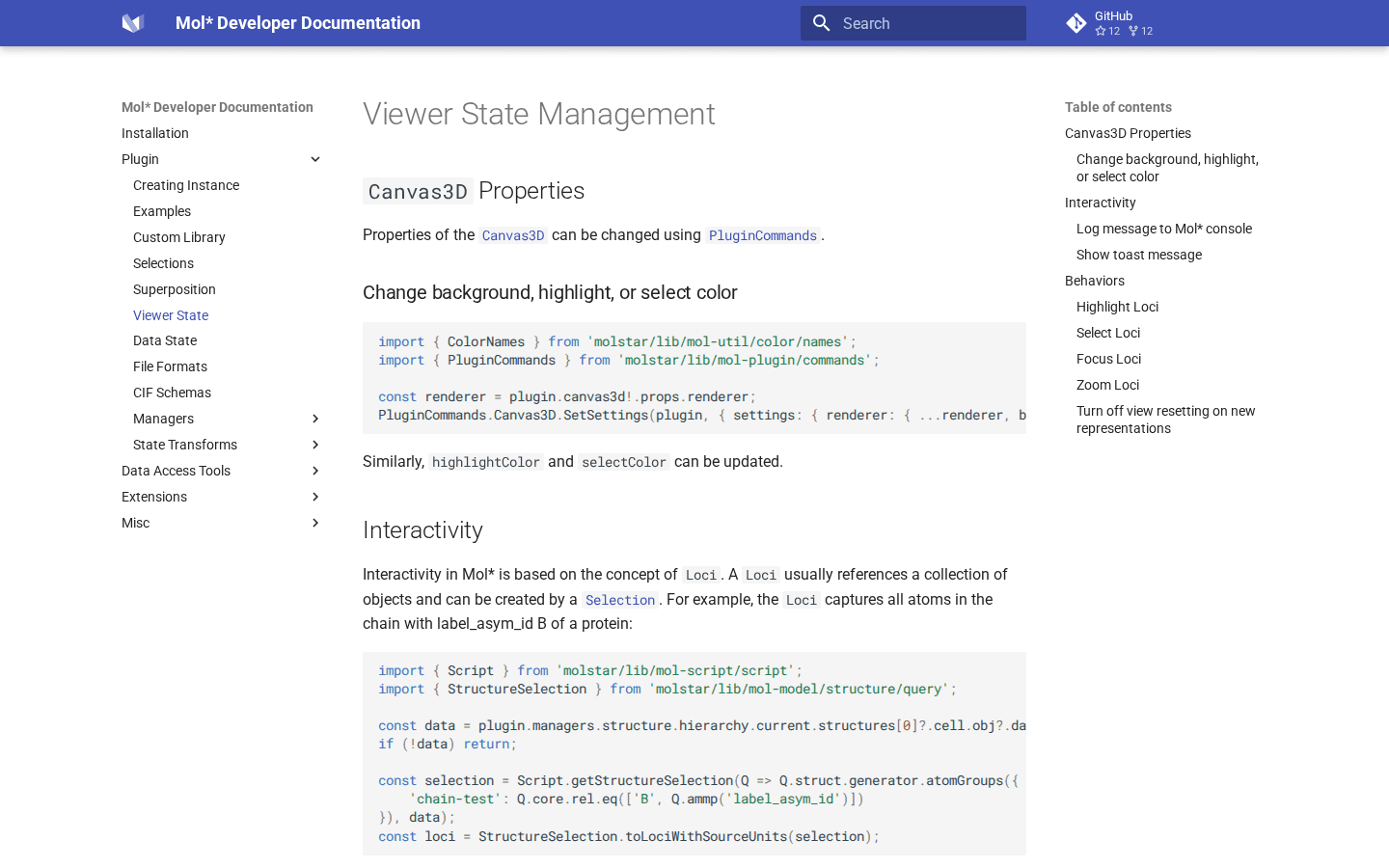
protocol / May 16, 2026
Mol* Viewer State
Viewer State - Mol* Developer Documentation
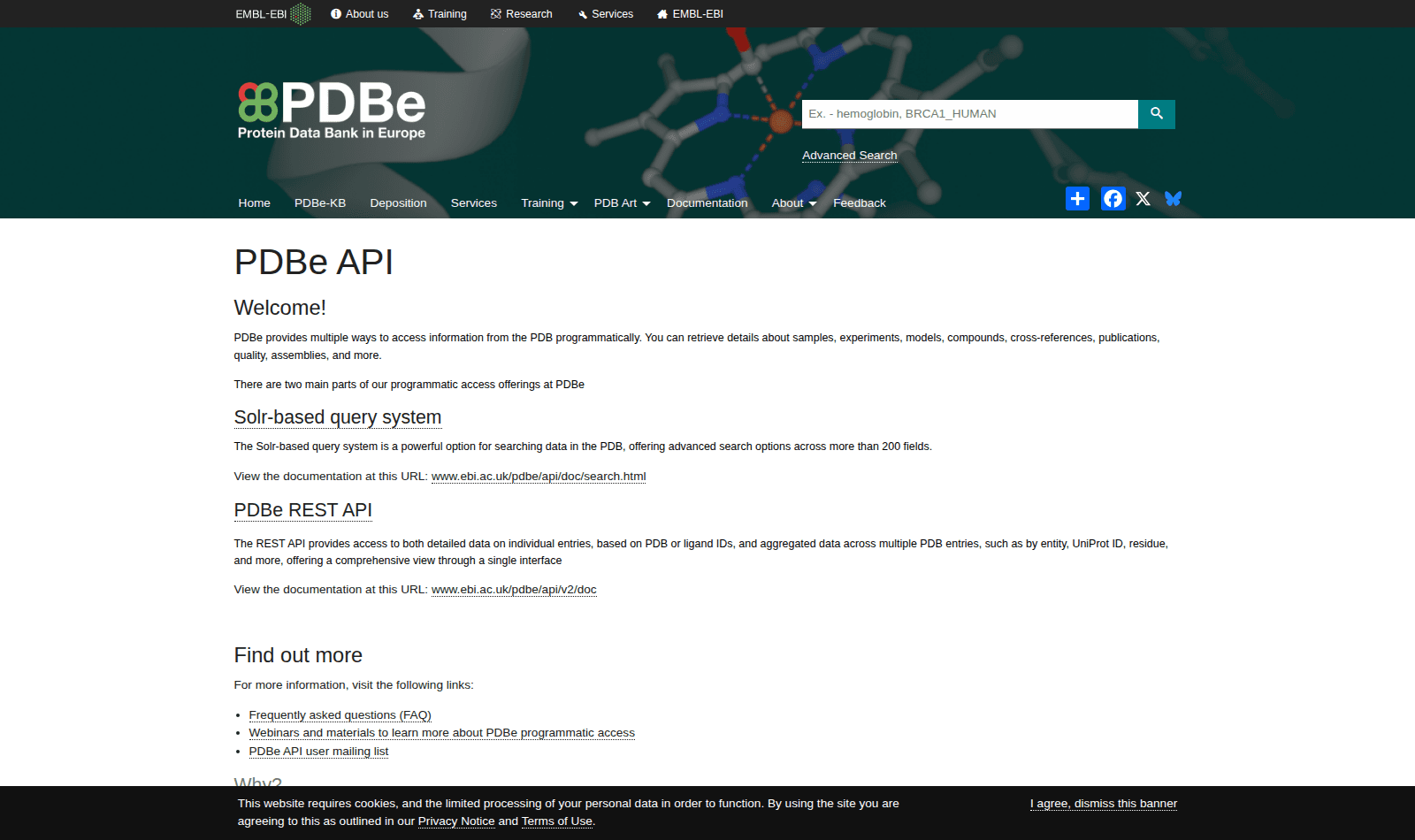
protocol / May 16, 2026
PDBe REST API
PDBe API | Protein Data Bank in Europe
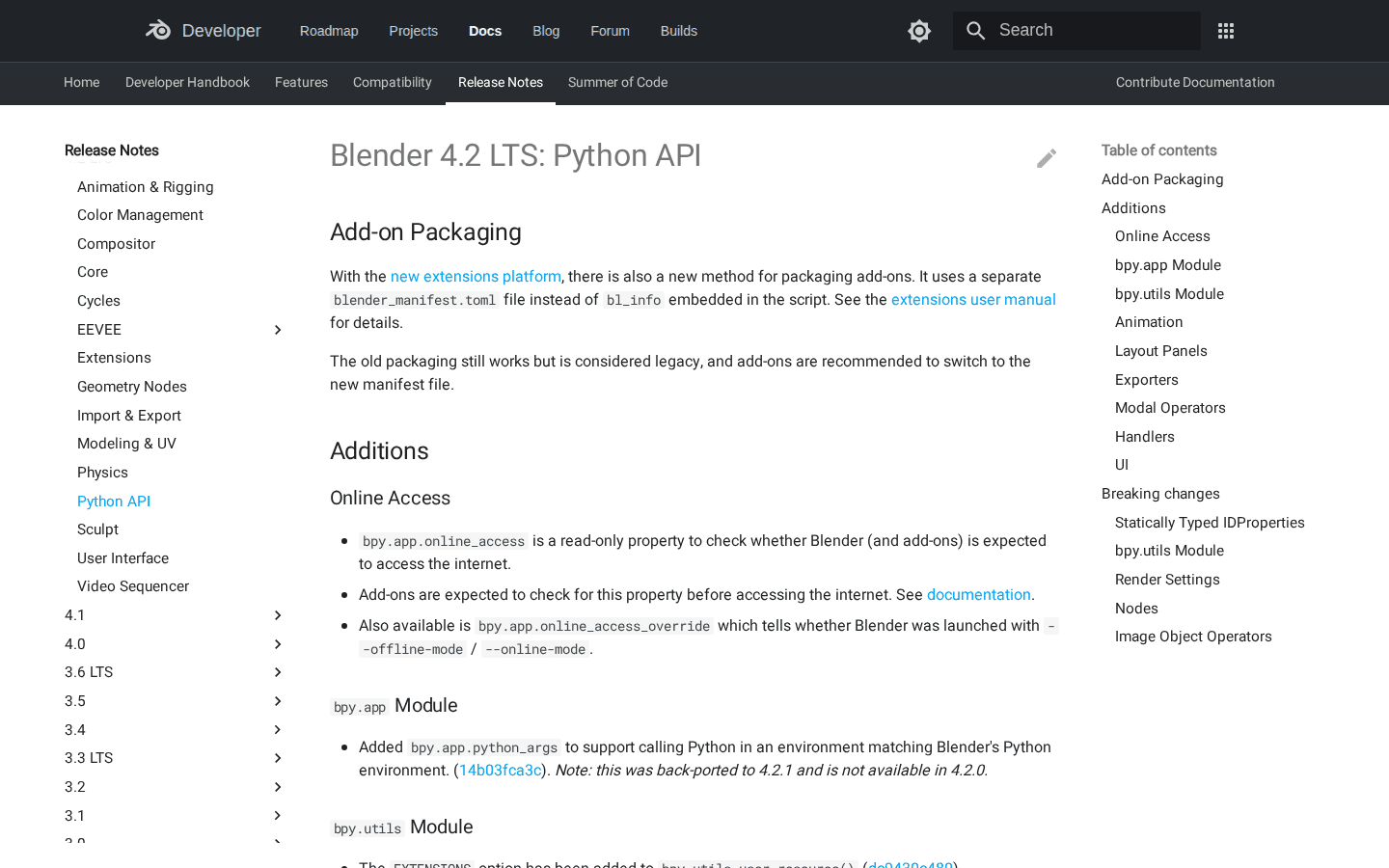
protocol / May 16, 2026
Blender 4.2 Py API
Python API - Blender Developer Documentation
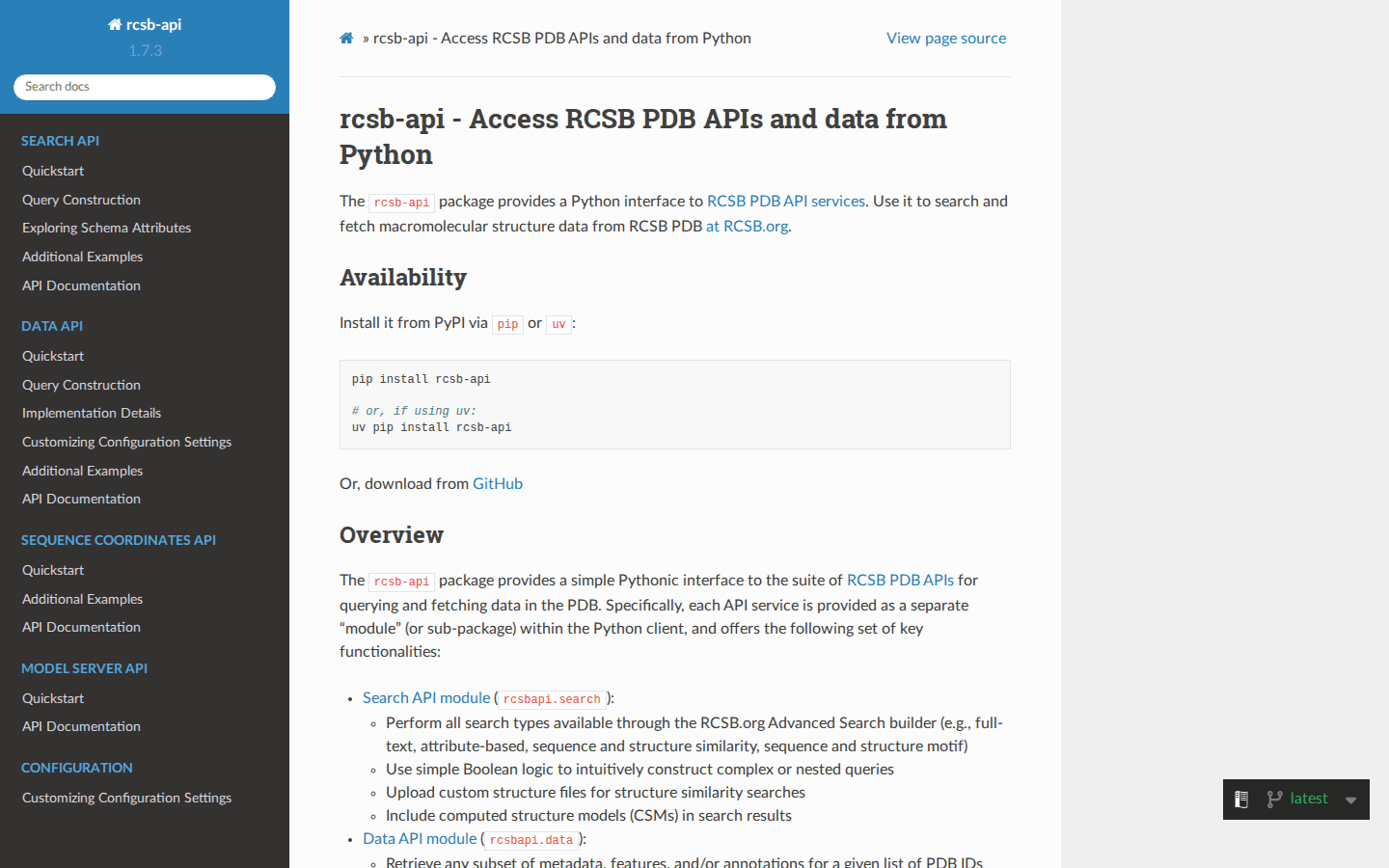
protocol / May 16, 2026
rcsb-api Python
rcsb-api - Access RCSB PDB APIs and data from Python
protocol / May 16, 2026
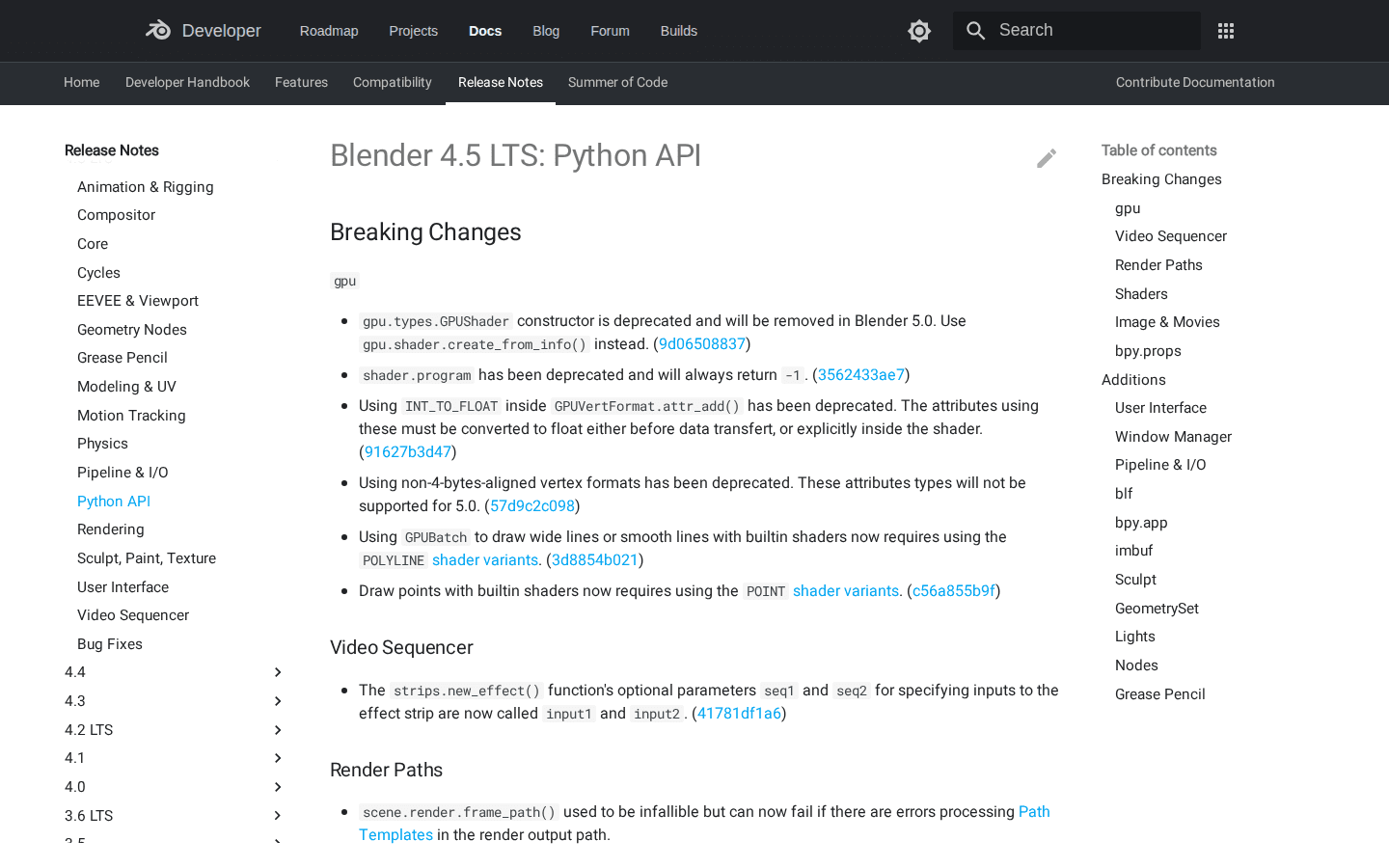
Blender 4.5 Py API
Python API - Blender Developer Documentation
protocol / May 16, 2026
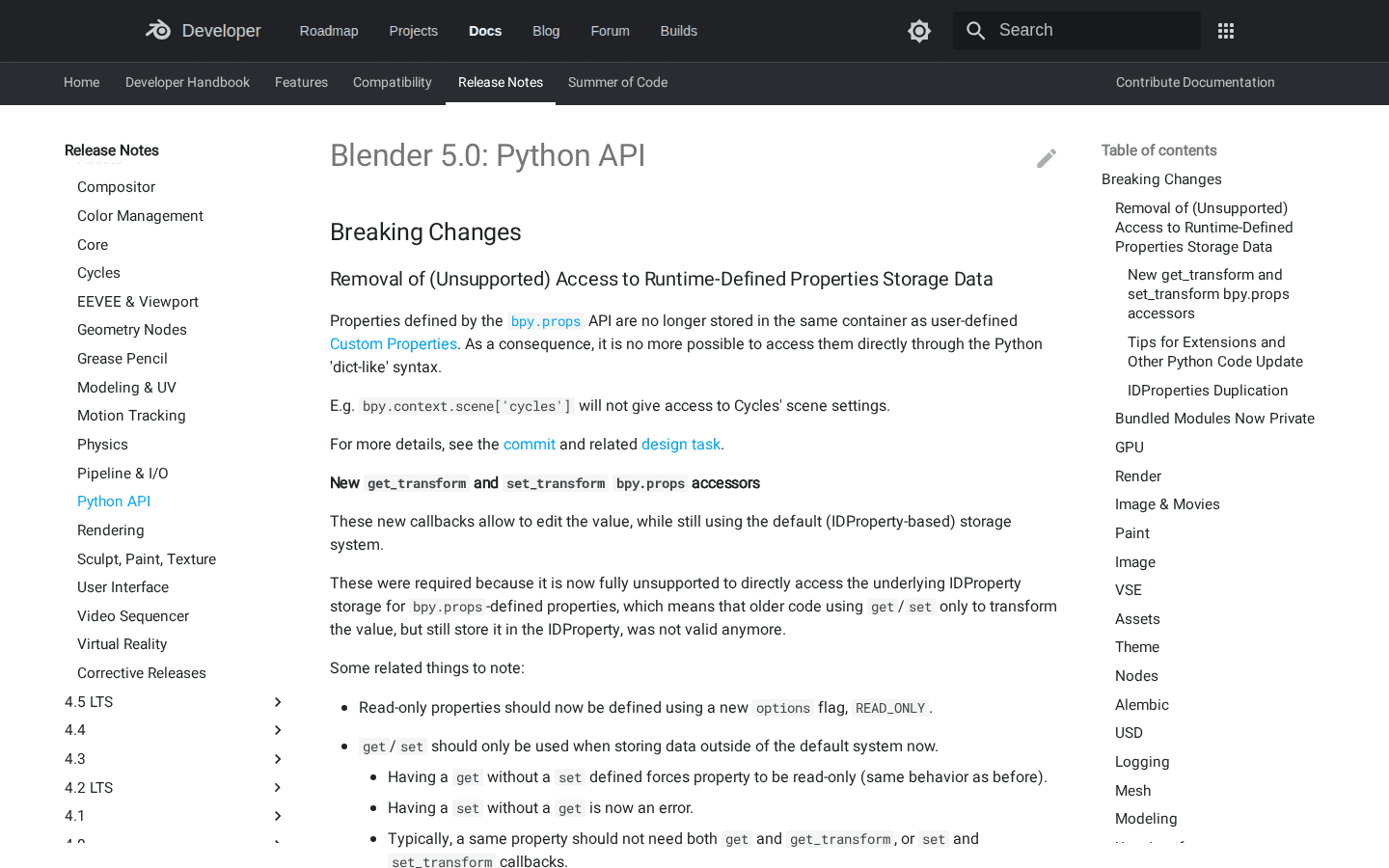
Blender 5.0 Py API
Python API - Blender Developer Documentation
protocol / May 16, 2026
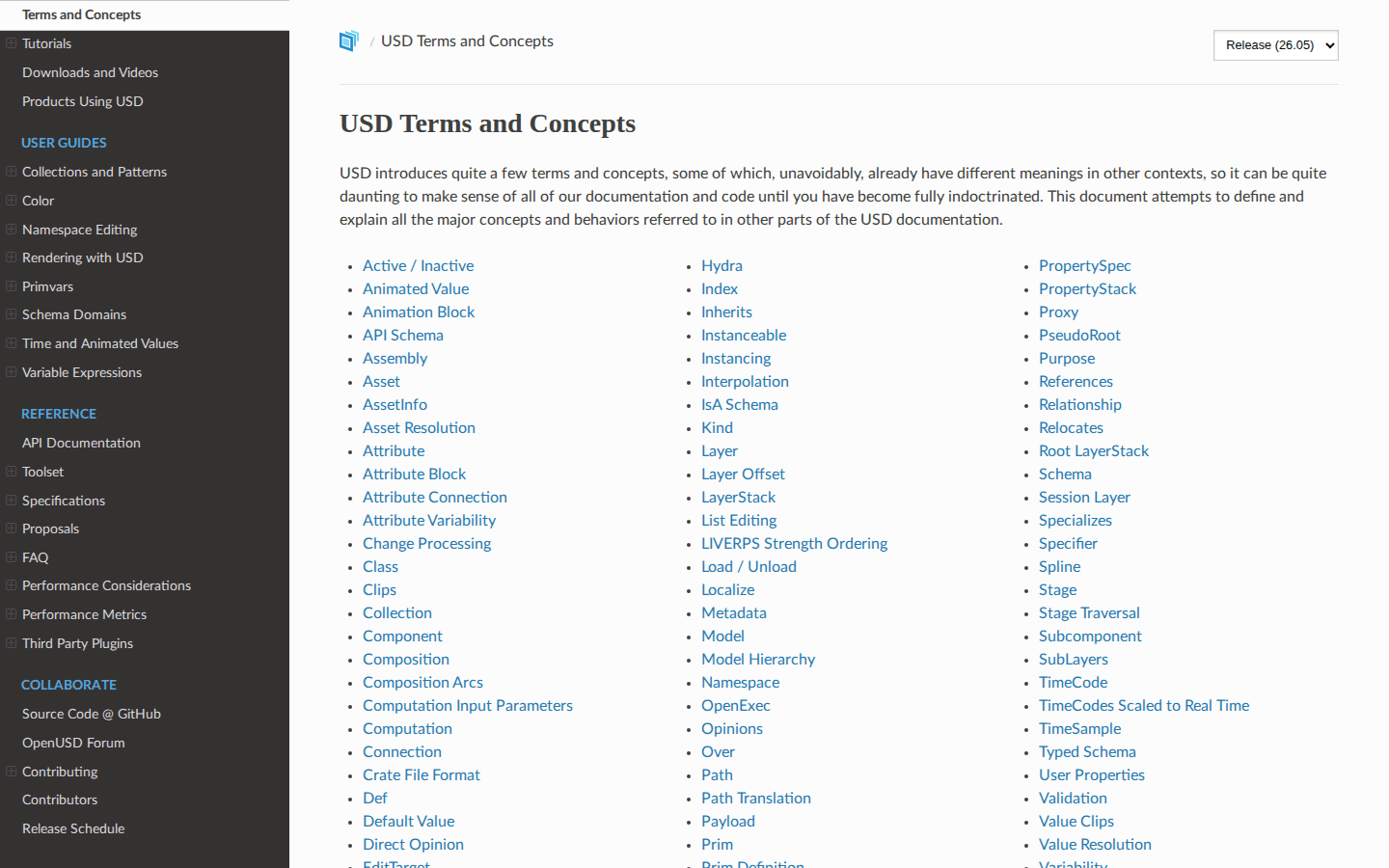
USD Glossary
USD Terms and Concepts — Universal Scene Description 26.05 documentation
protocol / May 16, 2026
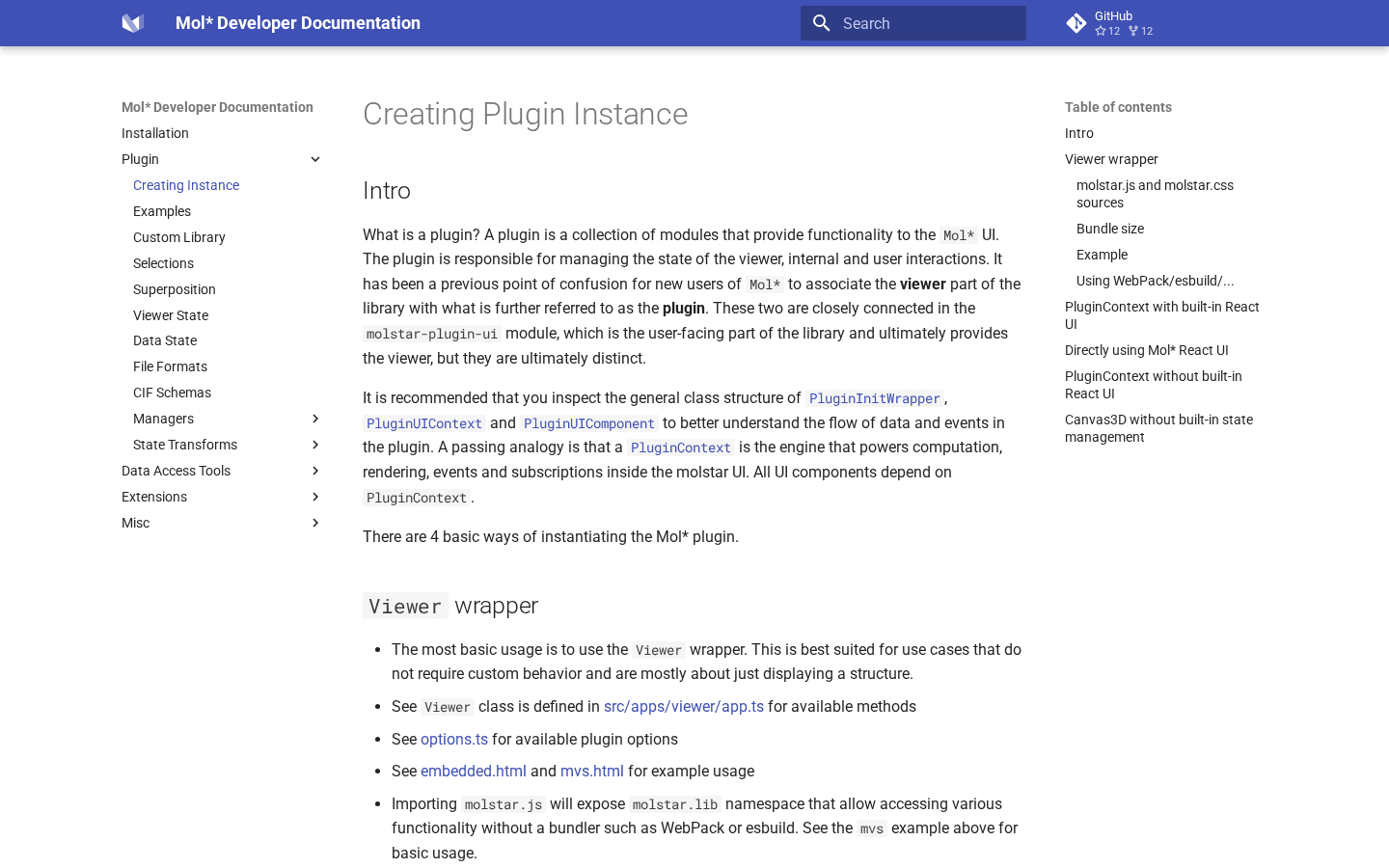
Mol* Instance
Creating Instance - Mol* Developer Documentation
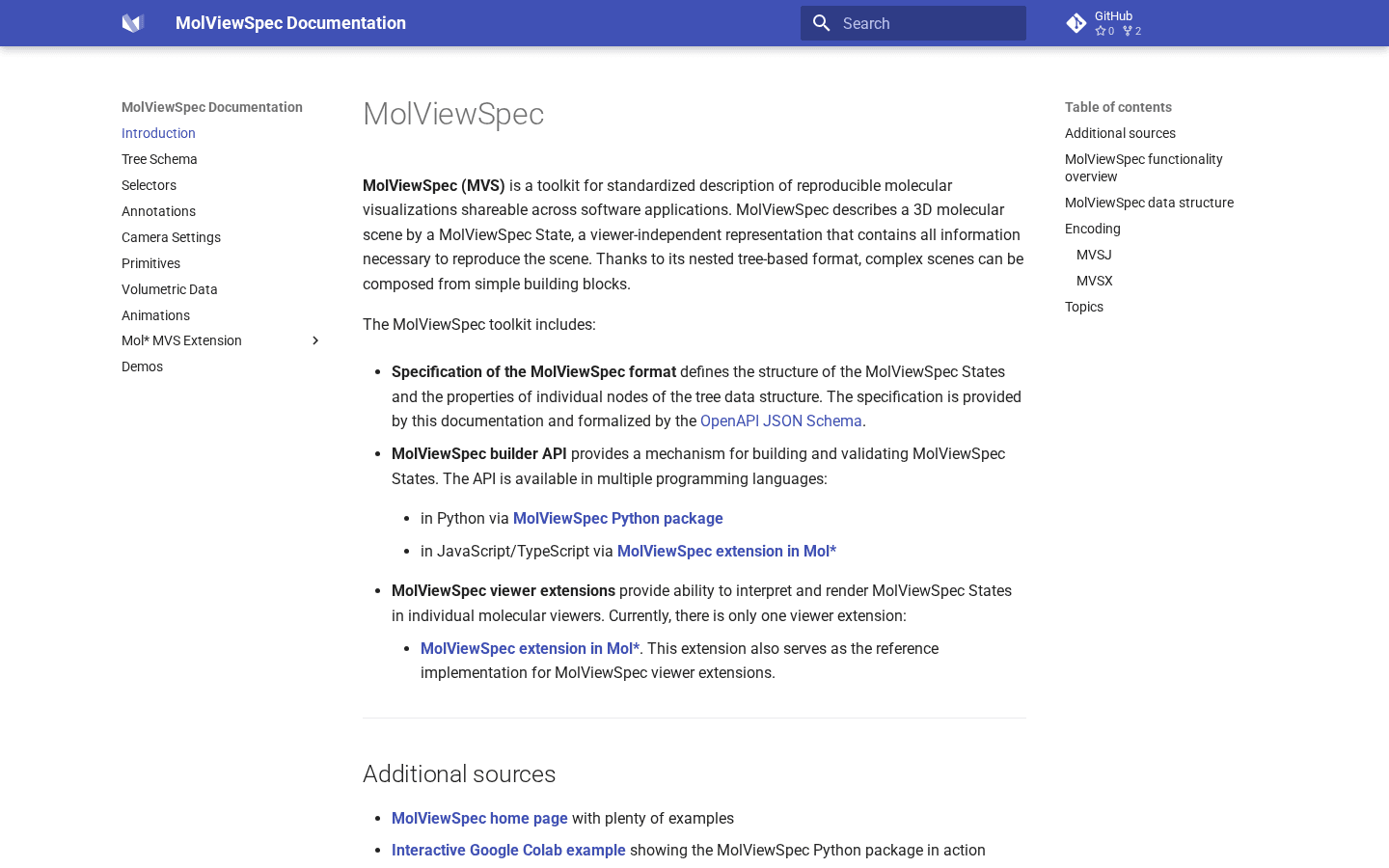
protocol / May 16, 2026
MolViewSpec
MolViewSpec Documentation
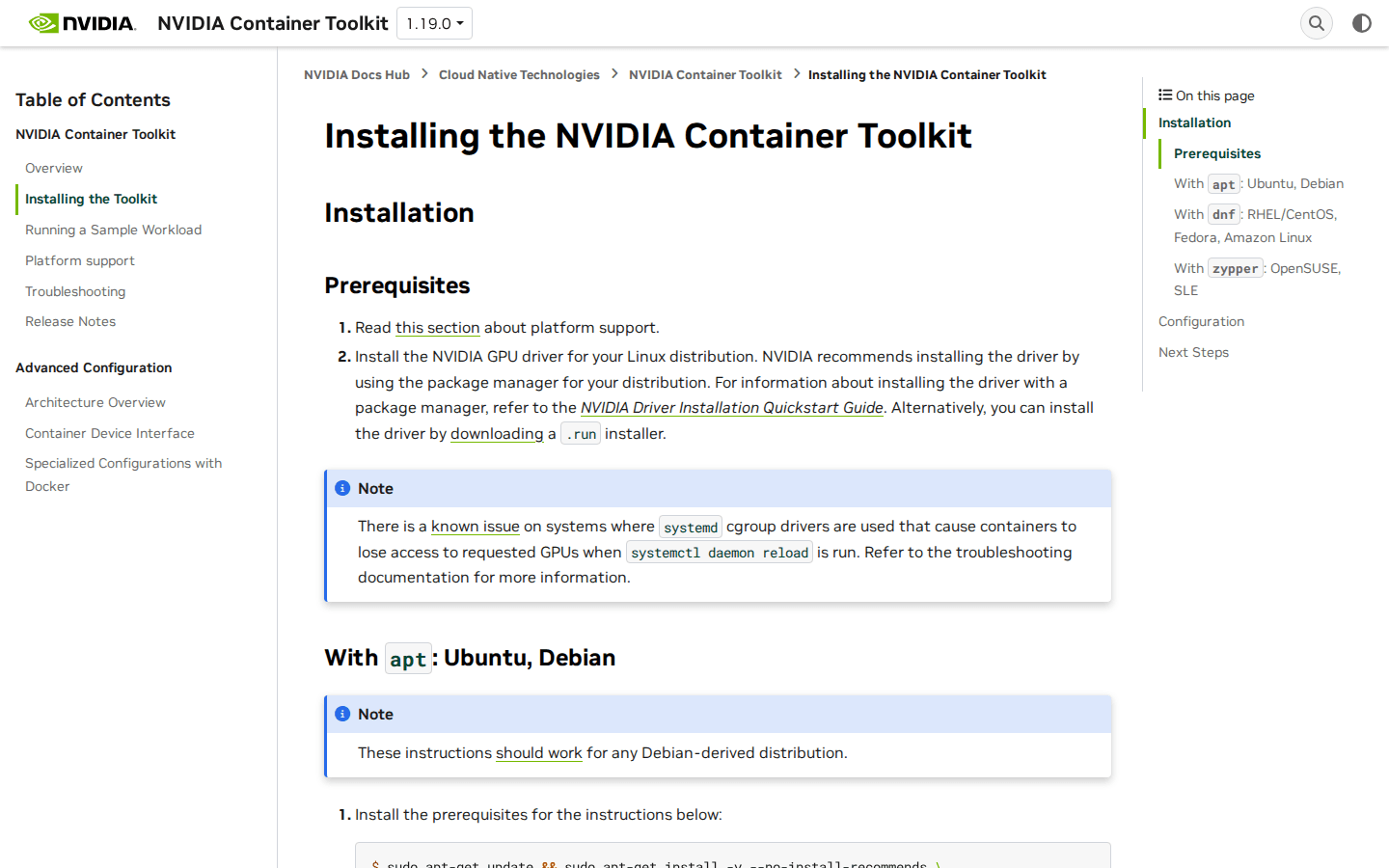
protocol / May 16, 2026
NVIDIA CTK
Installing the NVIDIA Container Toolkit — NVIDIA Container Toolkit
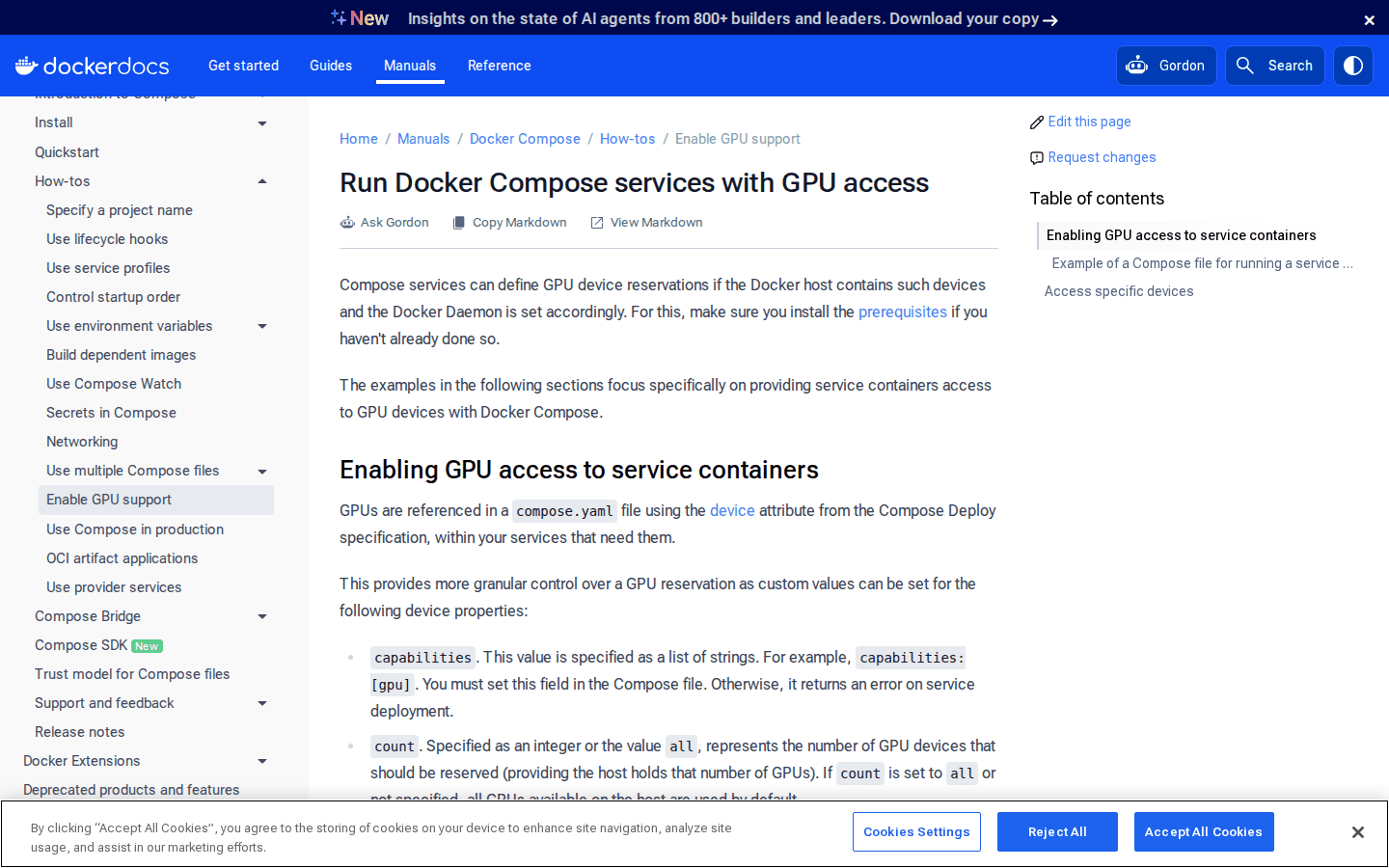
protocol / May 16, 2026
Compose GPU
Run Docker Compose services with GPU access | Docker Docs
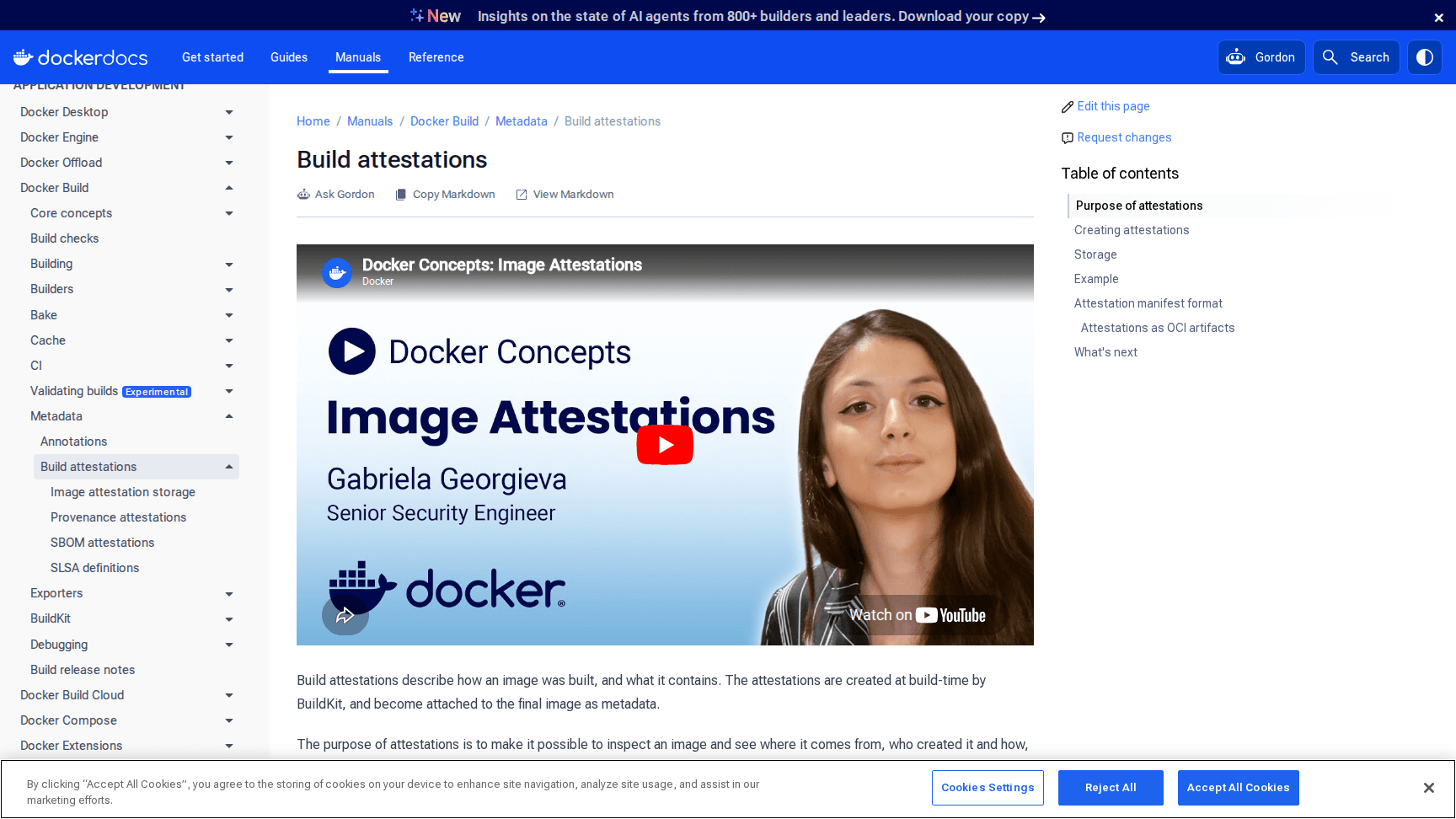
protocol / May 16, 2026
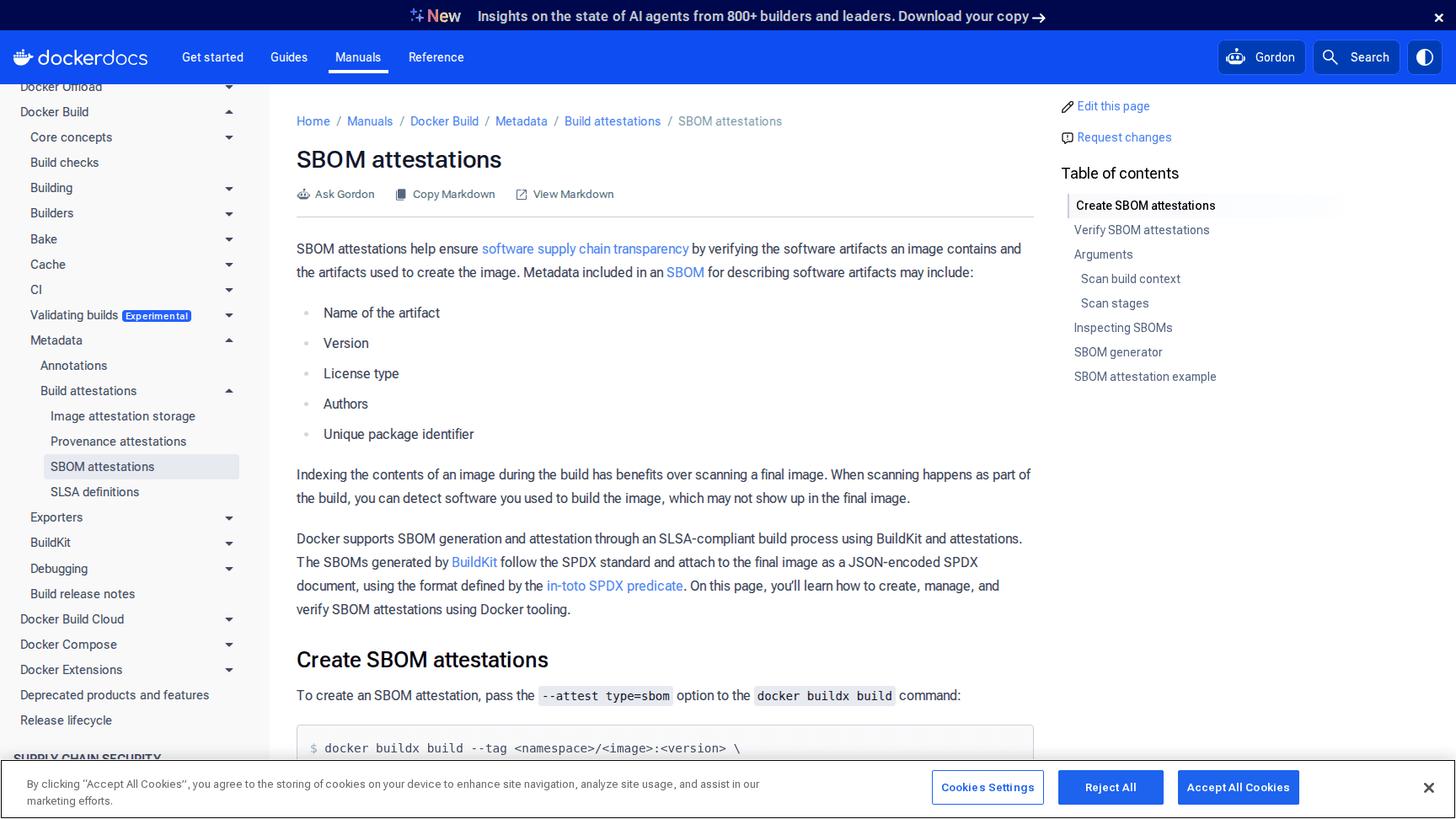
Build Attestations
Build attestations | Docker Docs
protocol / May 16, 2026
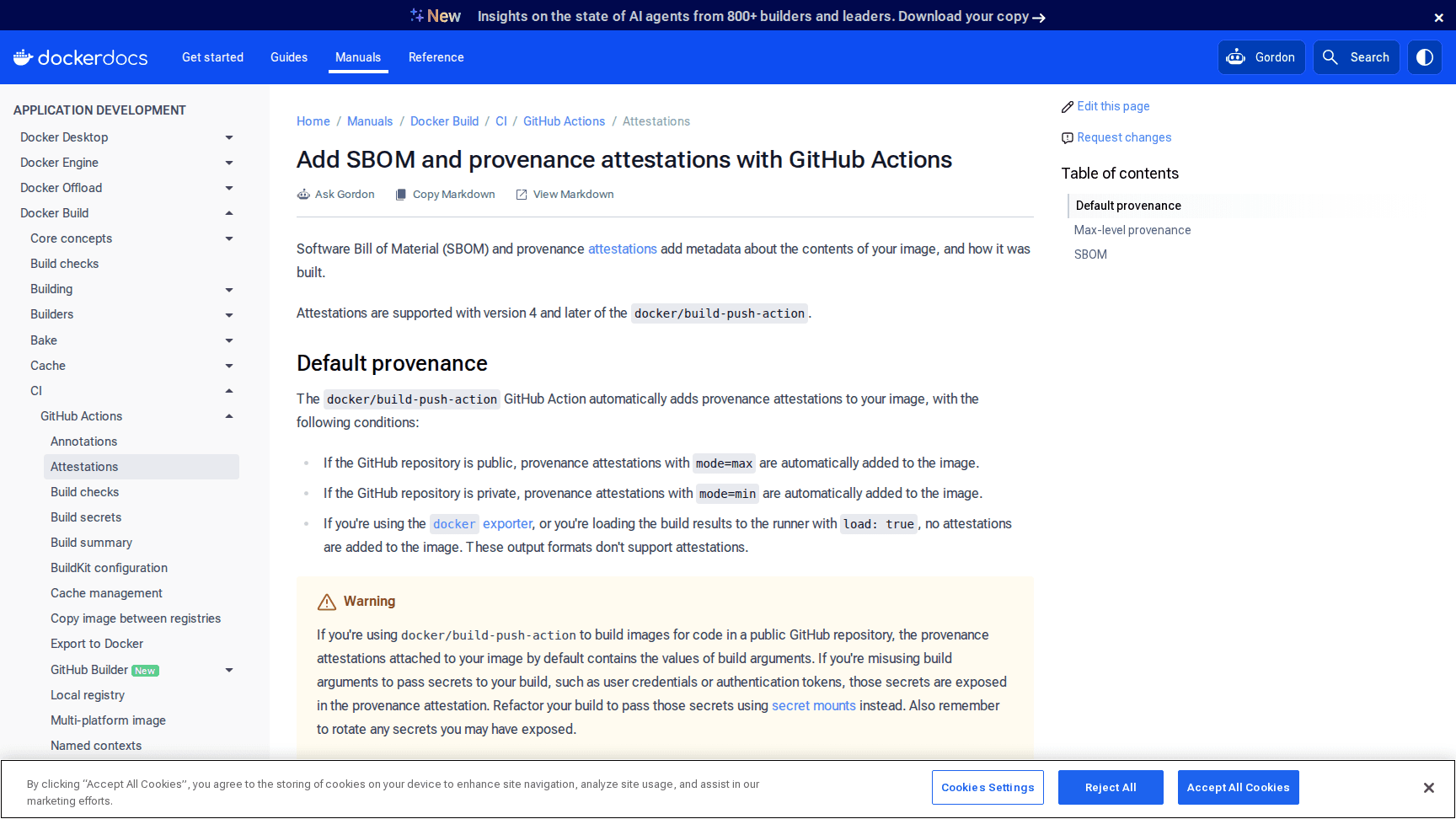
SBOM Attestations
SBOM attestations | Docker Docs
protocol / May 16, 2026
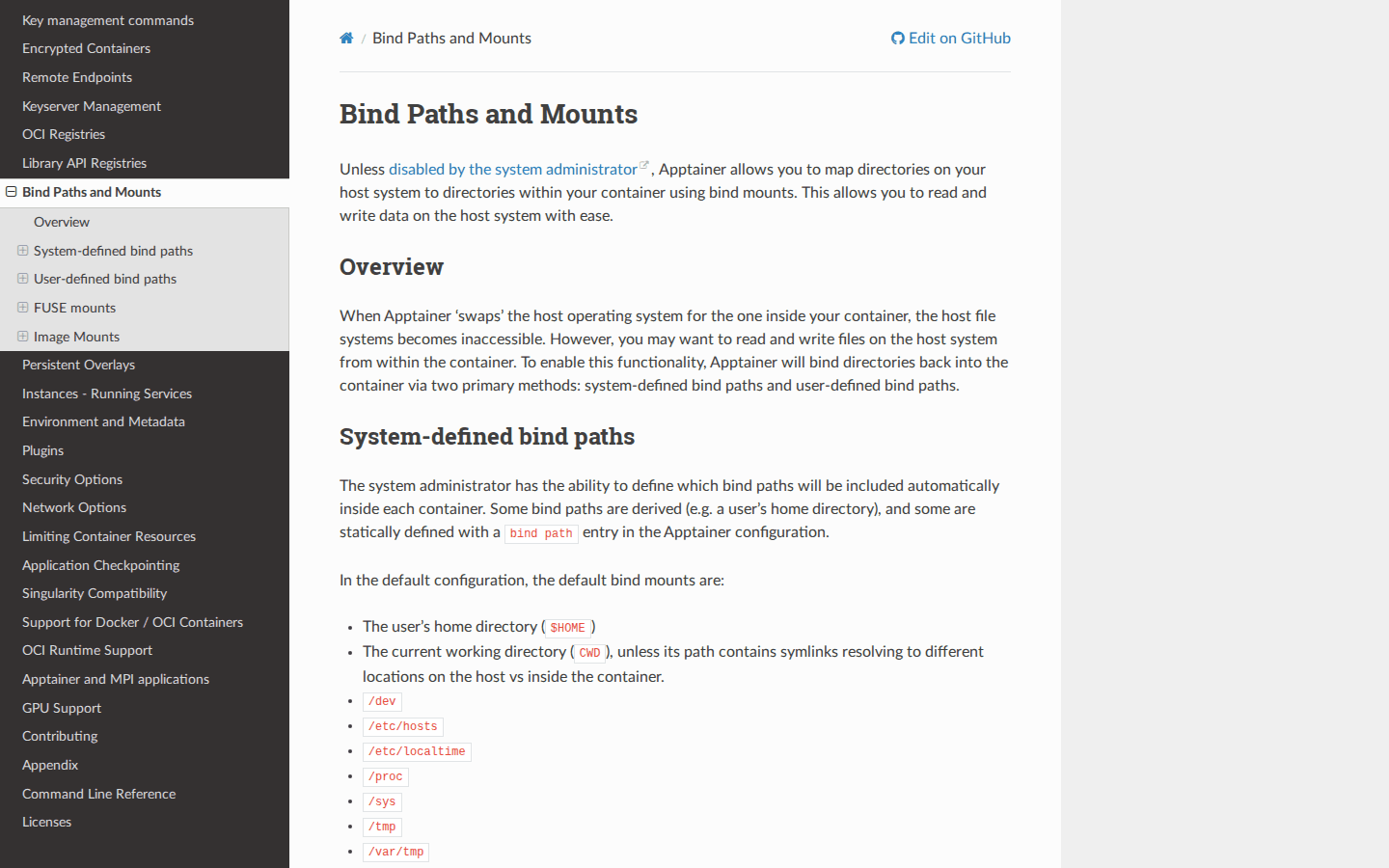
GHA Attestations
Attestations | Docker Docs
protocol / May 16, 2026
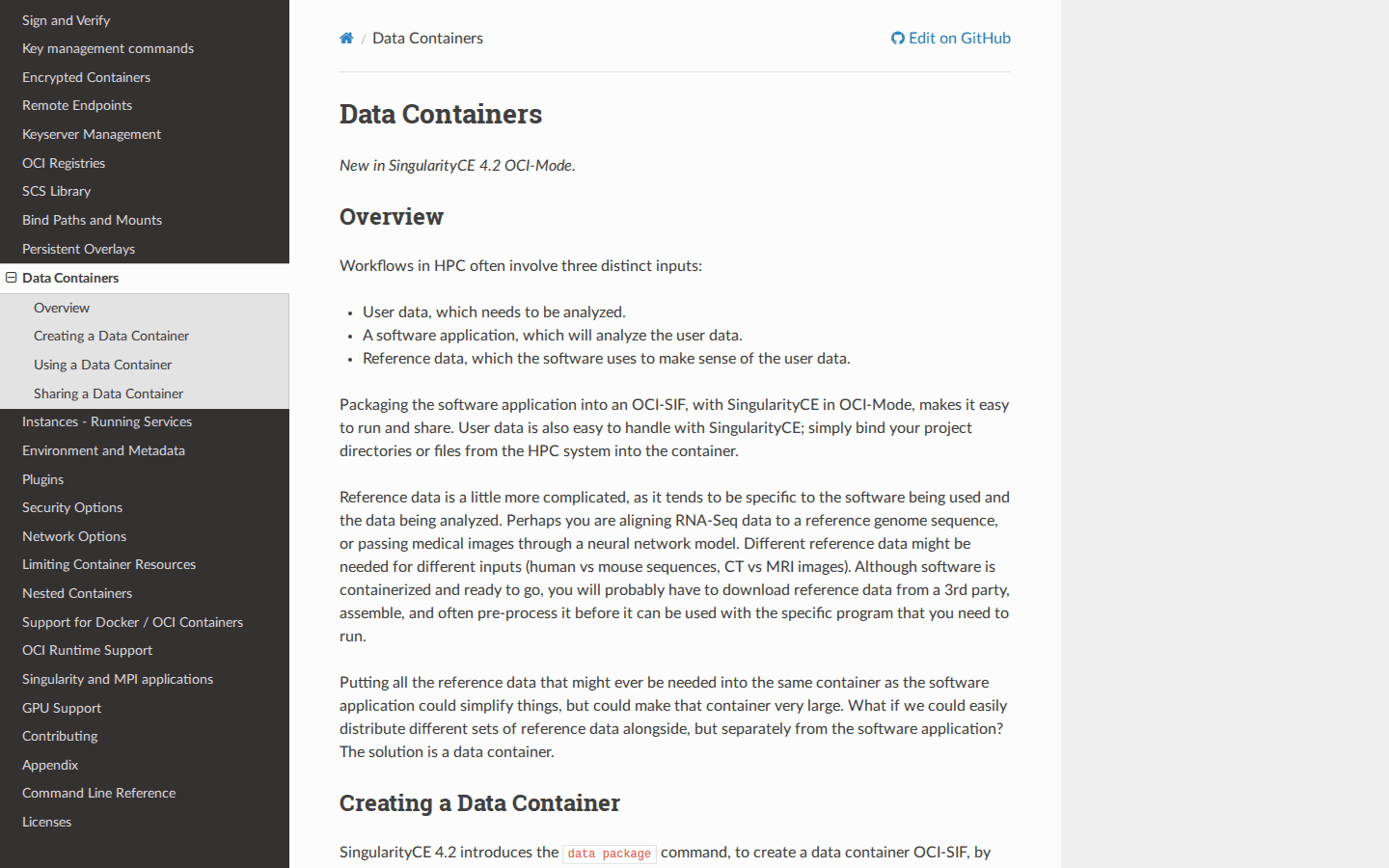
Apptainer Binds
Bind Paths and Mounts — Apptainer User Guide 1.3 documentation
protocol / May 16, 2026
Singularity Data
Data Containers — SingularityCE User Guide 4.4 documentation
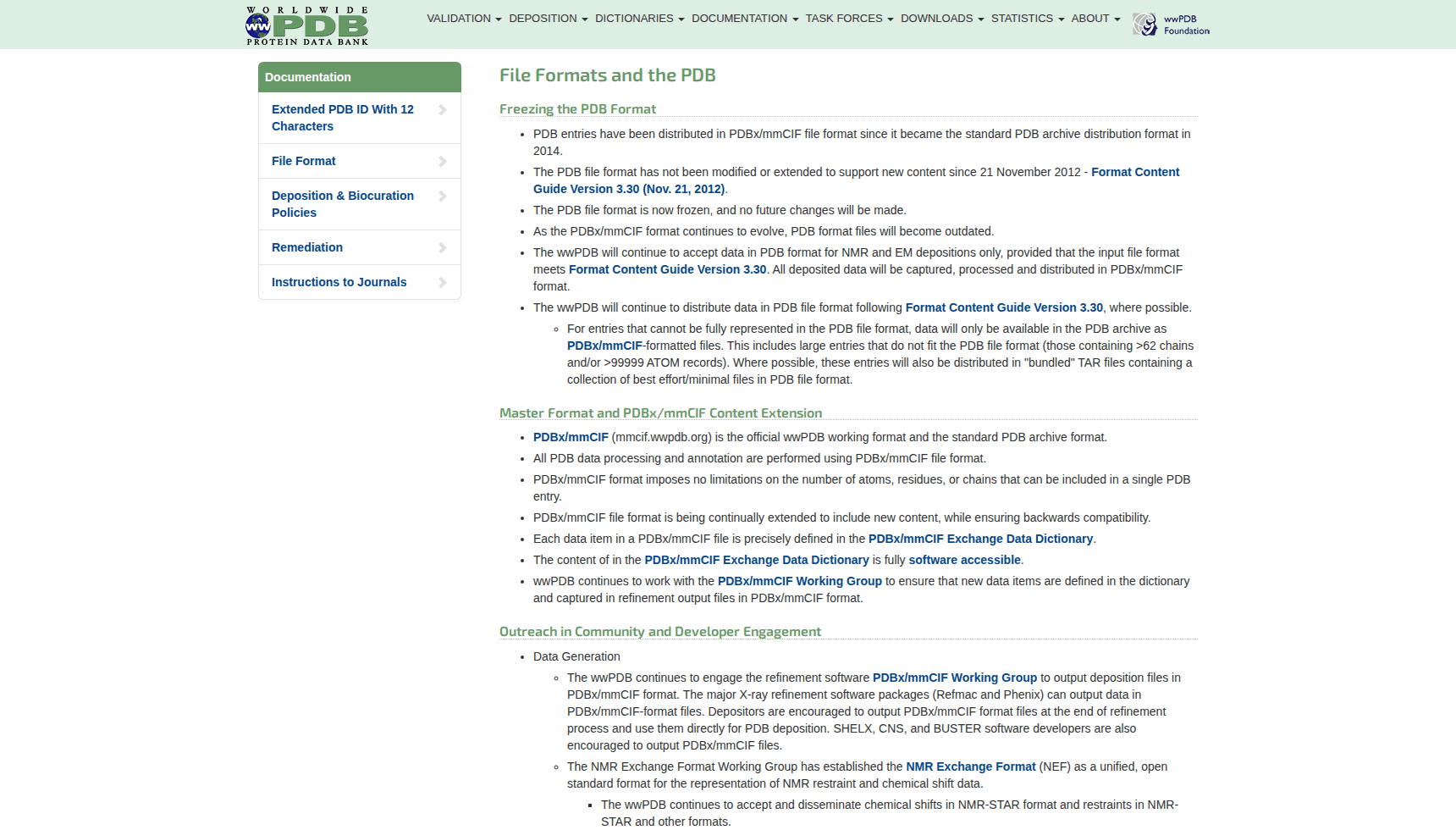
protocol / May 16, 2026
wwPDB Formats
wwPDB: File Formats and the PDB
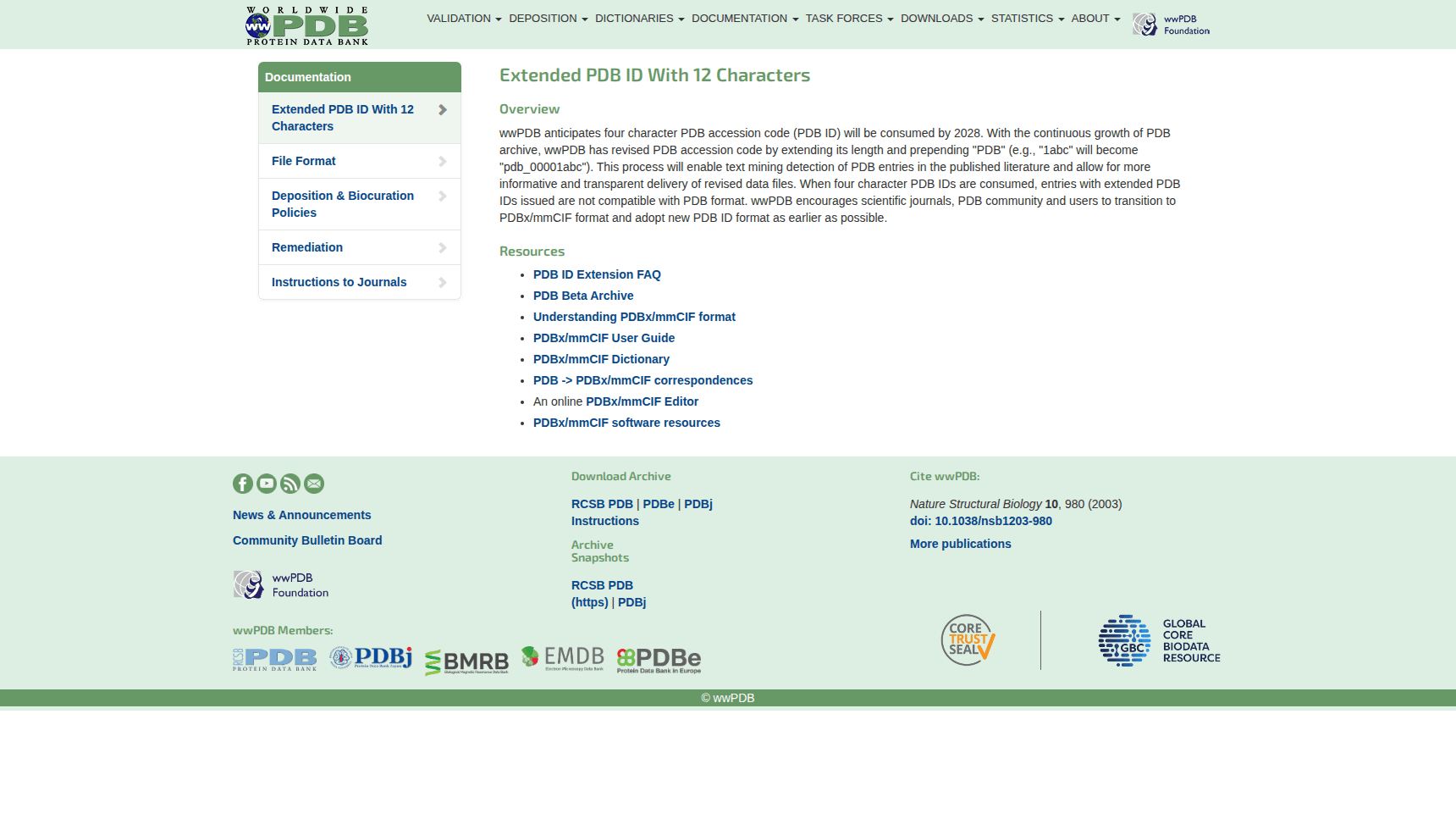
protocol / May 16, 2026
wwPDB 12-char IDs
wwPDB: Extended PDB ID With 12 Characters
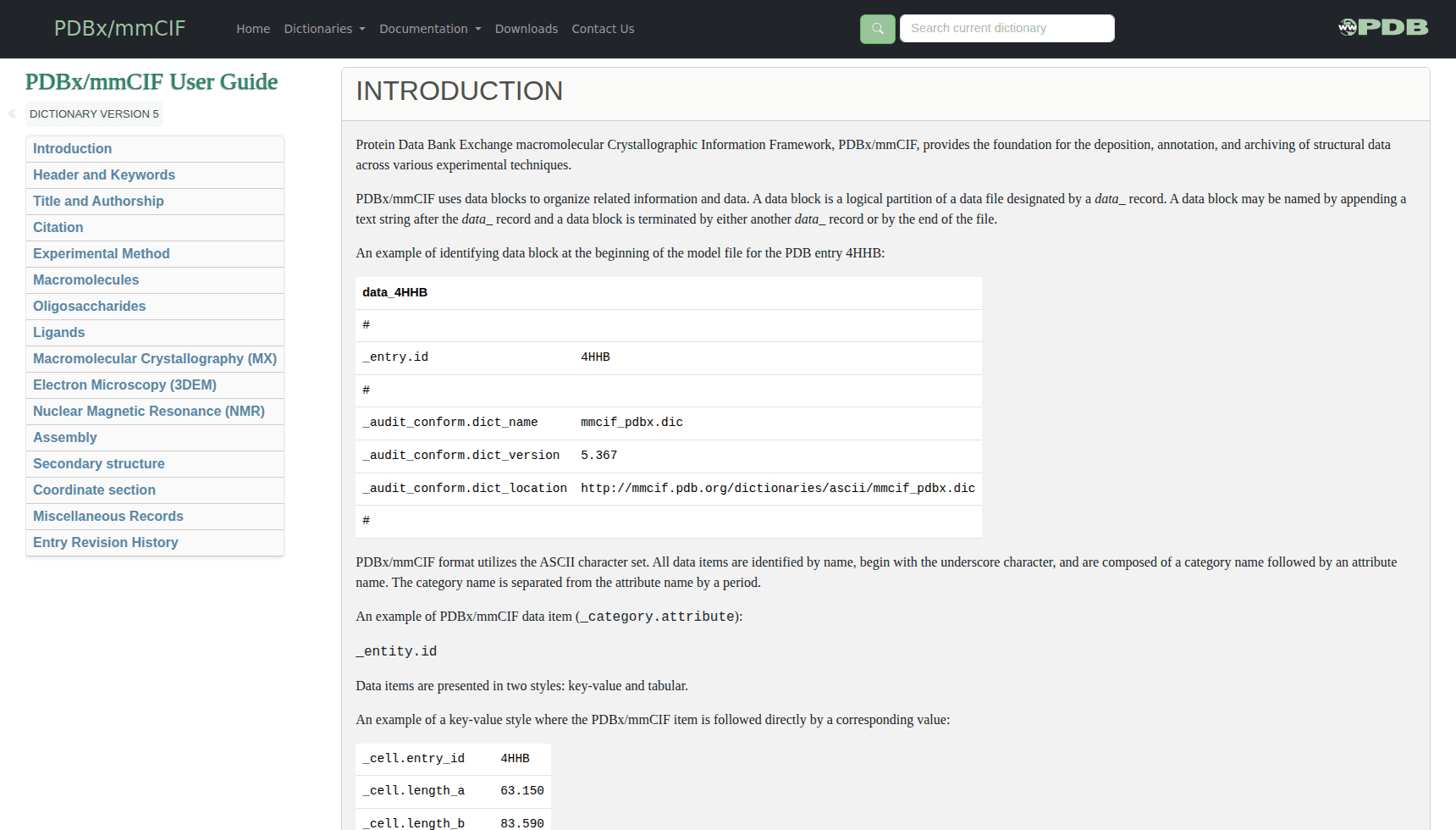
protocol / May 16, 2026
wwPDB mmCIF Guide
PDBx/mmCIF User Guide (Dictionary Version 5)
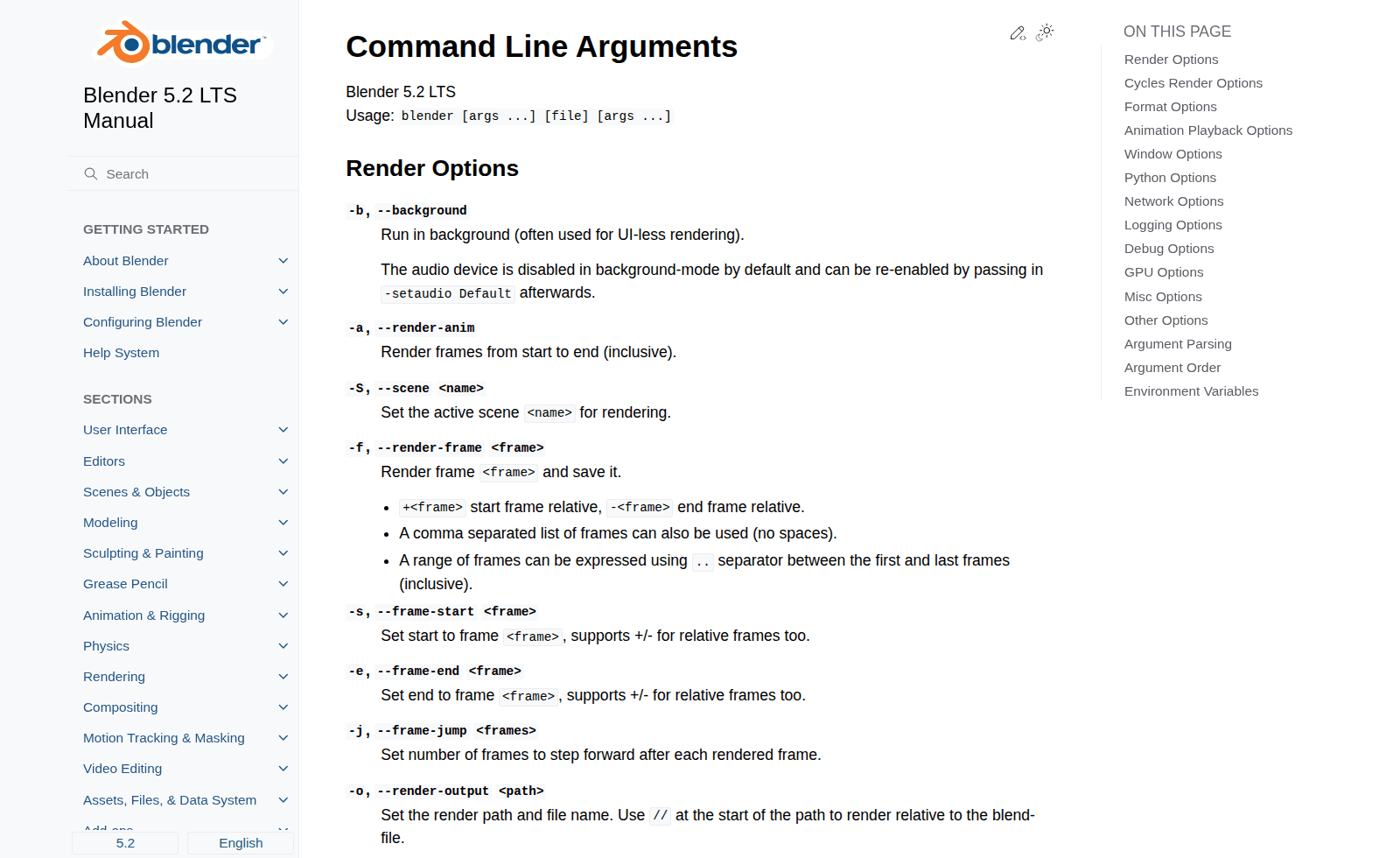
protocol / May 15, 2026
Blender Args
Command Line Arguments - Blender 5.2 LTS Manual
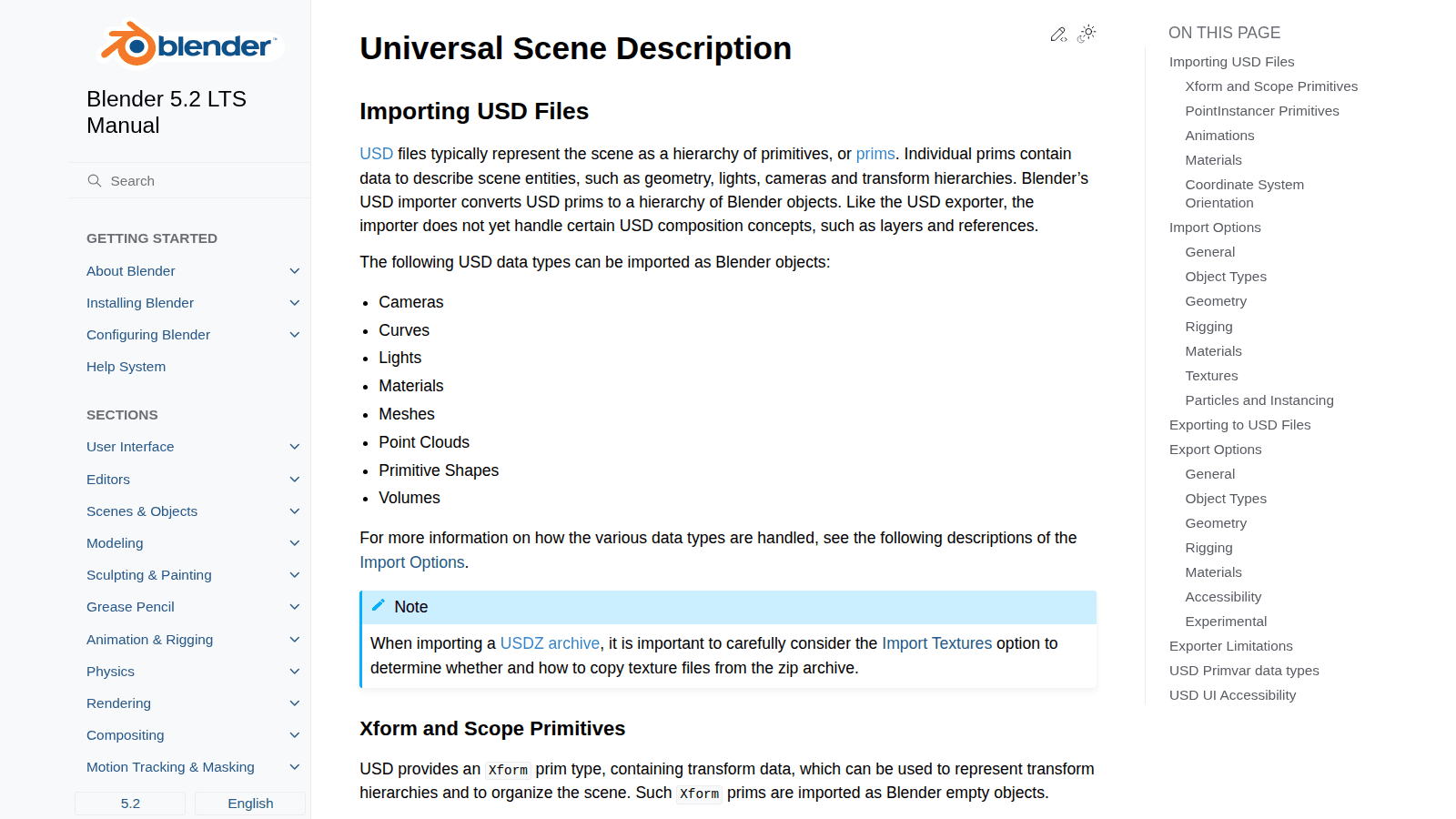
protocol / May 15, 2026
Blender USD
Universal Scene Description - Blender 5.2 LTS Manual
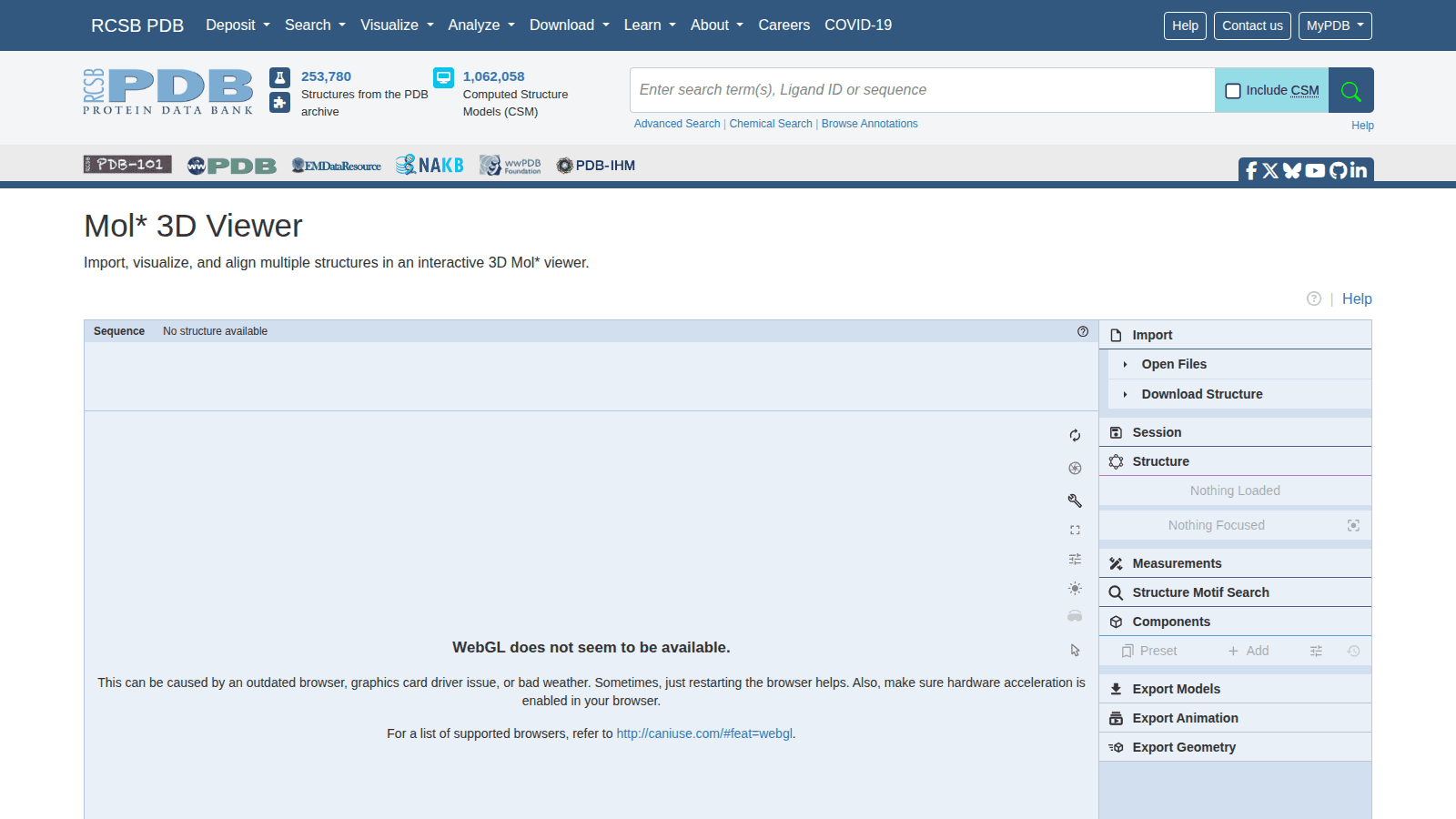
protocol / May 15, 2026
RCSB Mol*
RCSB PDB - 3D View
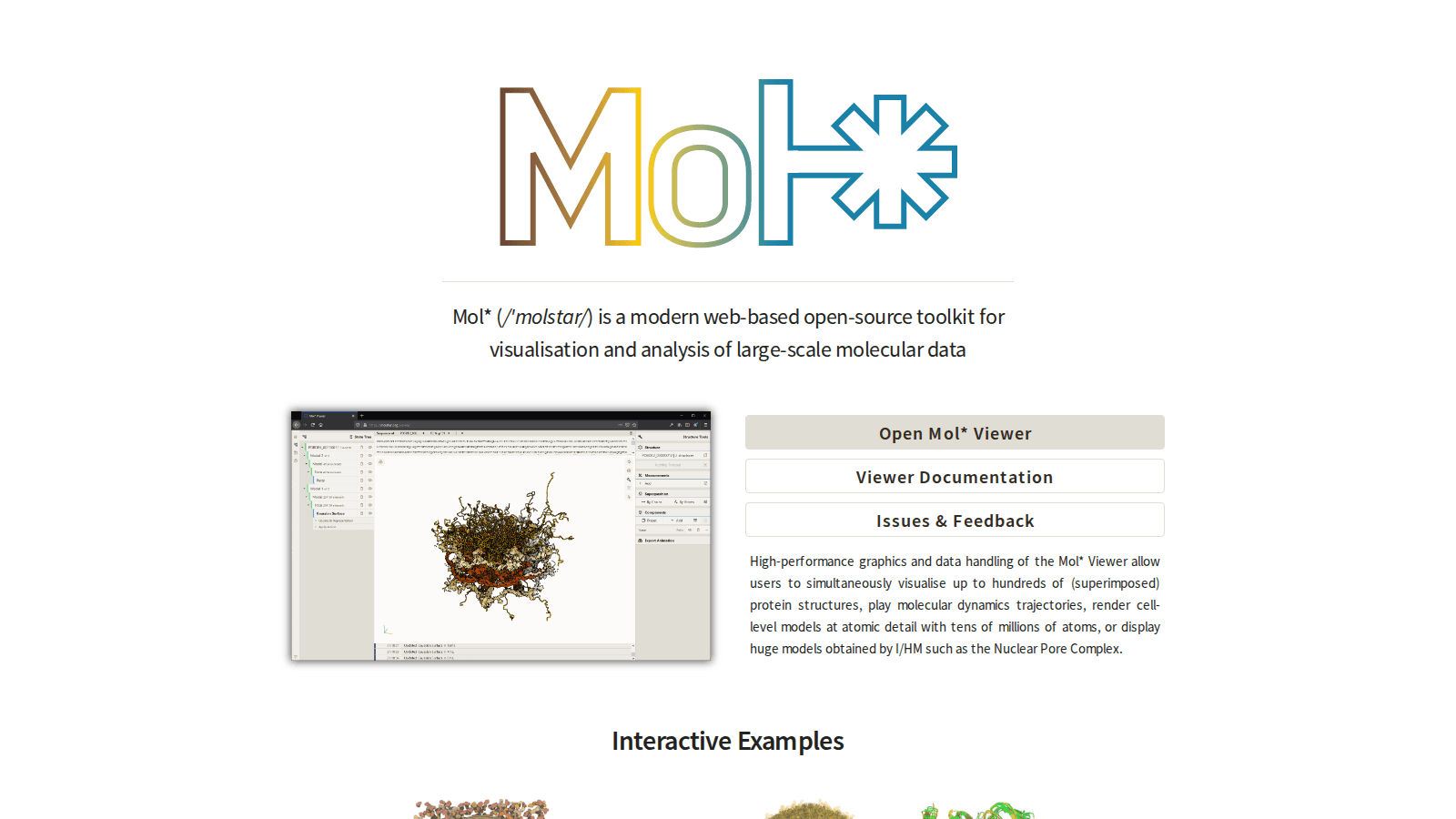
protocol / May 15, 2026
Mol* Home
Mol* Toolkit Homepage
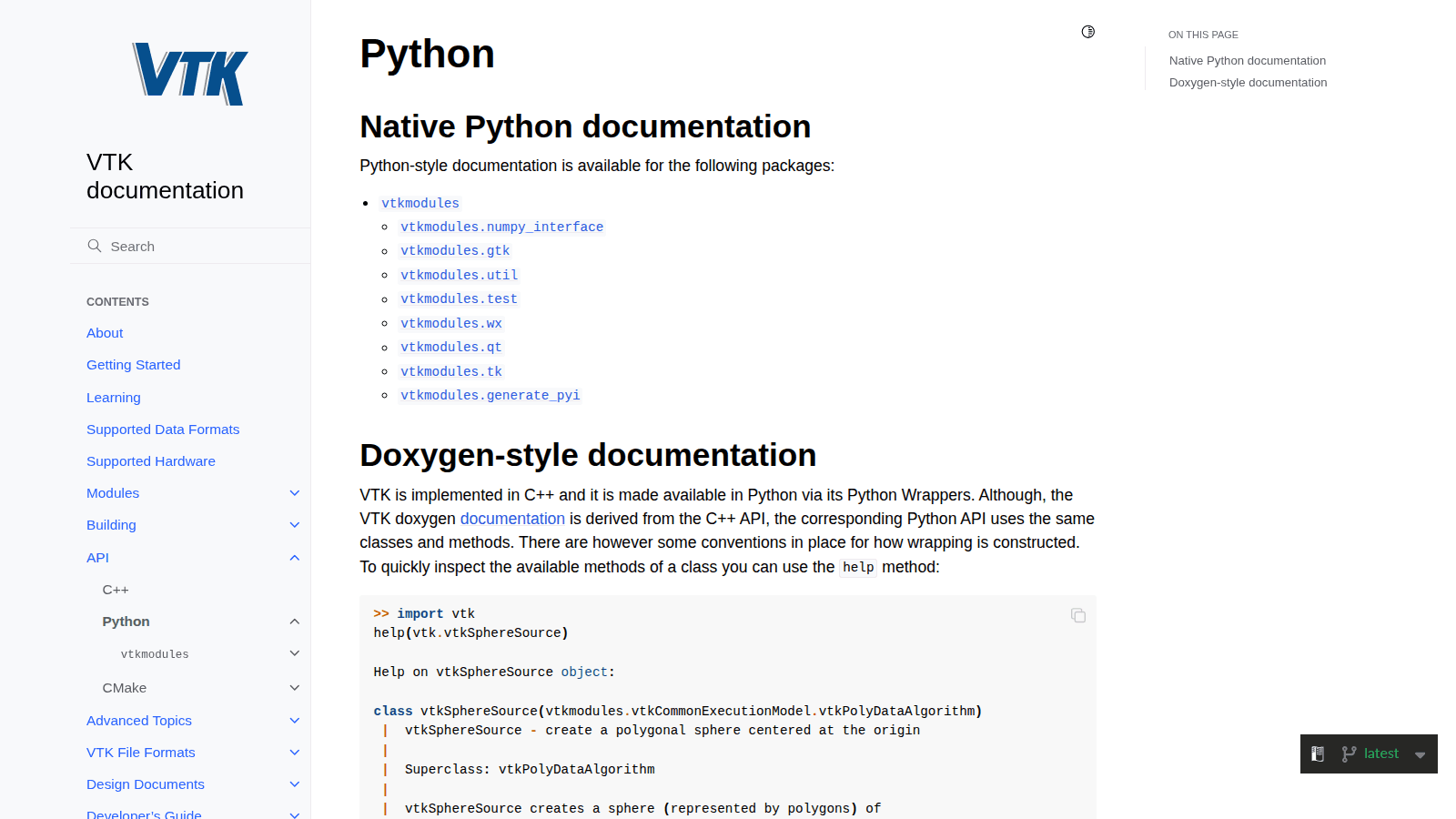
protocol / May 14, 2026
VTK Python API
Python - VTK documentation
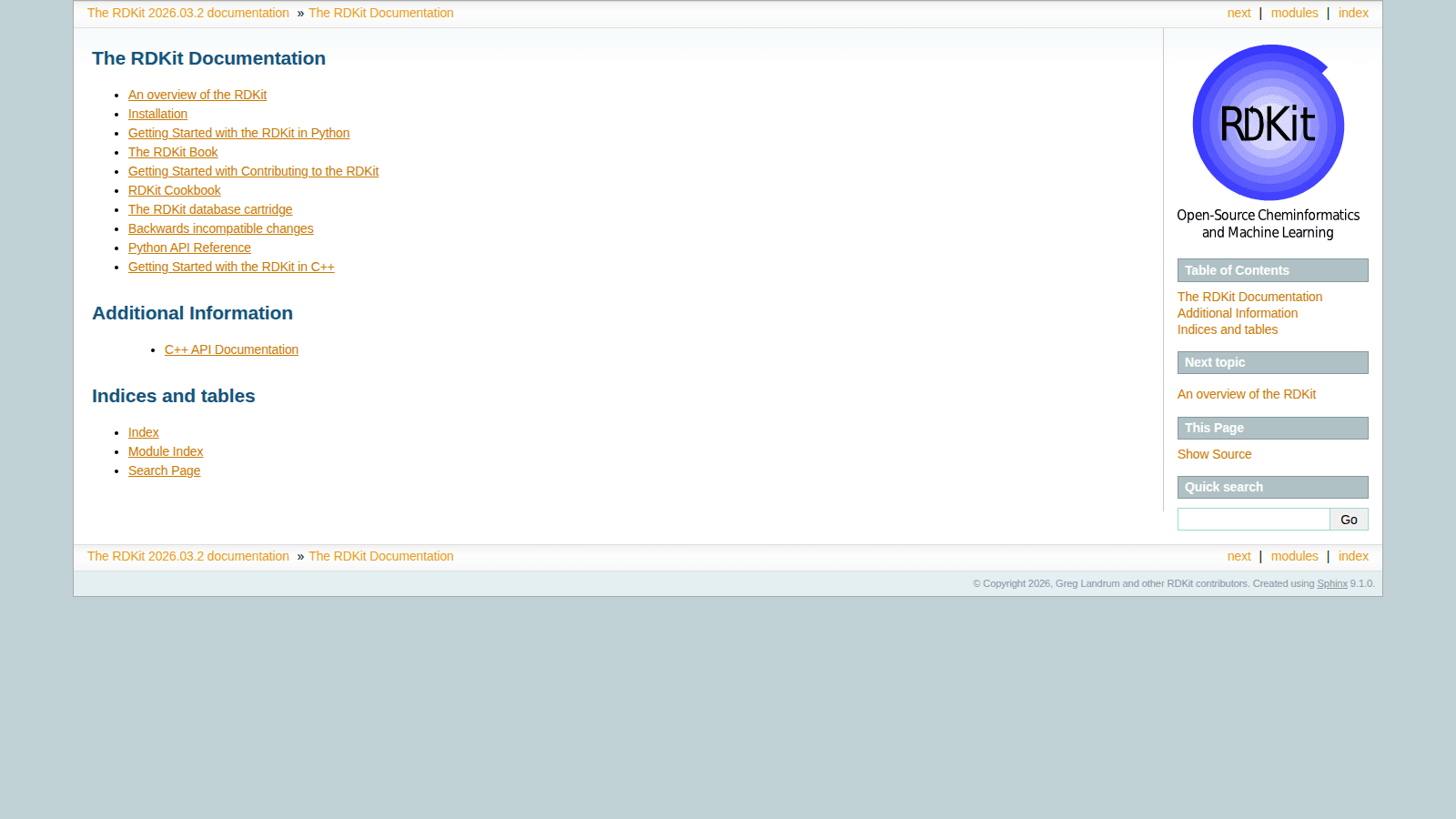
protocol / May 7, 2026
RDKit 2026.03.2
The RDKit Documentation
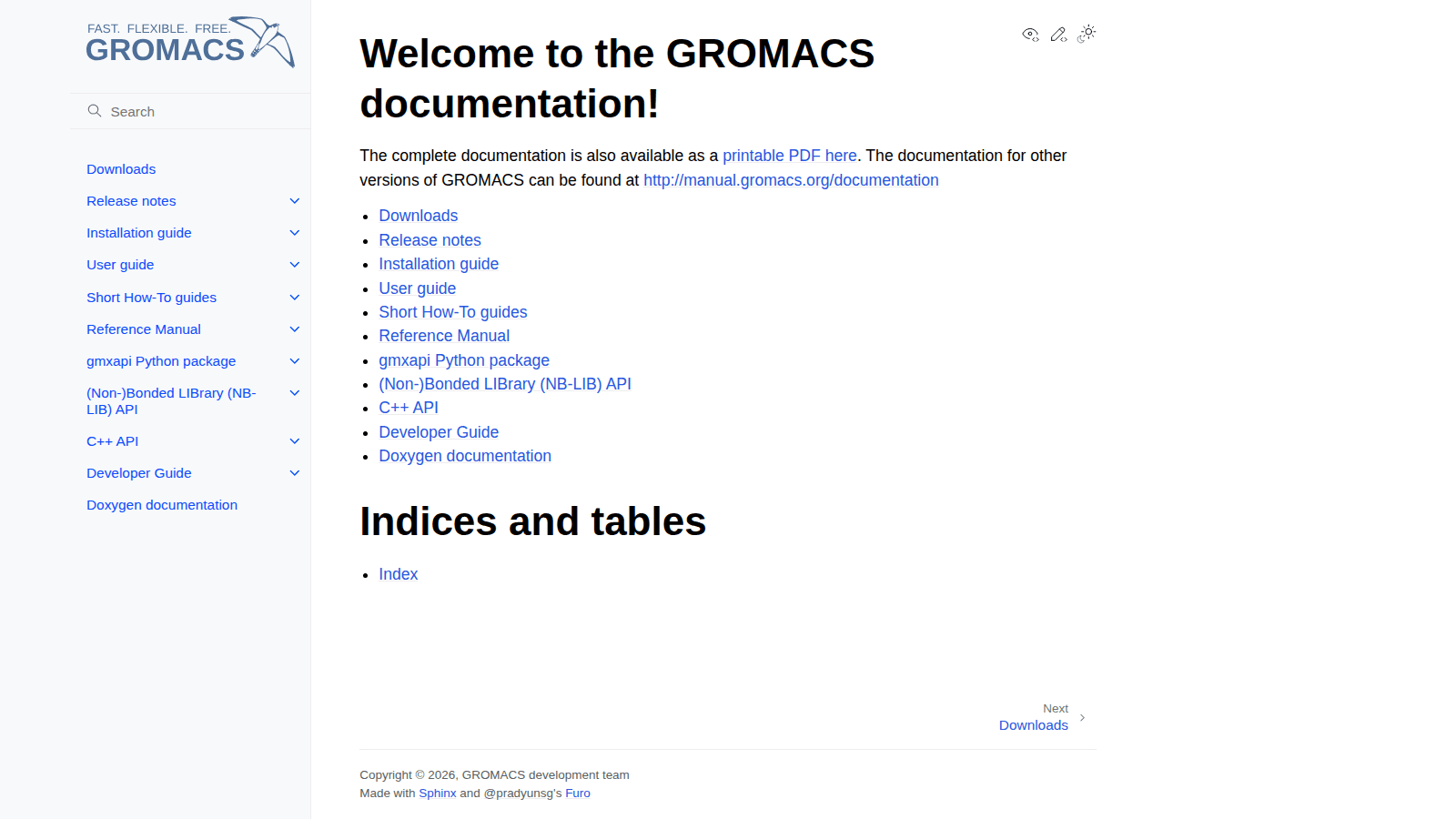
protocol / May 5, 2026
GROMACS 2026.2
GROMACS 2026.2 documentation
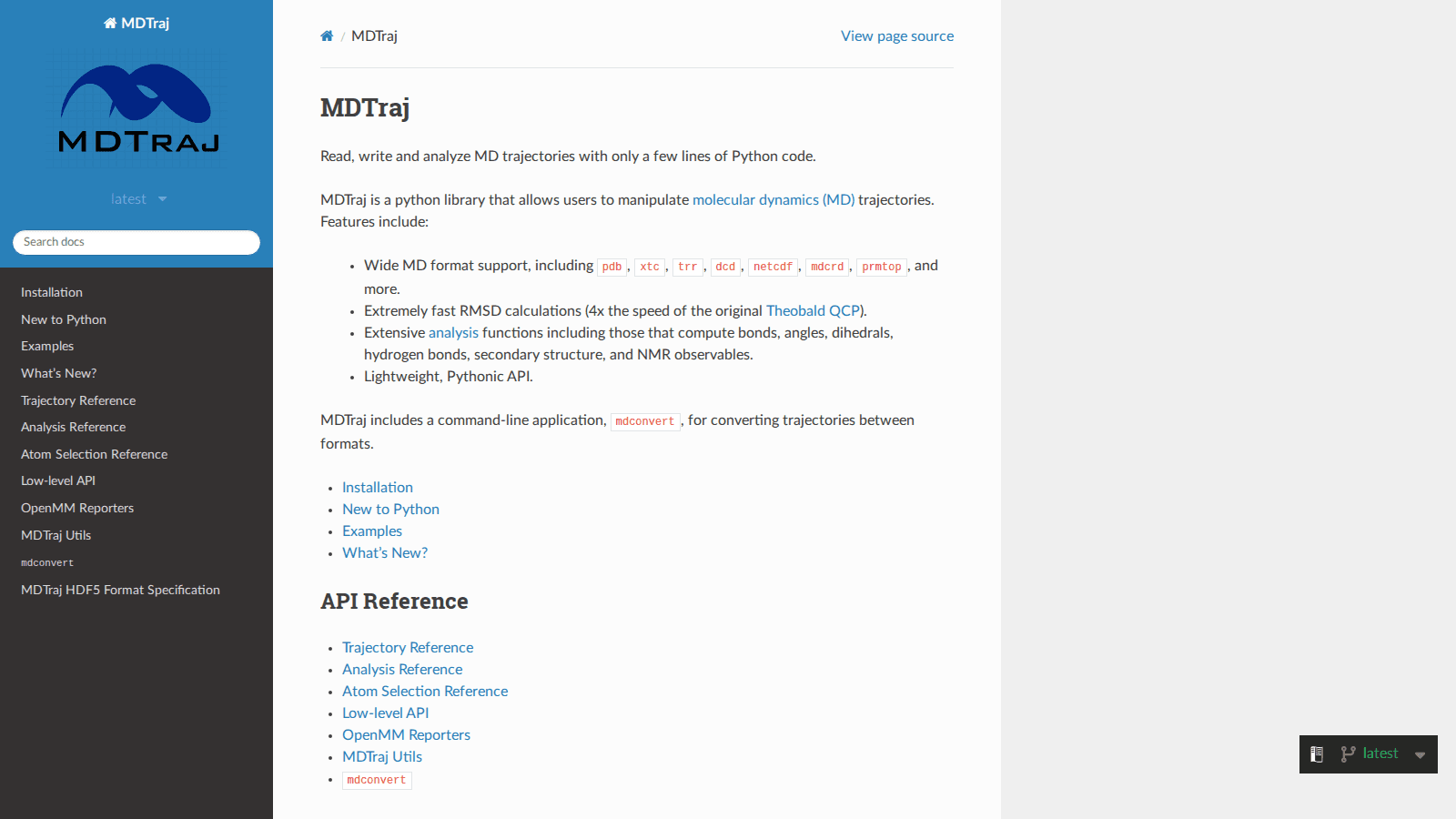
protocol / May 4, 2026
MDTraj
MDTraj Documentation
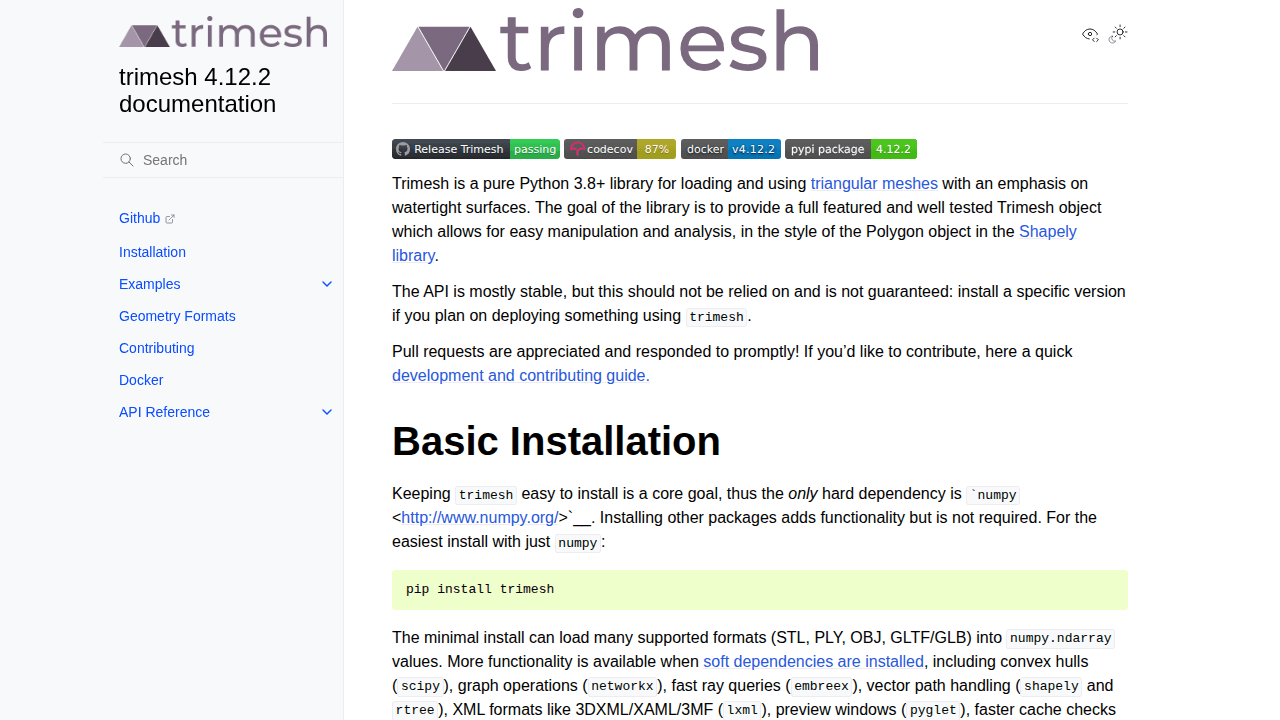
protocol / May 1, 2026
trimesh Docs
trimesh 4.12.2 documentation
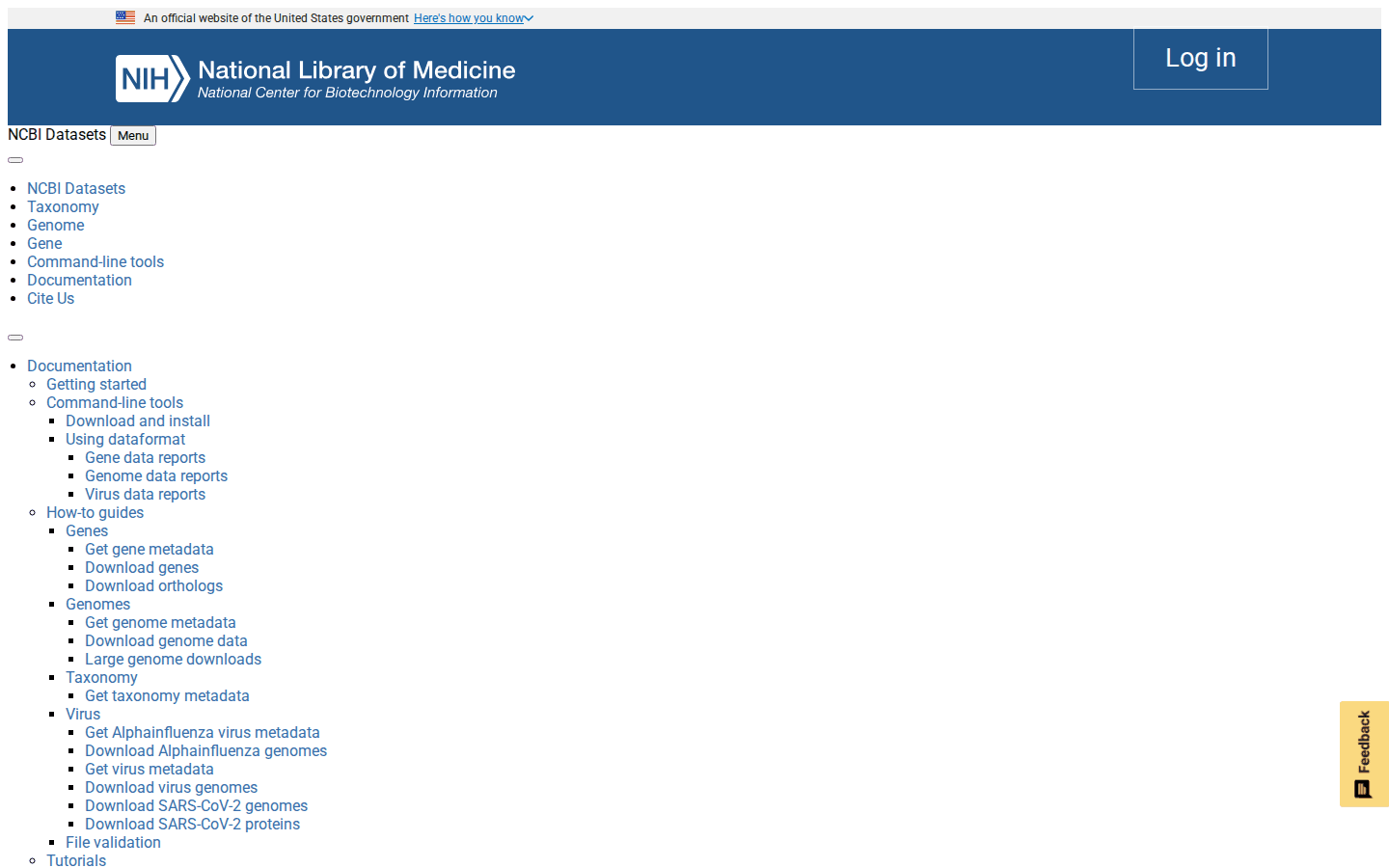
protocol / April 30, 2026
NCBI datasets CLI
datasets CLI tool reference
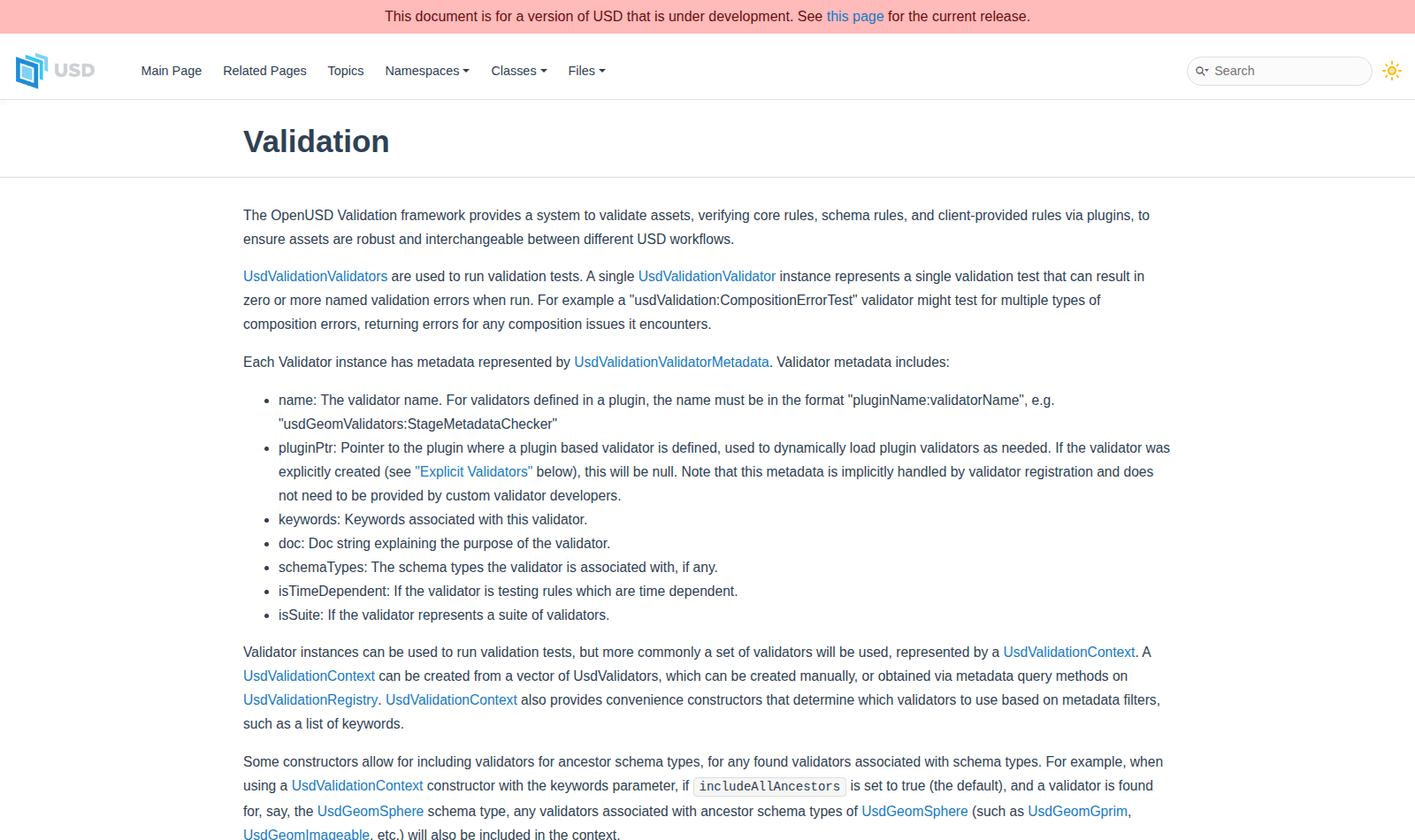
protocol / April 28, 2026
USD Validation
Universal Scene Description: Validation
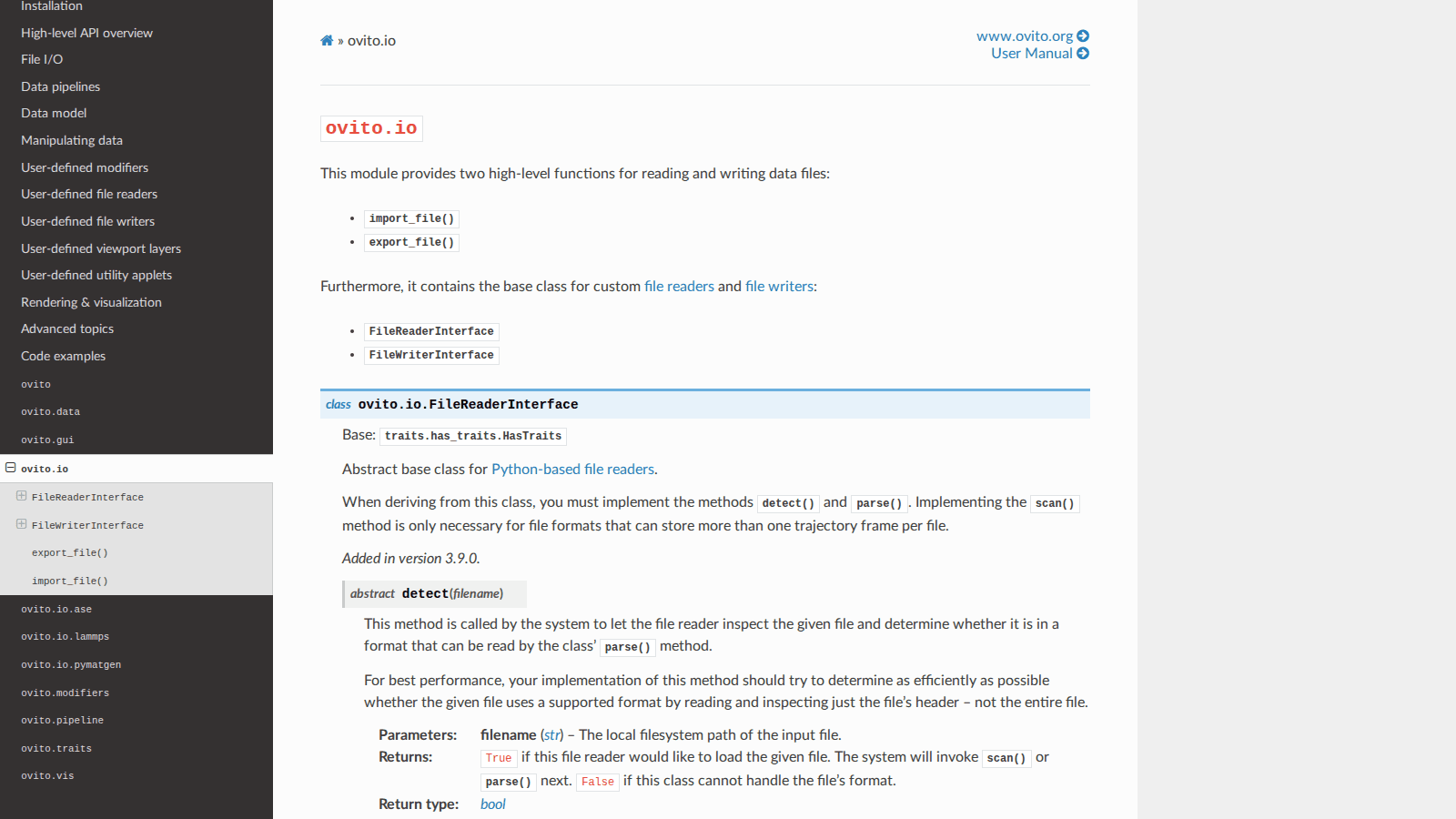
protocol / April 28, 2026
OVITO IO
ovito.io — OVITO Python Reference 3.15.4 documentation
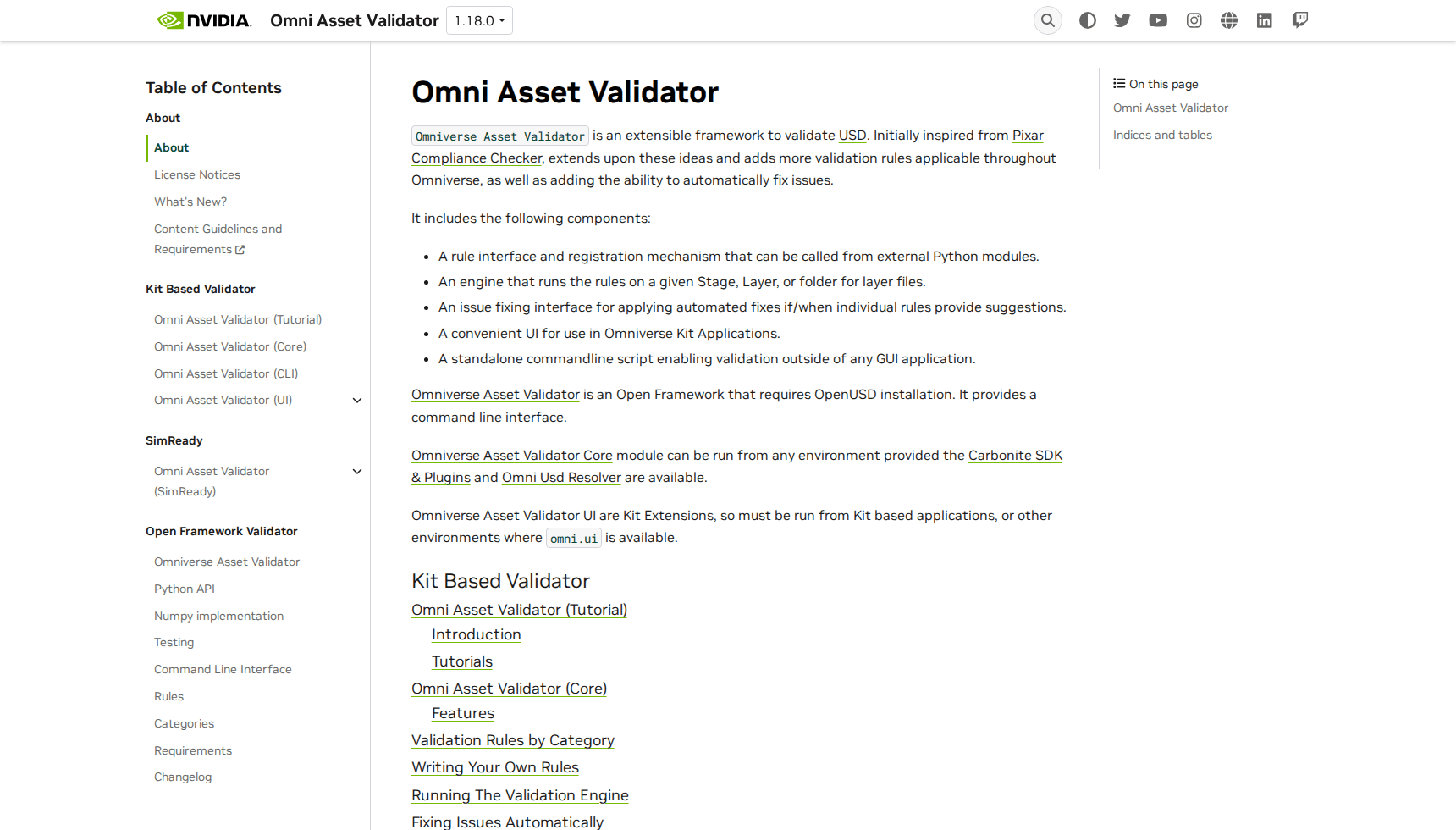
protocol / April 27, 2026
Omni Validator
Omni Asset Validator
protocol / April 24, 2026
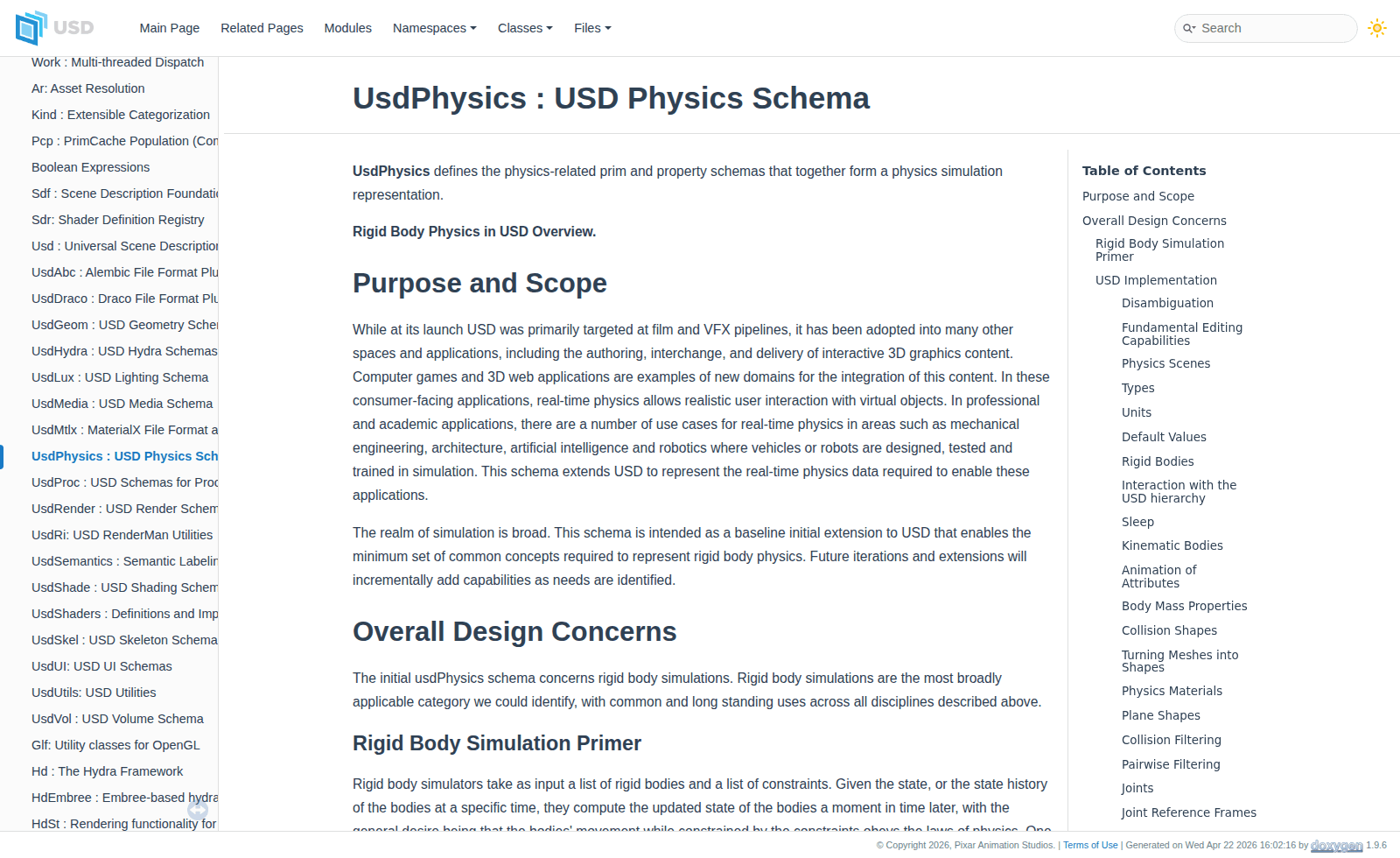
UsdPhysics
UsdPhysics: USD Physics Schema
protocol / April 24, 2026
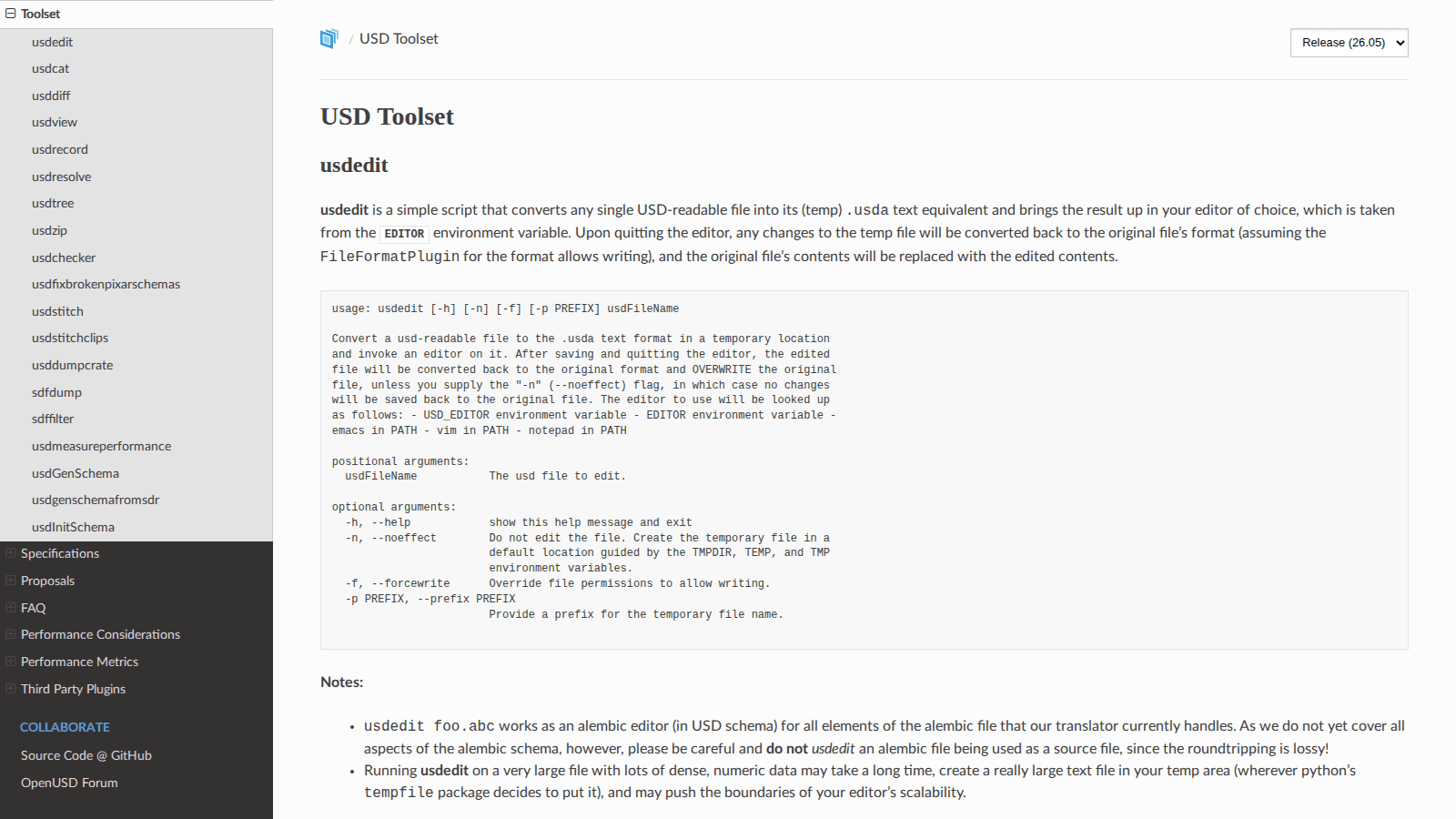
USD Toolset
USD Toolset — Universal Scene Description 26.05 documentation
protocol / April 24, 2026
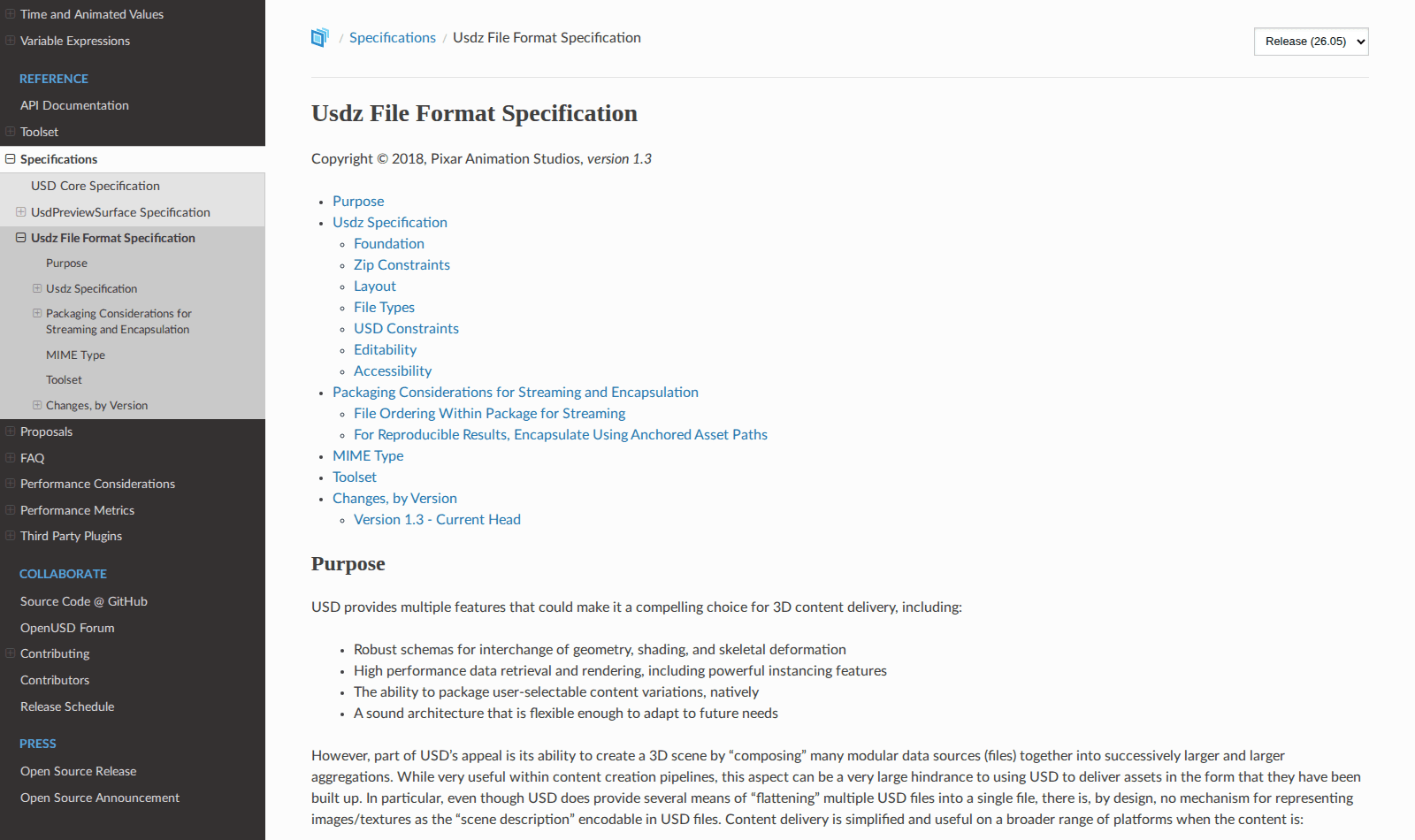
USDZ Spec
Usdz File Format Specification — Universal Scene Description 26.05 documentation
protocol / April 24, 2026
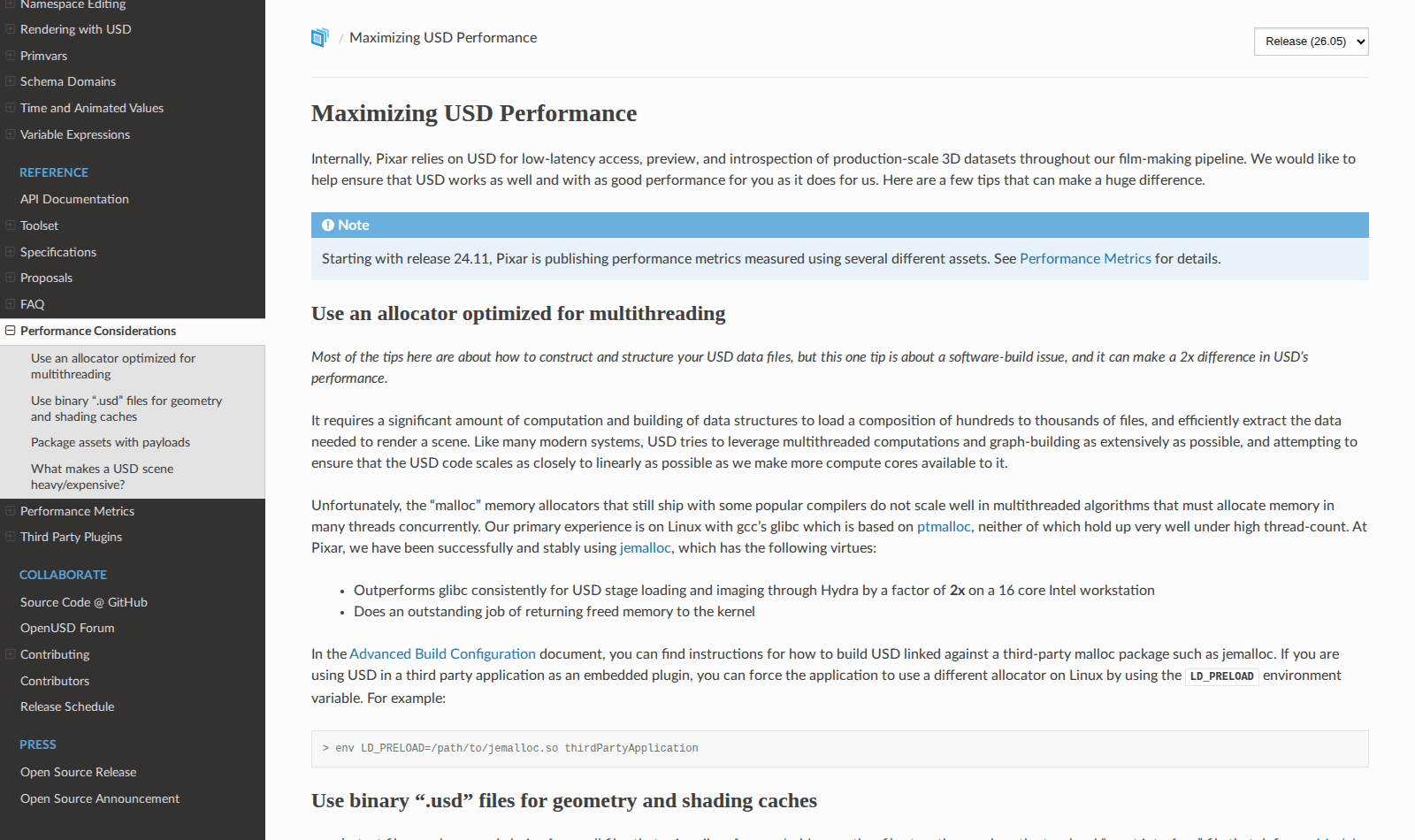
USD MaxPerf
Maximizing USD Performance — Universal Scene Description 26.05 documentation
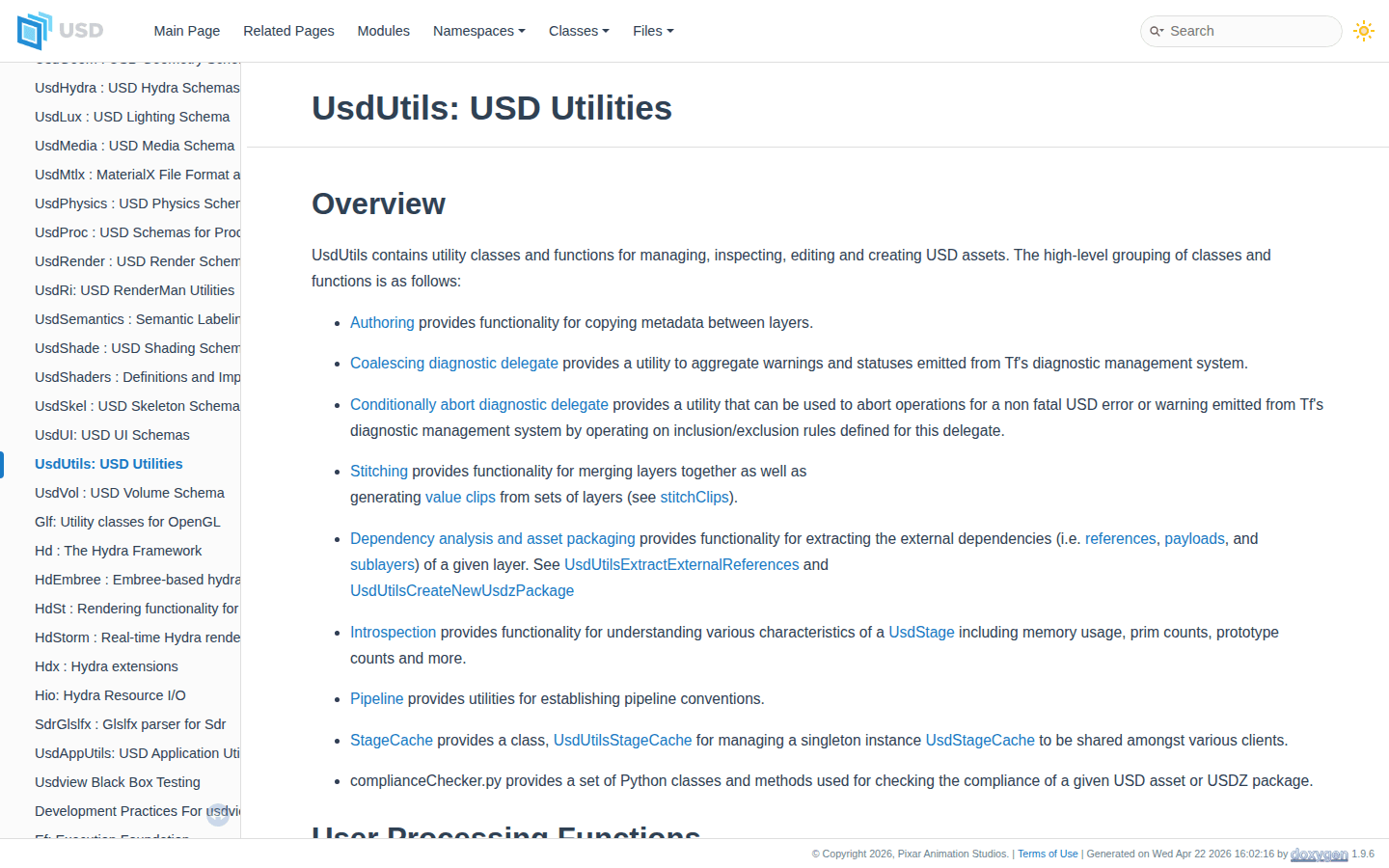
protocol / April 22, 2026
UsdUtils API
Universal Scene Description: UsdUtils: USD Utilities
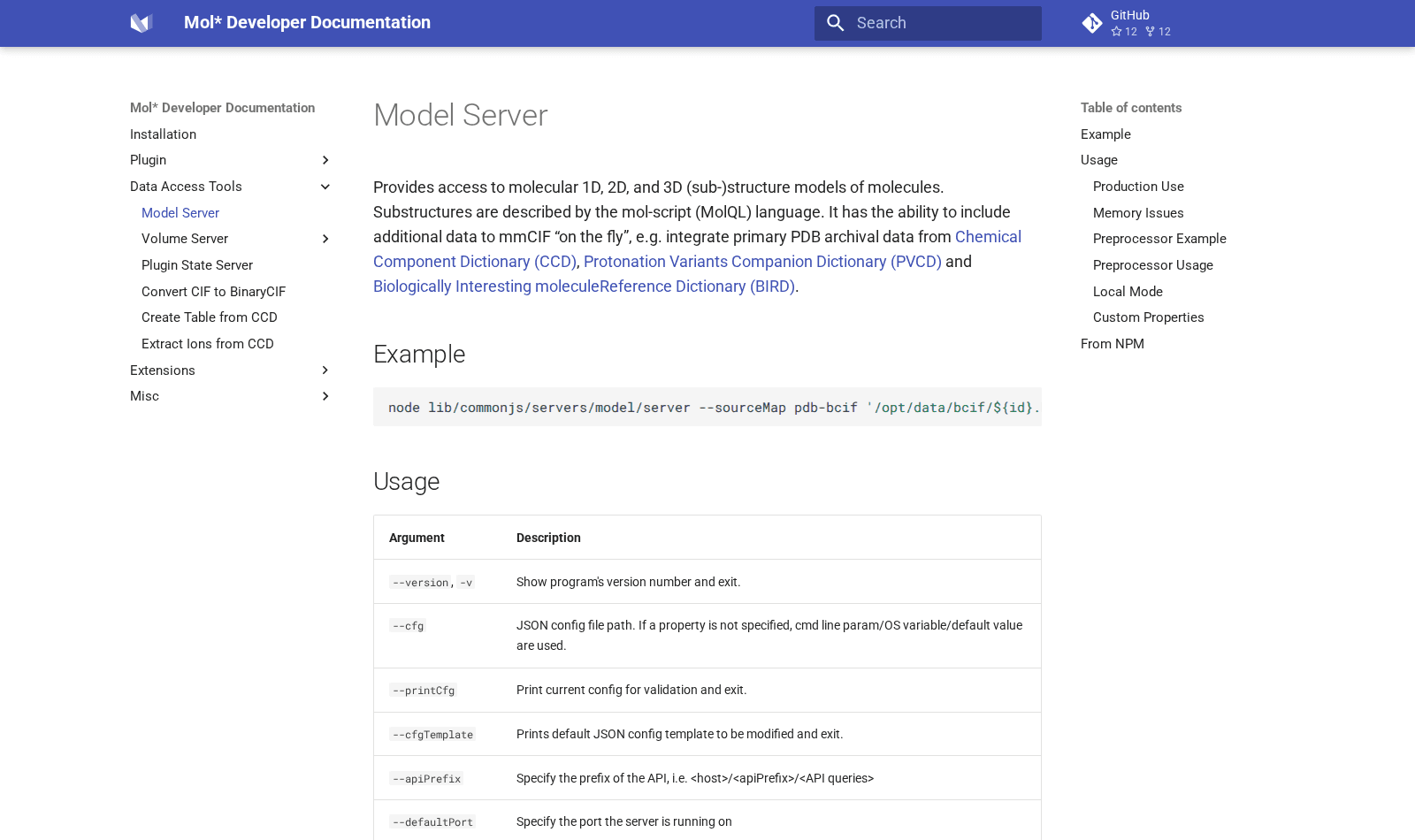
protocol / April 18, 2026
Mol* Model Server
Model Server - Mol* Developer Documentation
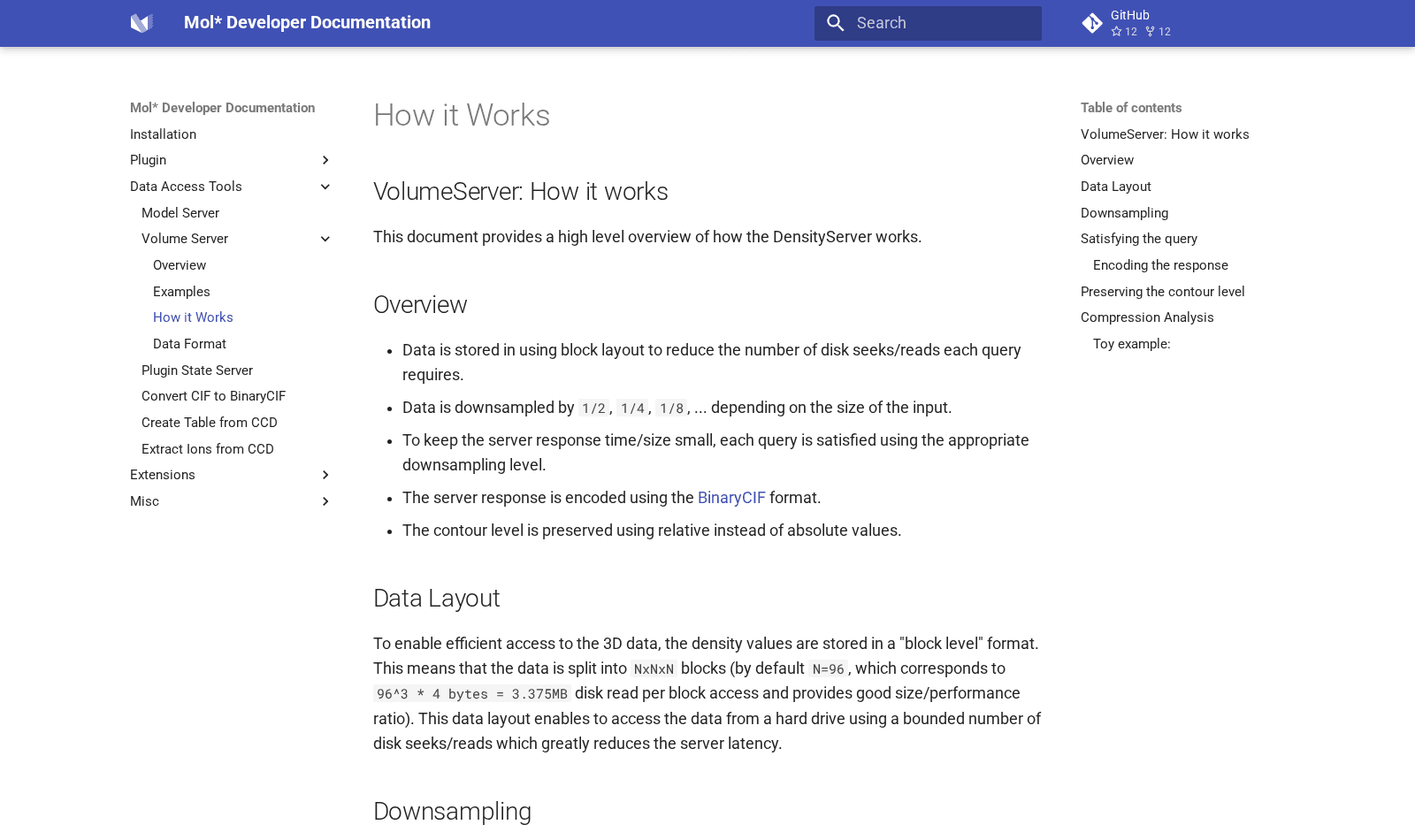
protocol / April 18, 2026
Mol* Volume Server
How it Works - Mol* Developer Documentation
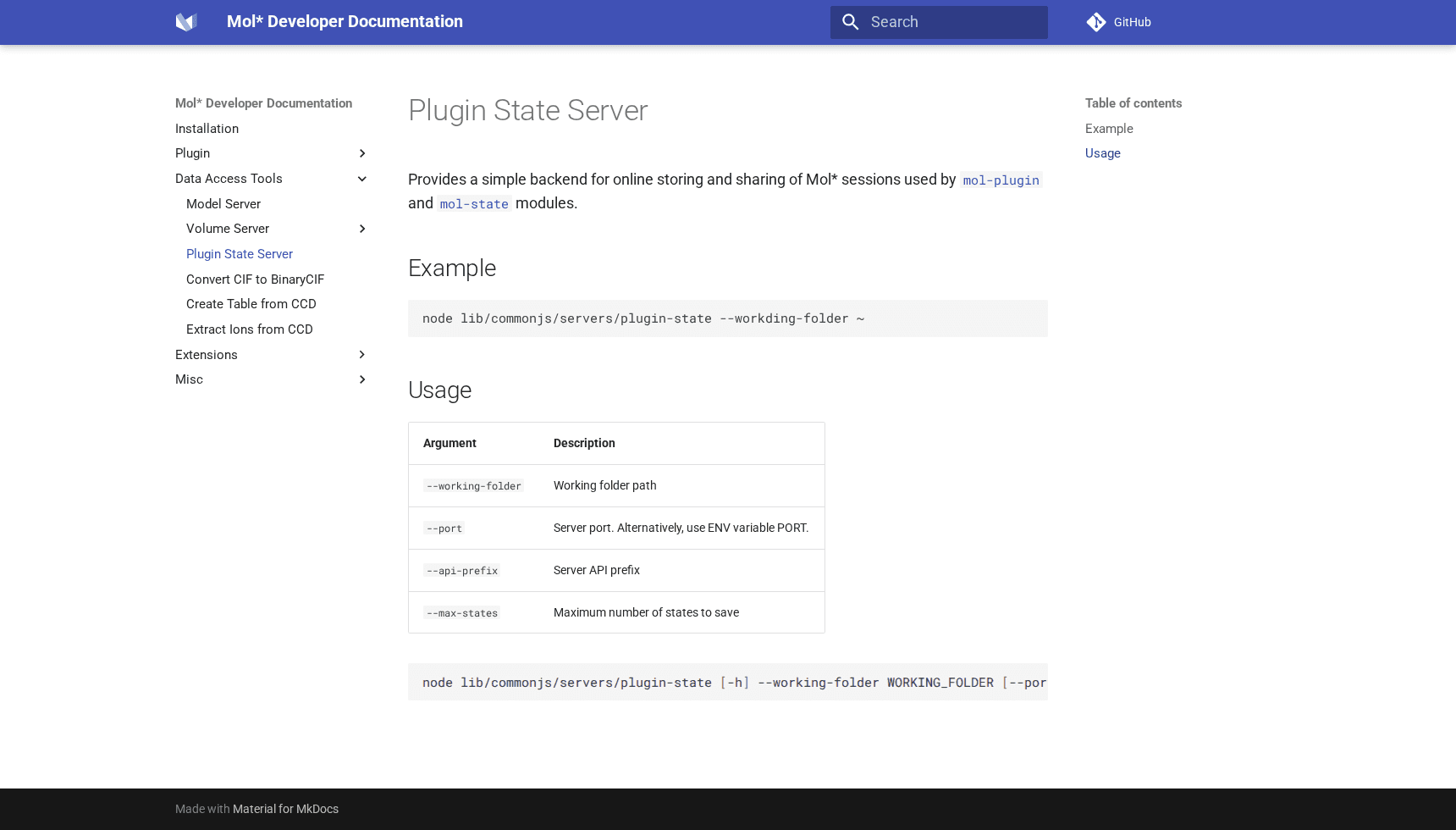
protocol / April 18, 2026
Mol* State Server
Plugin State Server - Mol* Developer Documentation

protocol / April 11, 2026
PDBe API Docs
PDBe RESTful API Documentation
protocol / April 8, 2026
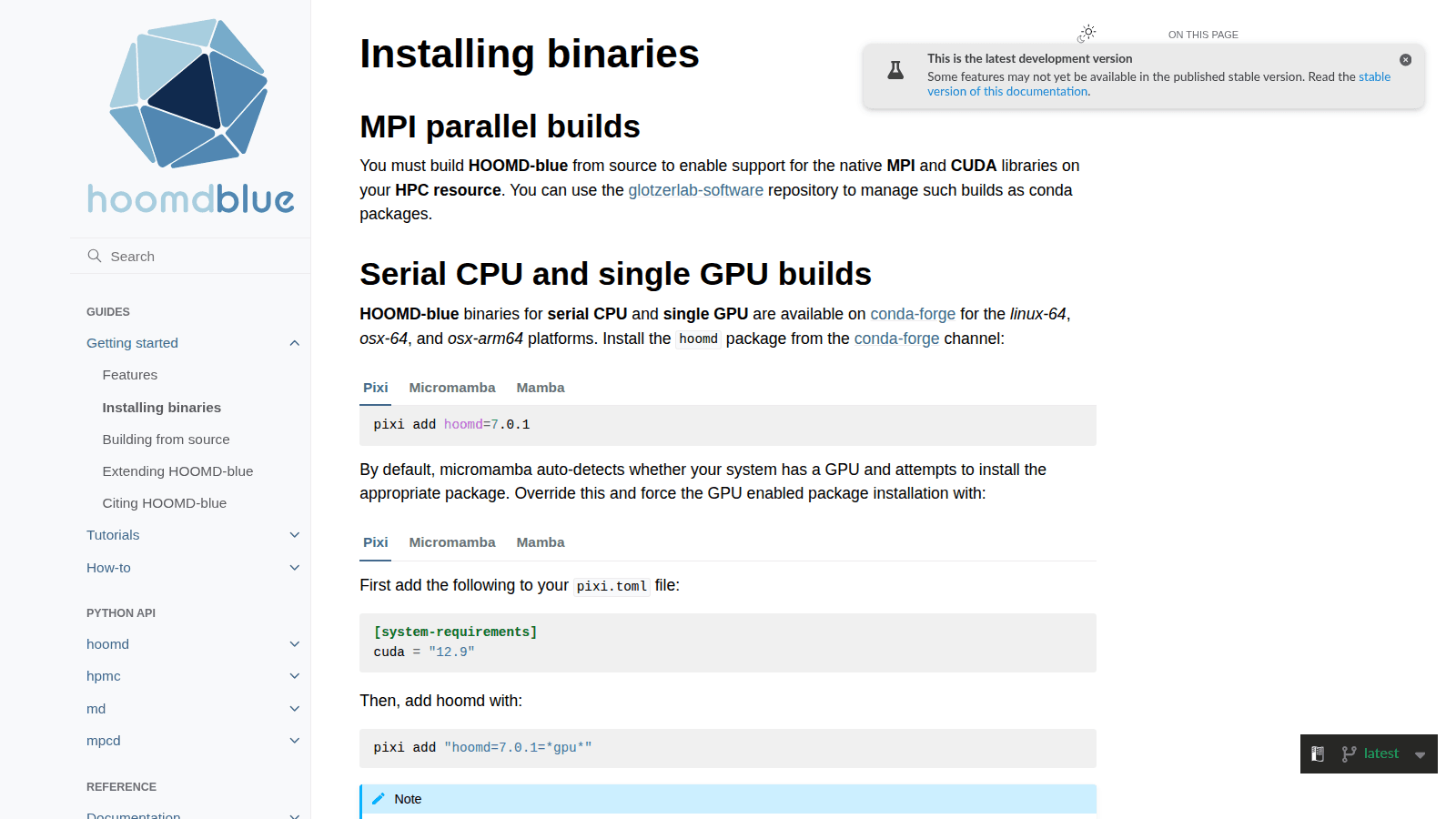
HOOMD Install
Installing binaries - HOOMD-blue 7.0.1 documentation
protocol / March 21, 2026
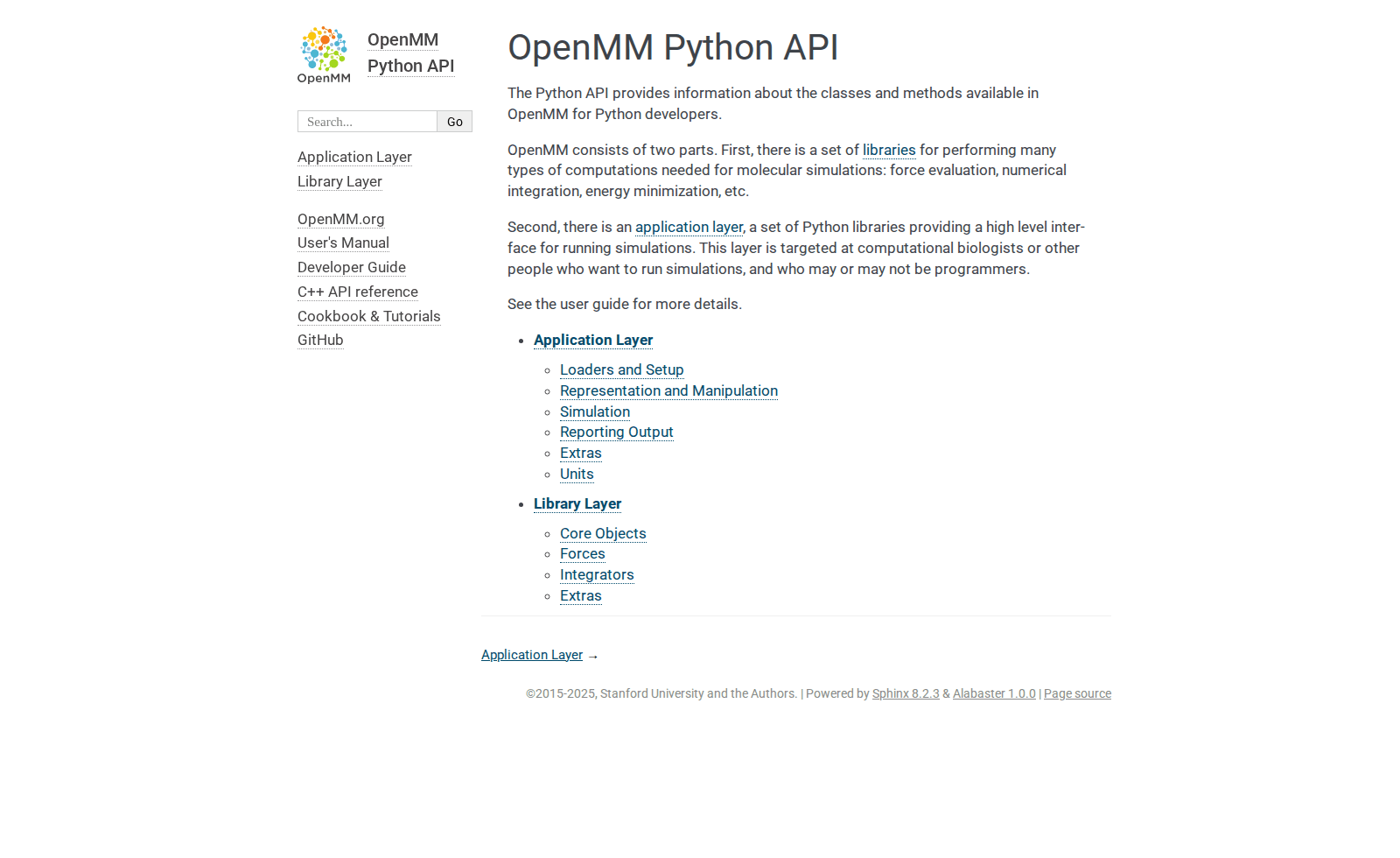
OpenMM Py API
OpenMM Python API
protocol / March 11, 2026
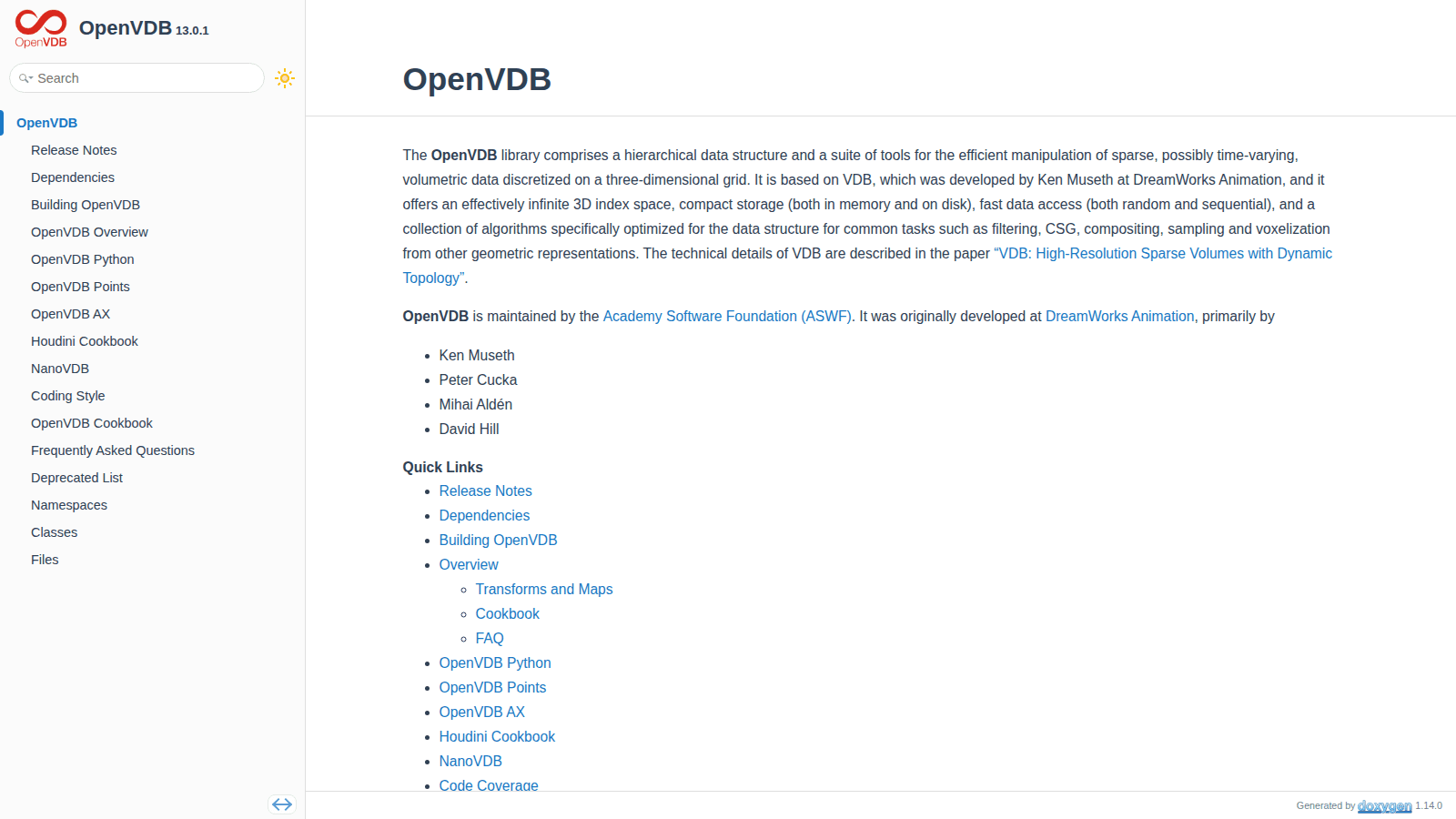
OpenVDB Docs
OpenVDB
protocol / March 4, 2026
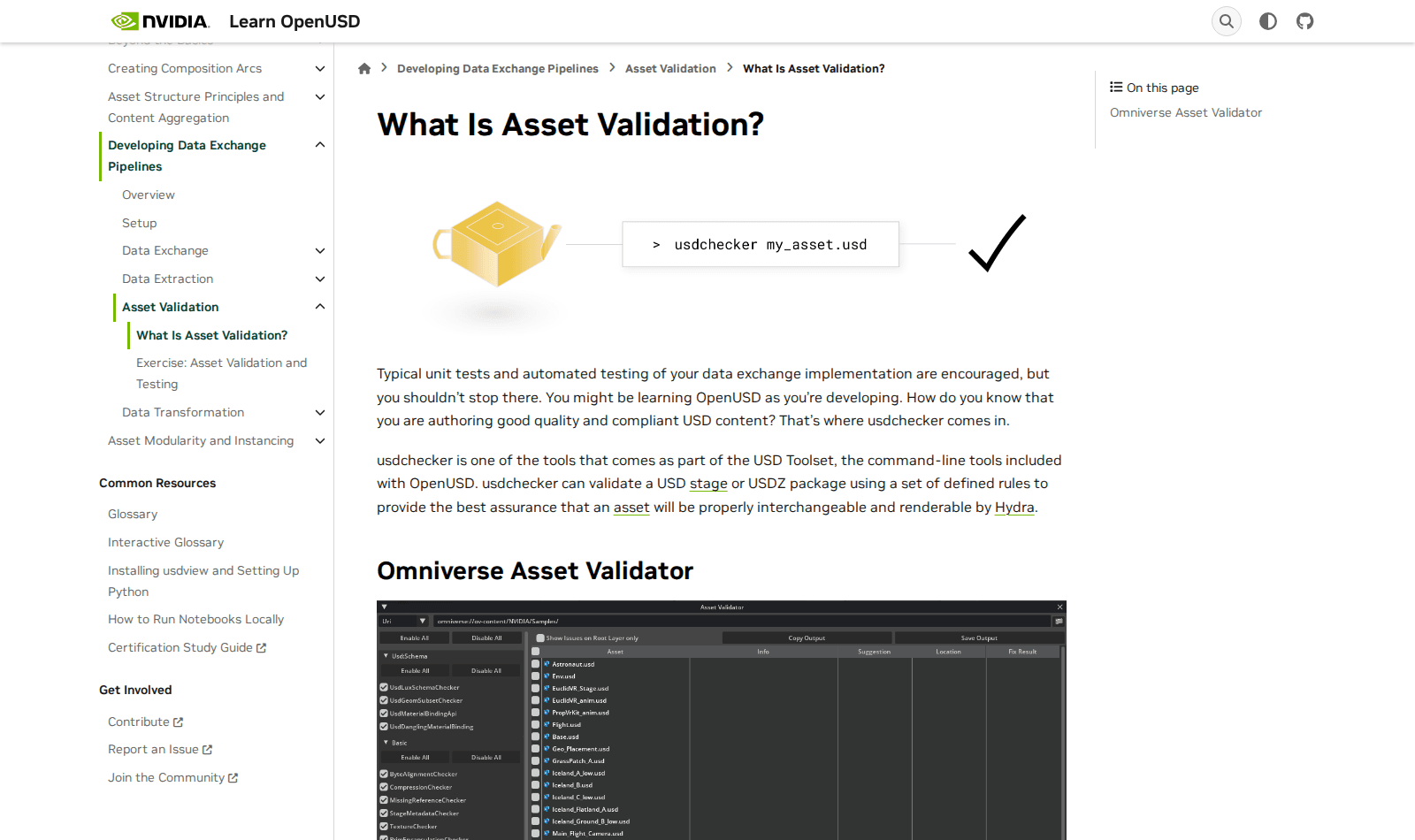
Learn USD Validate
What Is Asset Validation? — Learn OpenUSD
protocol / March 4, 2026
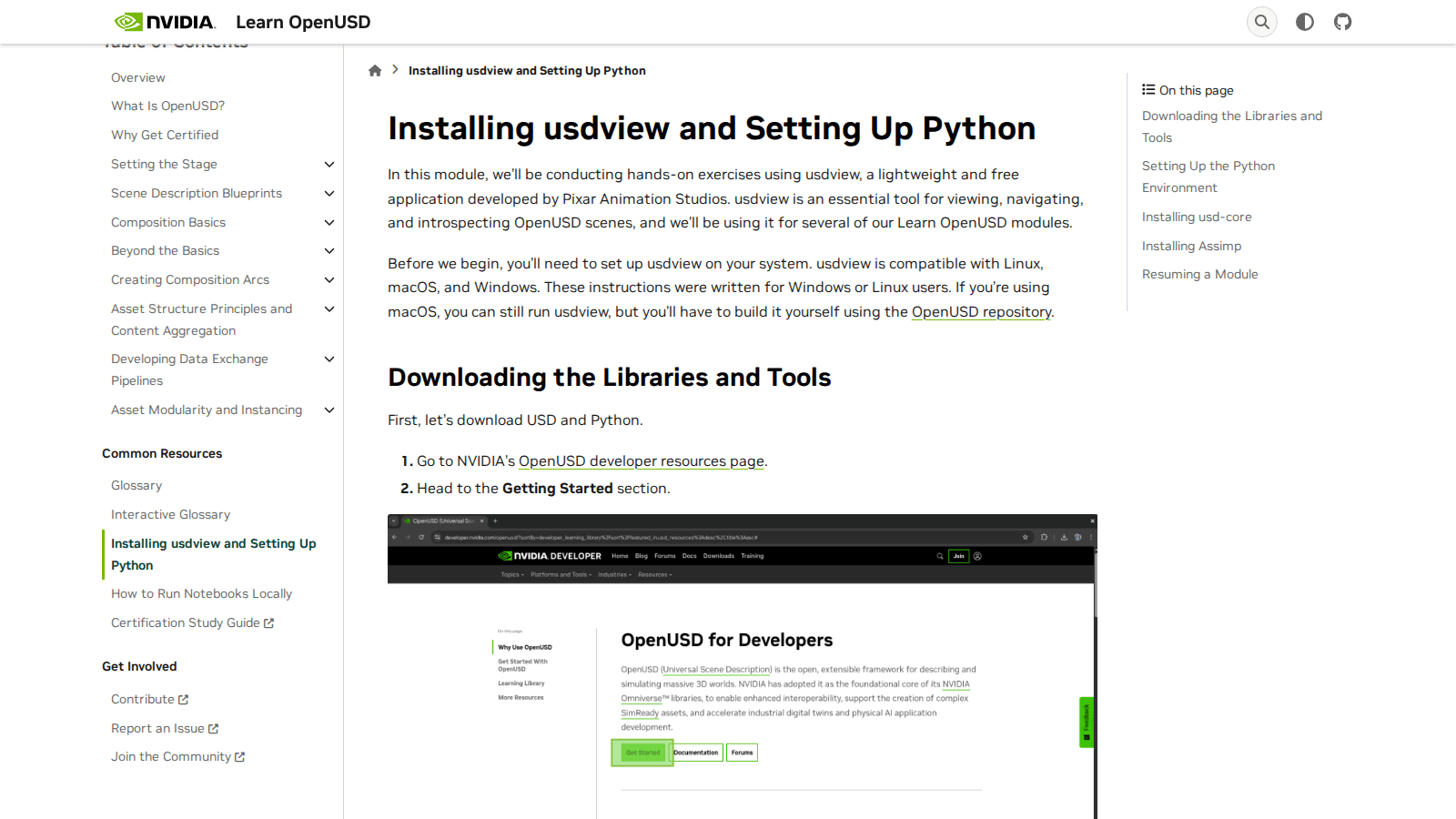
usdview Setup
Installing usdview and Setting Up Python
protocol / March 2, 2026
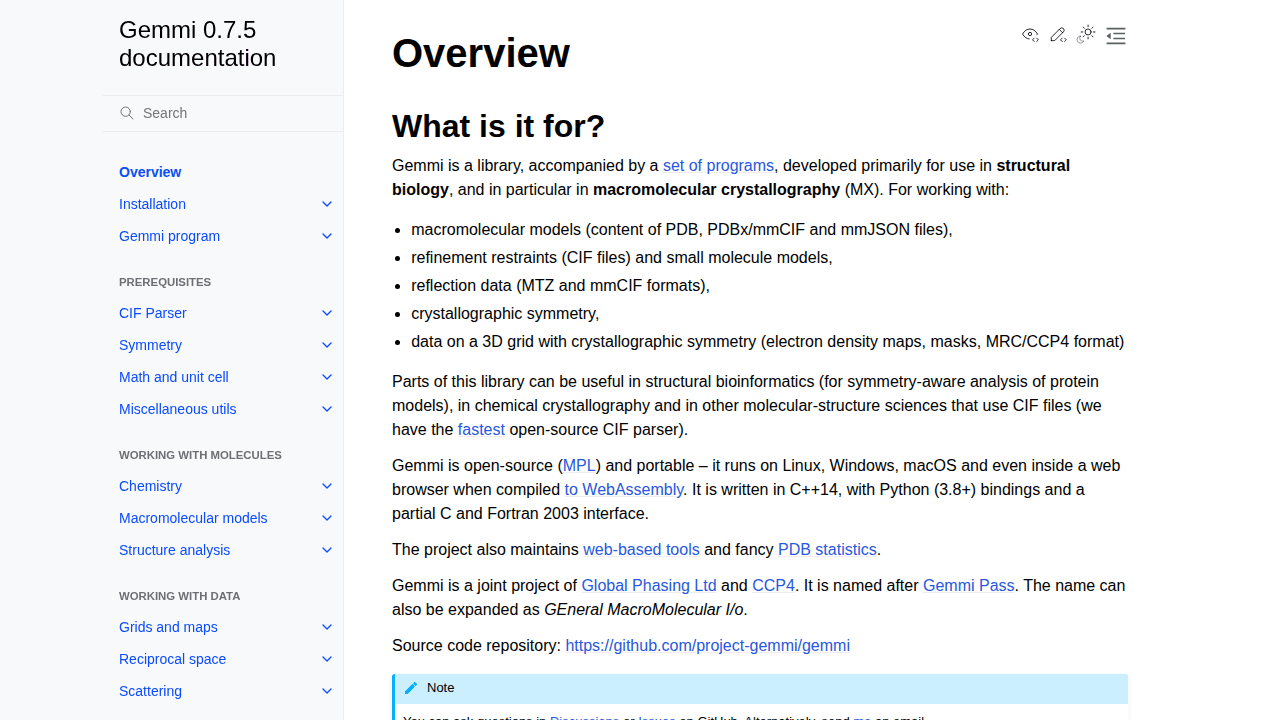
Gemmi 0.7.5
Gemmi 0.7.5 documentation
protocol / February 27, 2026
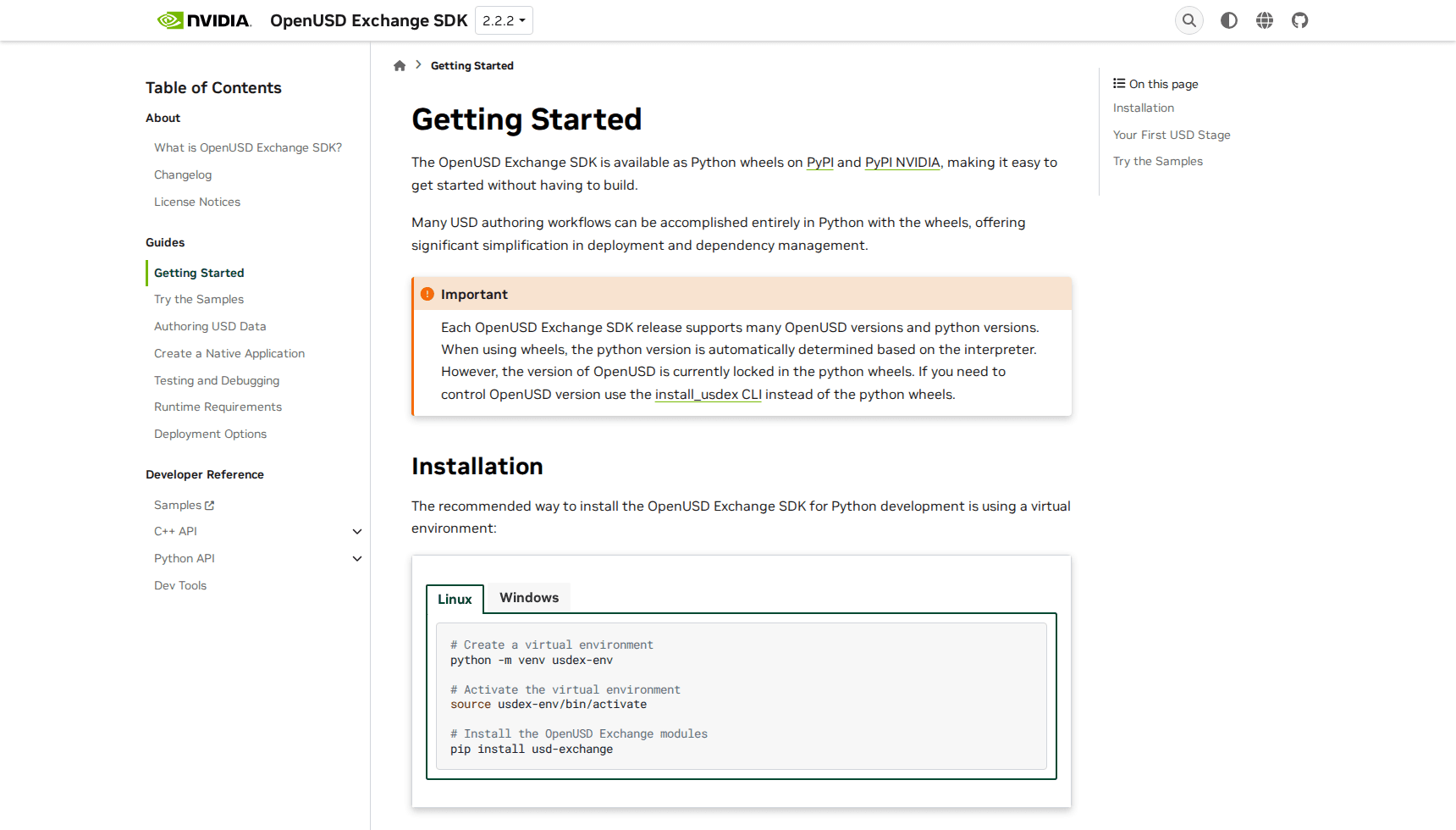
USD Exchange SDK
Getting Started — OpenUSD Exchange SDK
protocol / February 21, 2026
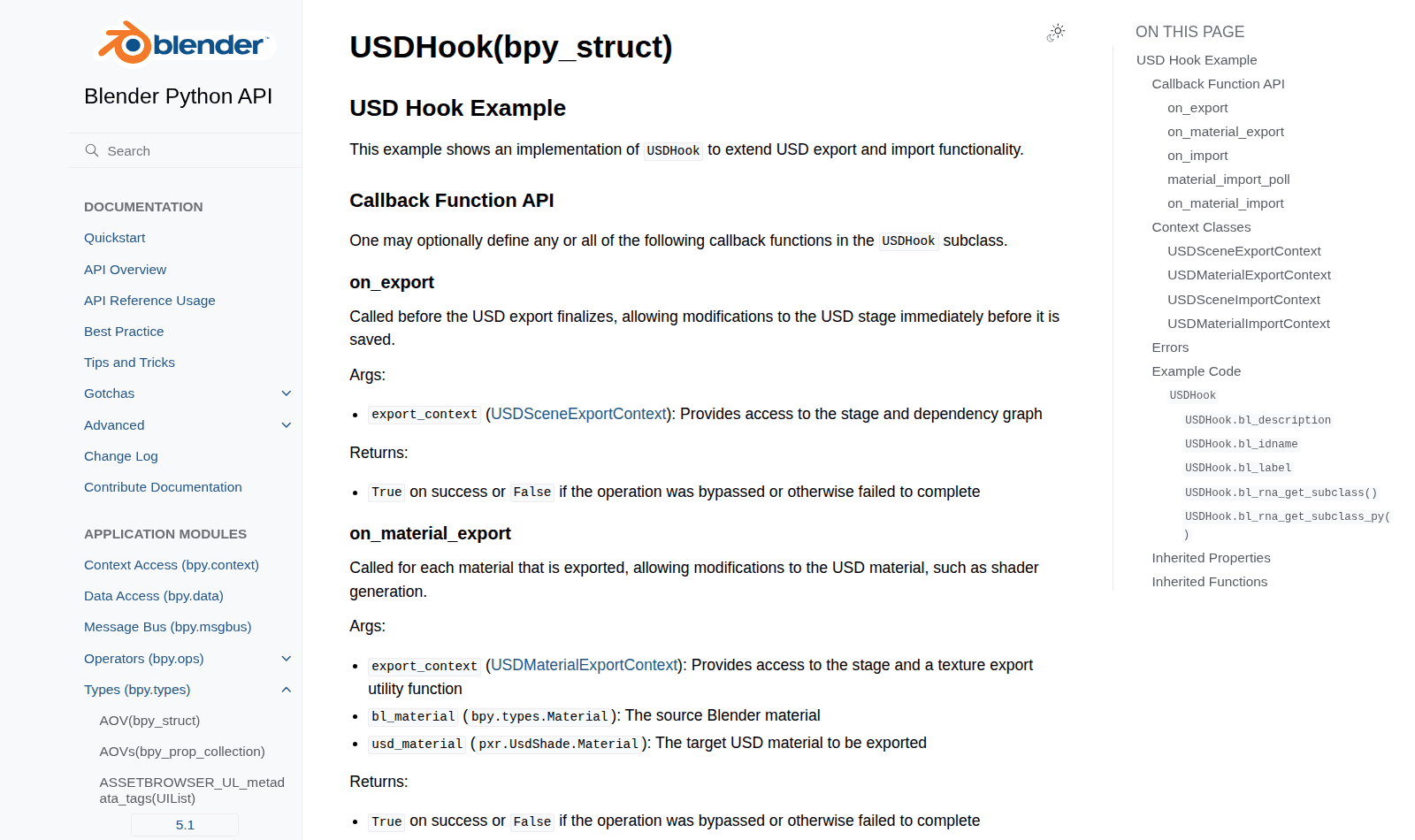
Blender USDHook
USDHook(bpy_struct) - Blender Python API
protocol / February 17, 2026
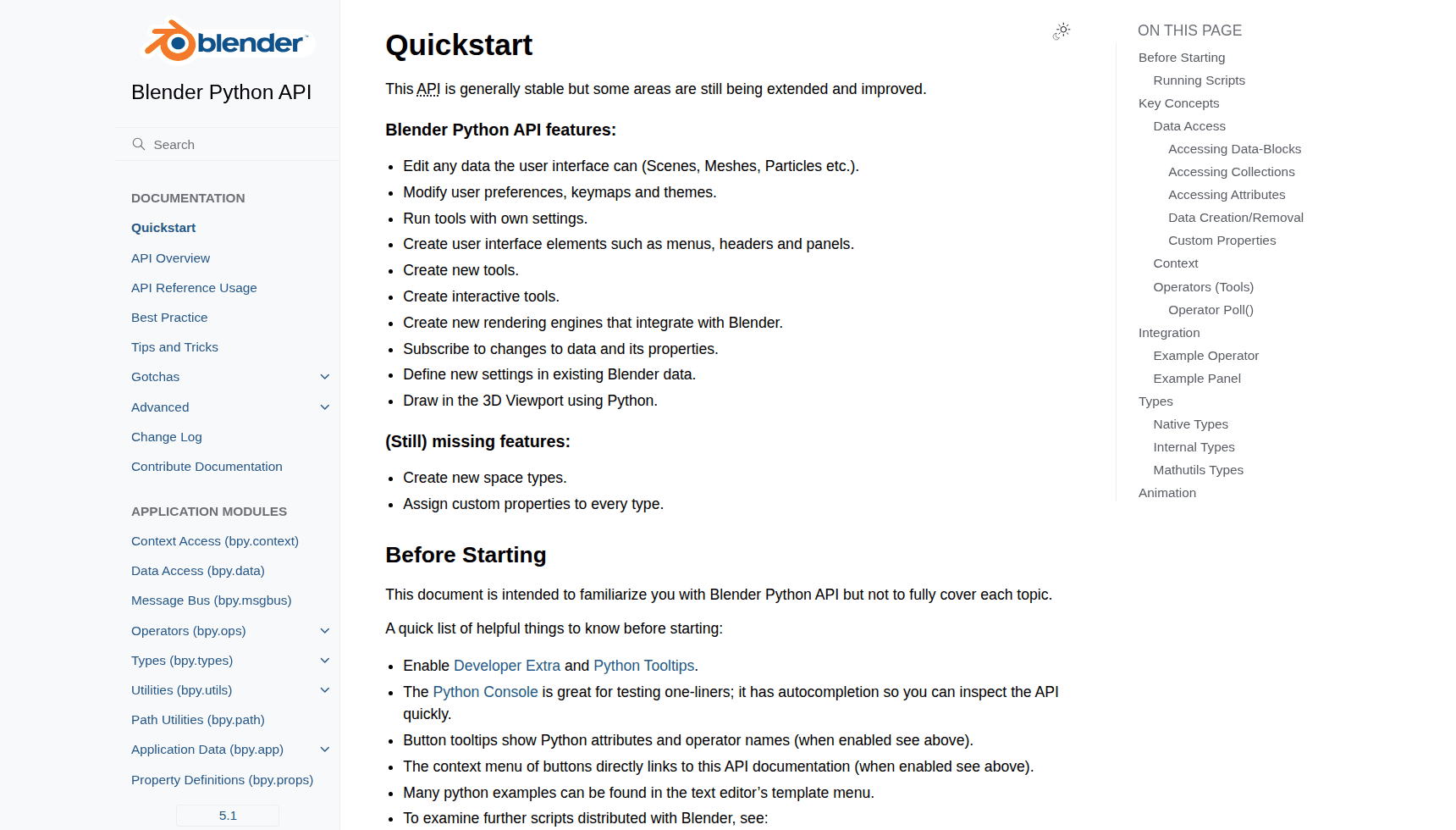
Blender Py Quickstart
Quickstart - Blender Python API
protocol / February 17, 2026
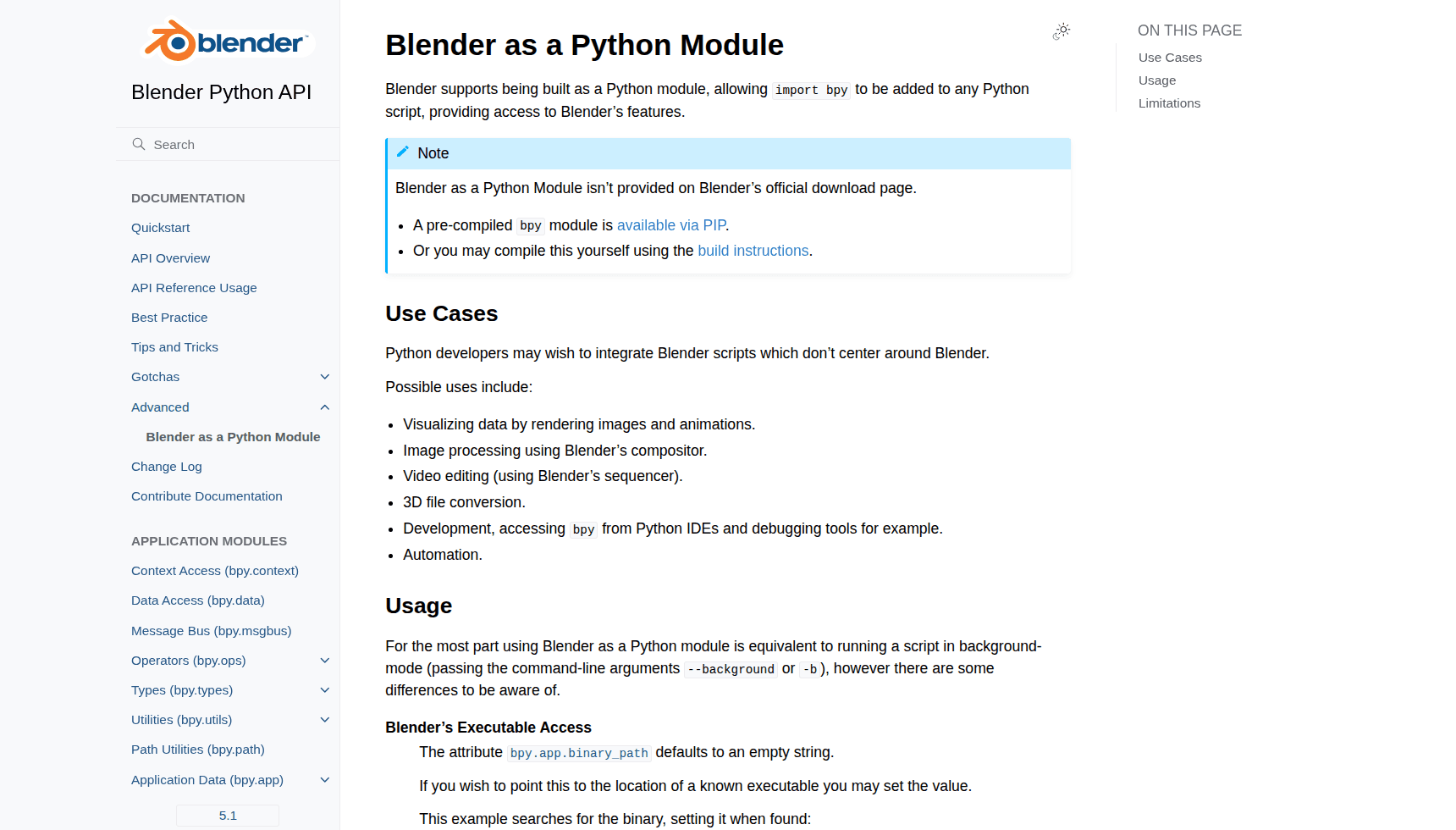
Blender as bpy
Blender as a Python Module - Blender Python API
protocol / January 21, 2026
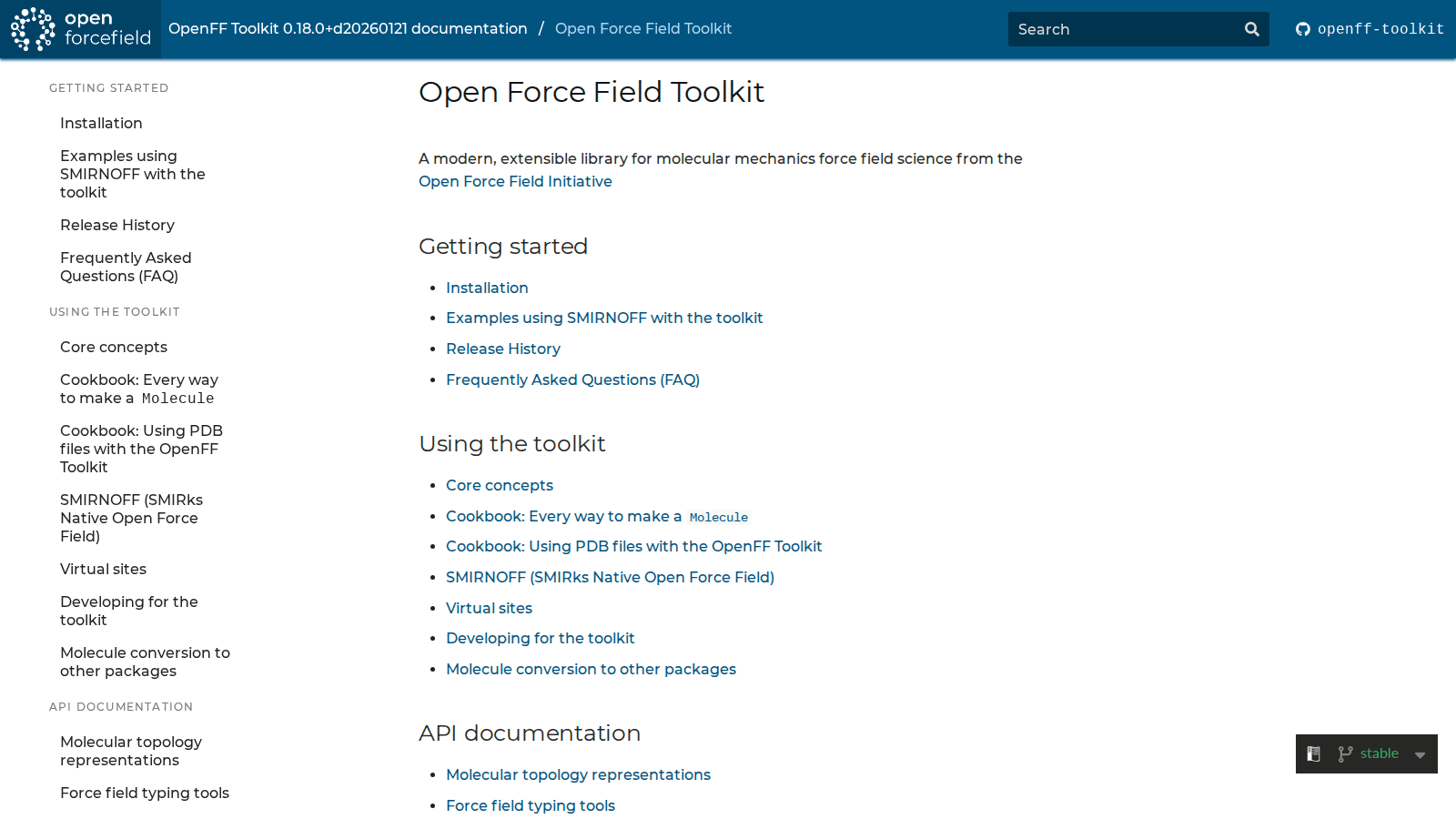
OpenFF Toolkit
Open Force Field Toolkit
protocol / November 11, 2025
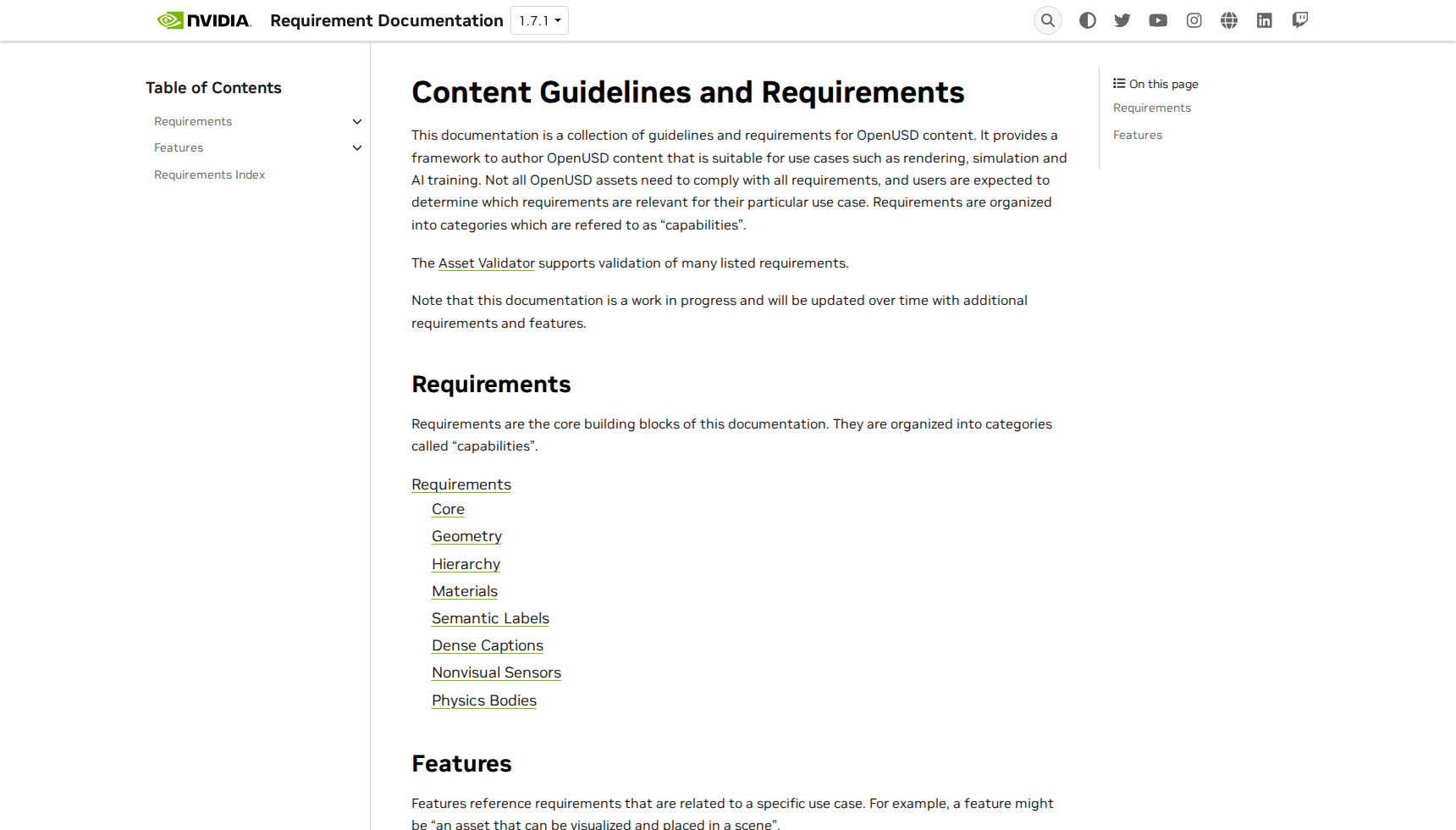
USD Requirements
Content Guidelines and Requirements
protocol / October 16, 2025
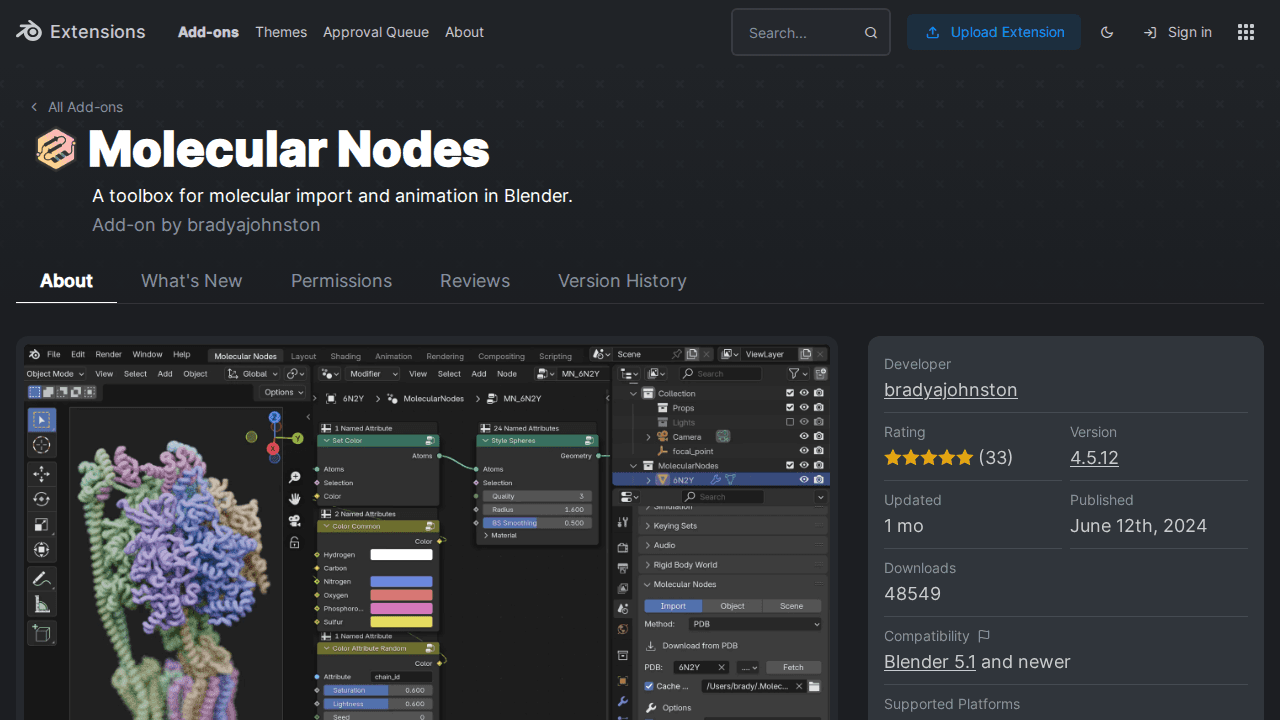
Molecular Nodes
Molecular Nodes — Blender Extensions
article / July 4, 2025
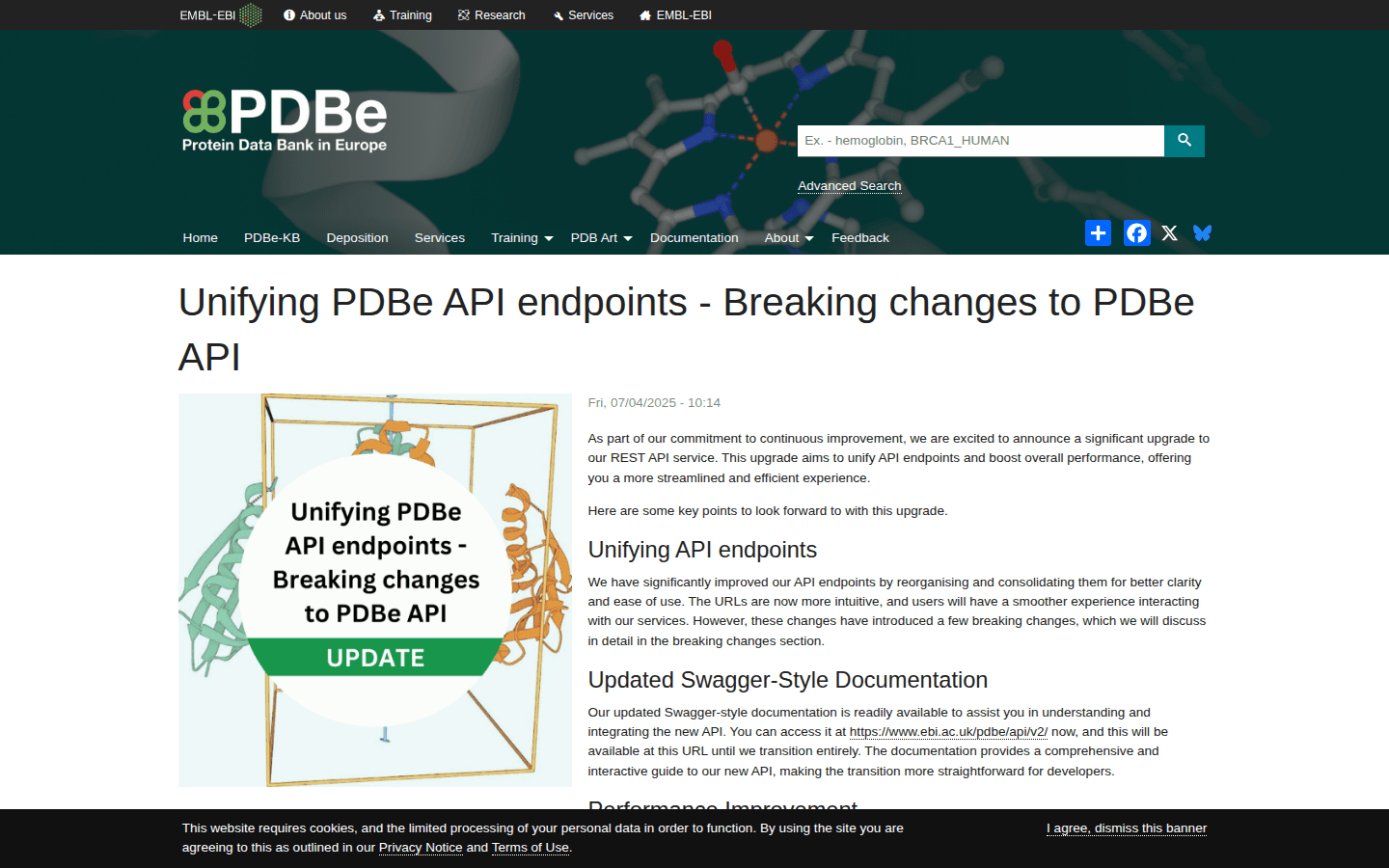
PDBe API Migration
Unifying PDBe API Endpoints - Breaking Changes to PDBe API
protocol / October 24, 2024
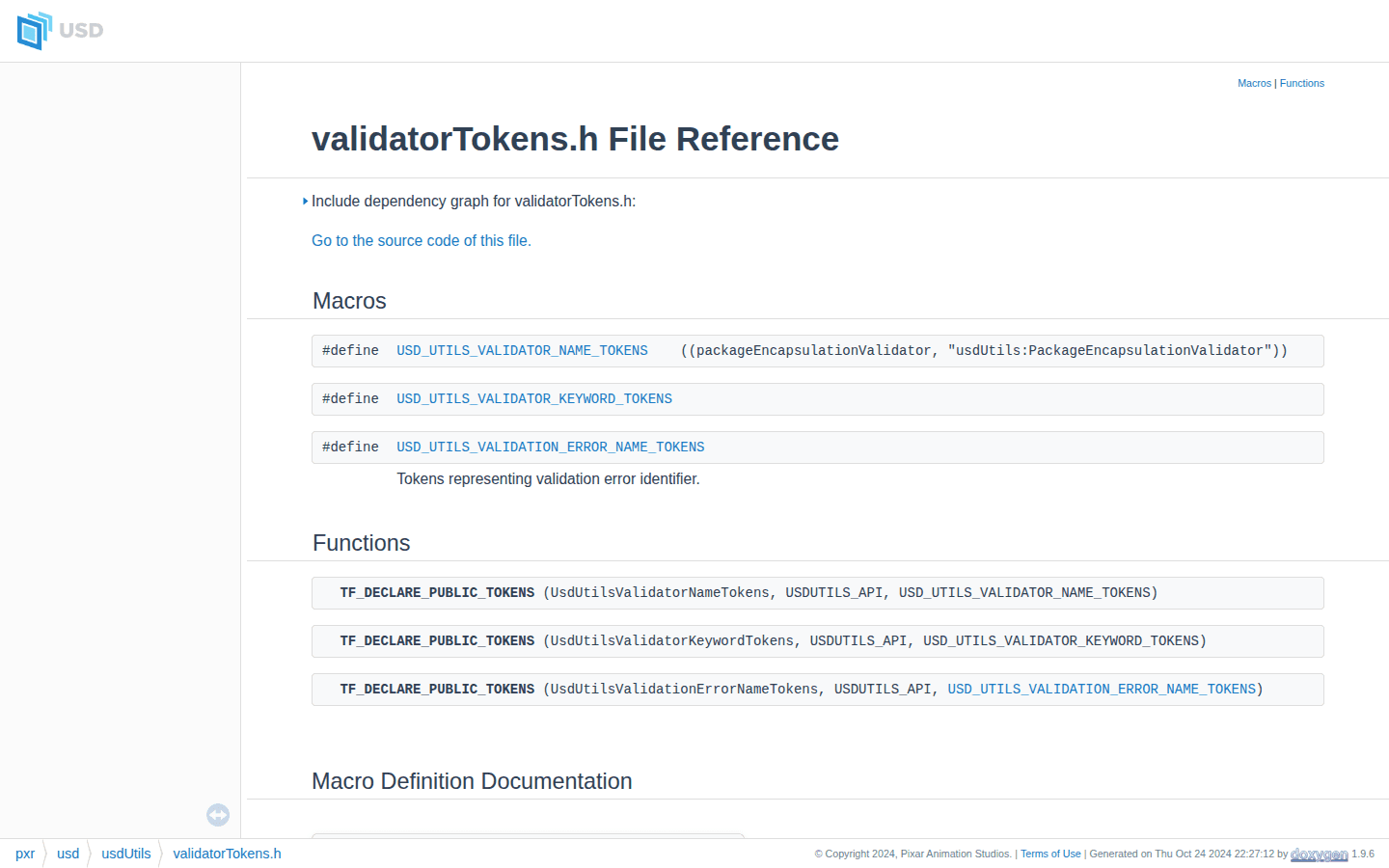
USD Tokens
Universal Scene Description: pxr/usd/usdUtils/validatorTokens.h File Reference
protocol / September 3, 2024
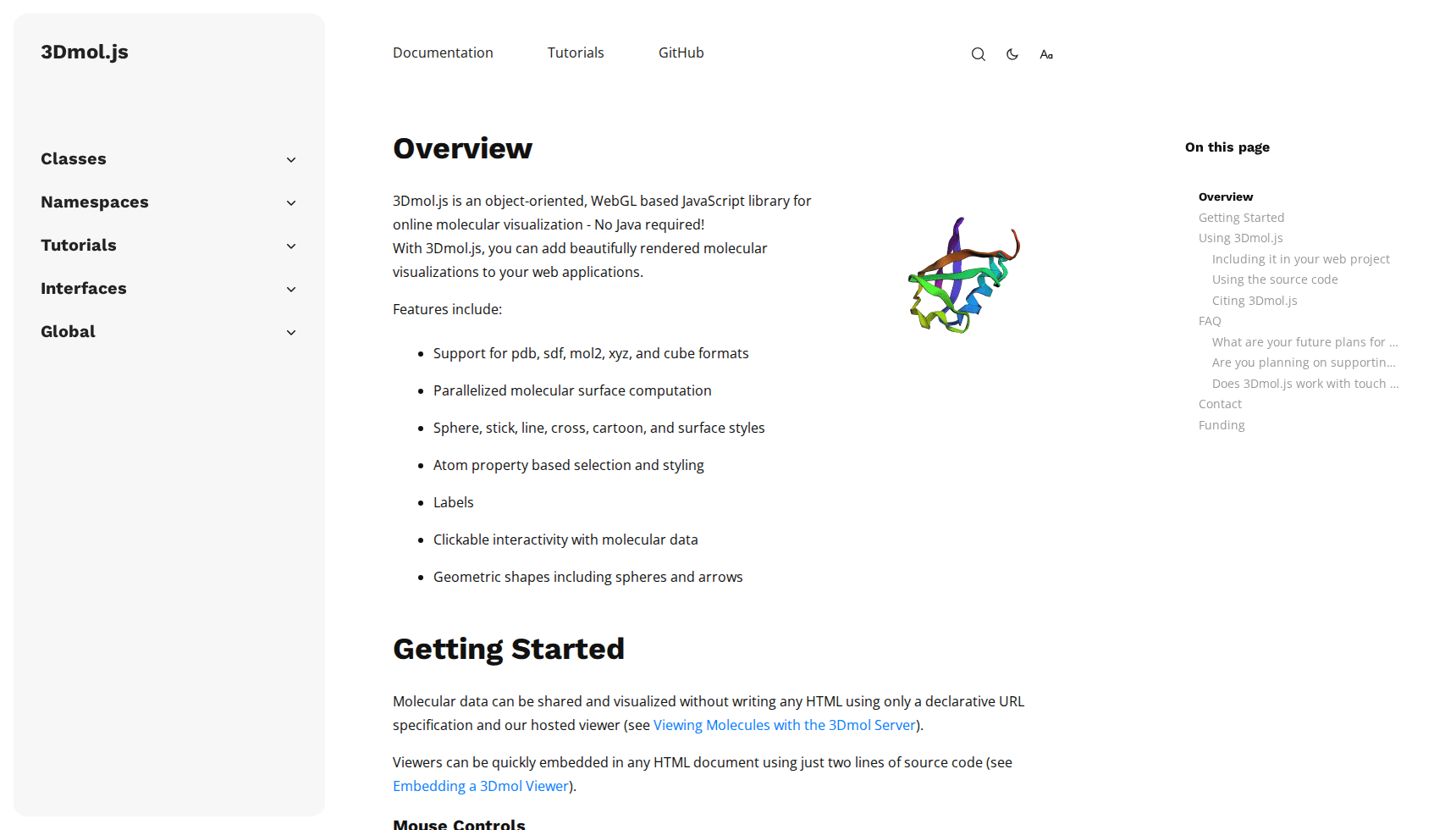
3Dmol.js Docs
3Dmol.js Documentation
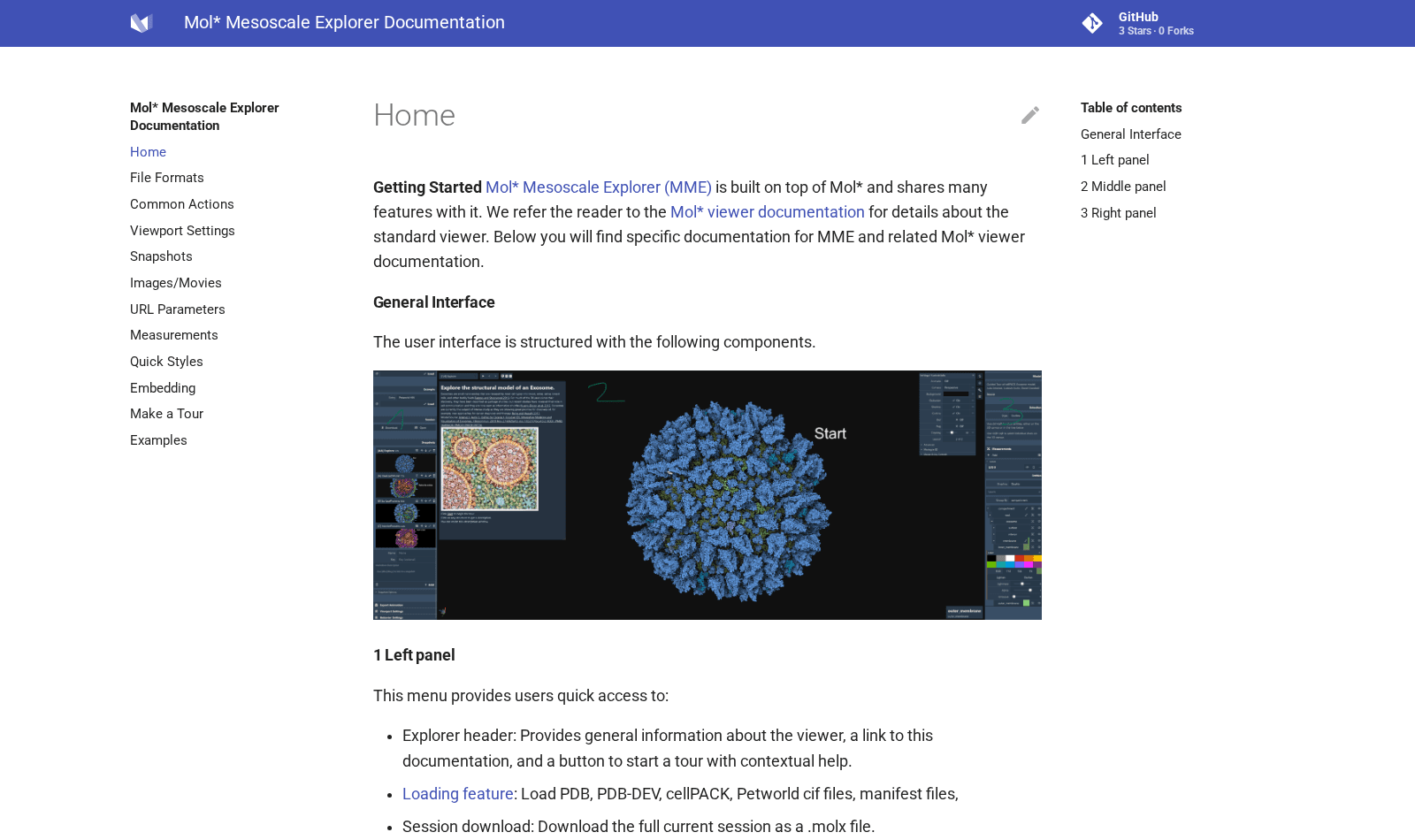
protocol / August 28, 2024
Mol* Mesoscale
Mol* Mesoscale Explorer Documentation
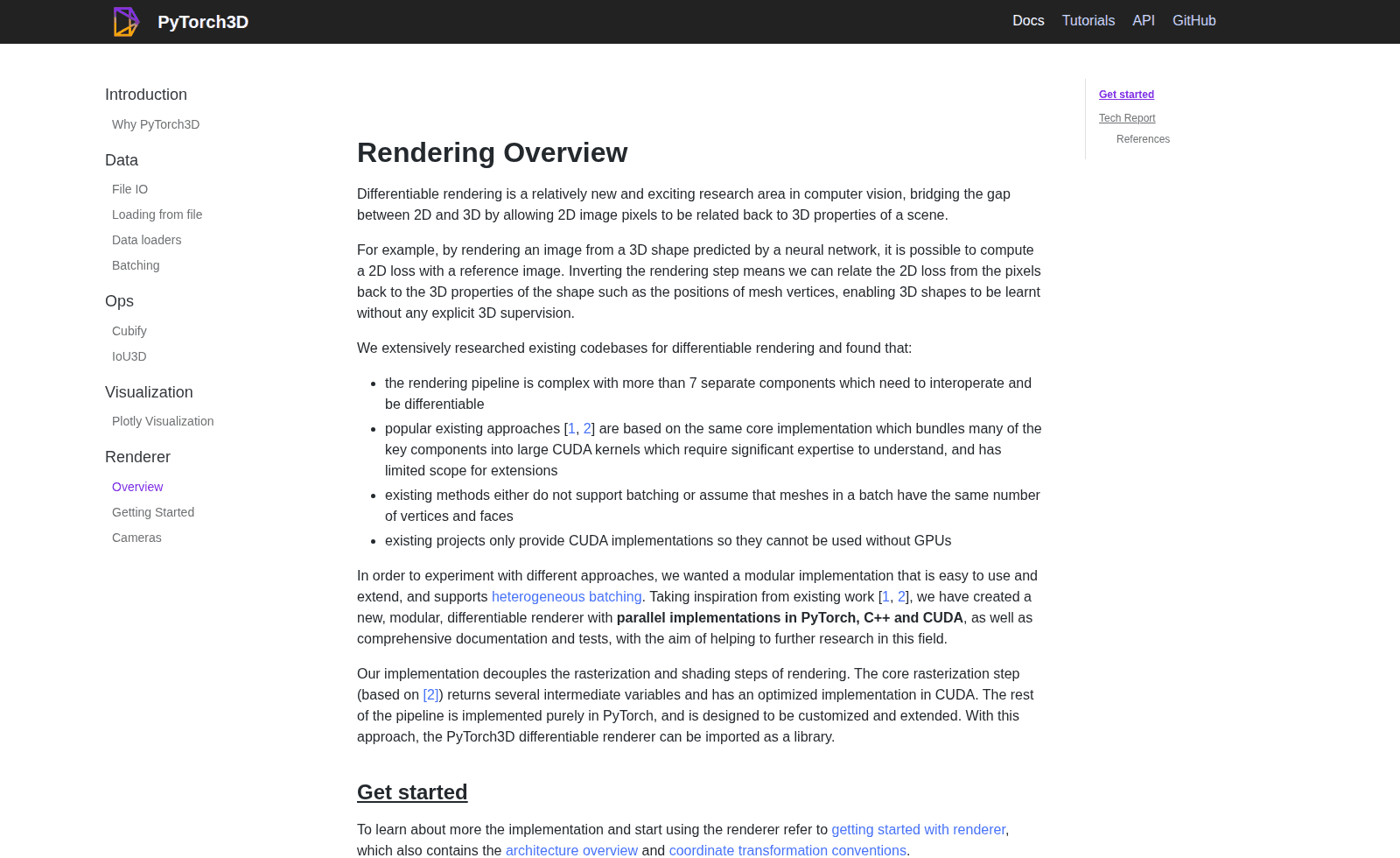
protocol / March 28, 2024
PyTorch3D Render
renderer · PyTorch3D
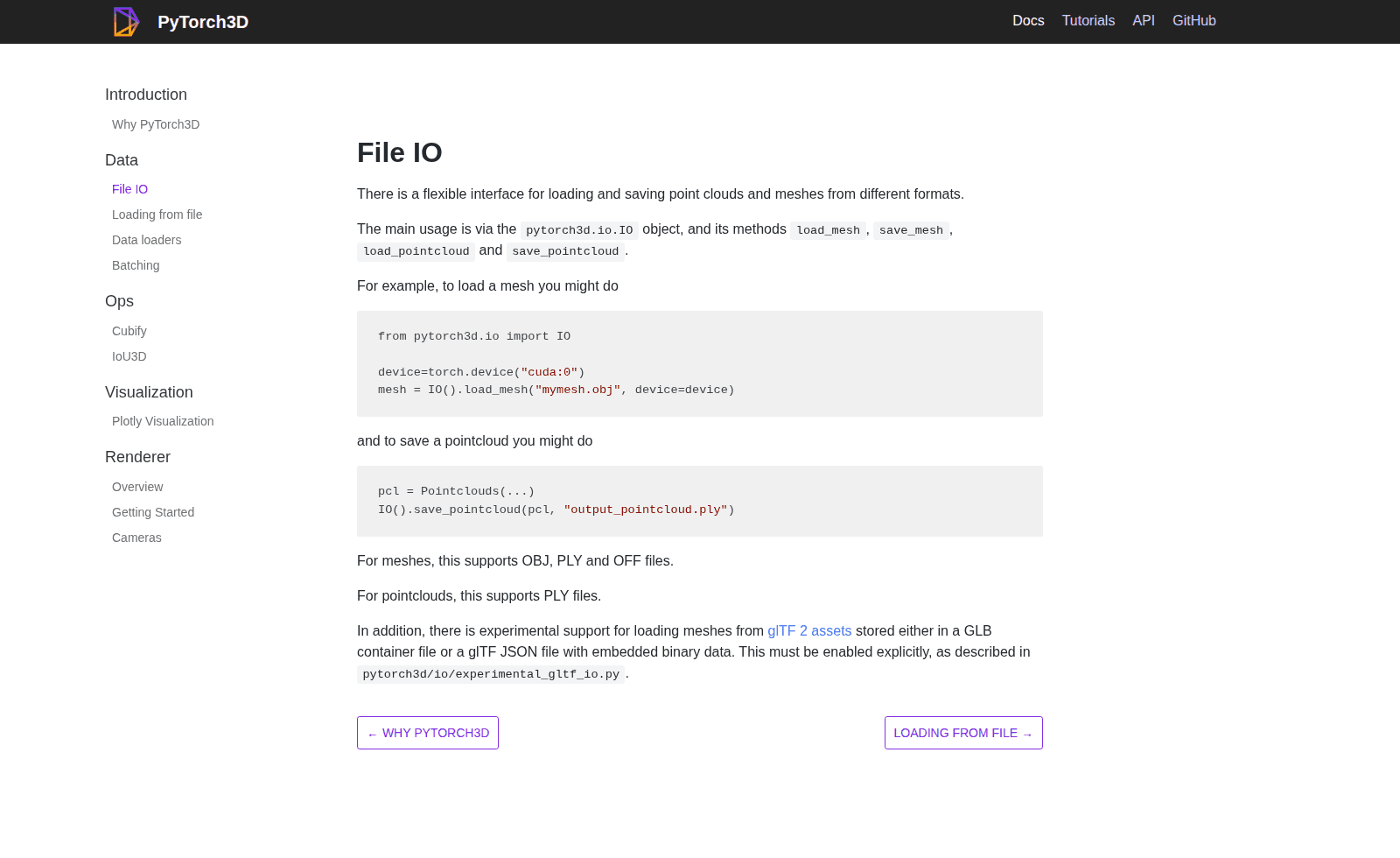
protocol / March 28, 2024
PyTorch3D IO
io · PyTorch3D
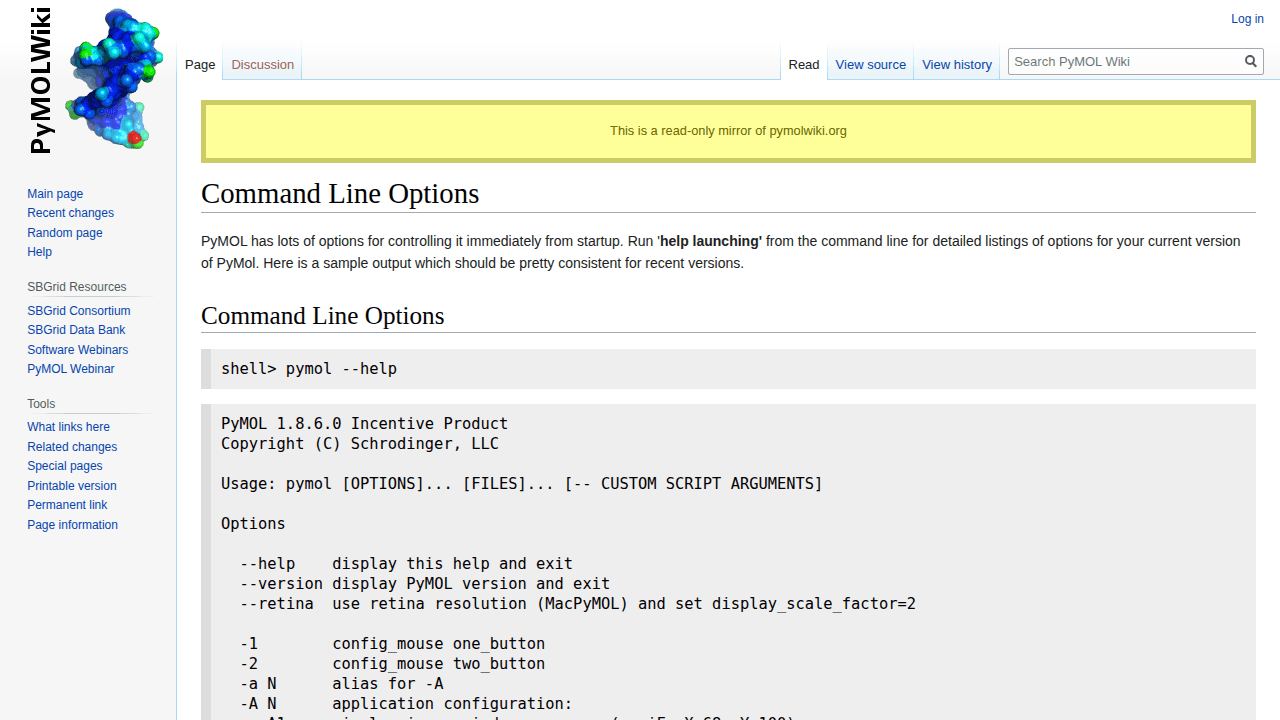
protocol / May 20, 2021
PyMOL CLI
Command Line Options - PyMOL Wiki
Indexes
Each category has its own index page, and every dossier gets its own route. The system is built to scale past this first 100-plus page pass without changing the route structure.
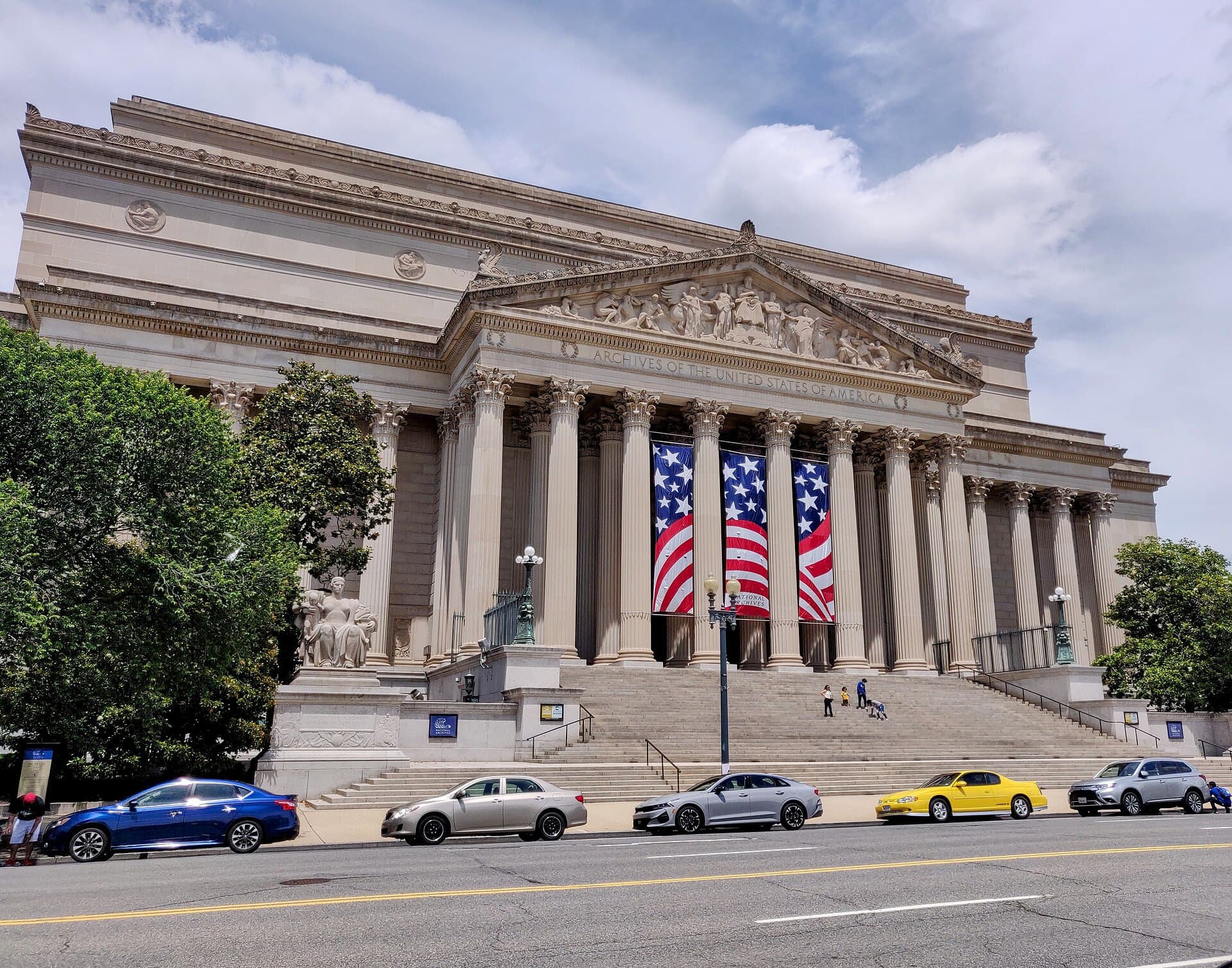
11 dossiers
Public-facing U.S. government and NASA sources that set the strongest baseline for what is actually established.
10 dossiers
Congressional testimony, FOIA surfaces, and archives that show how the record is assembled and contested.
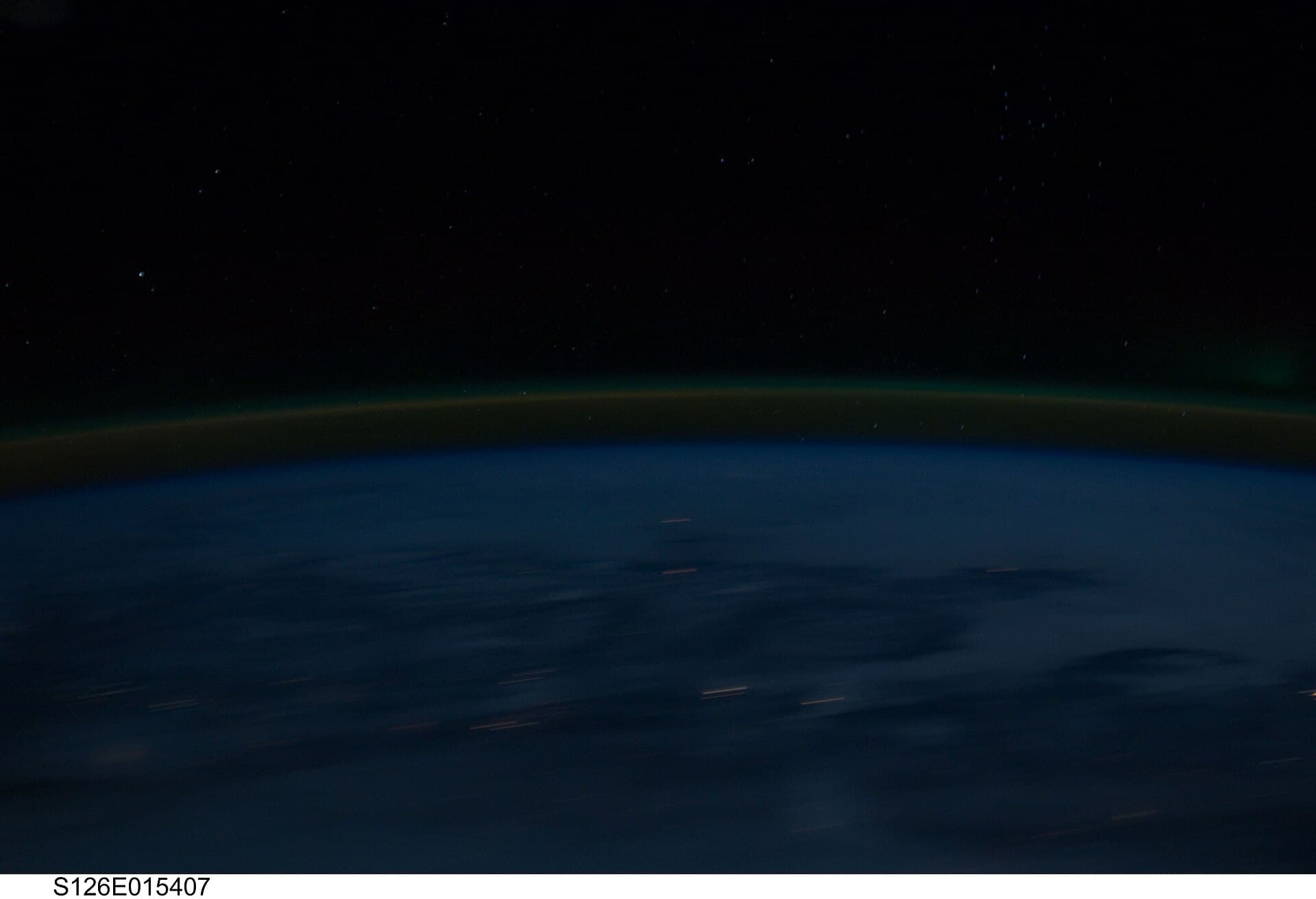
21 dossiers
AARO’s public case pages and DVIDS footage, where the office often distinguishes real objects from exotic conclusions.
18 dossiers
Exoplanets, astrobiology, biosignatures, and observatories that make extraterrestrial life scientifically plausible.
25 dossiers
Technosignature searches, candidate signals, open data, and observatories designed to detect intelligence at a distance.
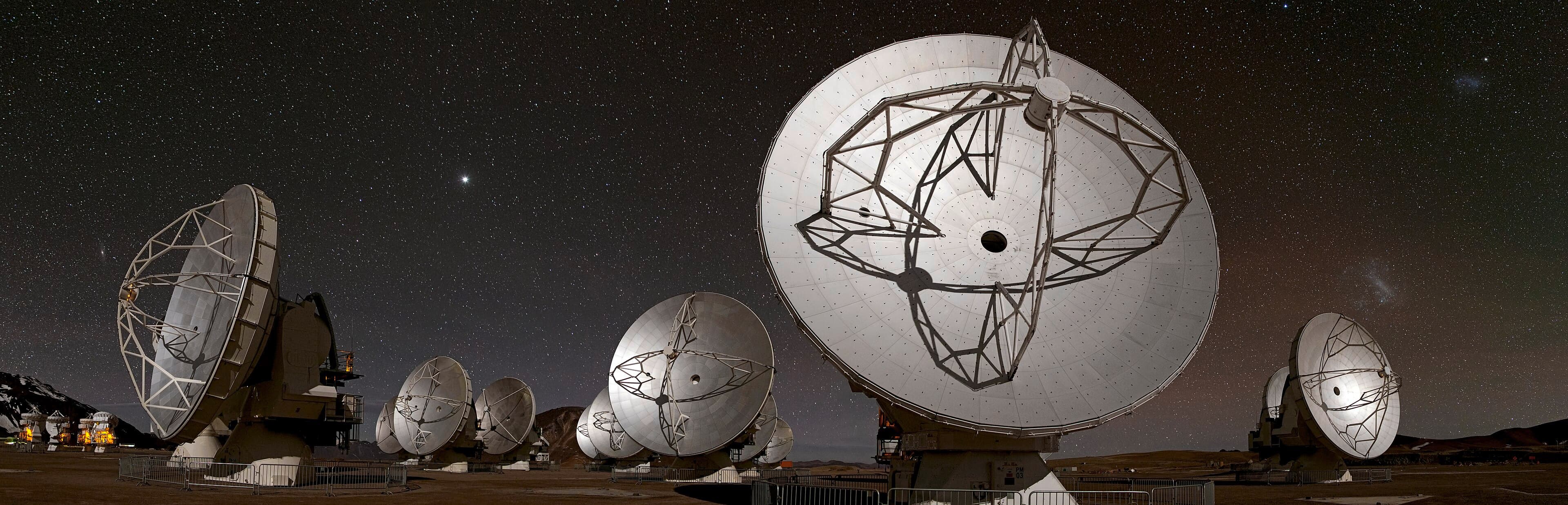
14 dossiers
How a serious first-contact workflow would handle verification, message design, governance, and transmission.
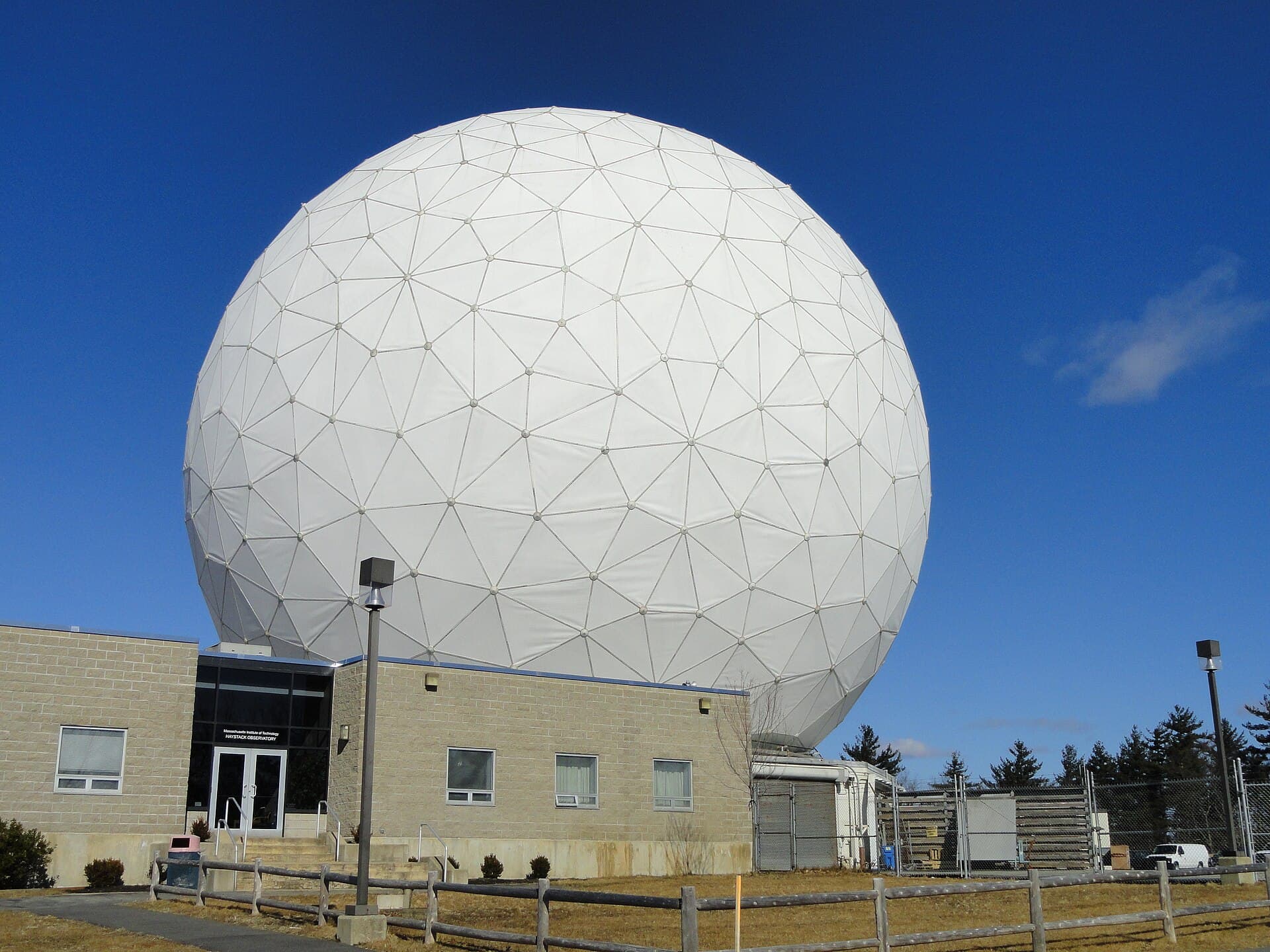
25 dossiers
The analytical tools needed to separate unresolved, explainable, and genuinely strange material without overstating any of it.
Research surfaces
The atlas now separates research into focused surfaces, so users can move from broad updates to deep briefs without losing the source trail.
Claims discipline
How the atlas scores public claims, protects uncertainty, and separates unresolved data from extraordinary conclusions.
2 research briefs
Search infrastructure
The telescopes, catalogs, monitoring systems, and future missions that make life-search and technosignature work real.
2 research briefs
First-contact workflow
How detection, public release, reply governance, and message design fit together before anyone tries to speak for Earth.
2 research briefs
Packetized UAP cases
A public-facing way to display cases as source packets with status, caveats, and next-step evidence needs.
1 research briefs
Featured dossiers
These pages are the best starting points if you want the public record, the search-for-life lane, and the contact lane in one pass.
2024
No public proof of extraterrestrial beings, activity, or technology
The strongest current official baseline. AARO says it has not discovered evidence that any reviewed case proves alien visitation or alien technology on Earth.
2023
Data quality is the real bottleneck
NASA’s study does not confirm alien explanations. Its central argument is that better sensors, metadata, and open scientific workflows are needed before stronger claims can be made.
2023
Witness testimony went mainstream; proof still did not
The July 2023 Oversight hearing amplified pilot testimony, whistleblower claims, and public frustration with secrecy. It also widened the gap between firsthand accounts and verifiable public evidence.
2024
Physical object on infrared video; unresolved, but behavior unremarkable
AARO says the footage depicts a real physical object, yet its morphology and motion do not justify a stronger claim.
2026
The catalog is a live index of known worlds beyond the Solar System
The catalog is not a theory page. It is a living data resource showing how quickly the inventory of known exoplanets has expanded.
2025
A large modern technosignature search program
Breakthrough Listen is one of the most visible contemporary technosignature efforts, combining deep surveys, target searches, and public-facing science communication.
2025
A practical inversion: what of us is detectable at interstellar distance?
This study asks what another civilization with current-like technology could detect about Earth and finds that some human technosignatures are visible much farther than intuition suggests.
1989+
Verify first, announce carefully, coordinate globally
The IAA post-detection declaration is one of the clearest public documents outlining what responsible behavior after a candidate detection should look like.
Video trail
The system now carries direct video references as well as report and archive links. That includes NASA briefings, congressional hearings, SETI event pages, and public AARO or DVIDS case footage where available.
Control room
The admin area tracks publication inventory, category counts, recent posts, featured sources, and the current reach-out experiment lane. It is a local editorial dashboard for this build.
Blog
The blog system is seeded with research notes, method posts, and first-contact planning essays. Each entry has a date, source trail, and related dossier links.
April 22, 2026 / 6 min read
Most people still flatten every unresolved clip into the same story. The better move is to separate provenance, sensor quality, context, and conclusion.
April 21, 2026 / 5 min read
More pages, more clips, and more testimony can sharpen the map without changing the core public bottom line.
April 20, 2026 / 7 min read
If humanity ever sends a serious message, it should look less like a movie monologue and more like a layered protocol stack.
Reach-out lab
The user asked to move from evidence gathering into actual ways to reach out. This build starts that work inside the site with a dedicated contact-protocol lane, message-design dossiers, and a cautious outbound experiment console. The emphasis is on protocol, encoding, latency, and detectability instead of cinematic fantasy.
1995+
No reply should be treated as a unilateral hobby project
The reply protocol makes the governance point explicit: if humanity ever decides to respond, it should not be done casually or by a single actor acting for everyone.
Concept
Radio remains the most culturally and technically central contact channel
Radio messaging remains attractive because it is mature, comparatively forgiving, and deeply embedded in SETI history.
Concept
Laser messaging trades coverage for focus and bandwidth
Laser communication can be powerful and data-rich, but it demands tighter pointing, better targeting, and a more deliberate geometry than wide-area radio strategies.
Concept
Math is often treated as the safest bridge, but it is still a design choice
Prime numbers, binary structure, ratios, and recurrence patterns are usually the first candidates for universal framing in an interstellar message.
Concept
Pictures feel intuitive to humans, but interpretation remains hard
Pictorial encoding can carry dense ideas quickly, yet it also smuggles in assumptions about bodies, perspective, orientation, and context.
Concept
Most realistic interstellar exchanges are radically slow
Distance is the hardest emotional correction in contact talk. Even a nearby target like Proxima Centauri turns communication into a multi-year back-and-forth at minimum.