May 16, 2026Evidence Methods5 sources
Atomistic runtime docs now connect trajectory, simulation, and rendering layers more cleanly
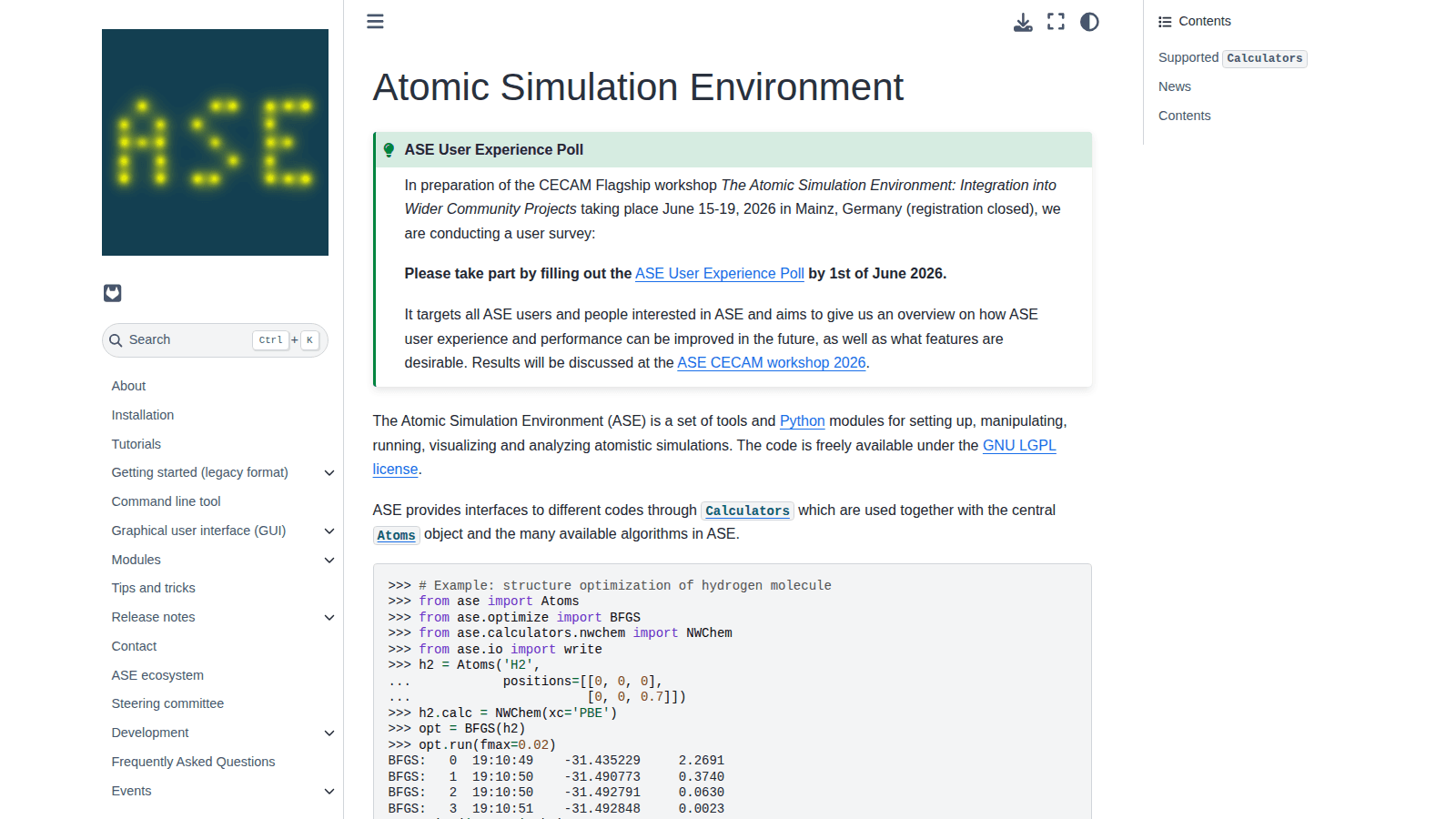
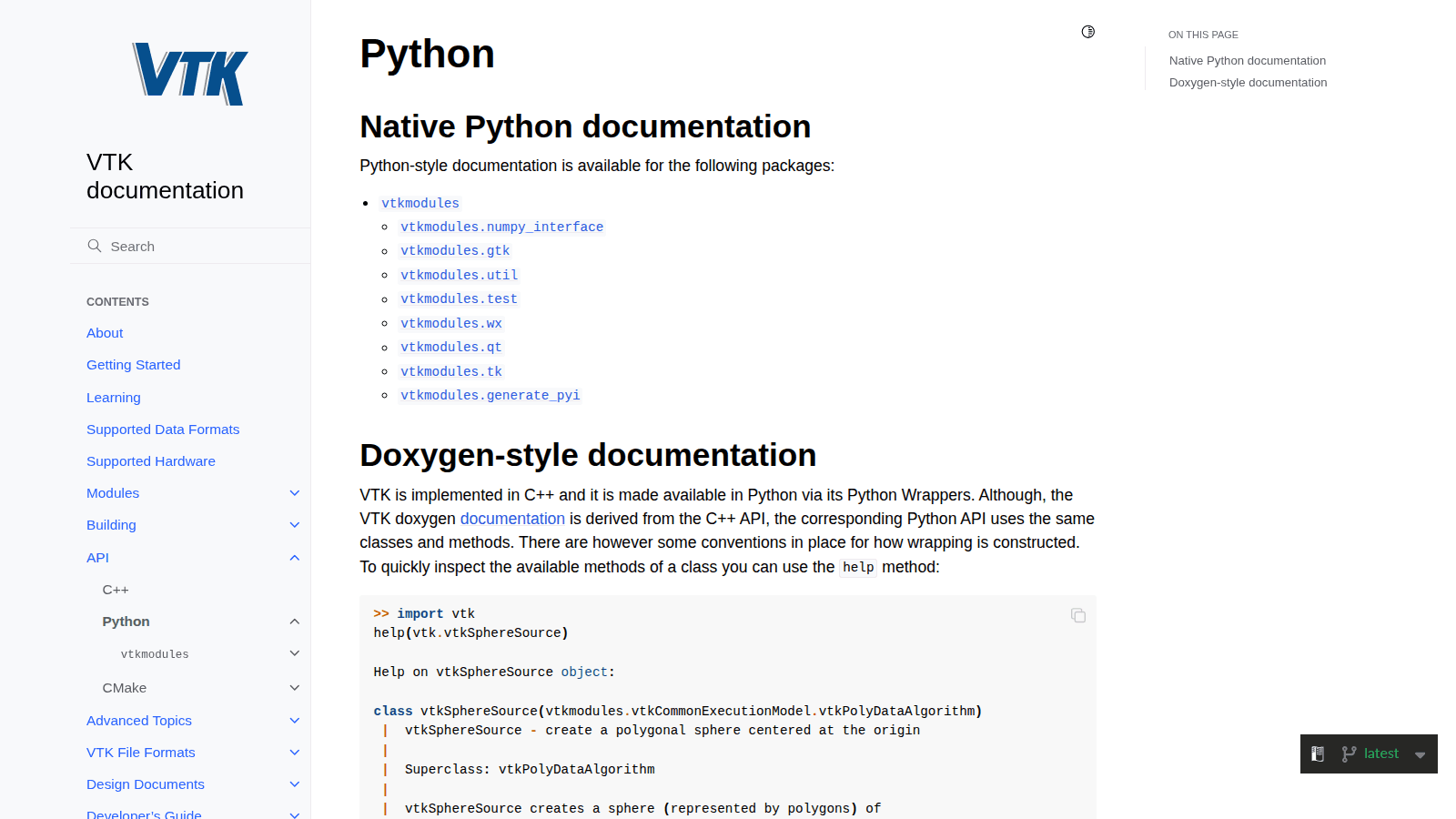
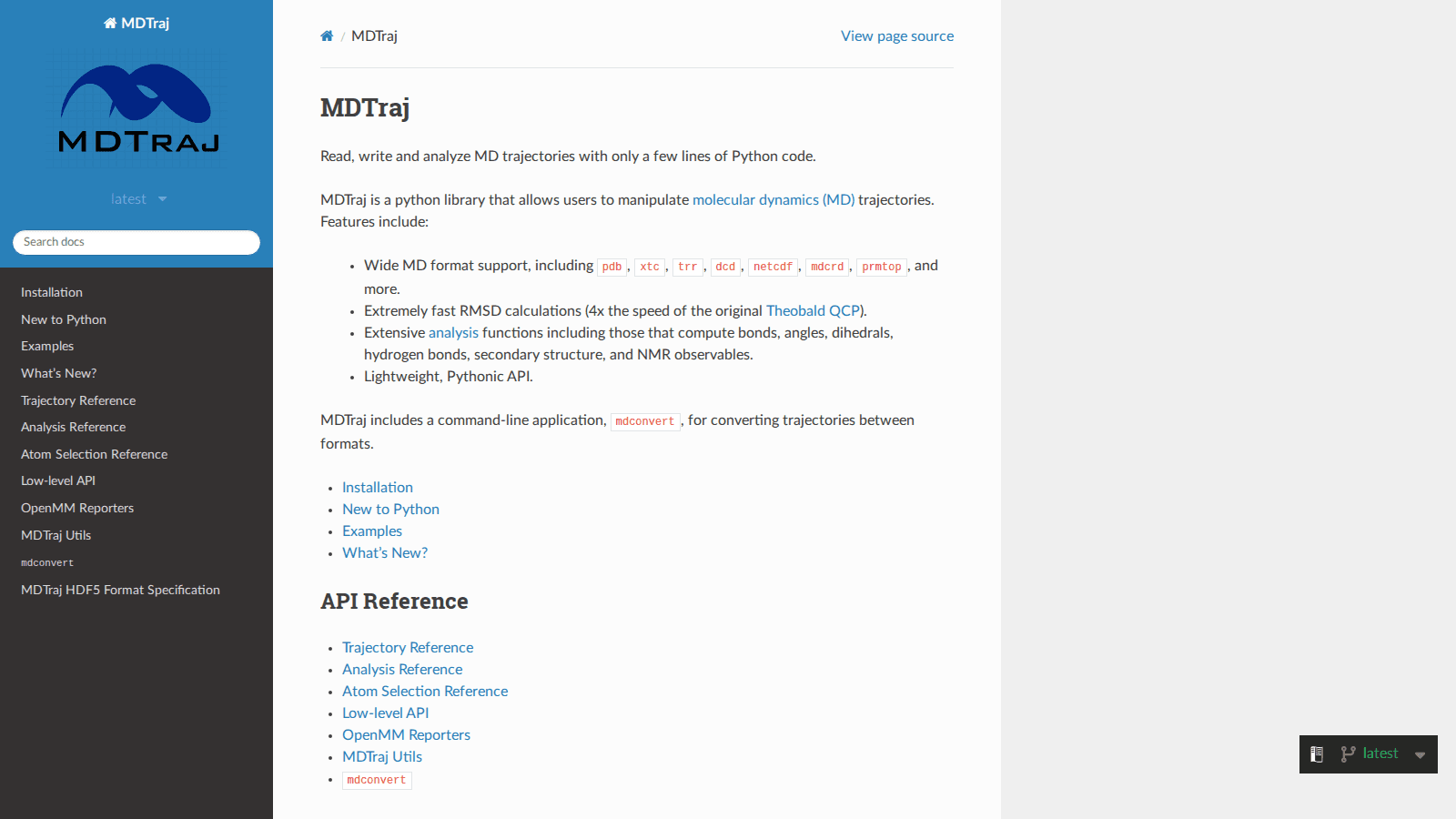
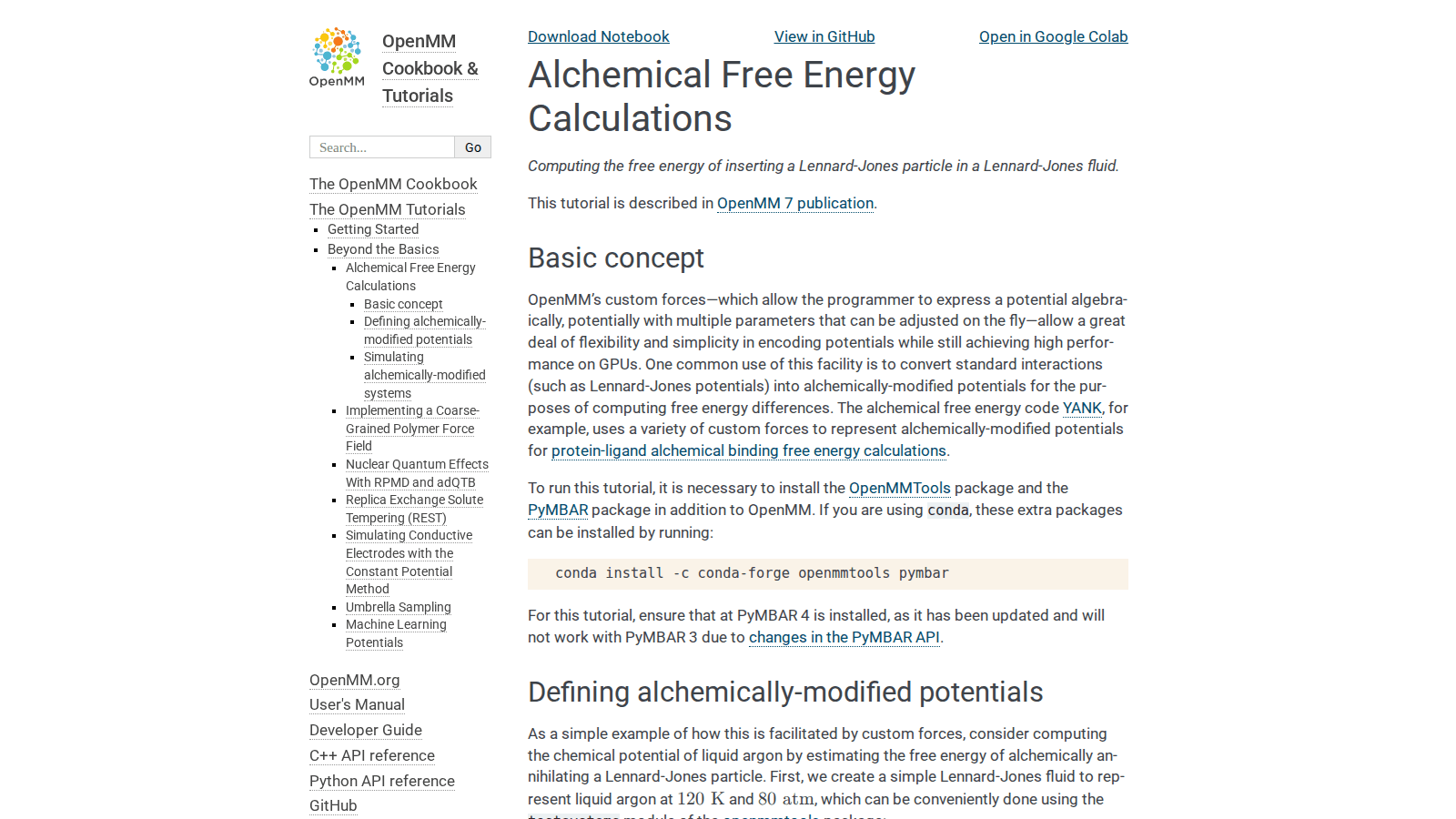
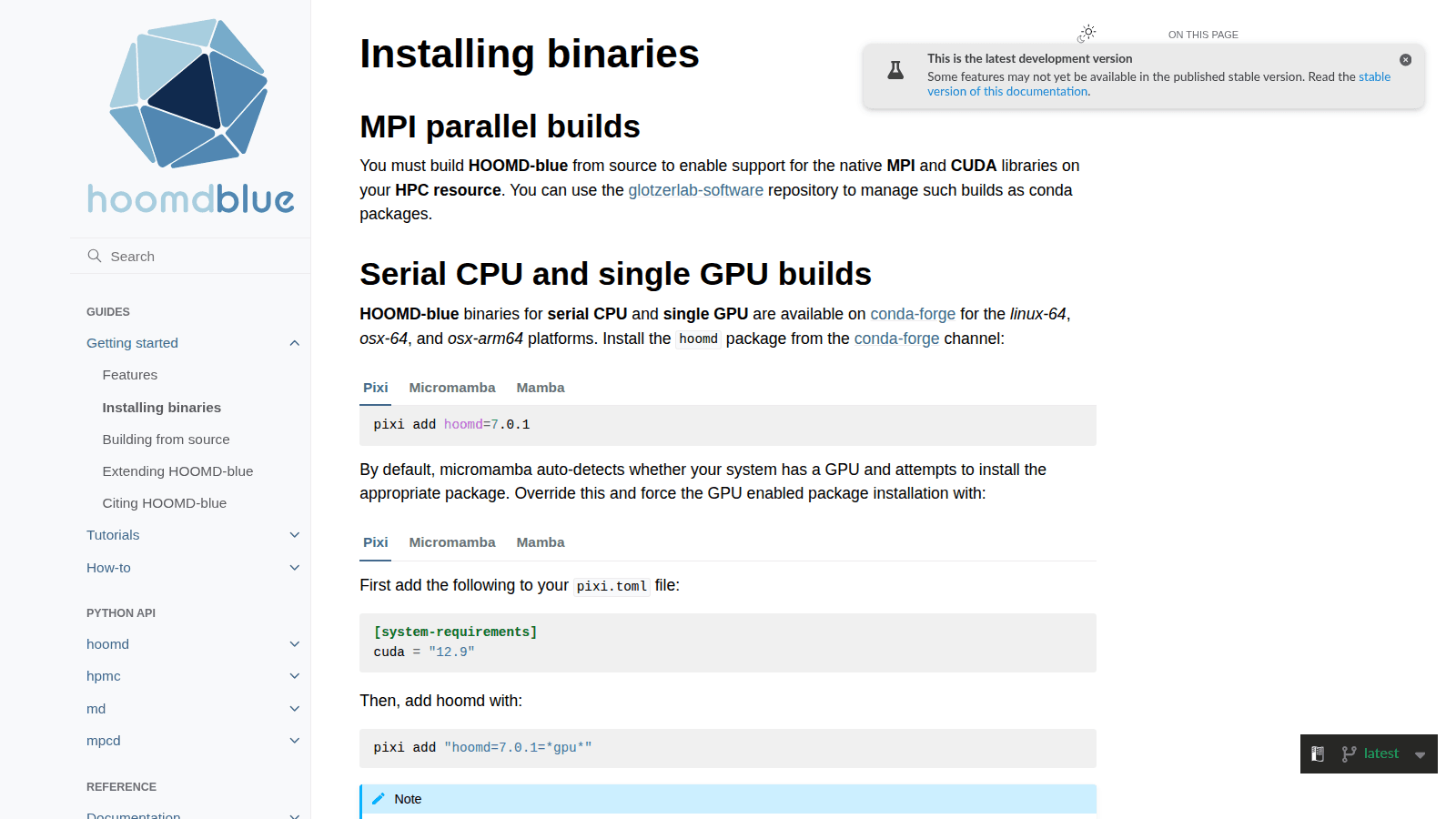
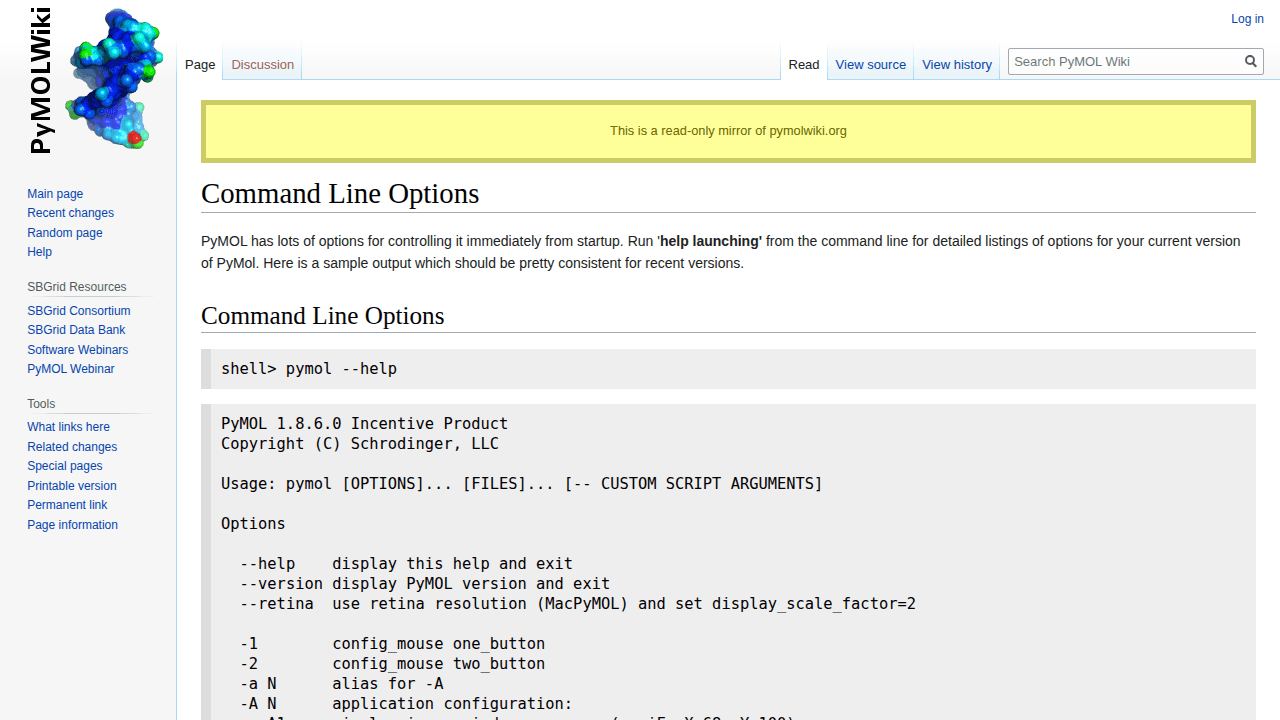
MDTraj and ASE documentation, VTK Python API references, HOOMD installation guidance, and PyMOL CLI options now provide a clearer execution lane from molecule/trajectory prep to simulation and visualization runtime choices.
The interface should keep this lane grouped with richer visuals so readers can move quickly from methodological claims into concrete environment and toolchain decisions.
May 16, 2026Evidence Methods6 sources
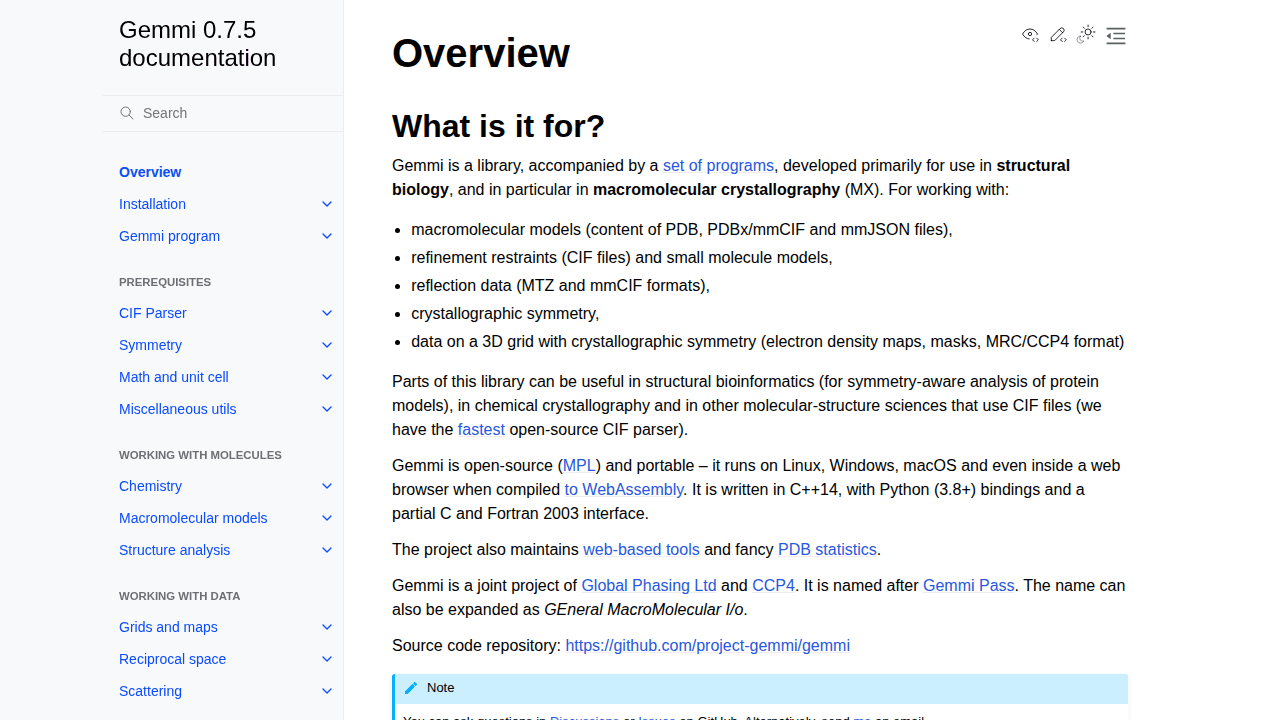
Structure-to-mesh workflows now have a clearer reproducible documentation bridge
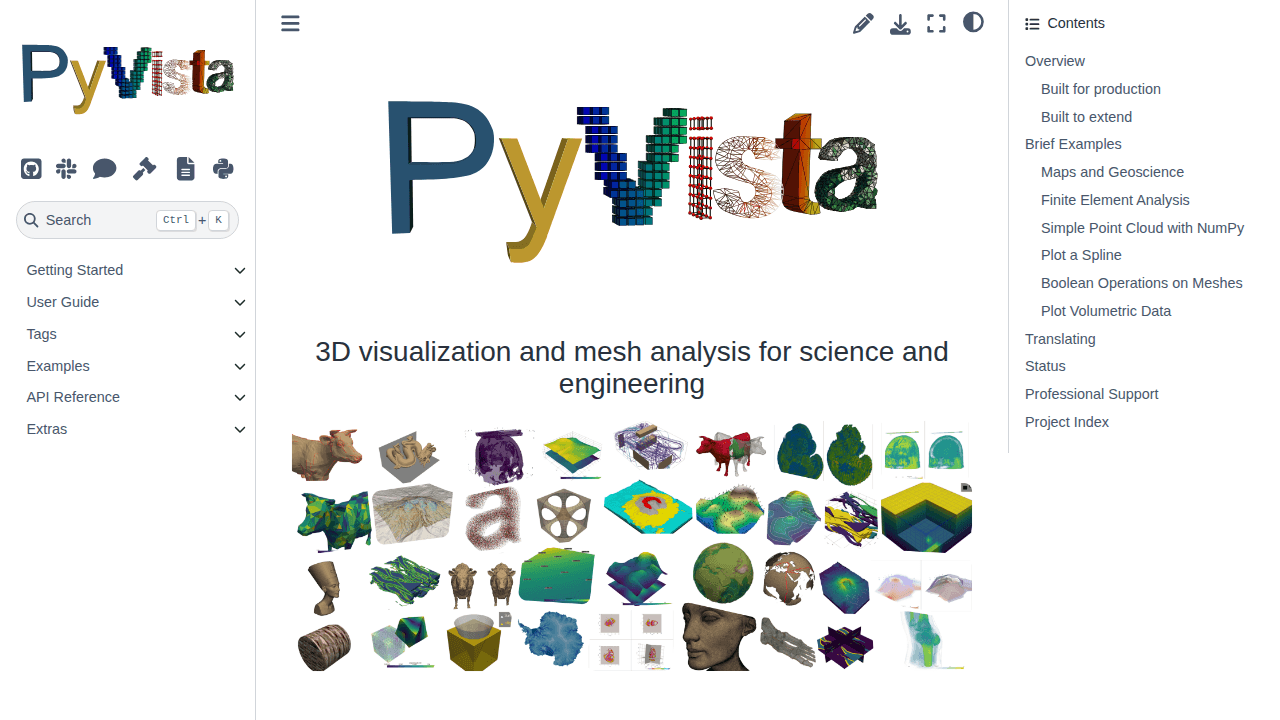
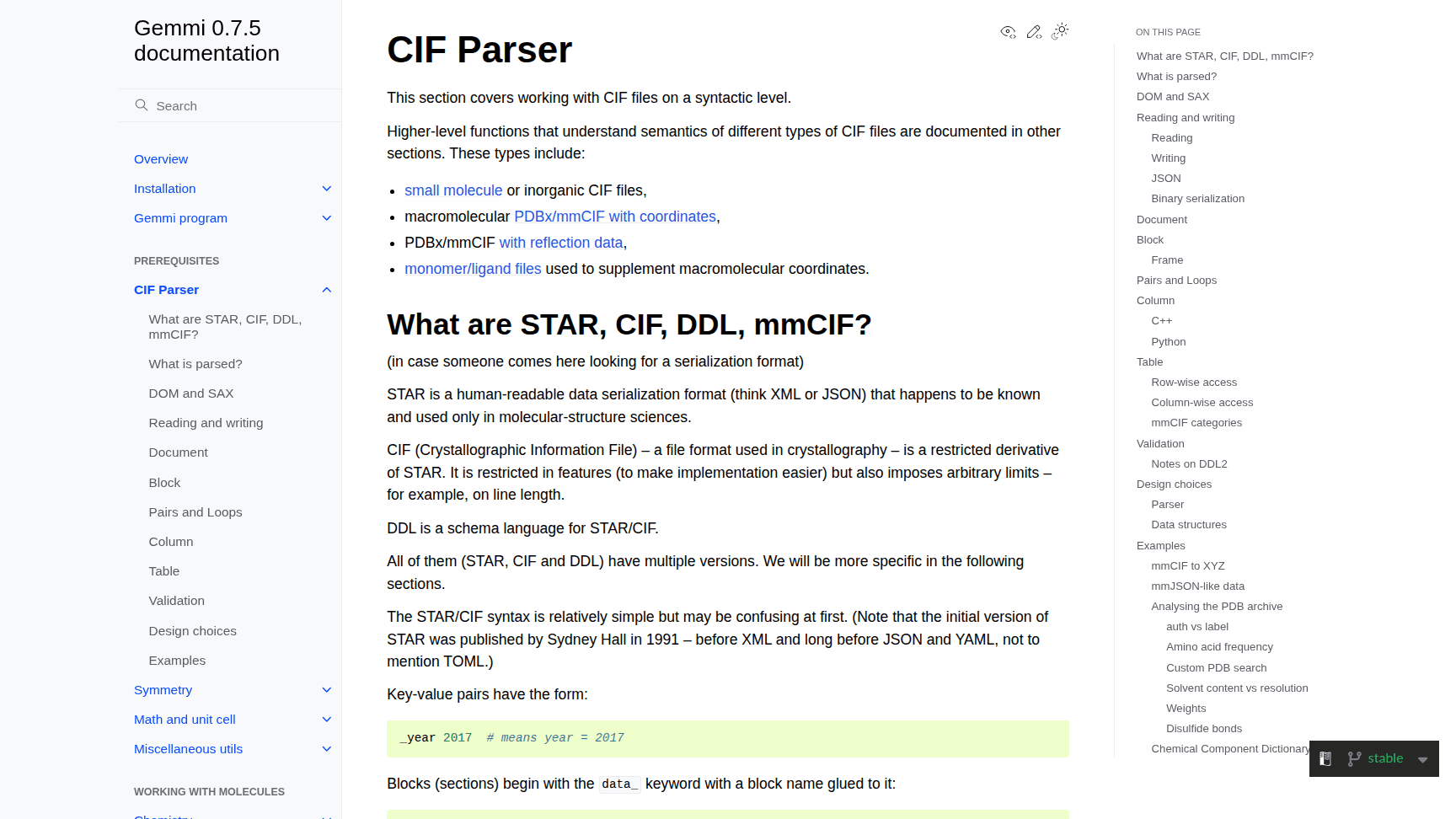
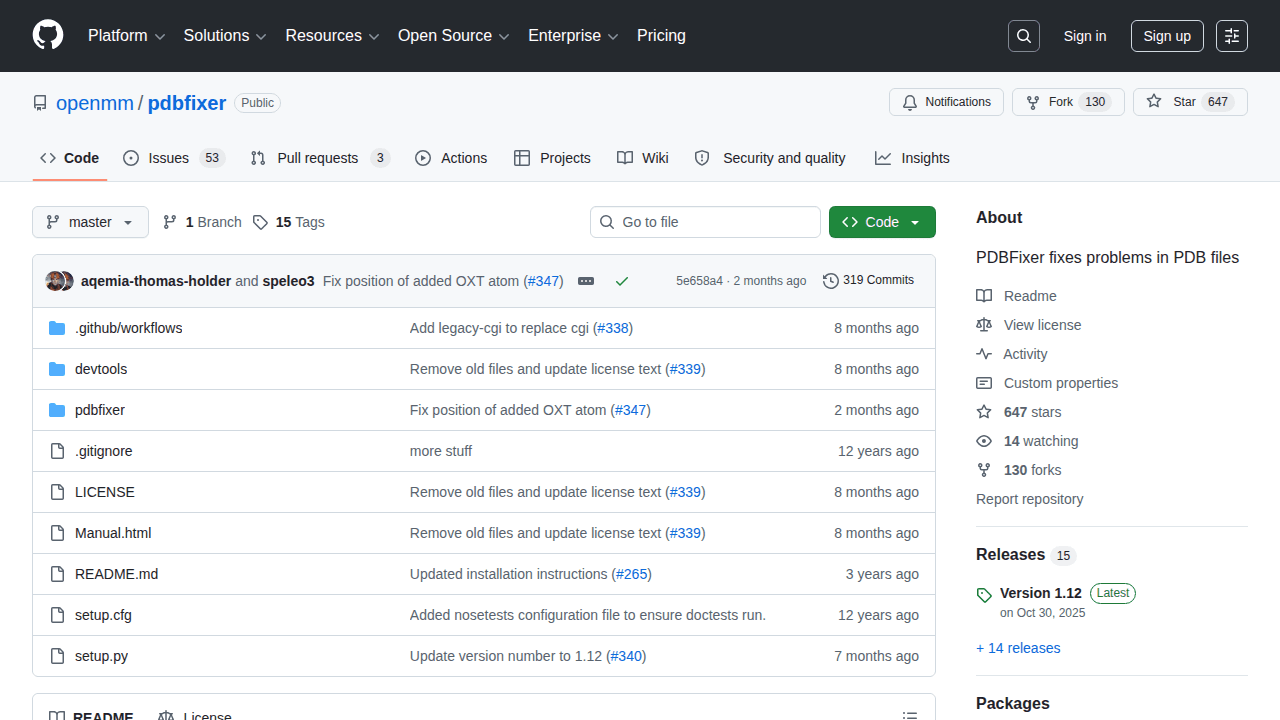
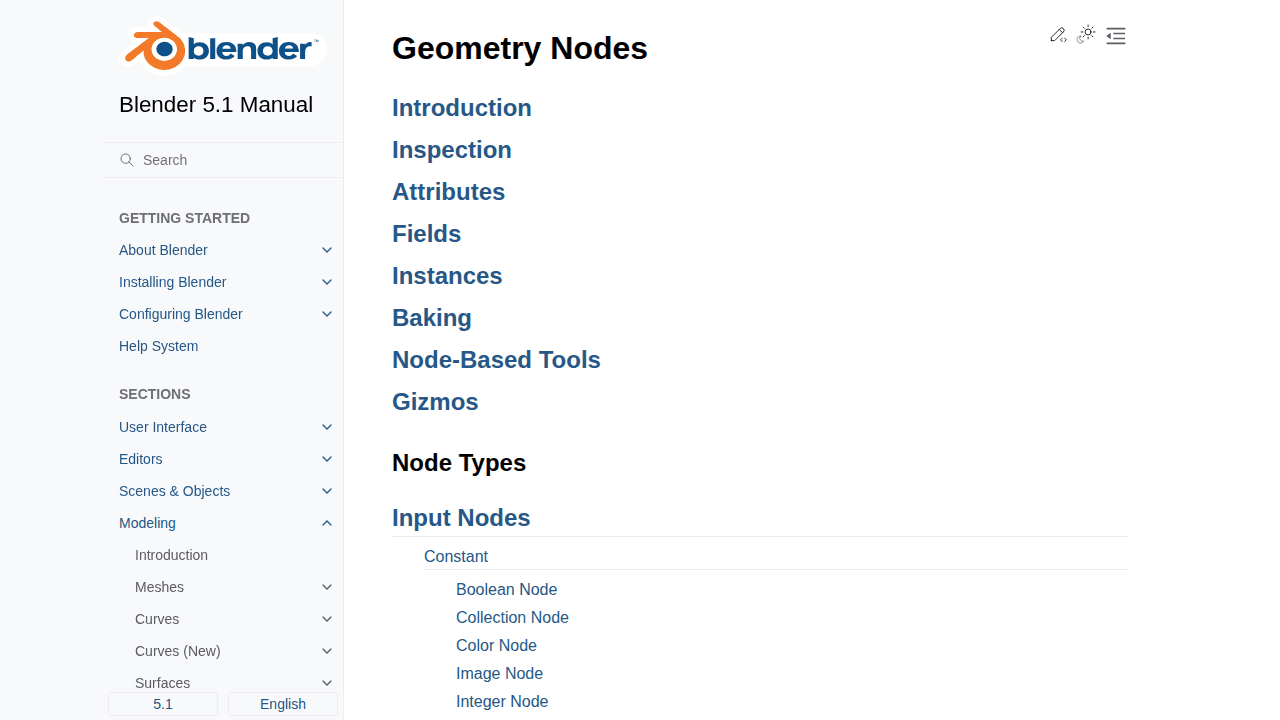
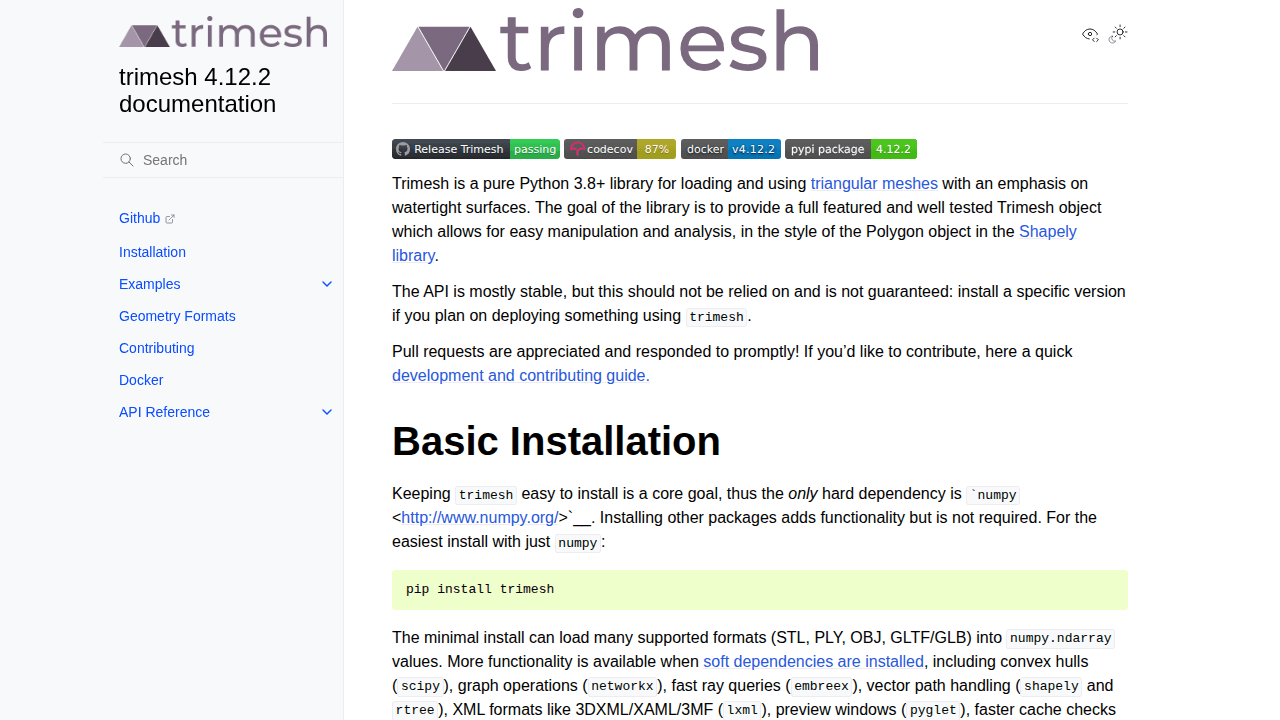
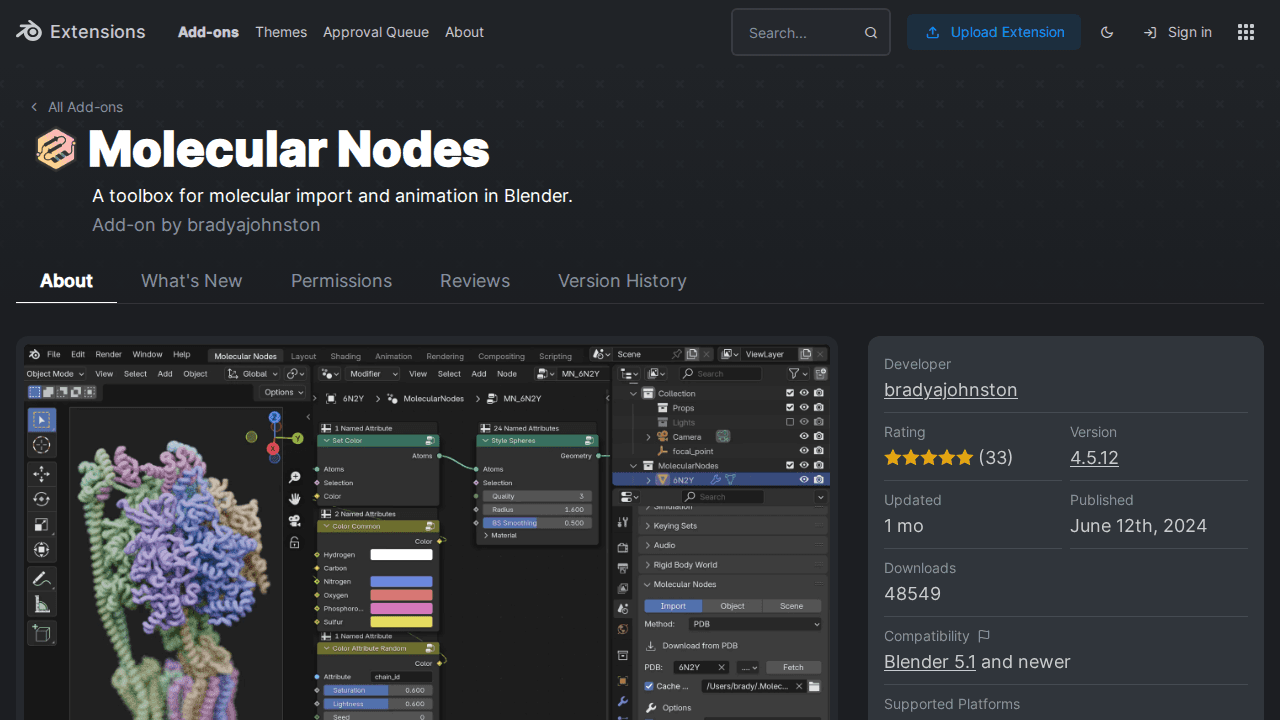
Gemmi and PDBFixer references now connect directly with PyVista and trimesh docs, plus Molecular Nodes and Blender Geometry Nodes manuals, making it easier to move from biological structure files to interactive and rendered 3D outputs.
The frontend should expose these conversion and visualization steps as a single lane so users can audit method transitions instead of reading disconnected tool pages.
May 16, 2026Evidence Methods5 sources
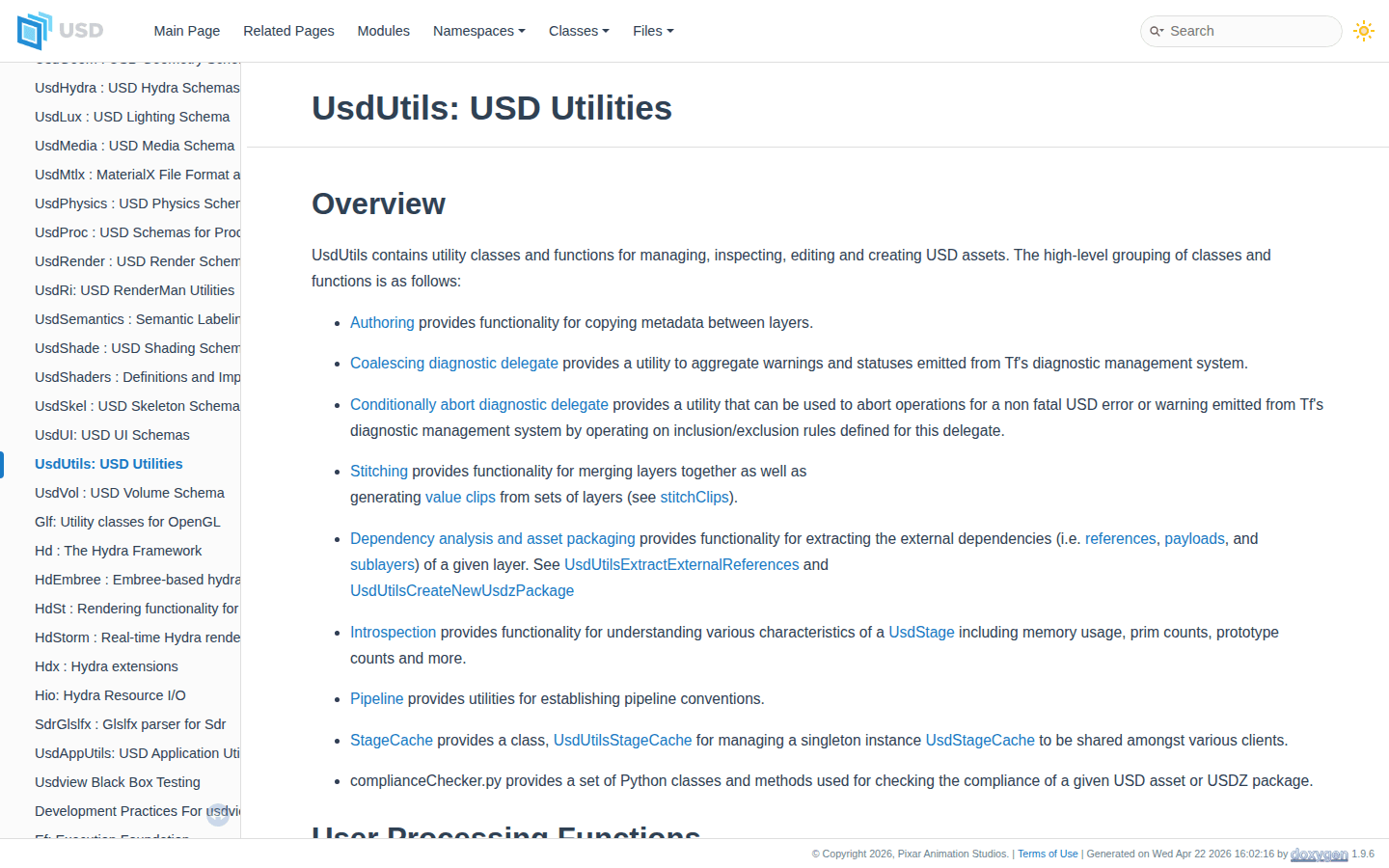
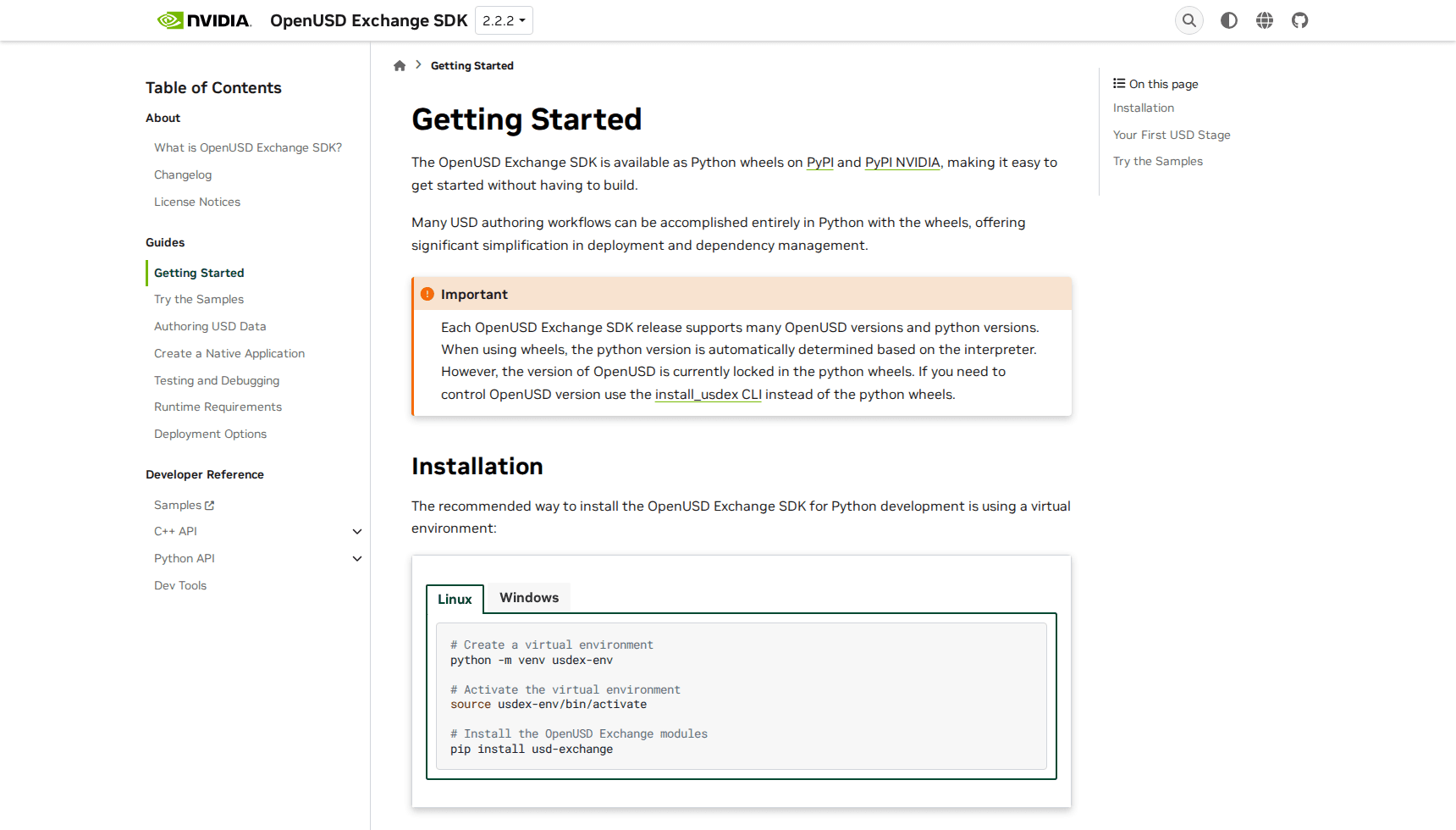
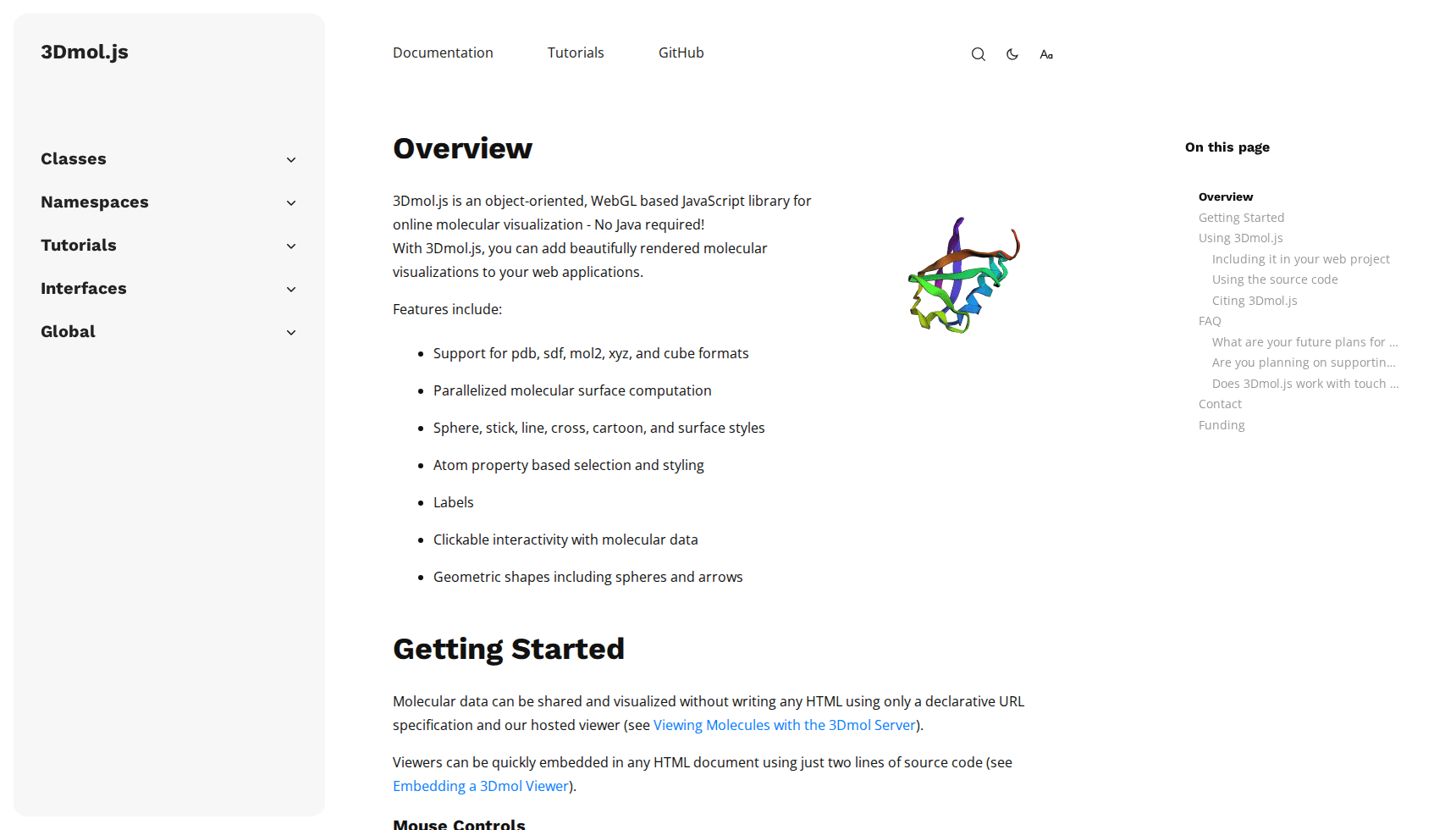
OpenUSD exchange docs and wwPDB mmCIF transition guidance now form a clearer interop lane
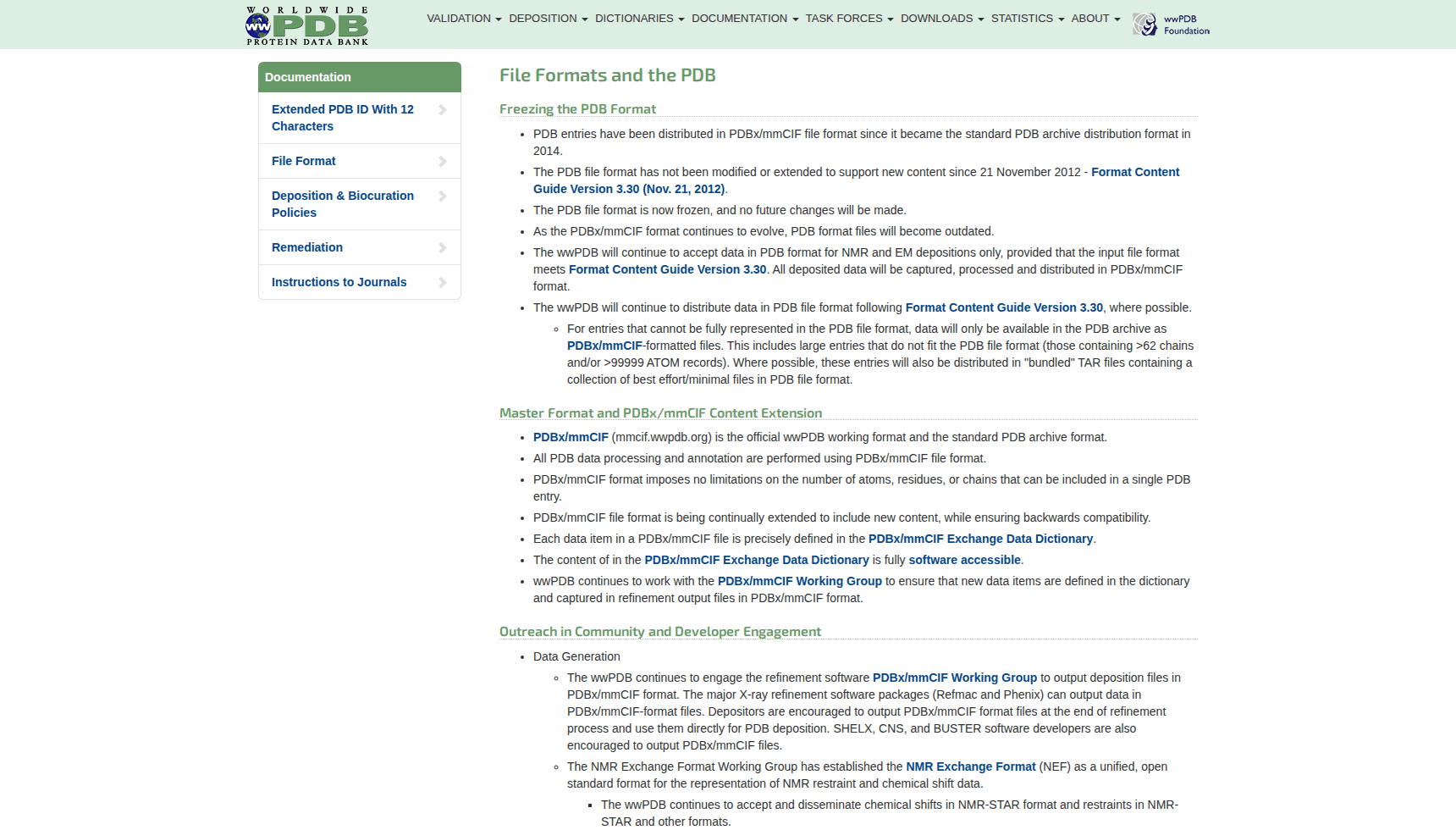
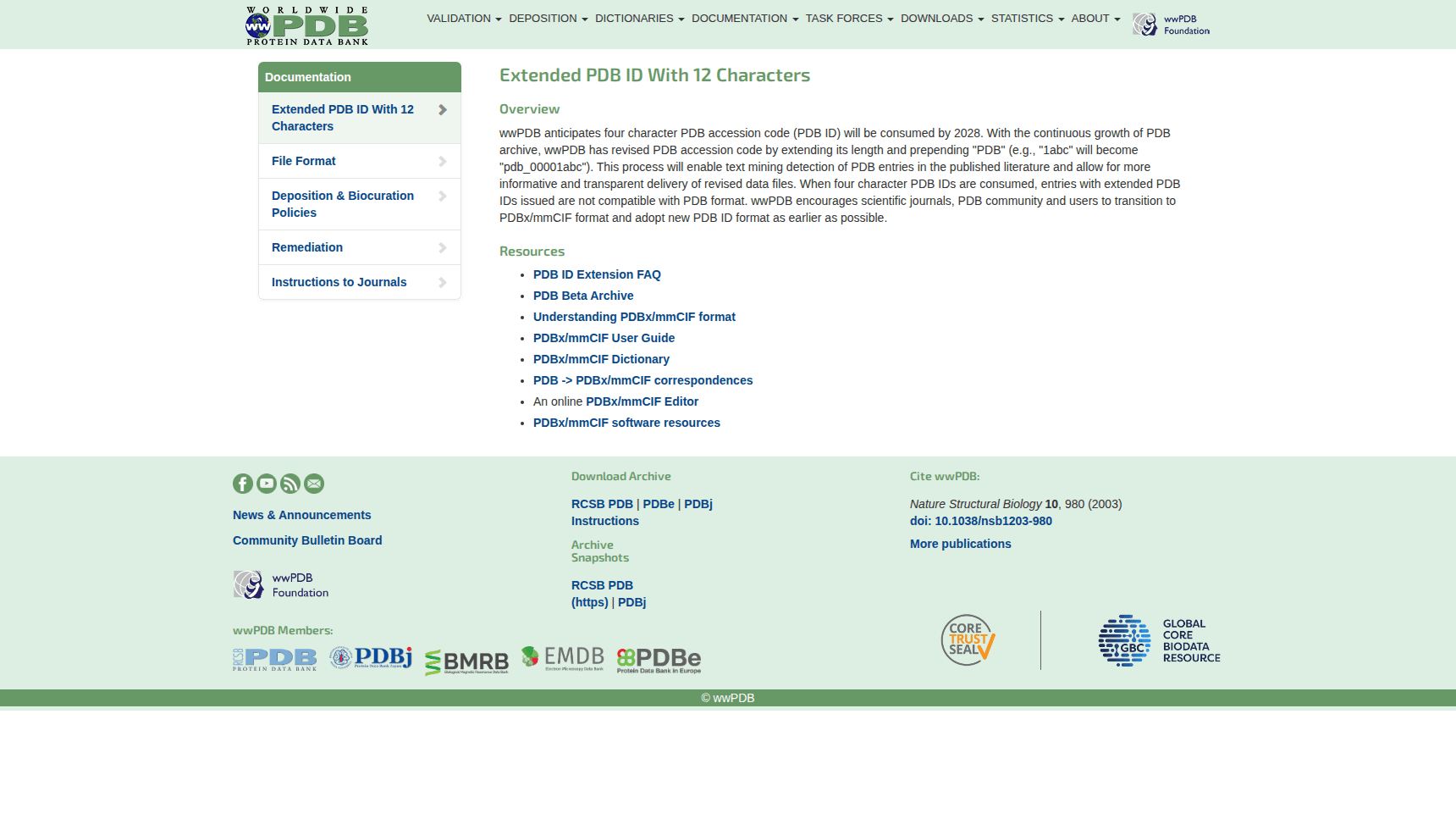
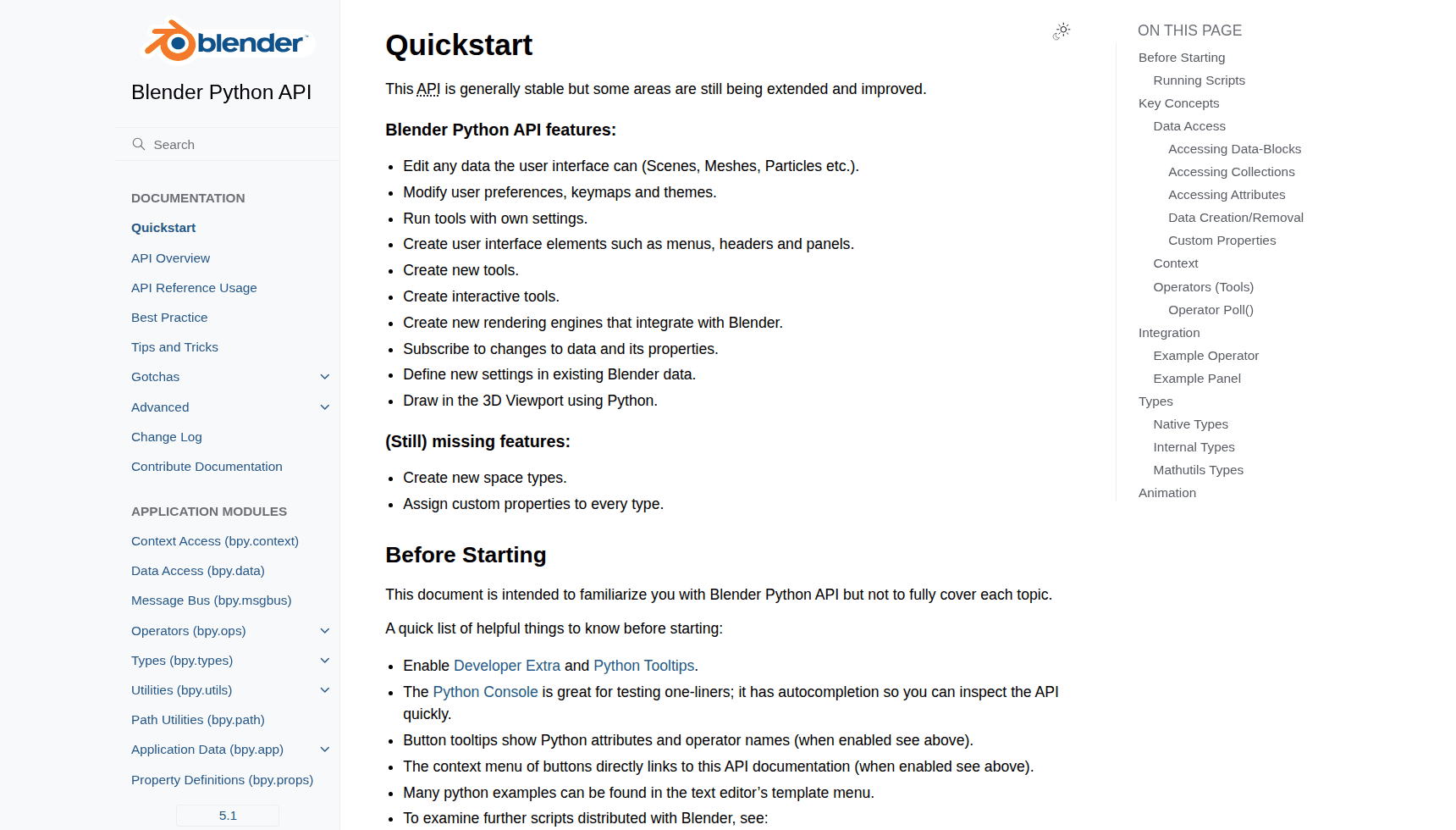
OpenUSD Exchange SDK setup guidance, Blender Python quickstart references, 3Dmol.js documentation, and wwPDB format-transition pages now give a more explicit bridge from structural-data standards into web and DCC visualization workflows.
The frontend should keep this interoperability lane grouped and searchable so users can inspect standards, runtime setup, and visualization surfaces in one place.
May 16, 2026Evidence Methods5 sources
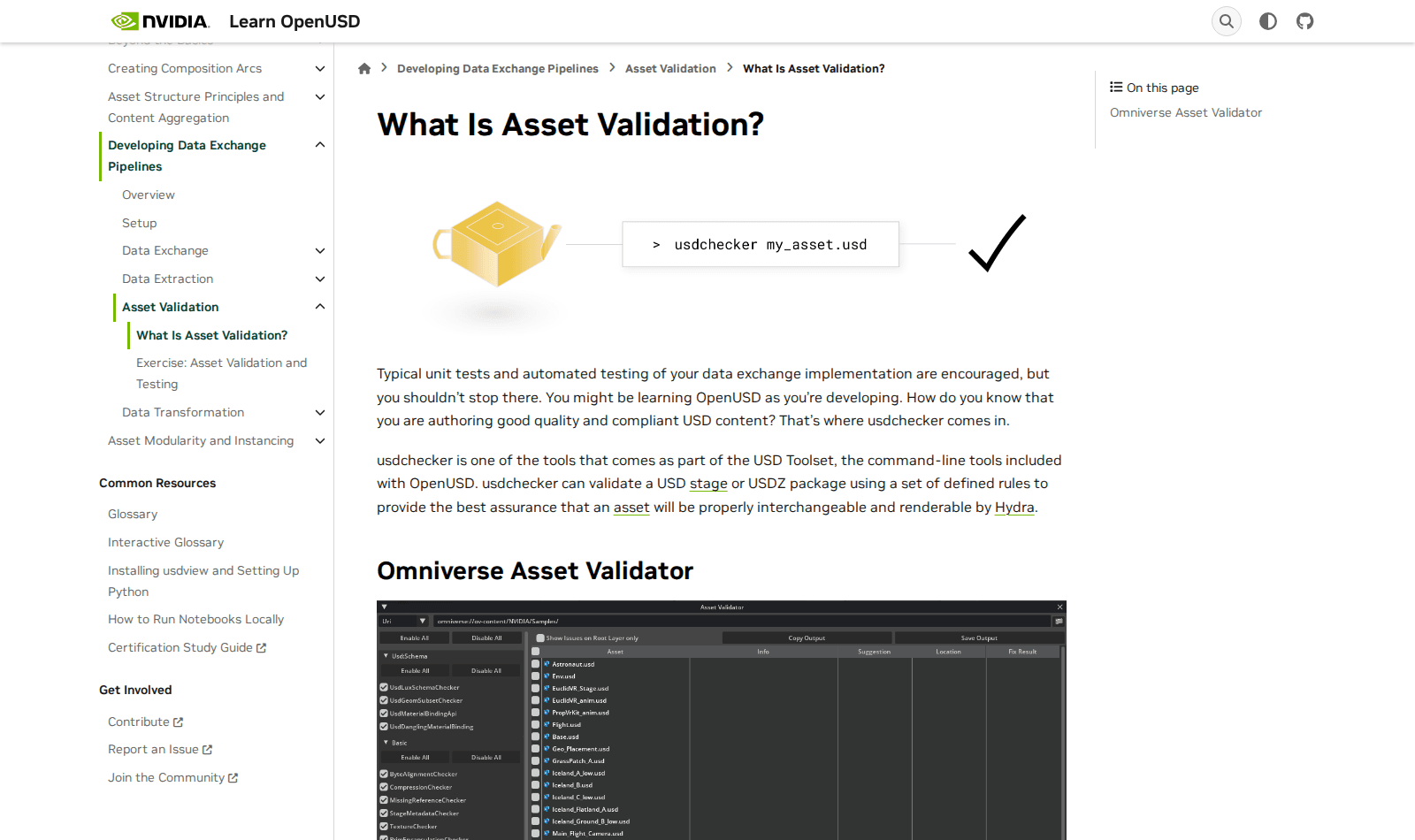
USD validation and runtime-gate docs now make pre-publication quality checks more explicit
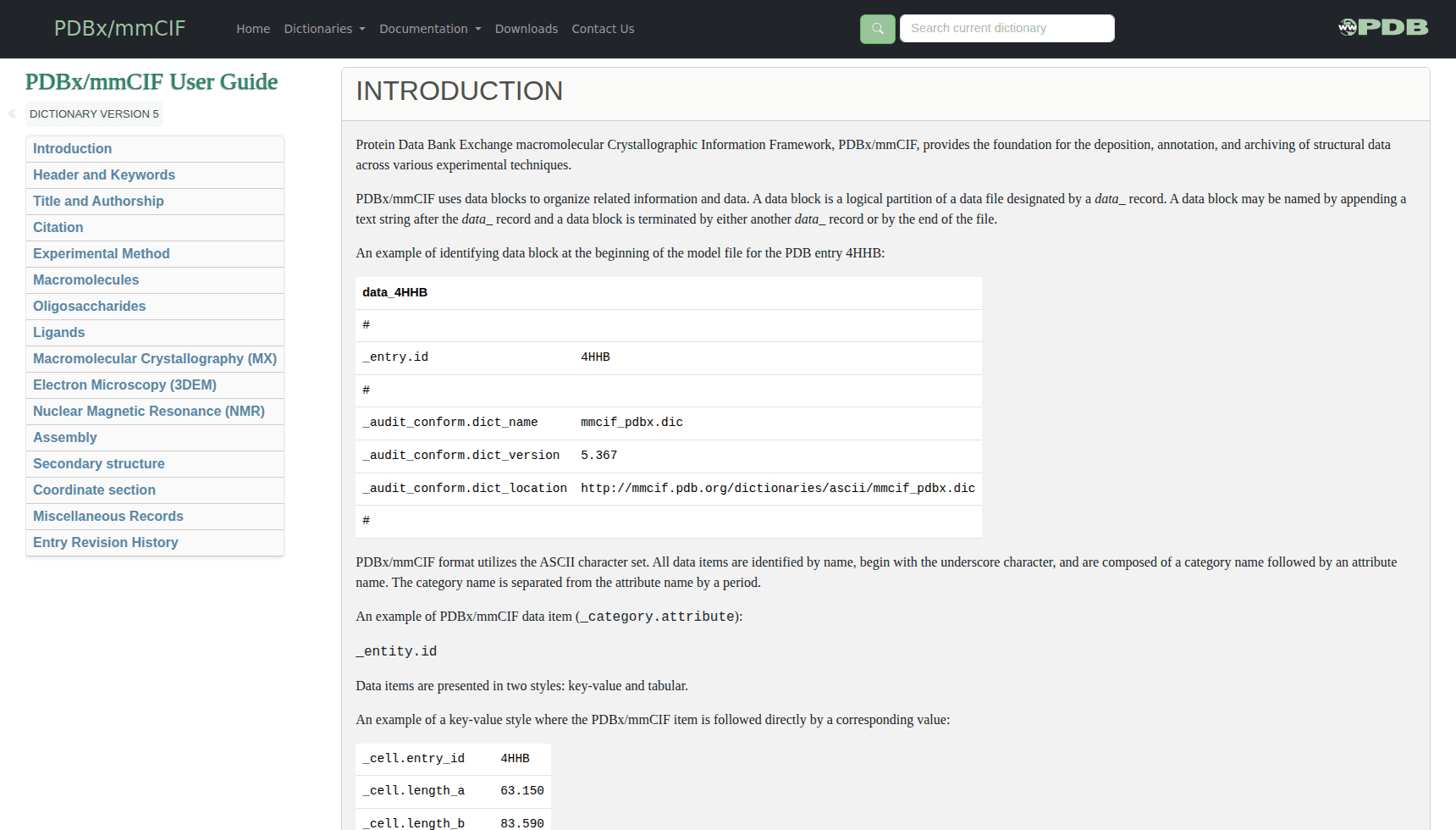
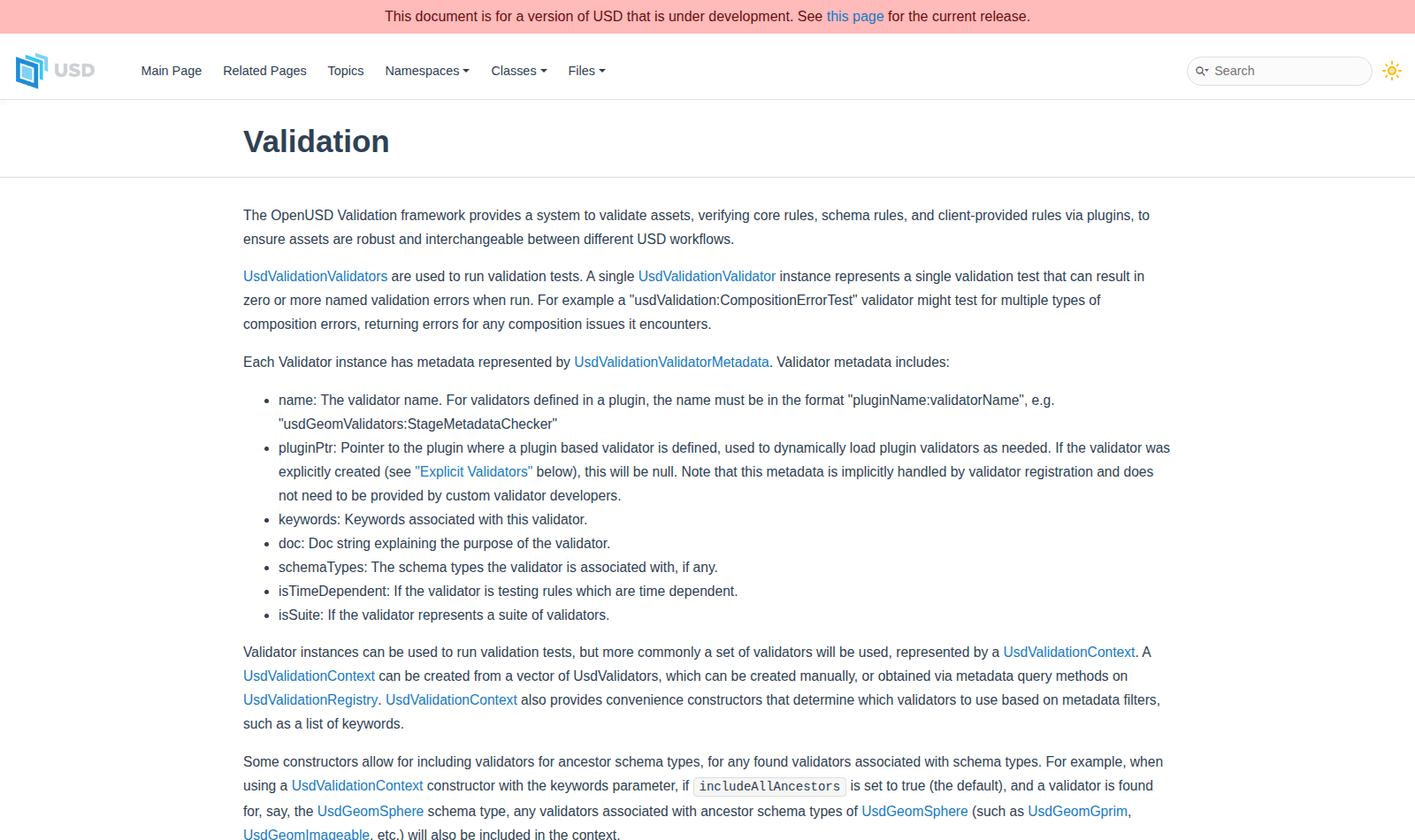
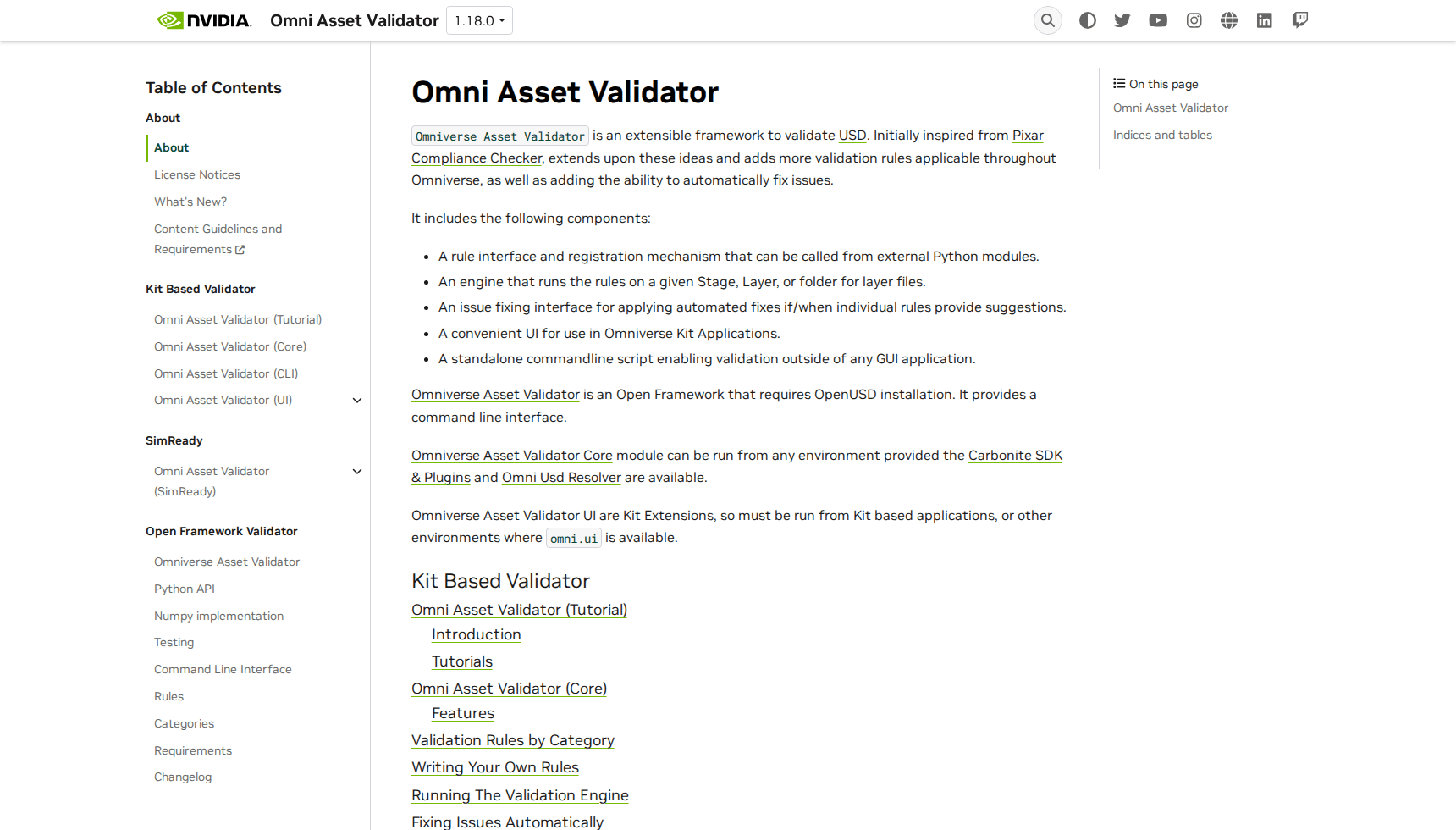
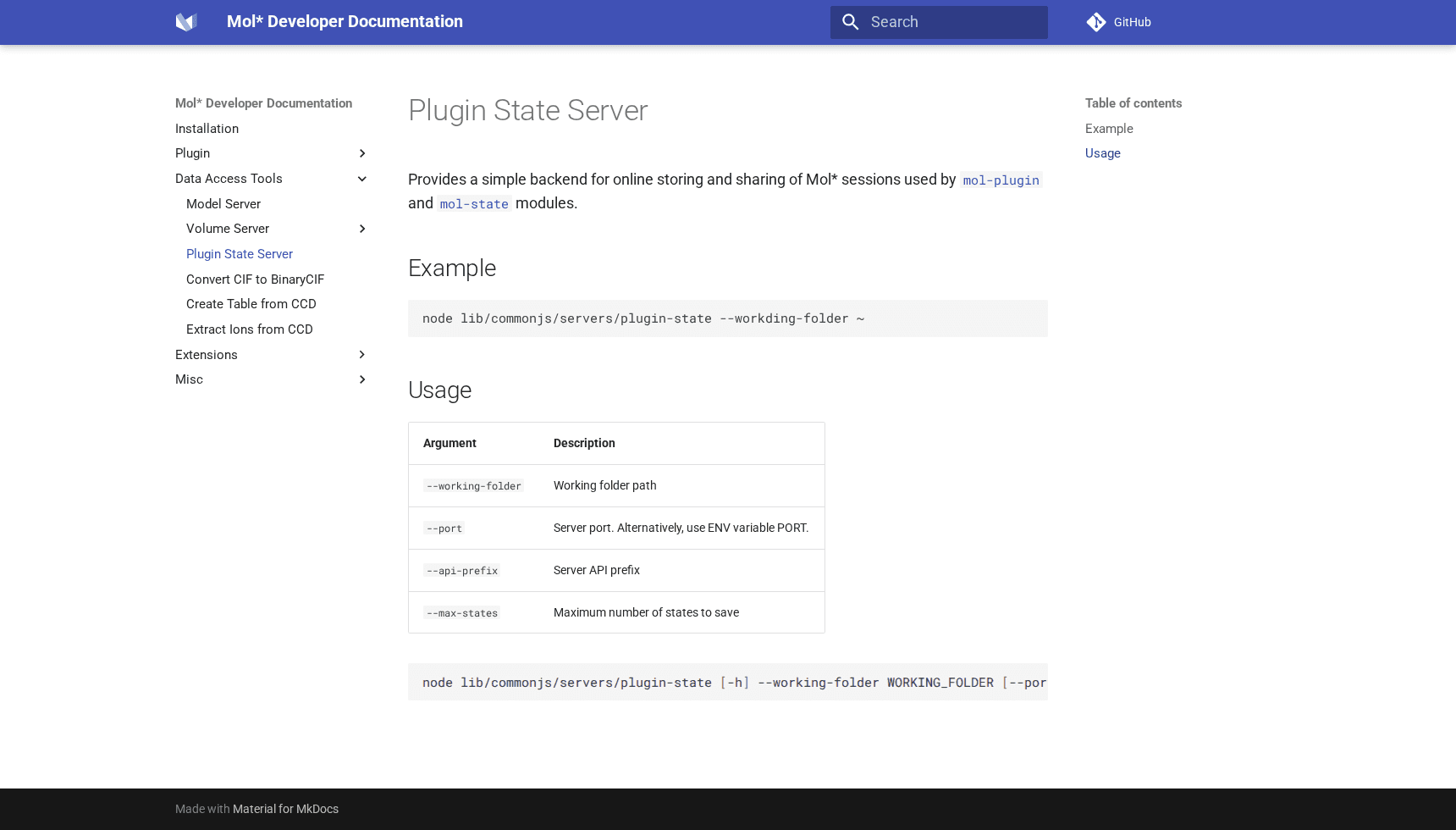
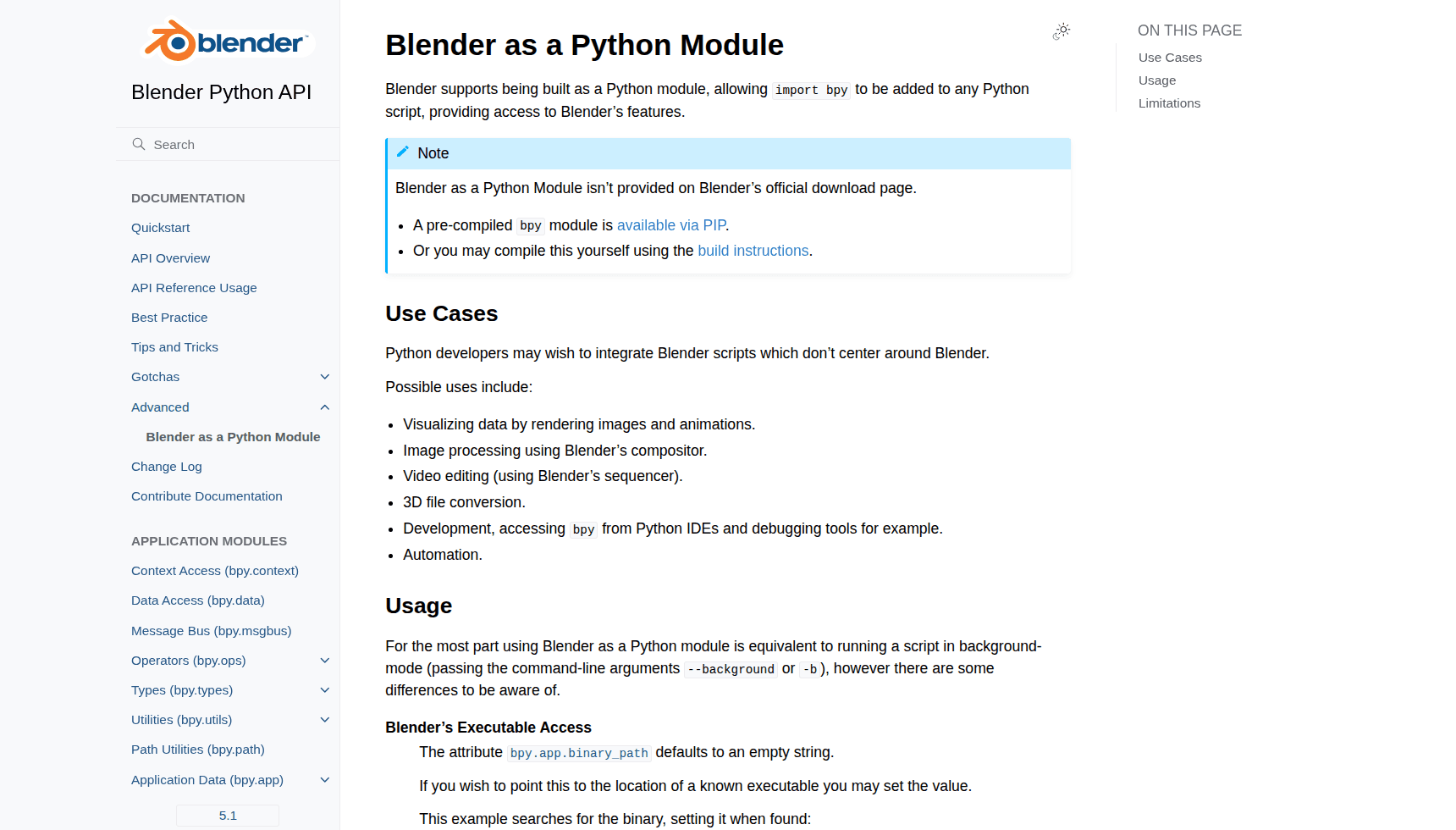
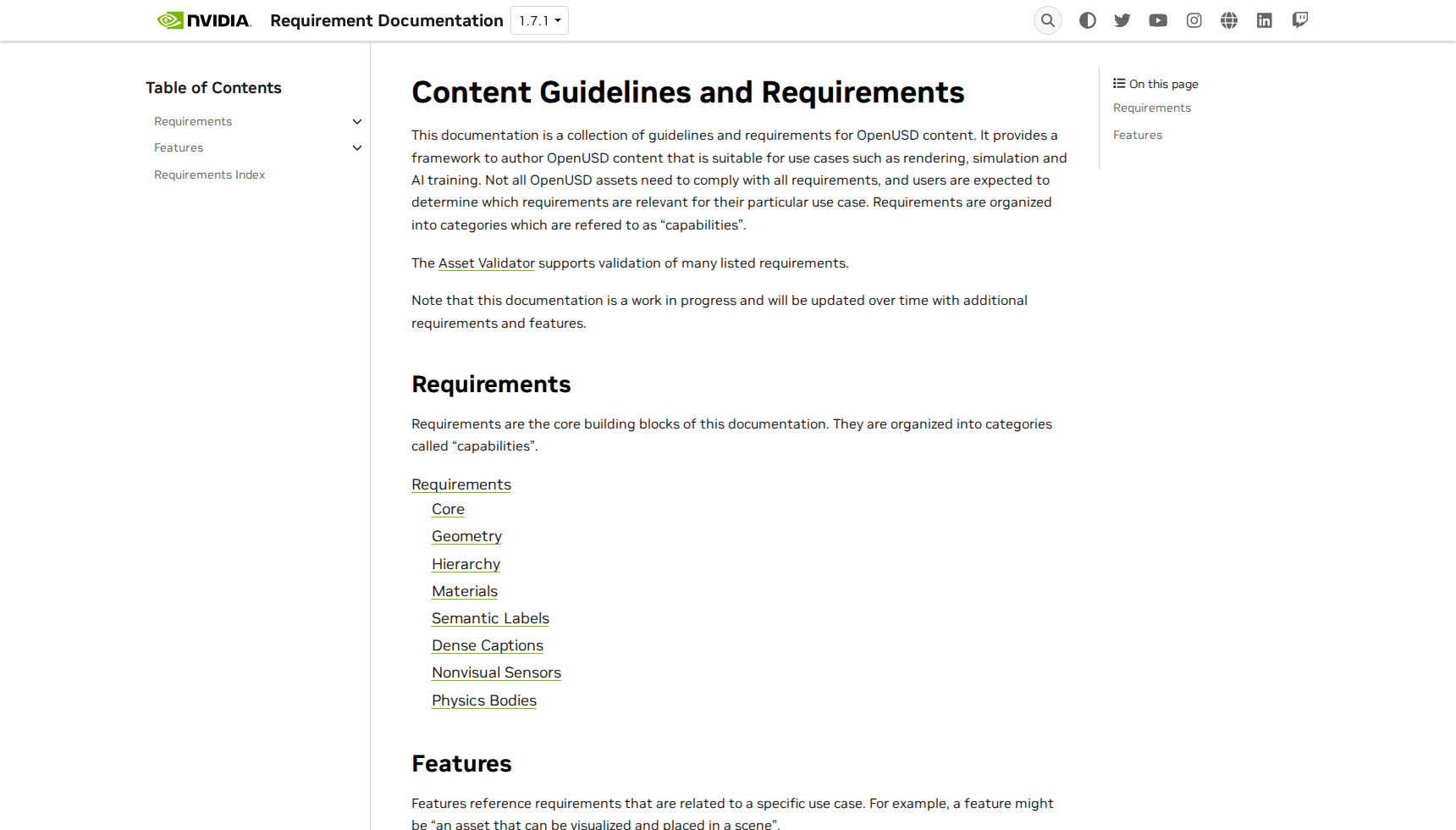
Omni Asset Validator and OpenUSD requirement docs now pair with Mol* state-server, Blender-as-bpy, and wwPDB mmCIF user guidance to define a clearer quality gate before sharing structure-driven 3D outputs.
The frontend should expose this as an explicit operations lane so users can inspect validation rules, runtime constraints, and serving mechanics before trusting published outputs.
May 16, 2026Evidence Methods5 sources
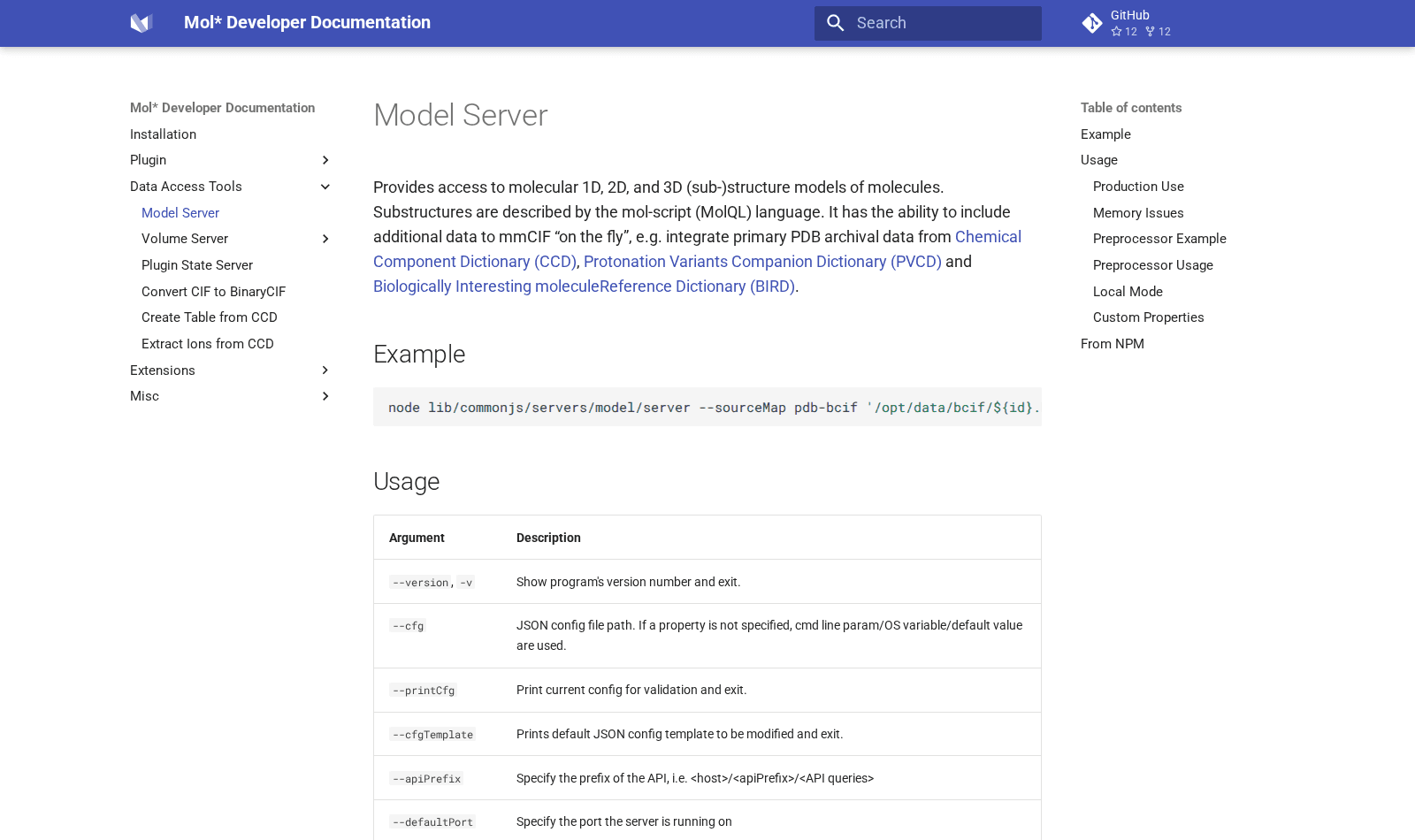
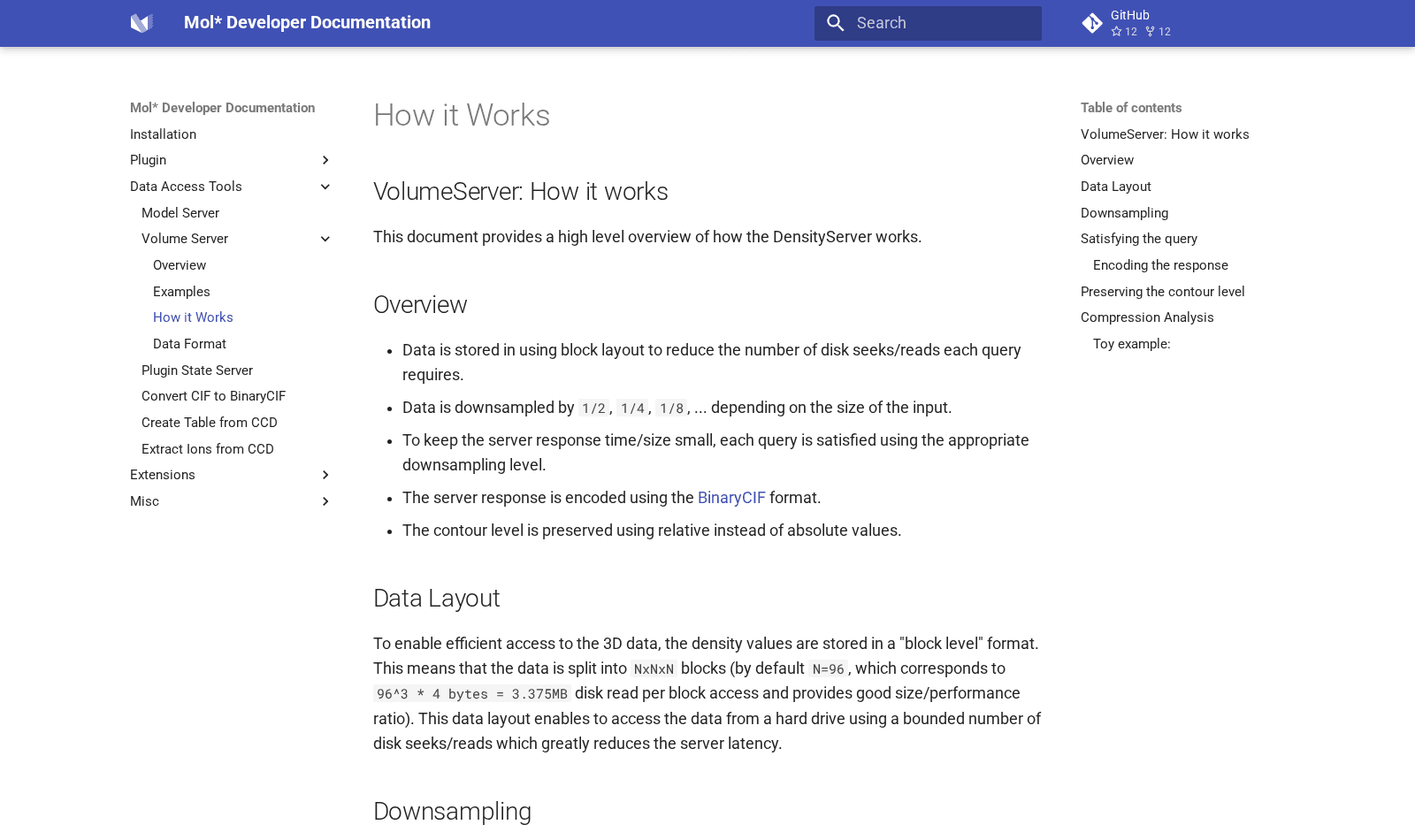
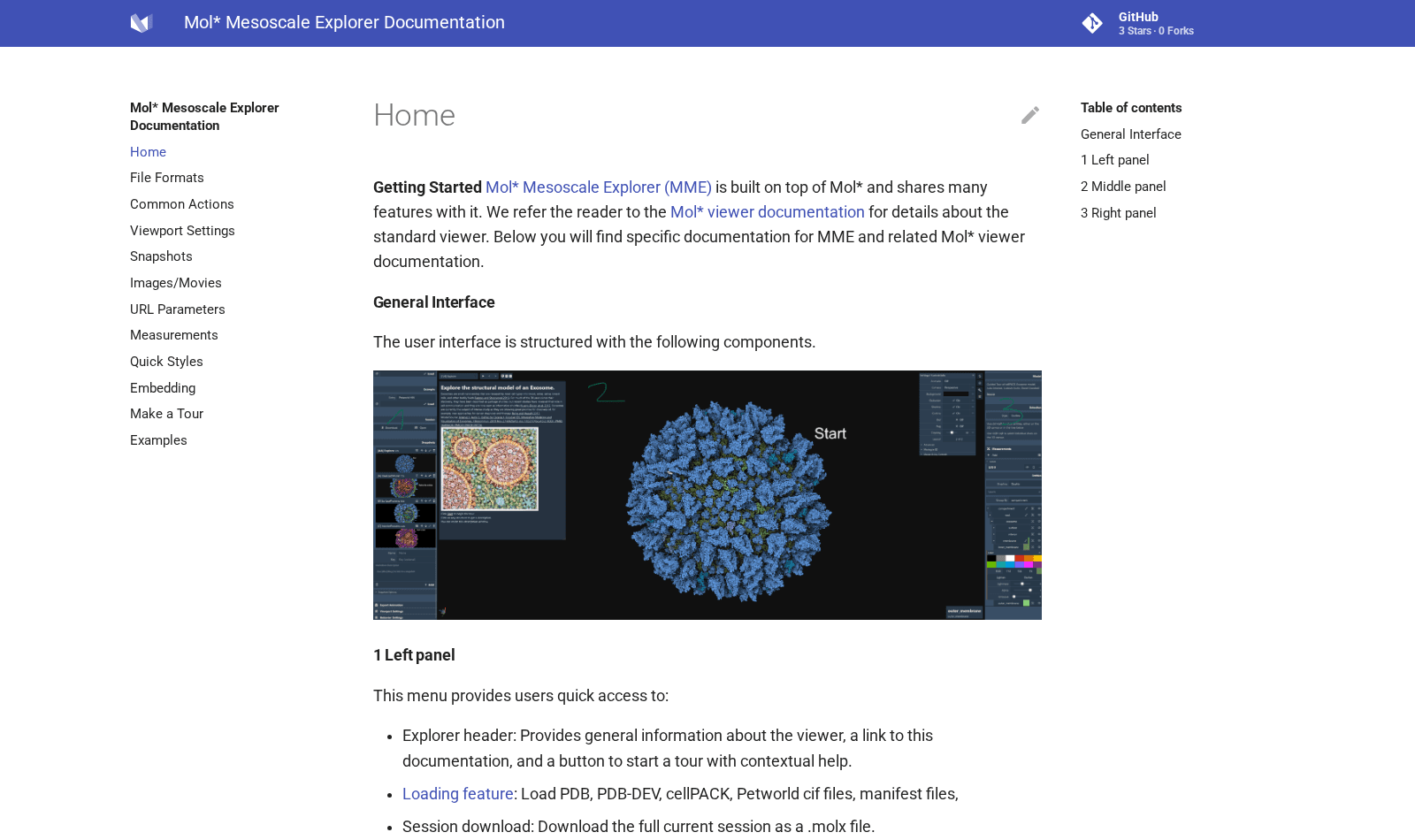
USDZ packaging and Mol* serving docs now define a clearer delivery path for large molecular scenes
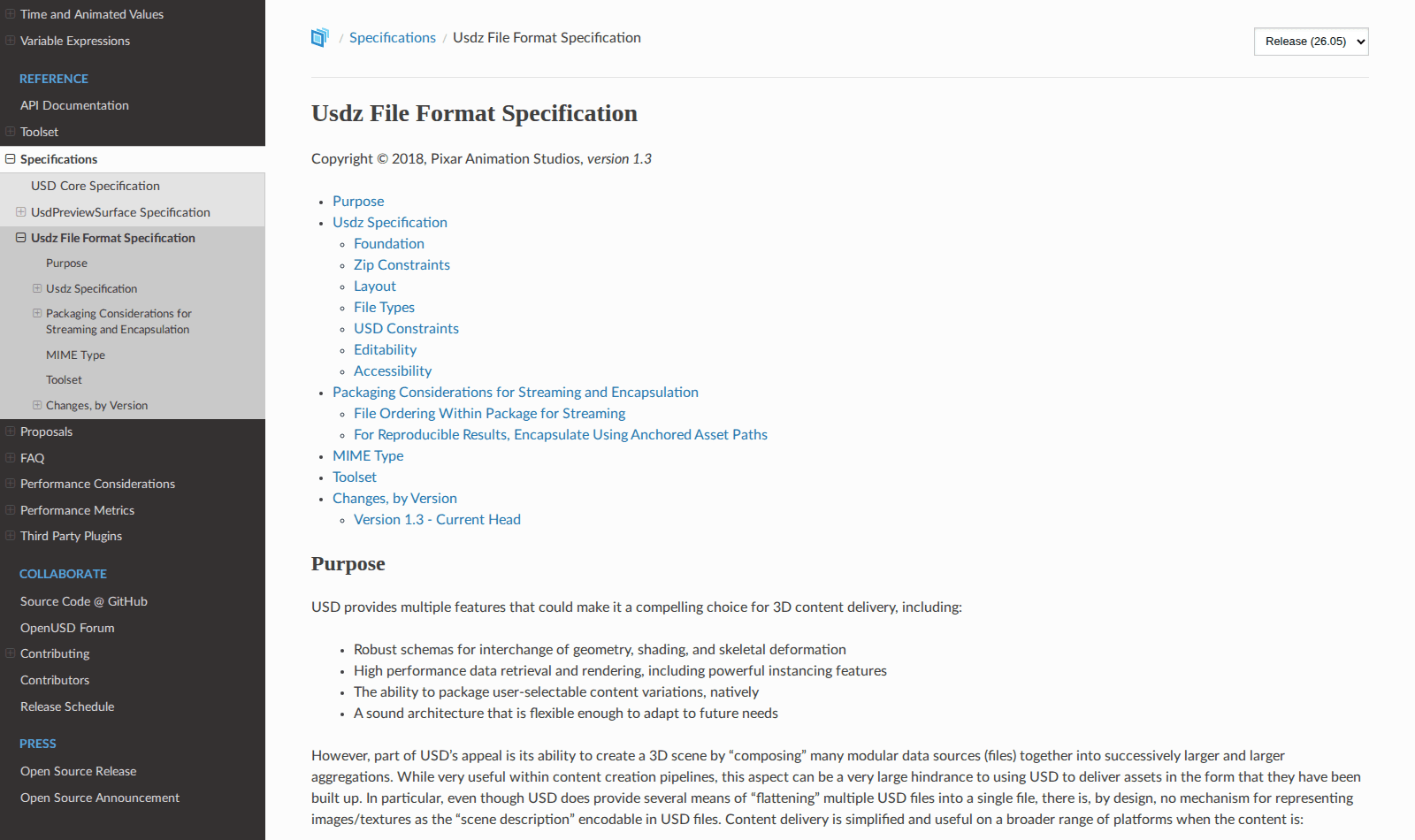
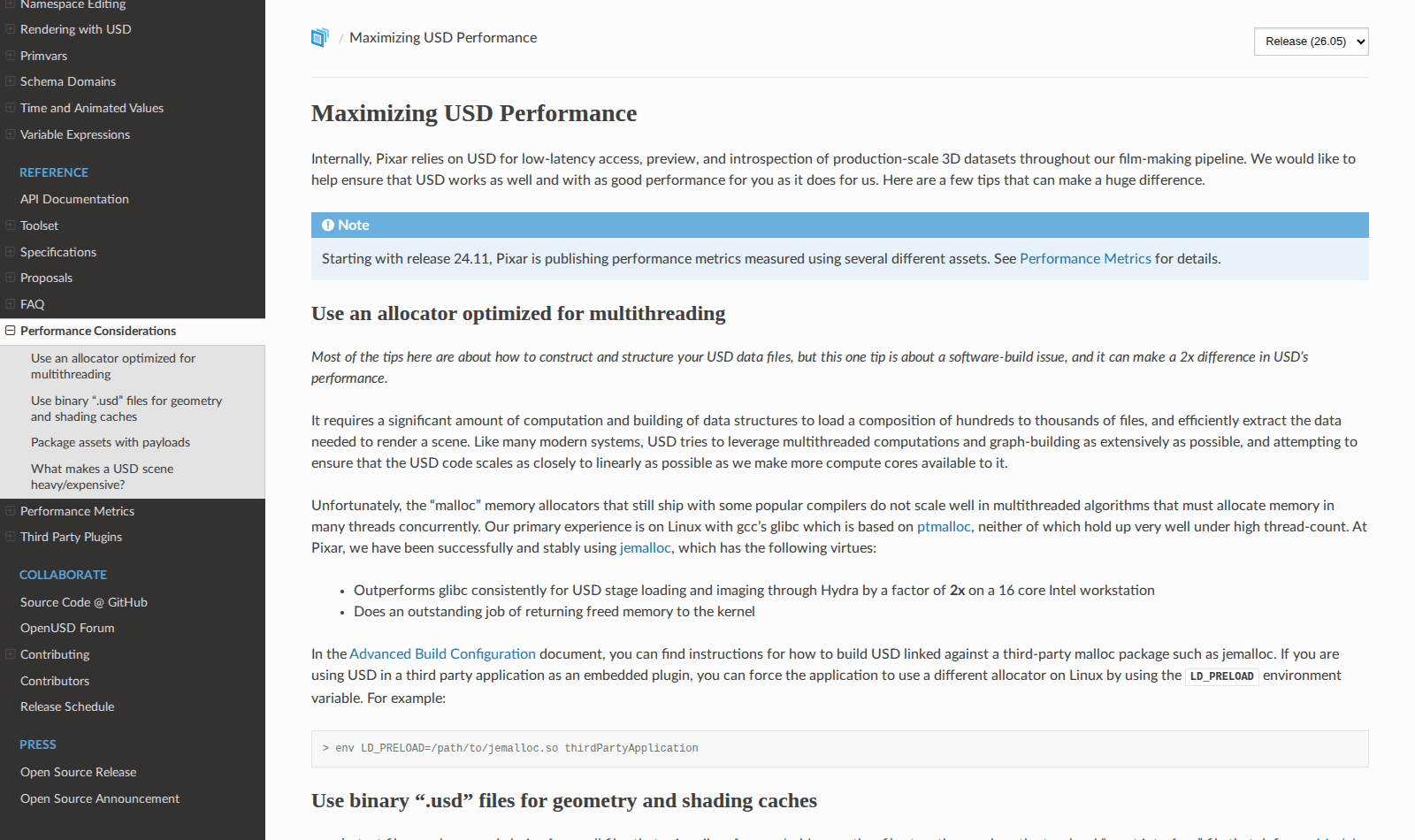
OpenUSD USDZ specification and performance guidance now pair with Mol* model-server, volume-server, and Mesoscale docs to expose concrete packaging, downsampling, and query-serving assumptions before publishing interactive molecular scenes.
The frontend should surface this as a delivery lane so users can inspect packaging rules, performance constraints, and server-side molecule-delivery mechanics in one flow.
May 16, 2026Evidence Methods5 sources
Validation-framework, USDHook, and PDBe API docs now define a clearer extension lane
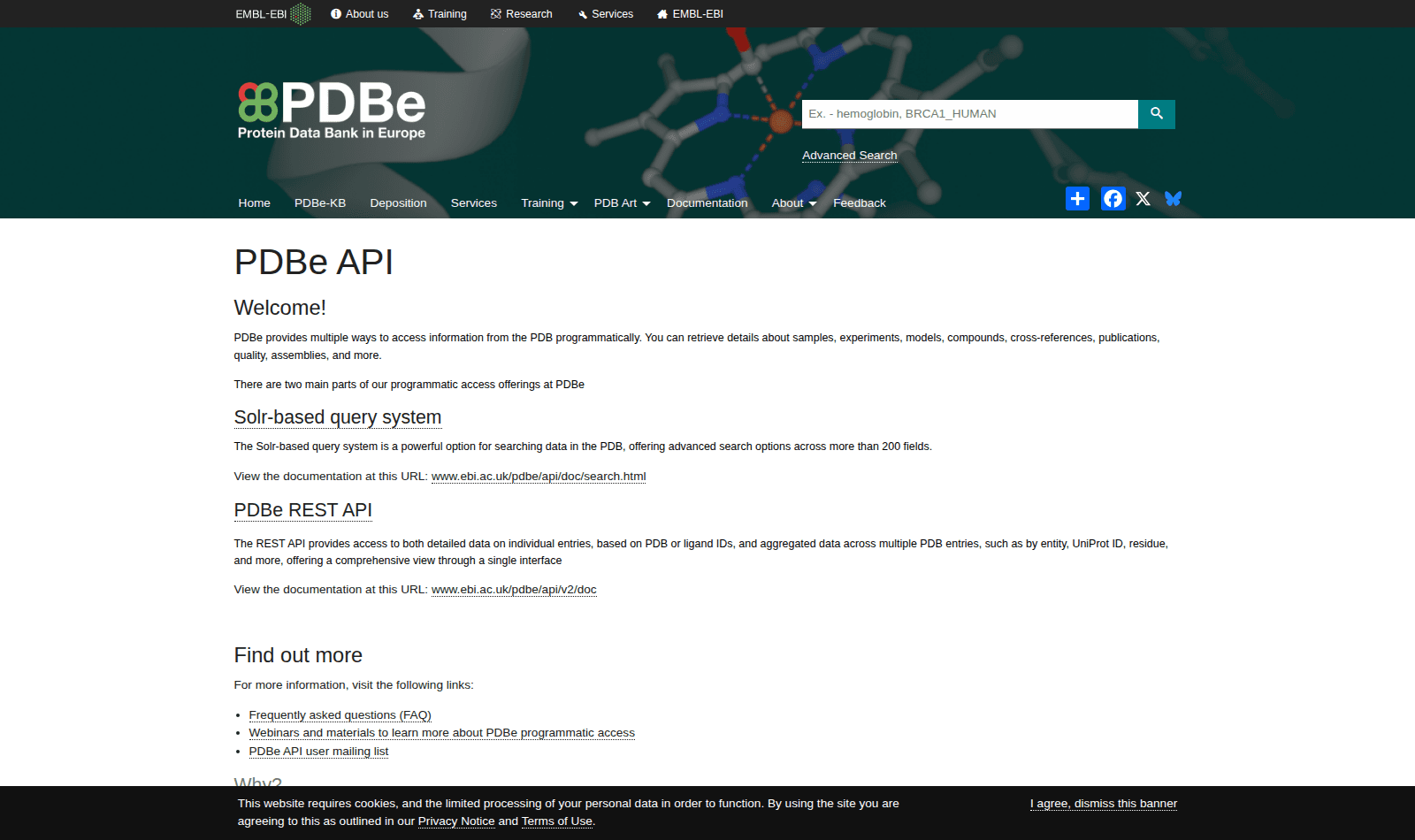
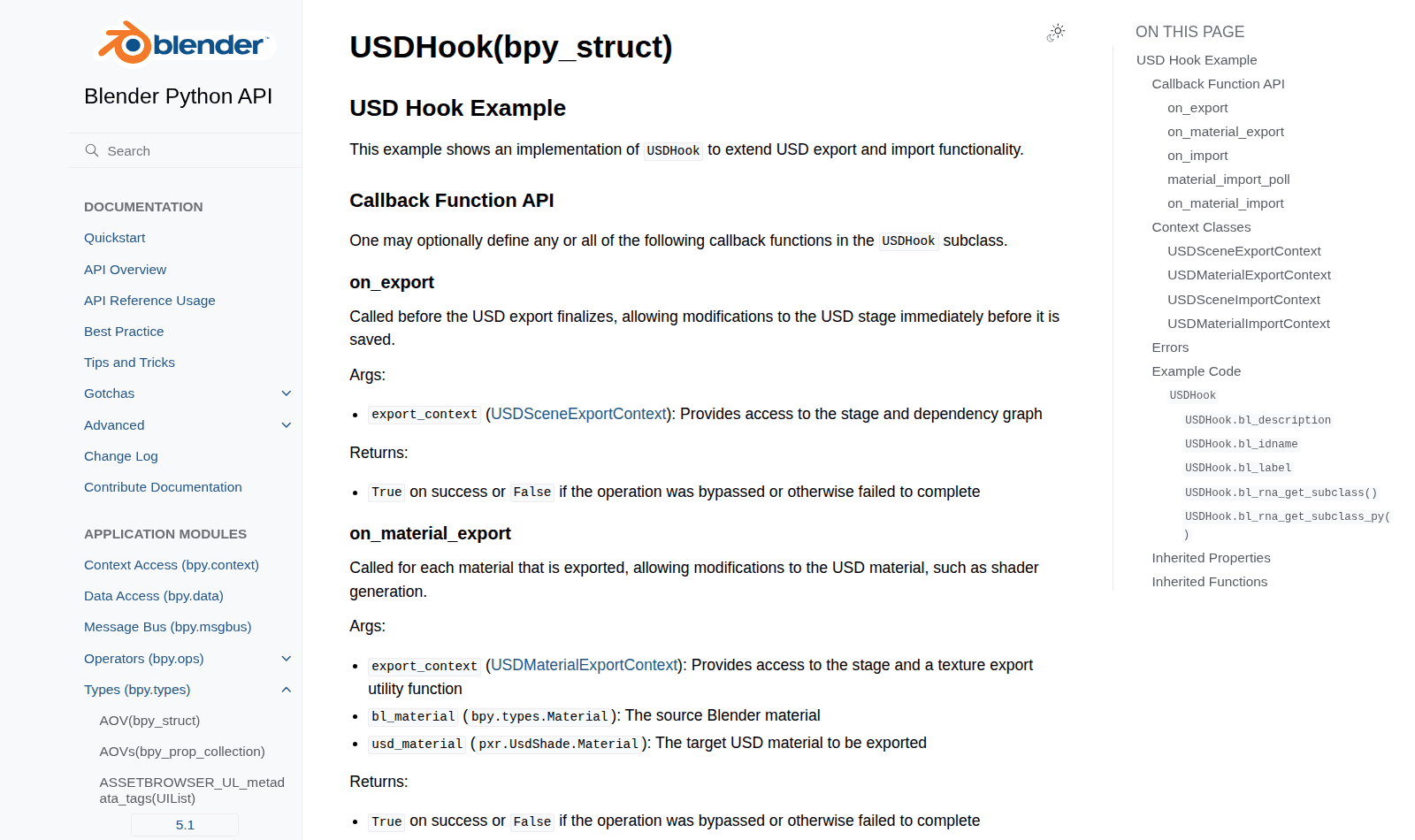
OpenUSD validation-framework docs and Learn OpenUSD guidance now pair with Blender USDHook API references and PDBe REST API docs, giving a more explicit path for custom import/export behavior and structural-data retrieval inside validation-aware pipelines.
The frontend should expose these docs as one interactive lane so users can inspect validator mechanics, hook extension points, and structure-query surfaces together.
May 16, 2026Evidence Methods7 sources
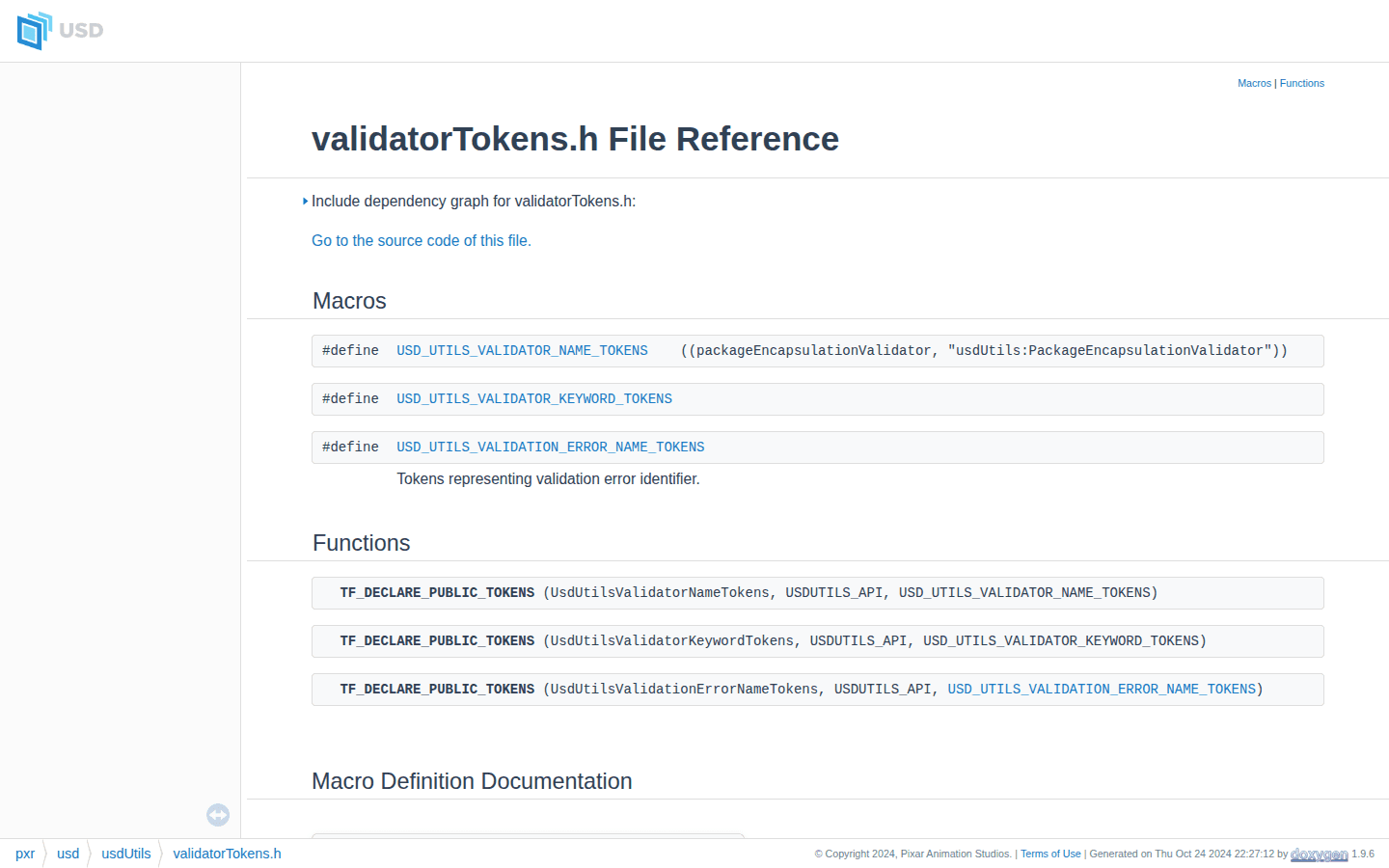
UsdUtils internals, Mol* state docs, and PDBe migration guidance now tighten reproducibility lanes
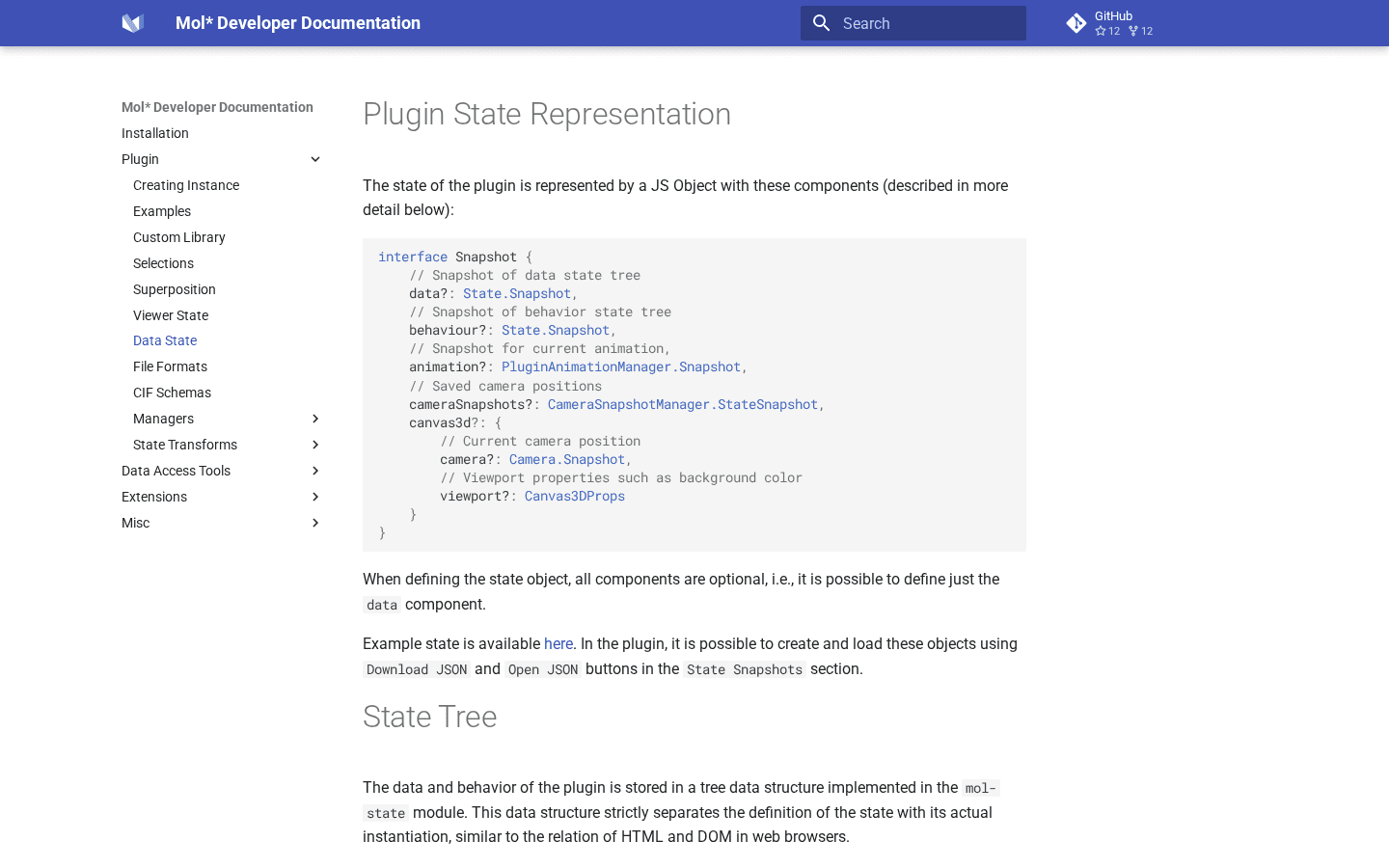
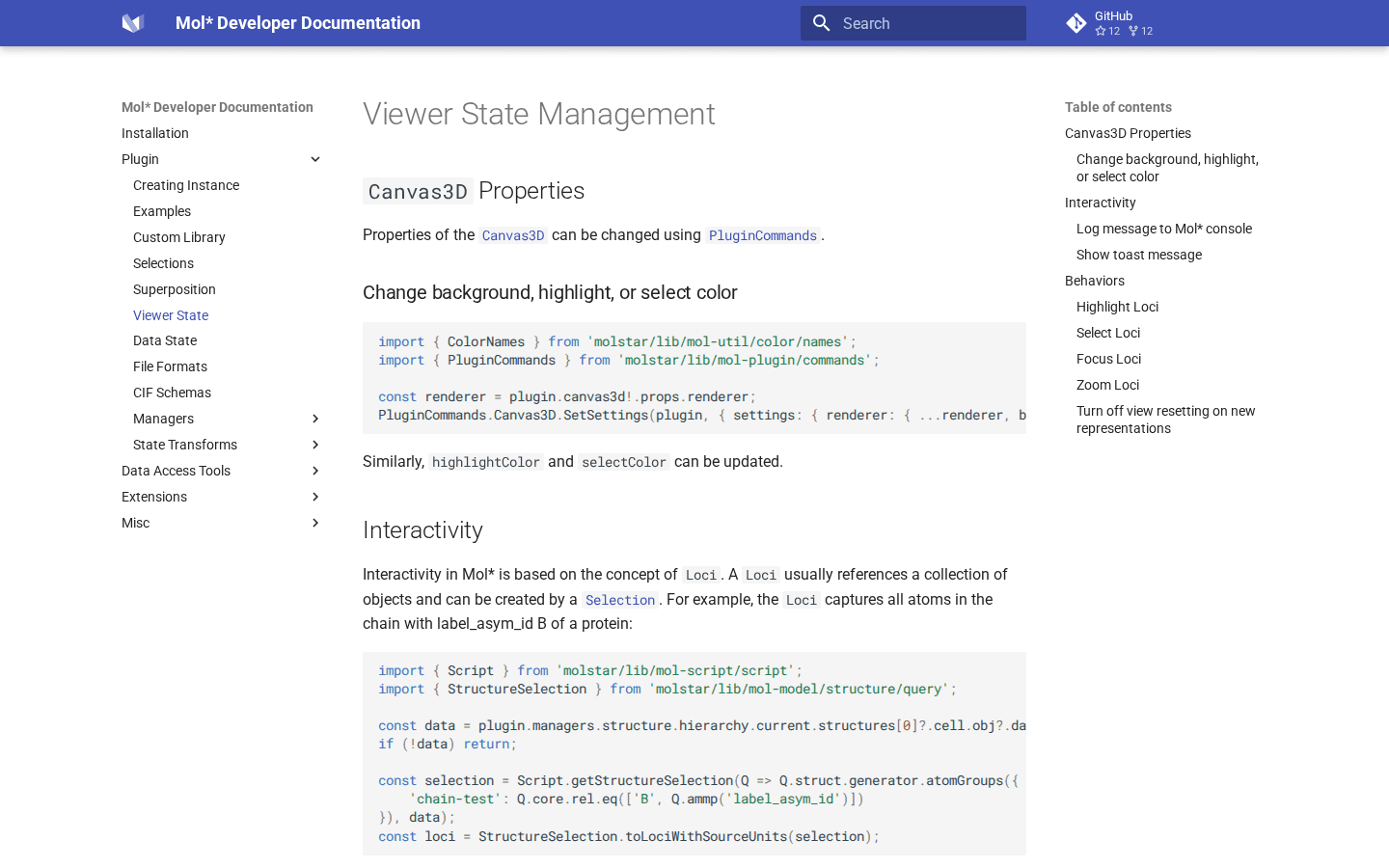
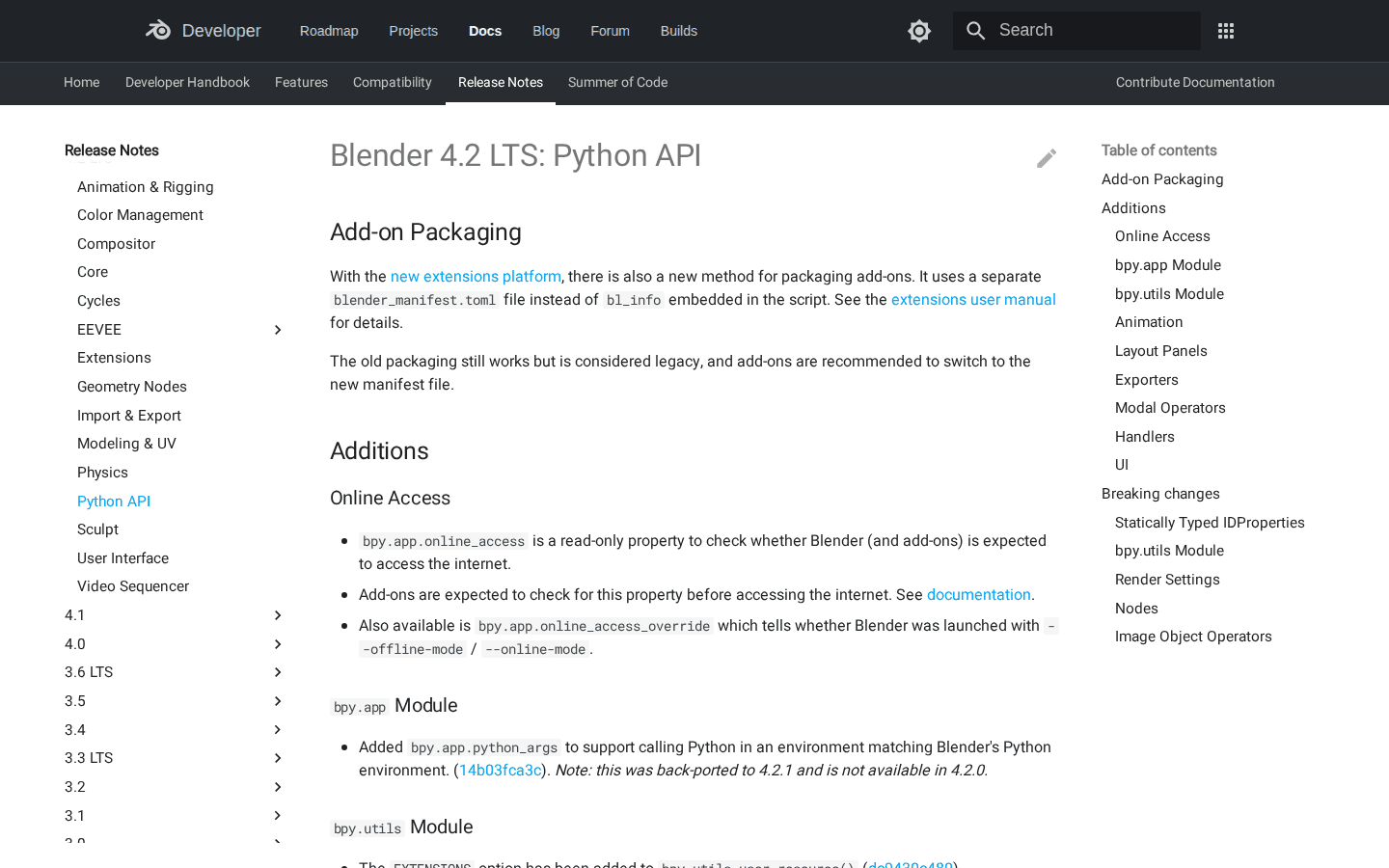
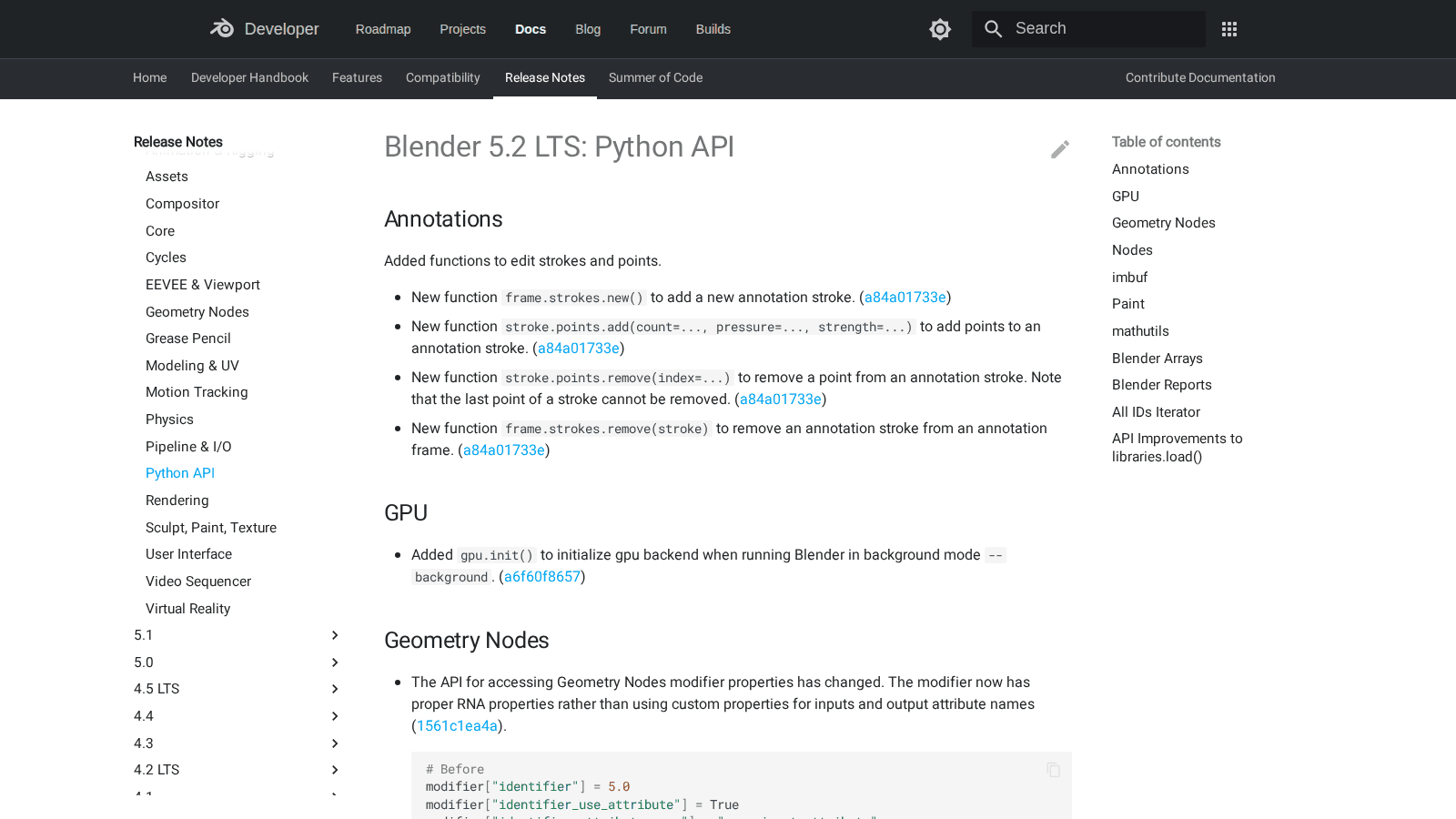
OpenUSD UsdUtils/validator-token references now pair with Mol* data/viewer-state docs, PDBe API migration notes, Blender 4.2 Python API updates, and RCSB's Python client docs, making state serialization and endpoint transitions easier to inspect before automation.
The frontend should surface these references as one stateful lane so readers can review validator internals, viewer state mechanics, and API-migration constraints together.
May 16, 2026Evidence Methods8 sources
RCSB query docs now provide a clearer lane from exploratory search to reproducible scripted pipelines
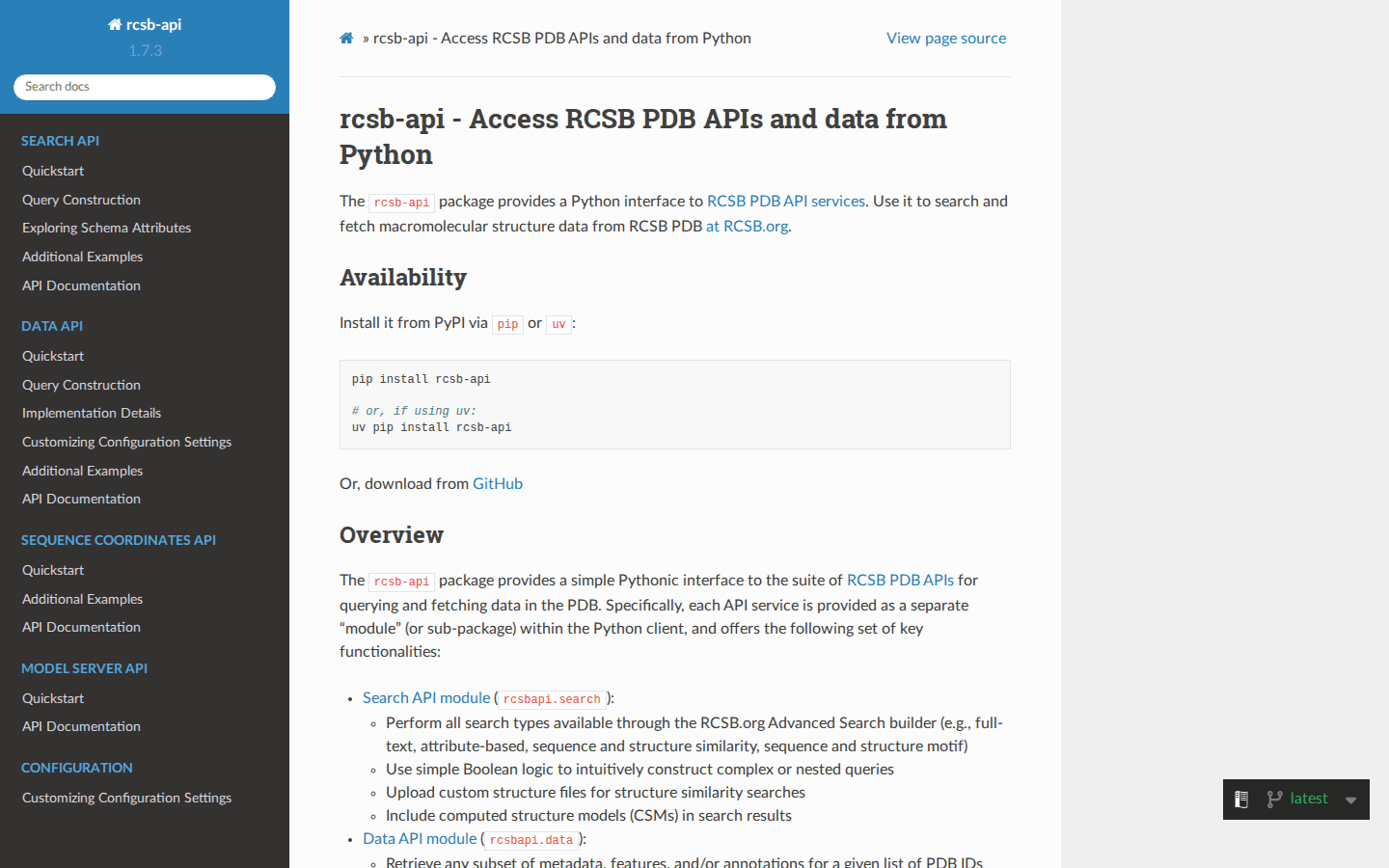
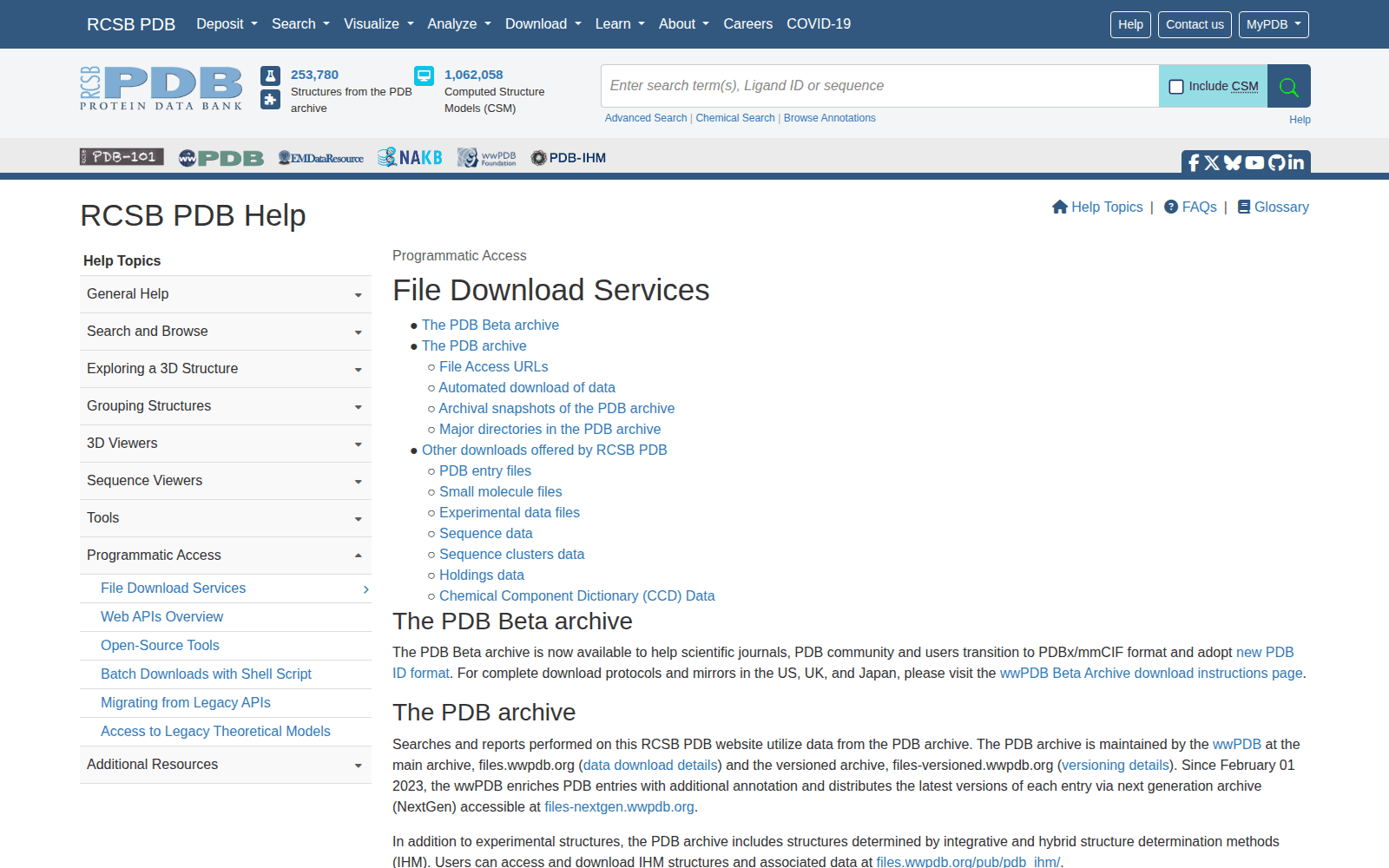
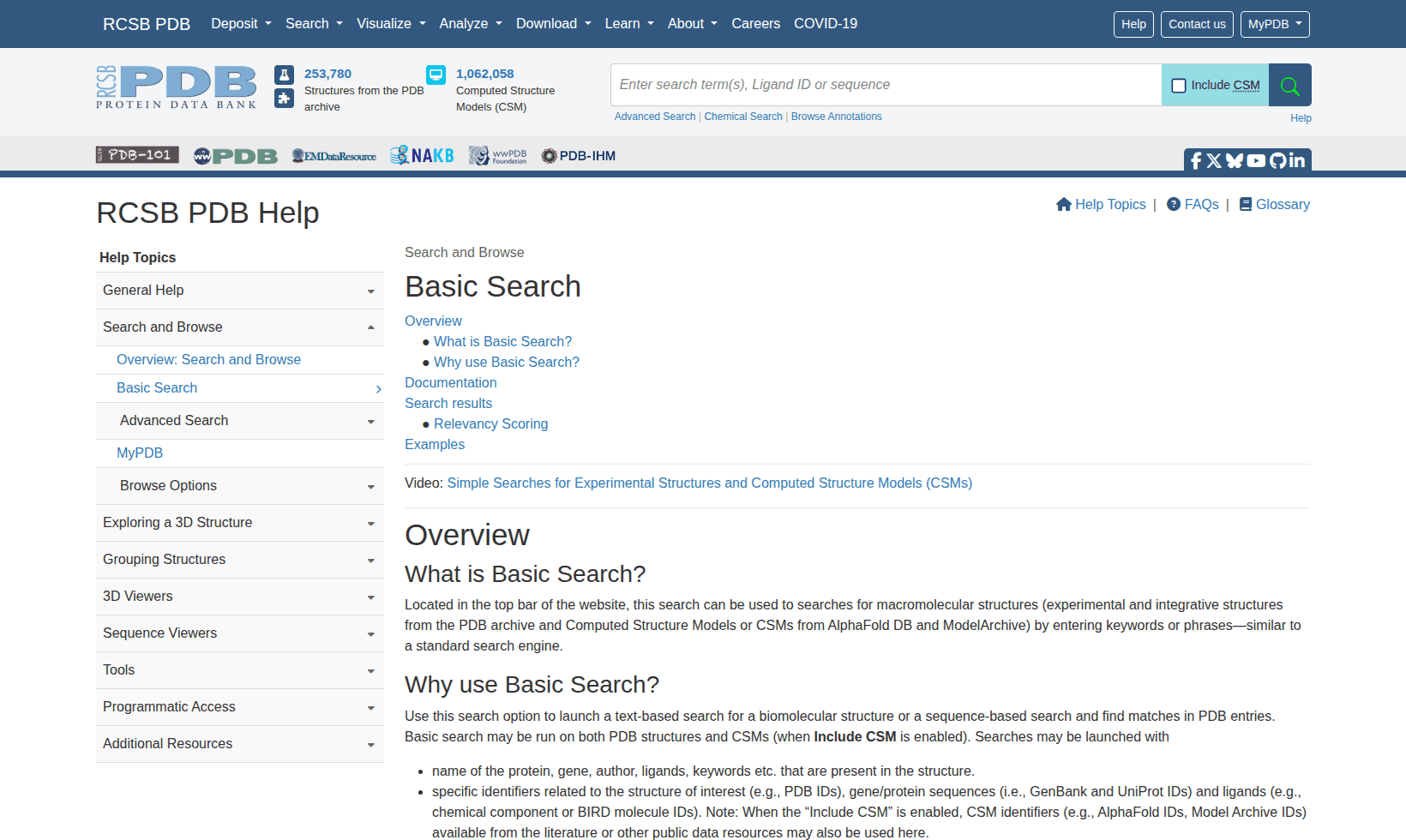
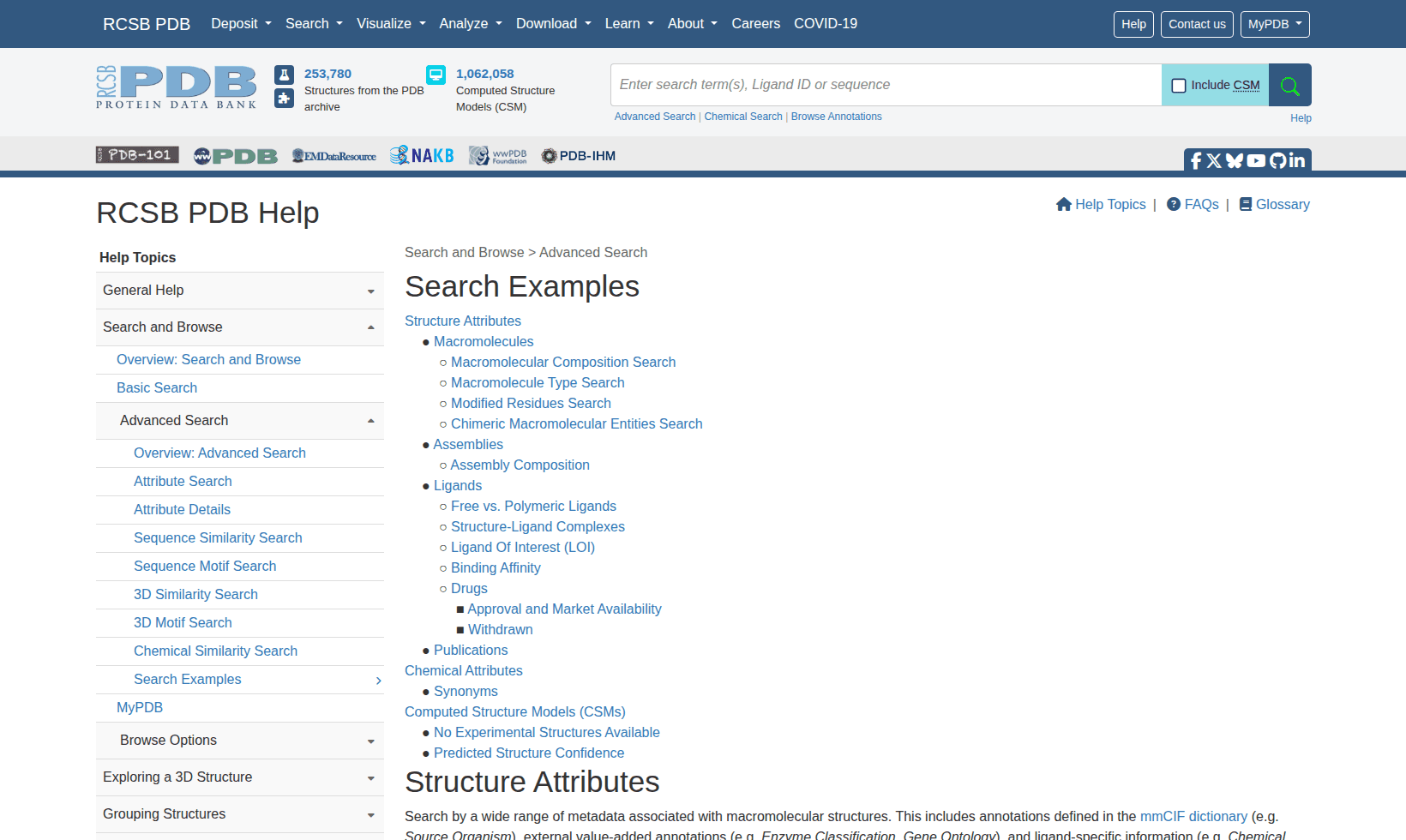
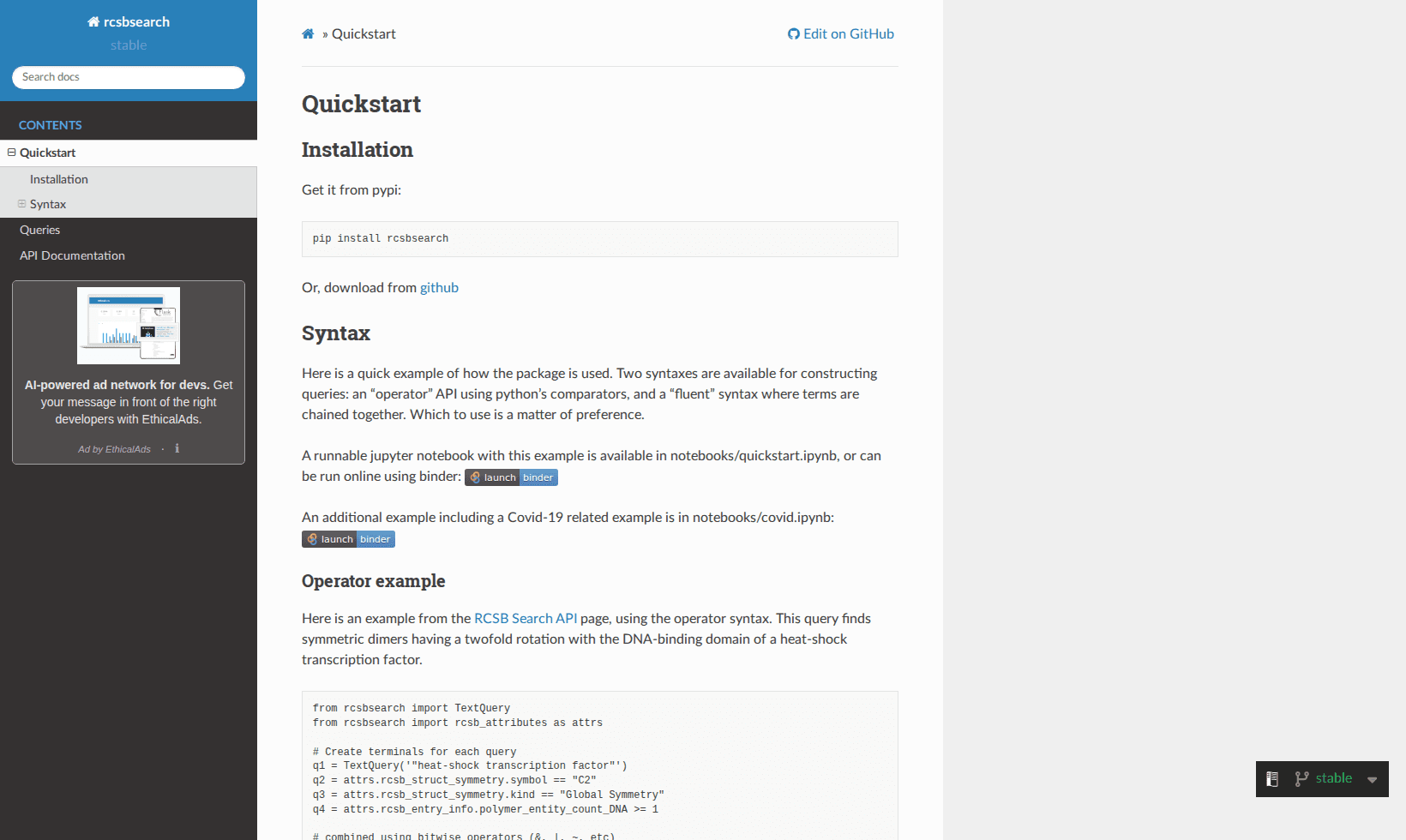
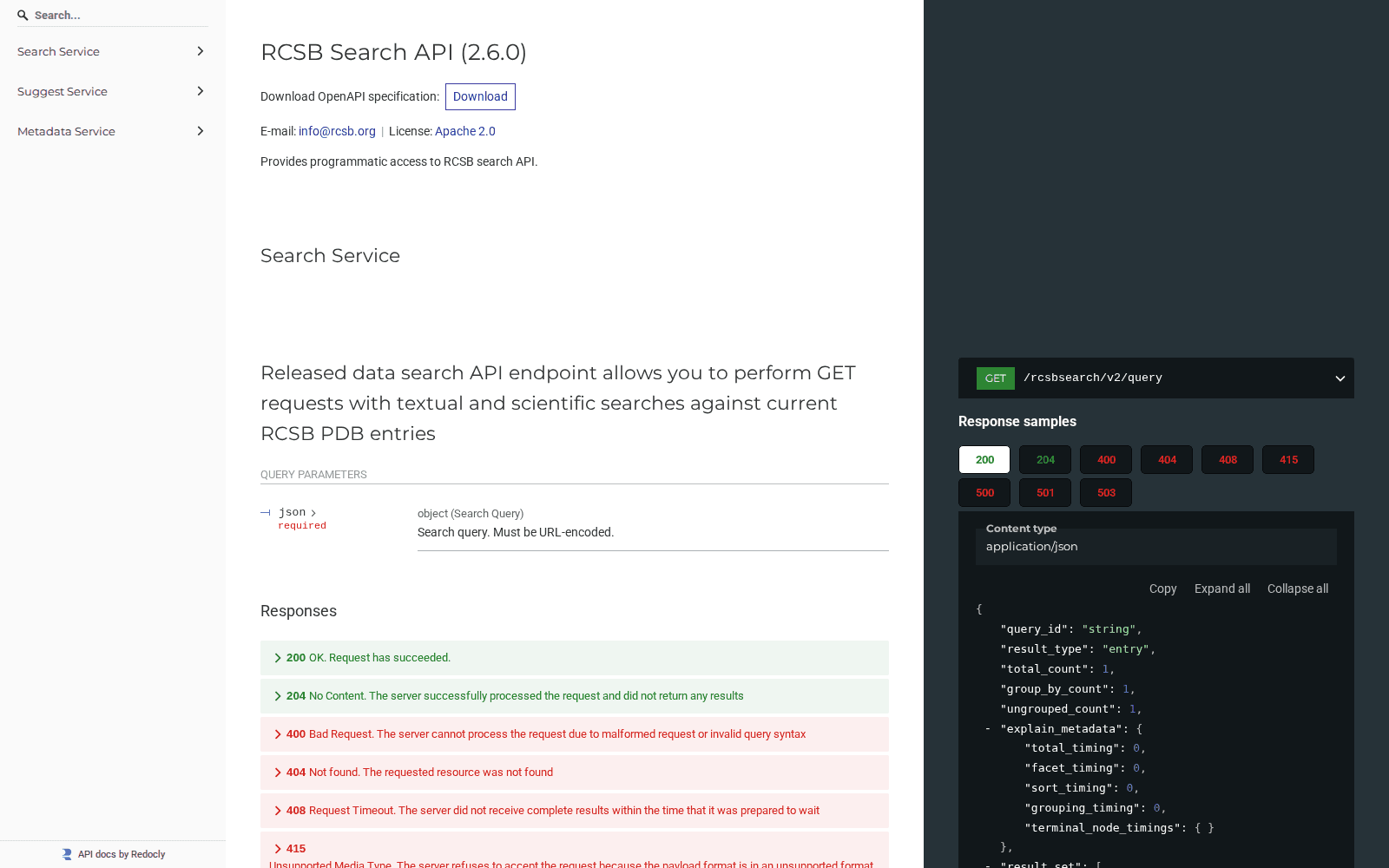
RCSB Search API references now pair with Basic Search, Advanced Search examples, file-download-service docs, rcsbsearch Python quickstart, ReDoc reference pages, and current crash-course training material, tightening query reproducibility from interactive exploration into automation.
The frontend should keep this search lane visible so users can inspect how one structure query translates across UI, API, and Python surfaces before downstream molecular modeling work.
May 16, 2026Evidence Methods28 sources
Containerized GPU runtime and viewer-state docs now tighten reproducible molecular 3D execution paths
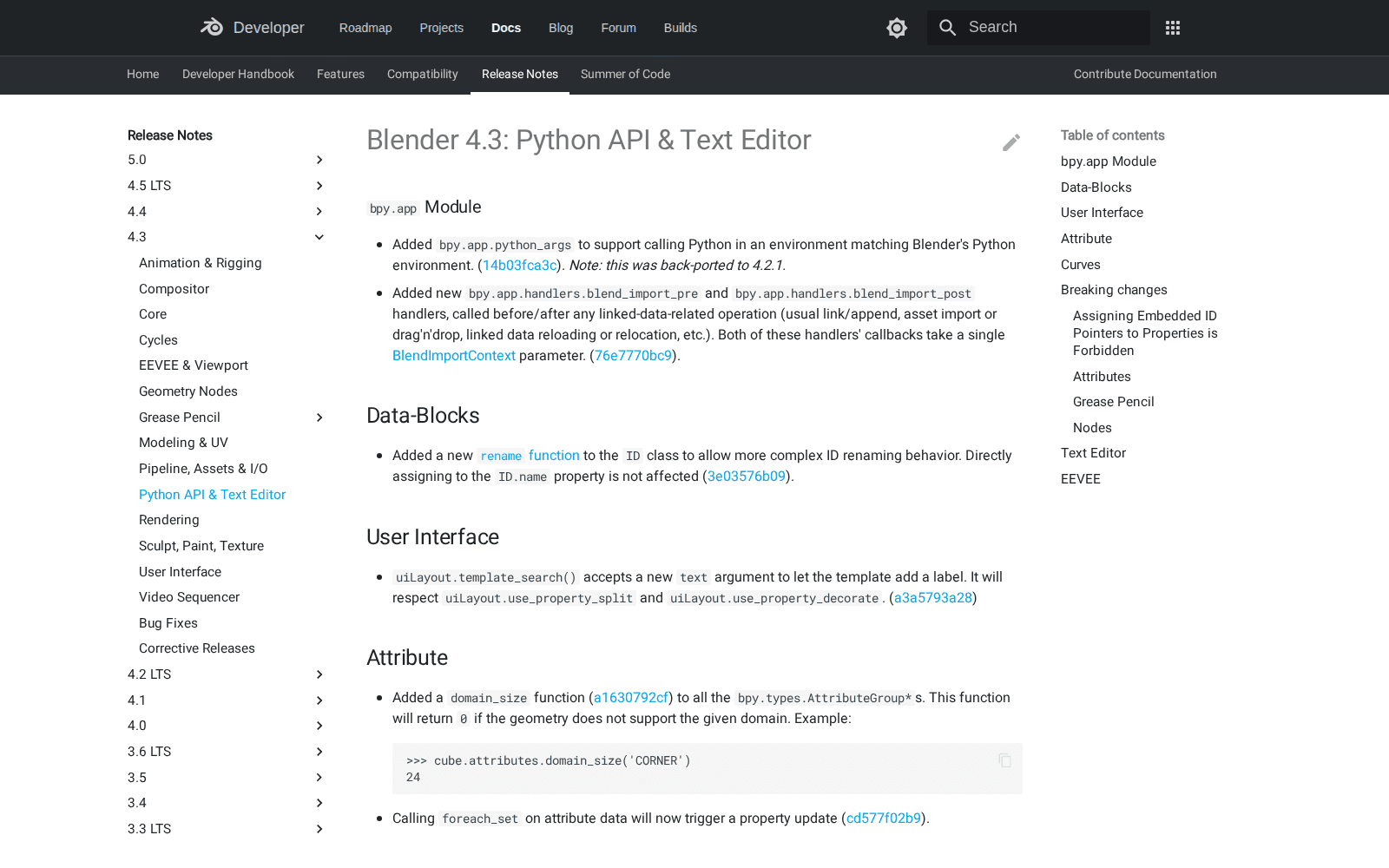
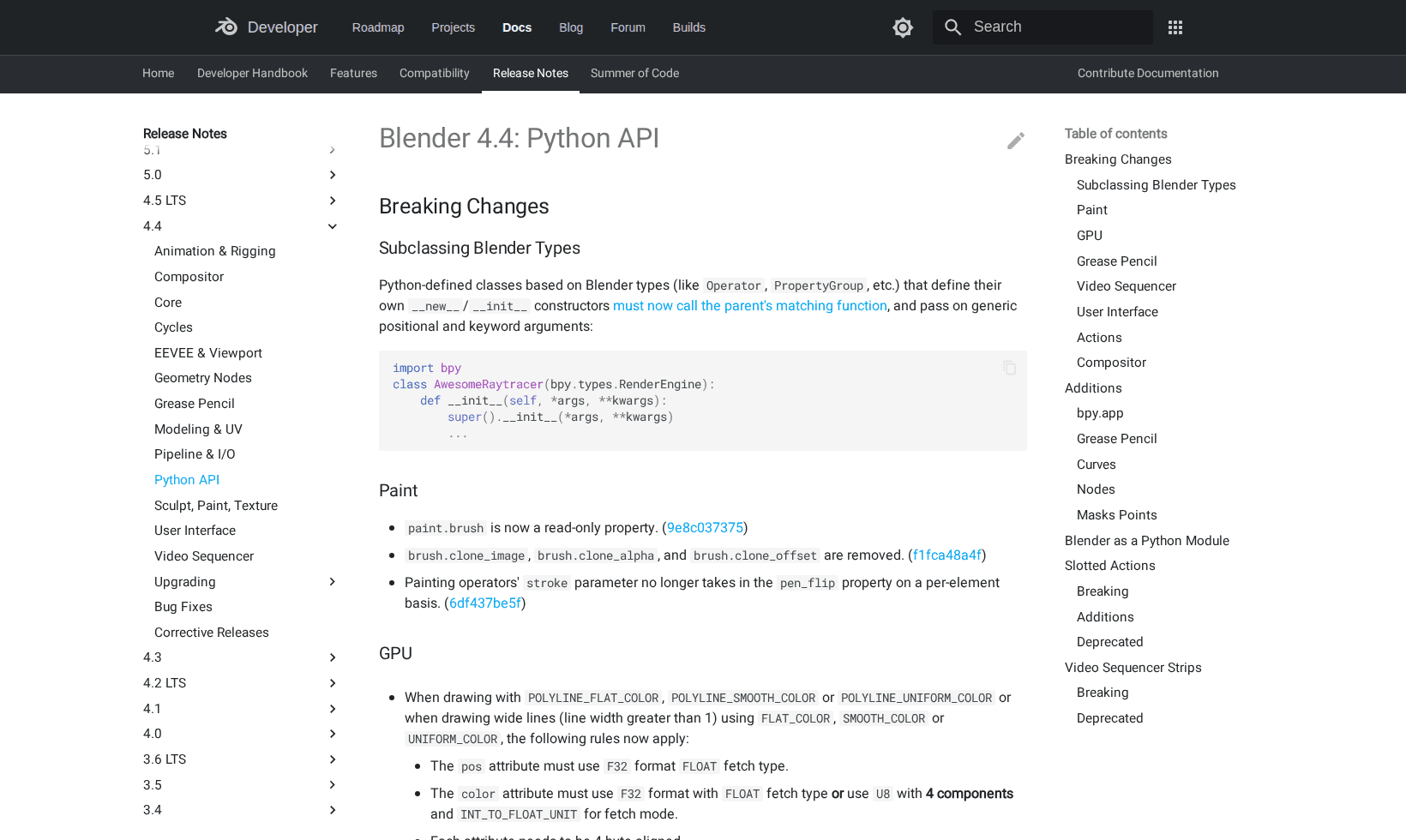
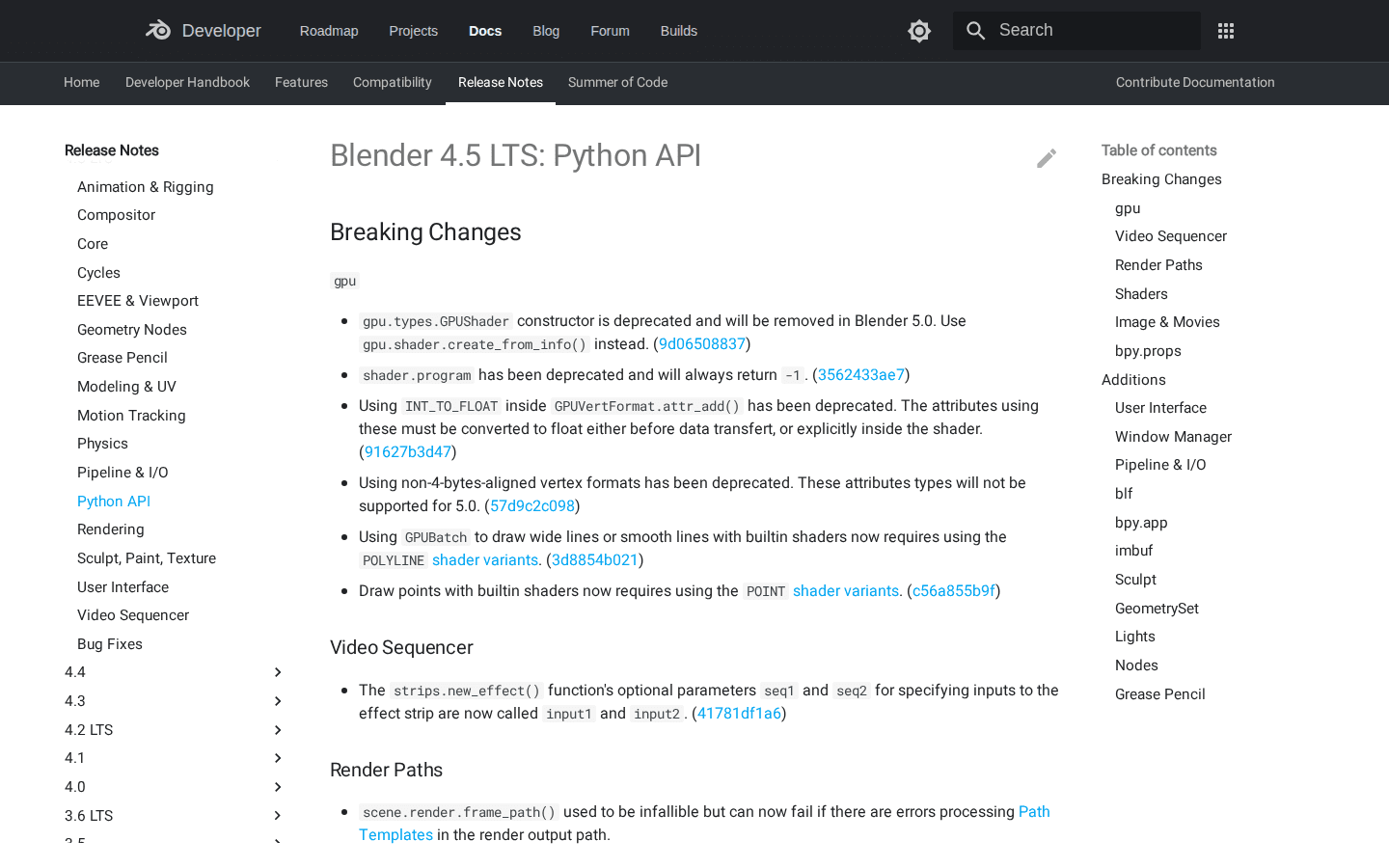
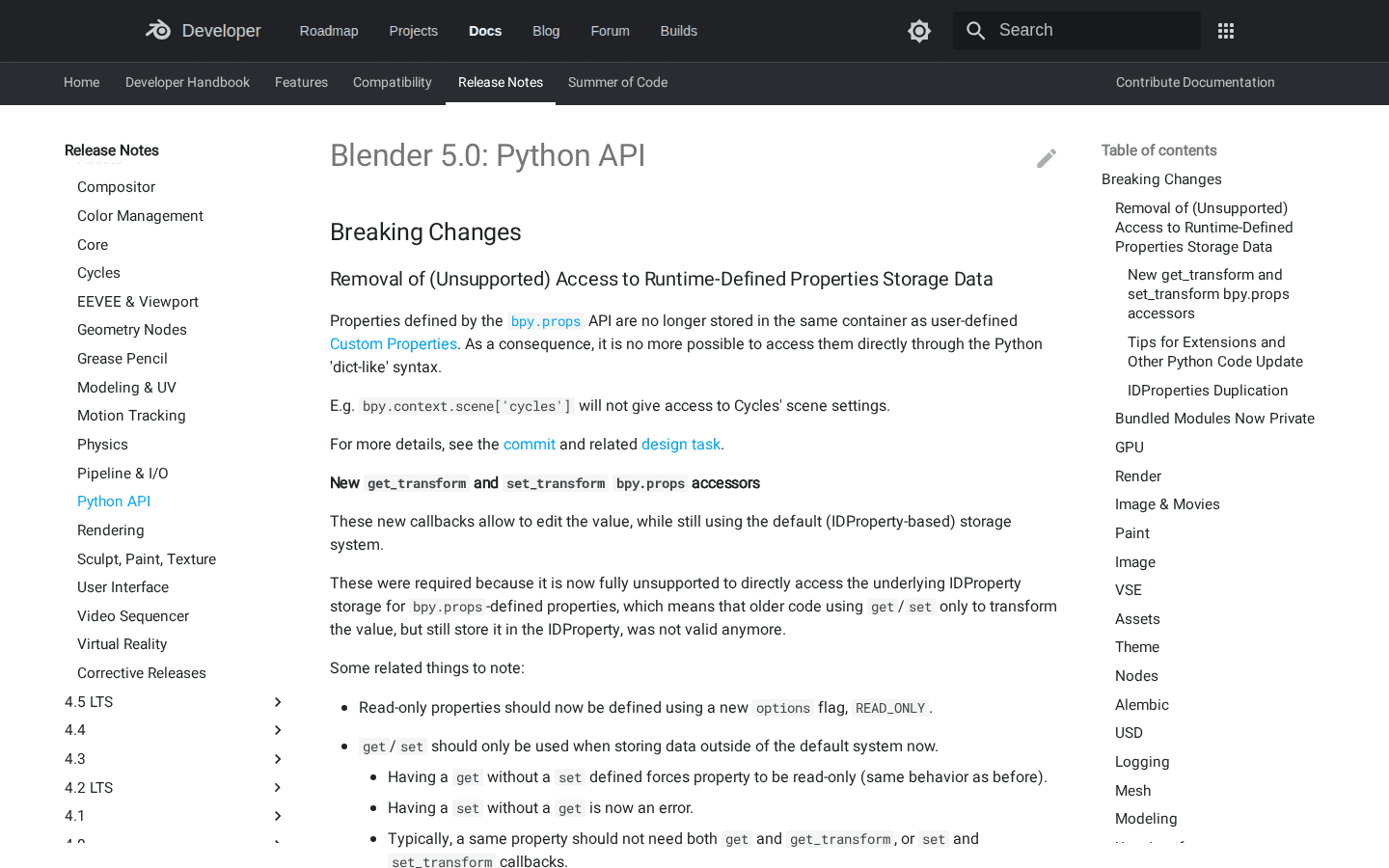
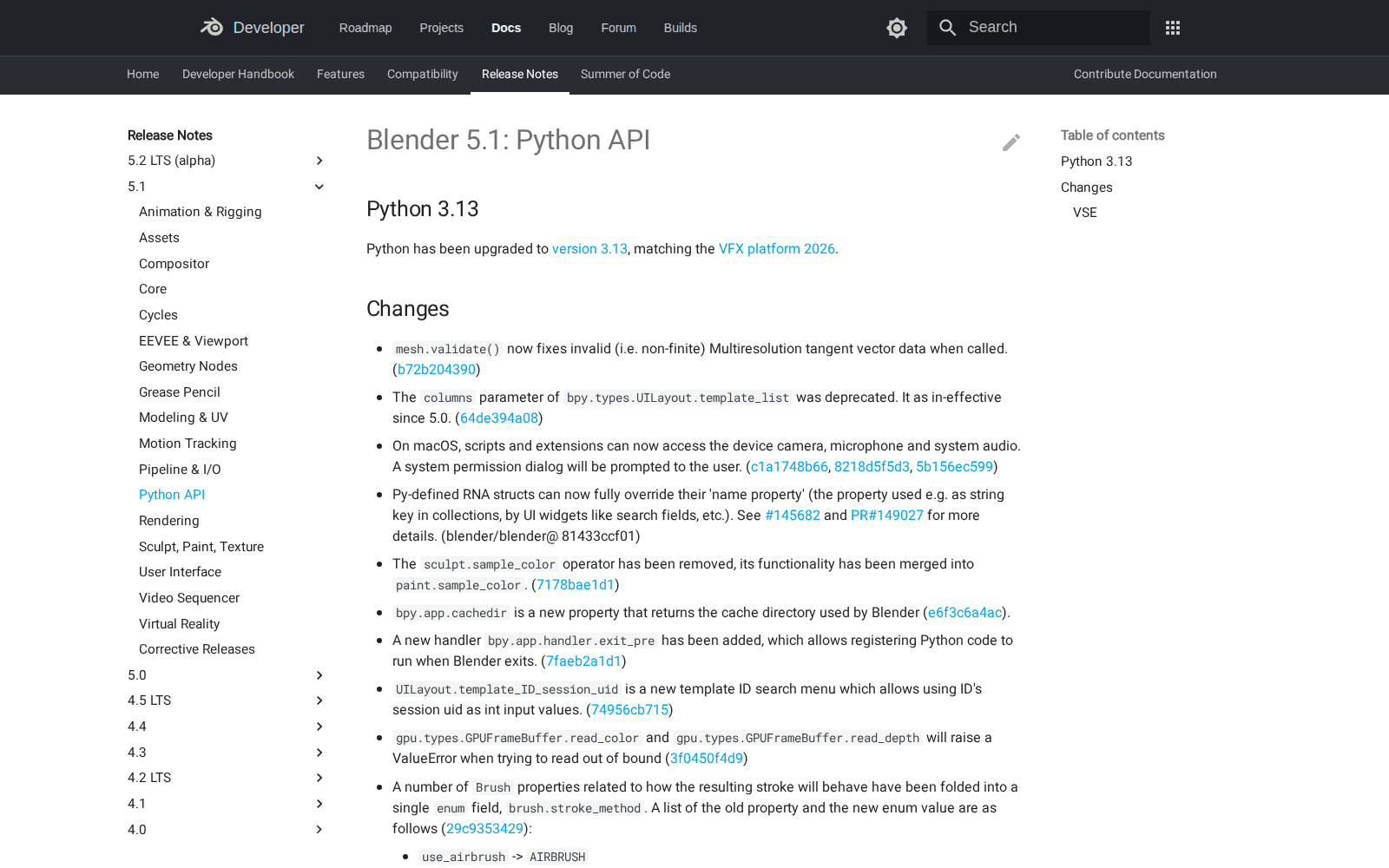
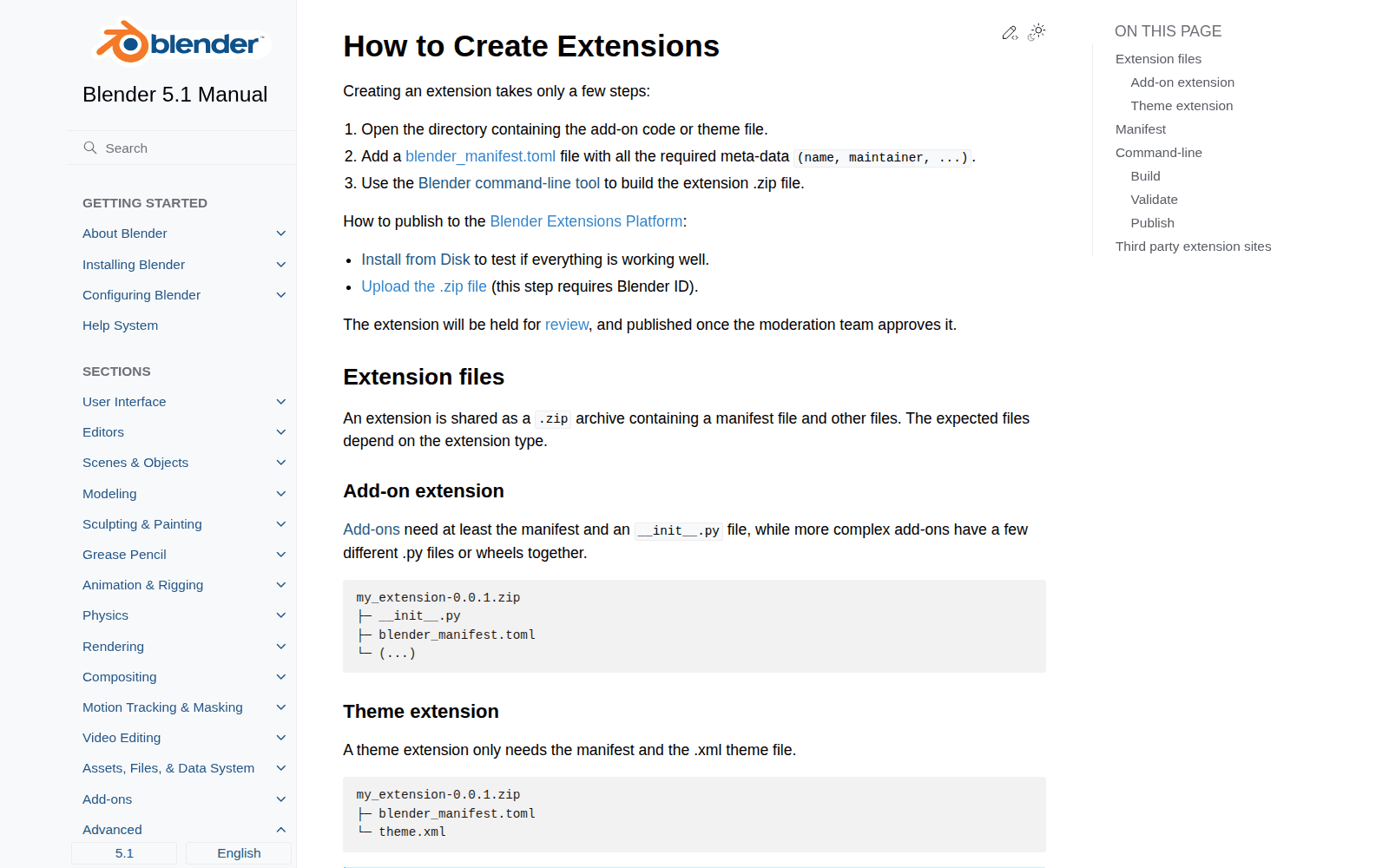
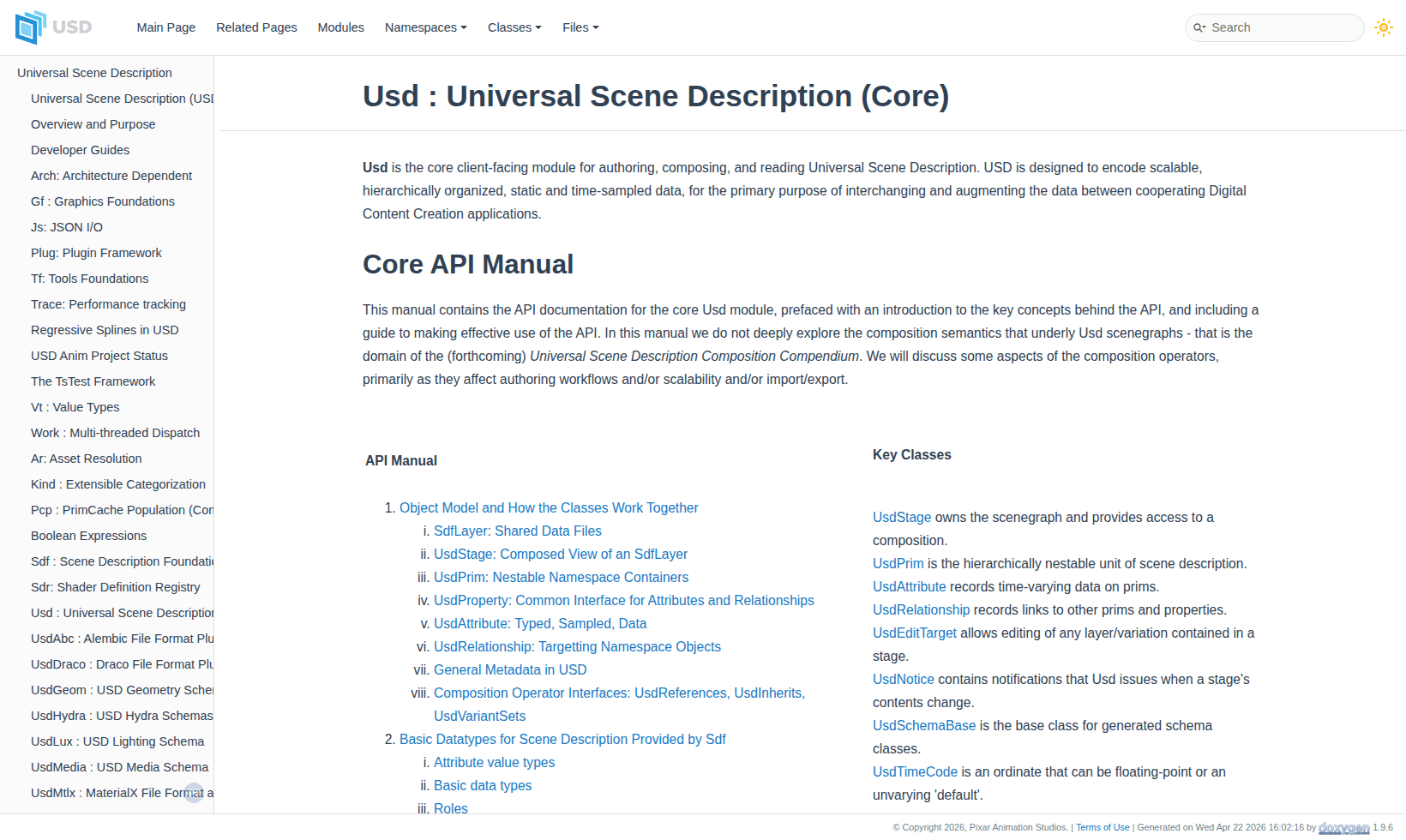
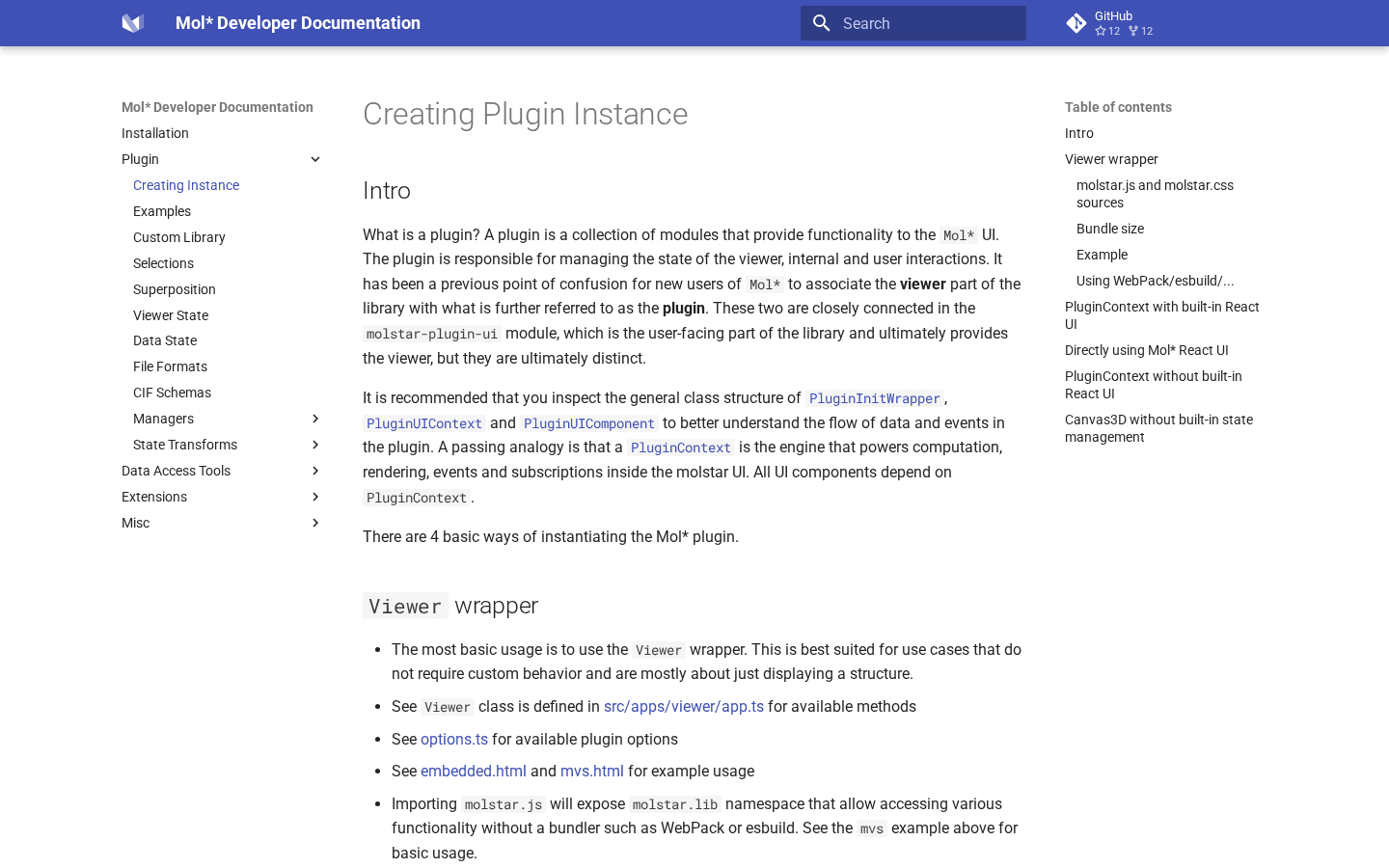
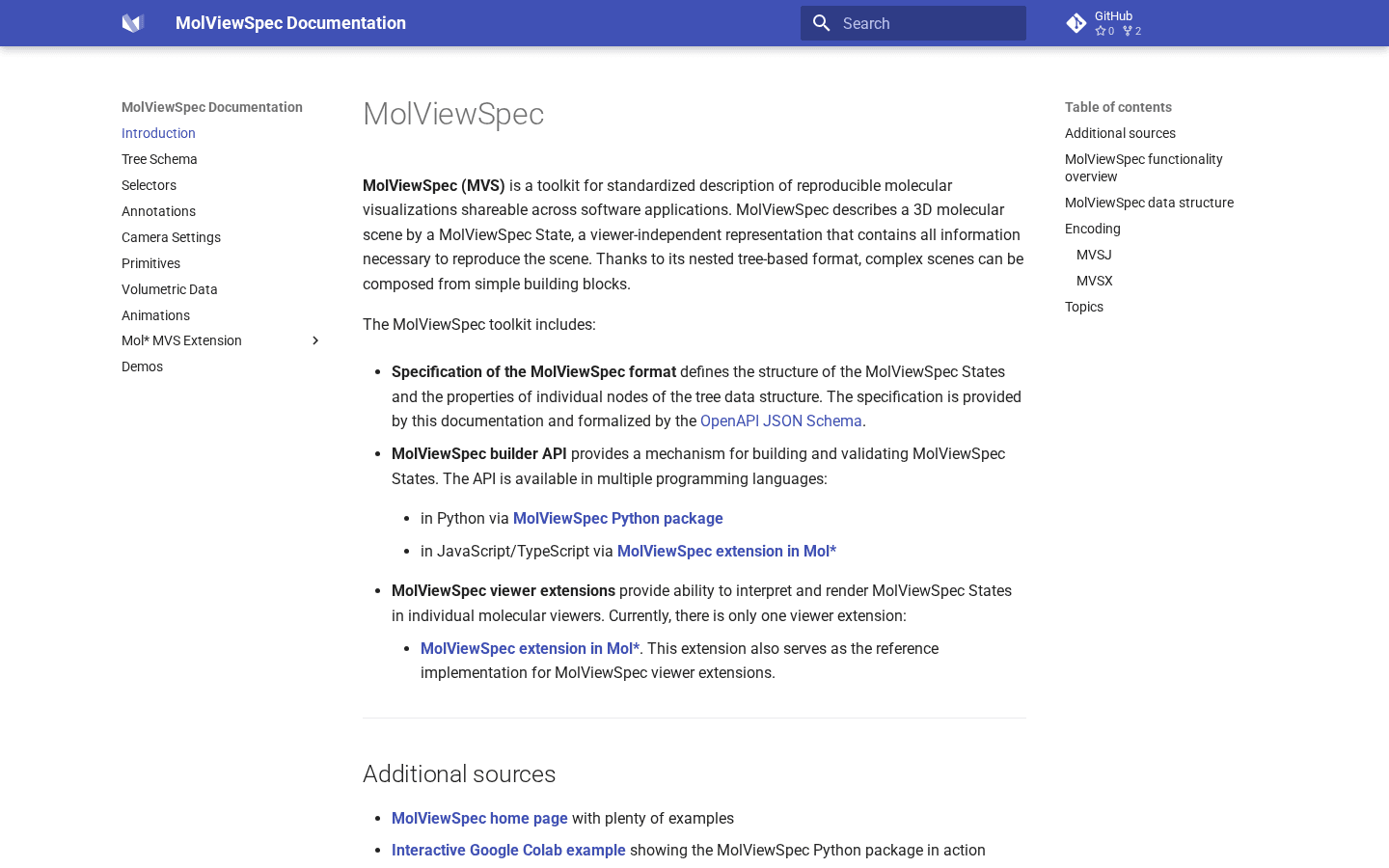
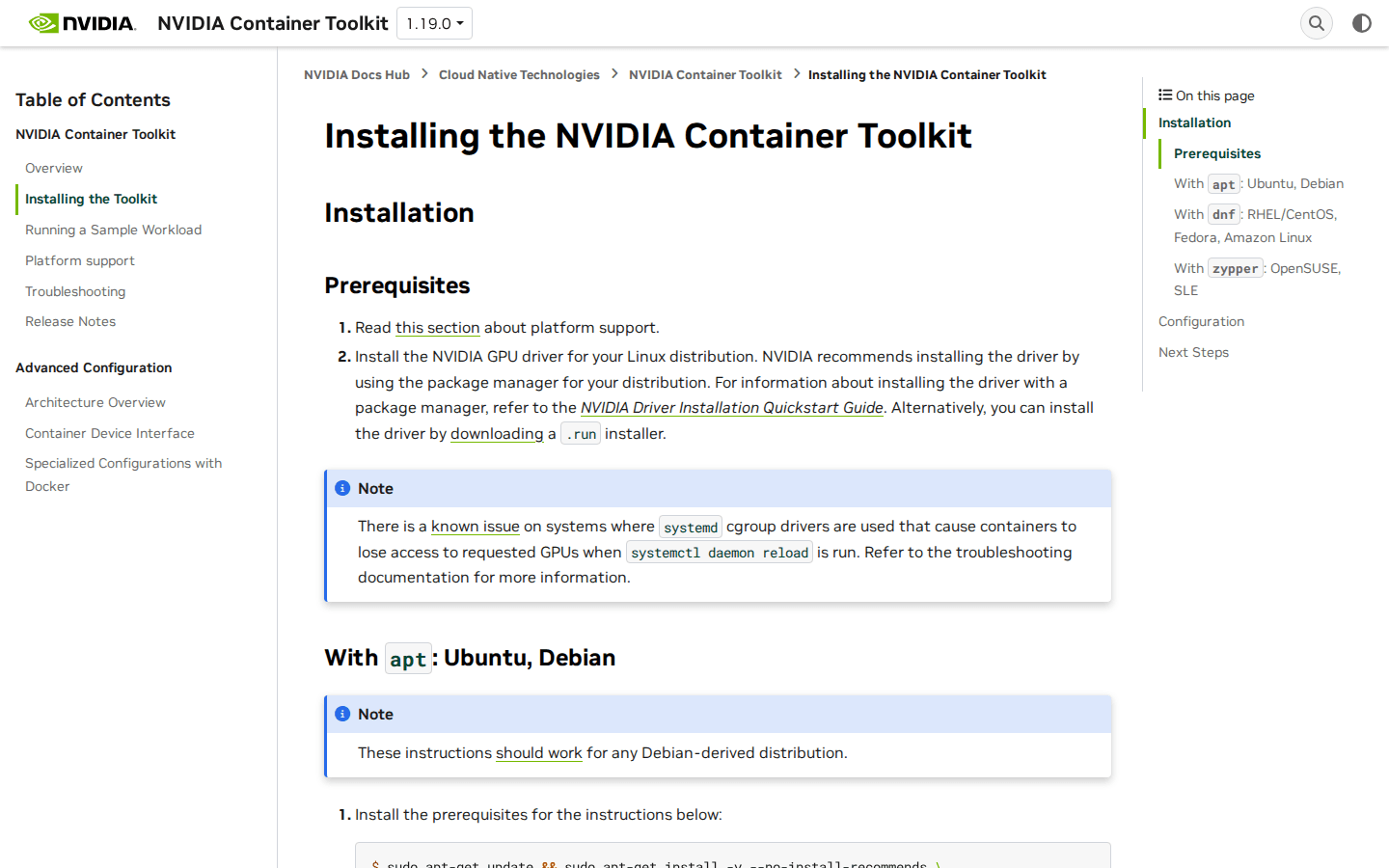
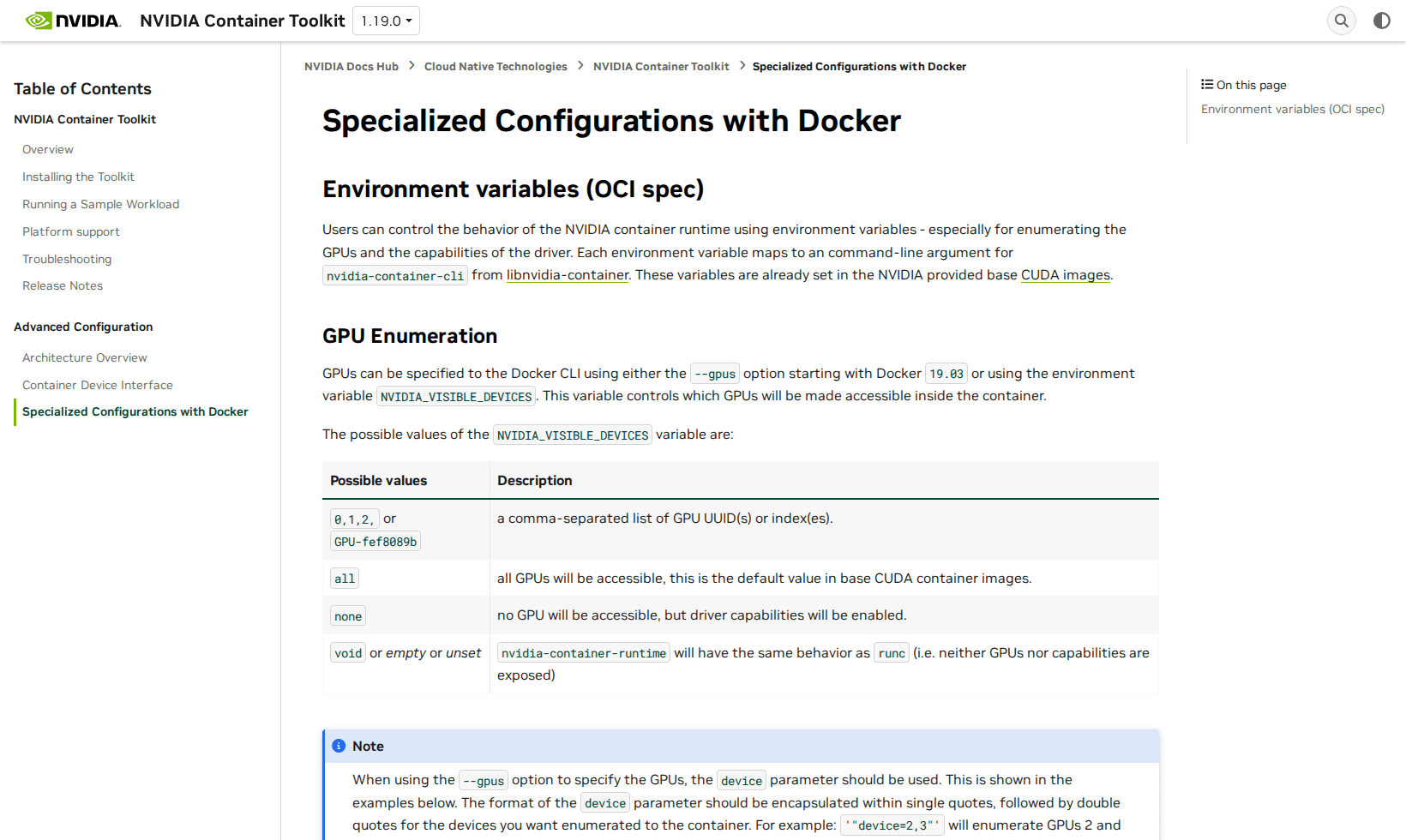
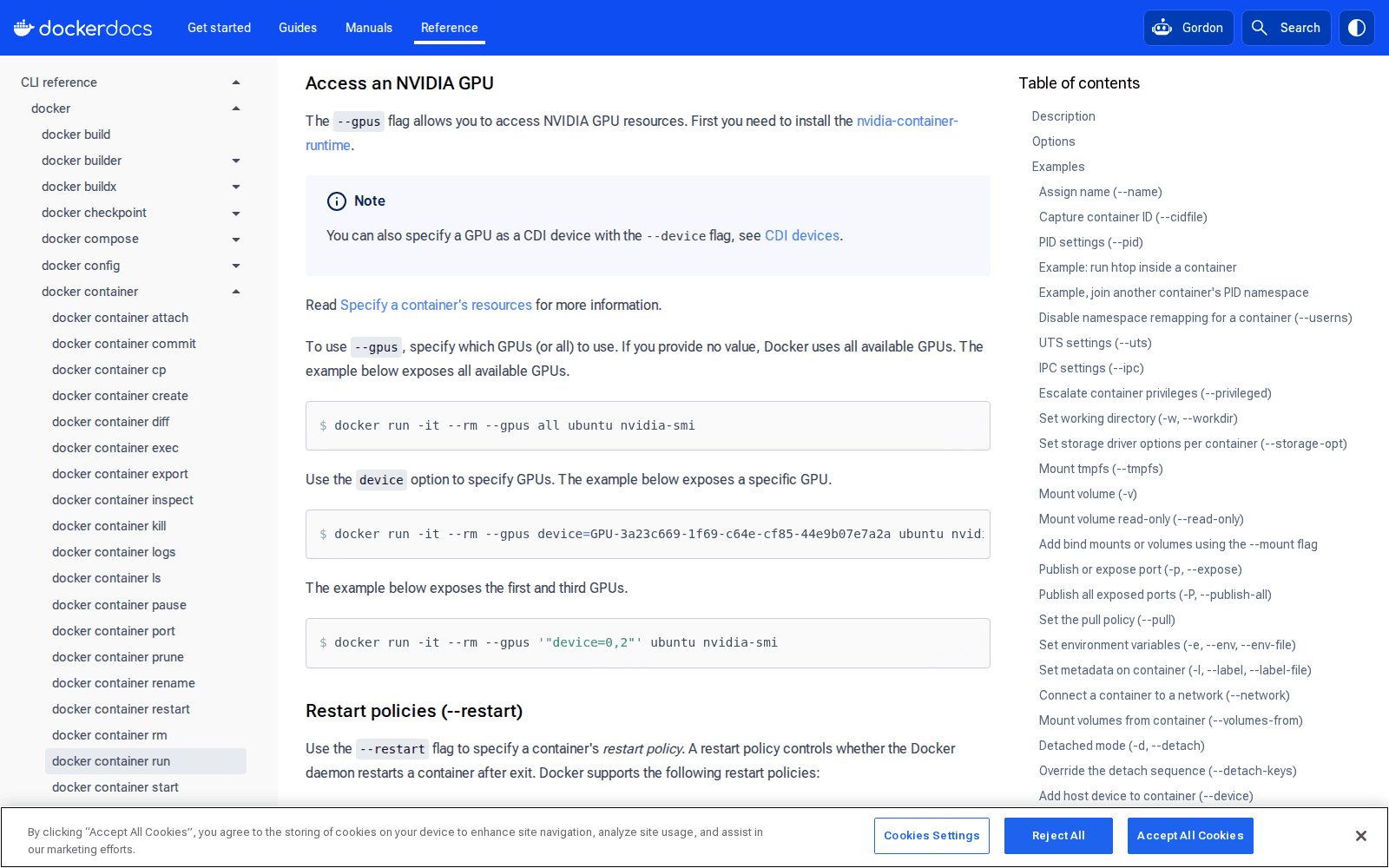
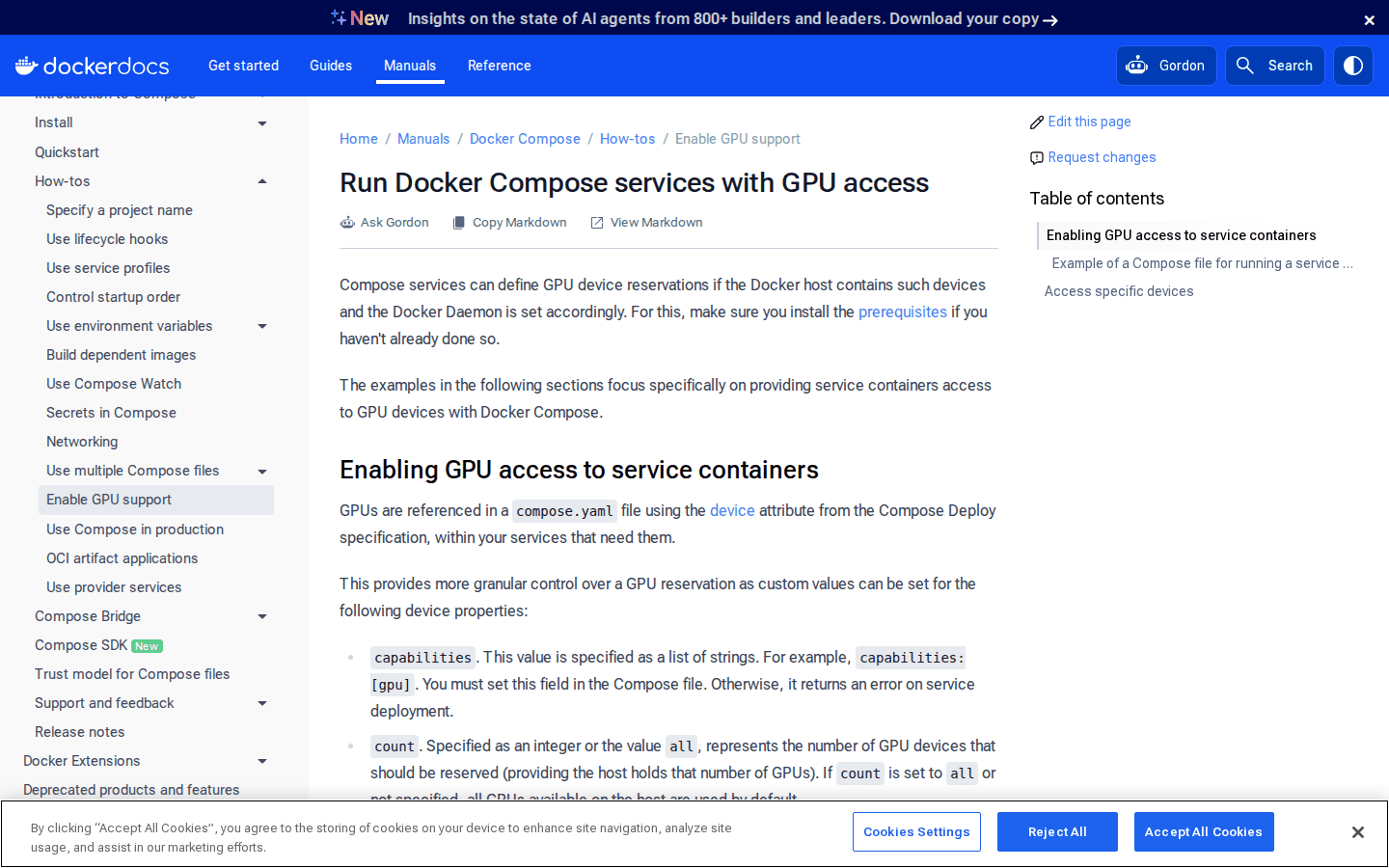
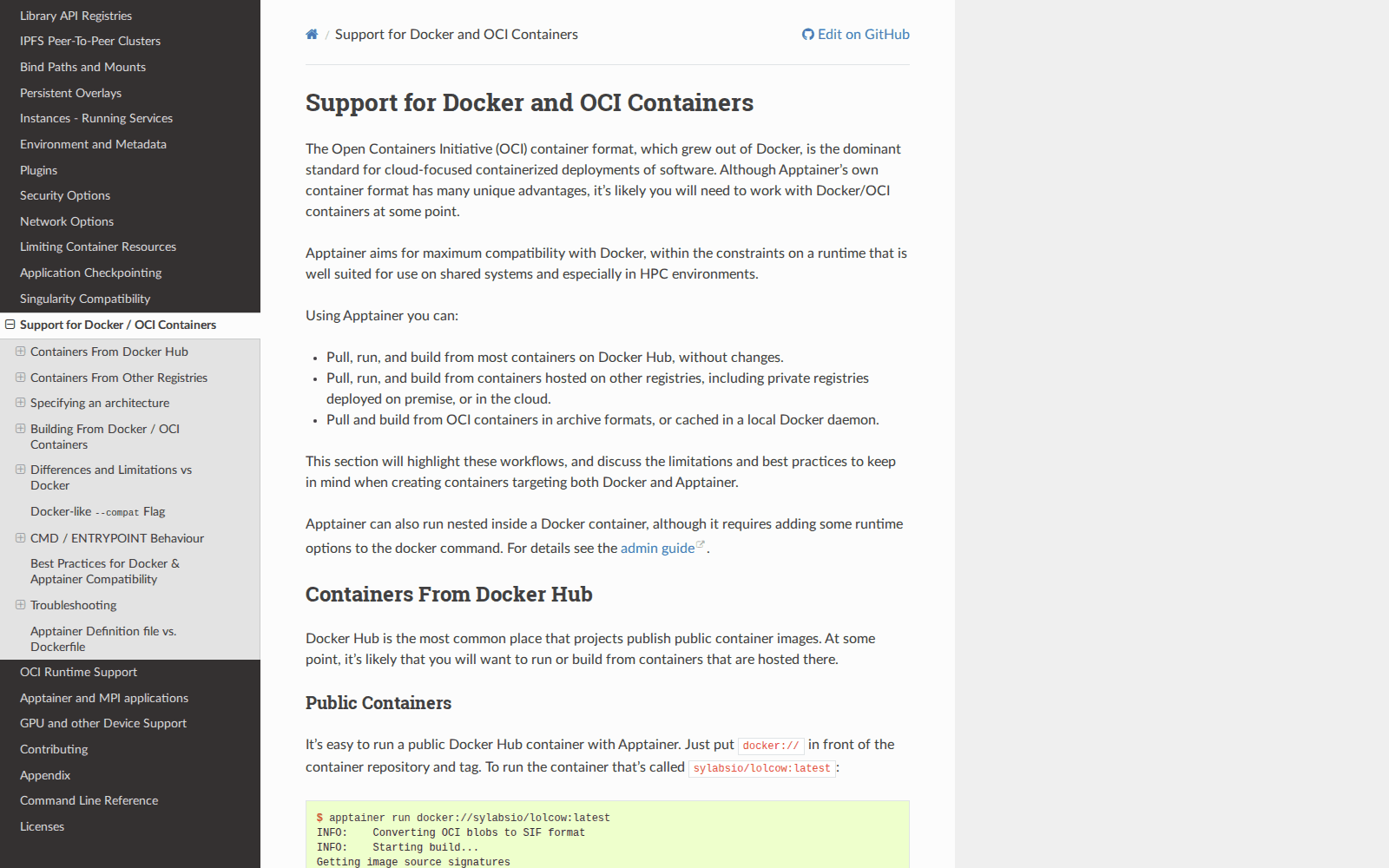
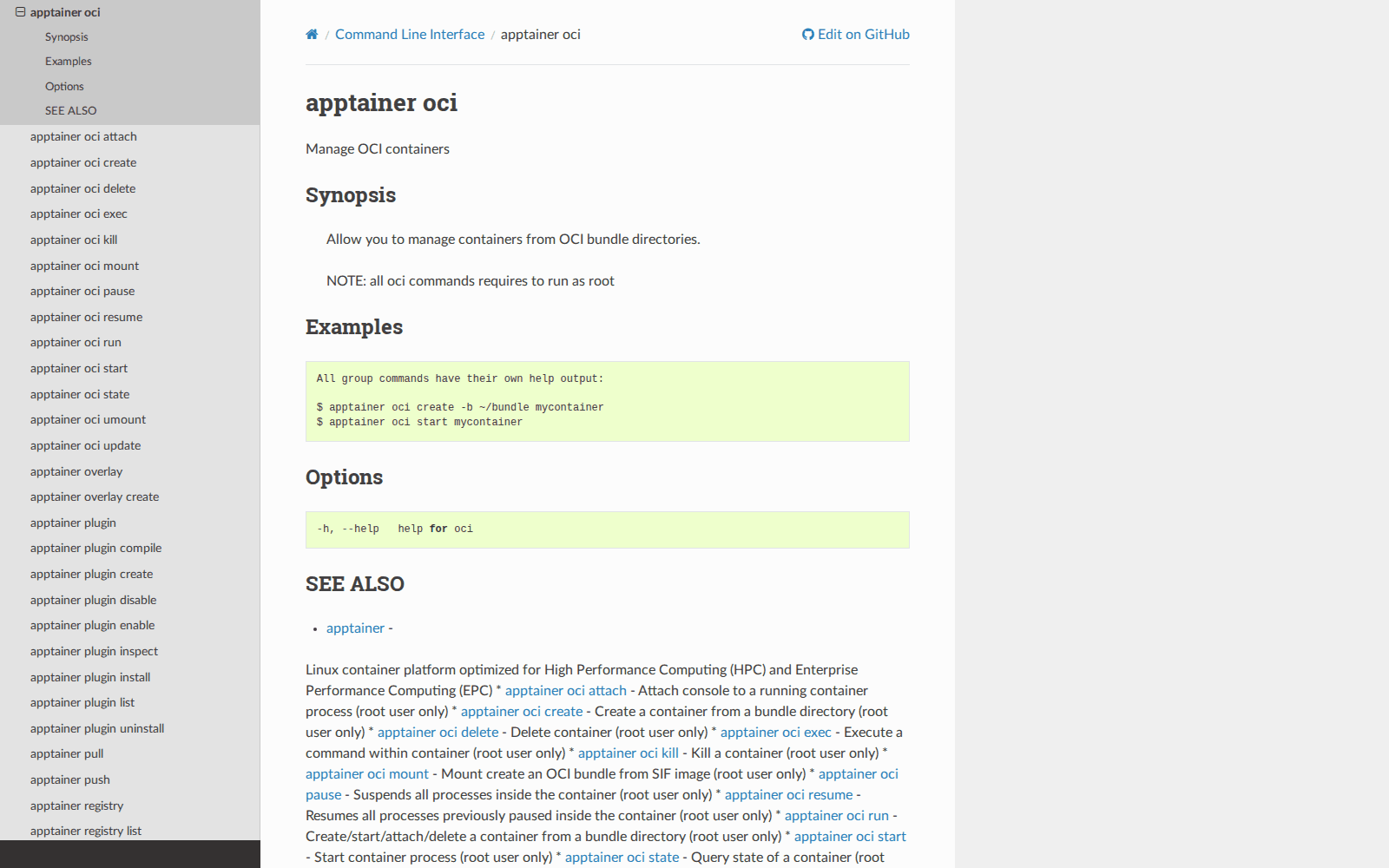
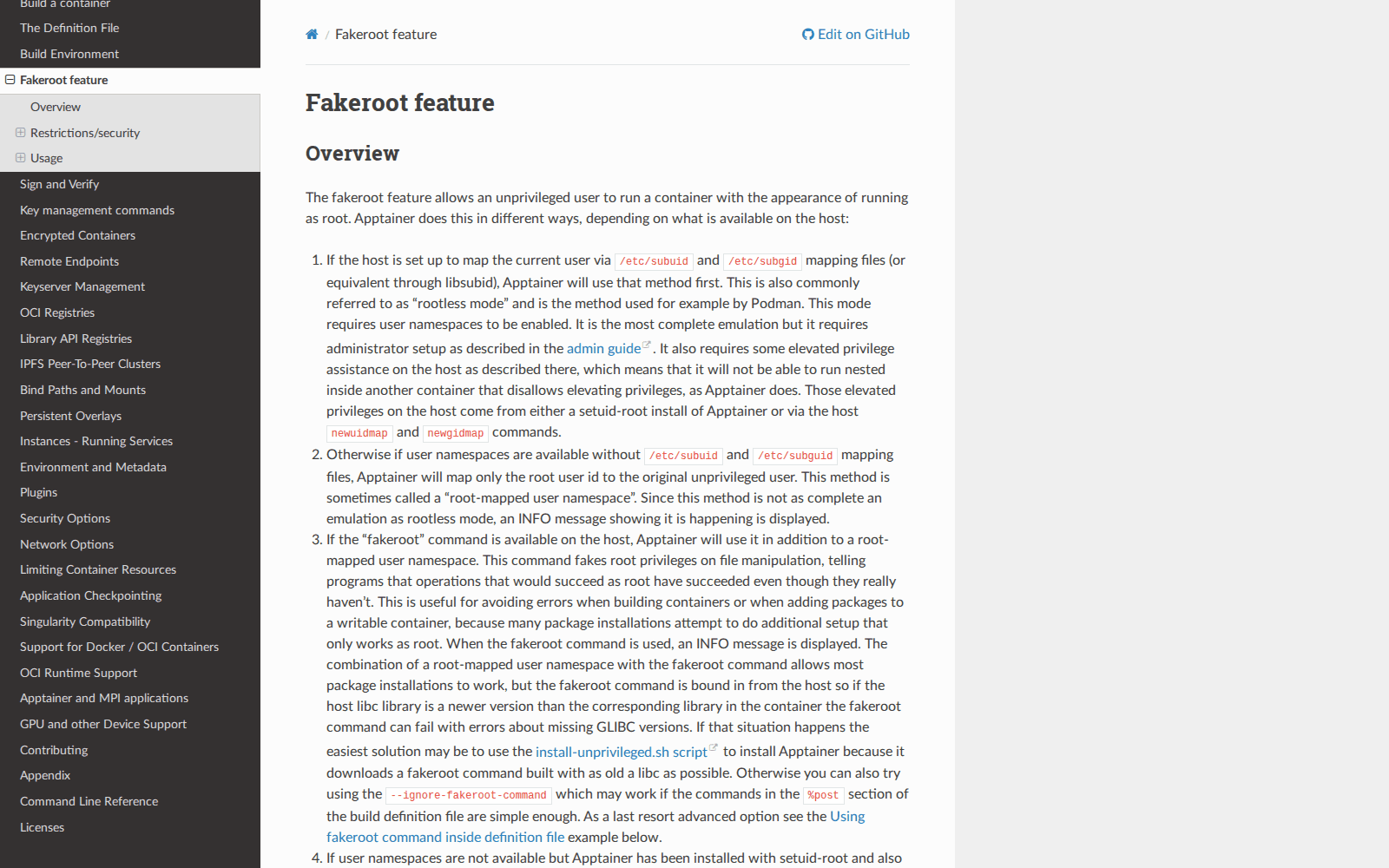
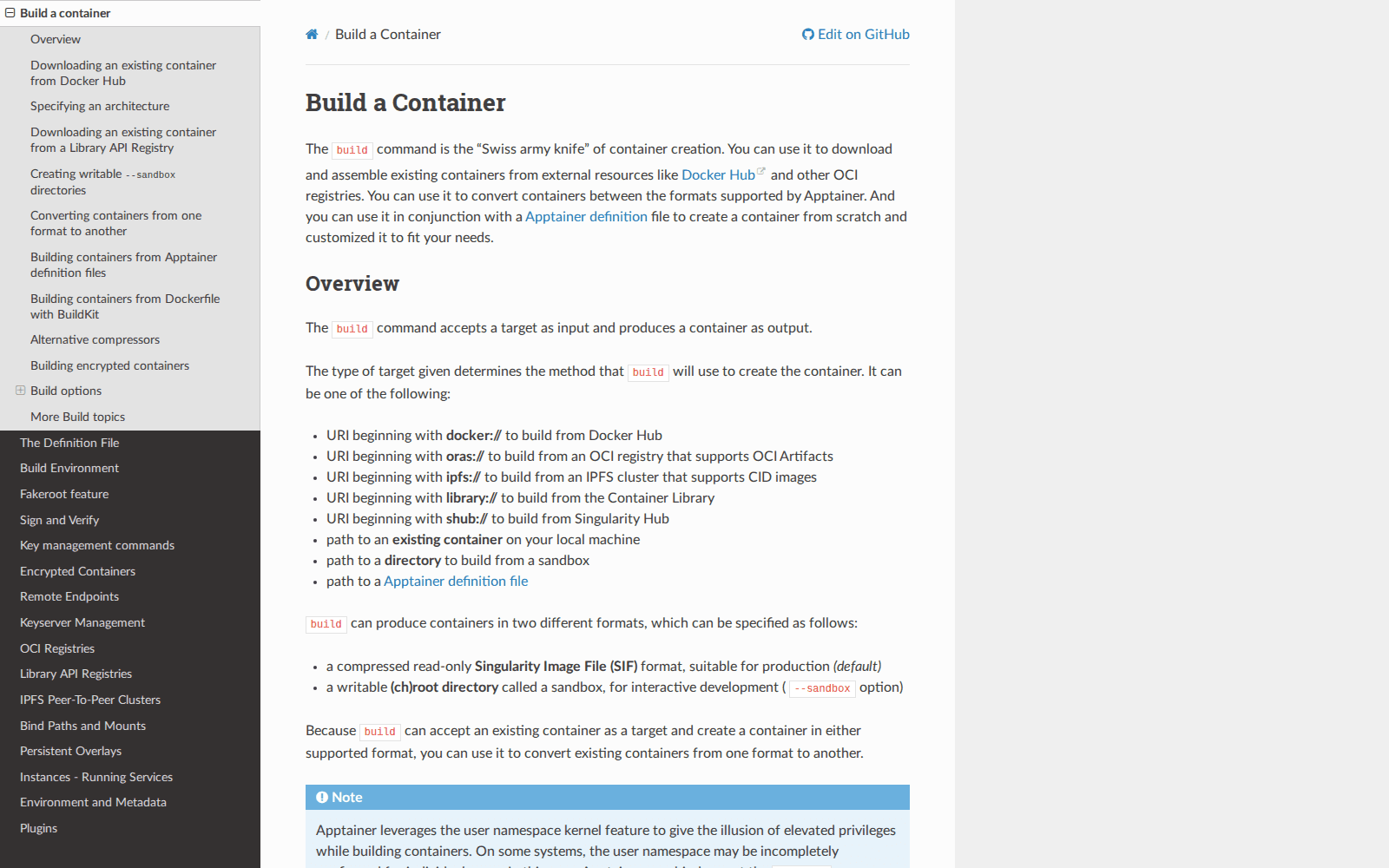
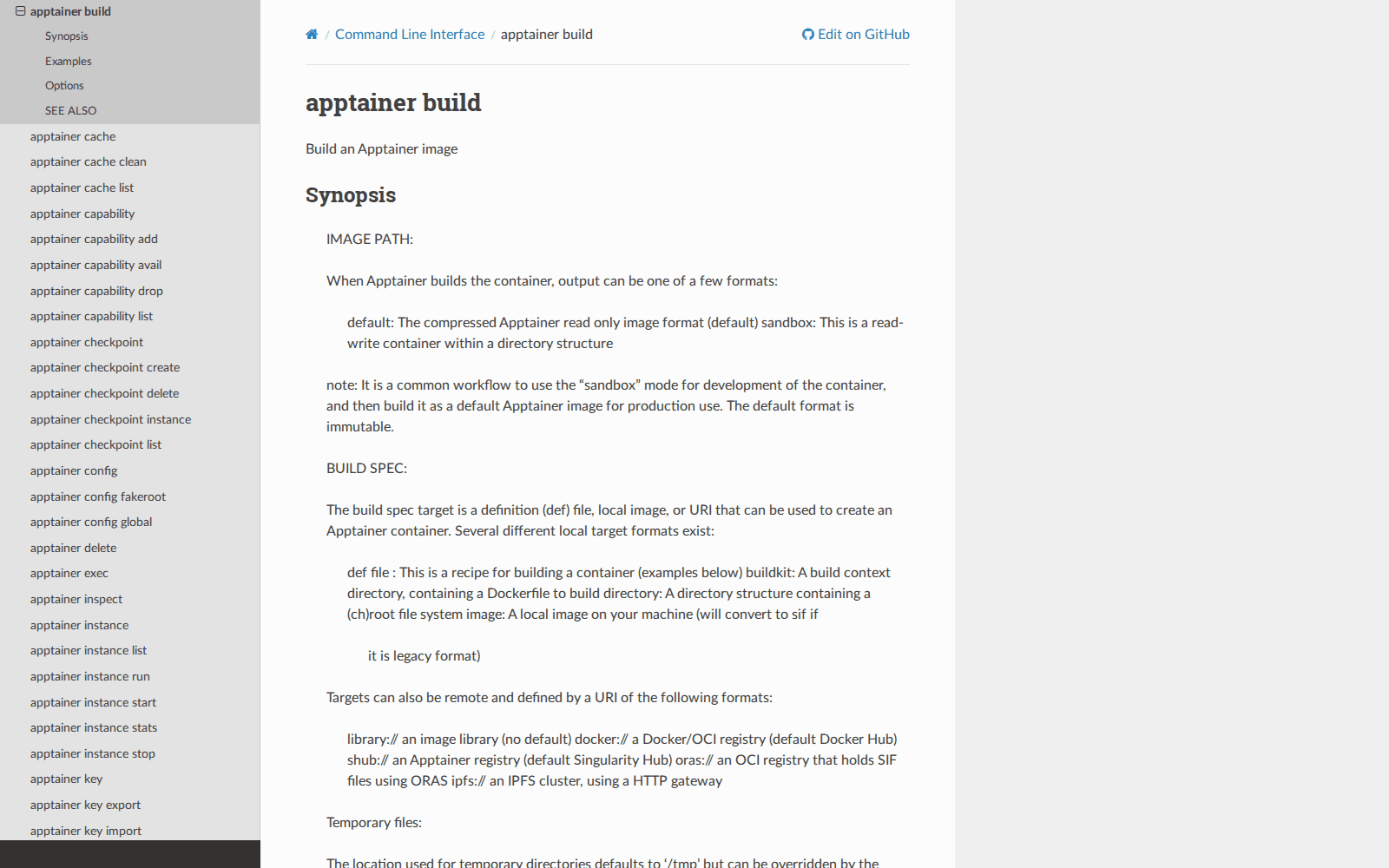
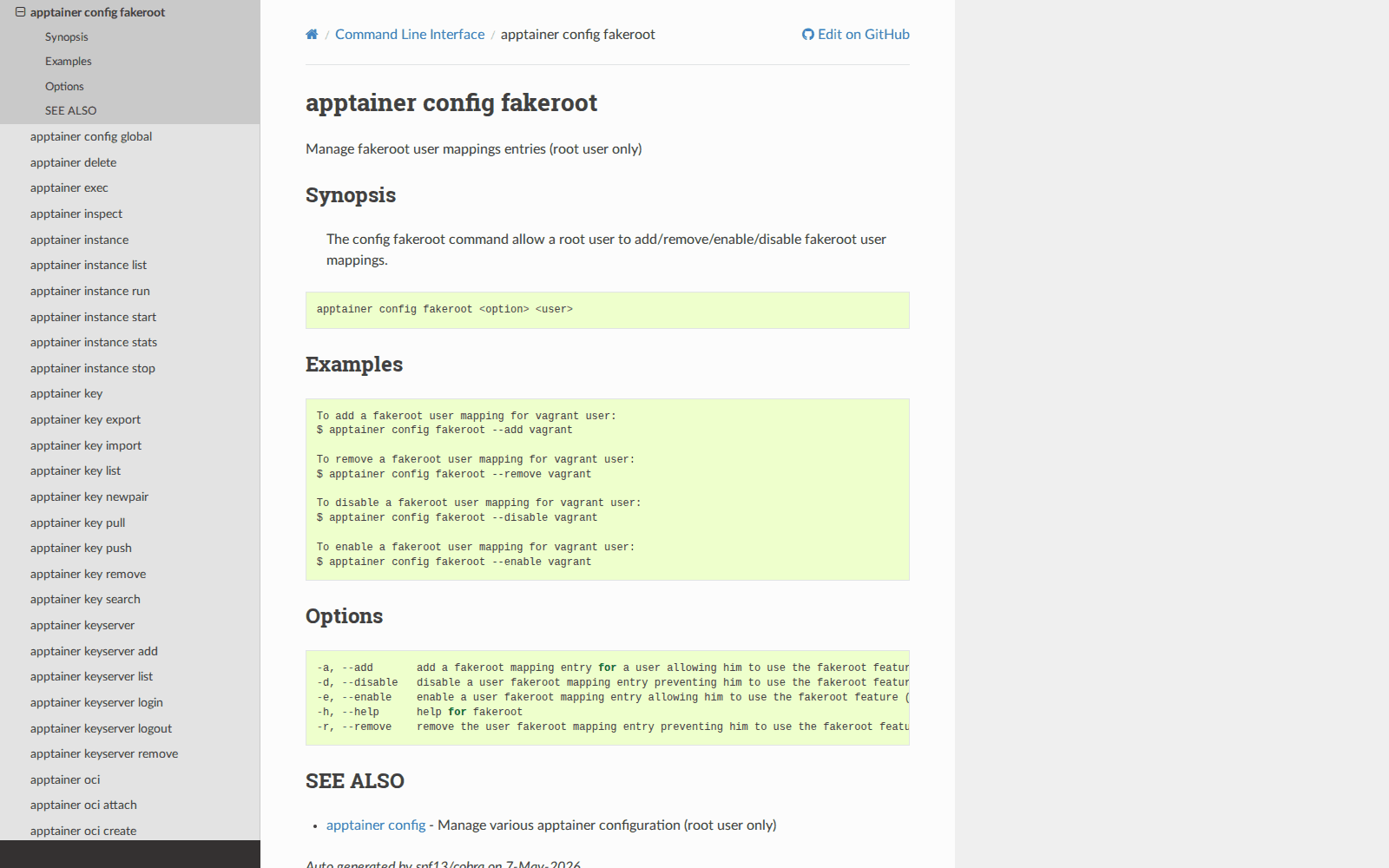
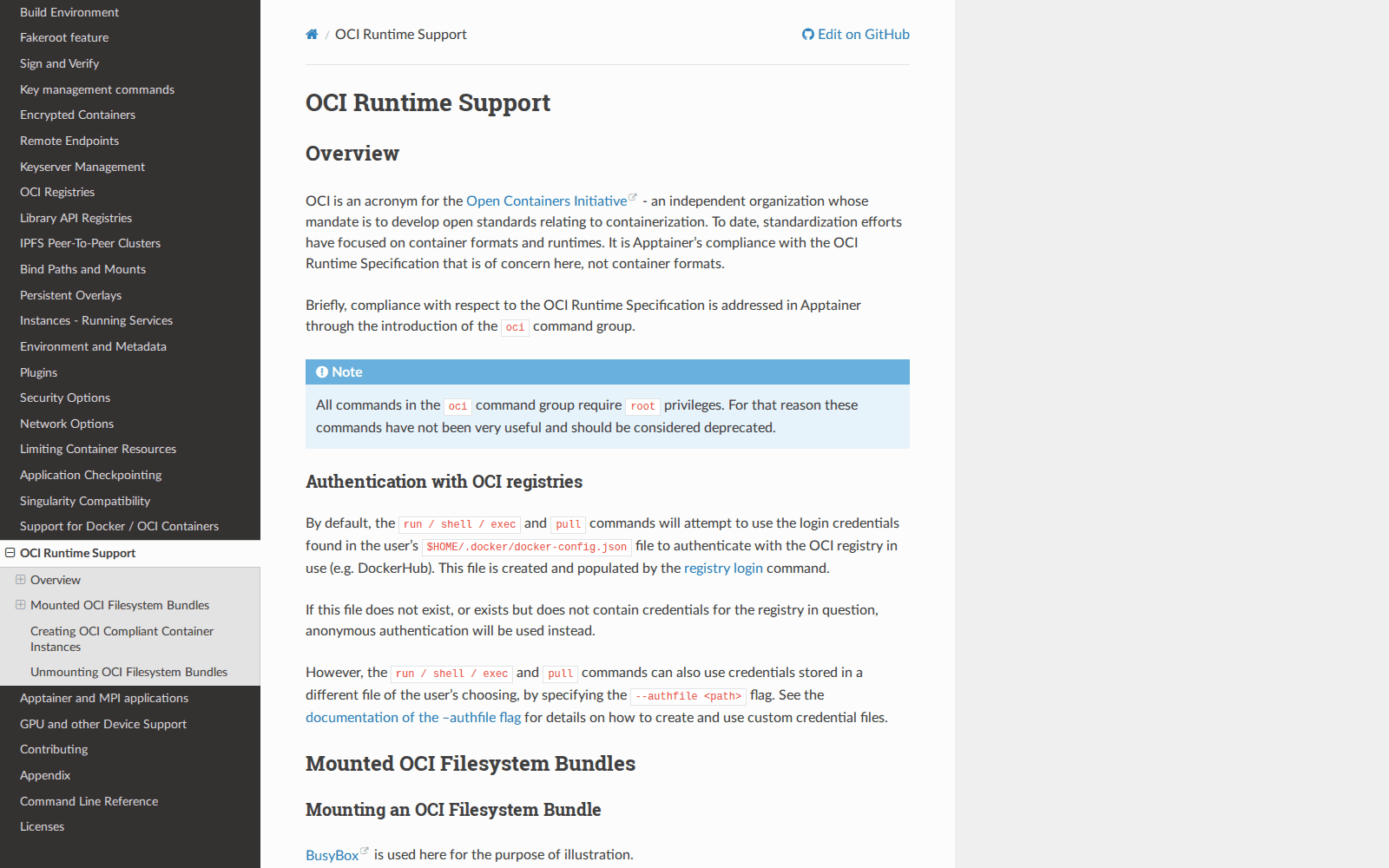
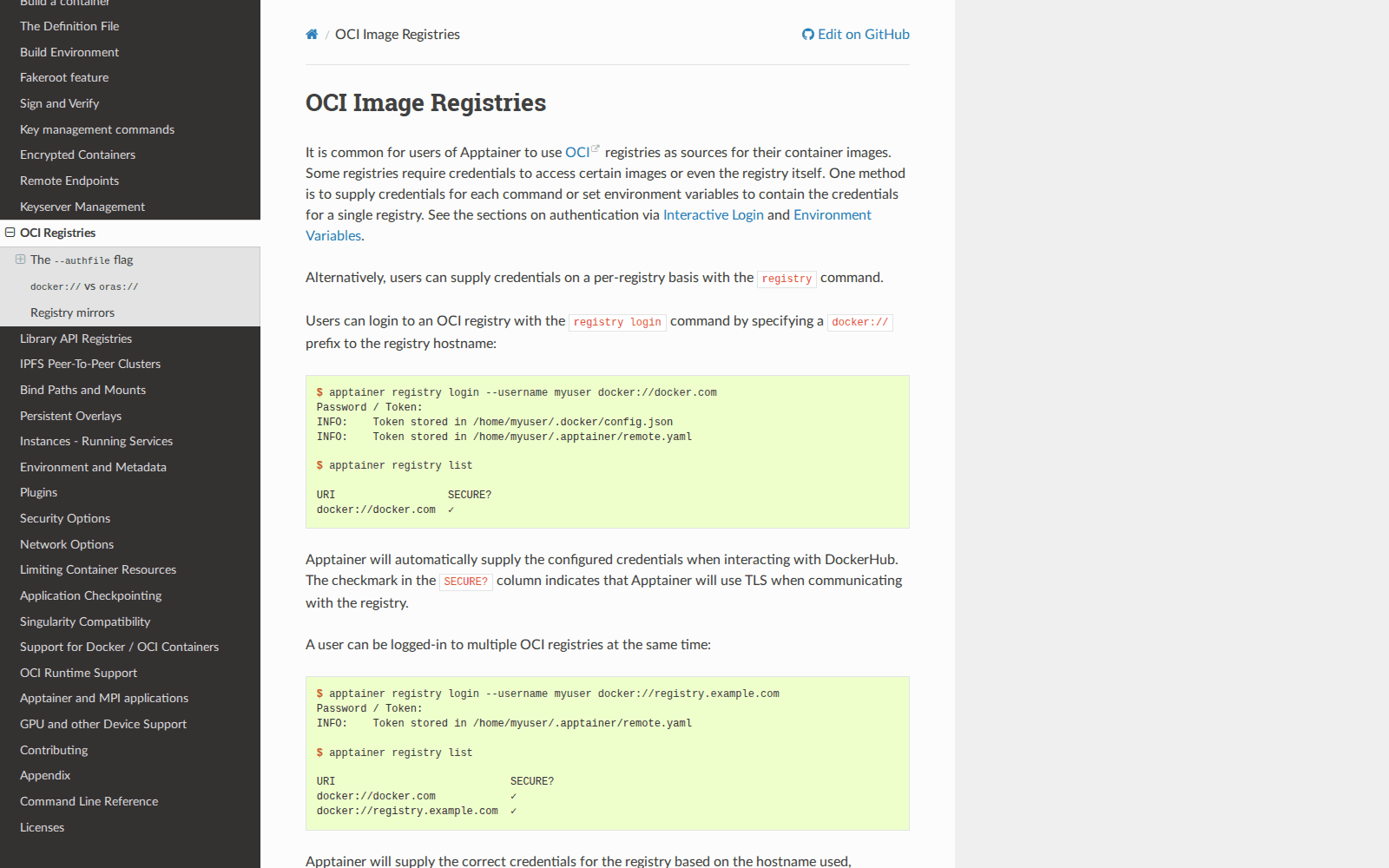
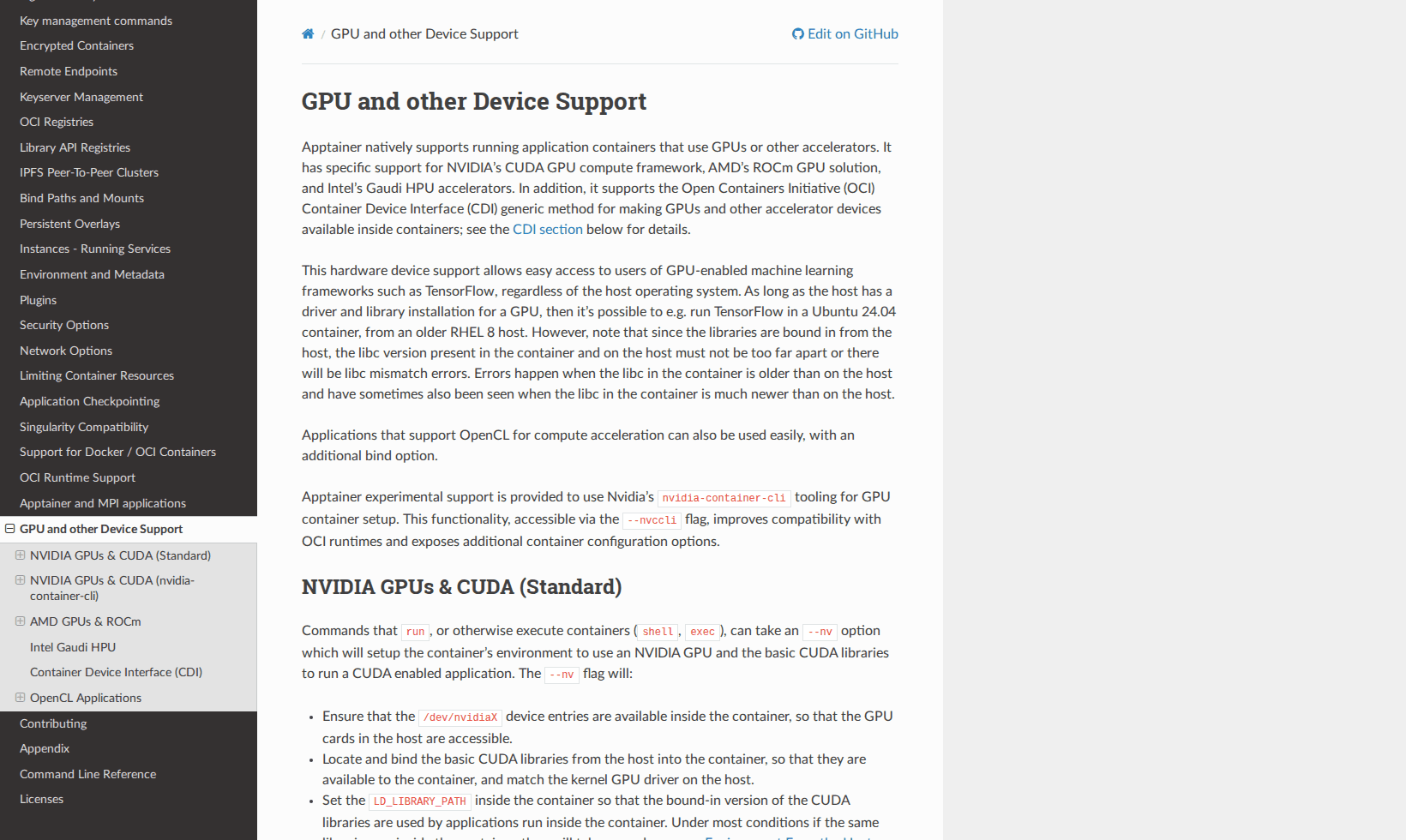
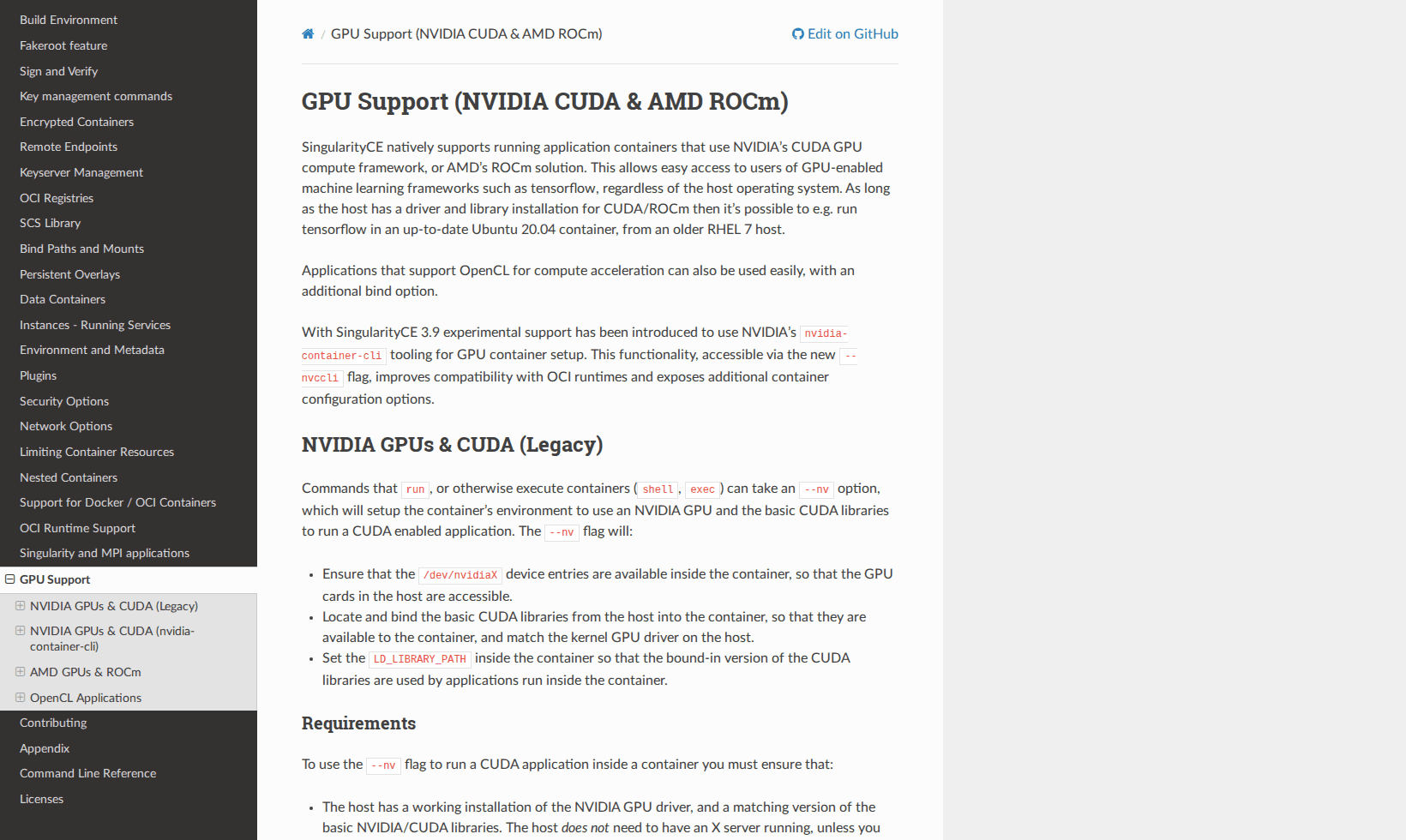
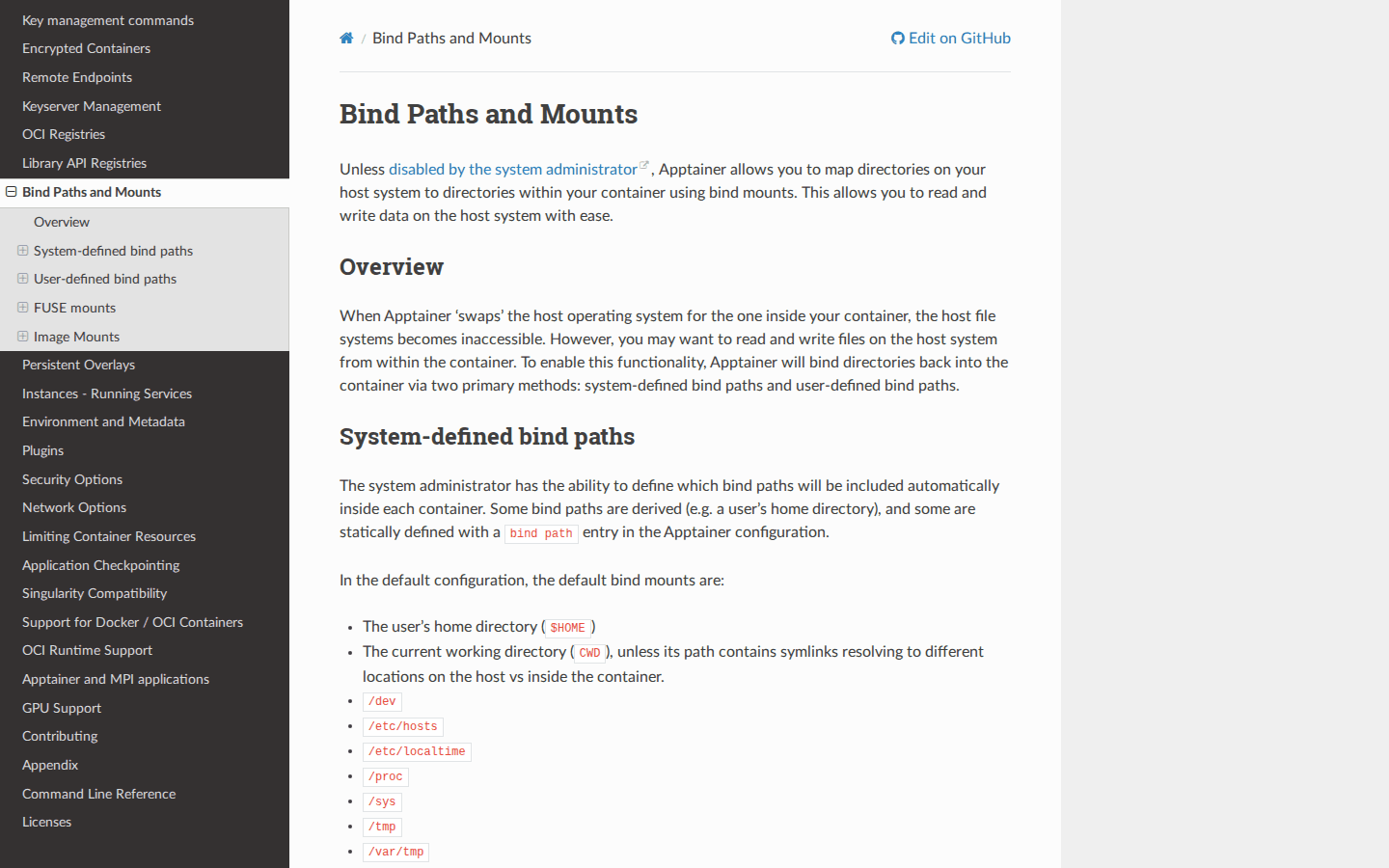
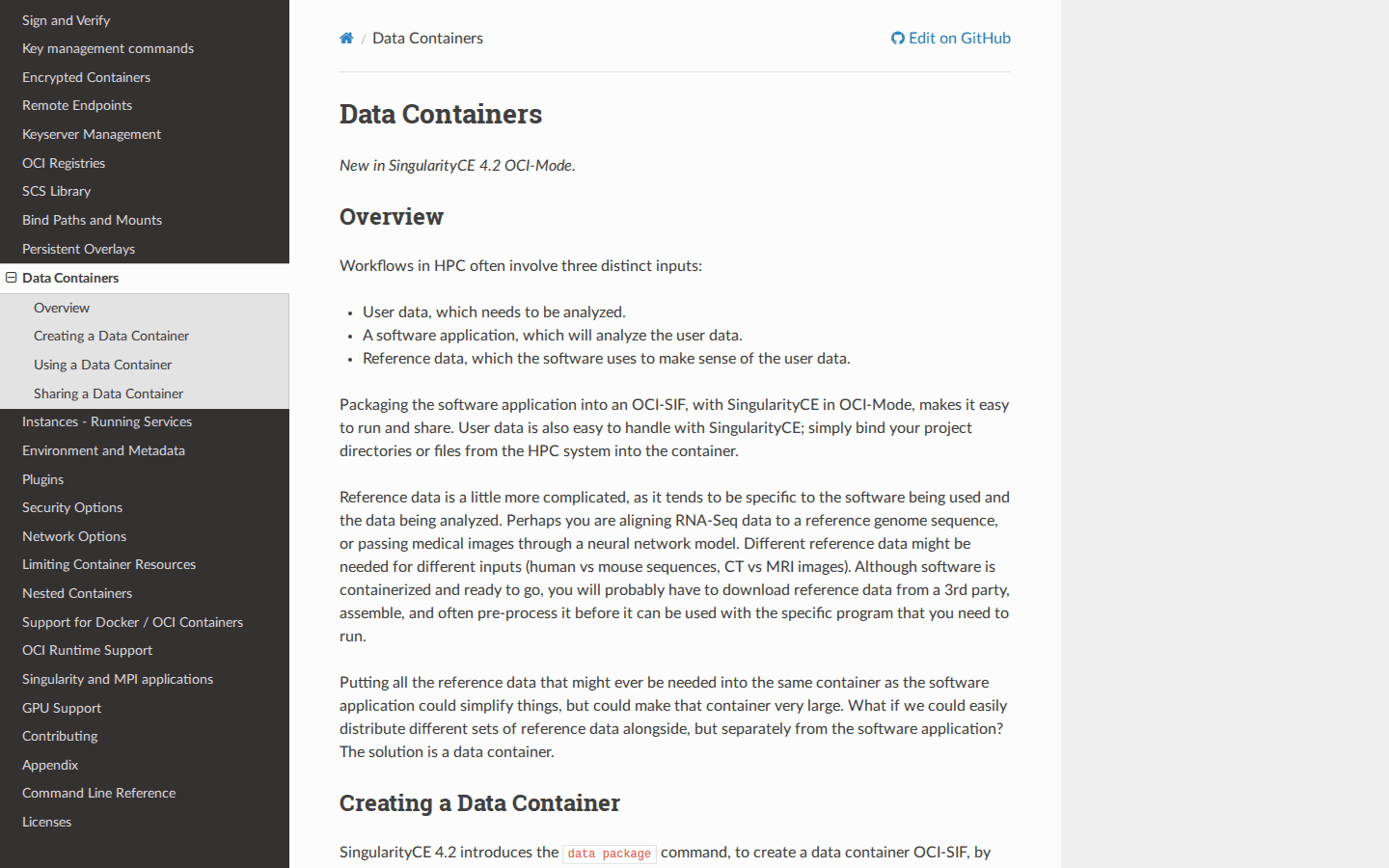
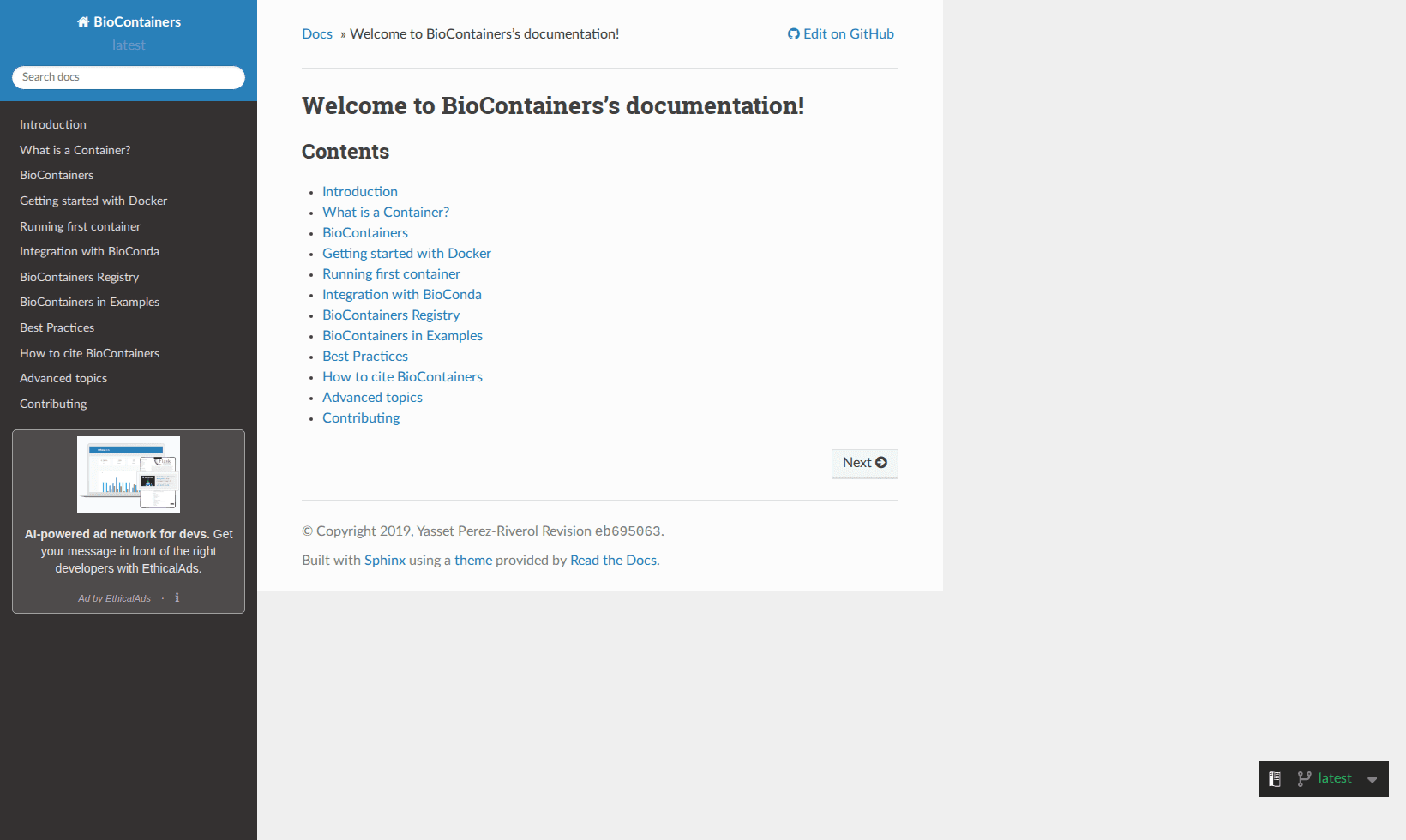
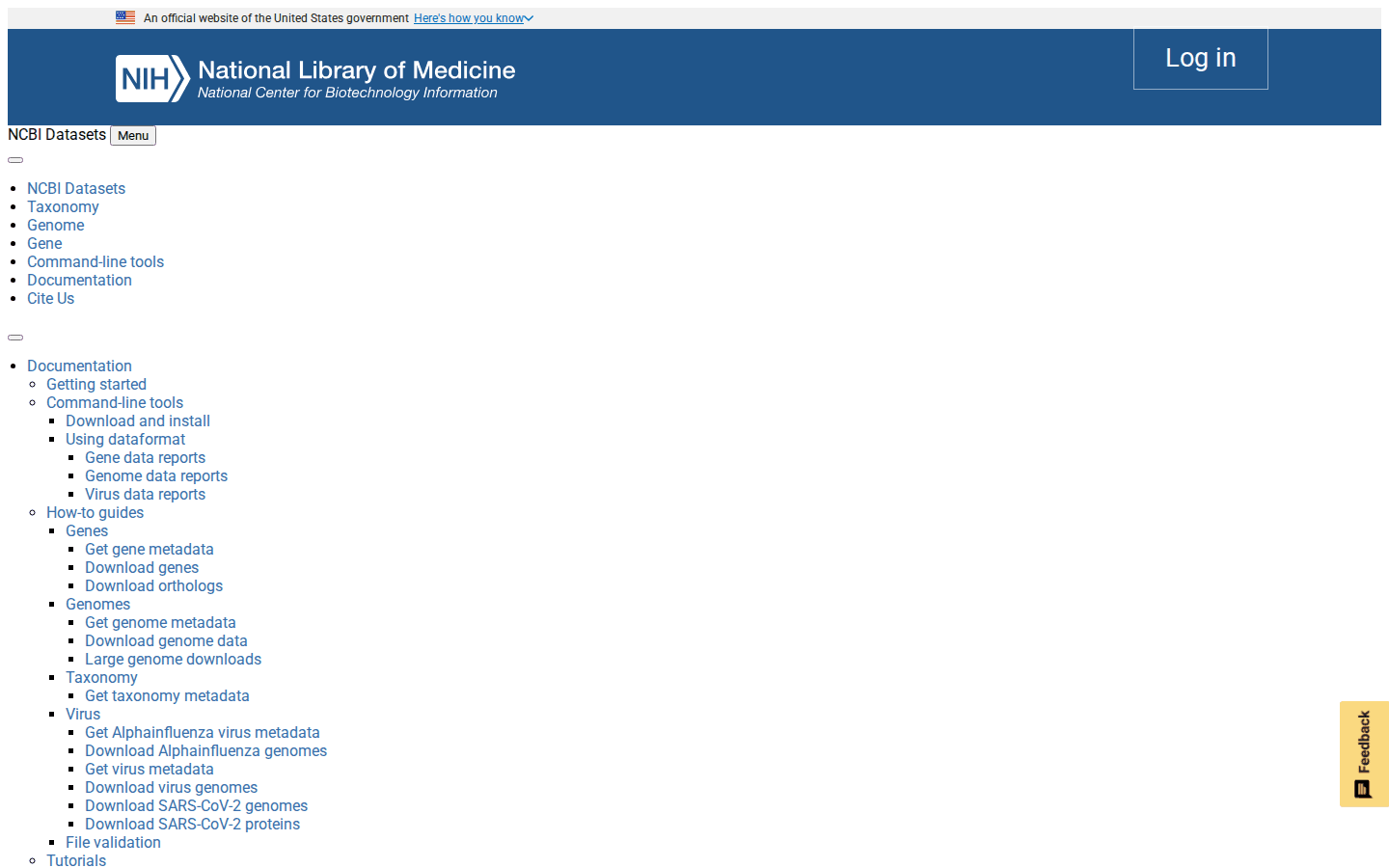
NVIDIA Container Toolkit install/docker-specialized docs and Docker run/Compose GPU guidance now pair with Apptainer Docker/OCI, oci-cli, fakeroot/config-fakeroot, build, registry, and OCI-runtime references, plus Singularity GPU/data-container docs, BioContainers docs, Mol* plugin-instance + MolViewSpec documentation, Blender extension docs and 4.3/4.4/4.5/5.0/5.1 Python API updates, OpenUSD glossary/API references, and NCBI datasets CLI material.
The frontend should expose this as a dedicated runtime lane so users can inspect GPU/container prerequisites, viewer-state mechanics, and CLI-level reproducibility assumptions together.
May 16, 2026Evidence Methods13 sources
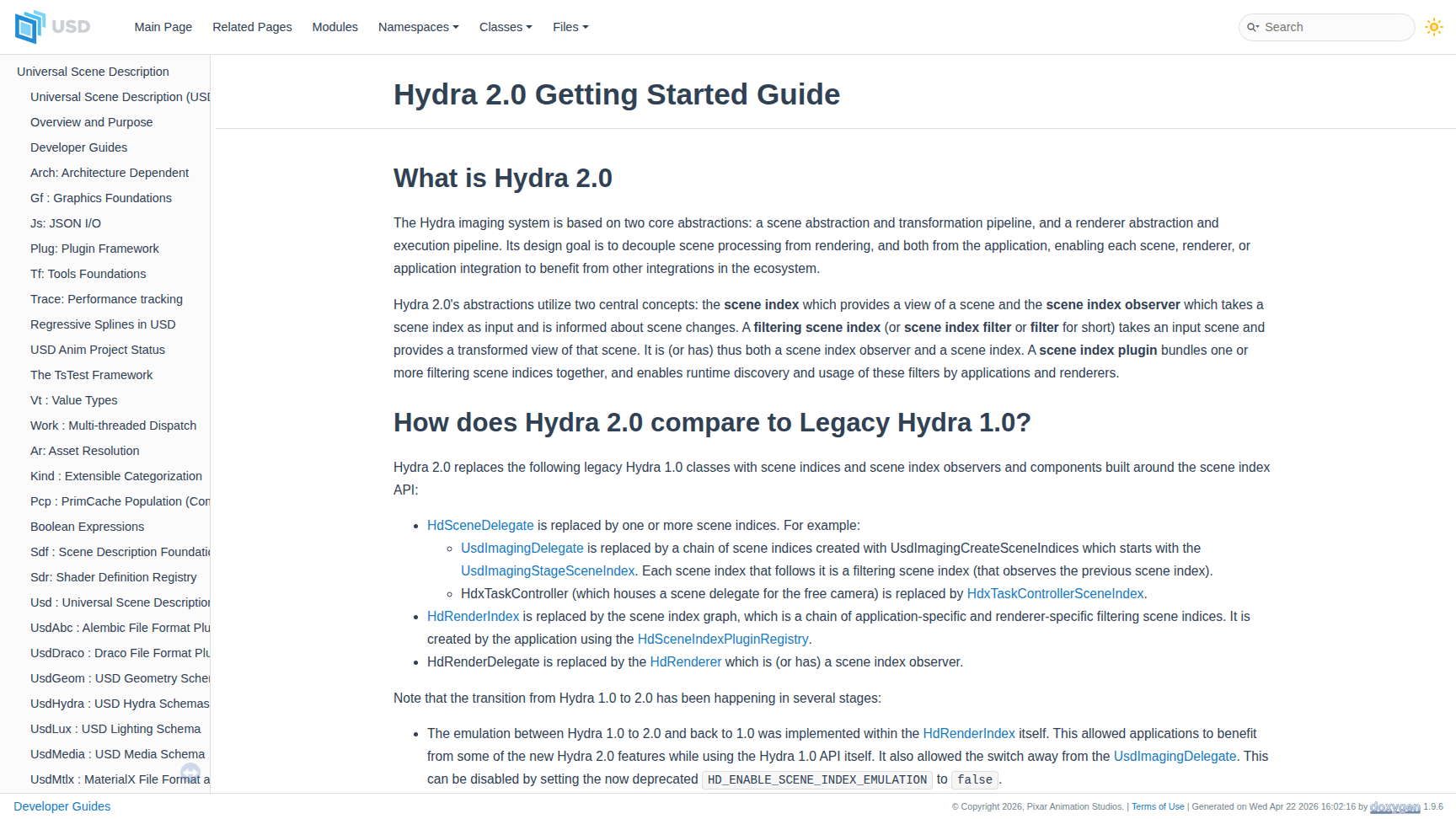
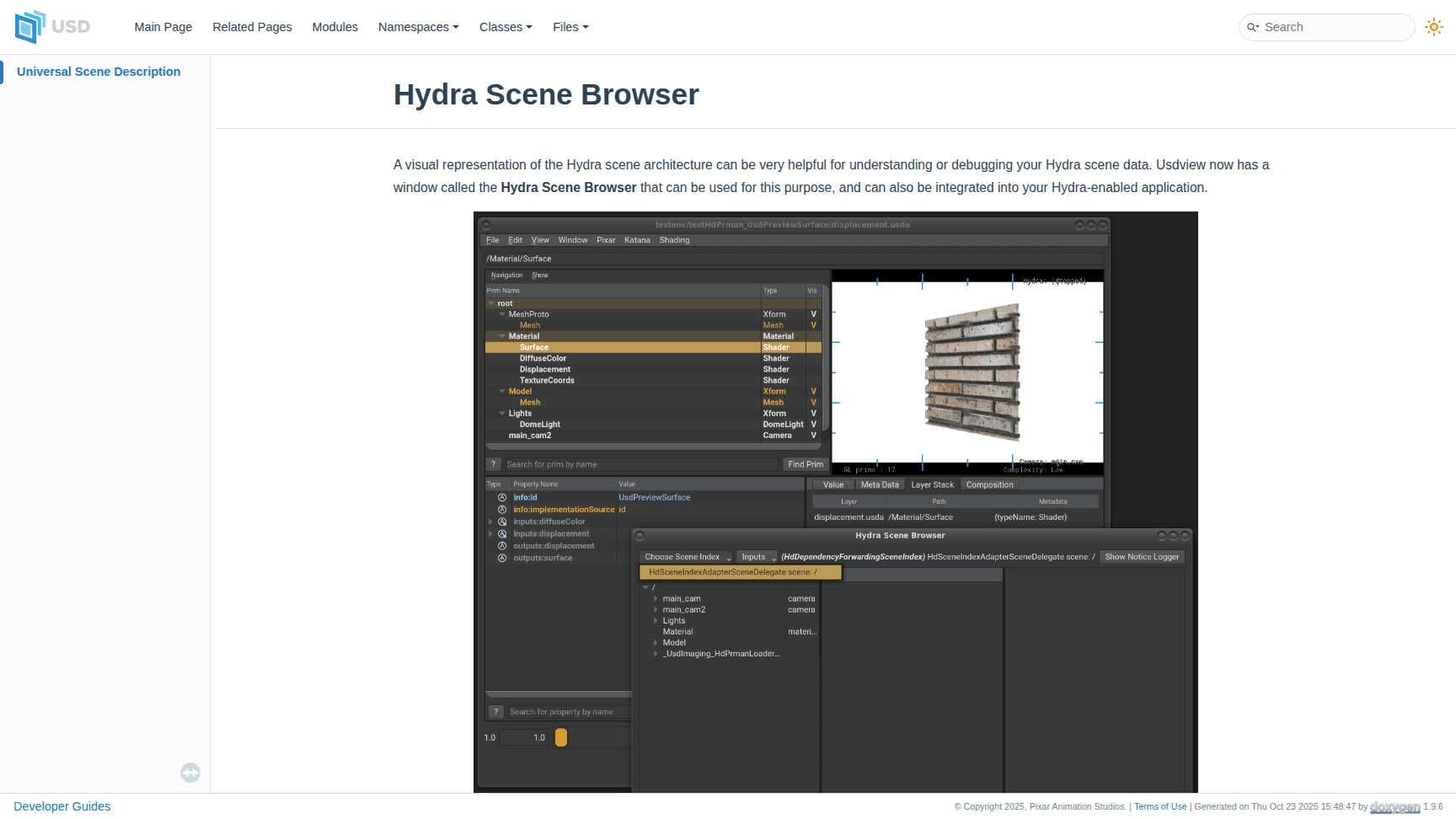
Workflow-engine container docs and deeper Hydra/Mol* references now make execution lanes more explicit
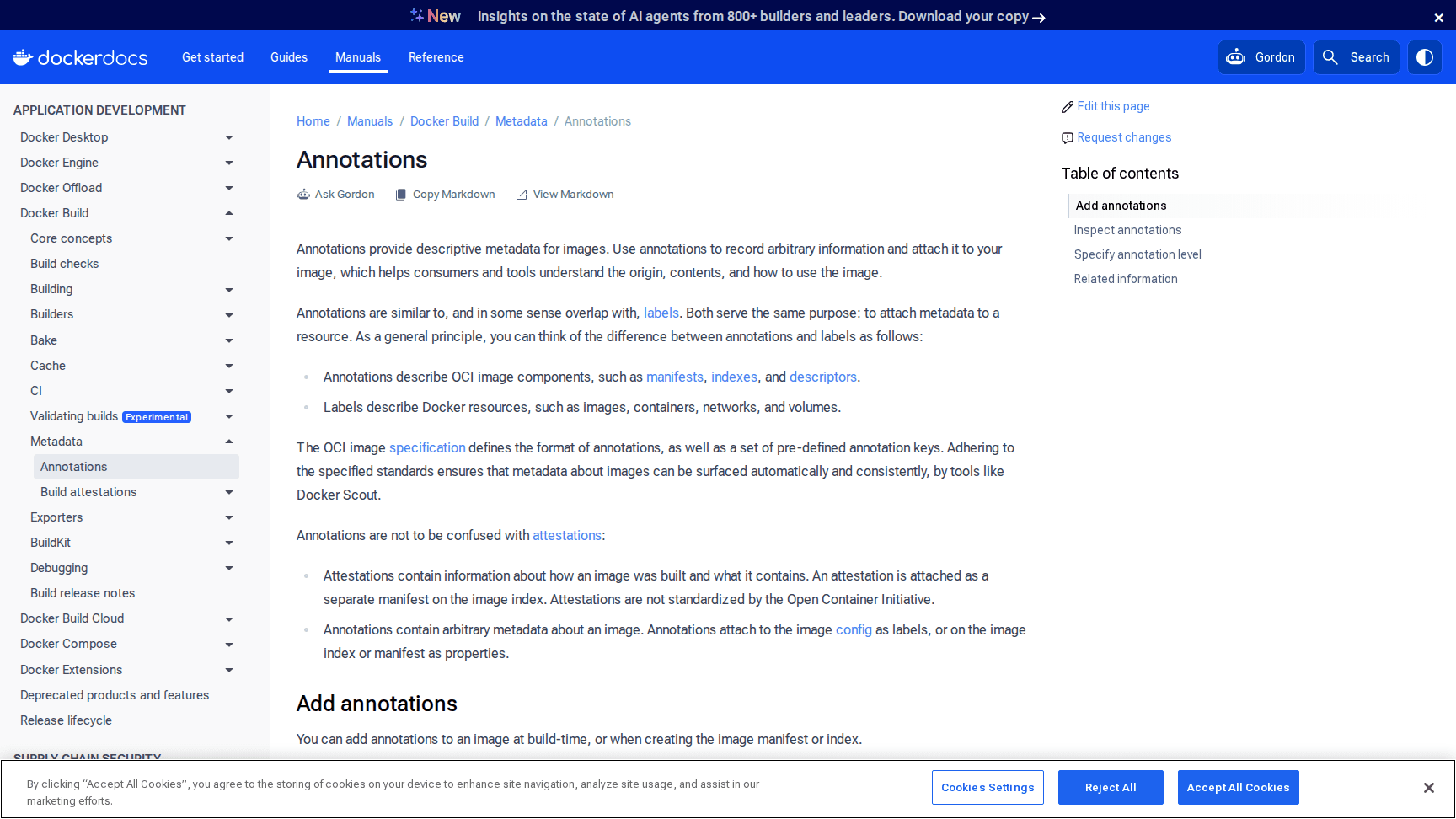
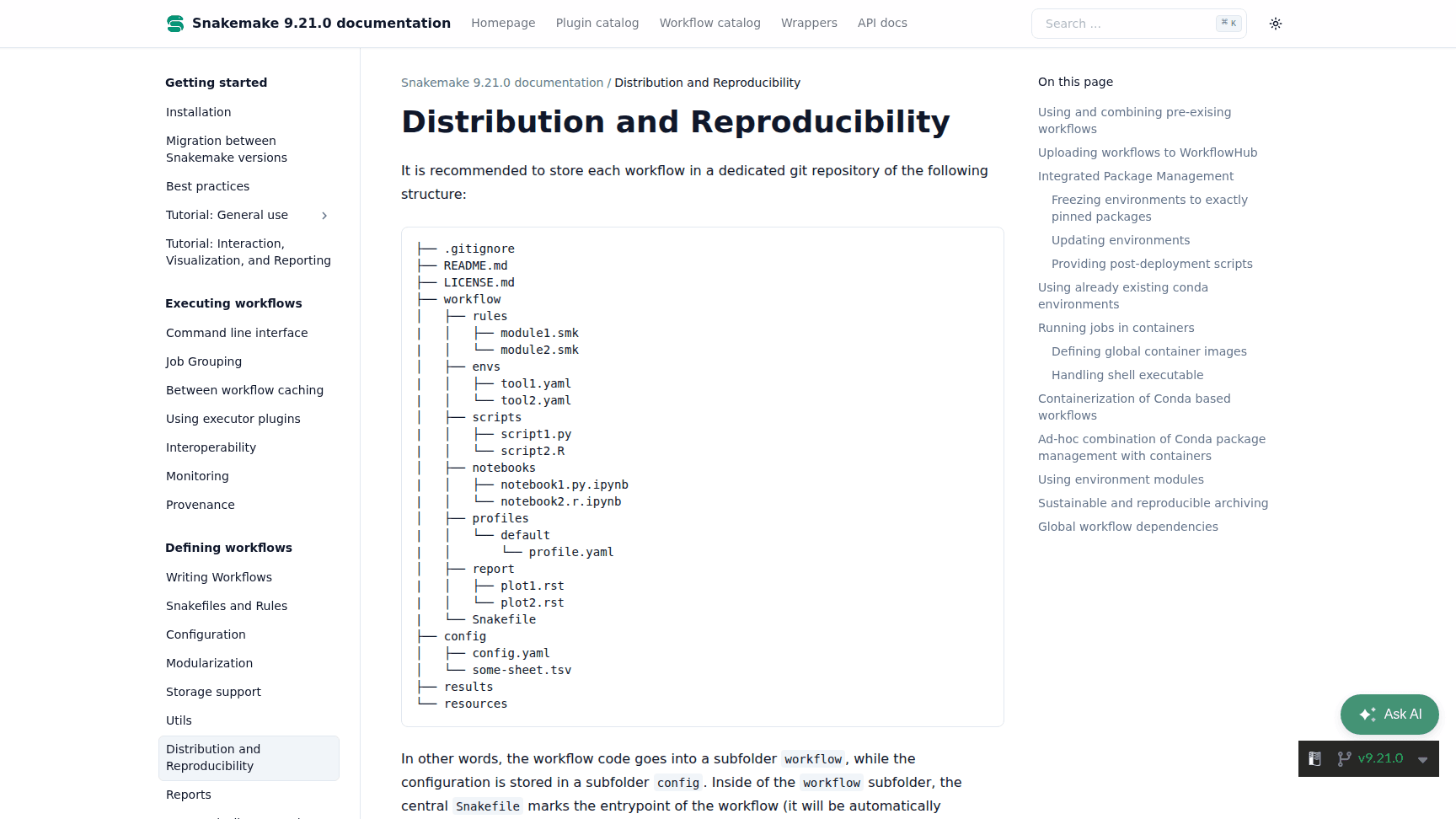
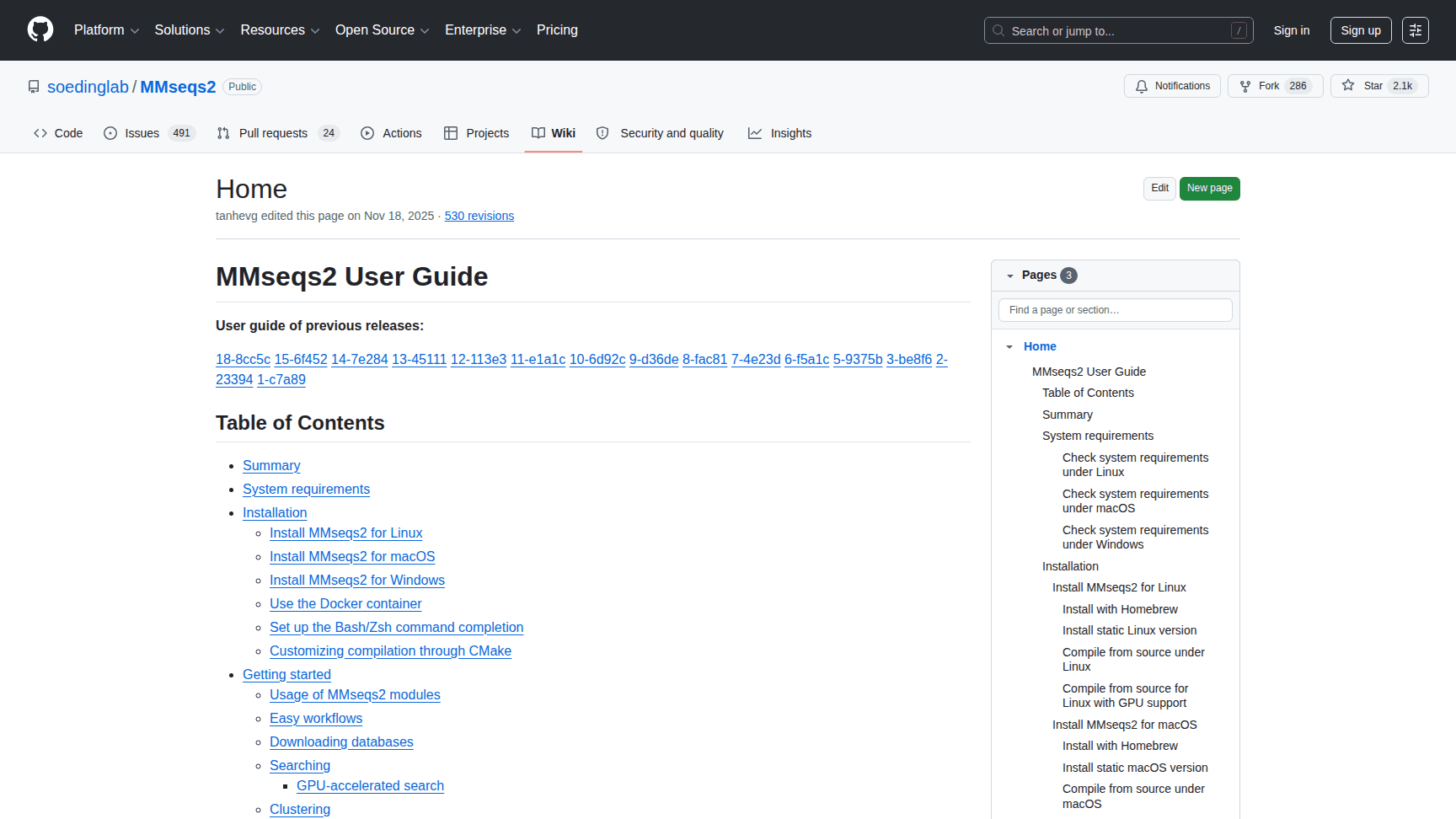
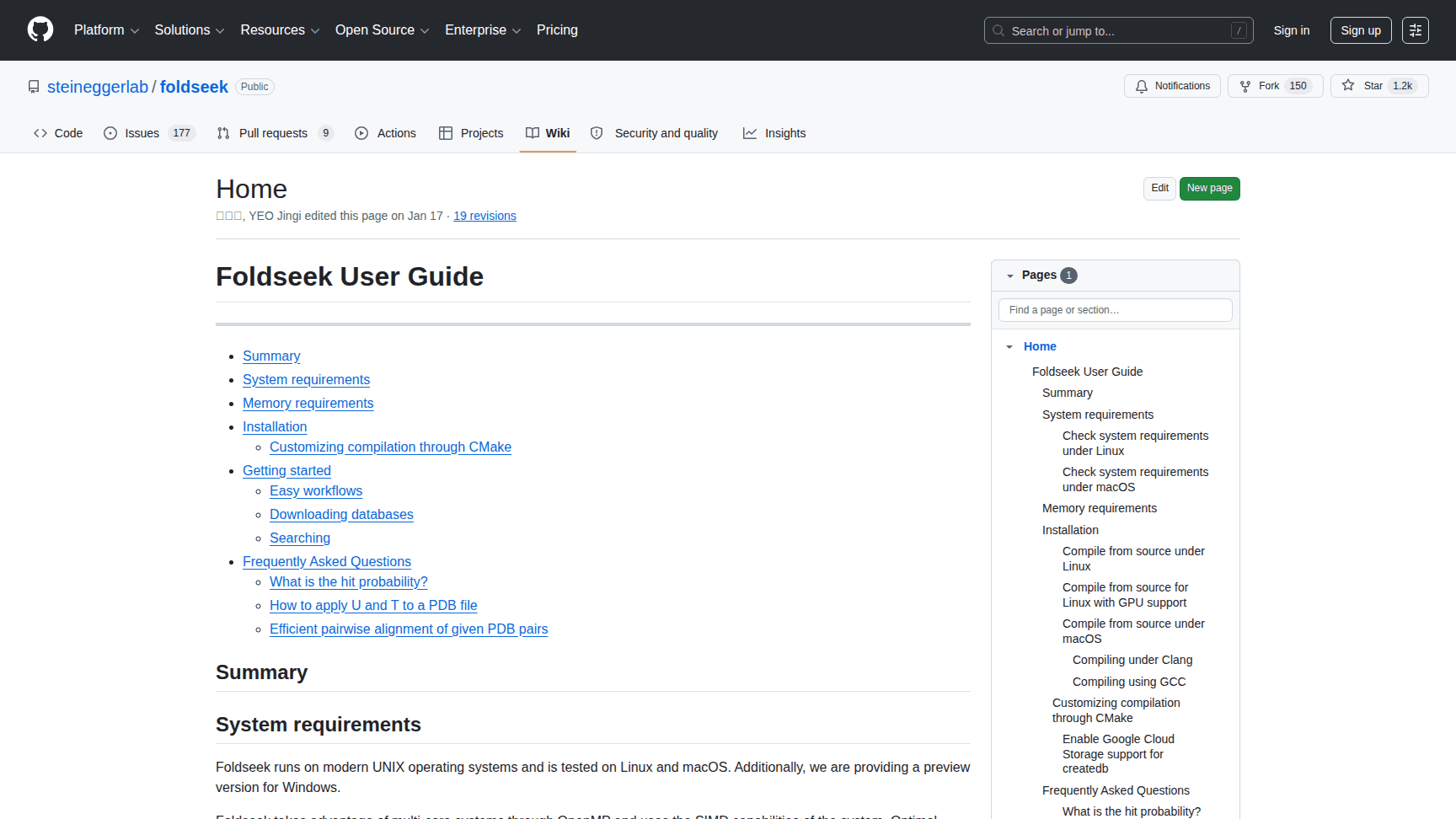
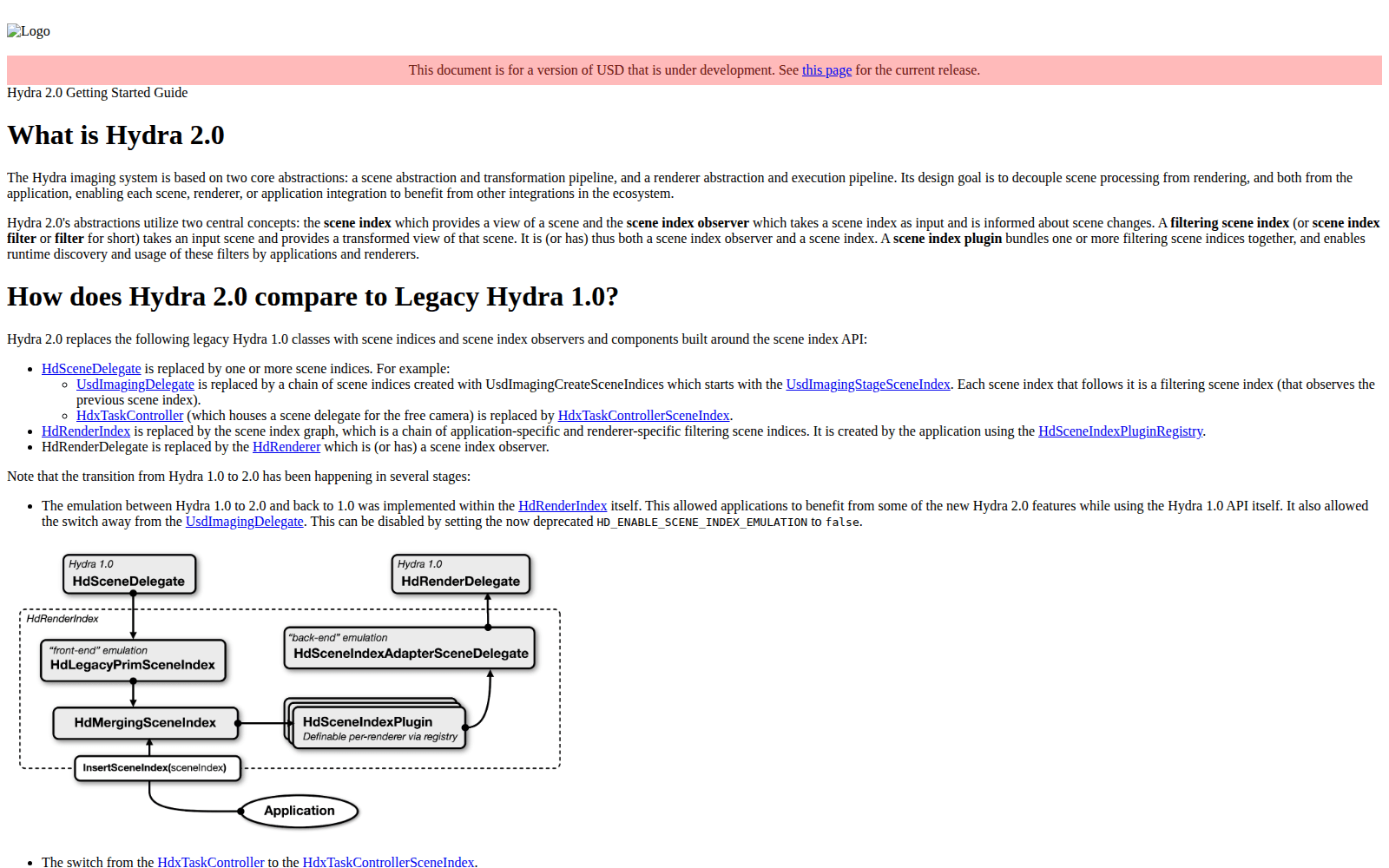
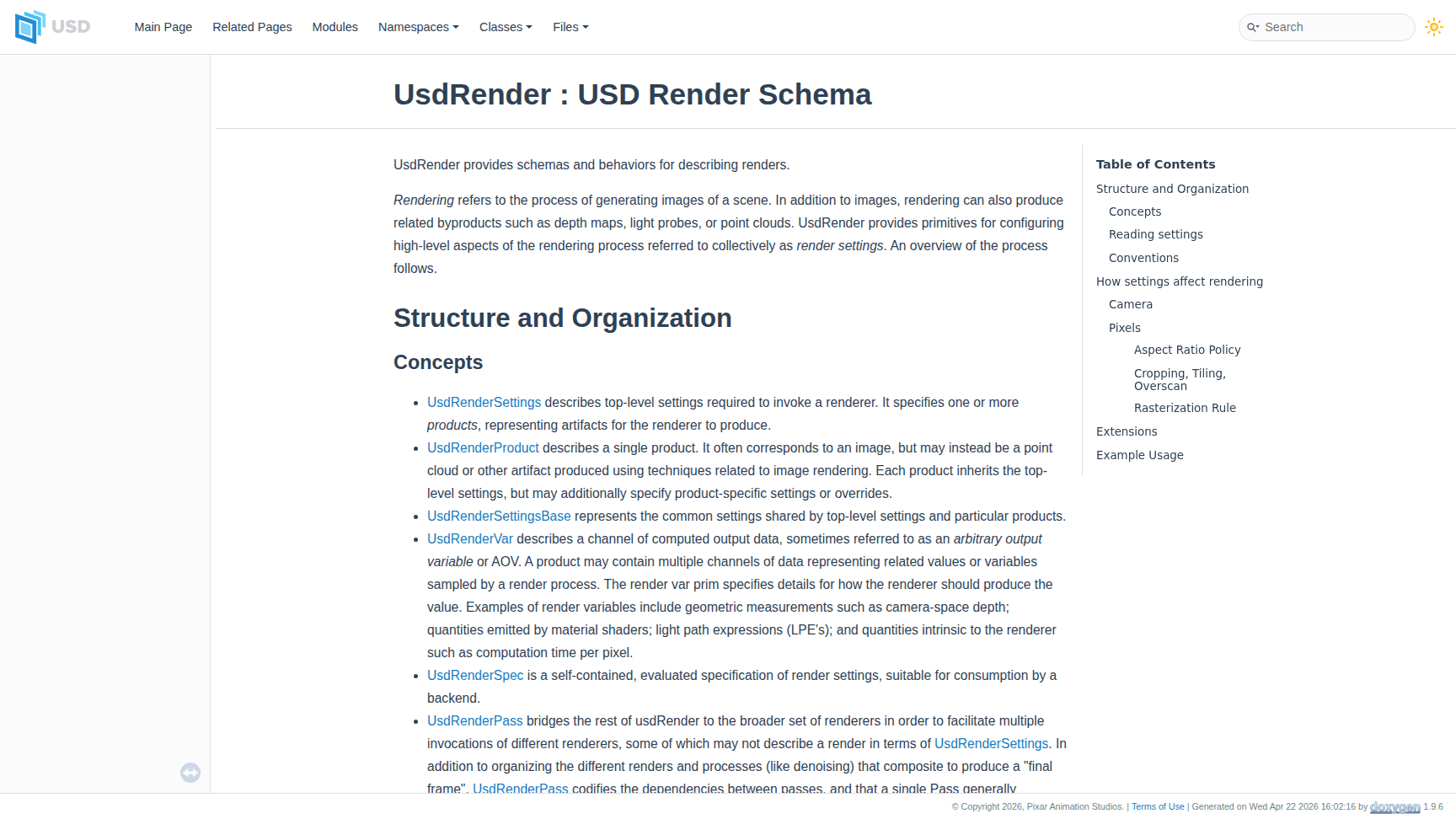
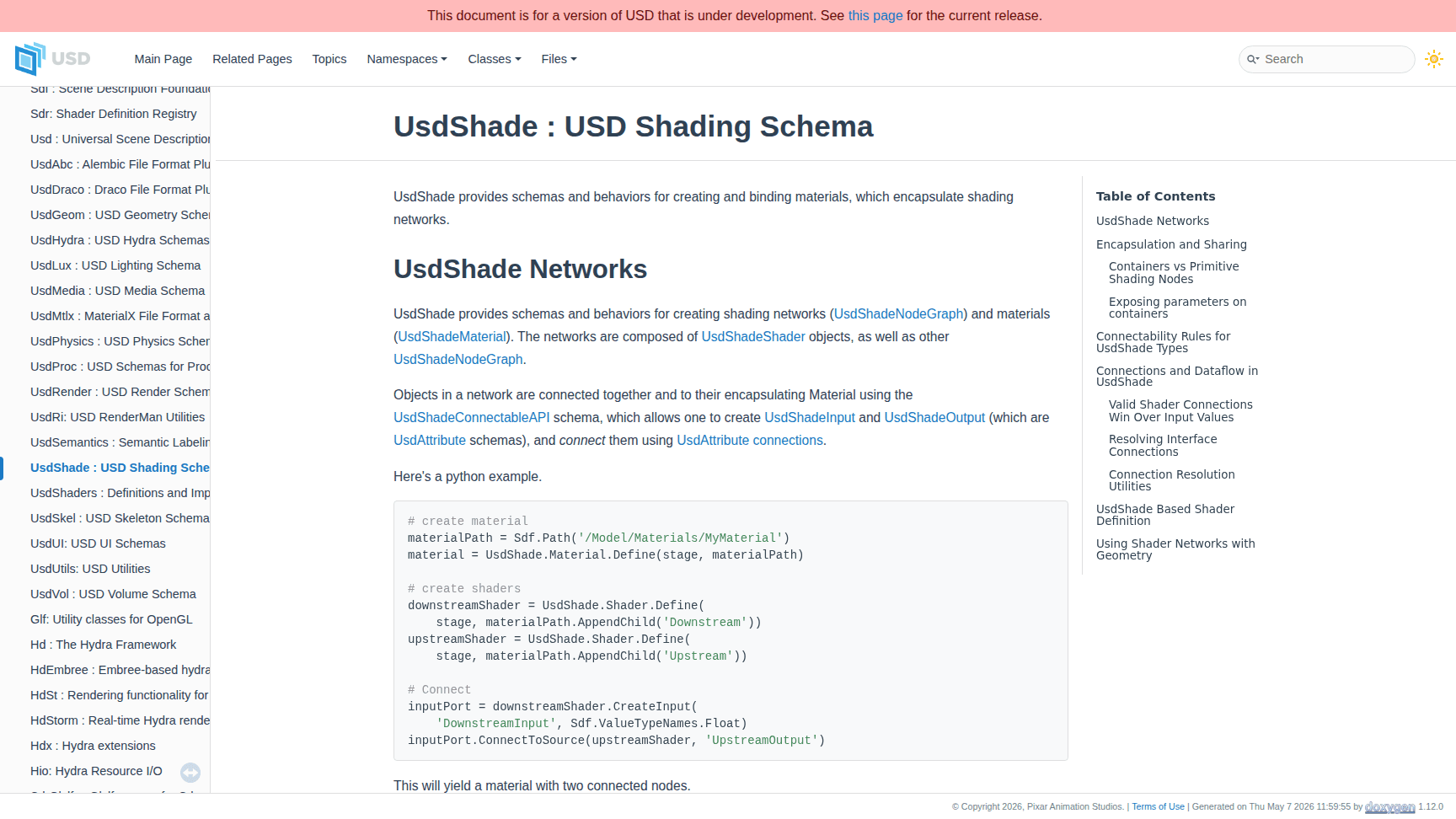
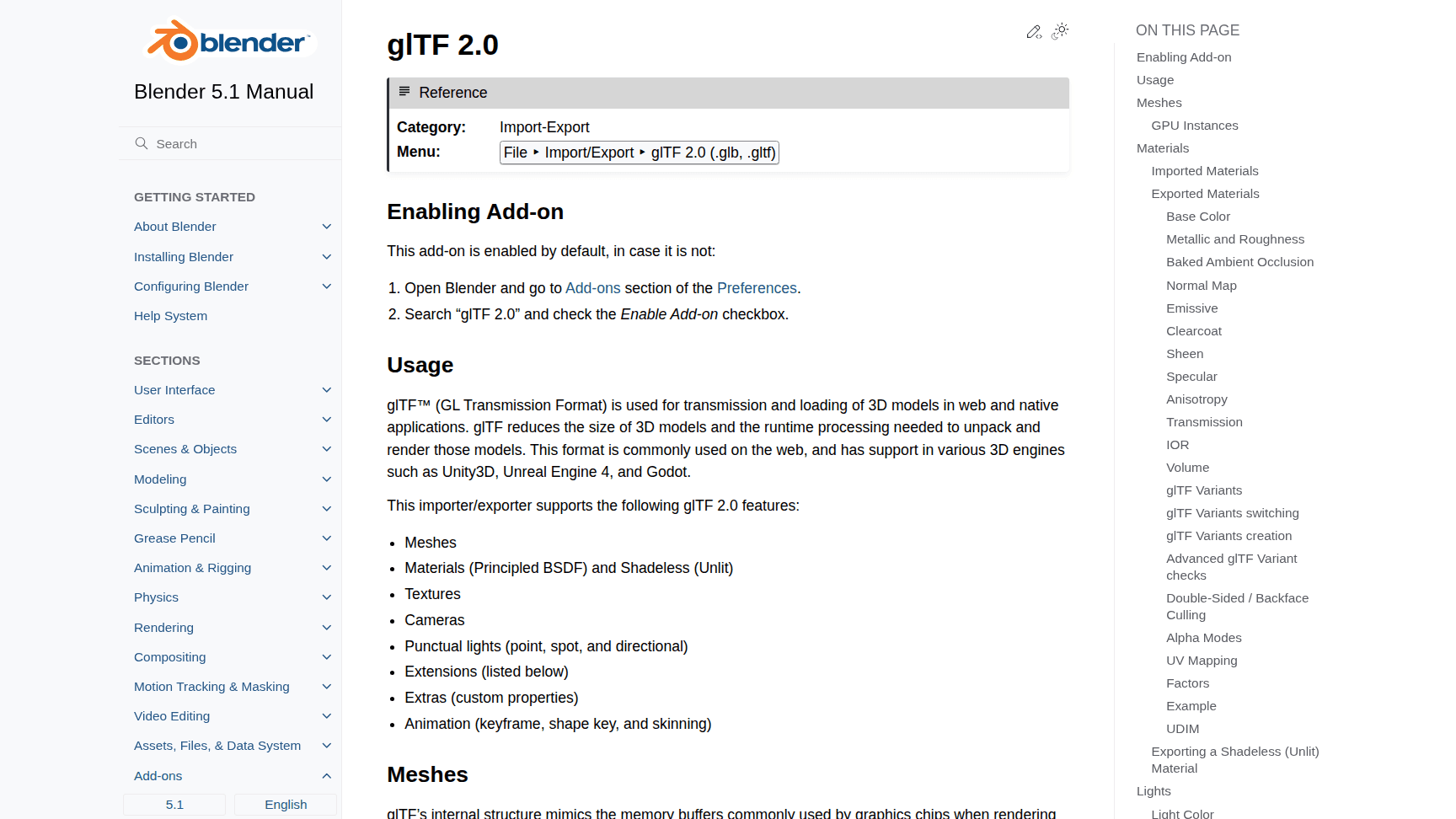
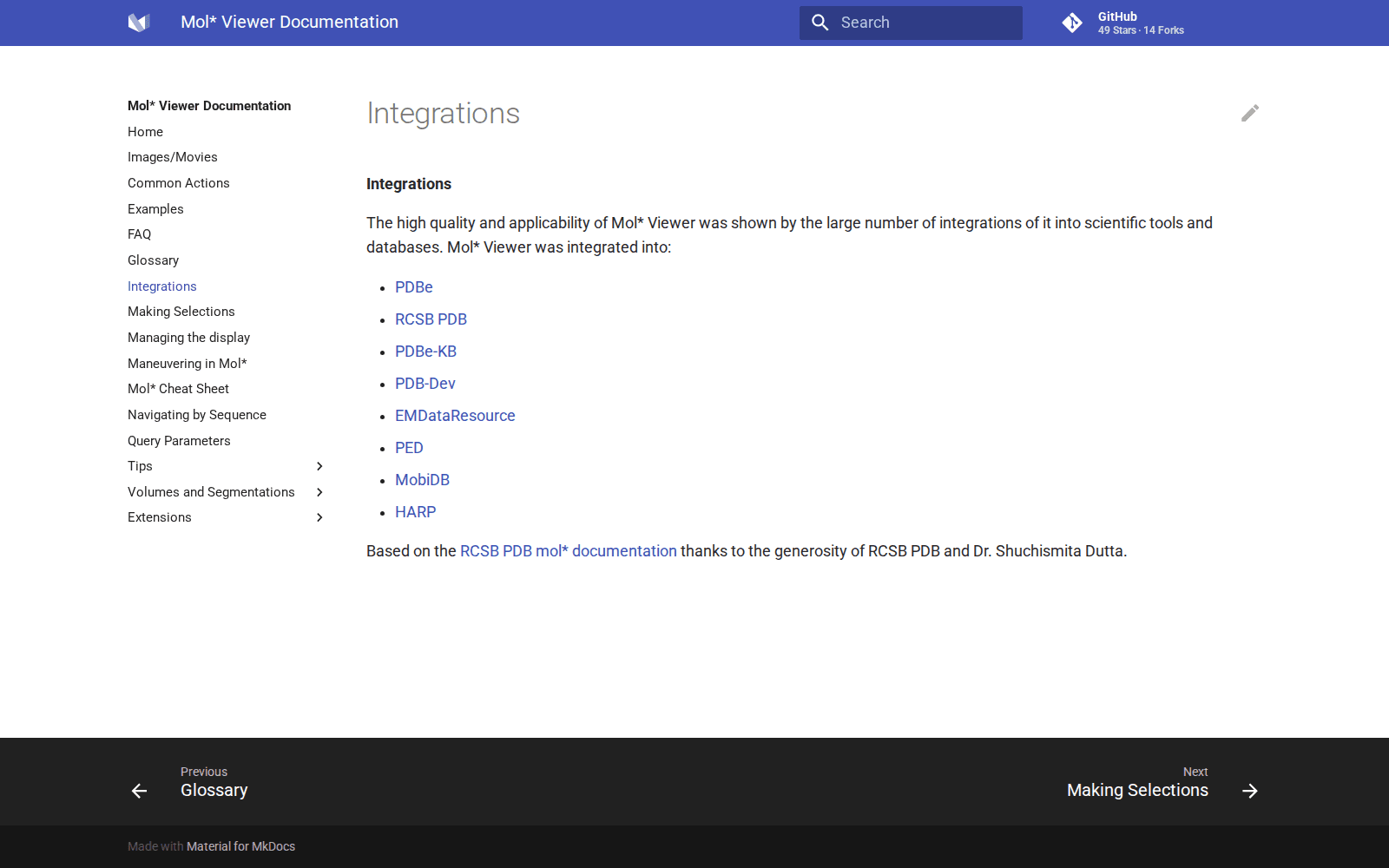
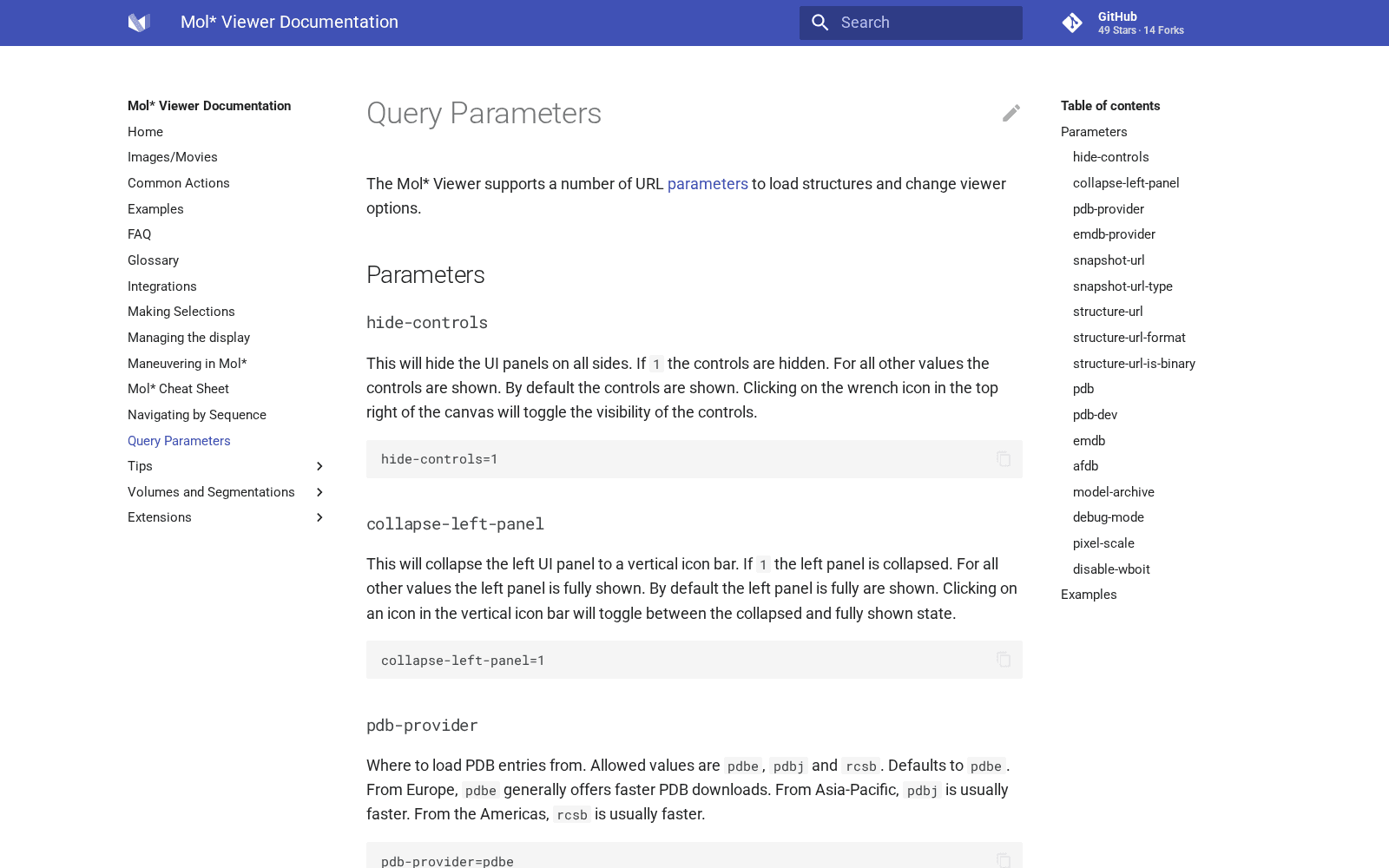
Docker Compose build-spec and build-annotation docs now pair with Nextflow/Snakemake container reproducibility guidance, MMseqs2/Foldseek operational references, OpenUSD Hd/UsdRender/UsdShade schema pages plus the current dev Hydra guide, Blender glTF manual coverage, and focused Mol* integrations/query-parameter documentation.
The frontend should expose this as a dedicated operations lane so users can inspect workflow-engine assumptions, scene-graph/render schema boundaries, and browser-viewer state controls in one pass.
May 16, 2026Evidence Methods10 sources
Scout operations docs, OpenUSD variant authoring, and contact-distance APIs now tighten experiment review loops
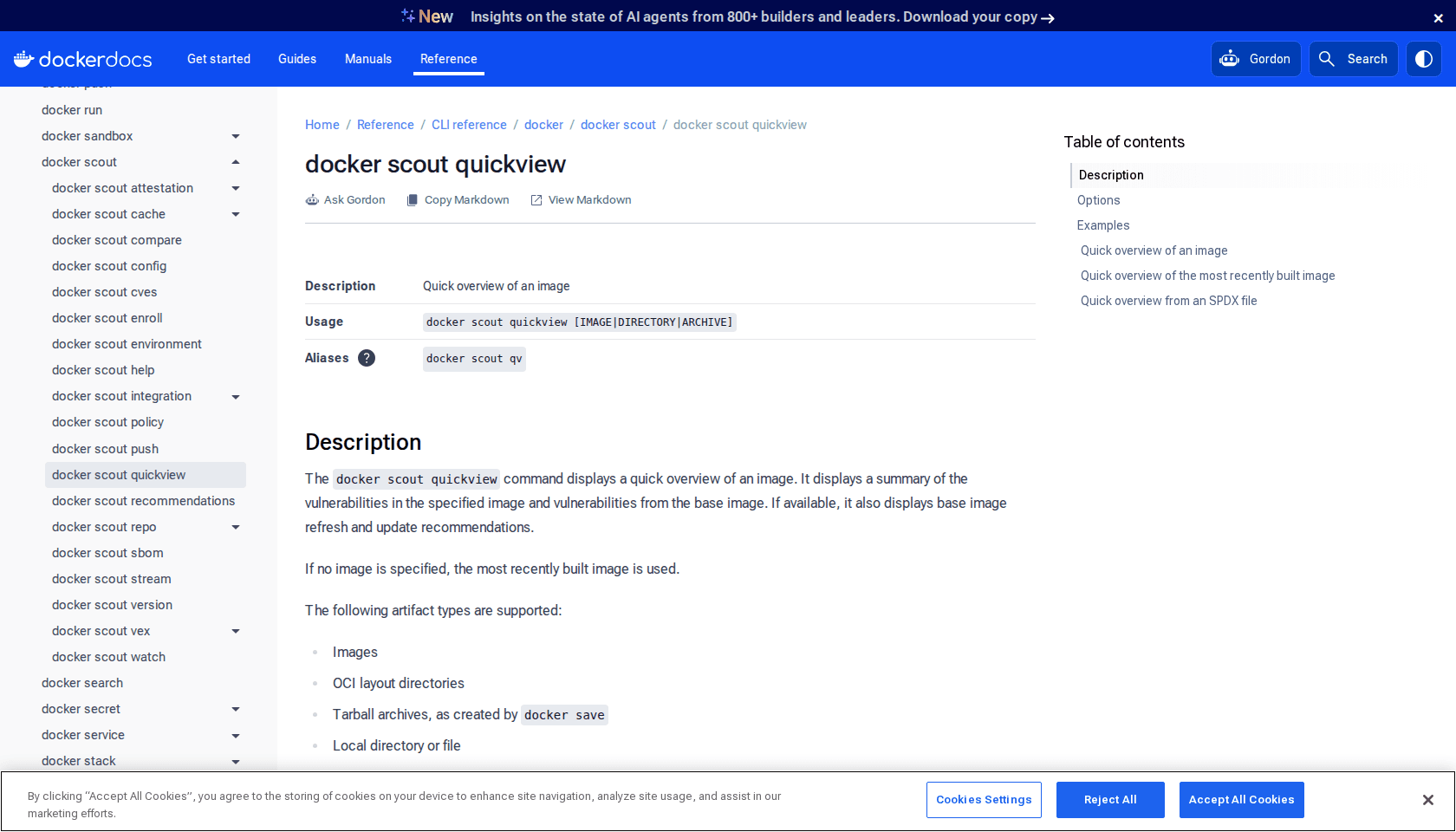
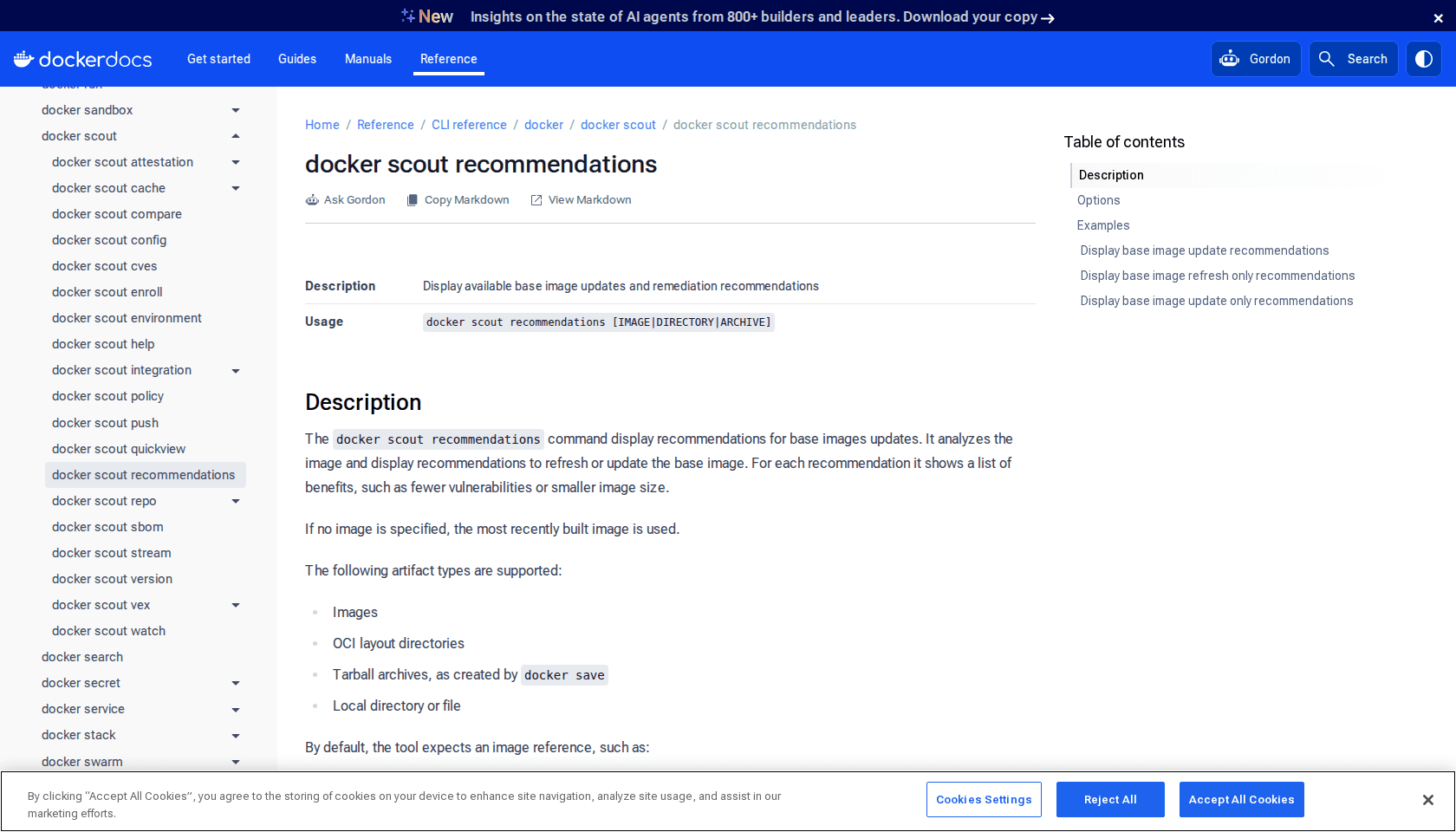
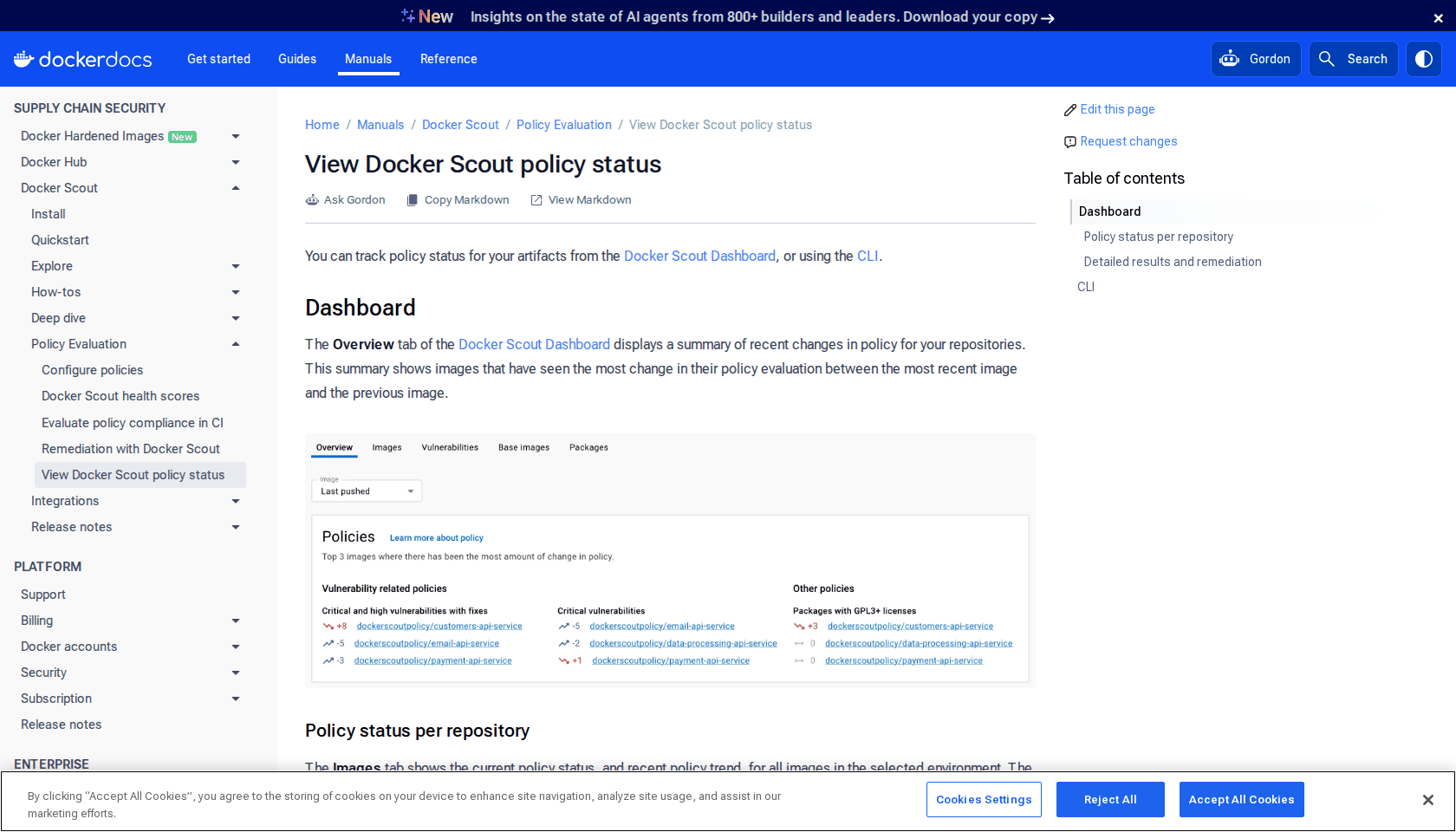
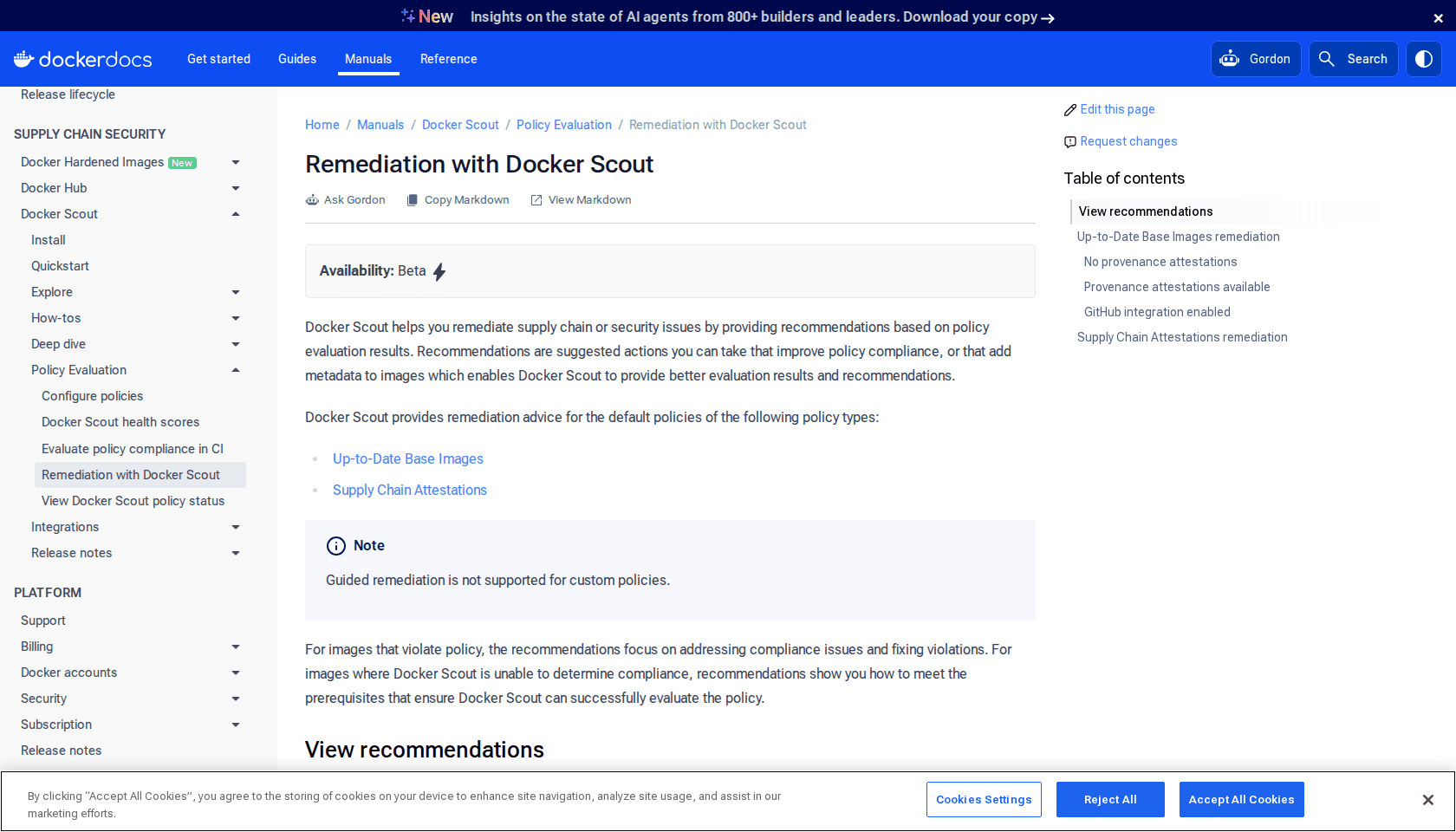
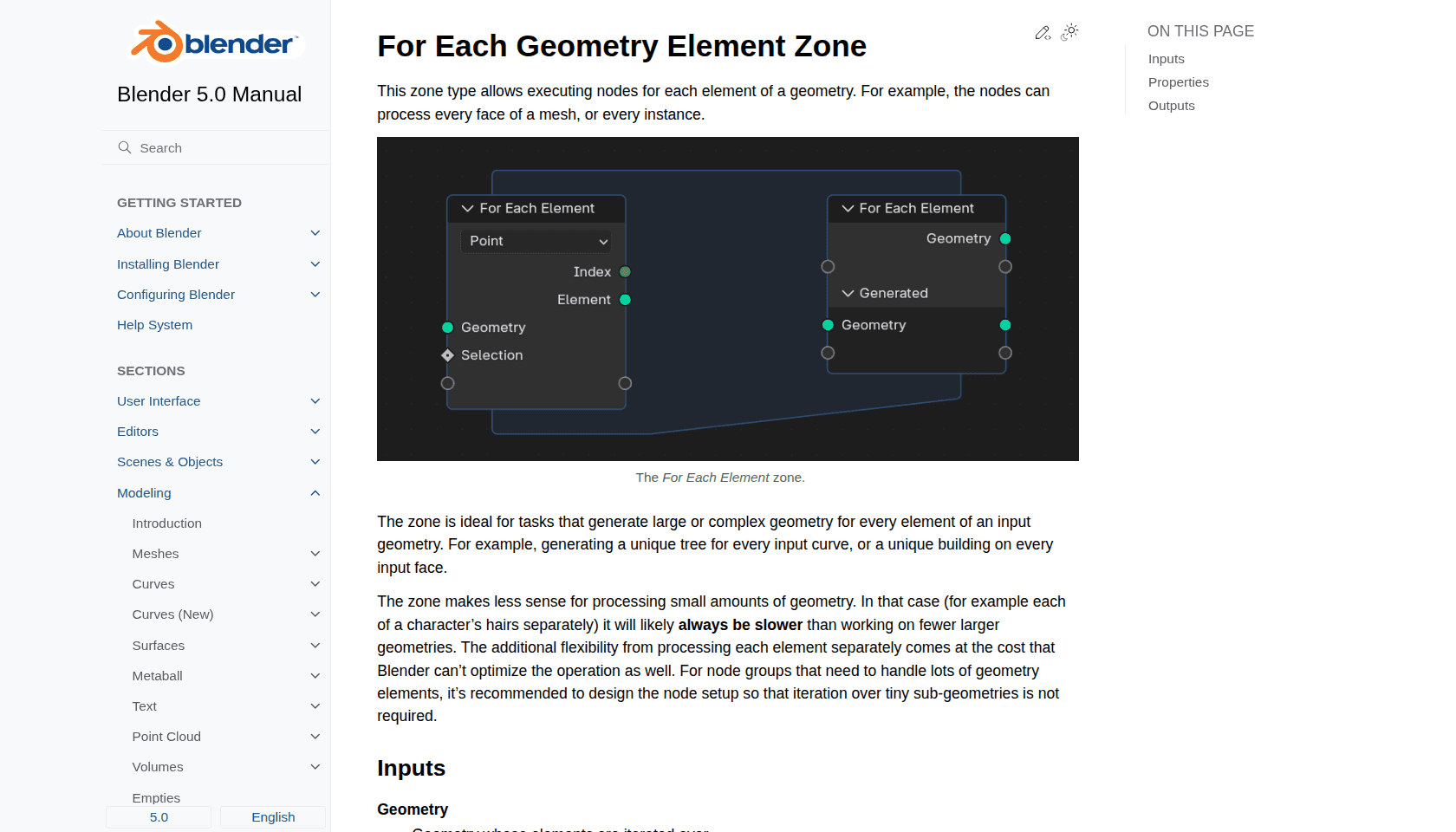
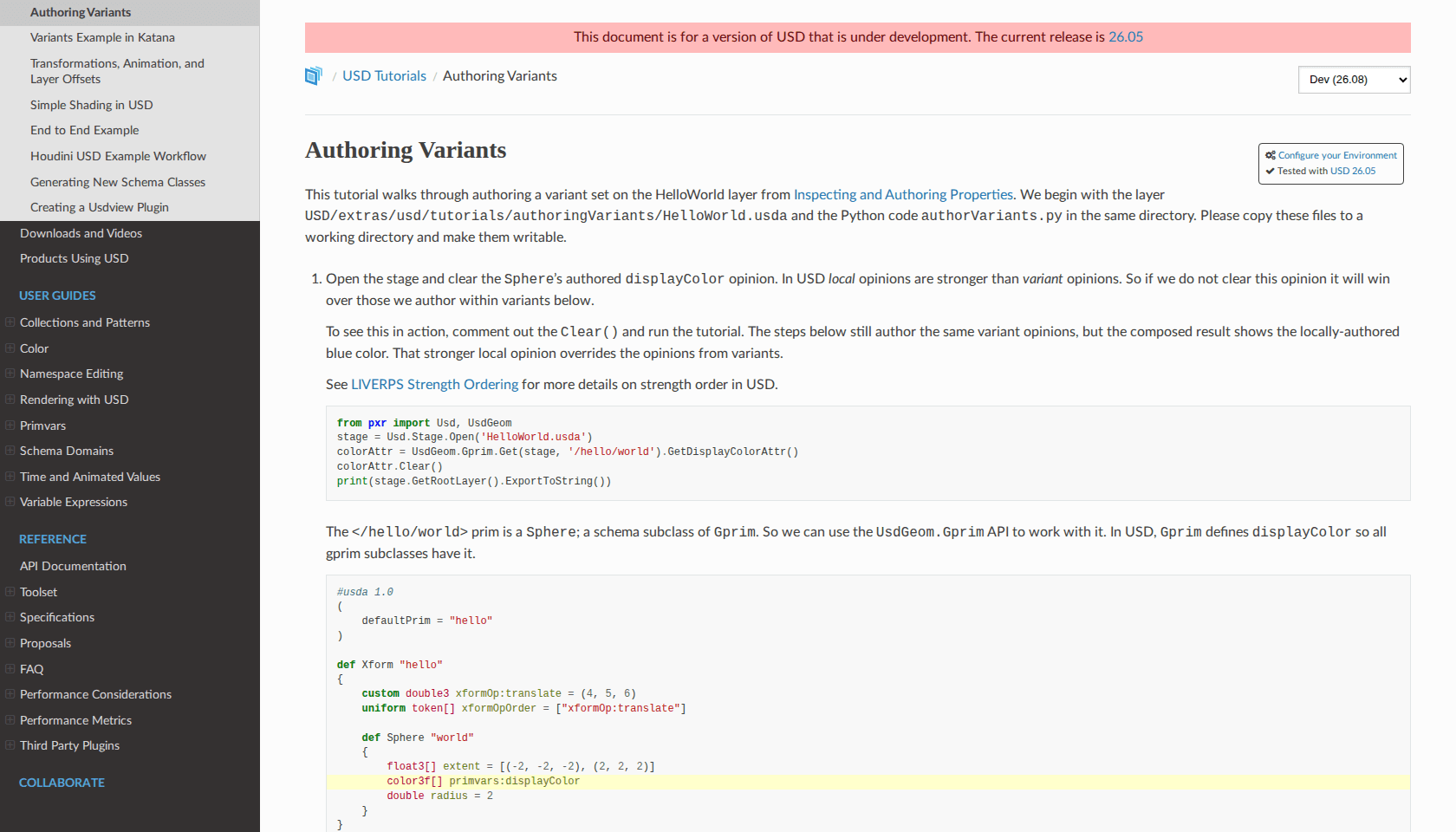
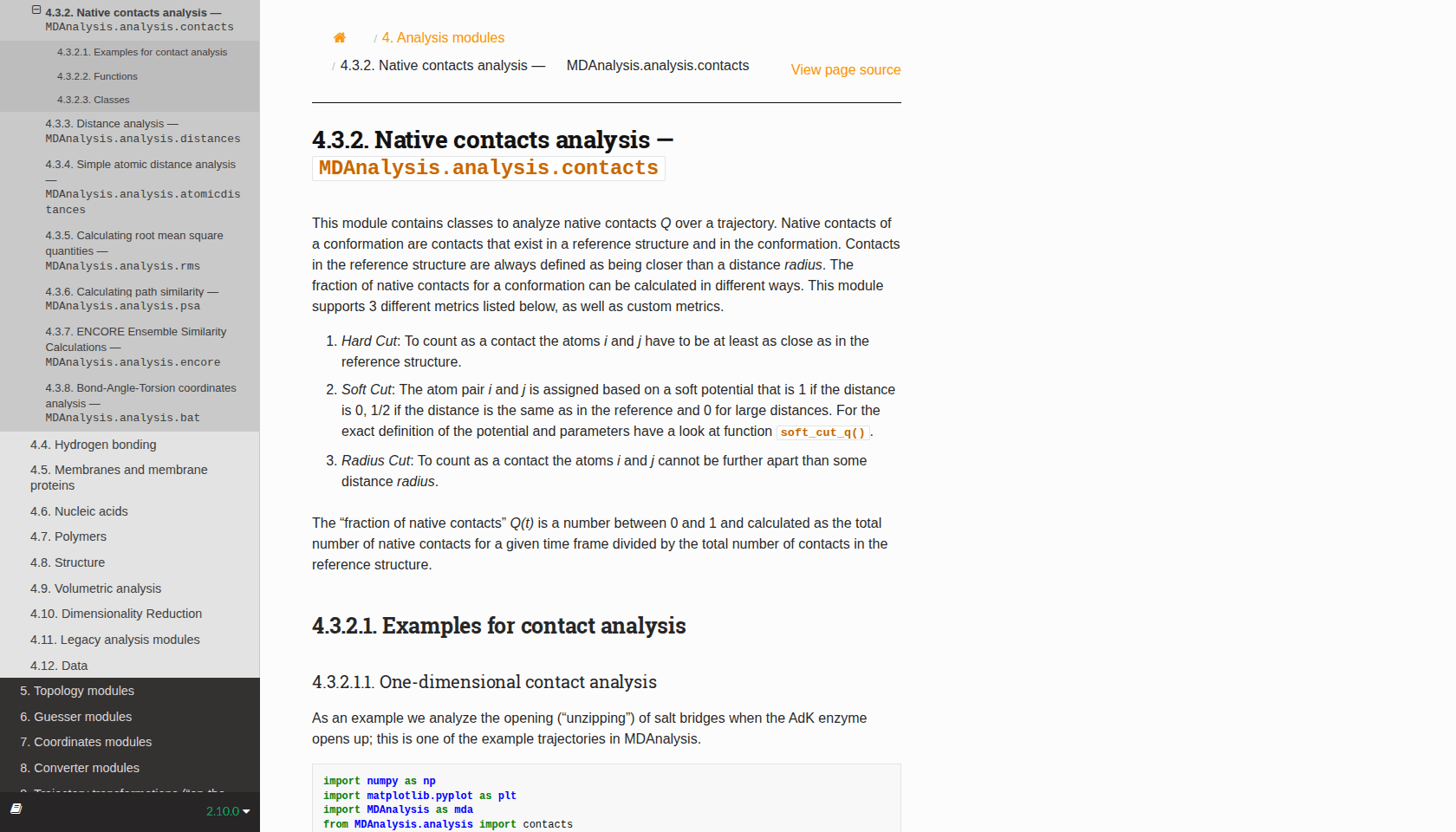
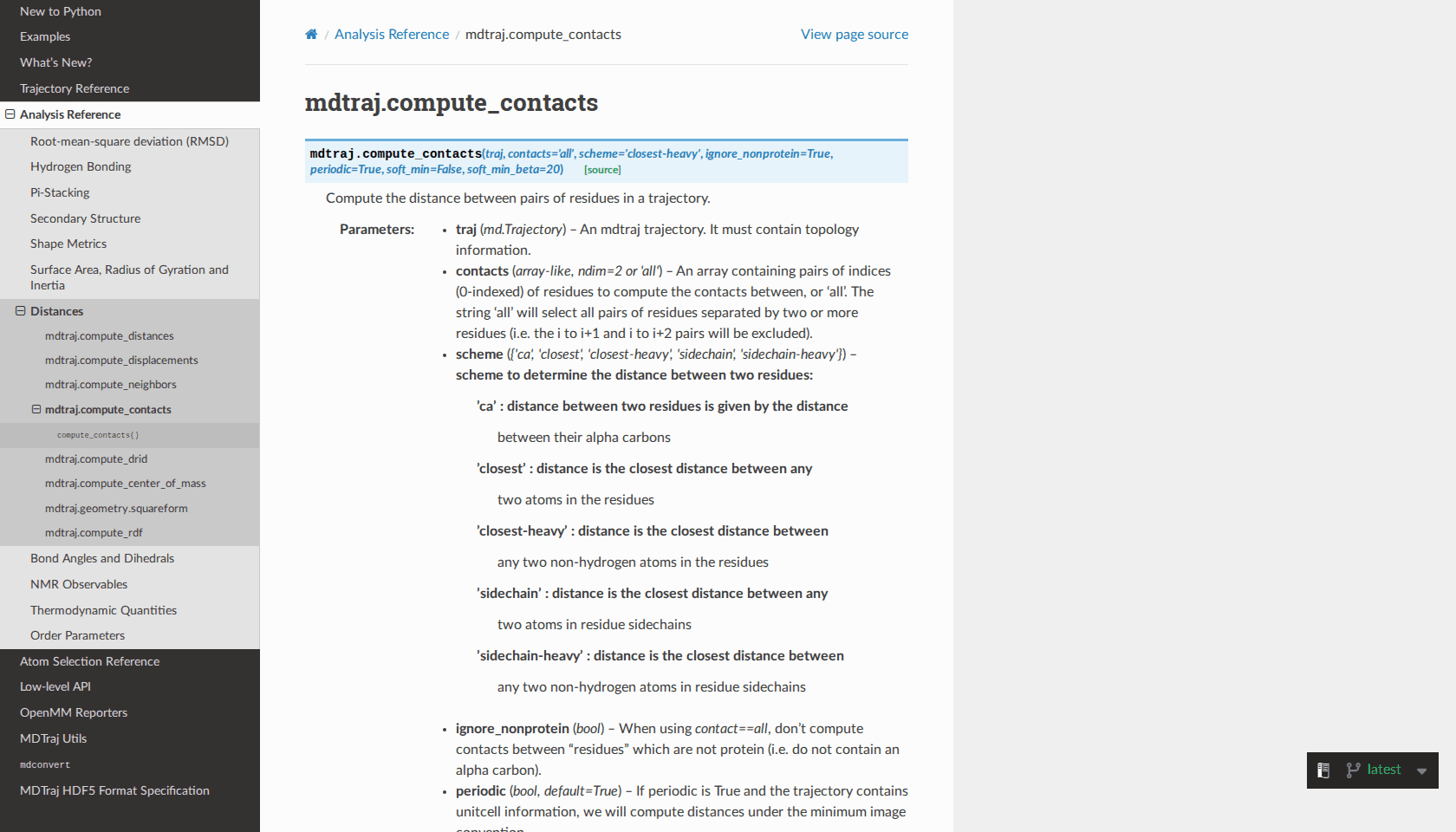
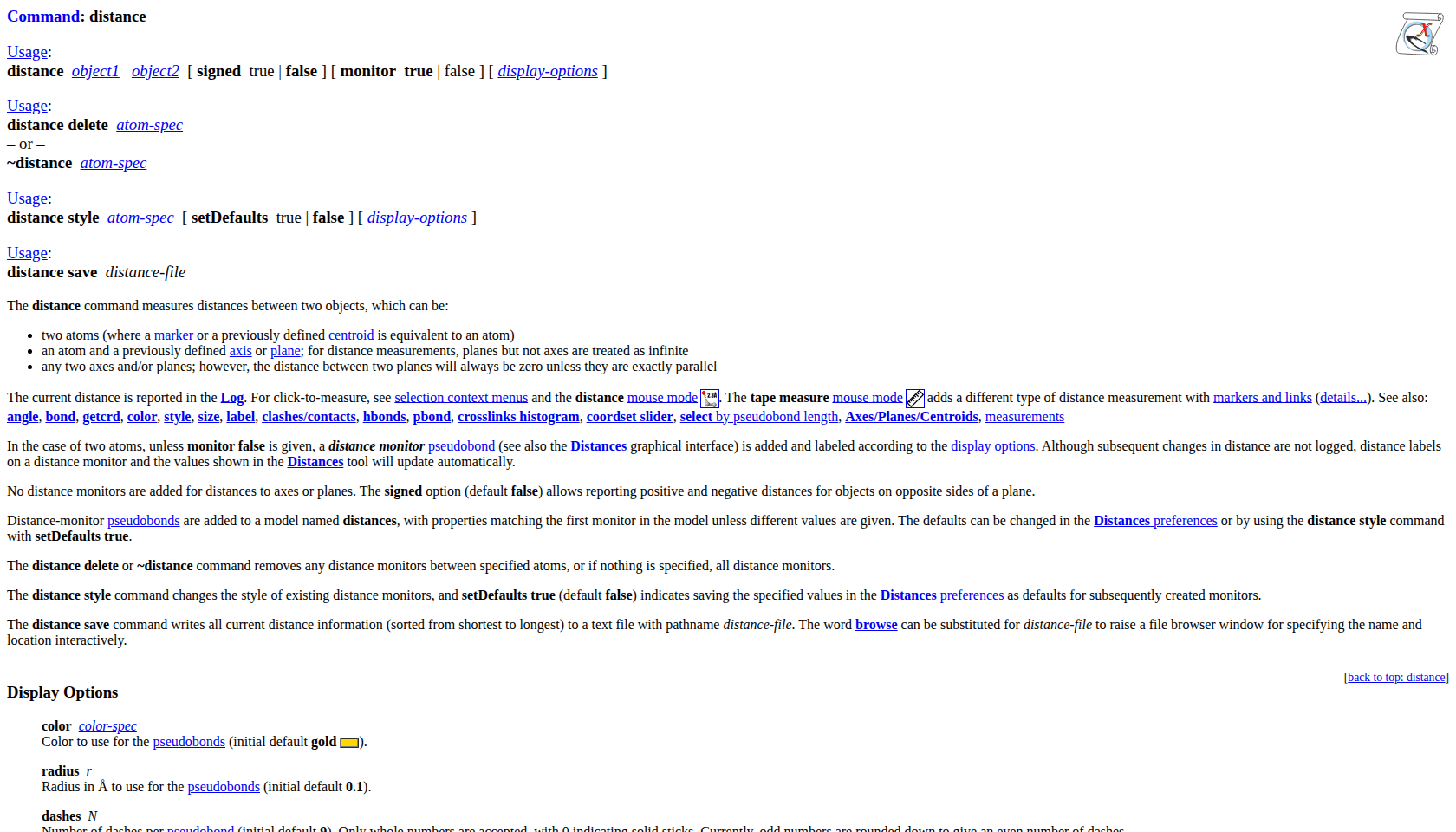
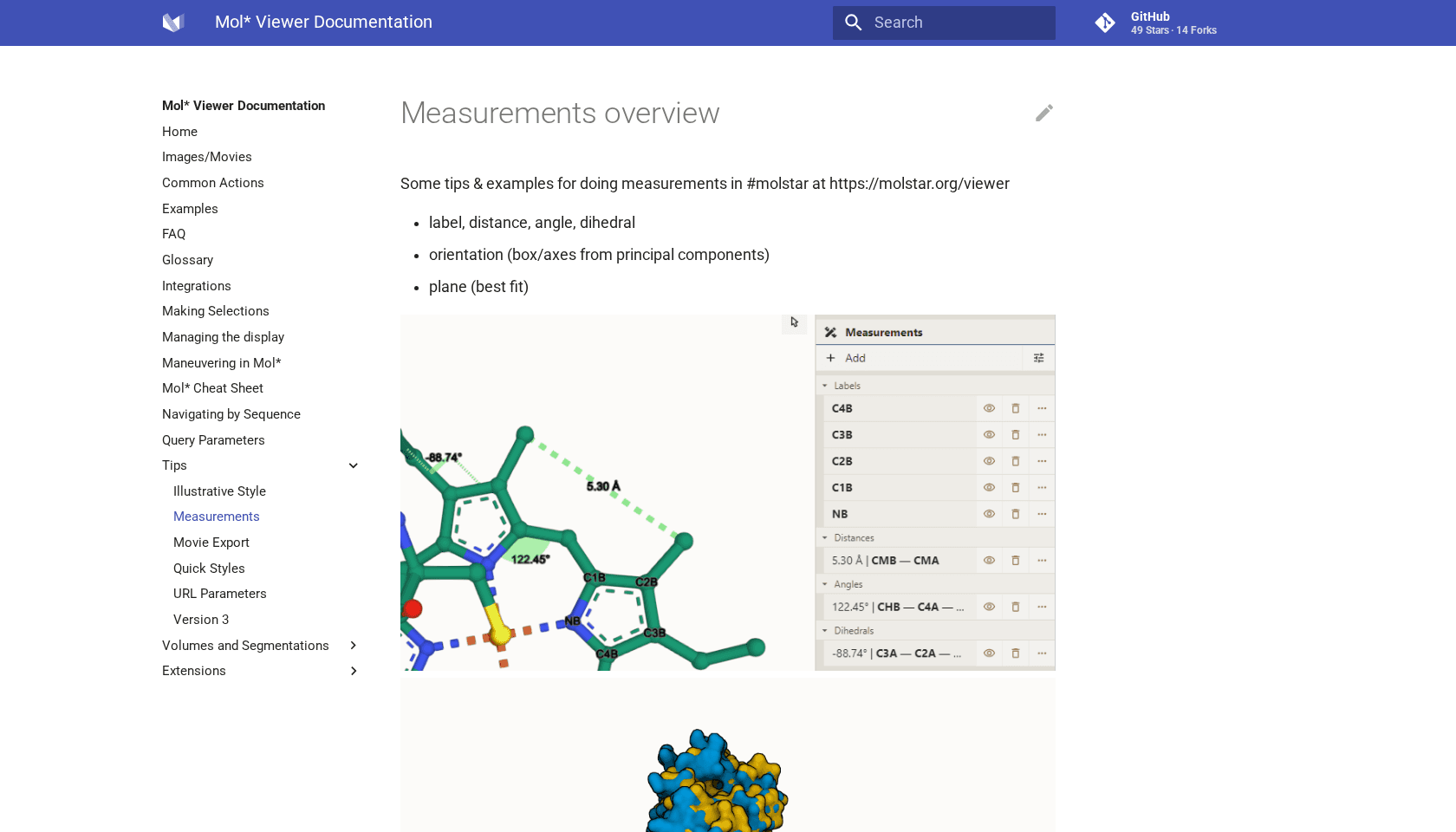
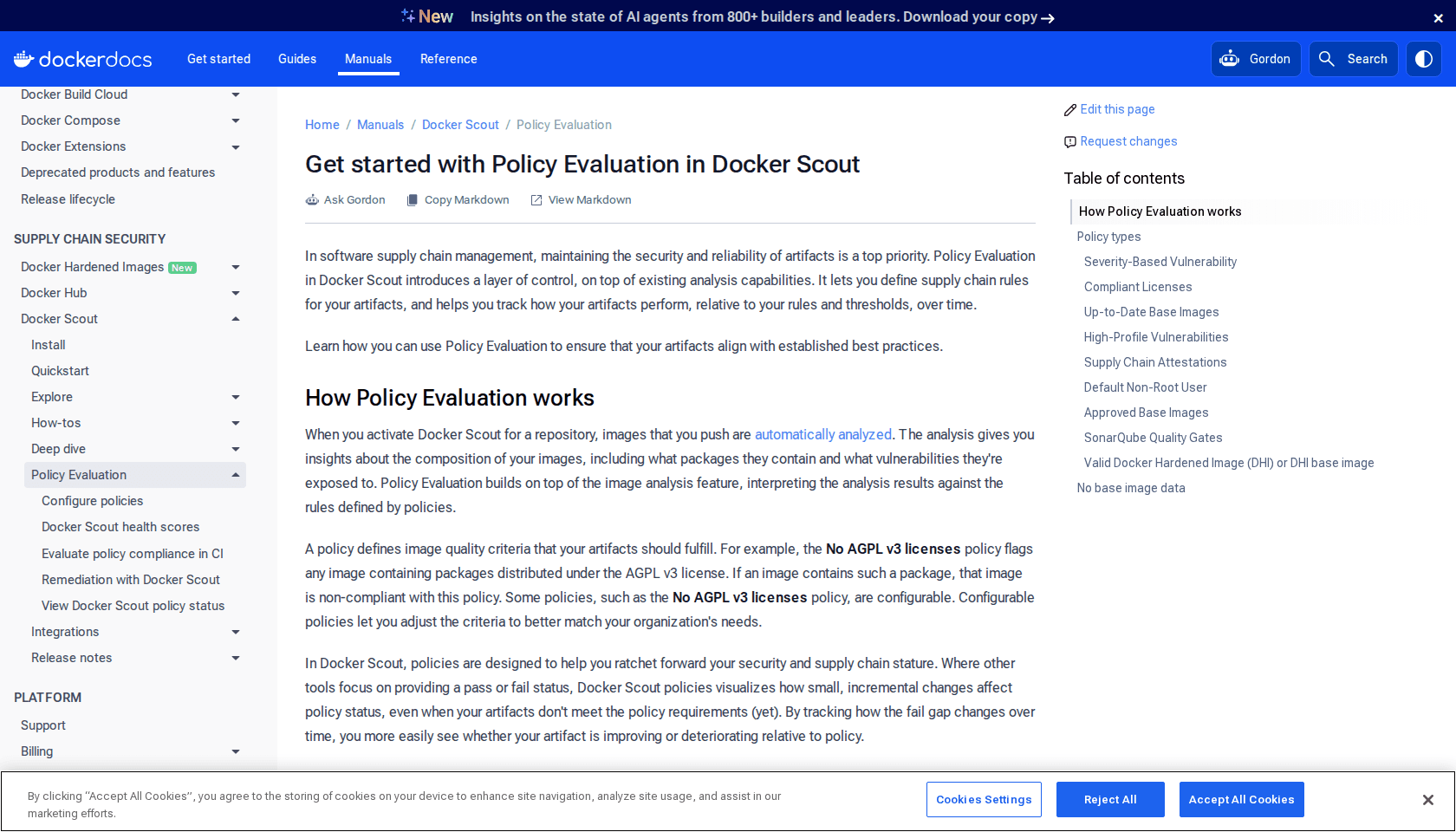
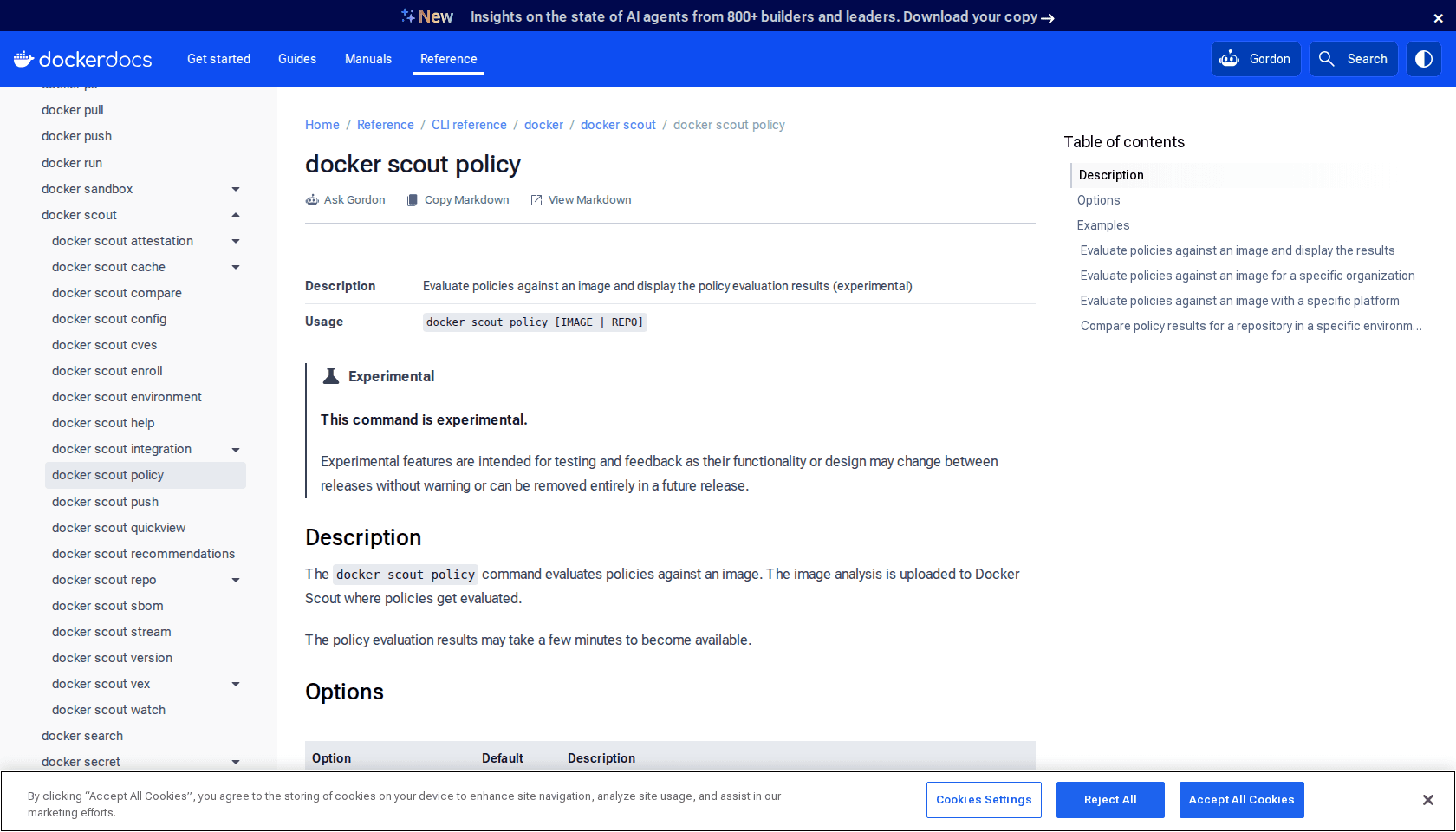
Docker Scout quickview/recommendations/policy-view/remediation docs now pair with OpenUSD variant-authoring guidance, Blender for-each geometry zones, MDAnalysis contacts analysis, MDTraj compute_contacts APIs, ChimeraX distance-command docs, and Mol* measurements tips.
The frontend should keep these references contiguous so users can move from supply-chain inspection into scene-state authoring and molecular contact/measurement validation without context switching.
May 16, 2026Evidence Methods7 sources
Scout policy controls, Repeat Zone docs, and alignment/measurement references now tighten inspectable workflows
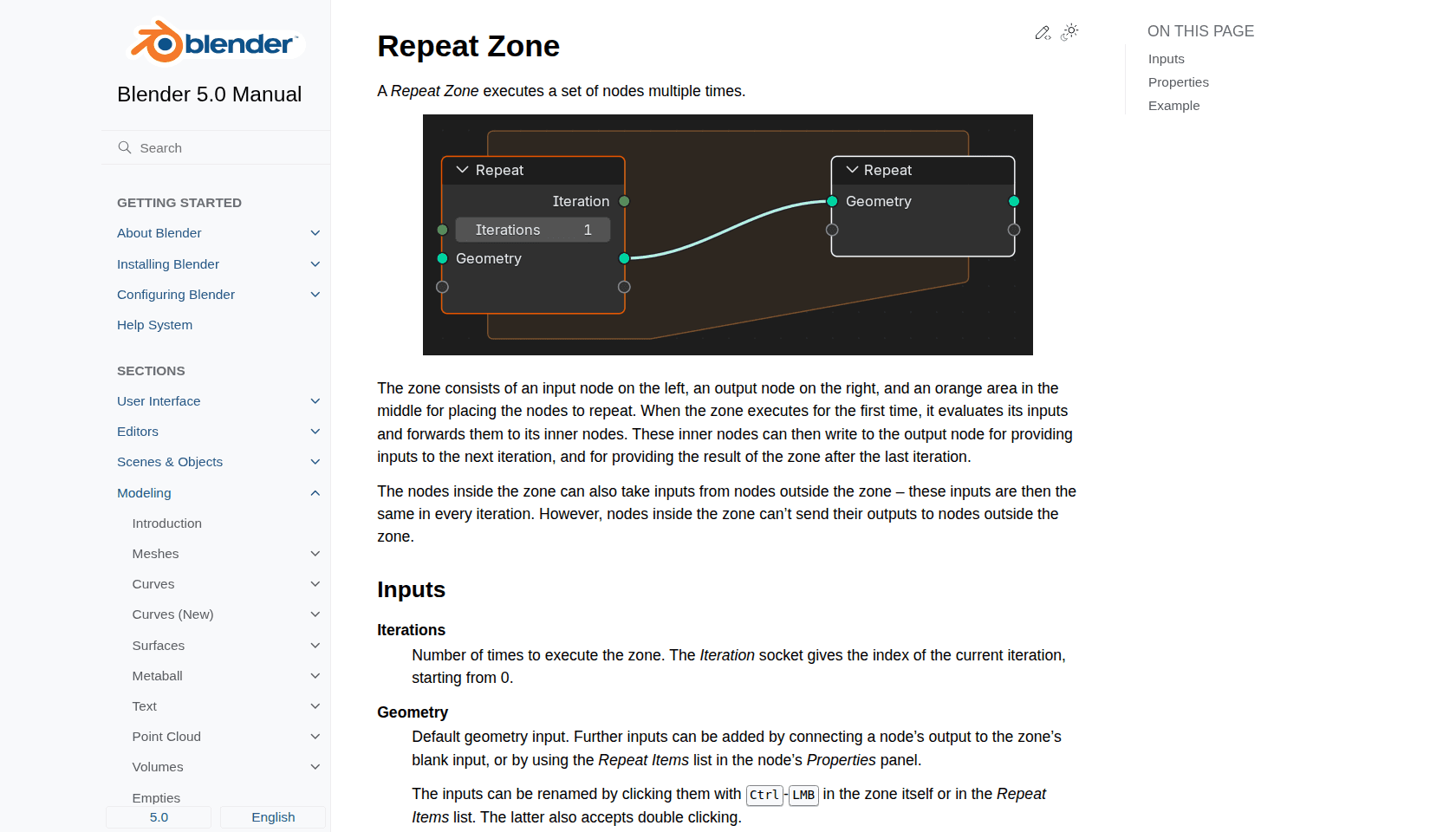
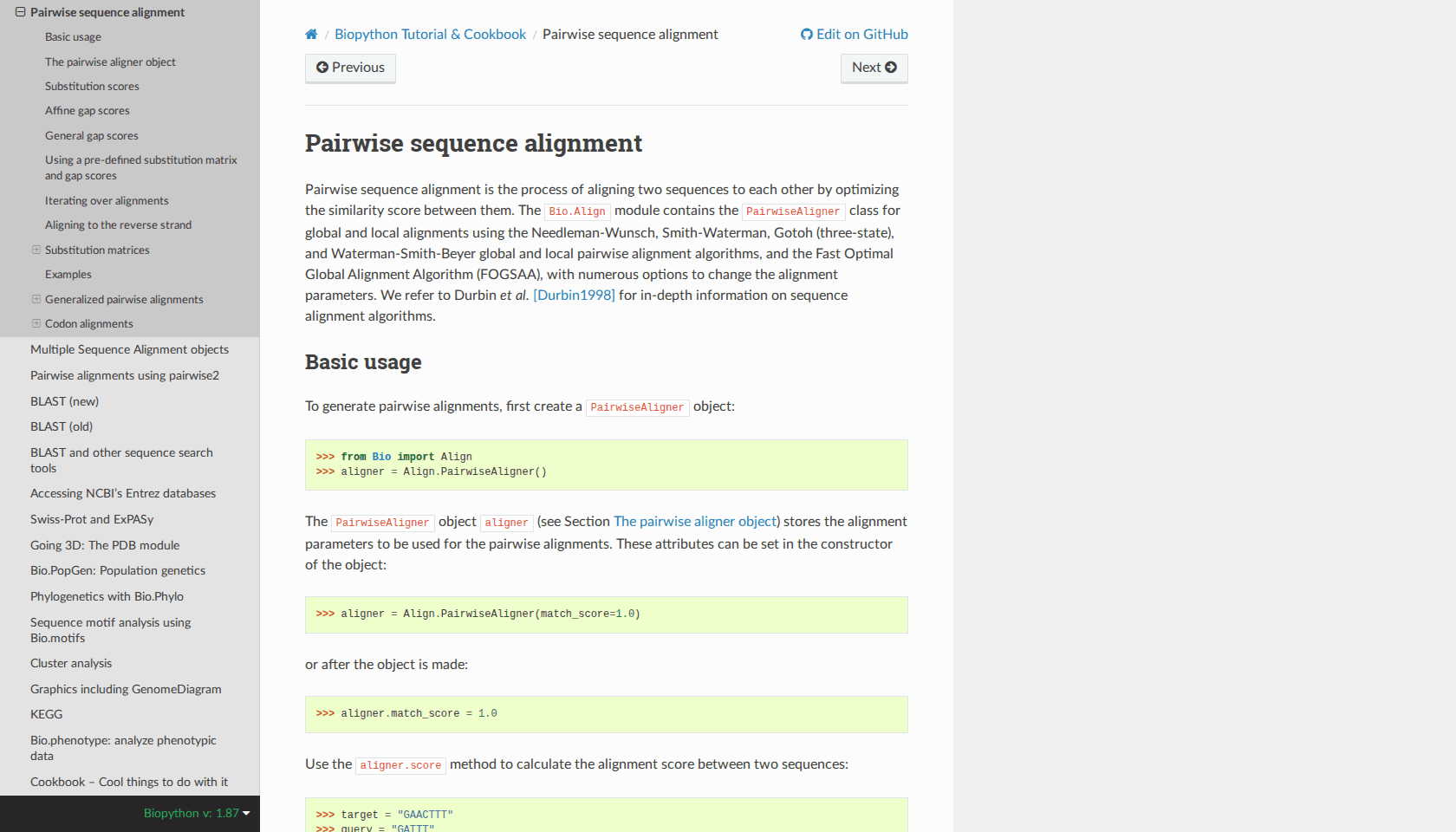
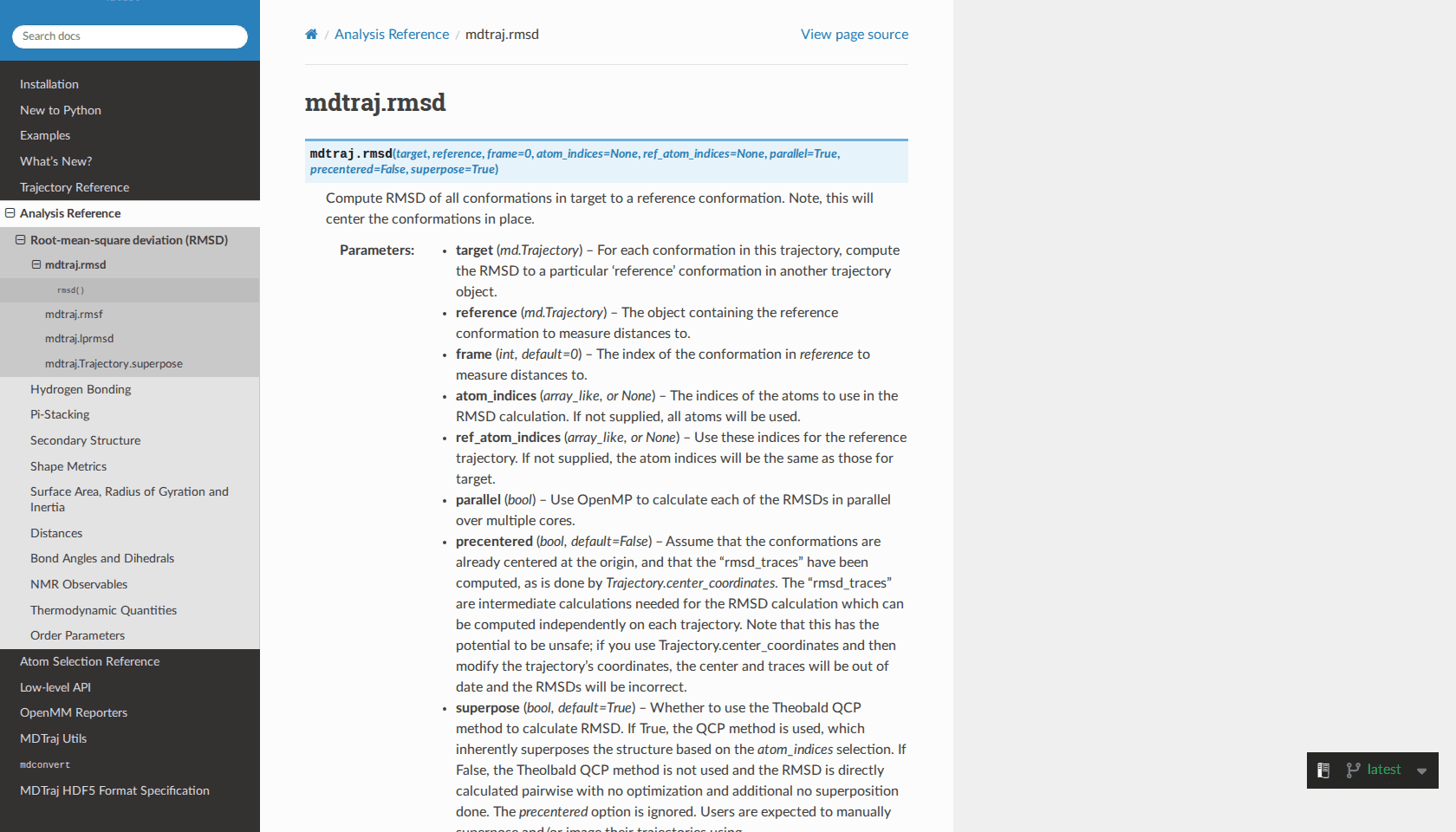
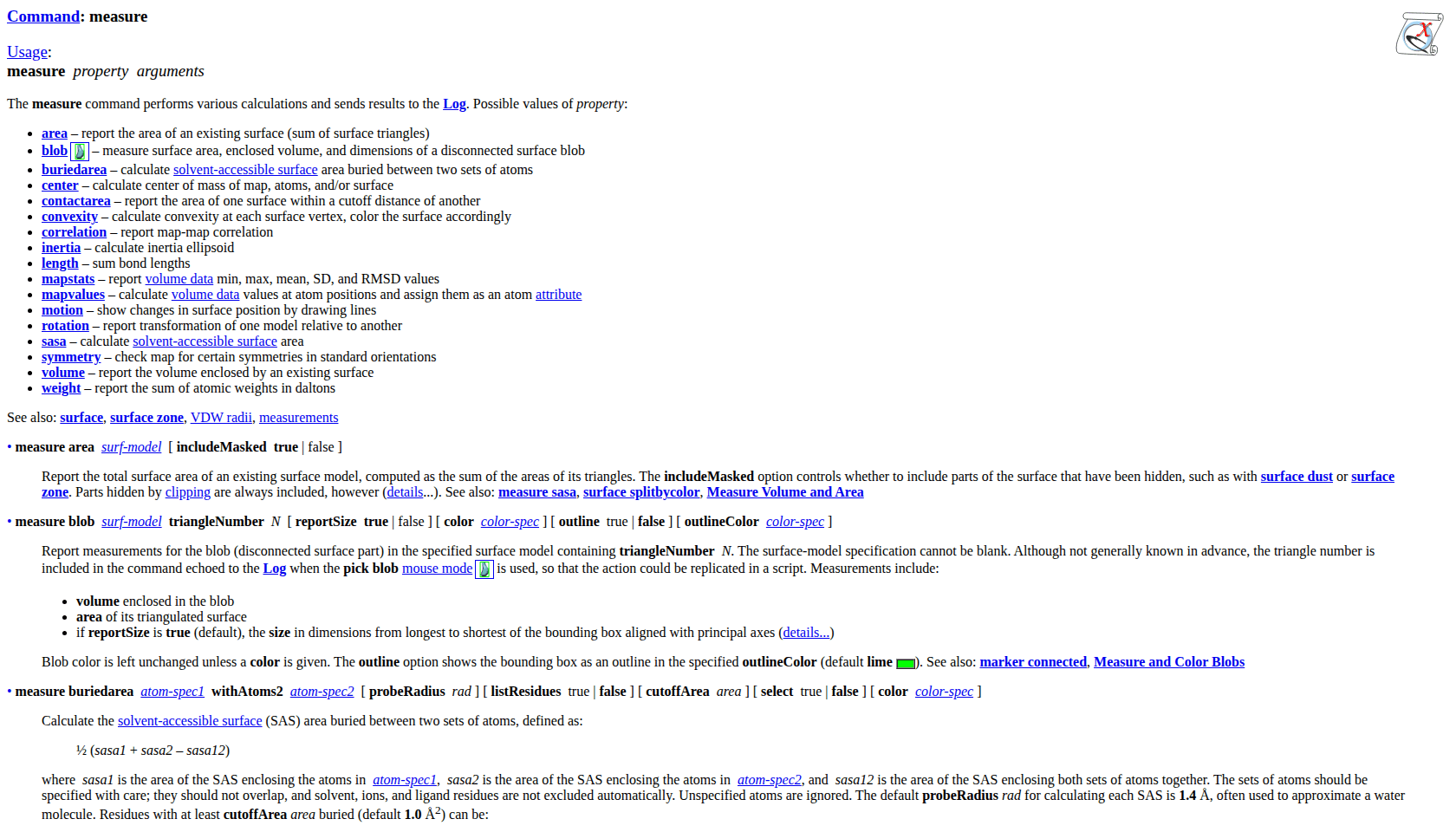
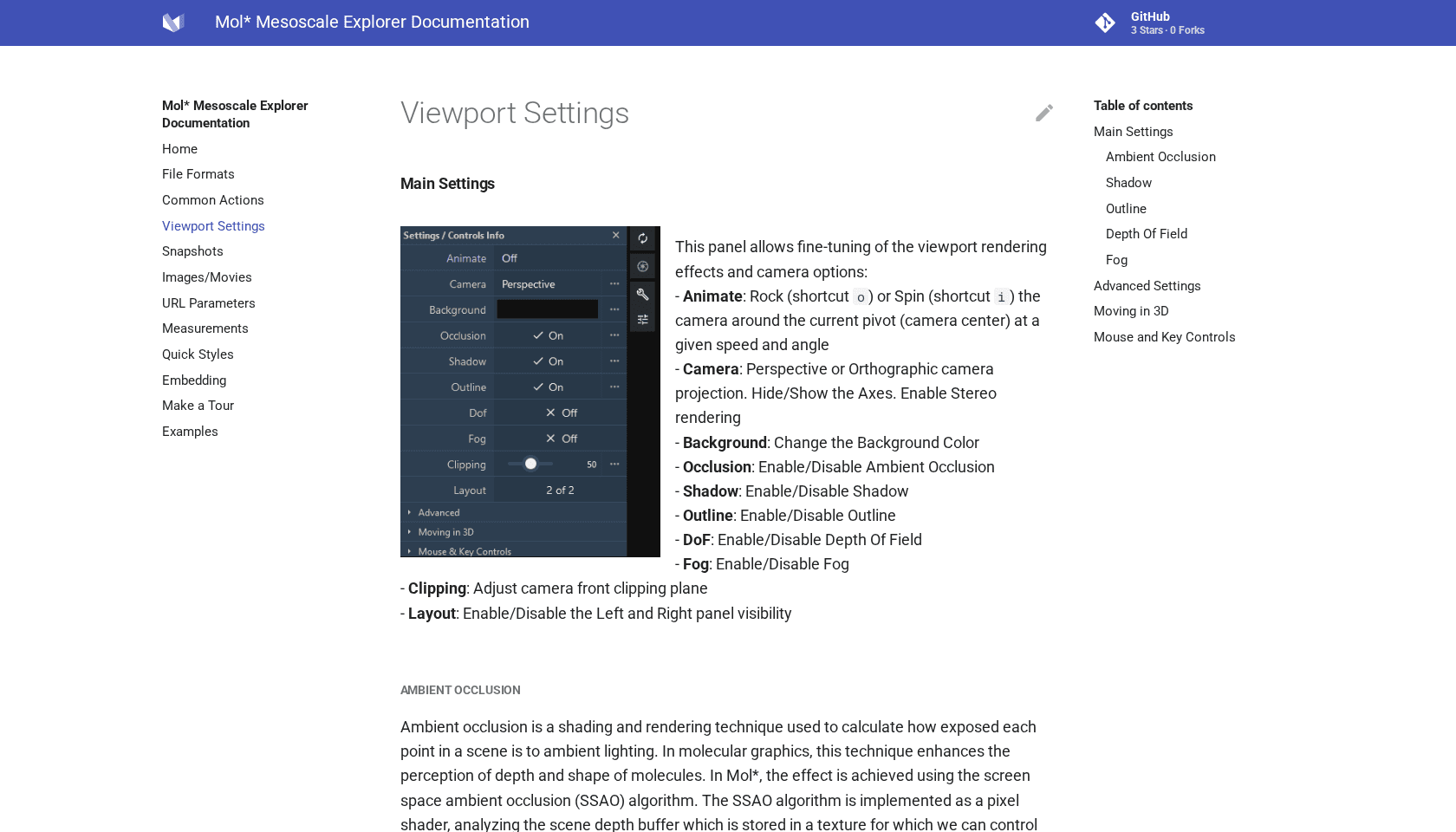
Docker Scout policy docs (guide + CLI), Blender Repeat Zone guidance, Biopython pairwise alignment tutorial, MDTraj RMSD API docs, ChimeraX measure-command references, and Mol* mesoscale viewport controls now form a dedicated reproducibility lane.
The frontend should keep this lane adjacent to container/runtime panels so users can audit governance, iterative node behavior, numeric alignment checks, and viewer camera controls in one pass.
May 16, 2026Evidence Methods14 sources
Docker build-check/policy docs and additional OpenUSD schema modules now widen reproducible research controls
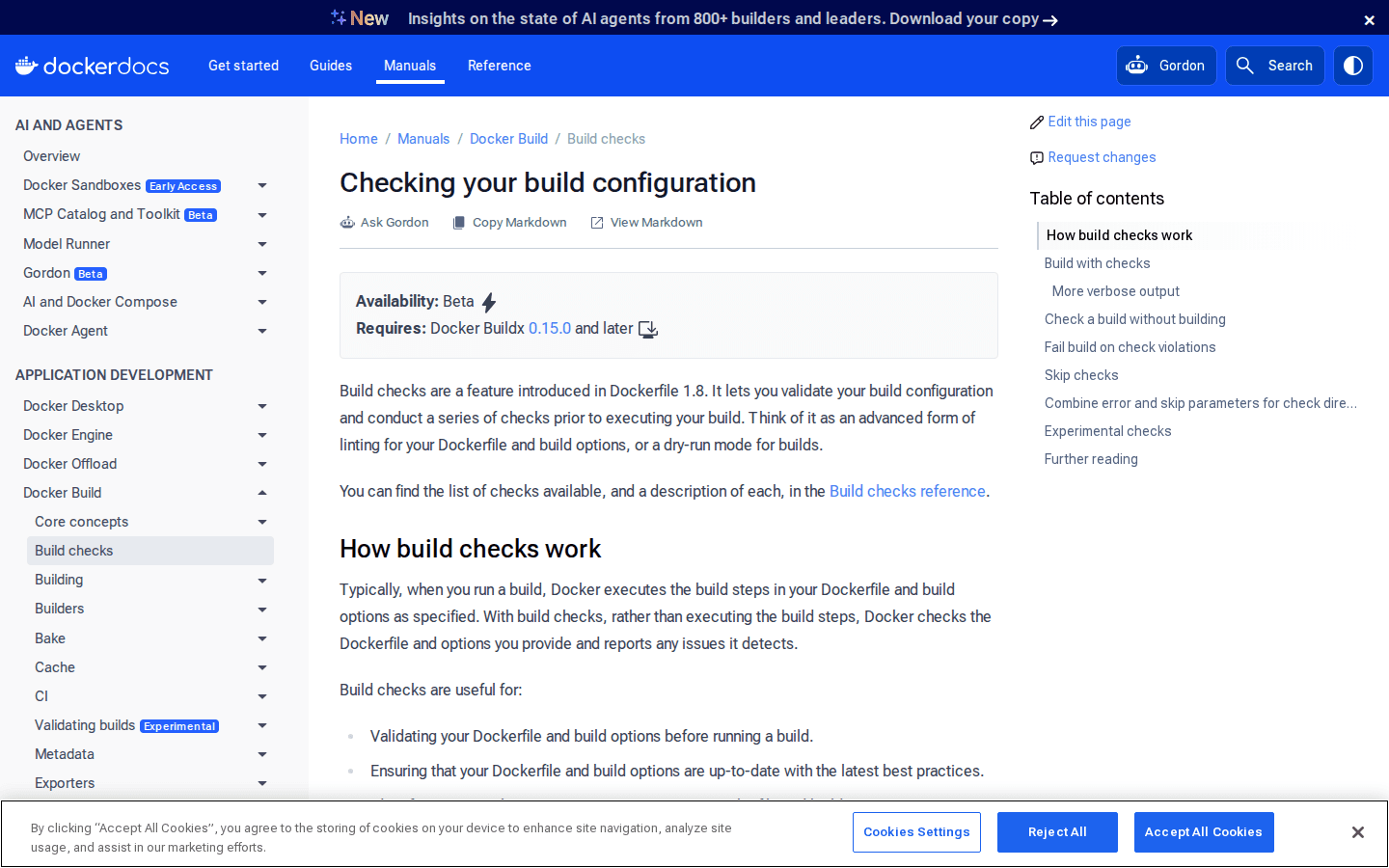
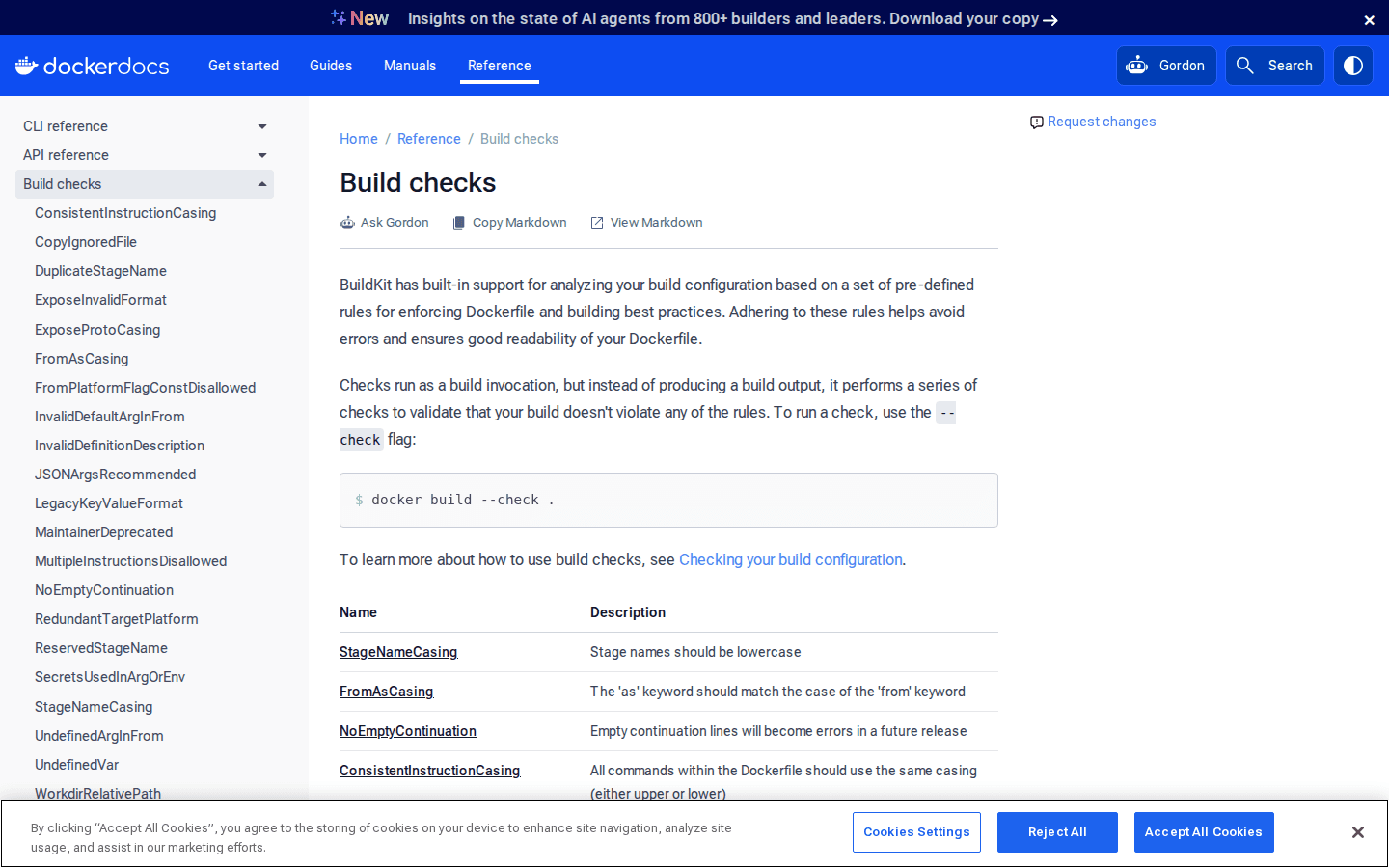
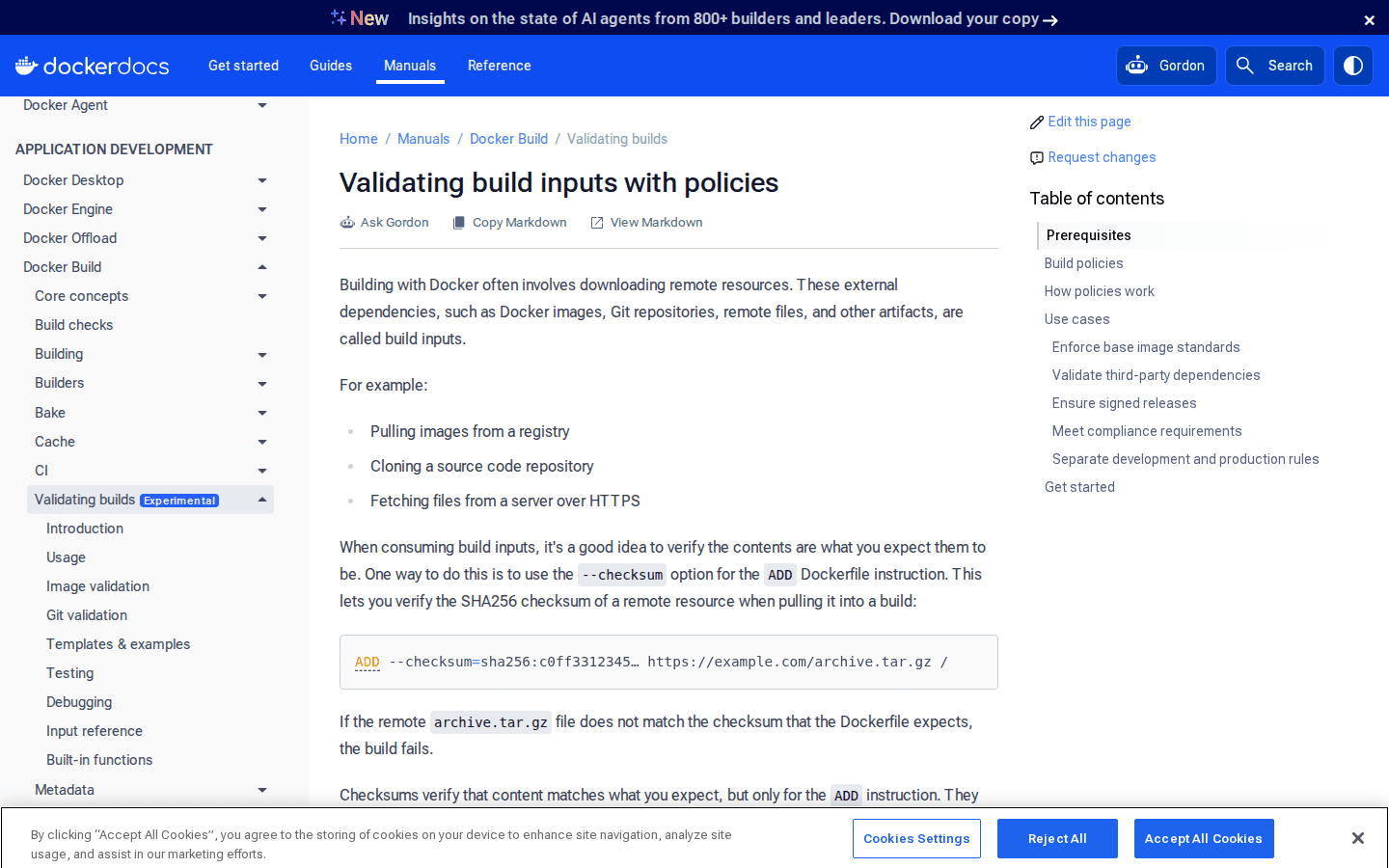
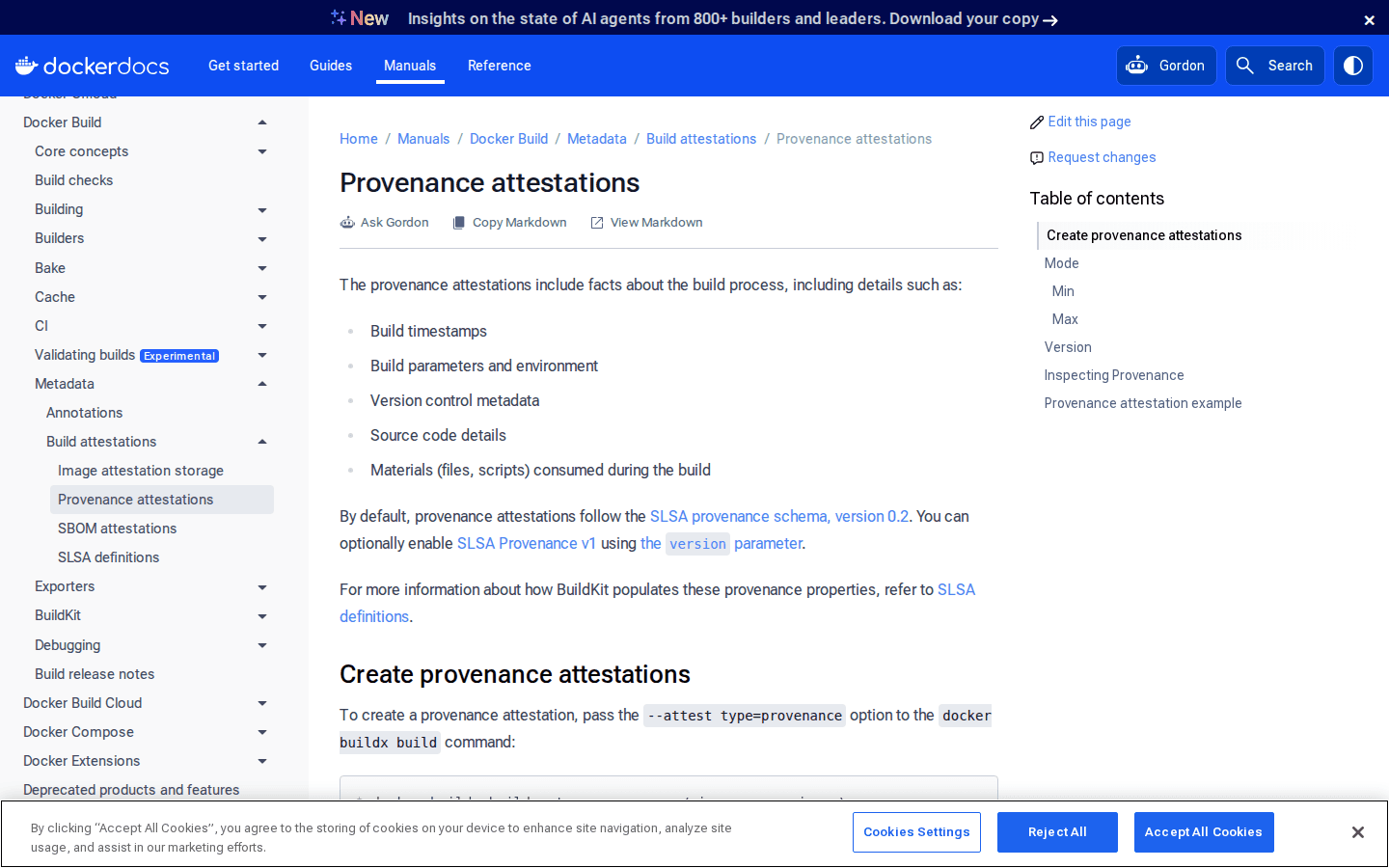
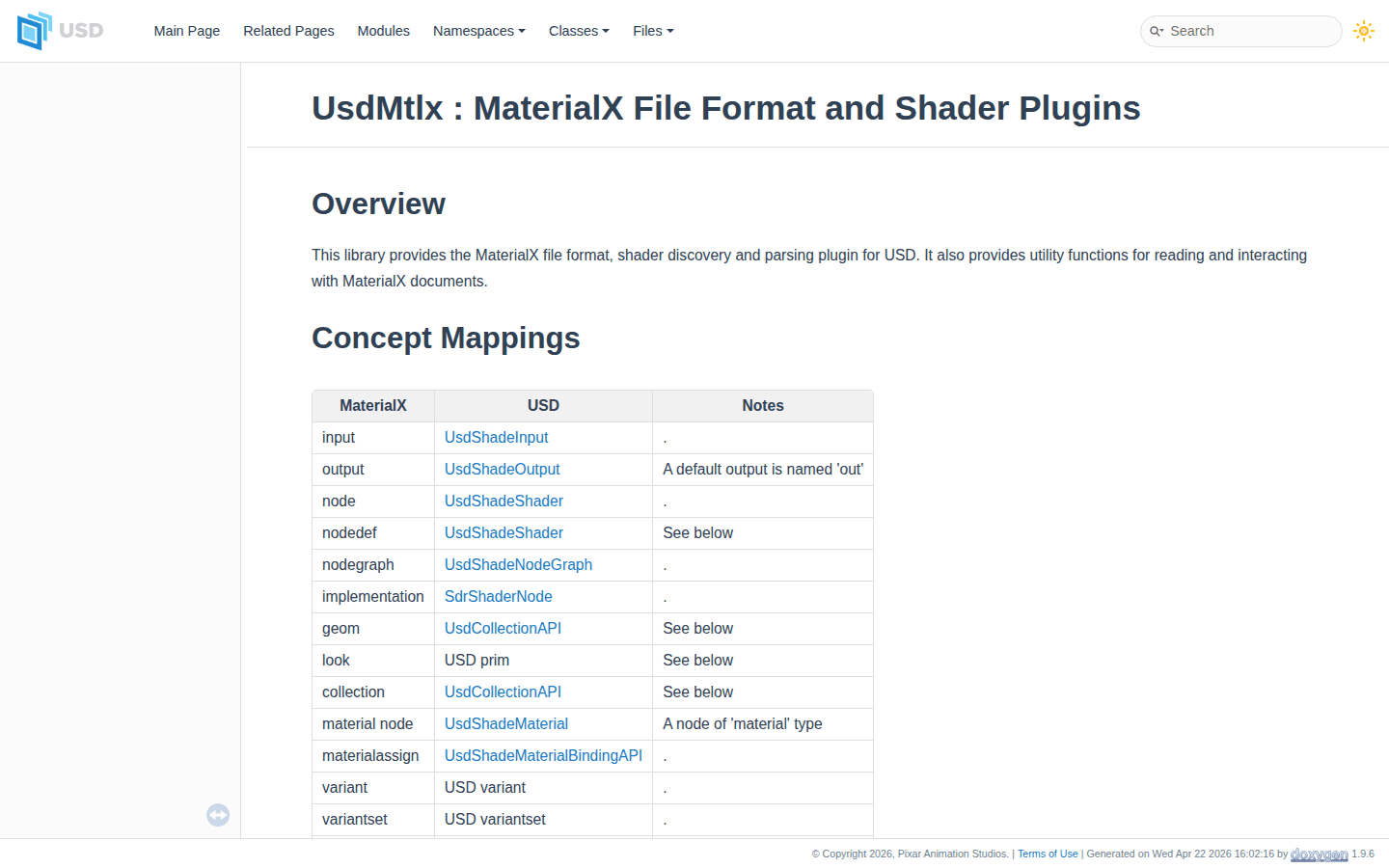
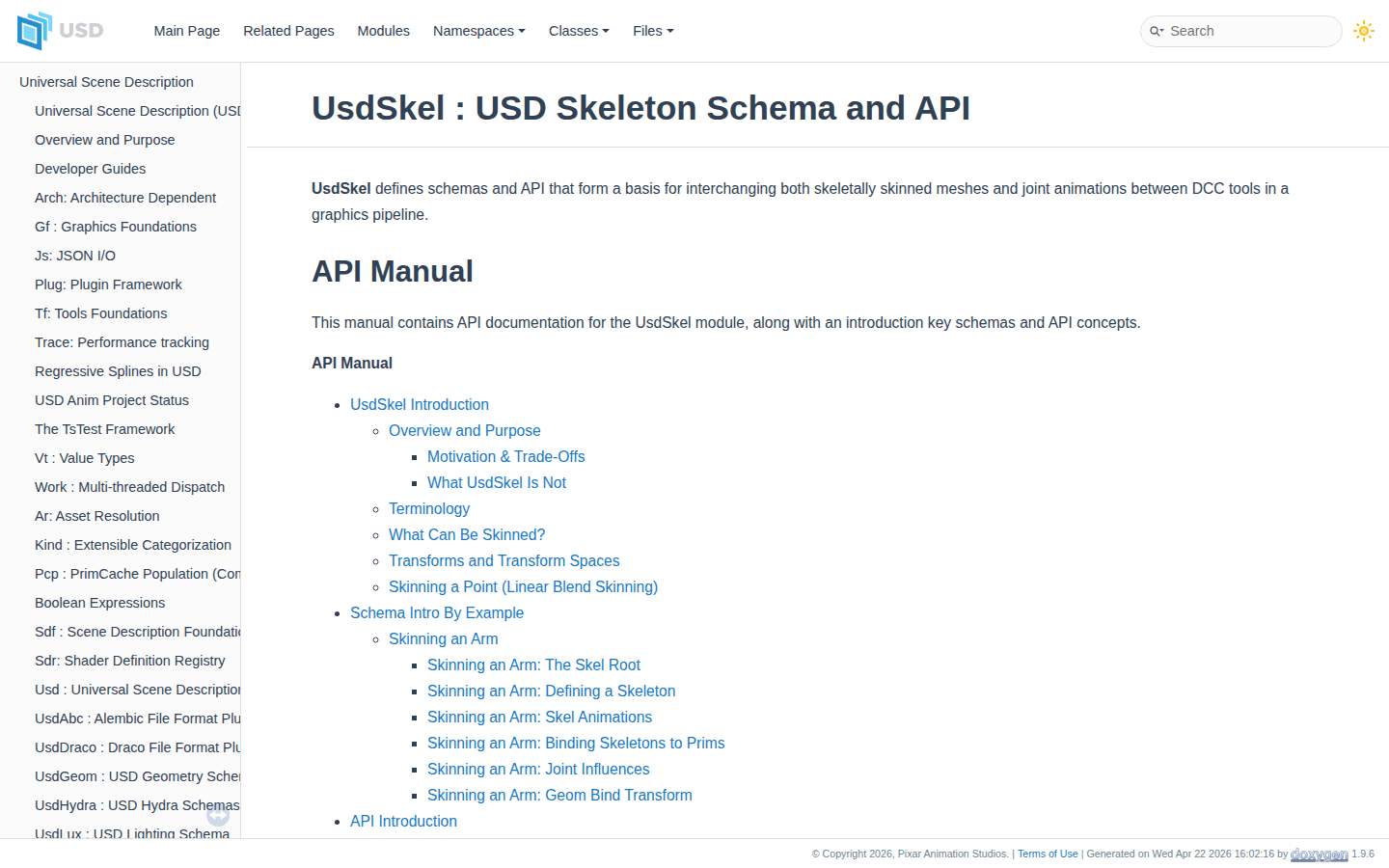
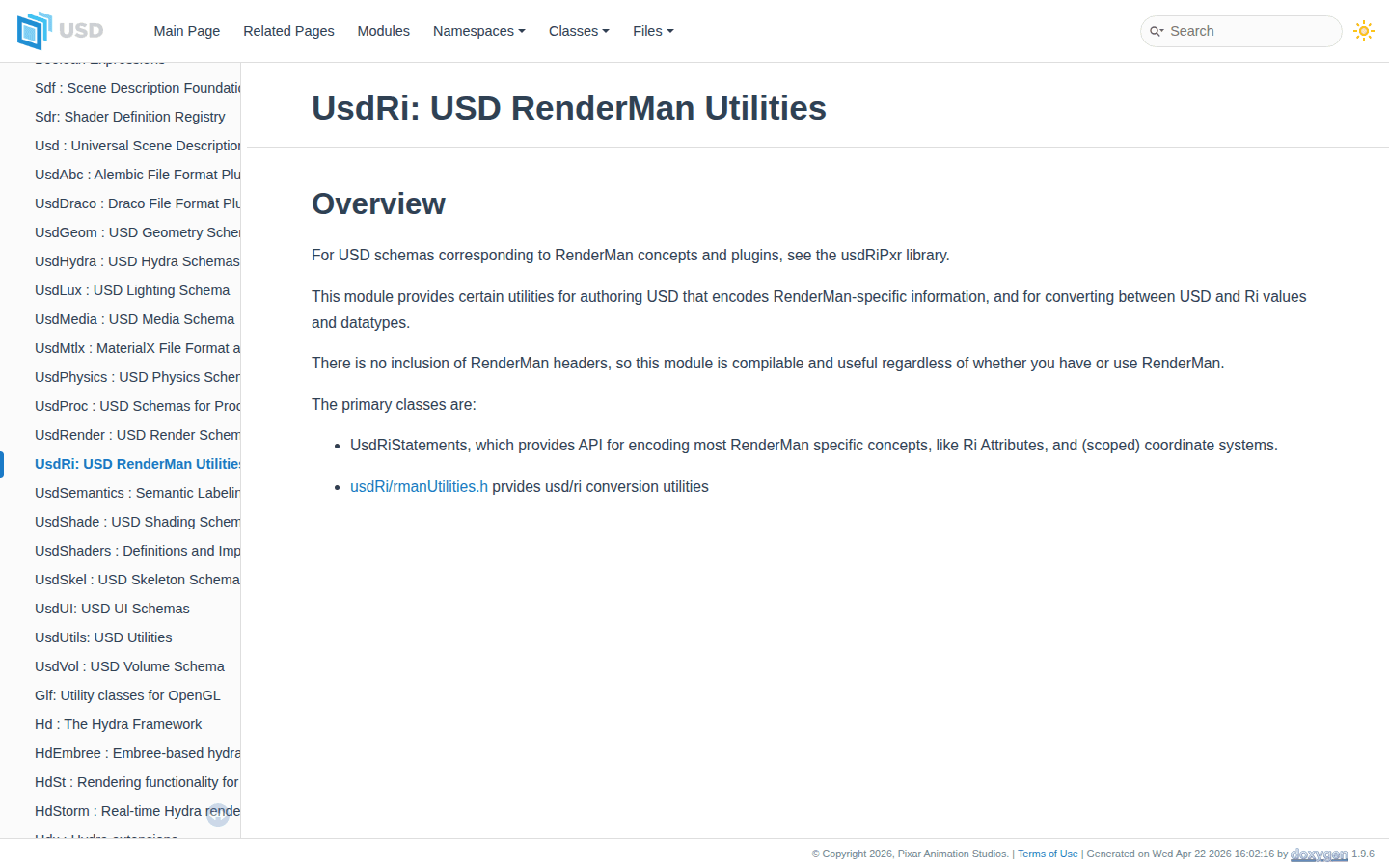
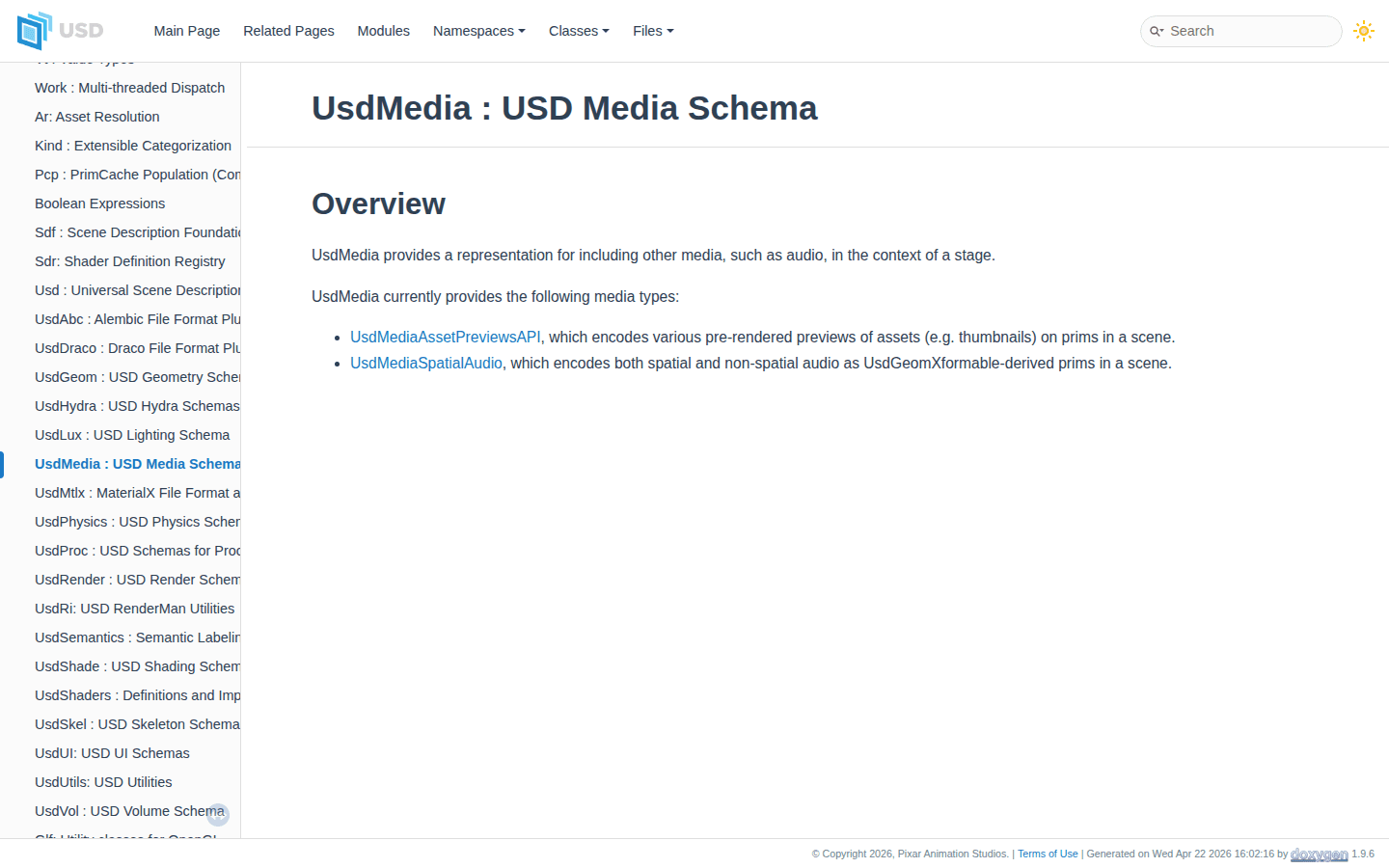
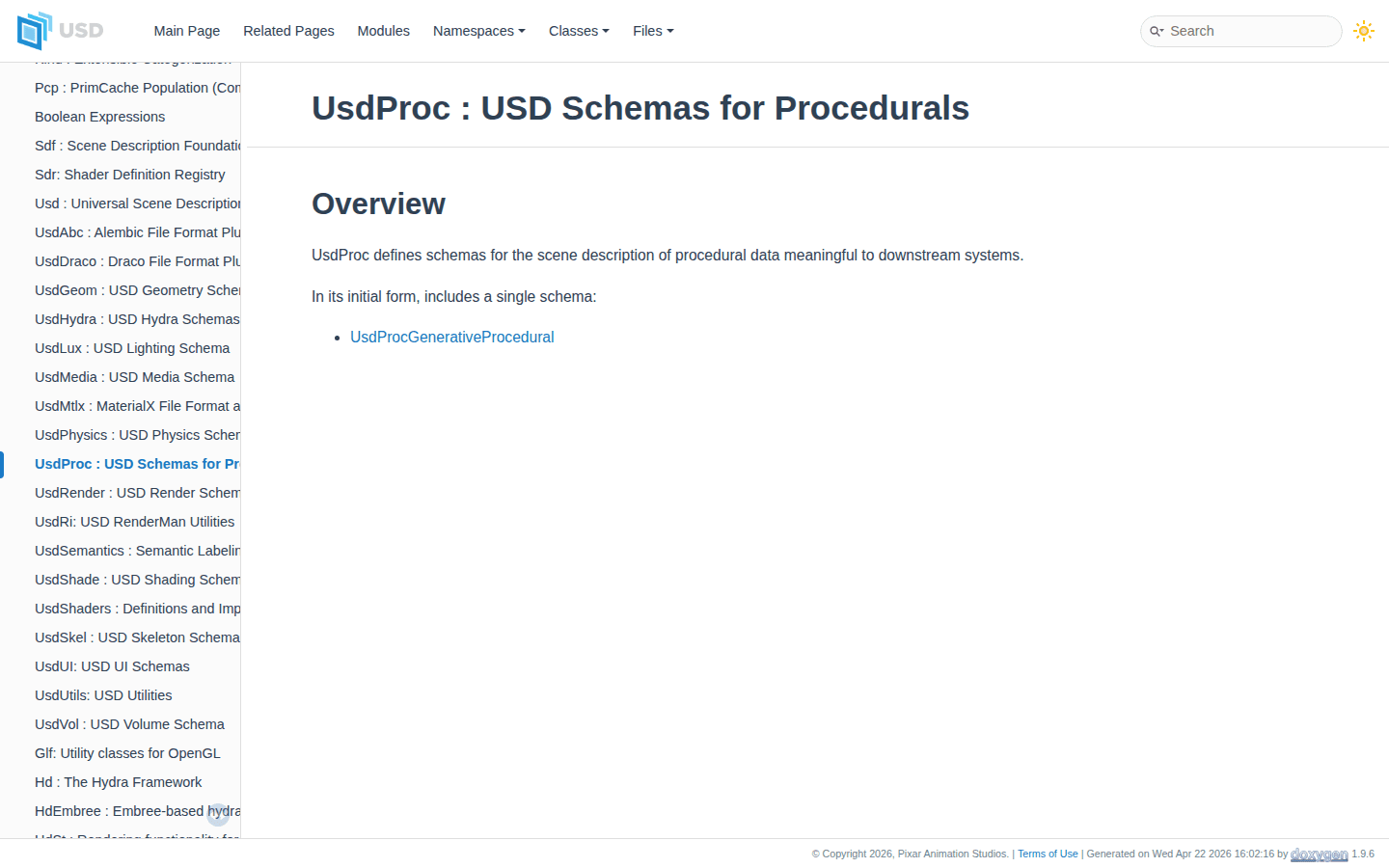
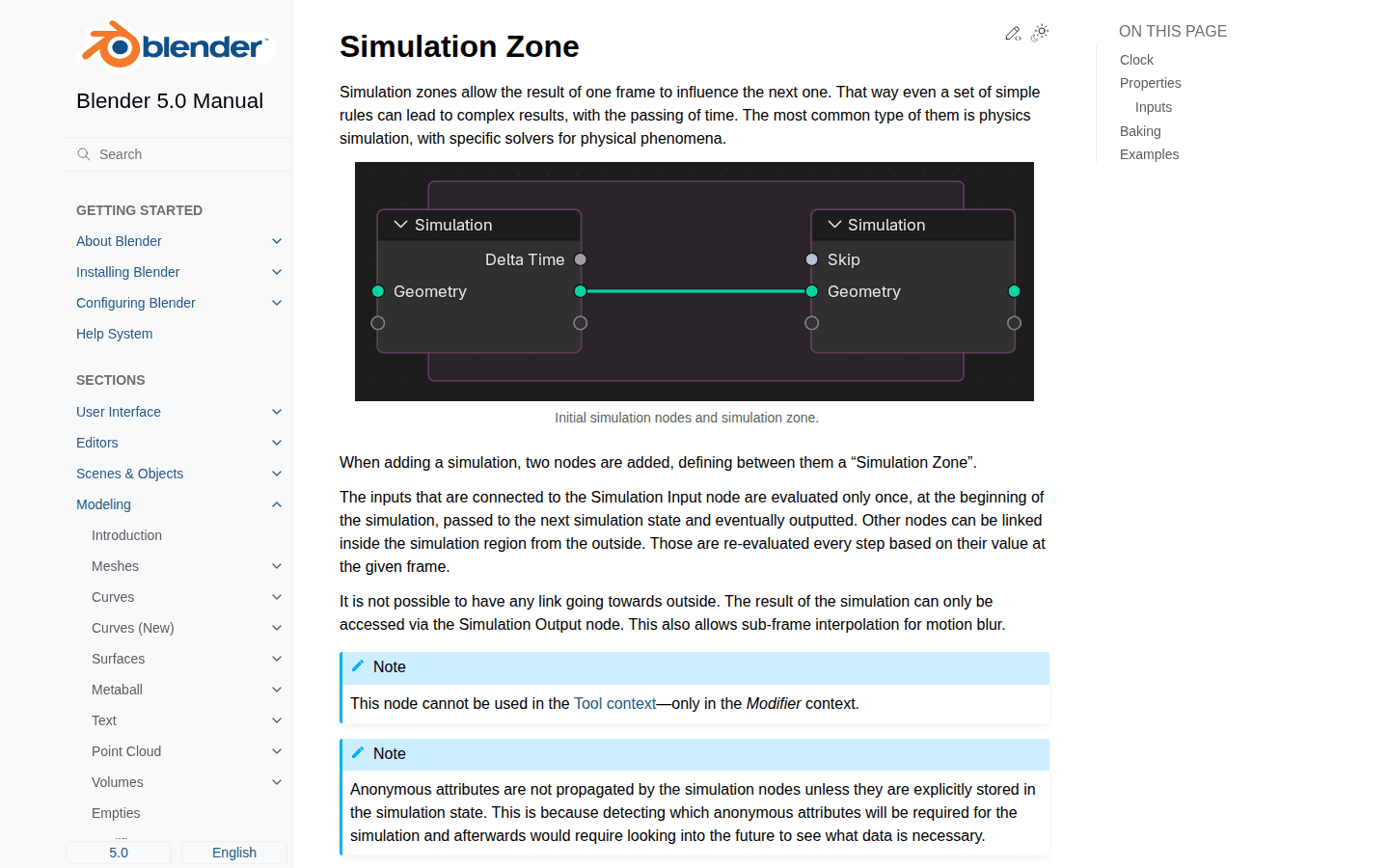
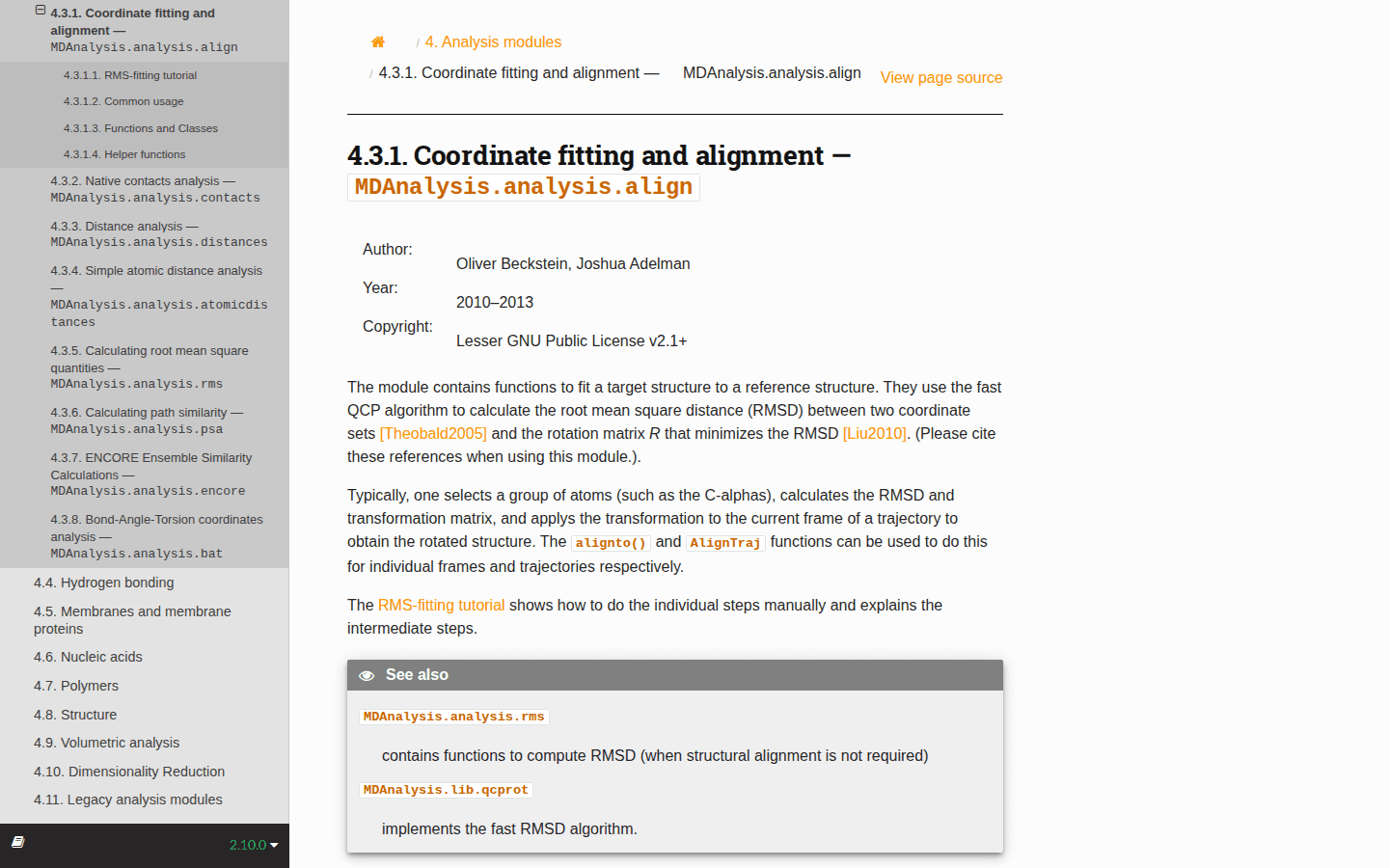
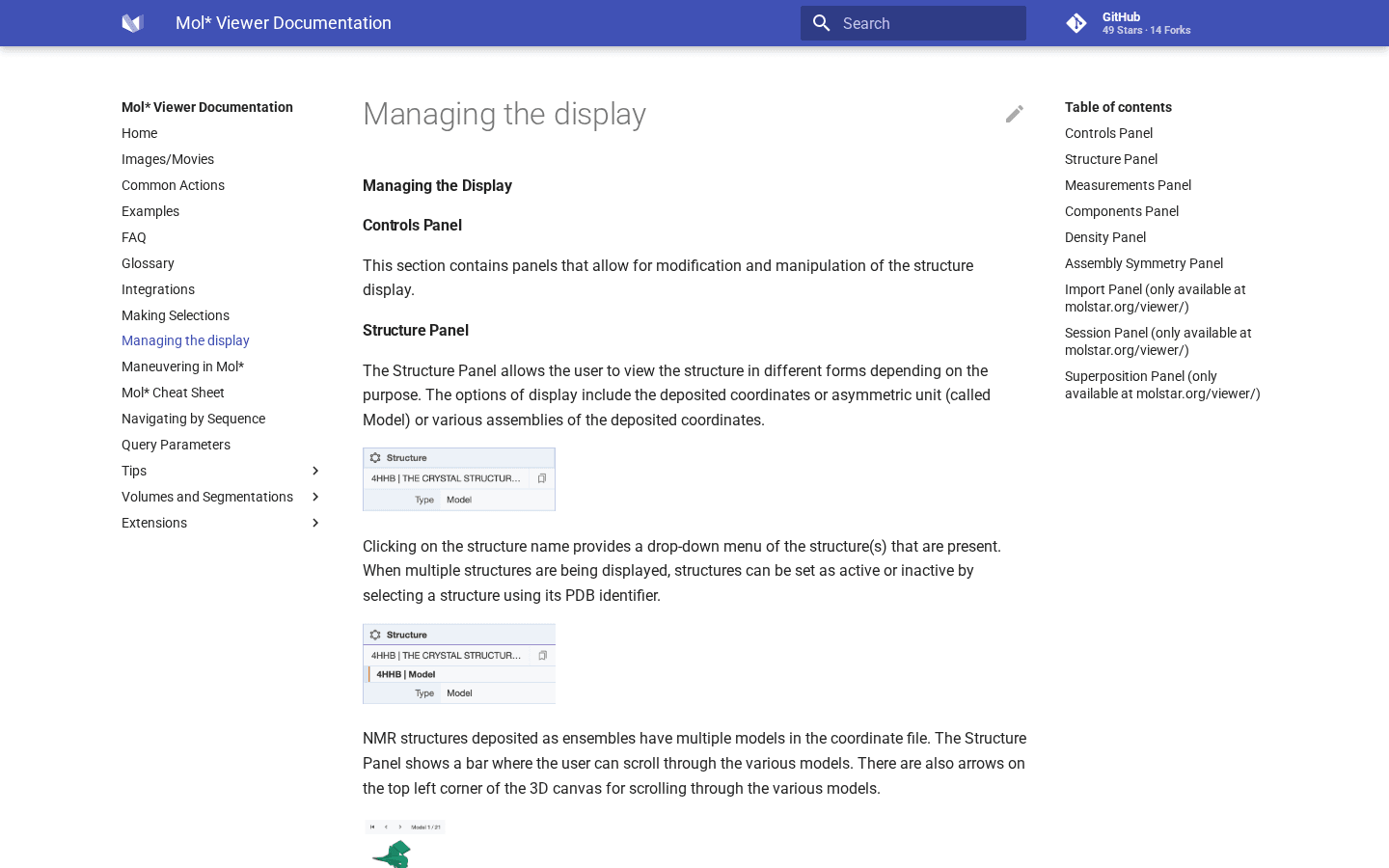
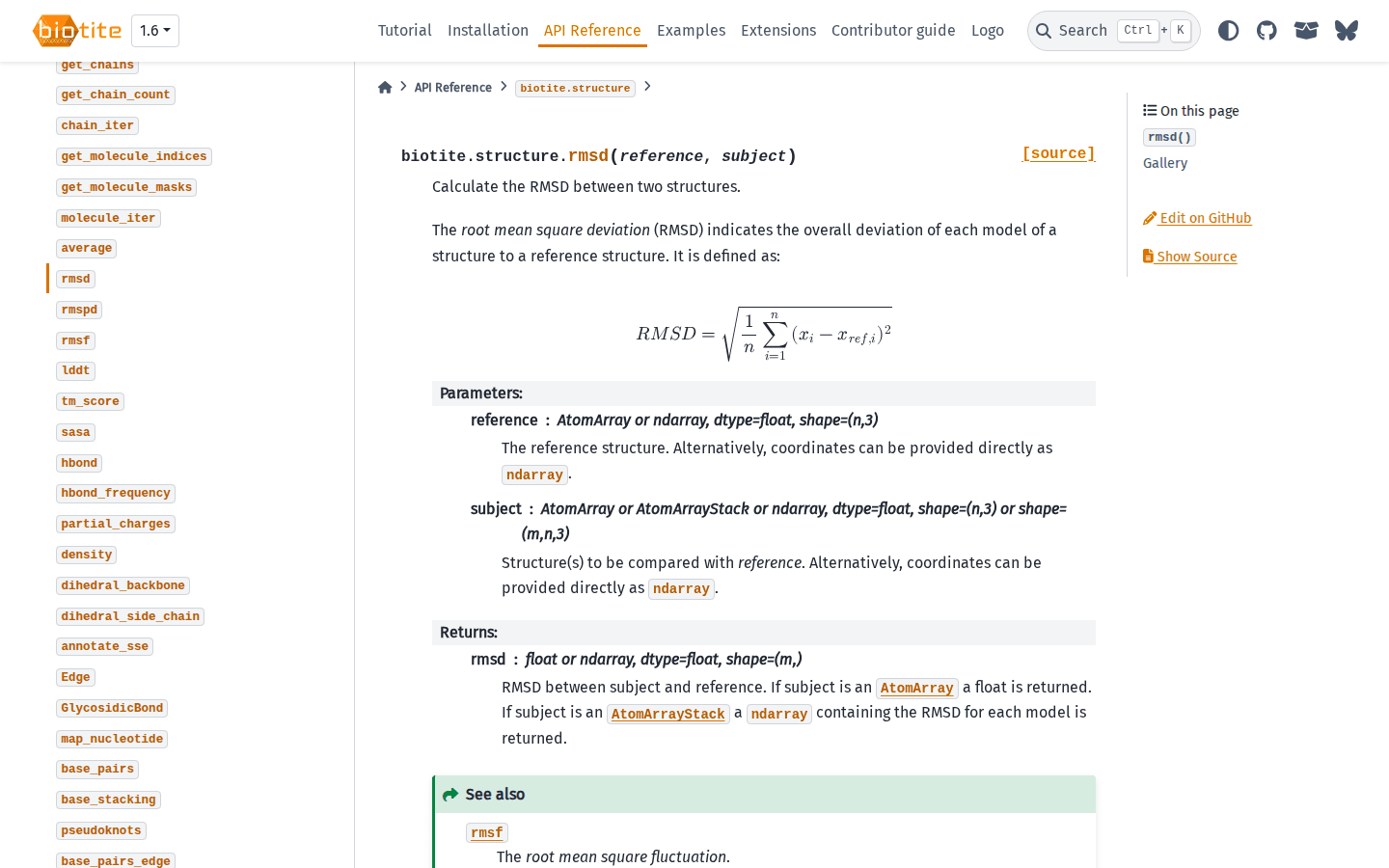
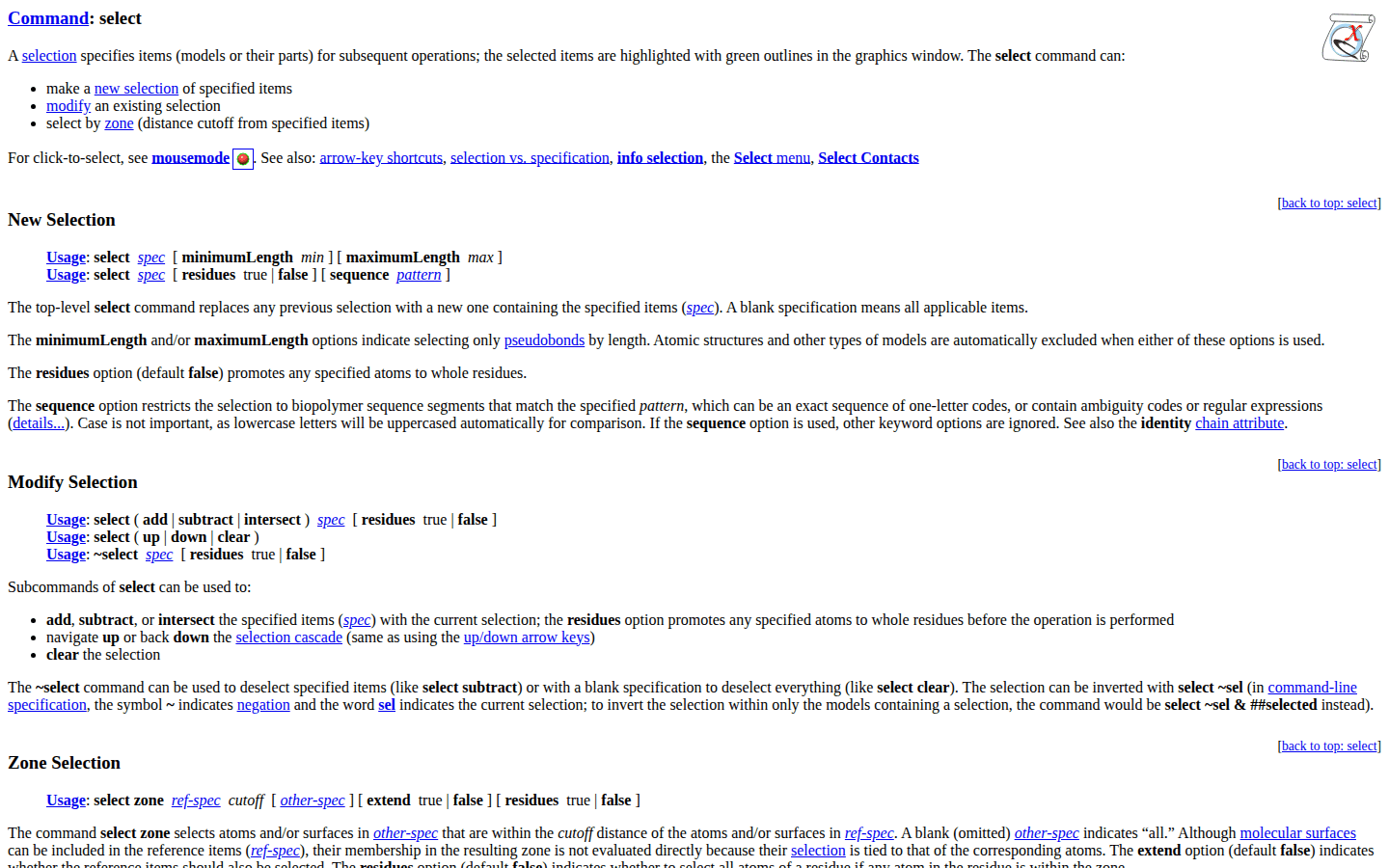
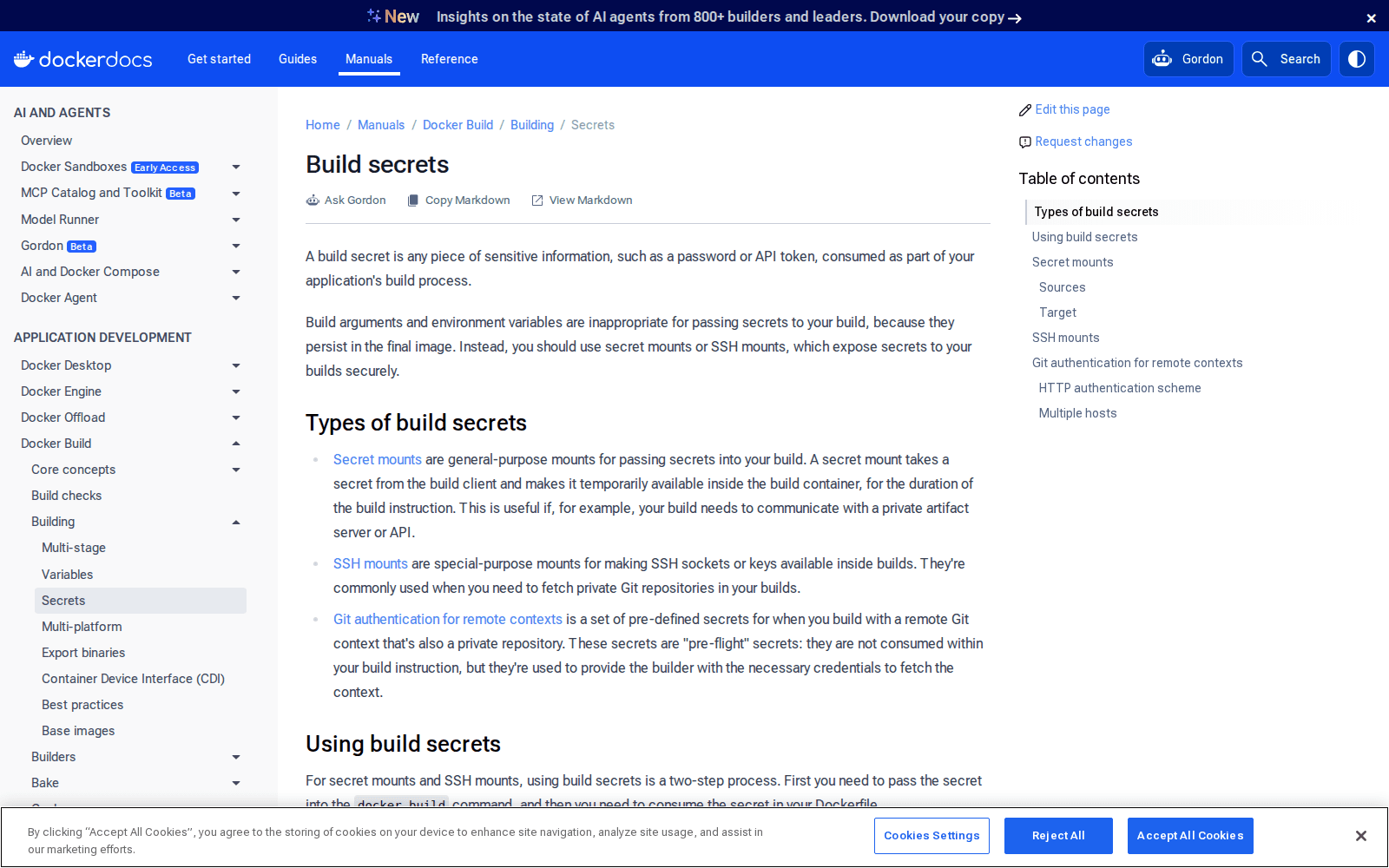
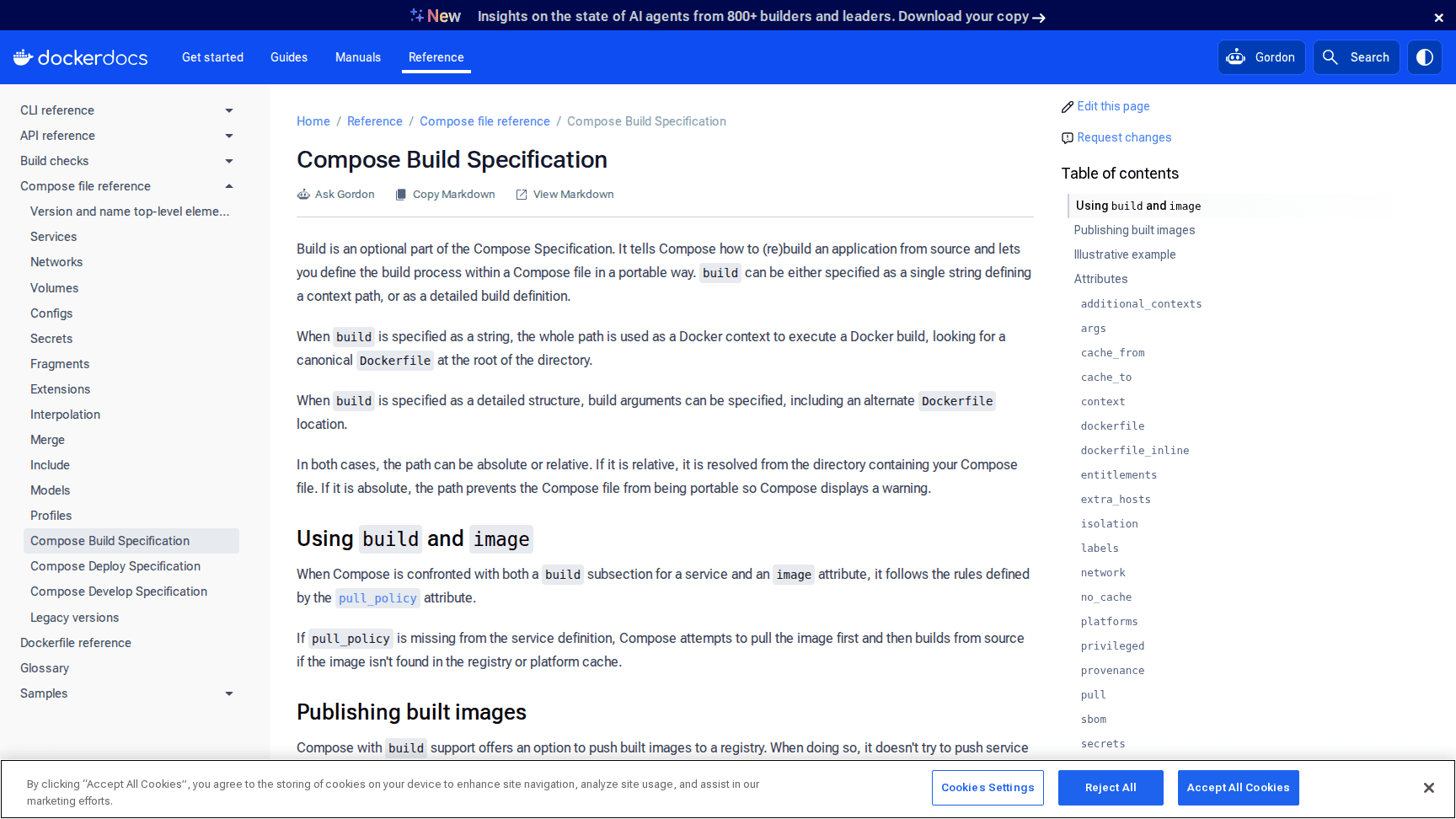
Docker build checks/rule references, build-input policy validation, and SLSA provenance guidance now pair with OpenUSD UsdMtlx/UsdSkel/UsdRi/UsdMedia/UsdProc pages, Blender Simulation Zone behavior, MDAnalysis alignment APIs, Mol* display-management docs, Biotite RMSD docs, and ChimeraX select-command references.
The frontend should keep this lane adjacent to runtime docs so users can inspect Dockerfile quality gates, schema expansion boundaries, and selection/alignment semantics before finalizing molecular 3D outputs.
May 16, 2026Evidence Methods13 sources
Secure-build docs, OpenUSD schema internals, and molecular-selection references now tighten reproducible 3D research execution
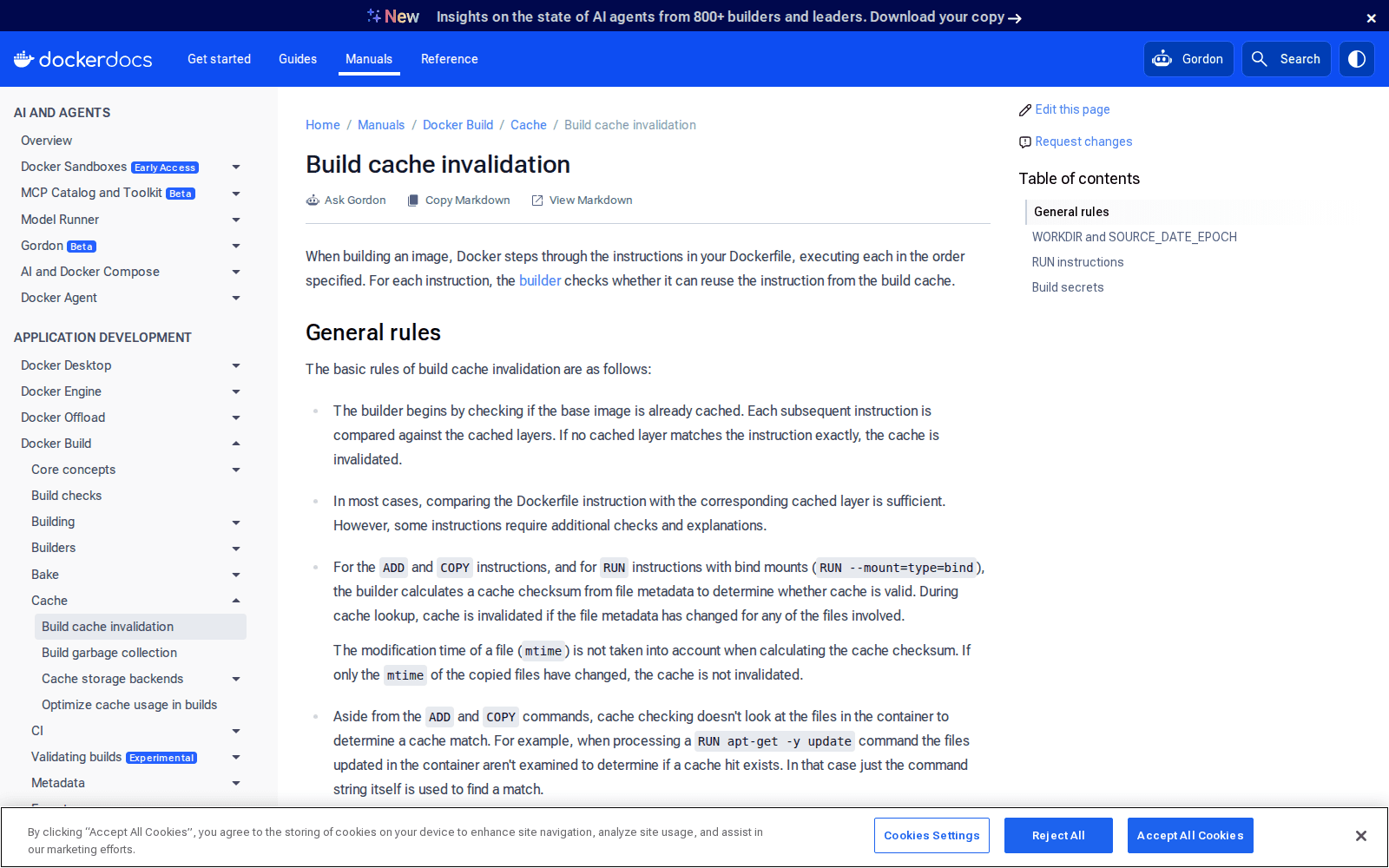
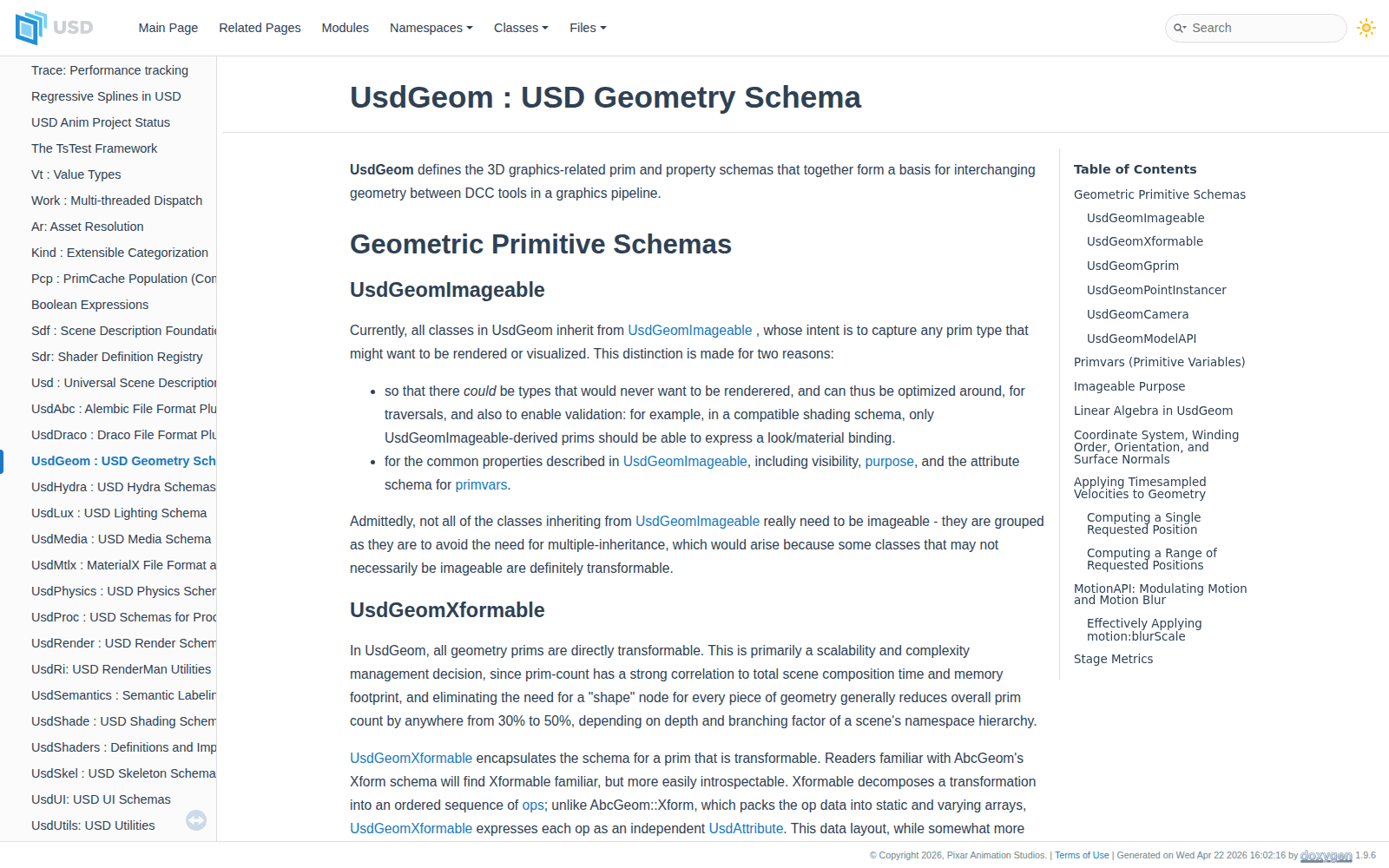
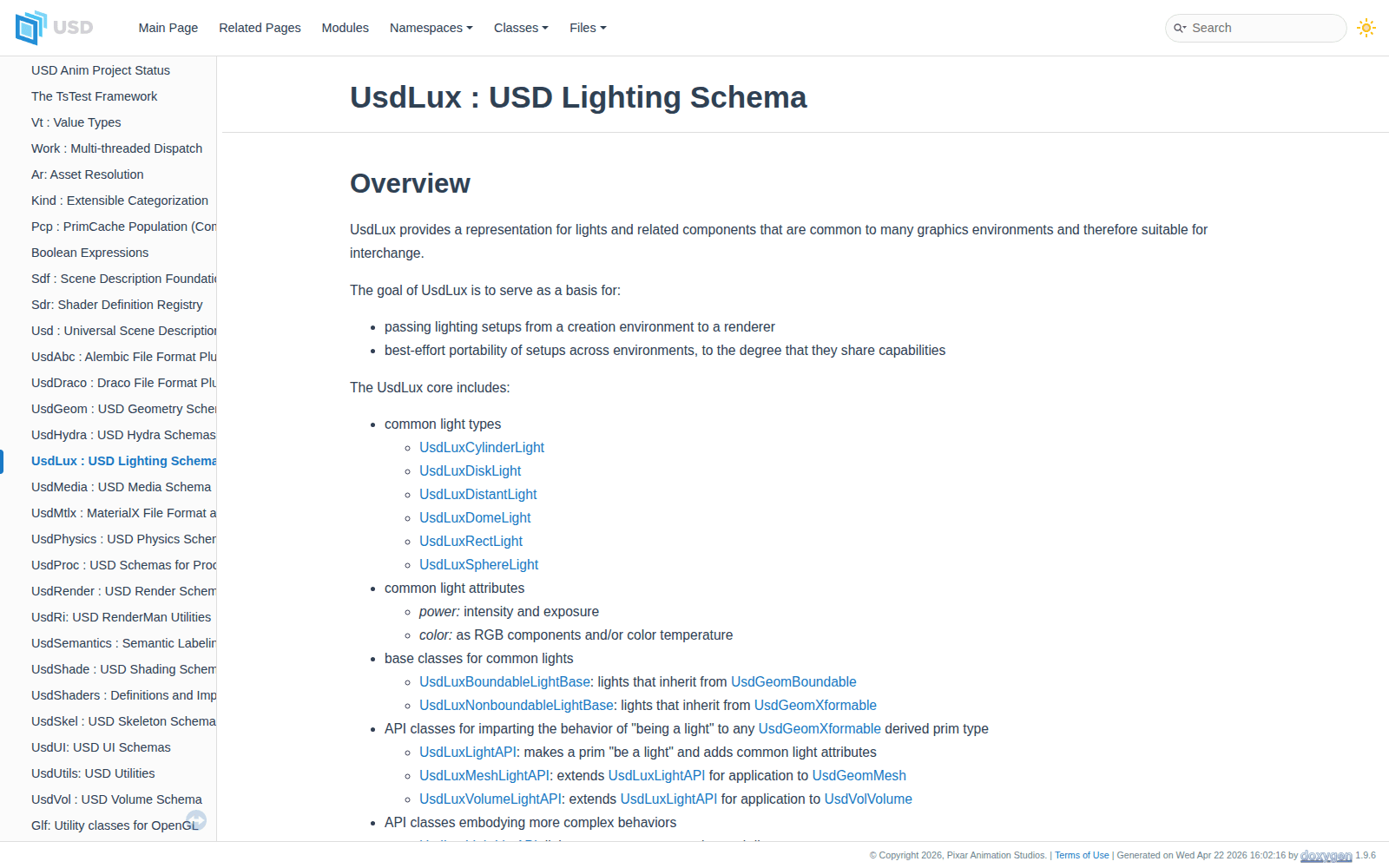
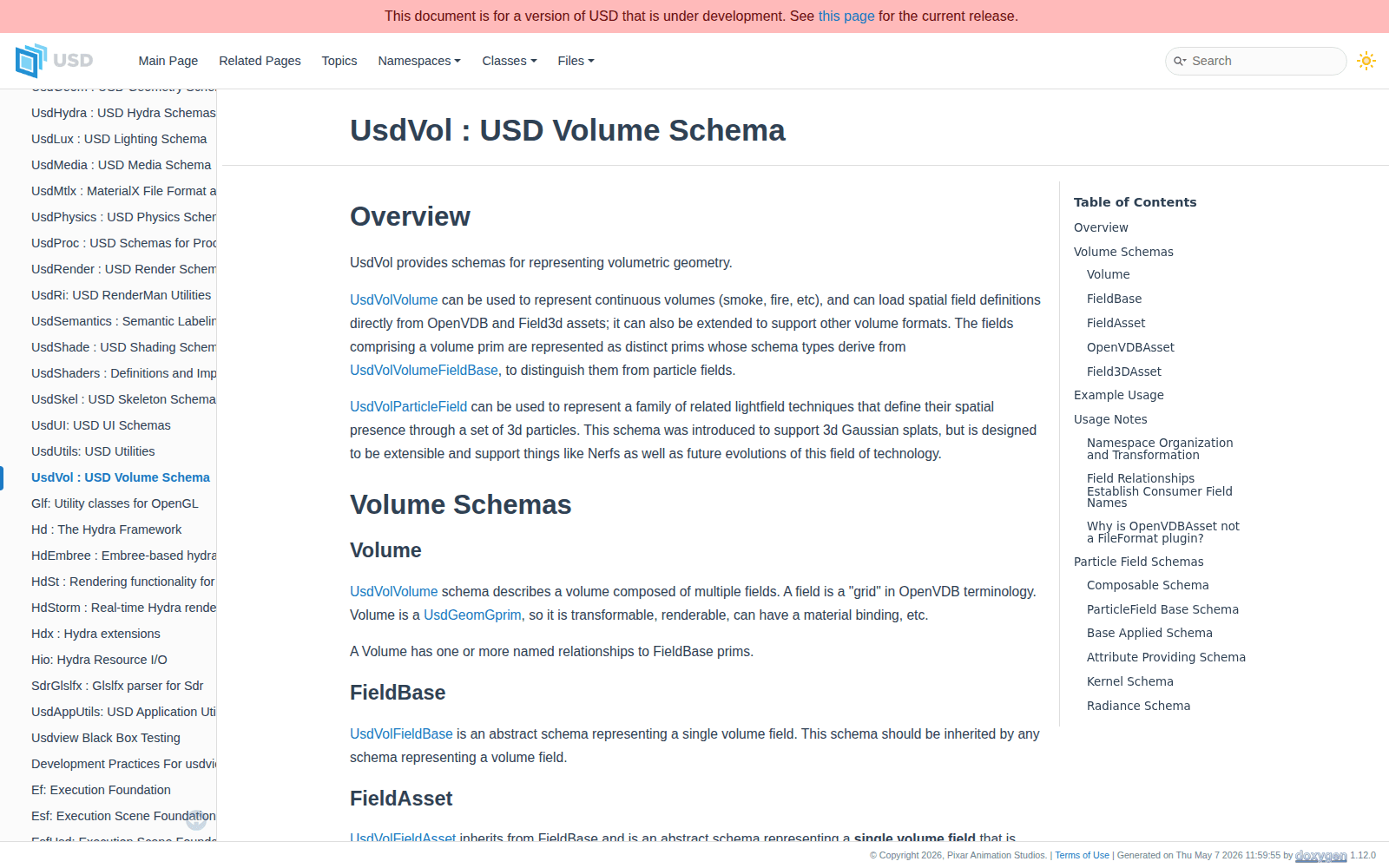
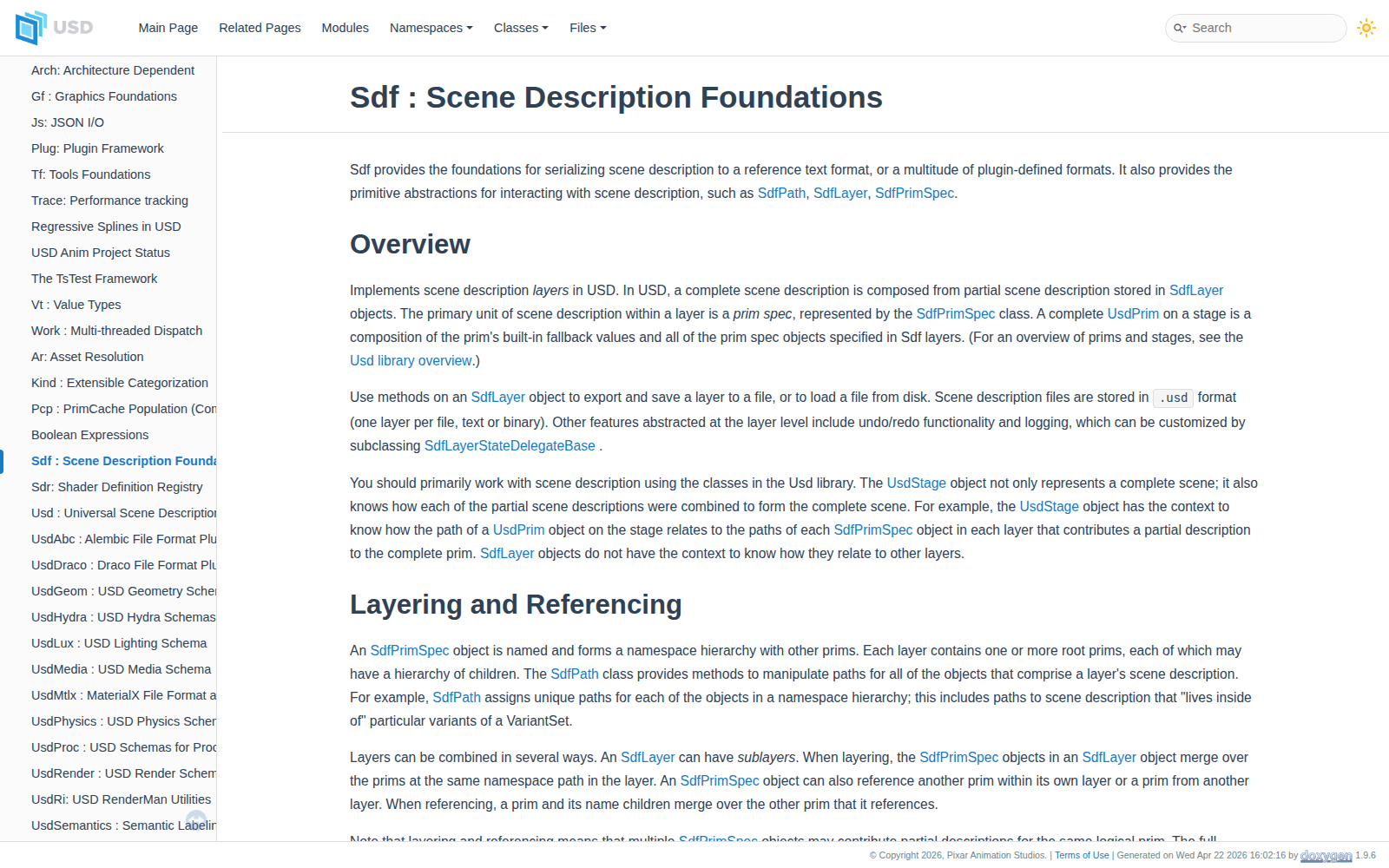
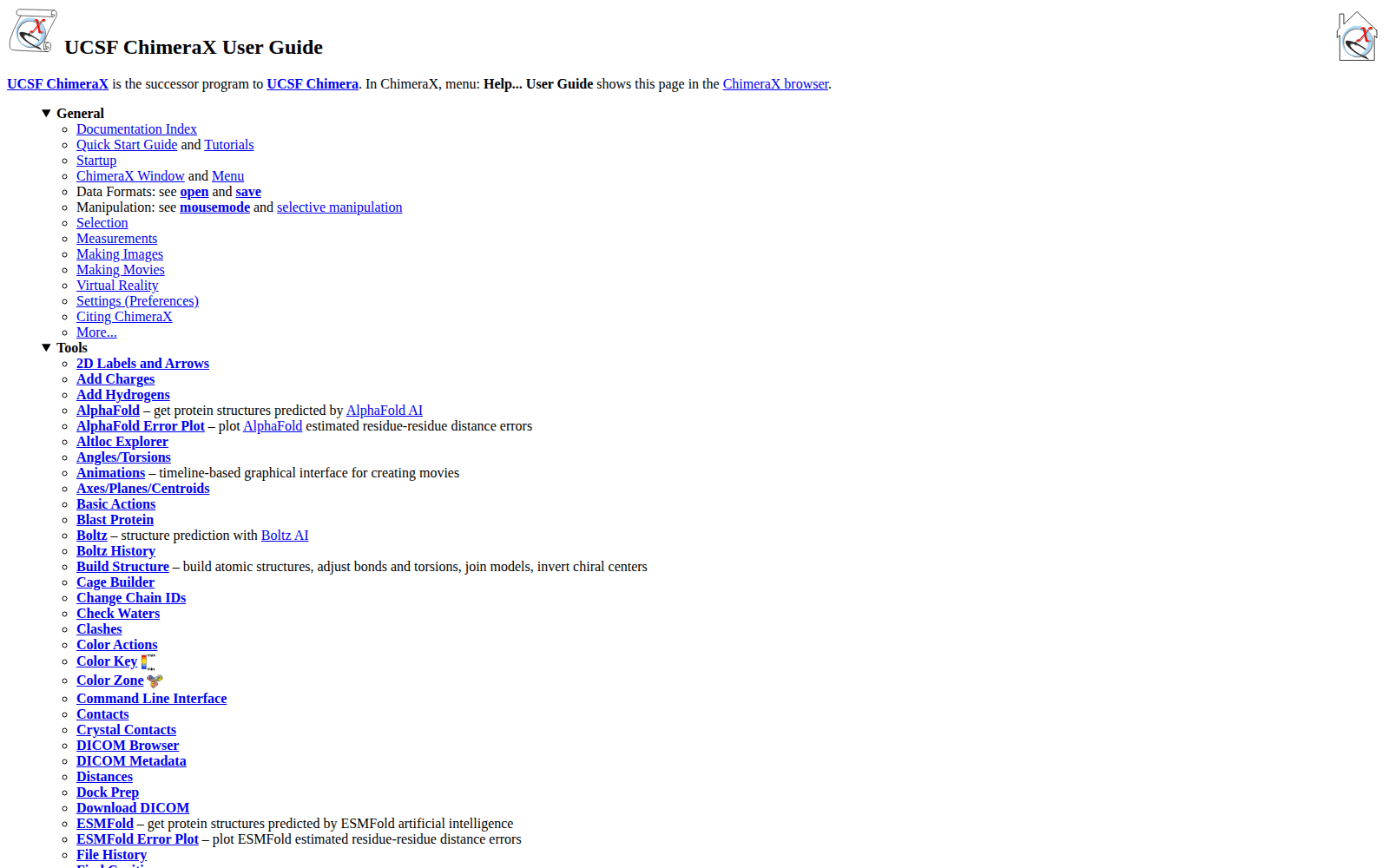
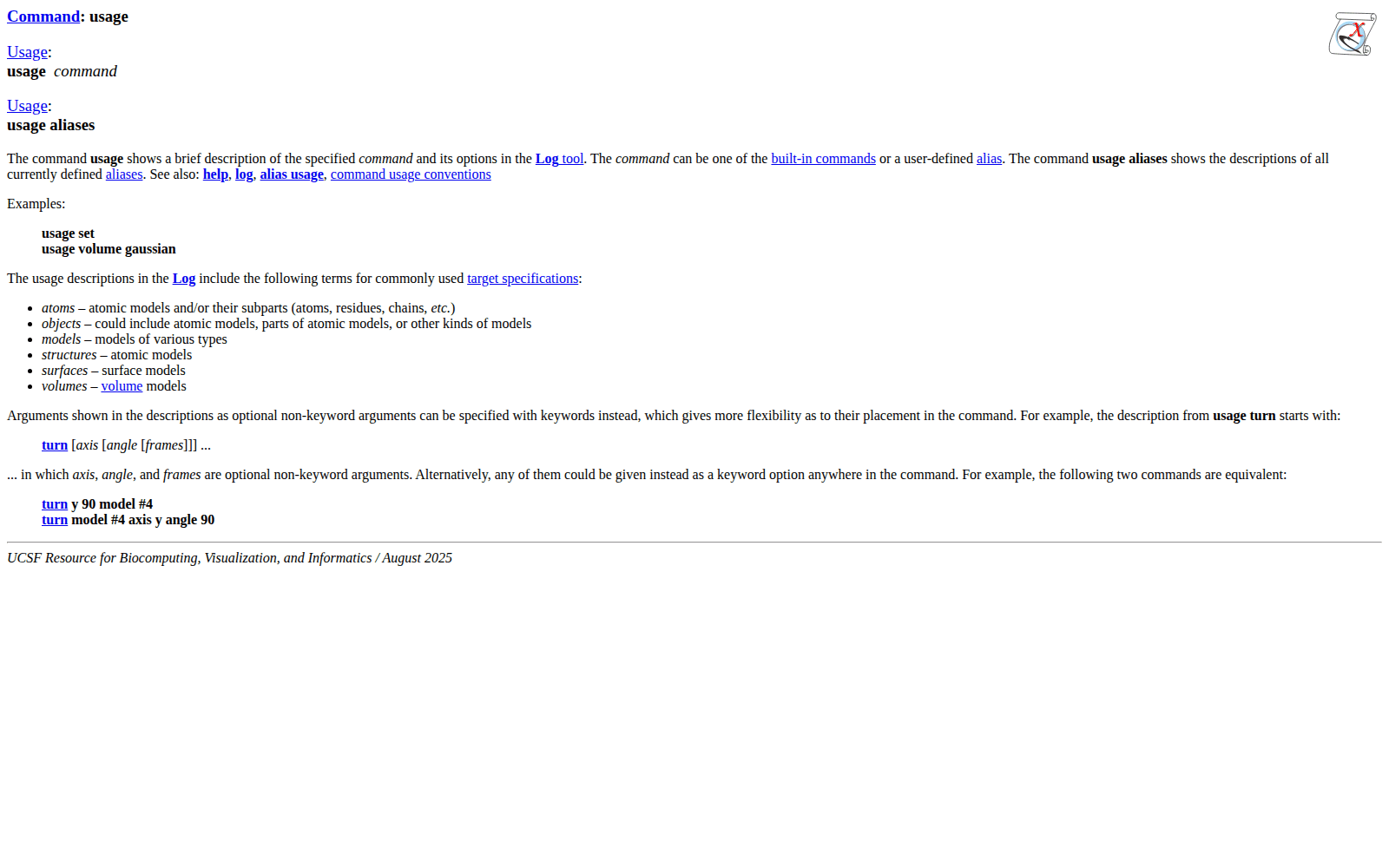
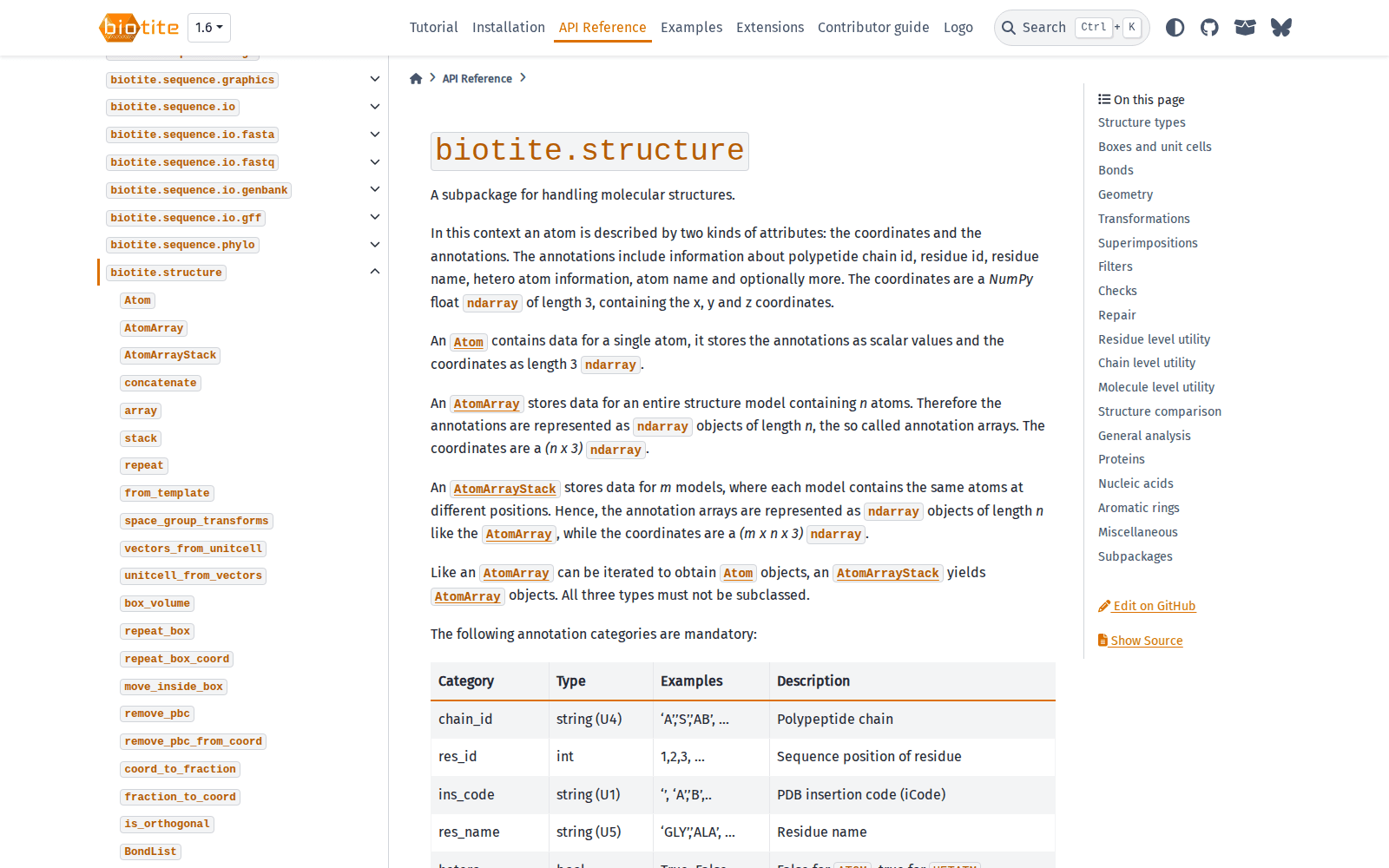
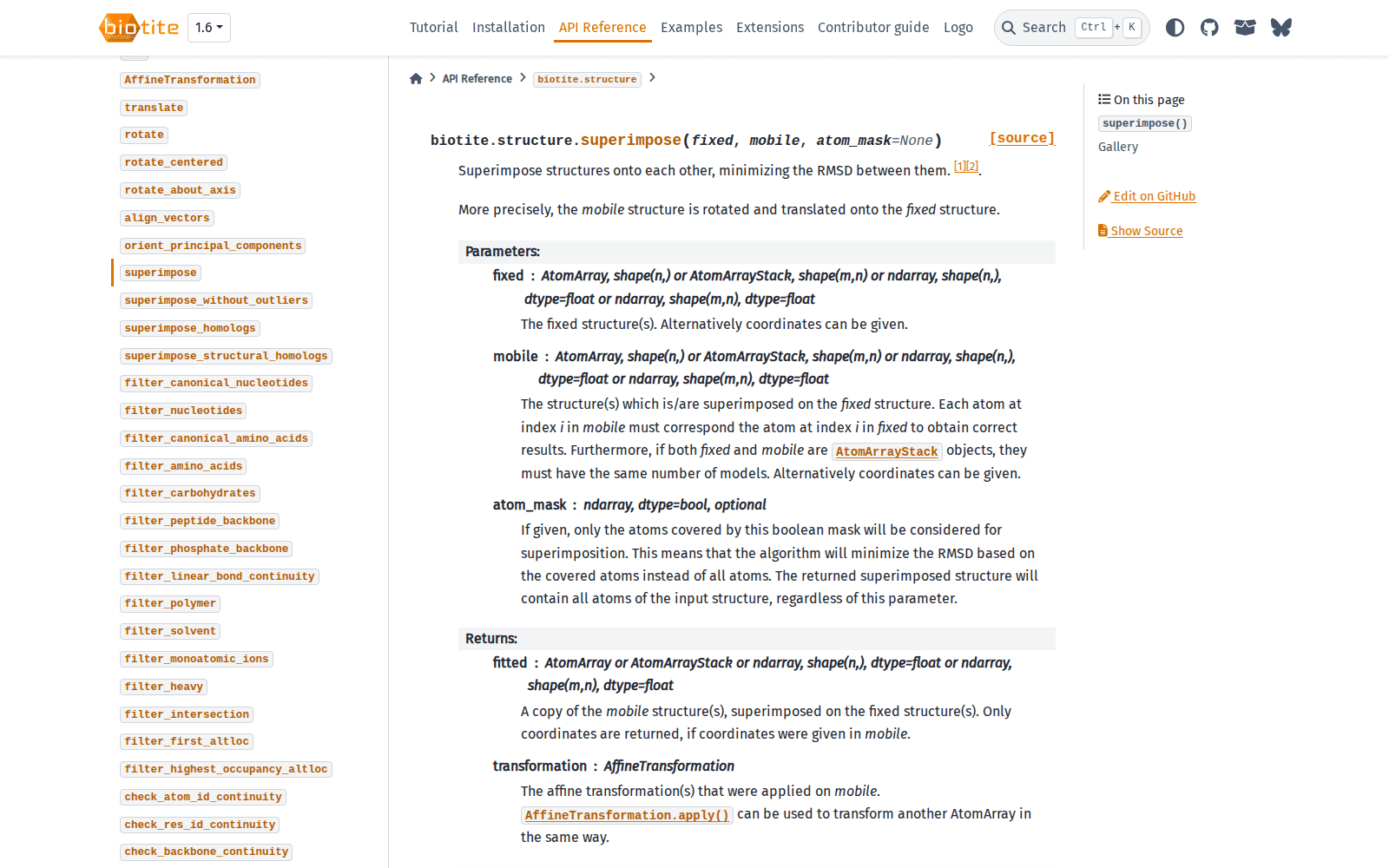
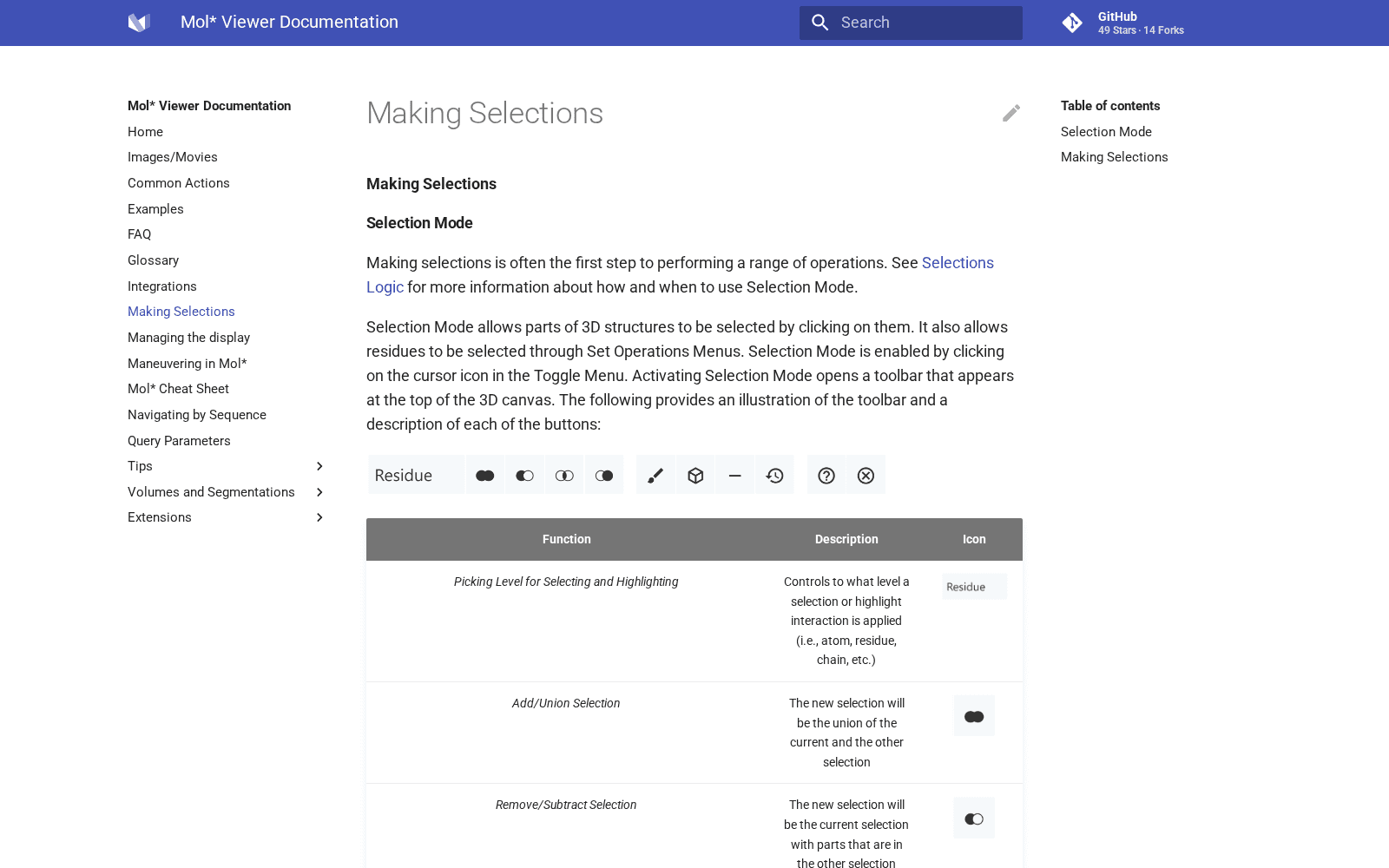
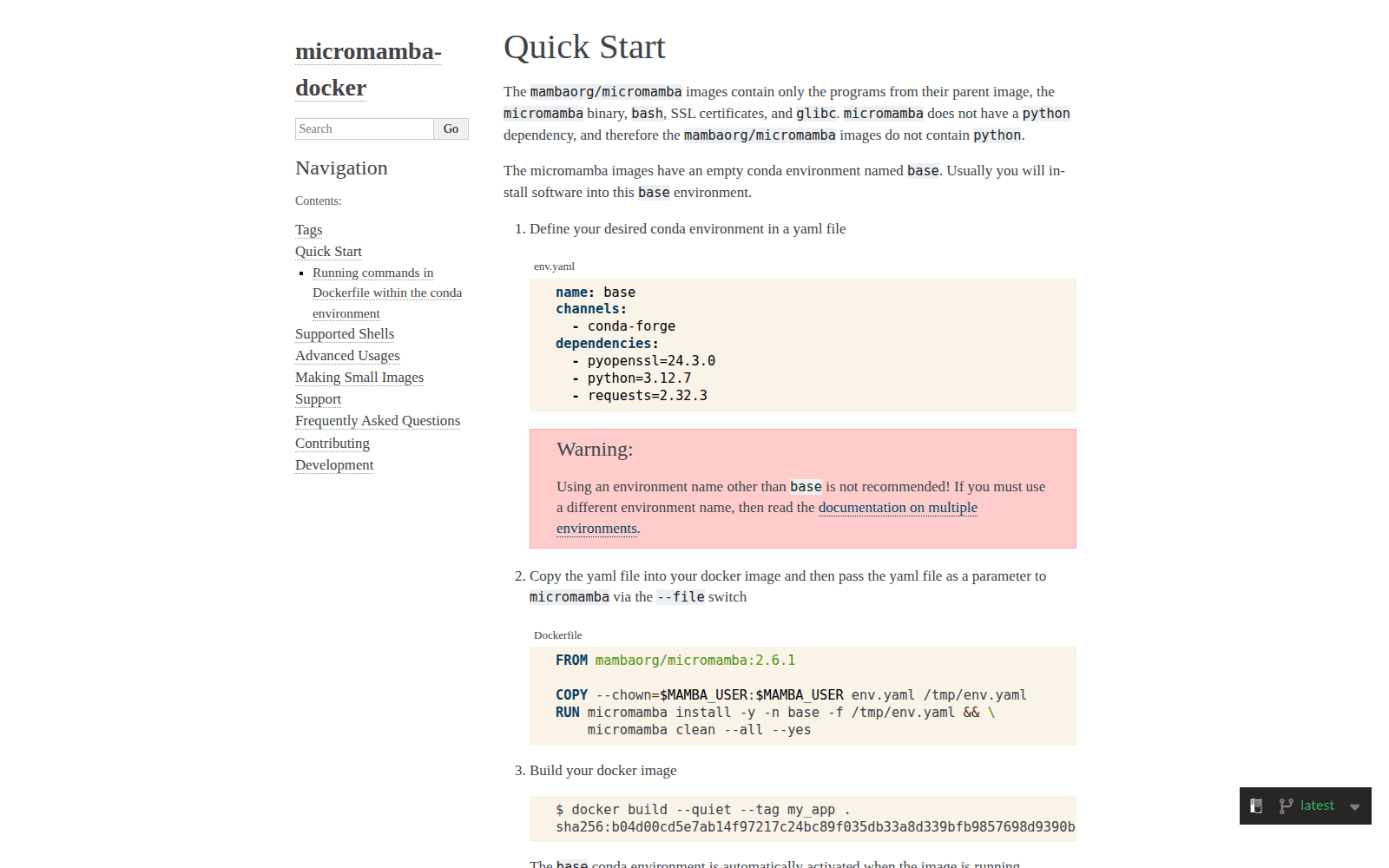
Docker build-secrets, cache-invalidation, and multi-stage references now pair with OpenUSD Sdf/UsdGeom/UsdLux/UsdVol schema pages, ChimeraX user/command usage docs, Biotite structure/superimpose APIs, Mol* selection guidance, and micromamba-docker quickstart patterns.
The frontend should keep this as a contiguous method lane so users can audit credential-safe build paths, schema-level scene semantics, and structure-selection operations before publishing molecular 3D outputs.
May 16, 2026Evidence Methods31 sources
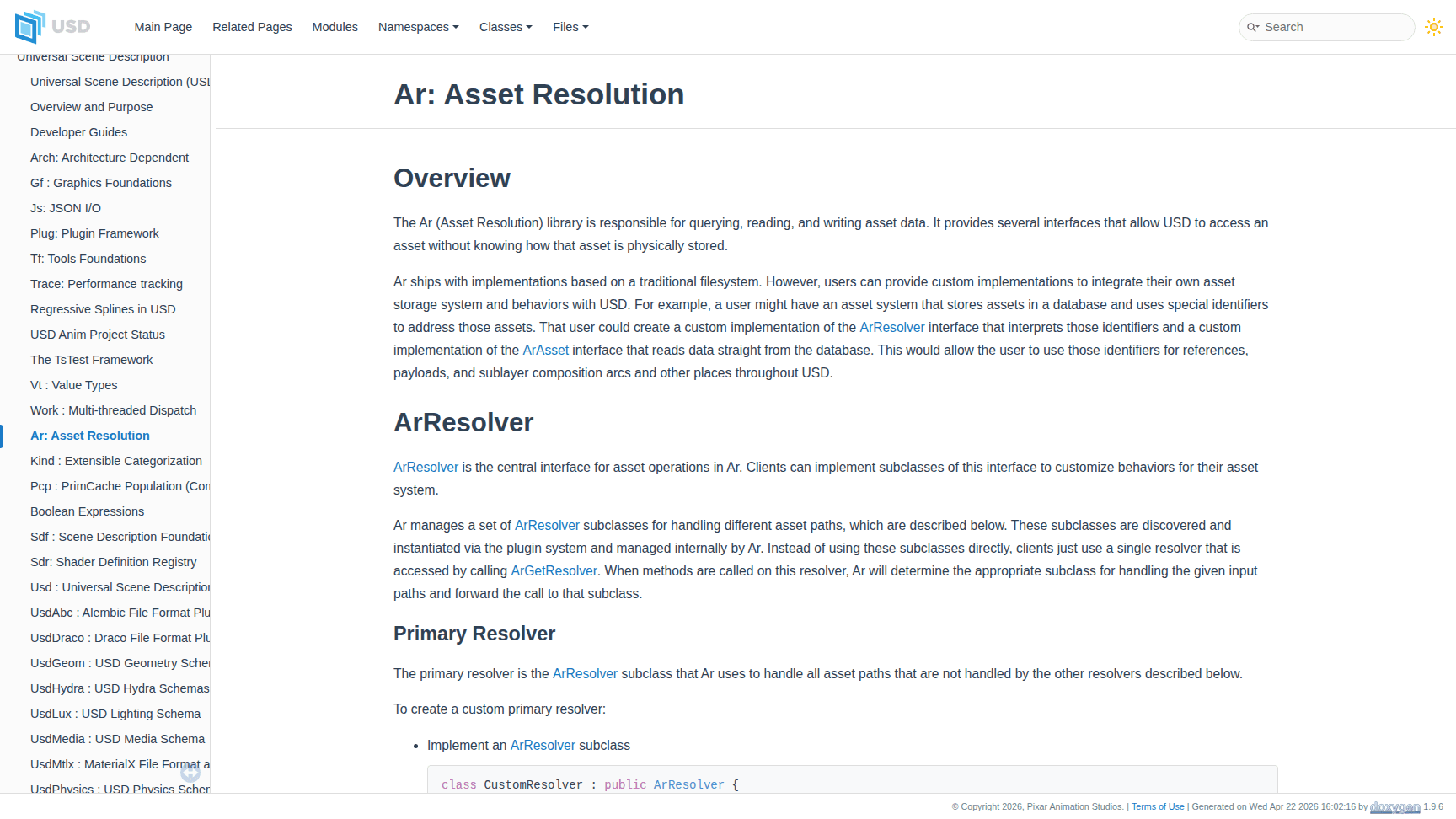
Build attestations, OpenUSD Hydra/Ar internals, and OpenMM/OpenFE protocol docs now form a tighter execution lane
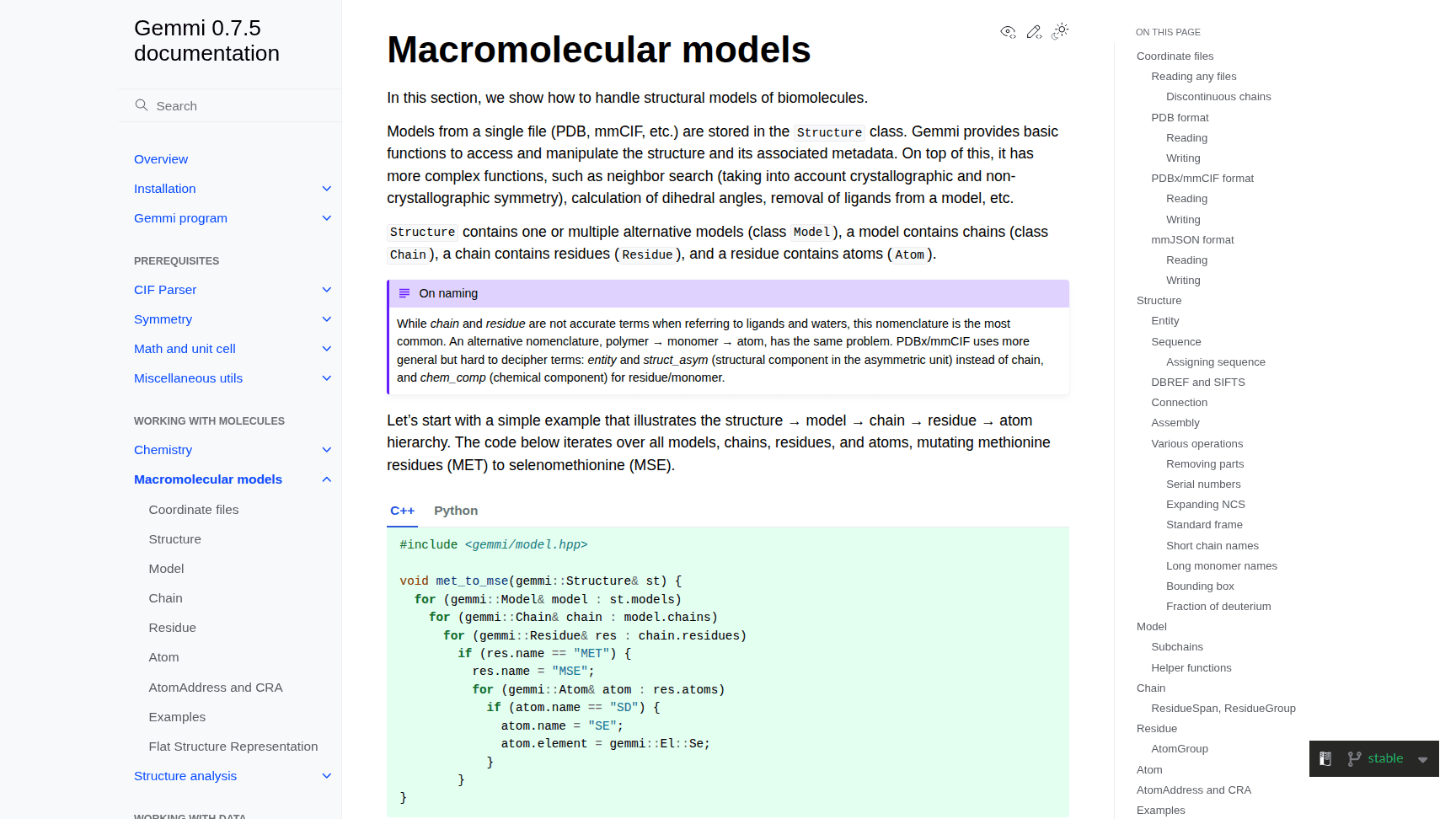
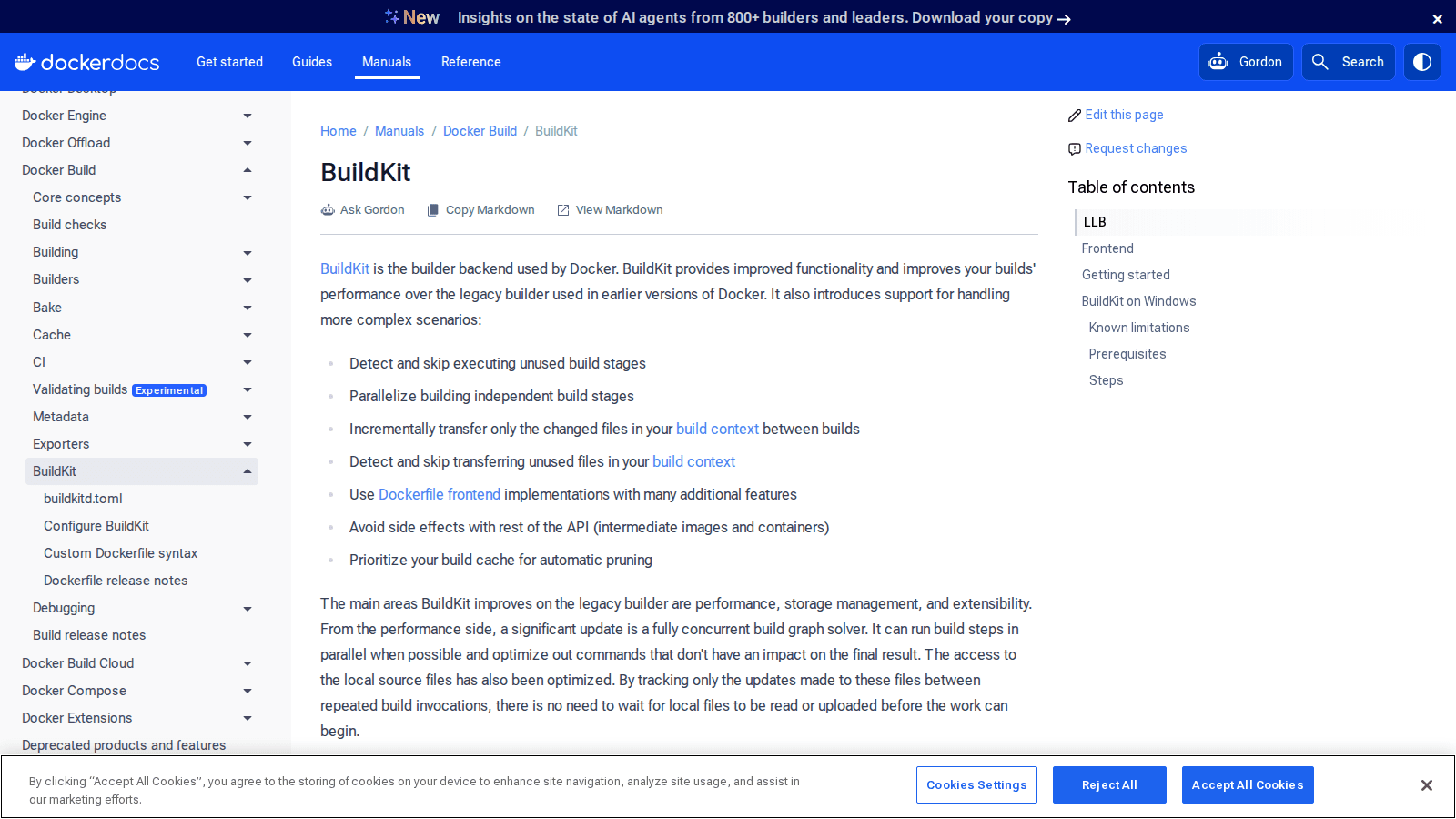
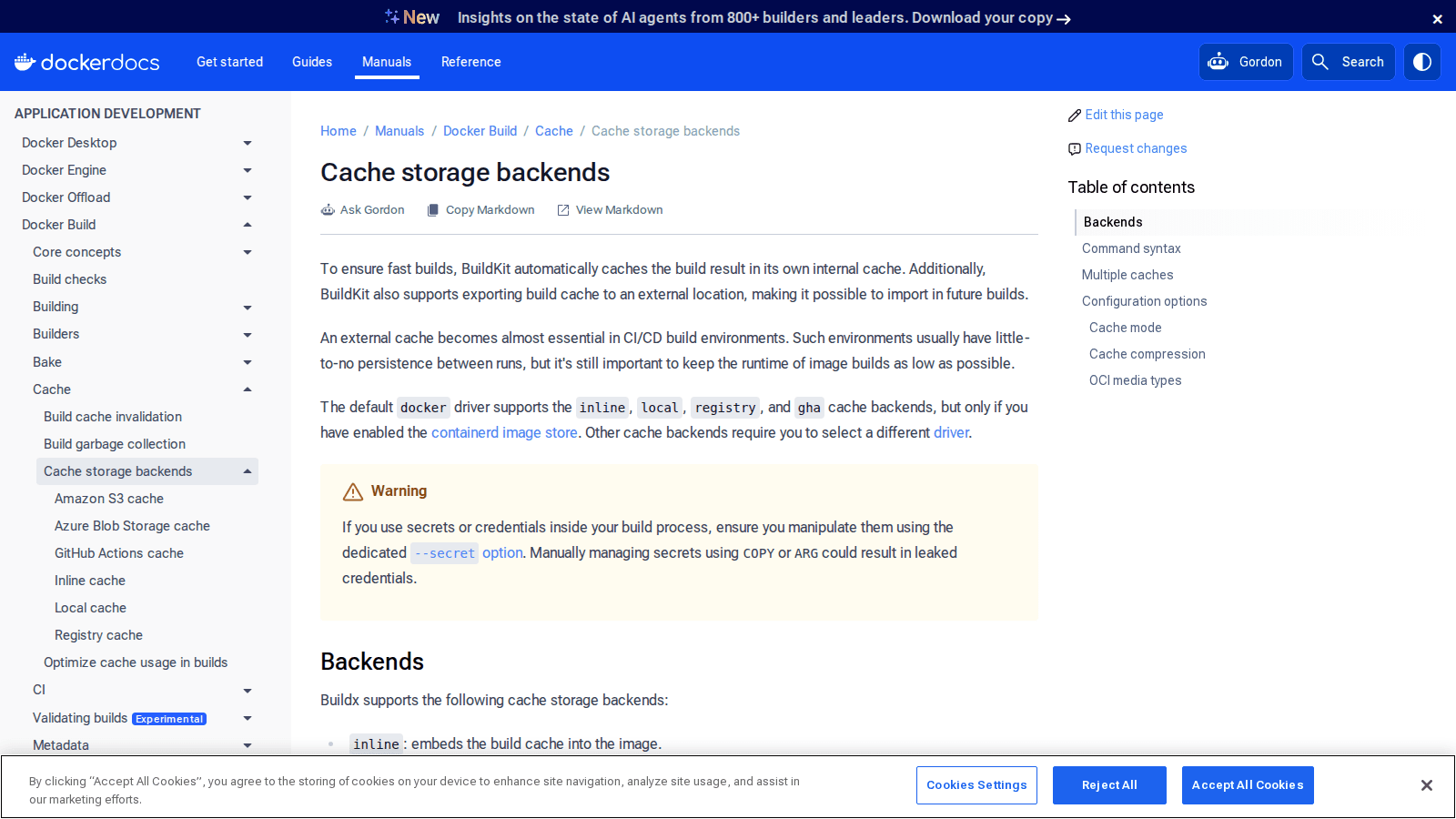
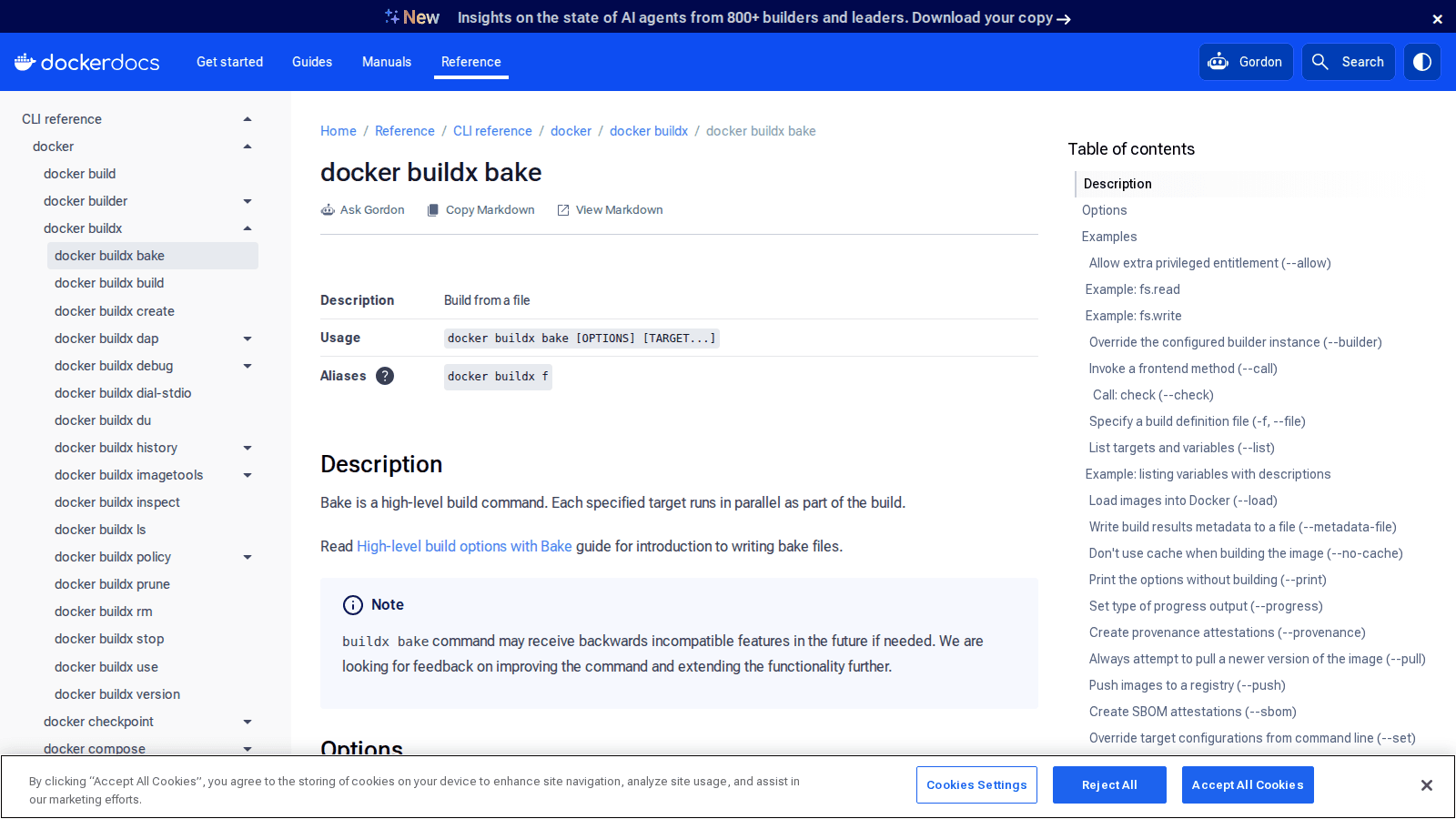
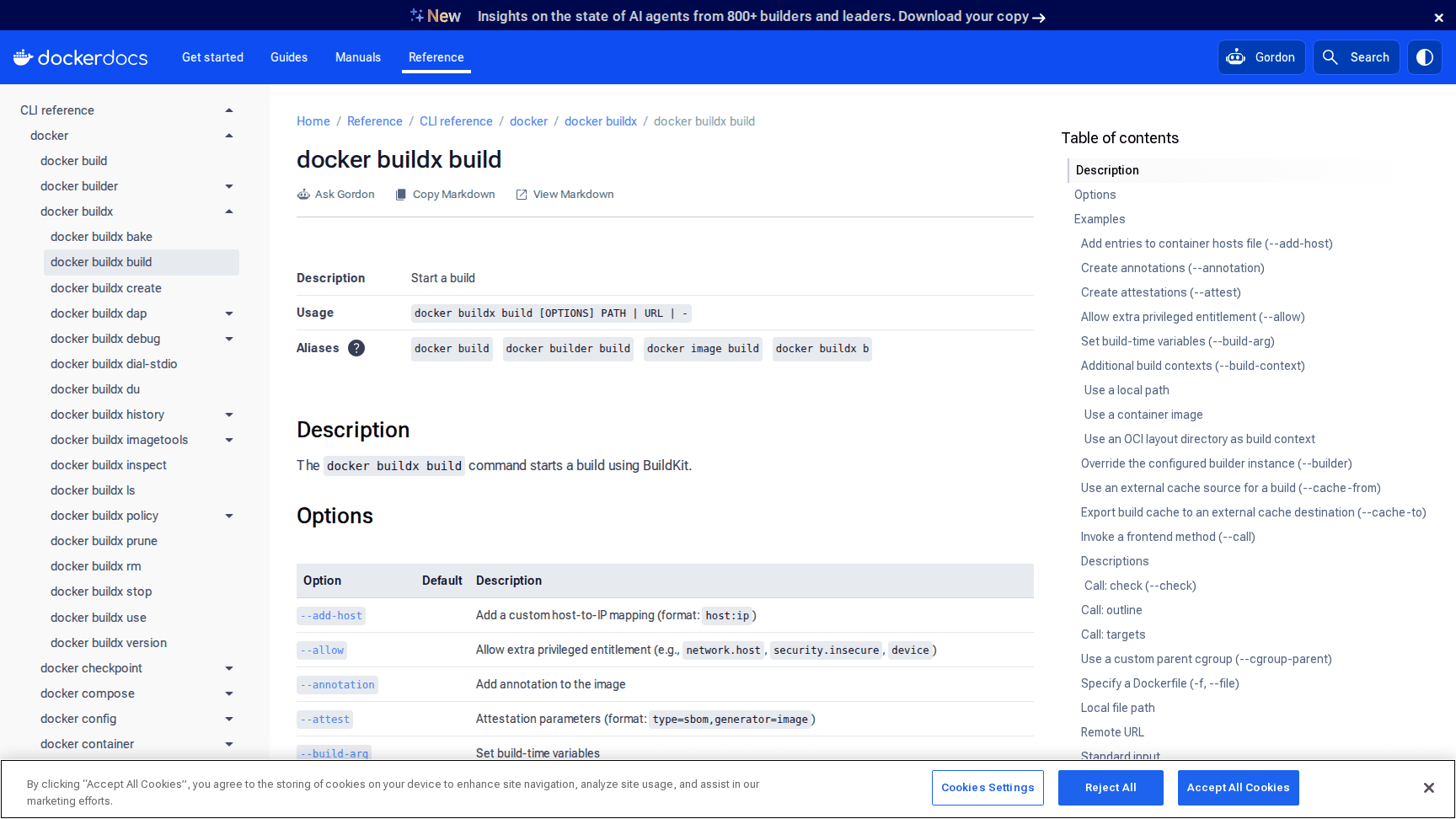
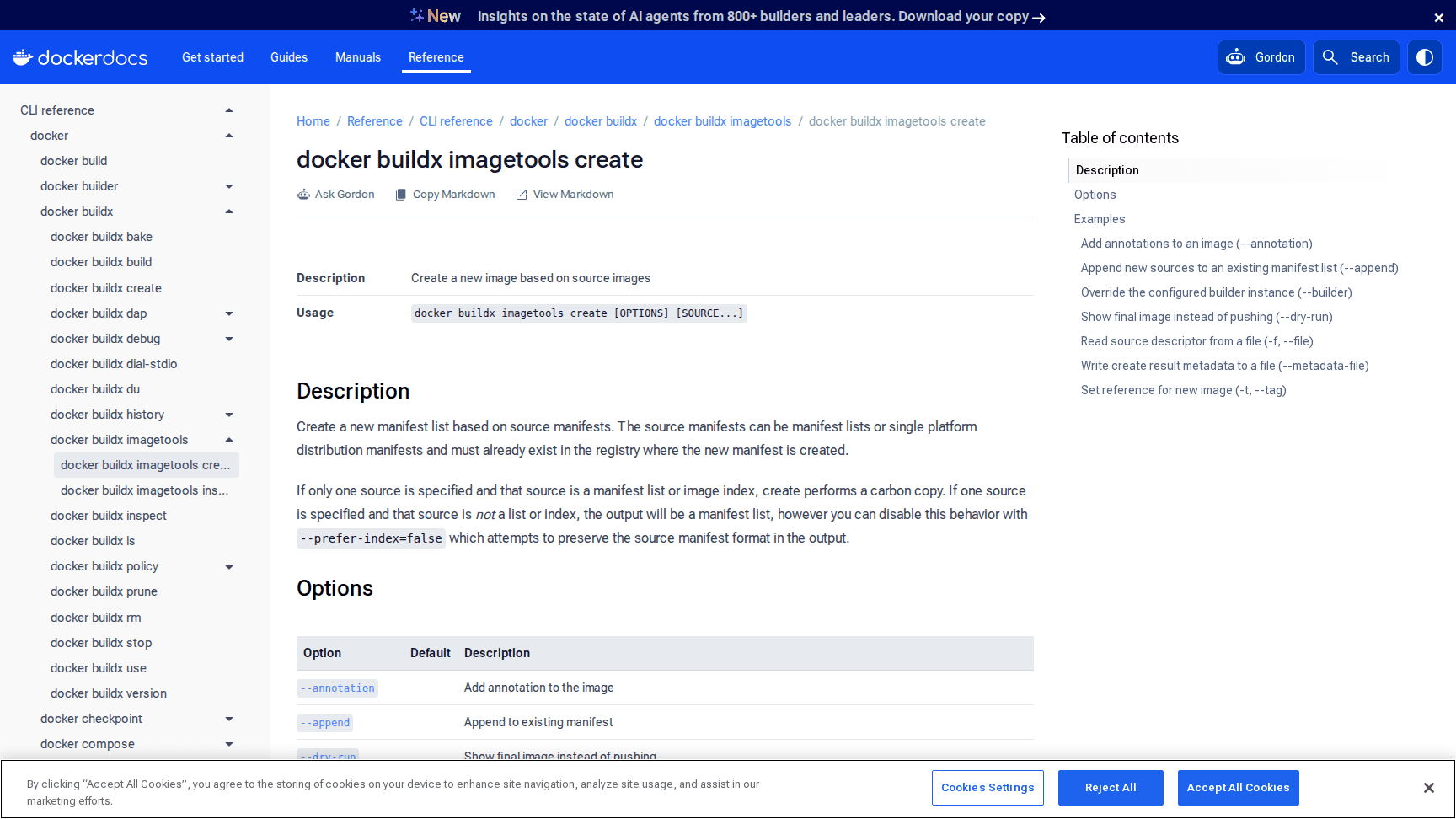
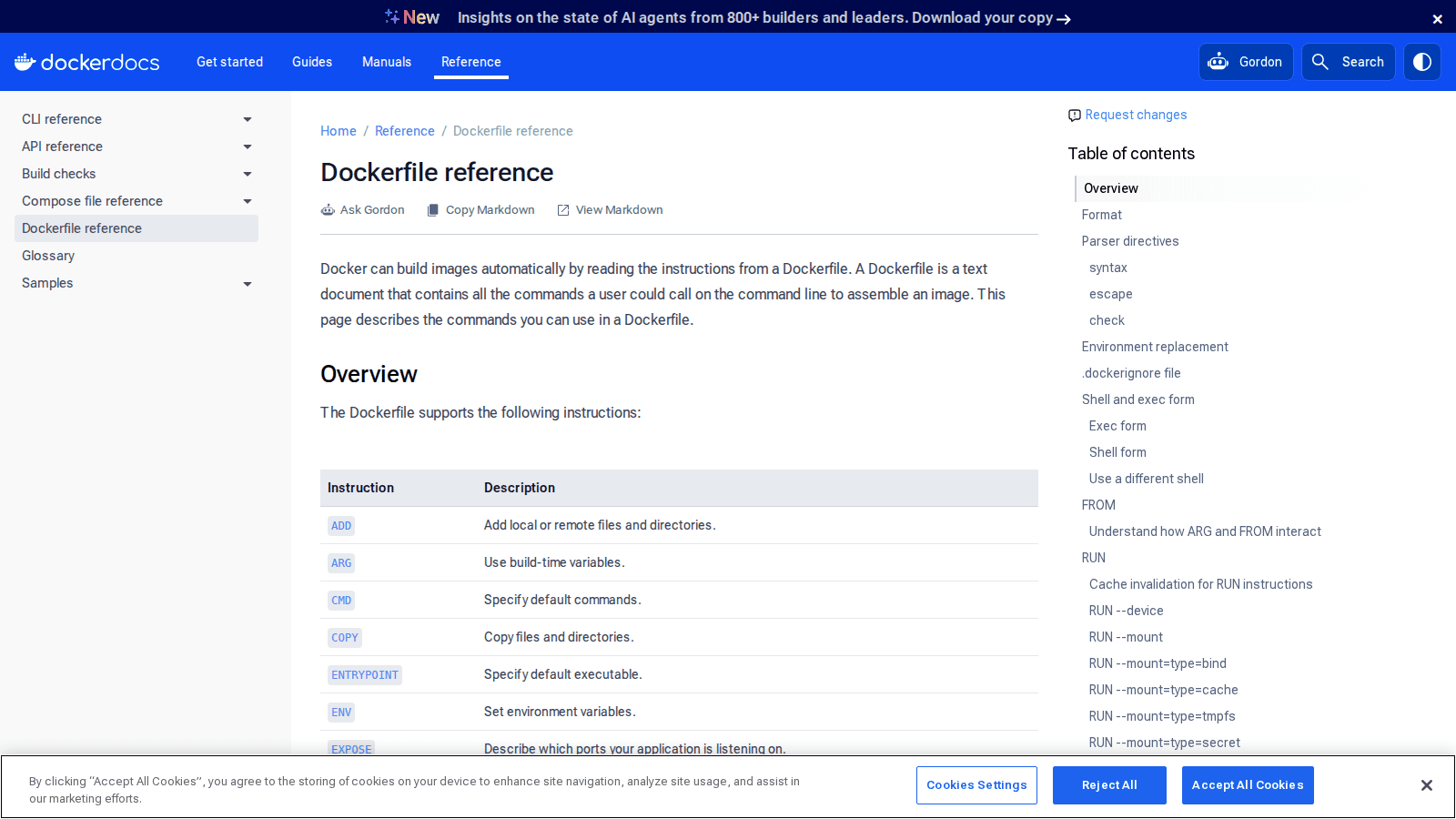
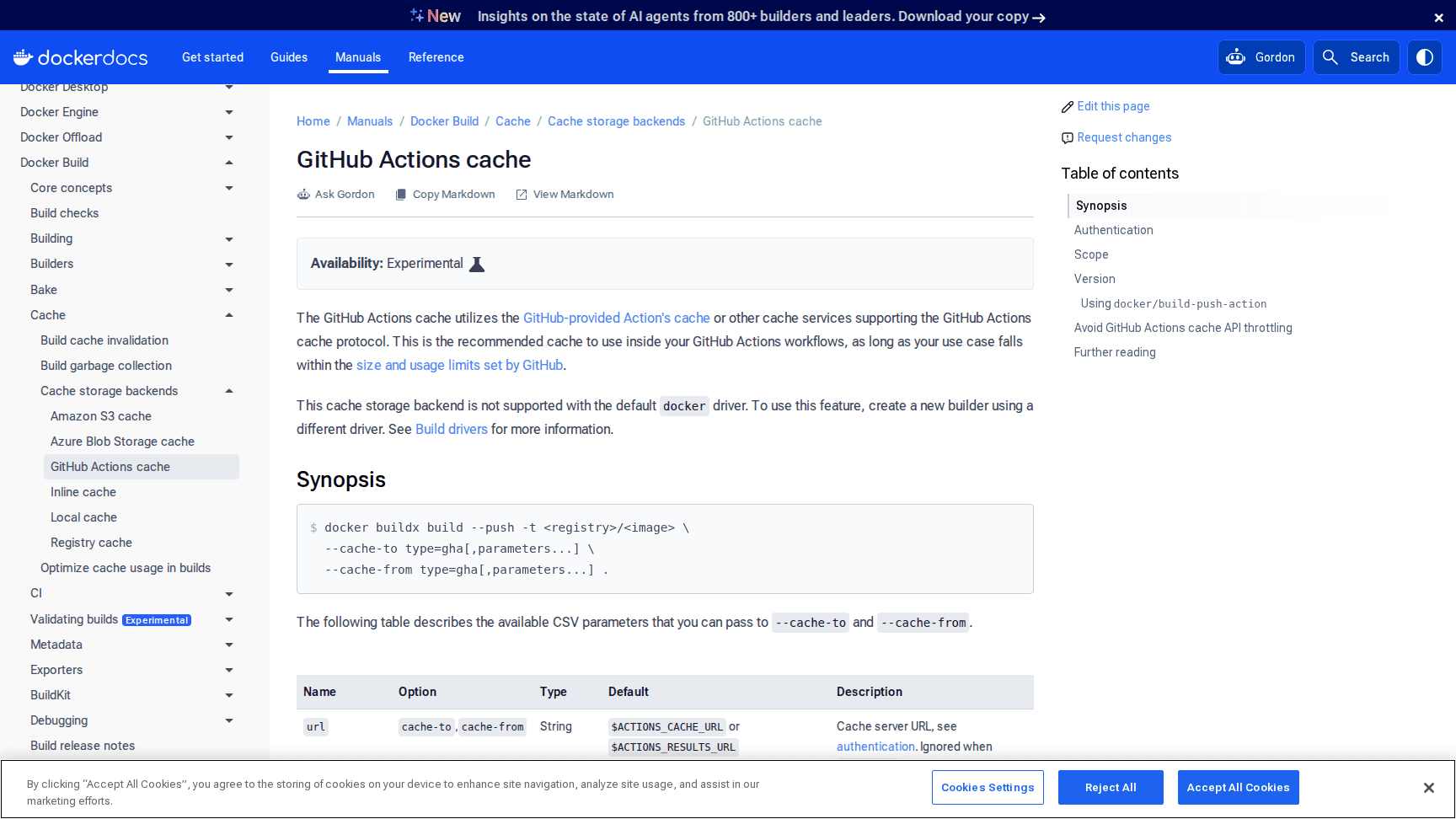
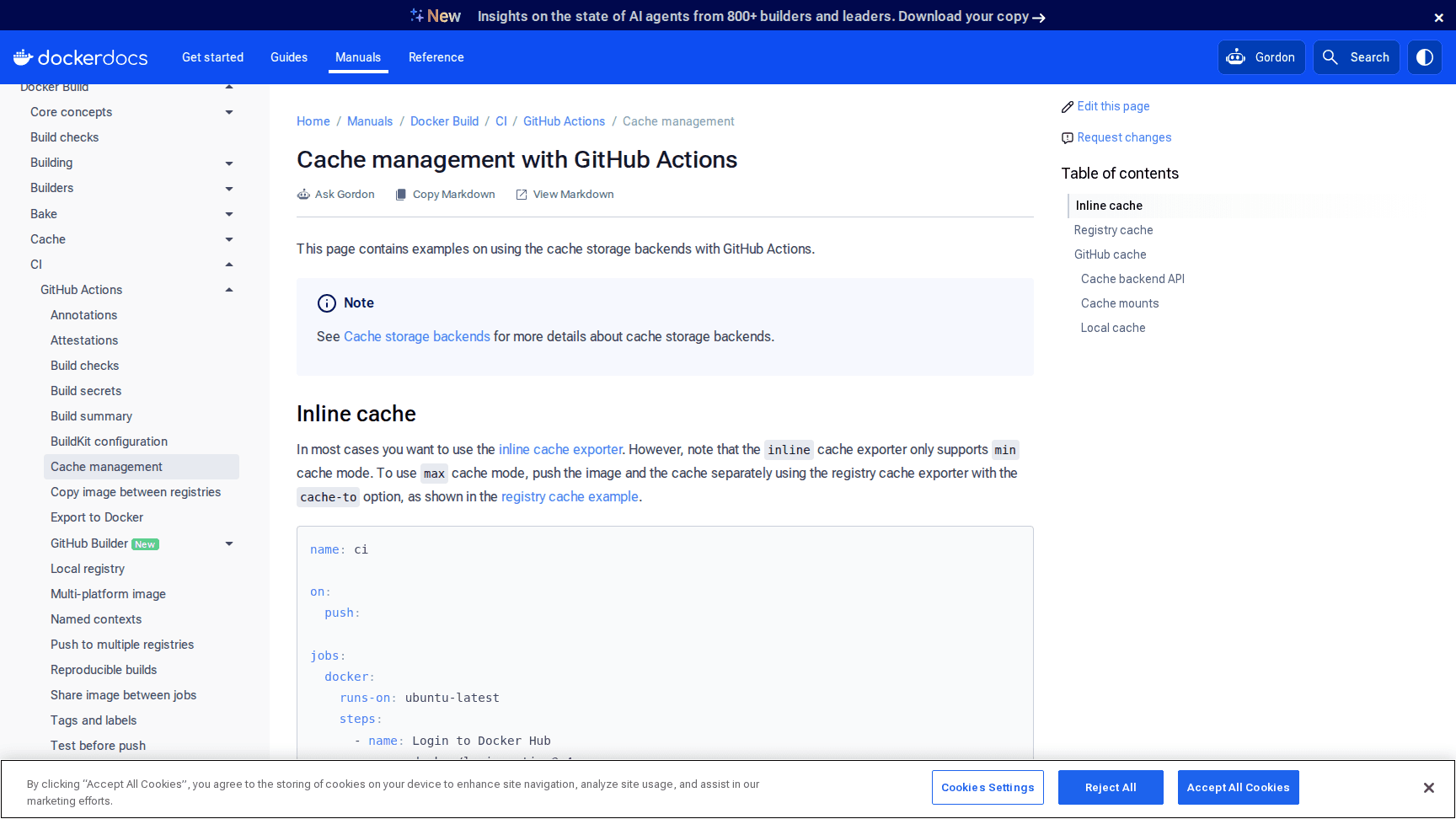
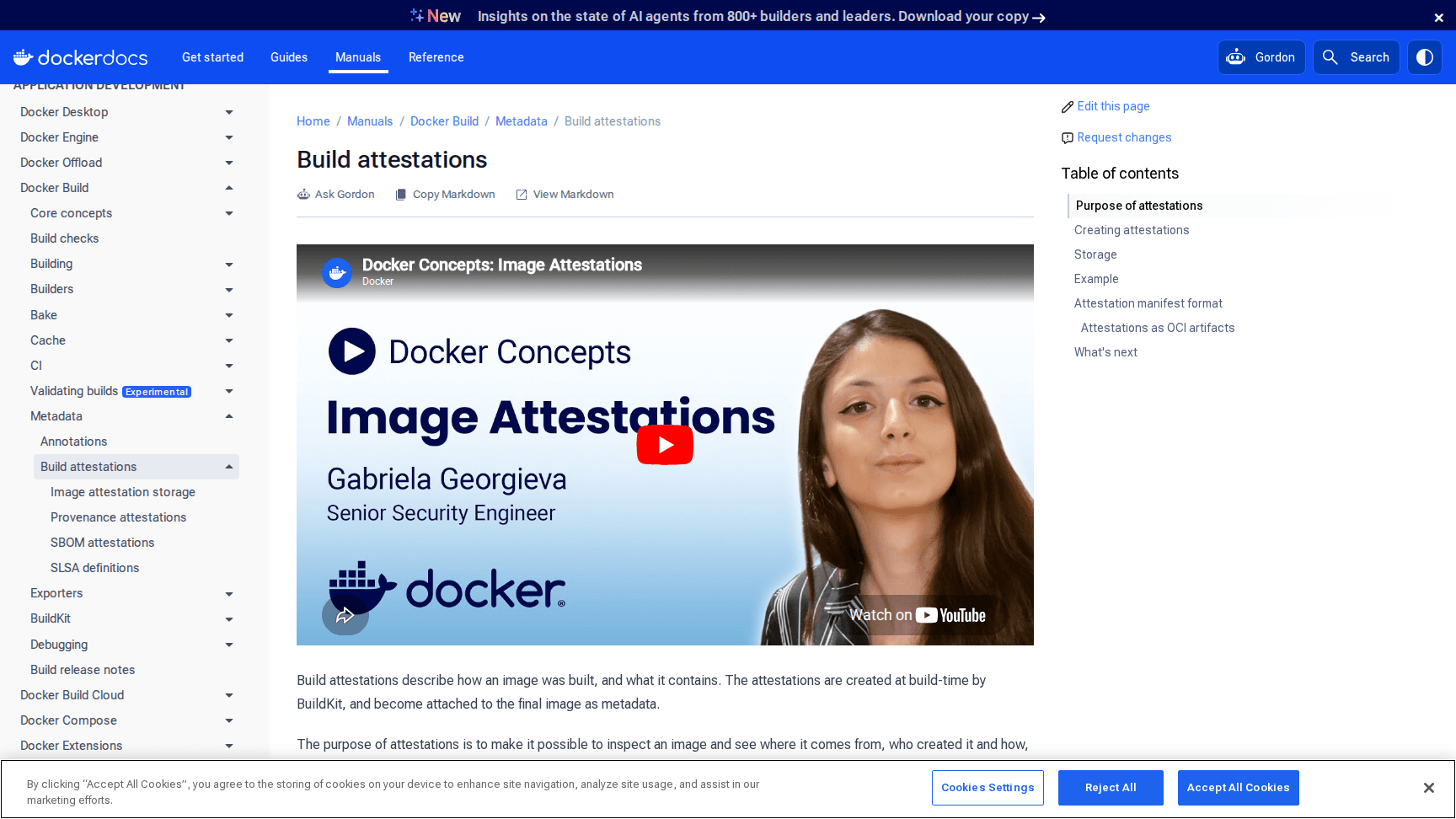
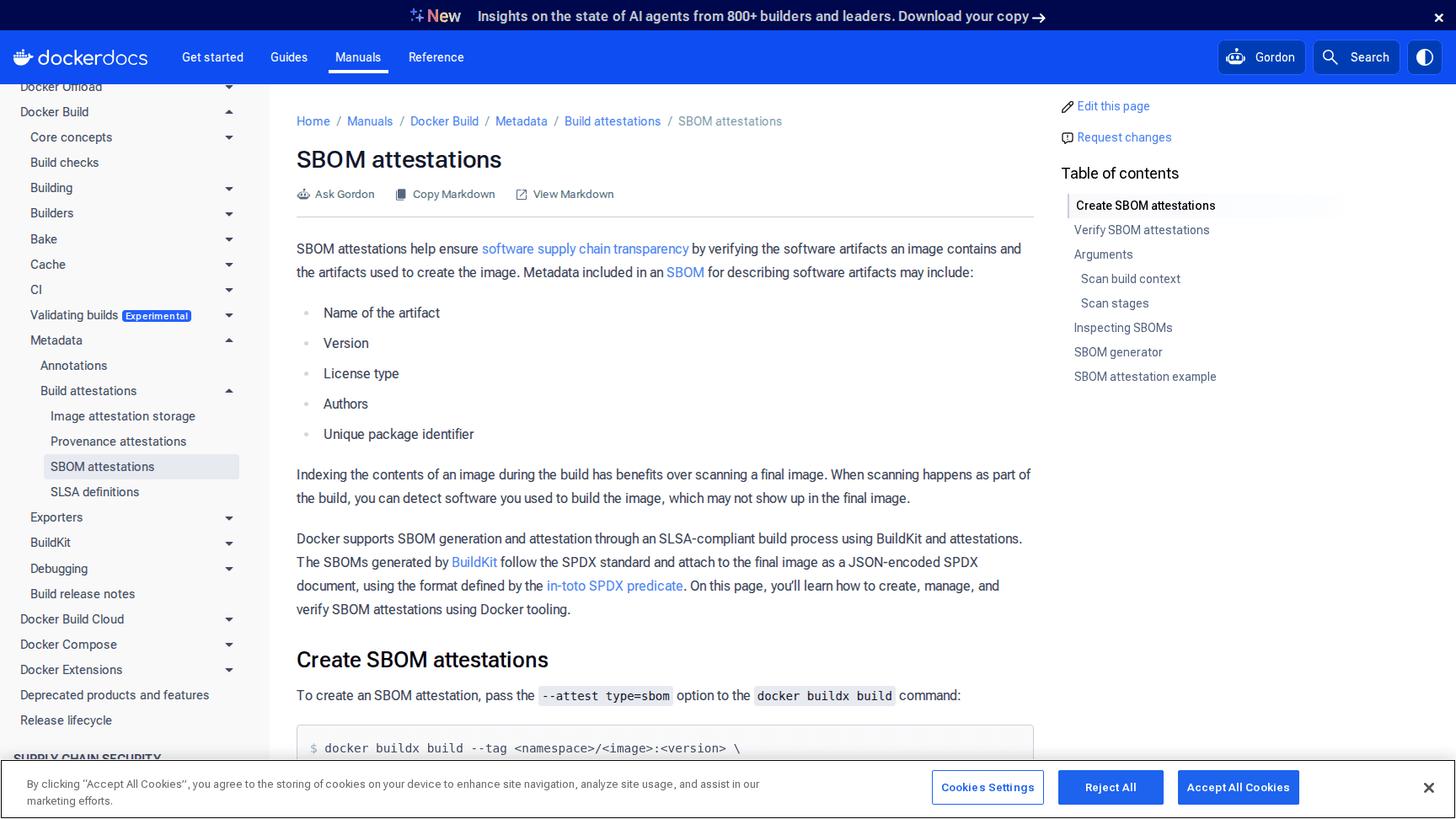
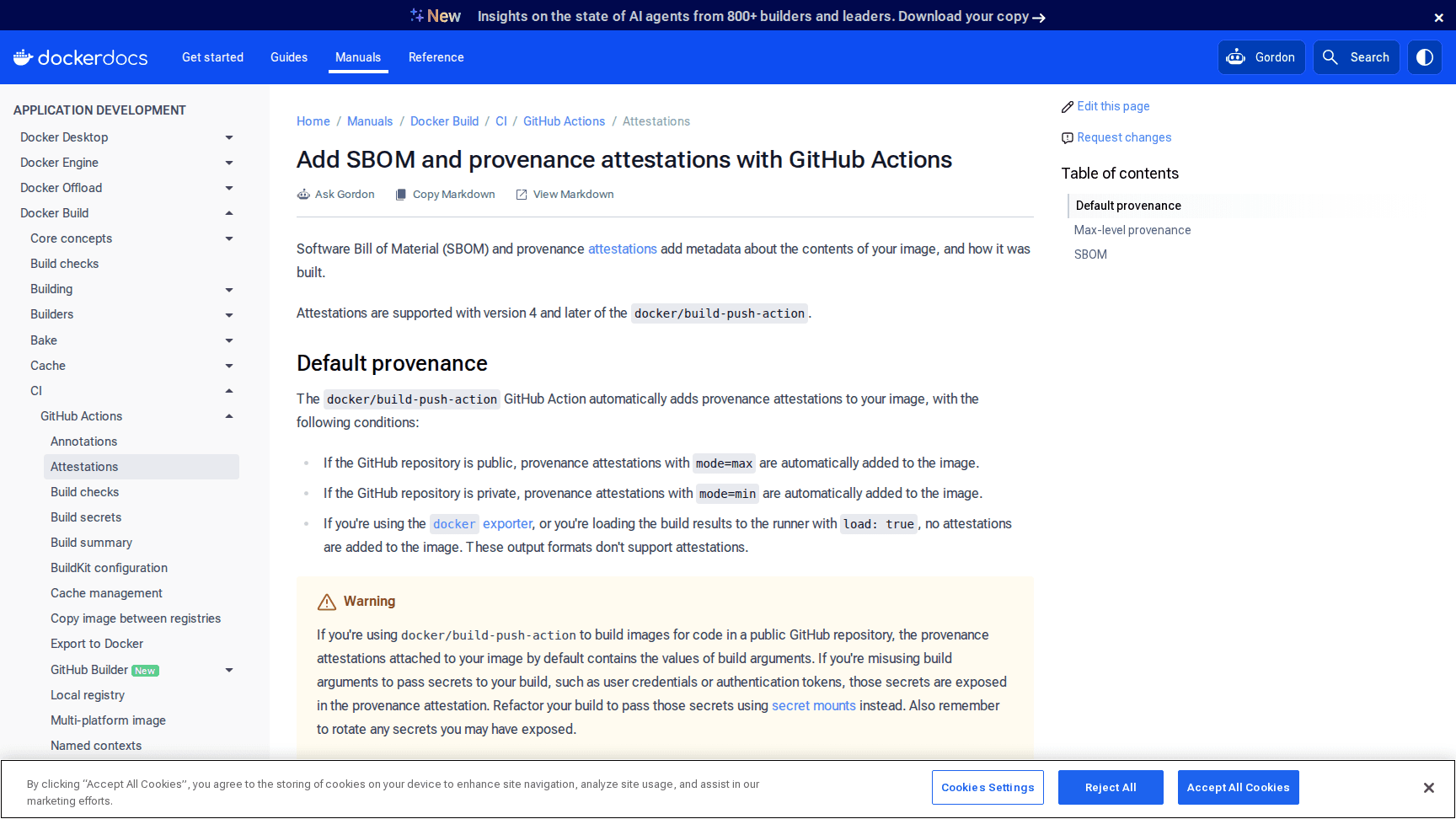
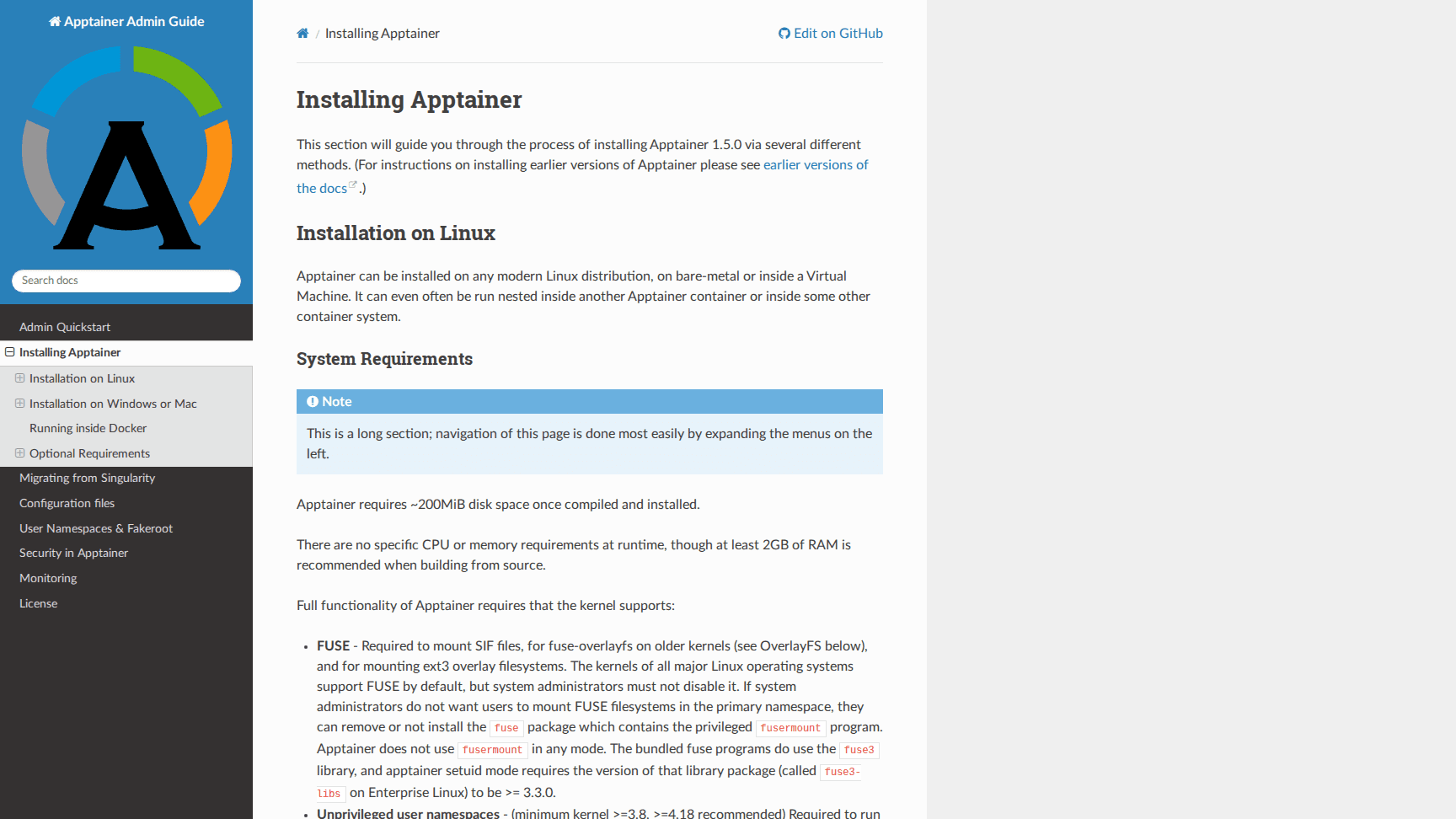
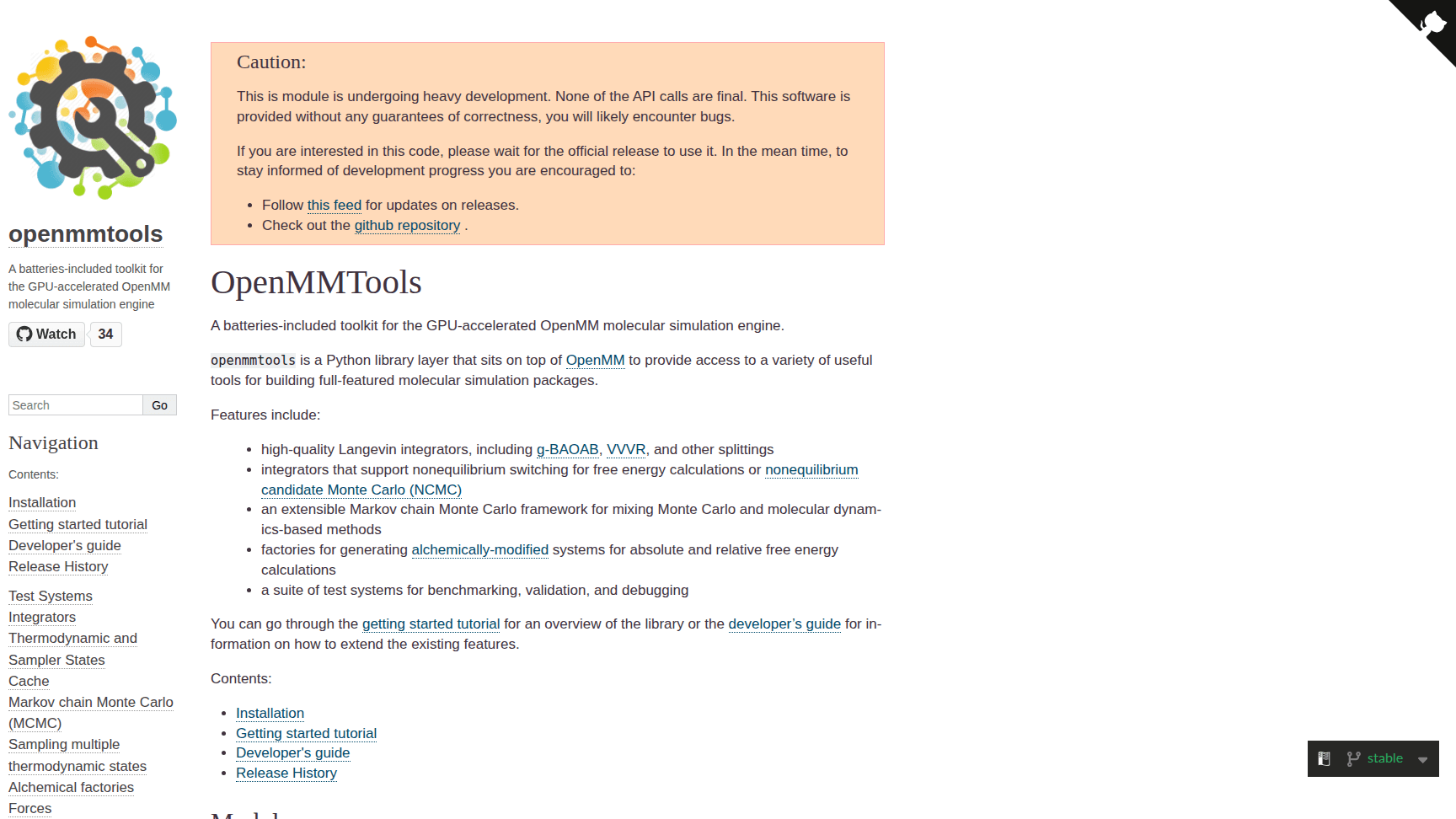
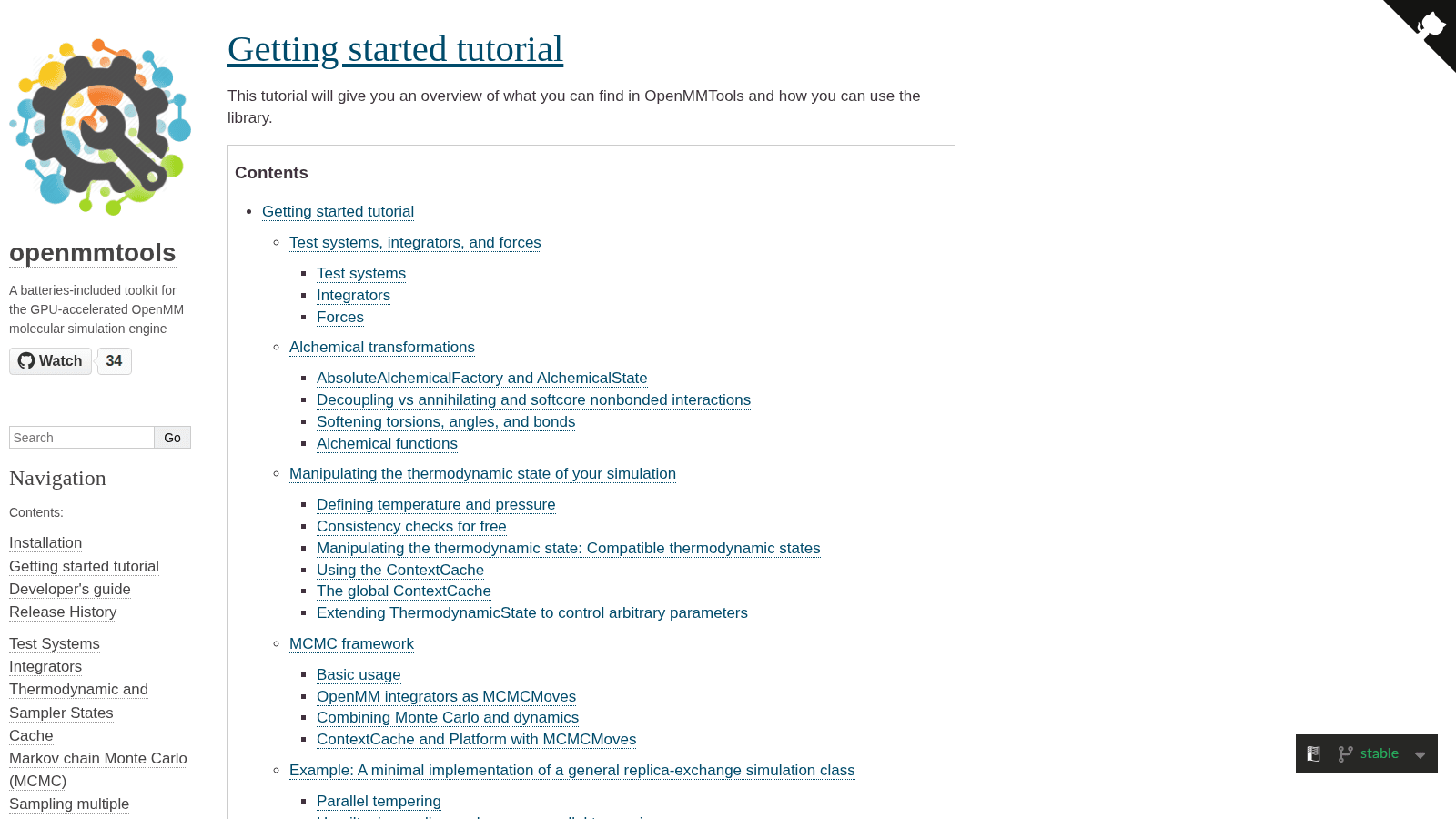
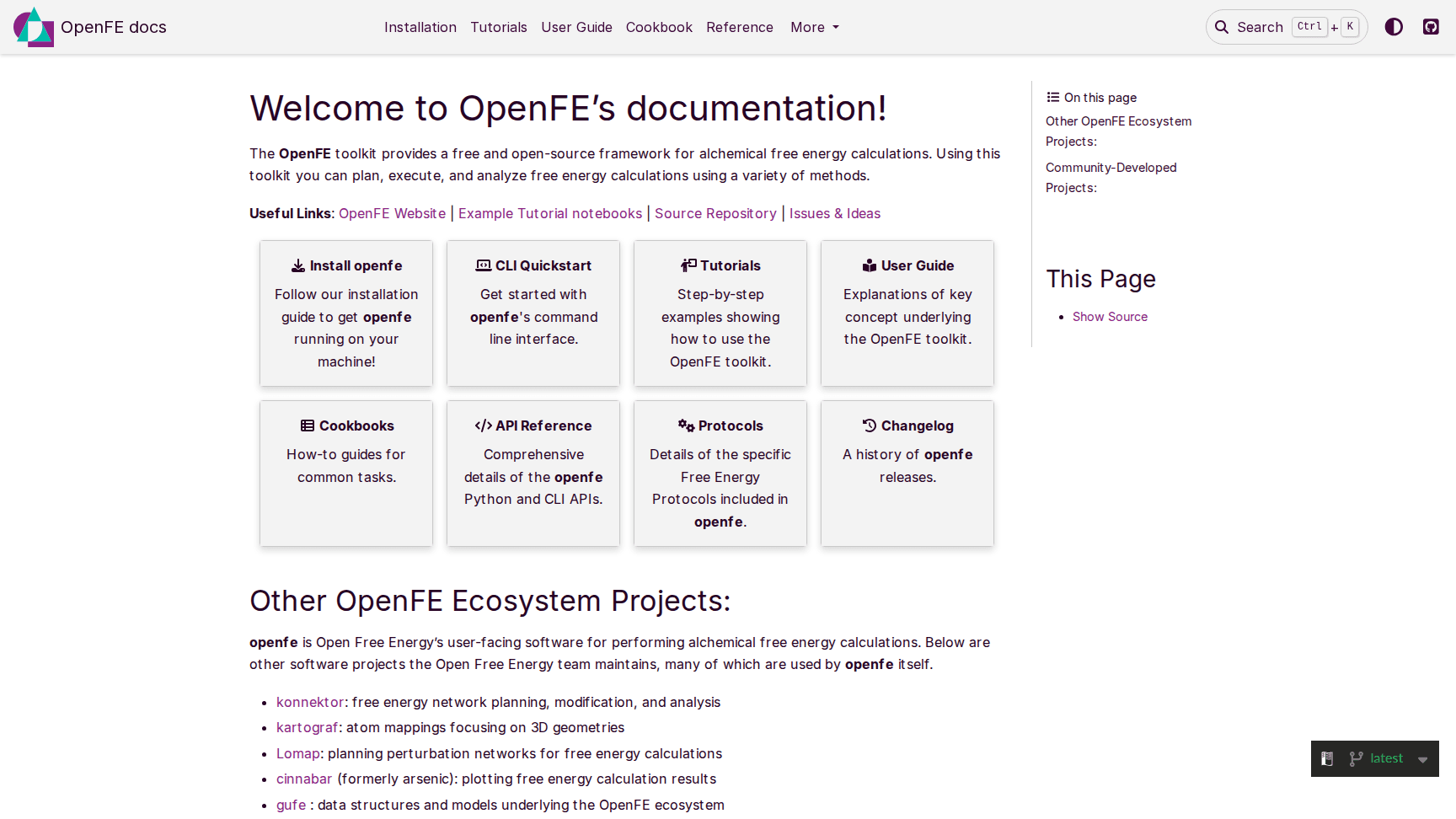
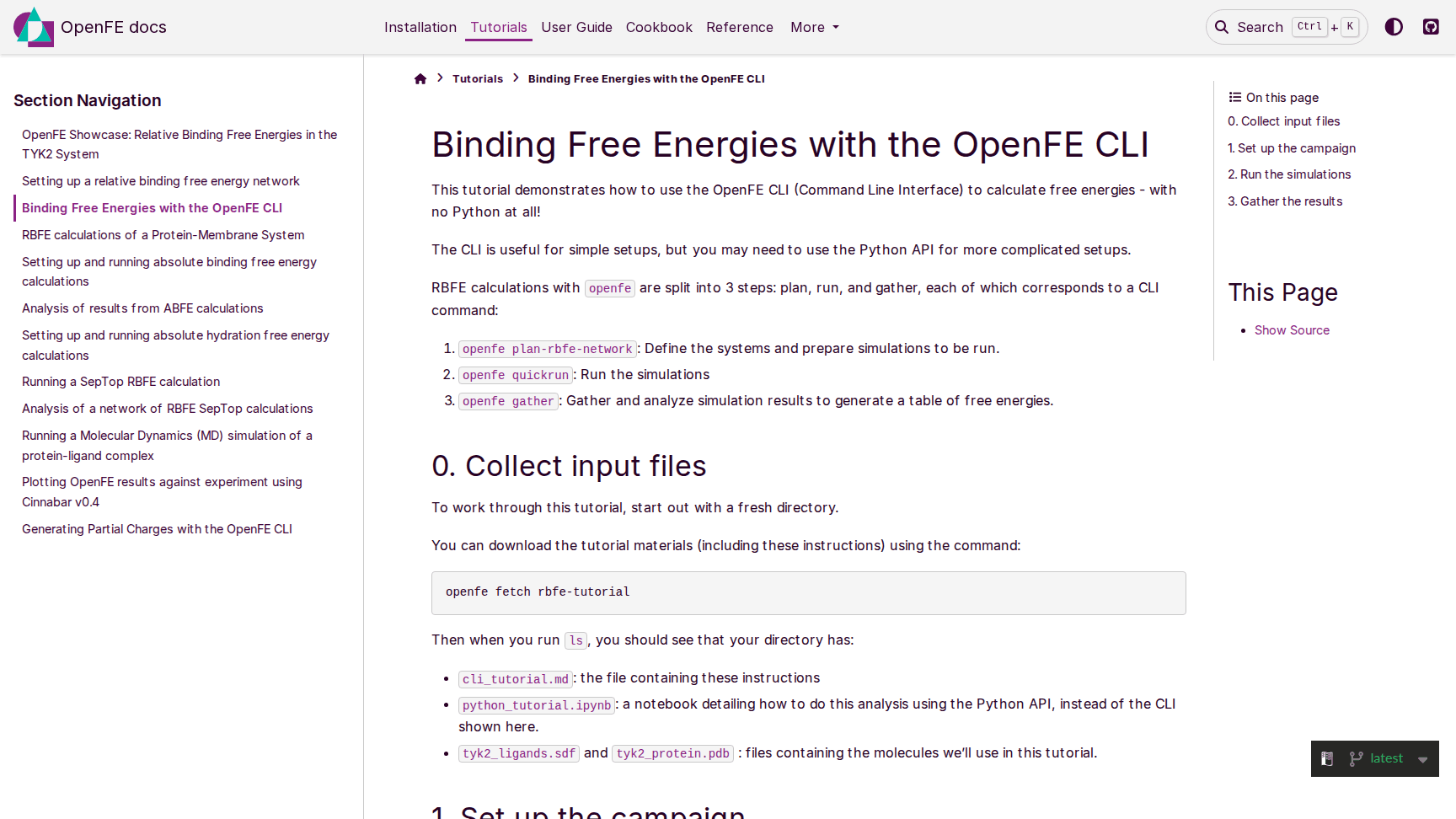
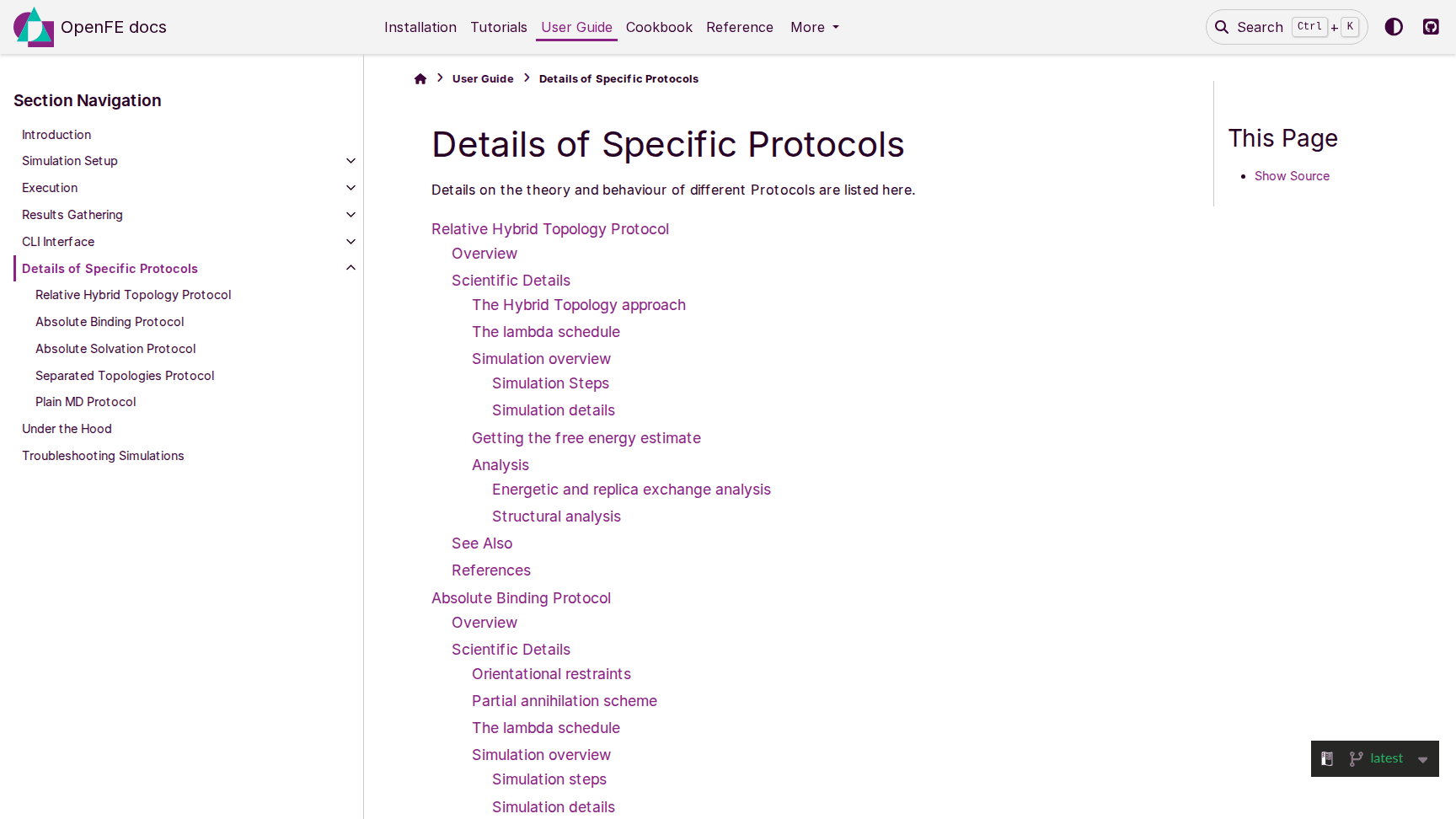
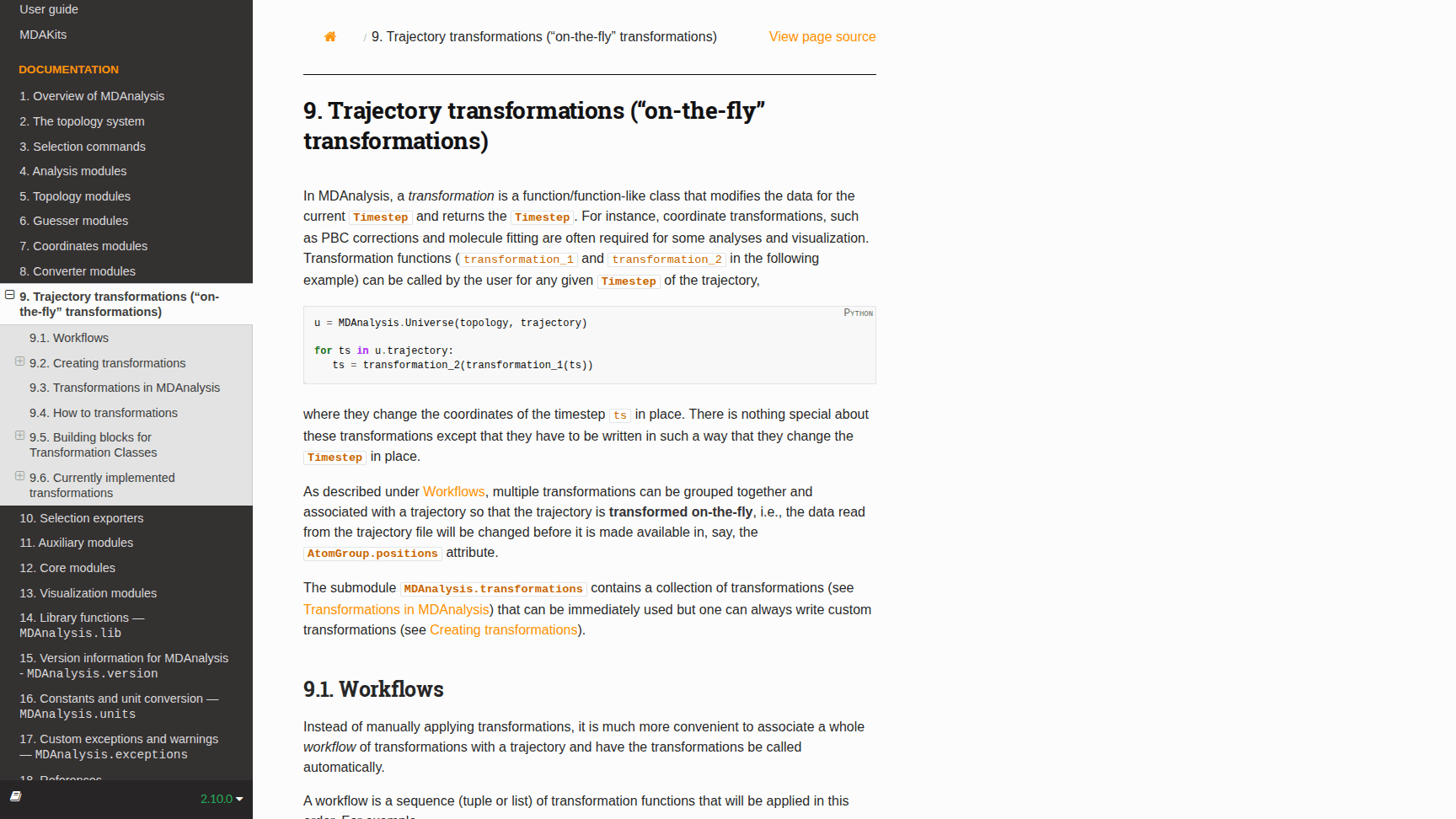
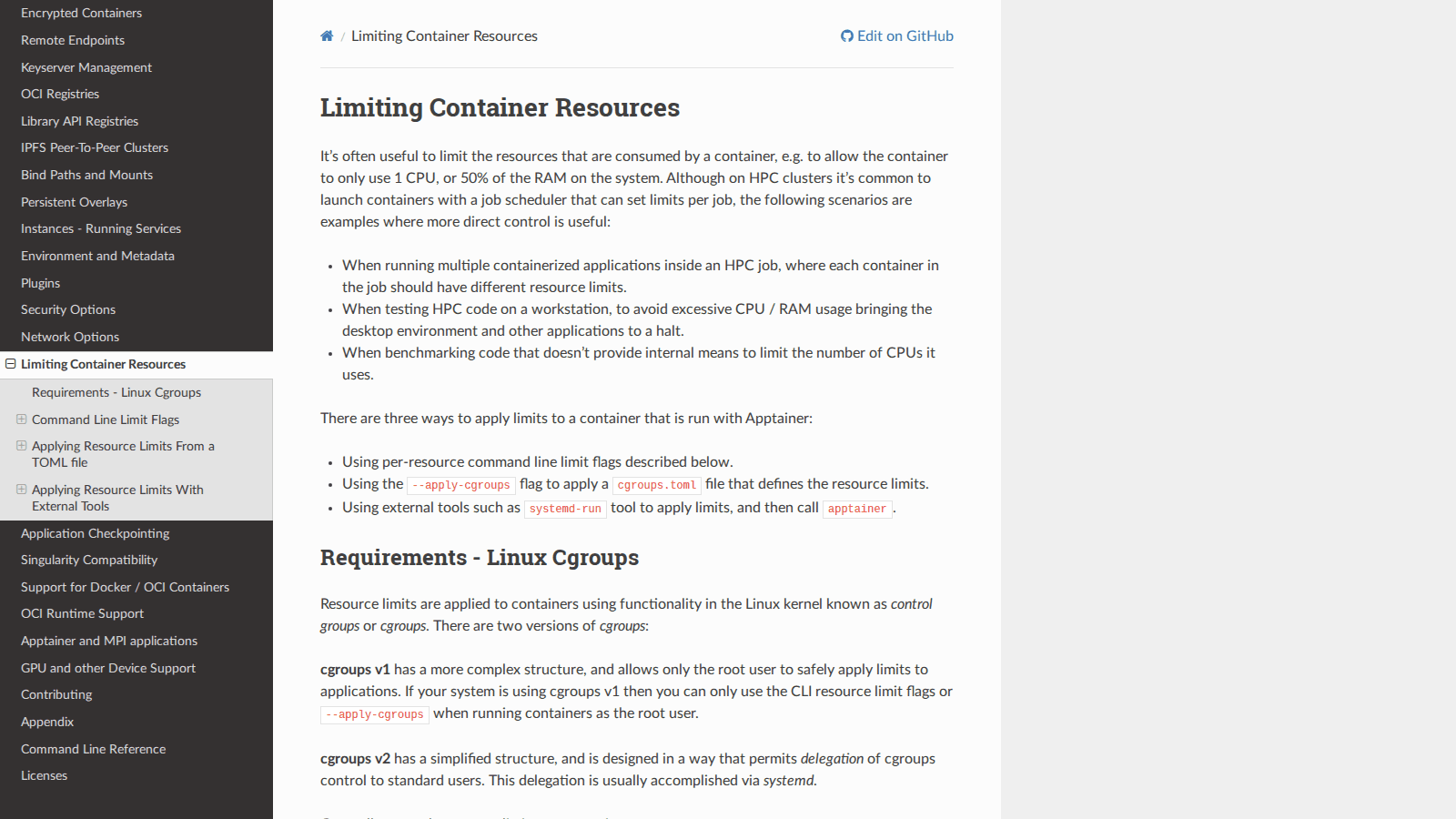
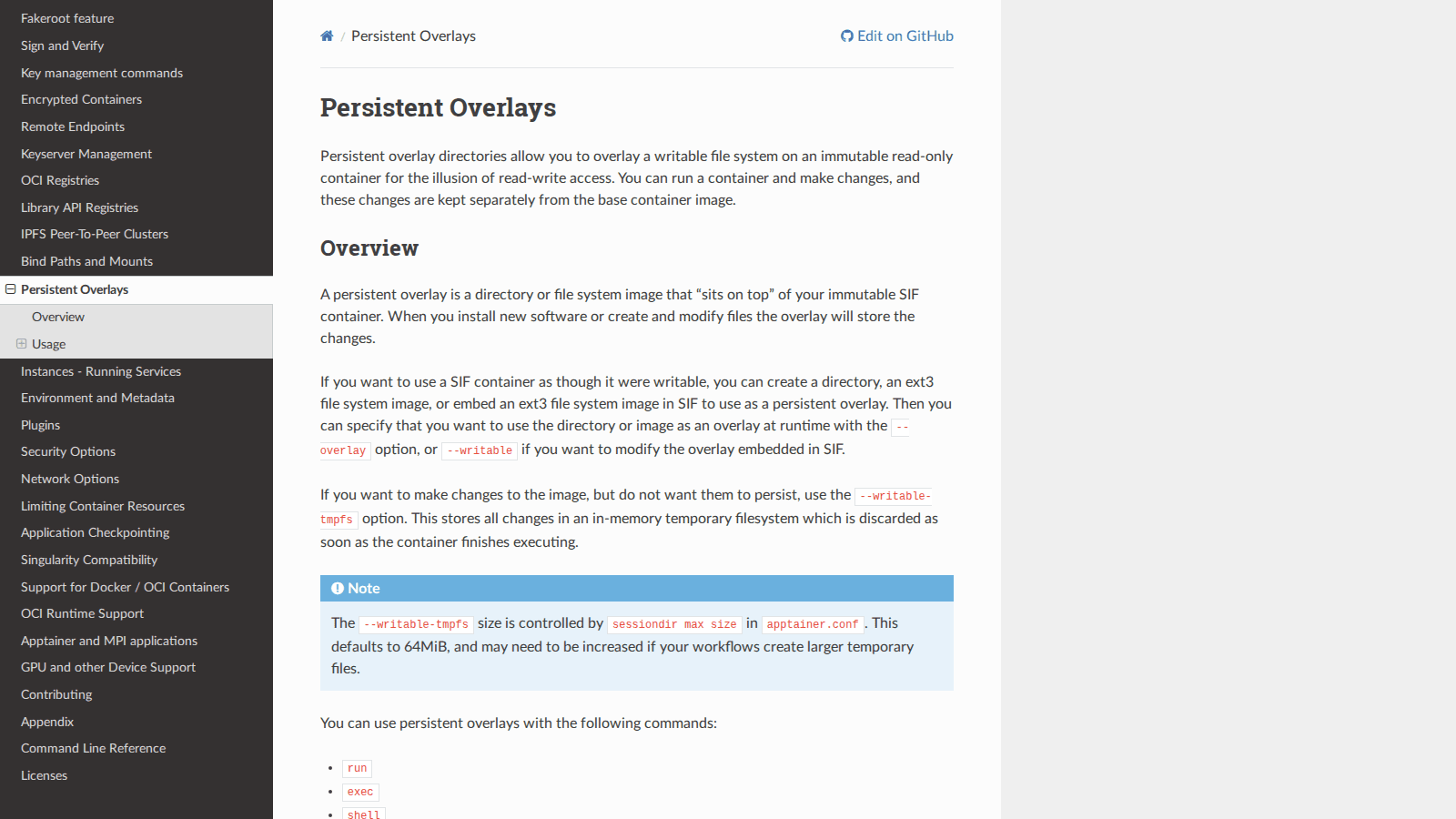
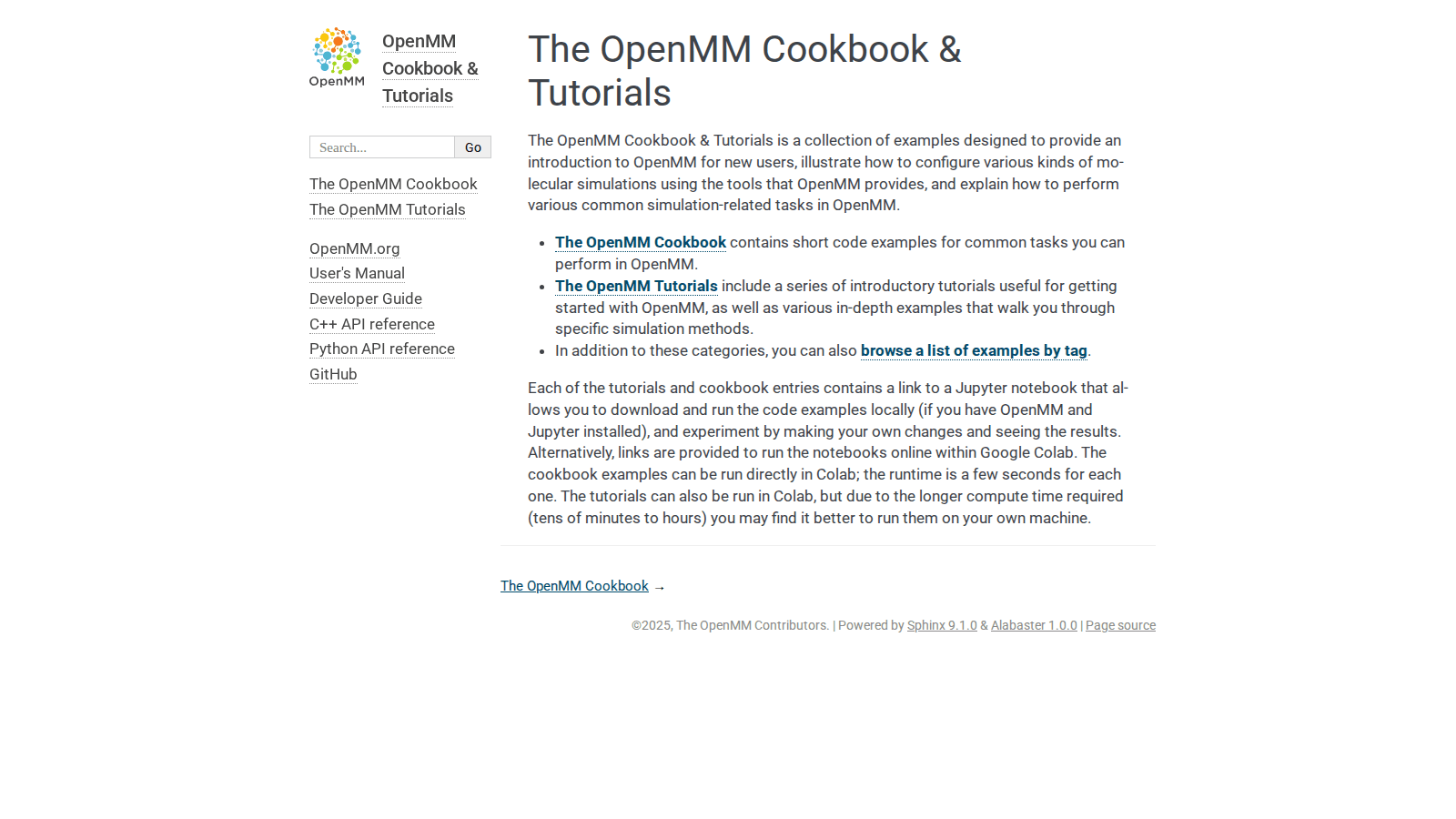
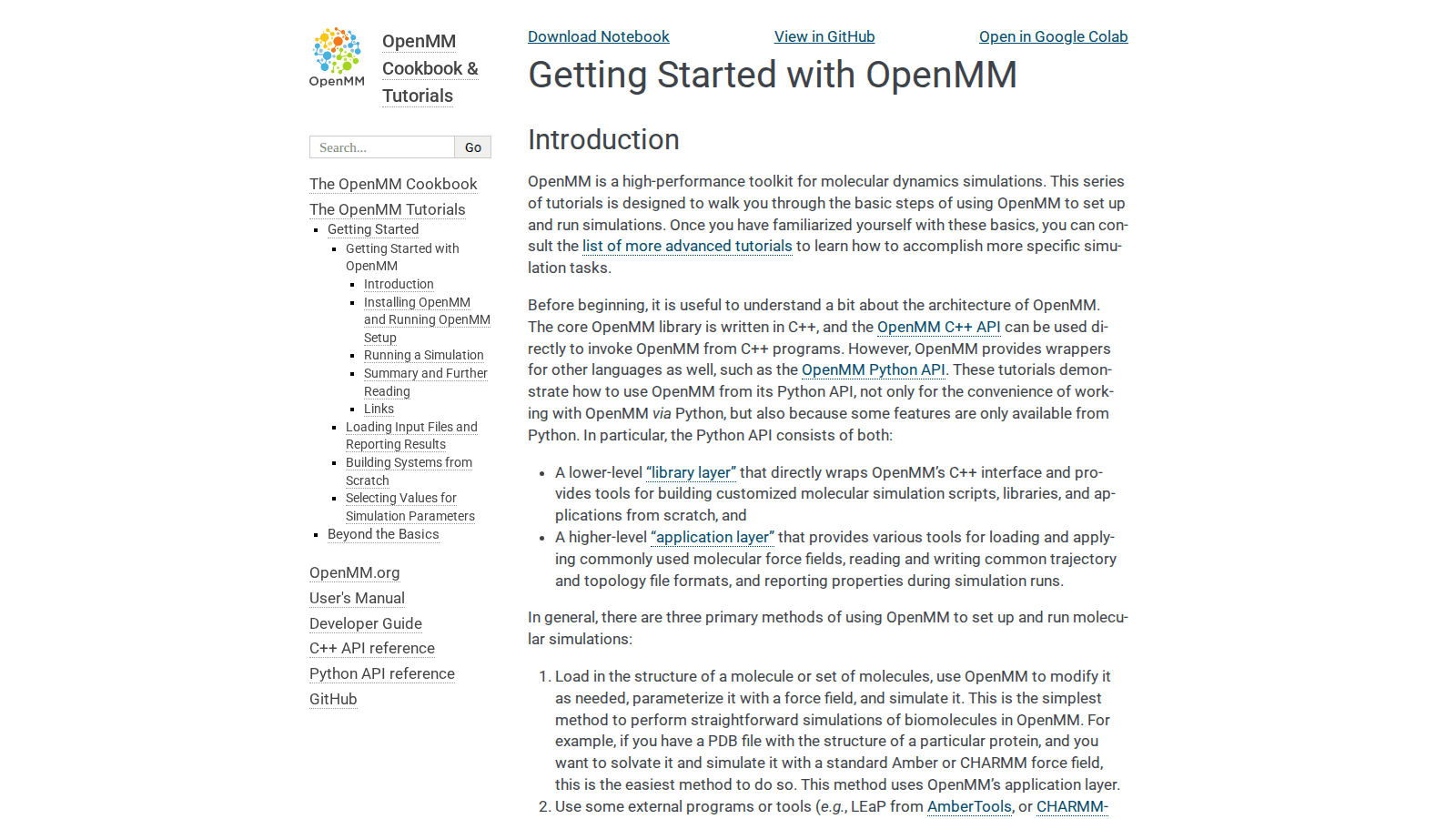
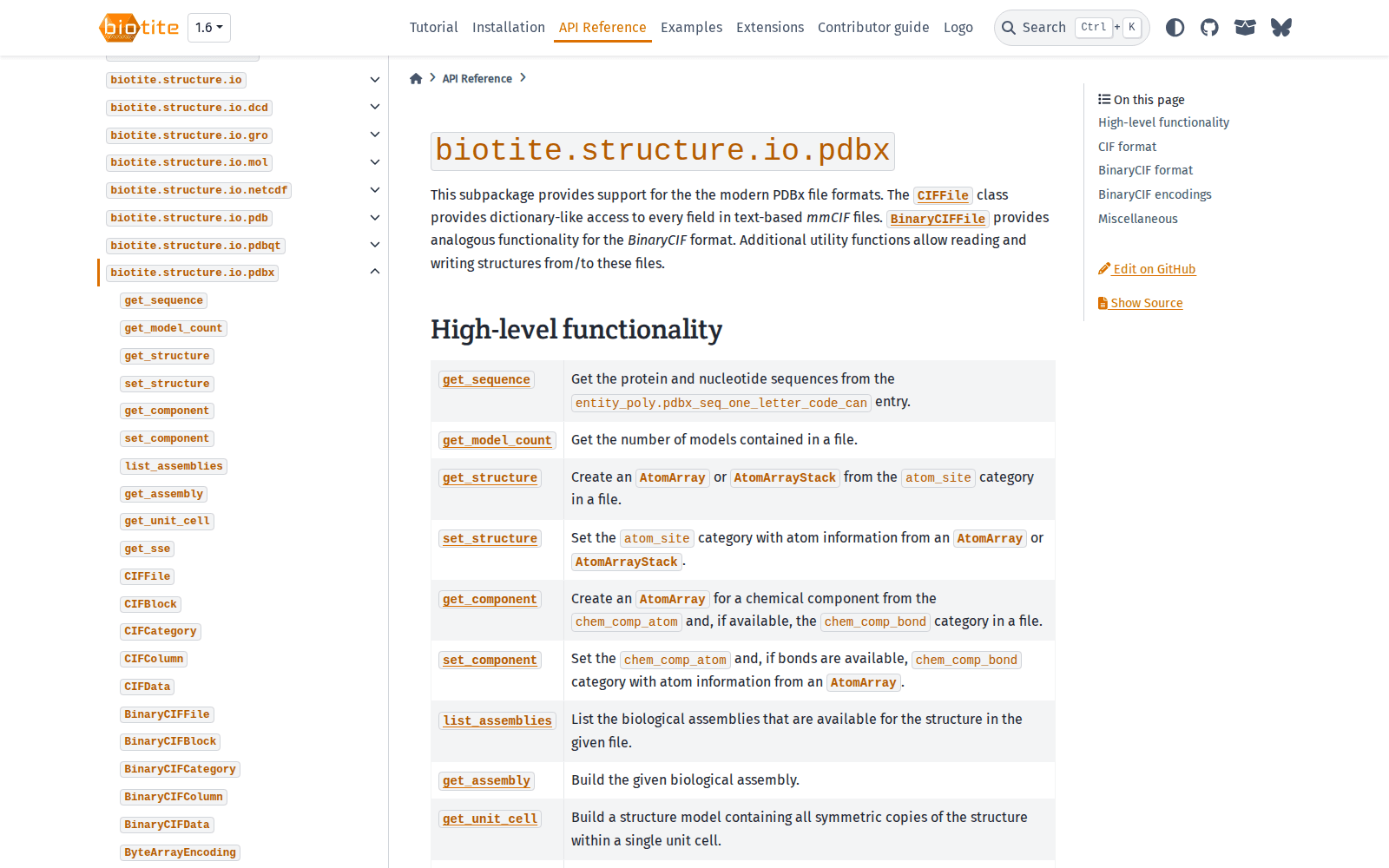
Docker BuildKit, buildx build/imagetools, build/SBOM/GitHub Actions attestations, cache-backend references (including GitHub Actions cache), and Dockerfile docs now pair with OpenUSD Ar/Hydra pages, Apptainer cgroups/persistent-overlays/admin-install docs, OpenMM cookbook/tutorial pages, OpenMMTools docs, OpenFE protocol+CLI tutorials, MDAnalysis trajectory transformations, and Gemmi CIF/macromolecular model references.
The frontend should expose this as one method lane so users can inspect build reproducibility, runtime resource constraints, and molecular simulation protocol setup before treating outputs as stable.
May 16, 2026Evidence Methods14 sources
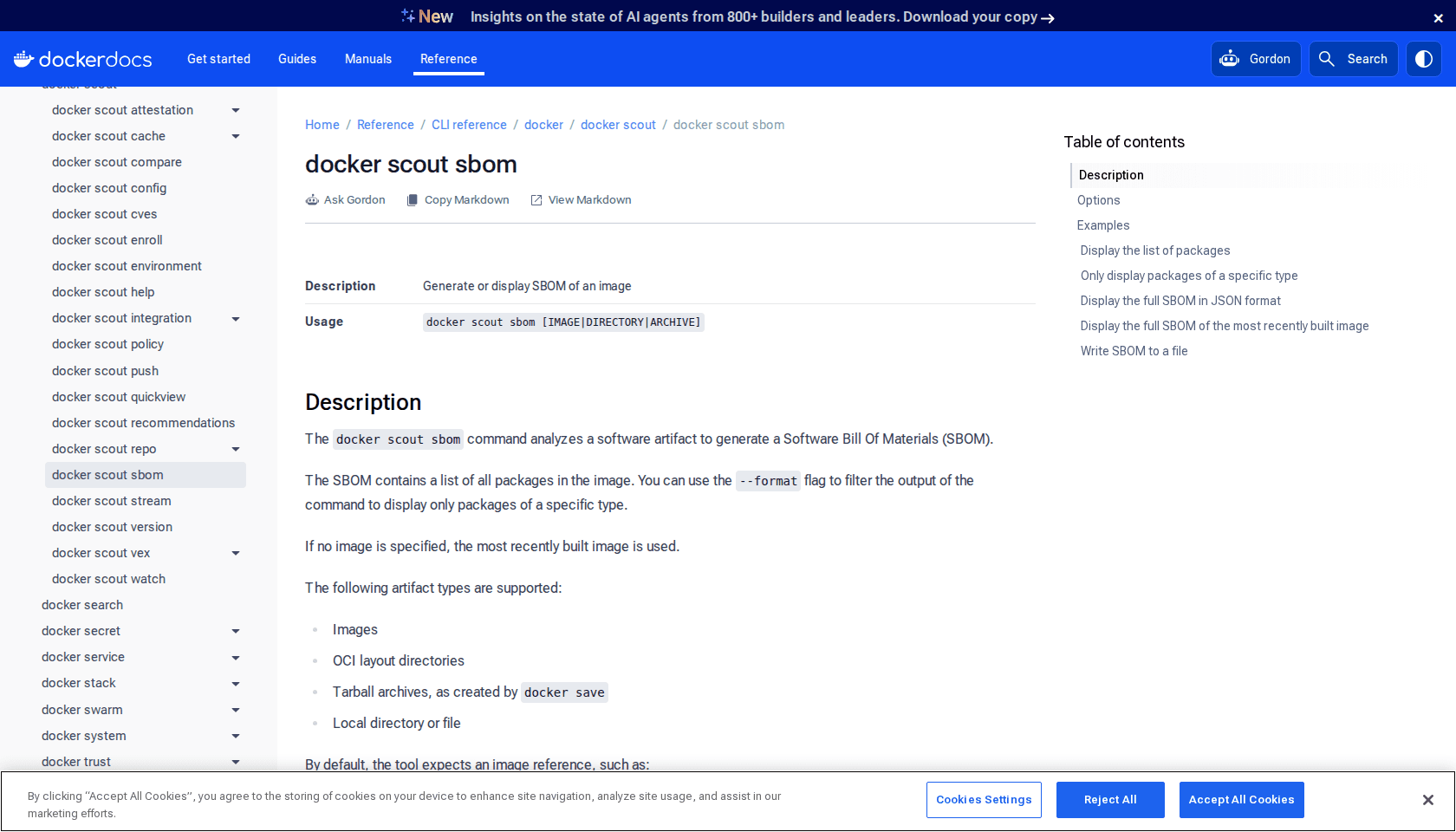
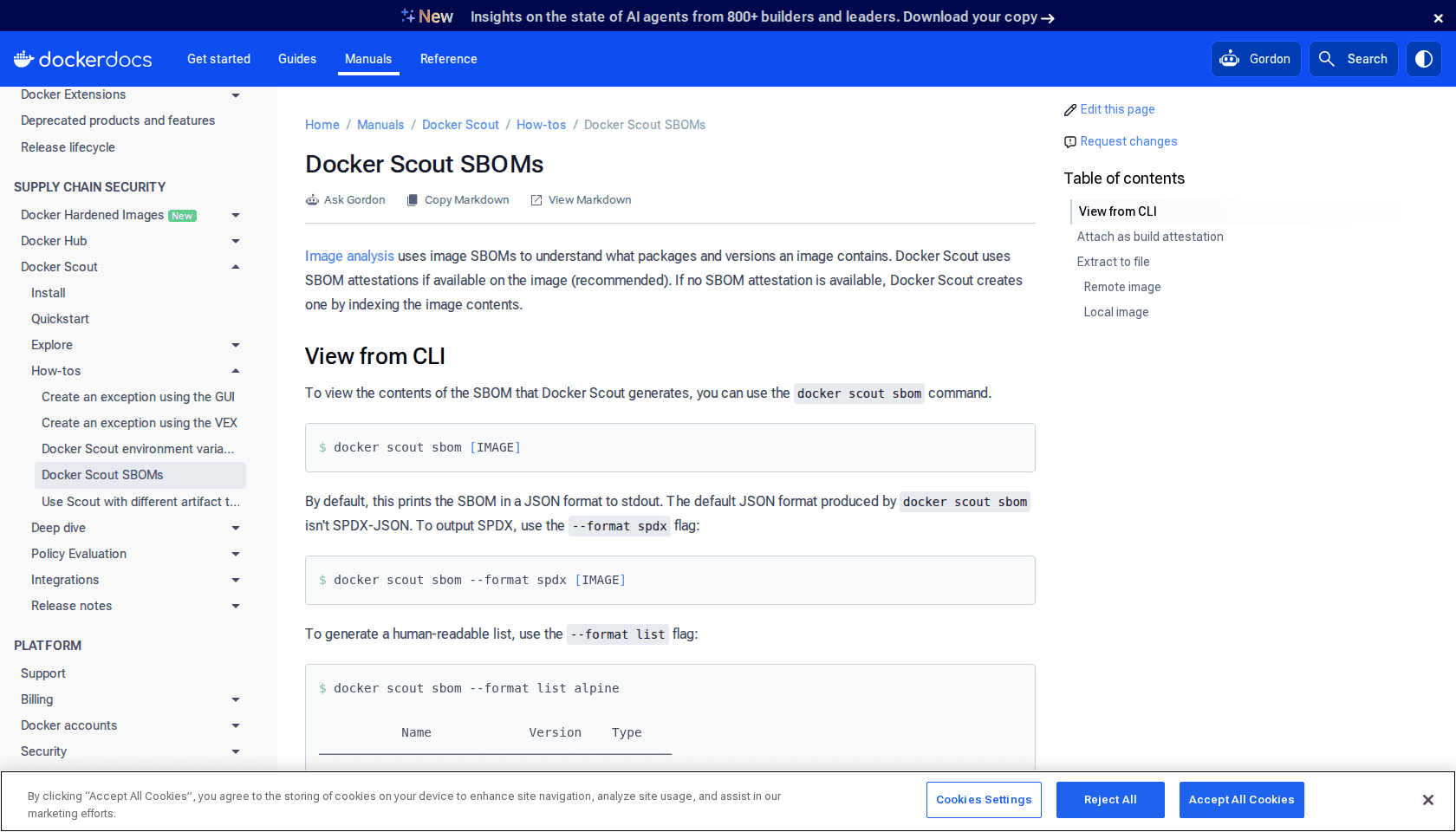
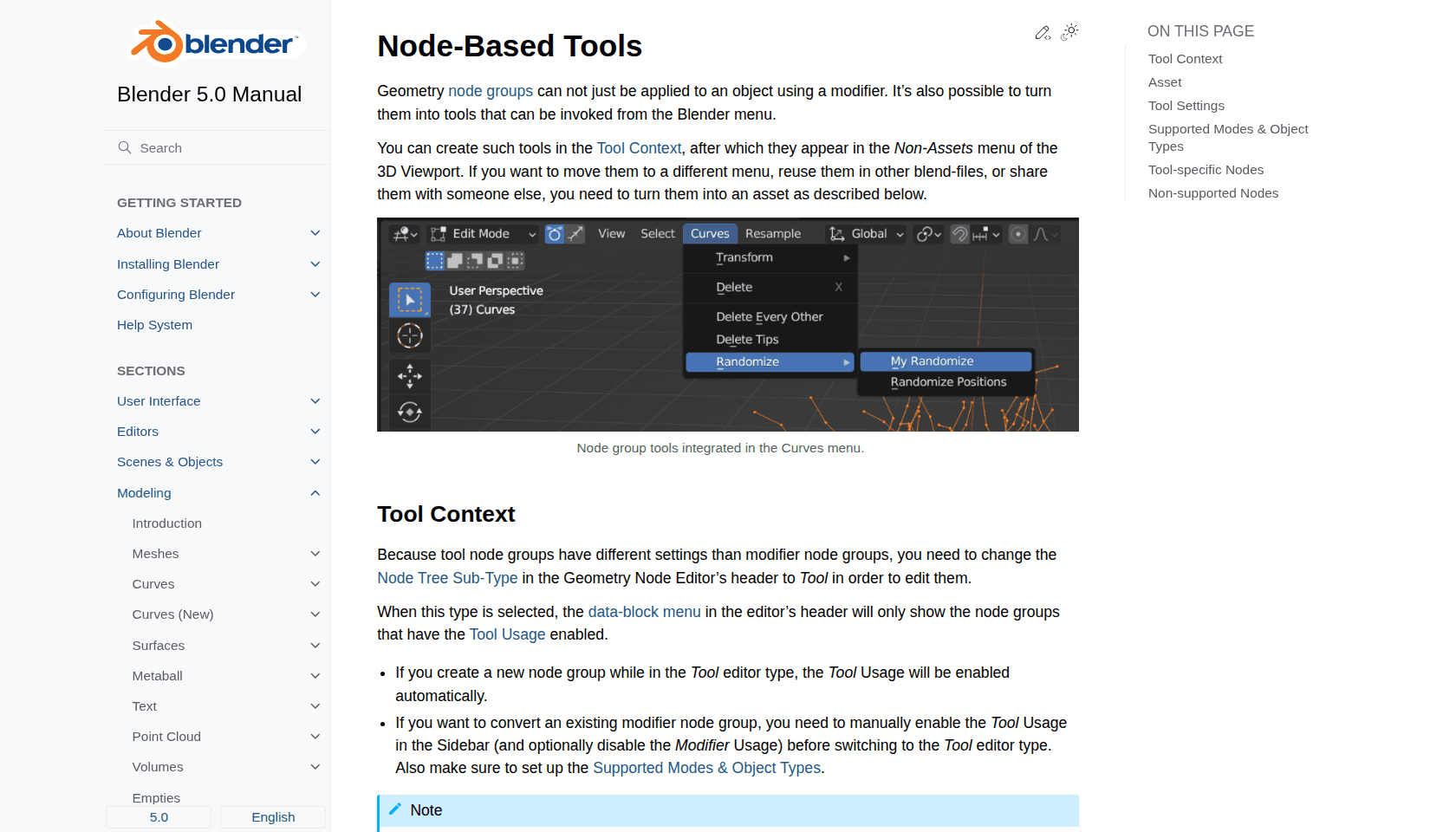
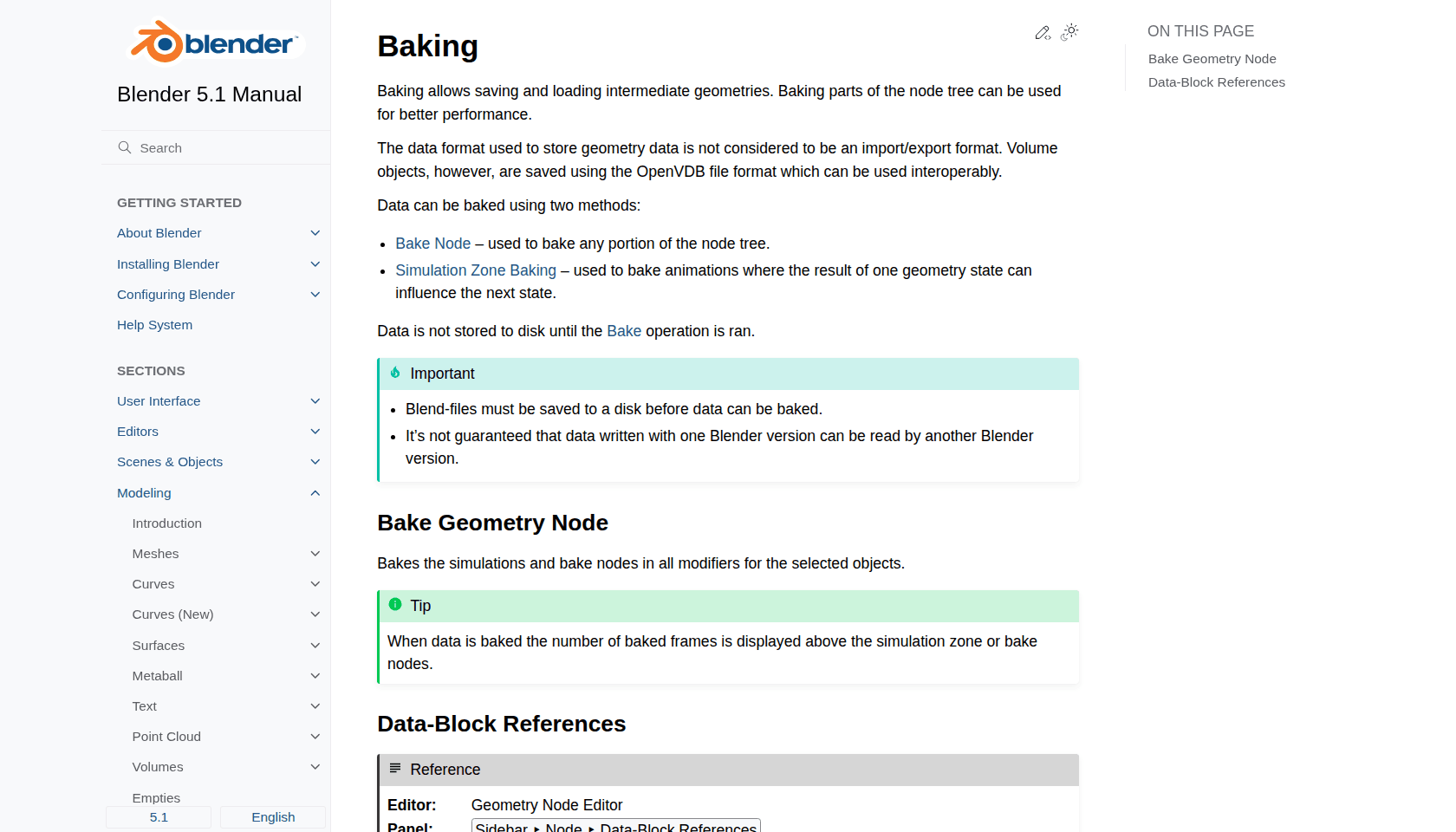
Scout CVE/SBOM operations, USD shading tutorials, and hydrogen-bond APIs now form a tighter validation lane
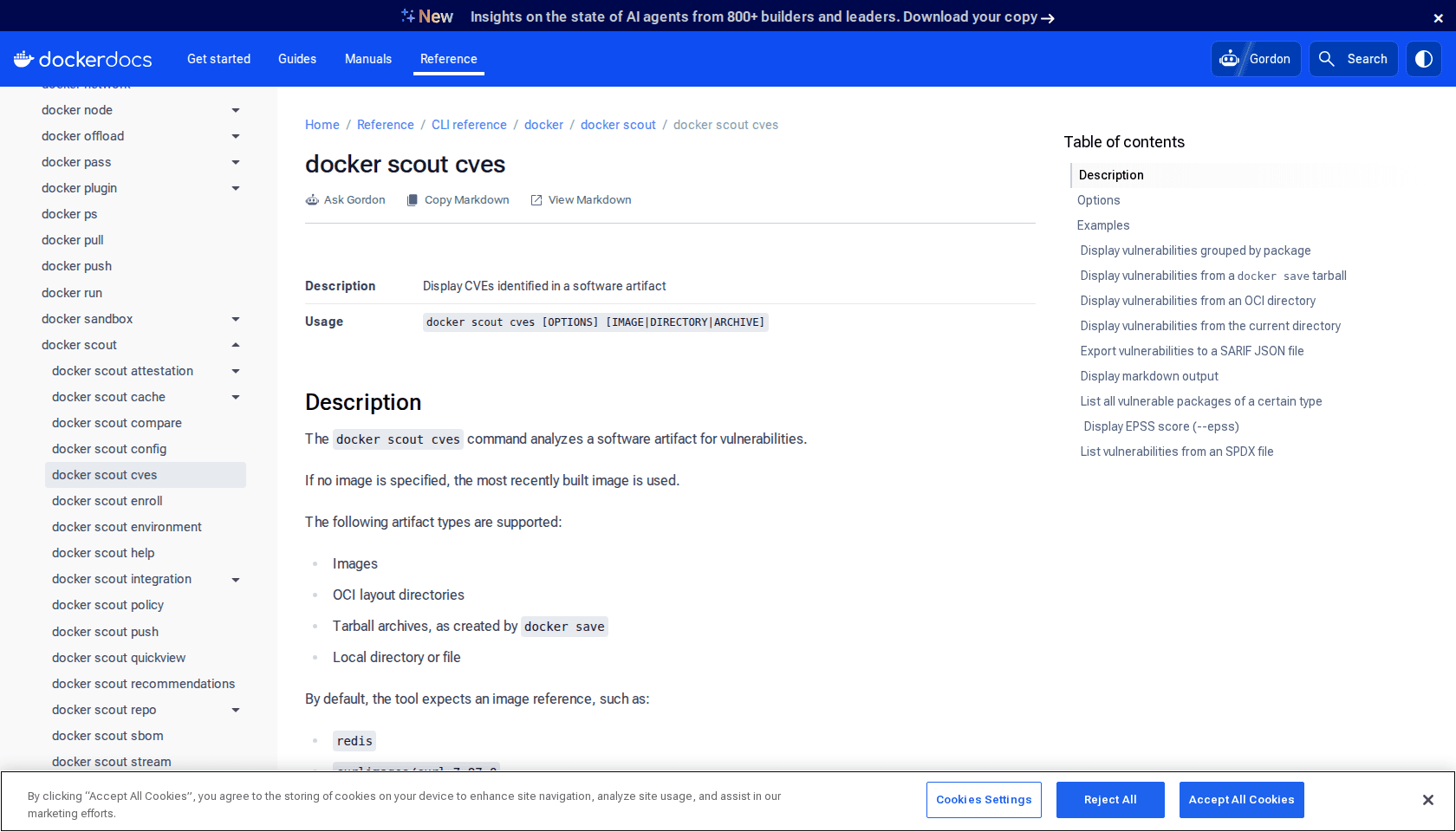
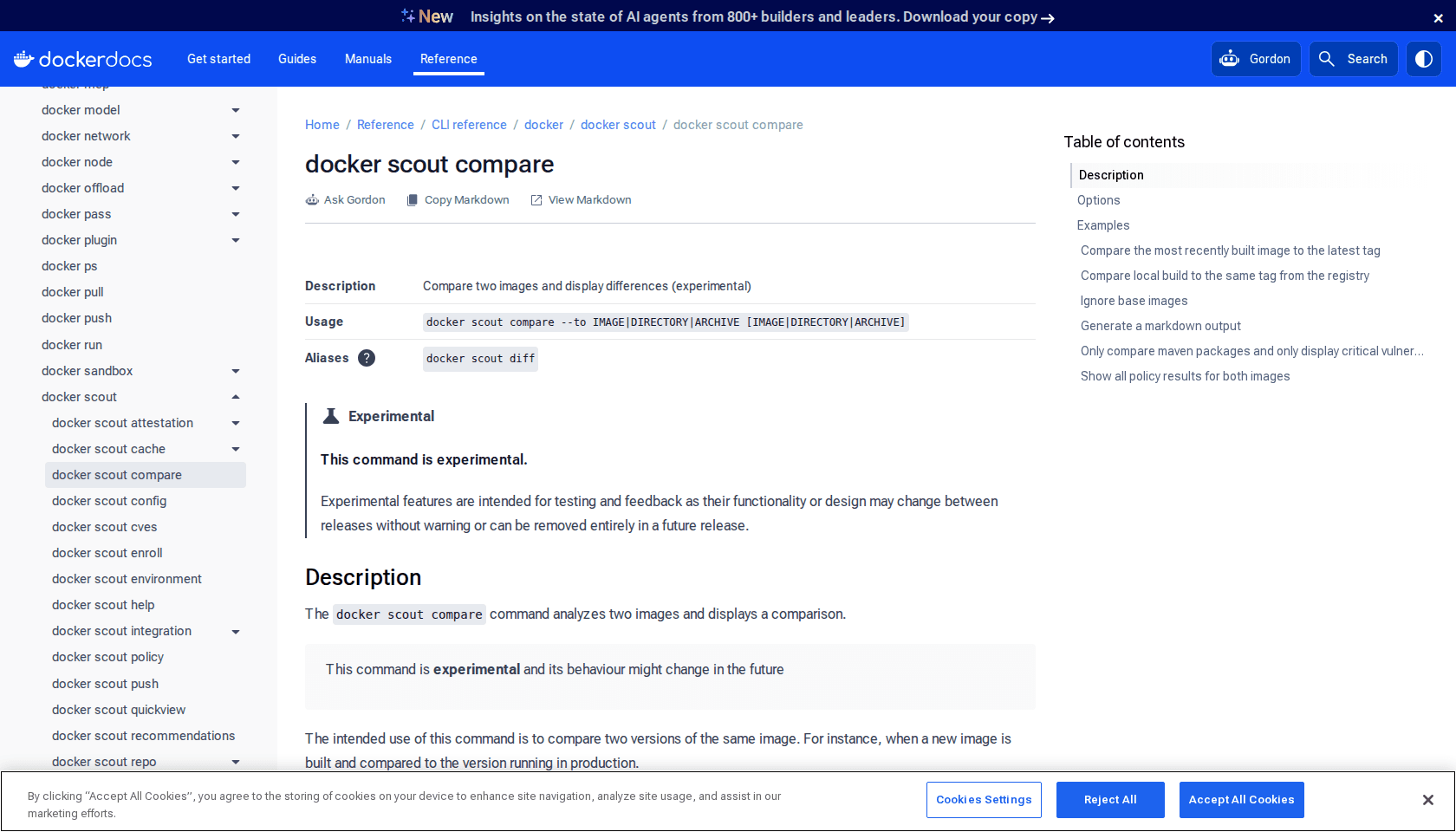
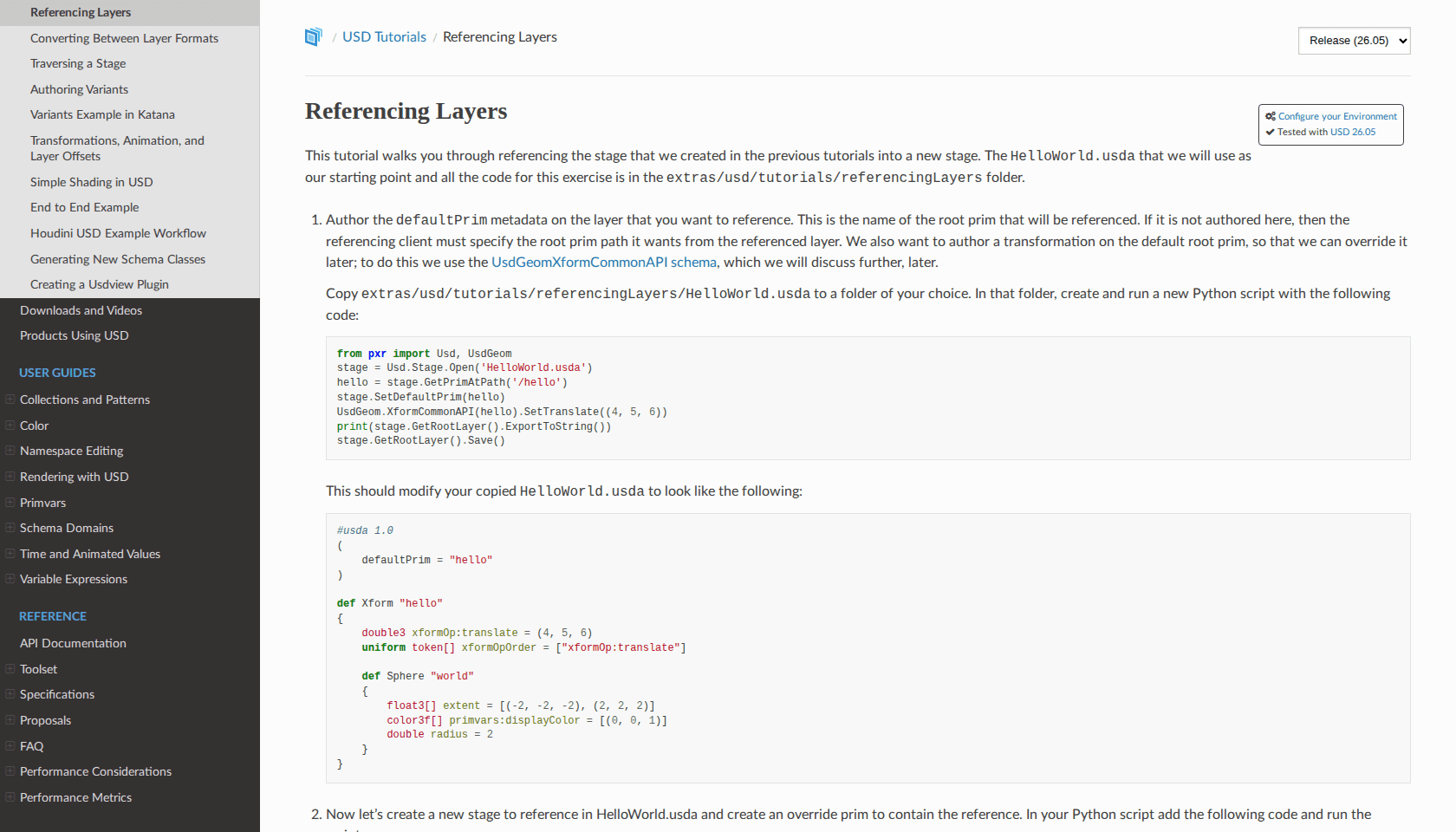
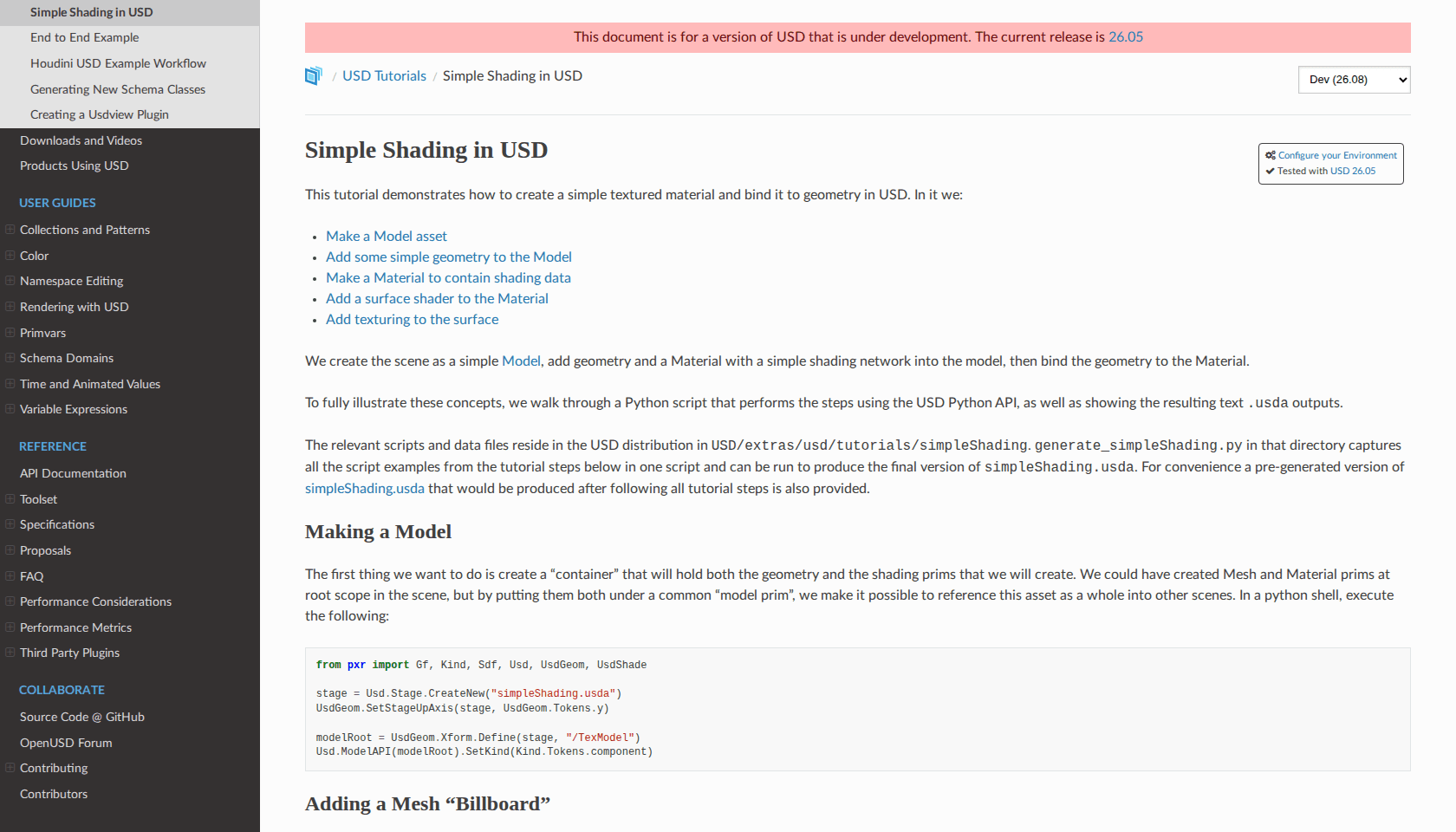
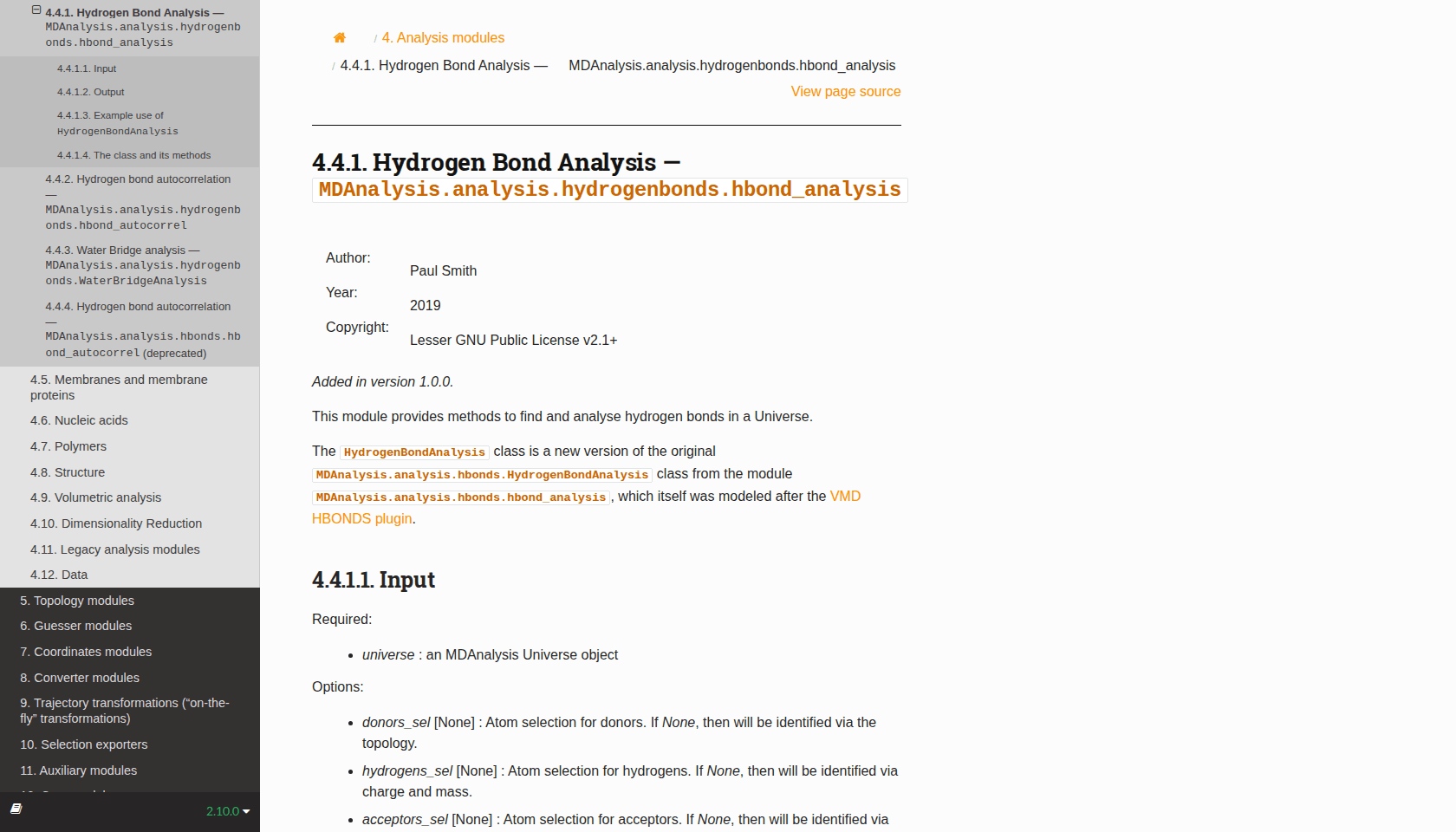
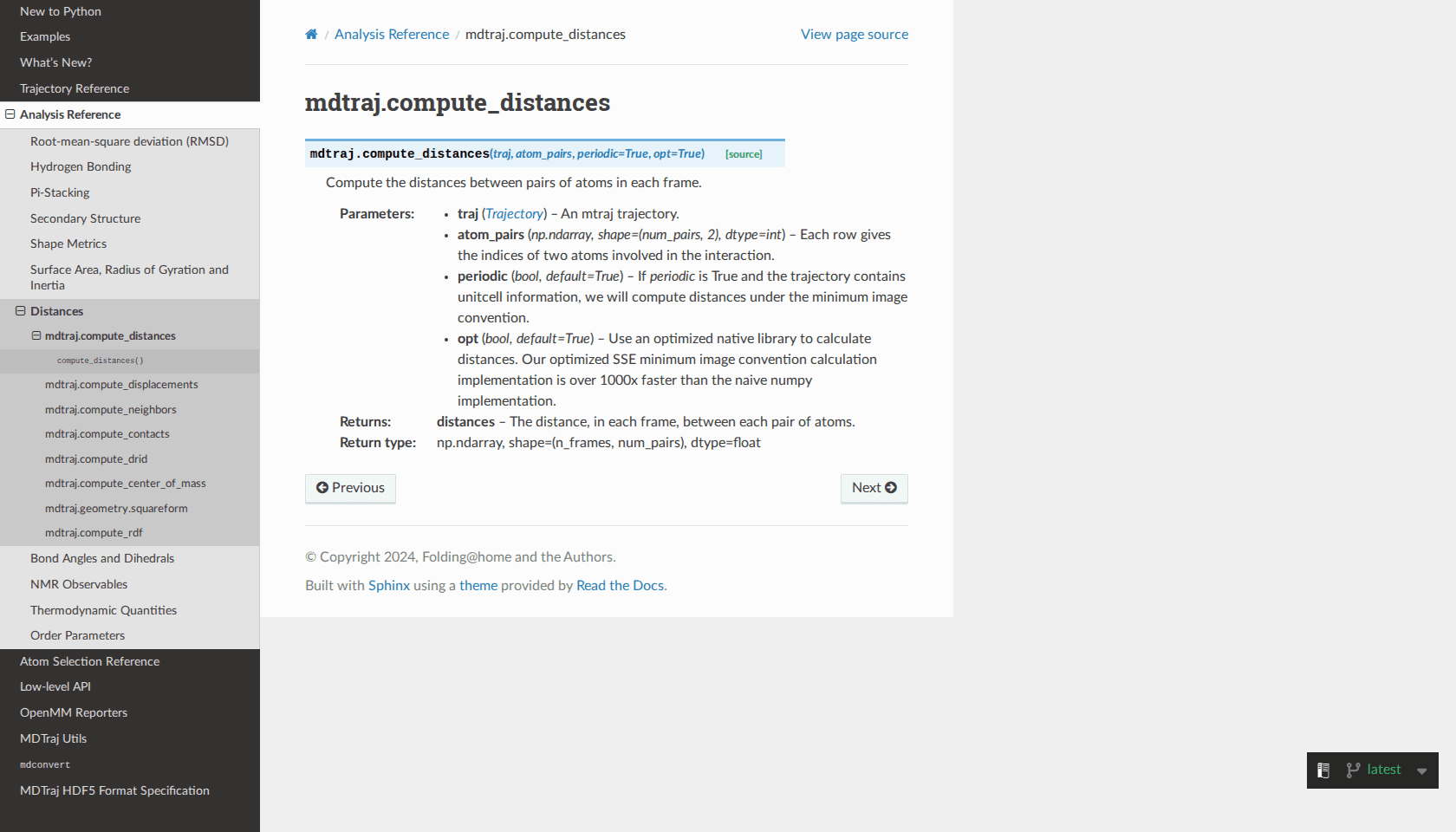
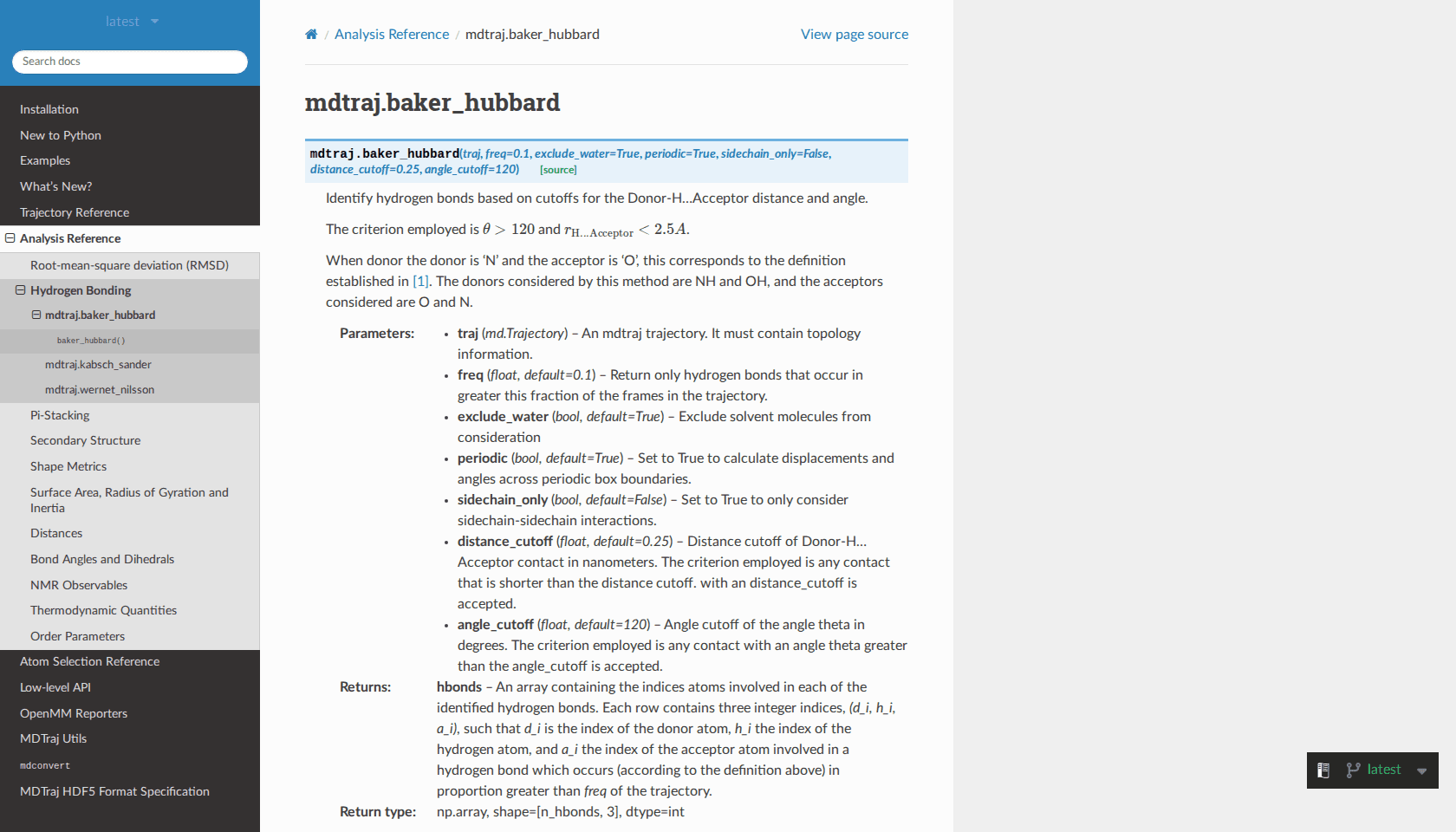
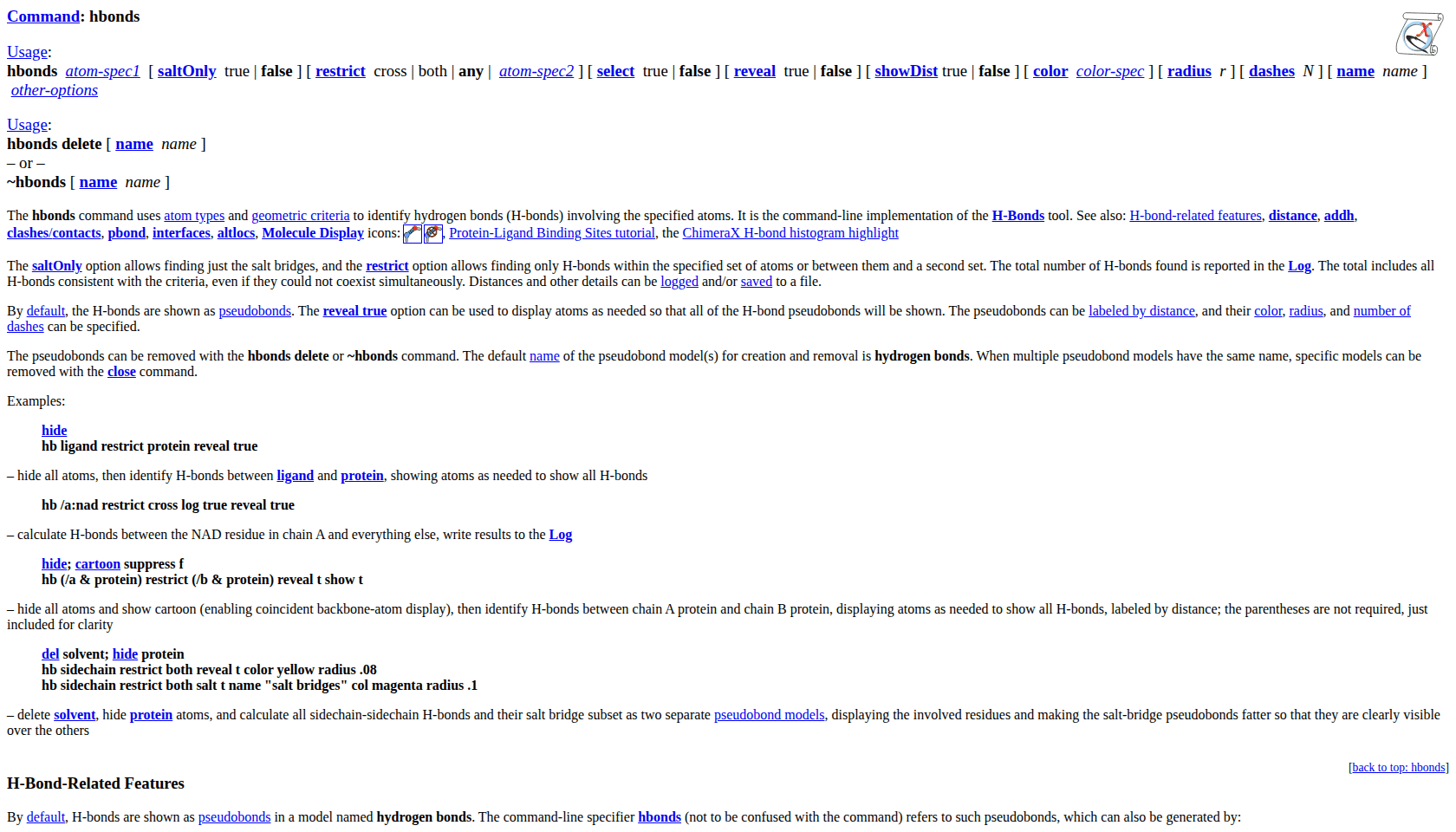
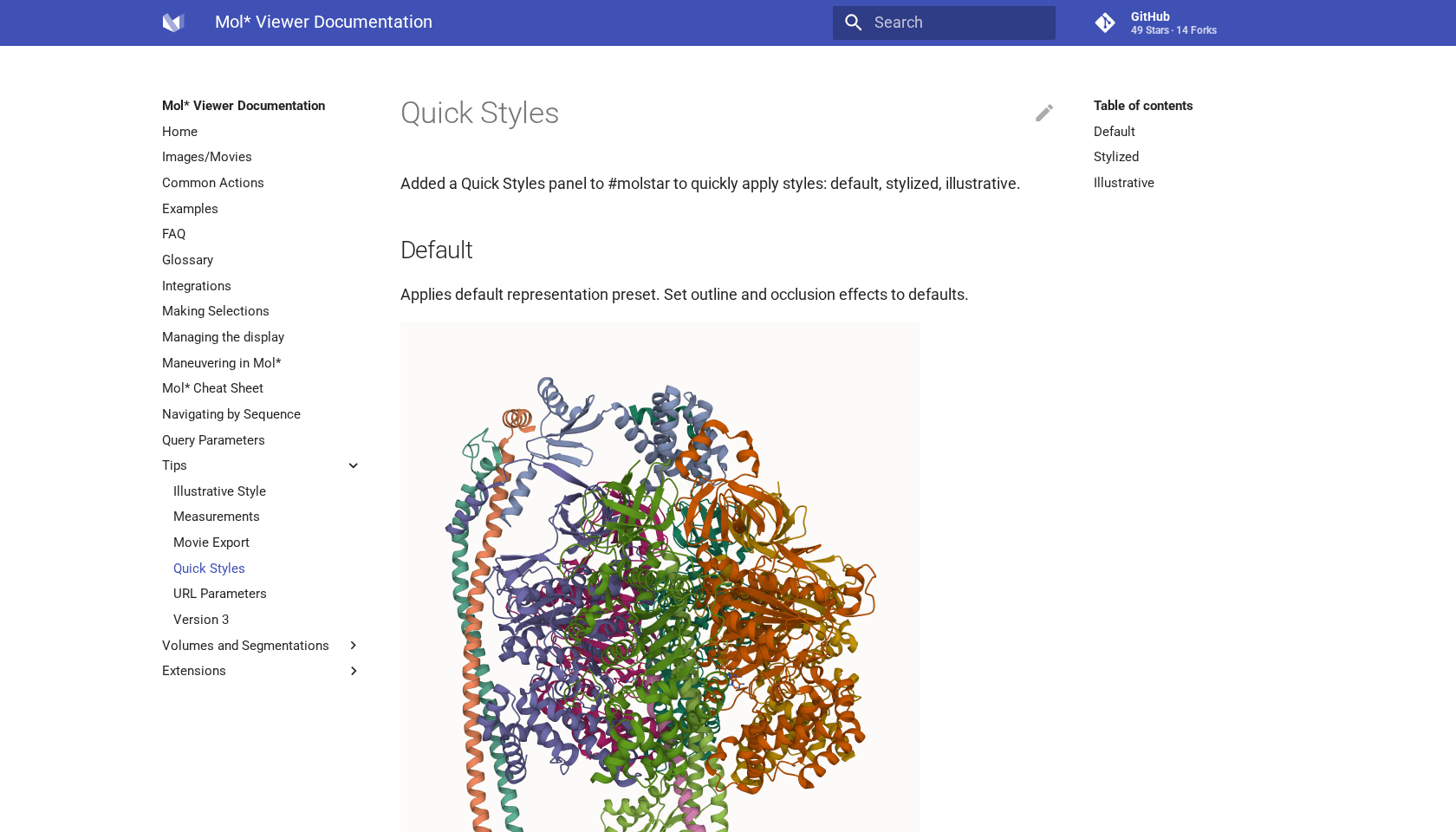
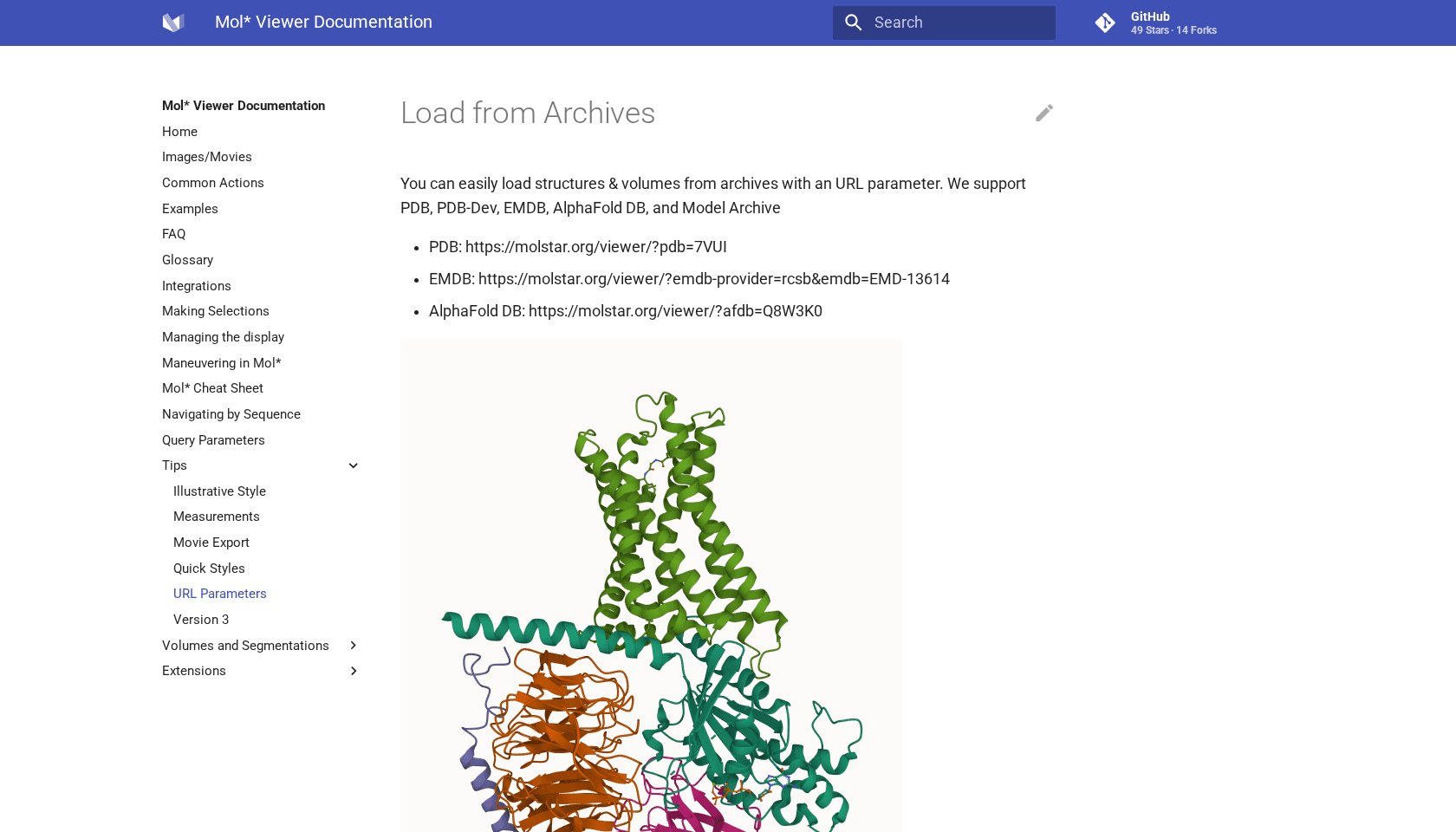
Docker Scout cves/compare/sbom and SBOM how-to docs now pair with Blender node-based-tools and baking guidance, OpenUSD referencing-layers and simple-shading tutorials, MDAnalysis hydrogen-bond analysis, MDTraj compute_distances/baker_hubbard APIs, ChimeraX hbonds command docs, and Mol* quick-styles/url-parameters tips.
The frontend should keep this lane visible so users can inspect supply-chain evidence, scene-authoring semantics, and cross-tool hydrogen-bond/measurement workflows before publishing molecular 3D claims.
May 15, 2026Hearings & Archives3 sources
Cross-archive UAP records are becoming easier to audit
National Archives record-group pages and UK archive indexes now make it easier to compare publication paths, holdings scope, and release mechanics across institutions.
The research interface should keep a dedicated archive lane so users can track custody and release pathways instead of relying on detached claim summaries.
May 15, 2026Evidence Methods5 sources
Web-native molecular visualization now fits directly into the research operations stack
NGL’s browser-based molecular viewer, Blender’s command-line render workflow, and containerized PyMOL references make it practical to move from structure retrieval to reproducible 3D visual outputs in one pipeline.
The interface should expose tooling references and visual checkpoints next to evidence claims so users can inspect science and execution paths in the same view.
May 15, 2026Evidence Methods7 sources
Structural biology API surfaces are becoming more workflow-ready
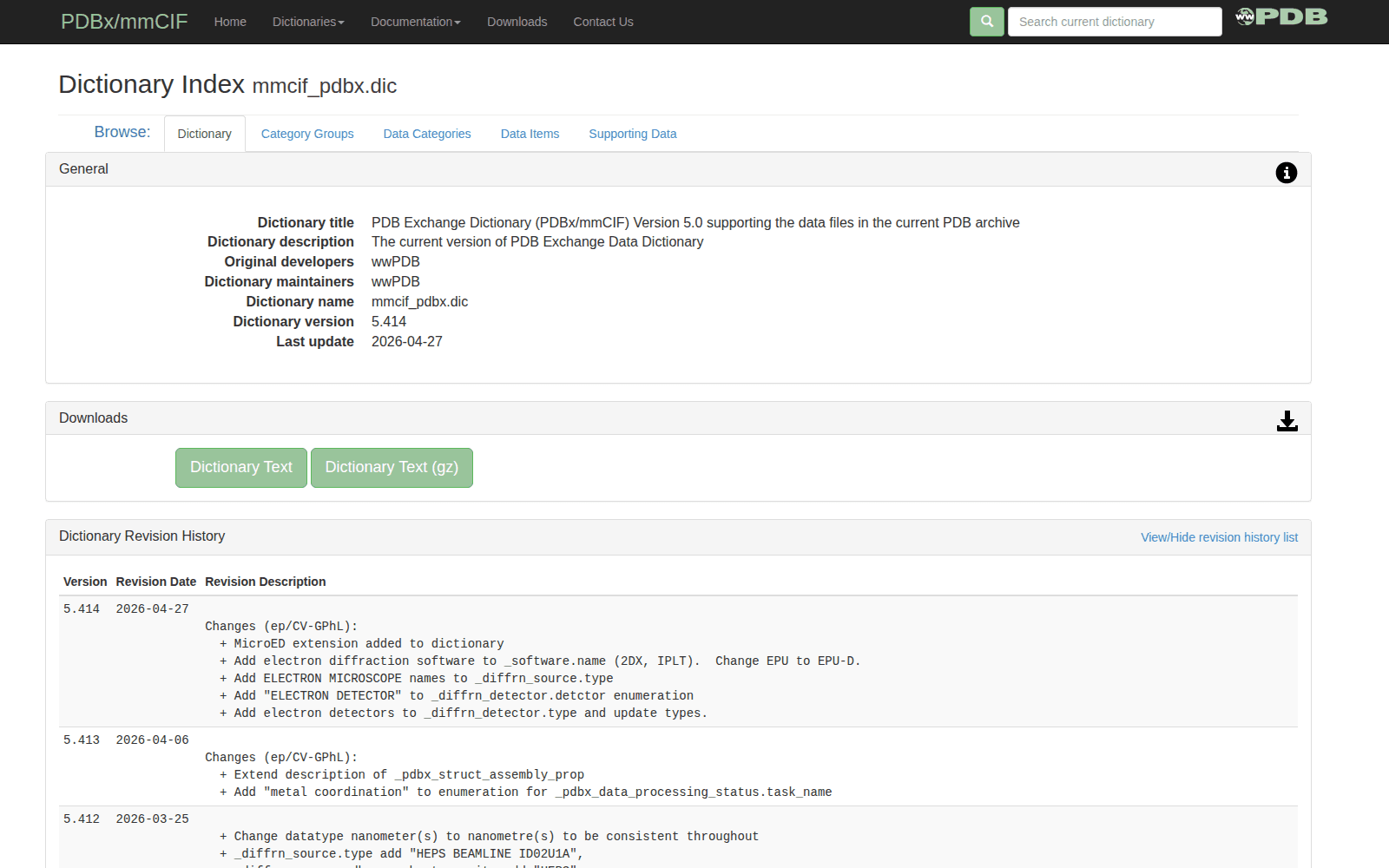
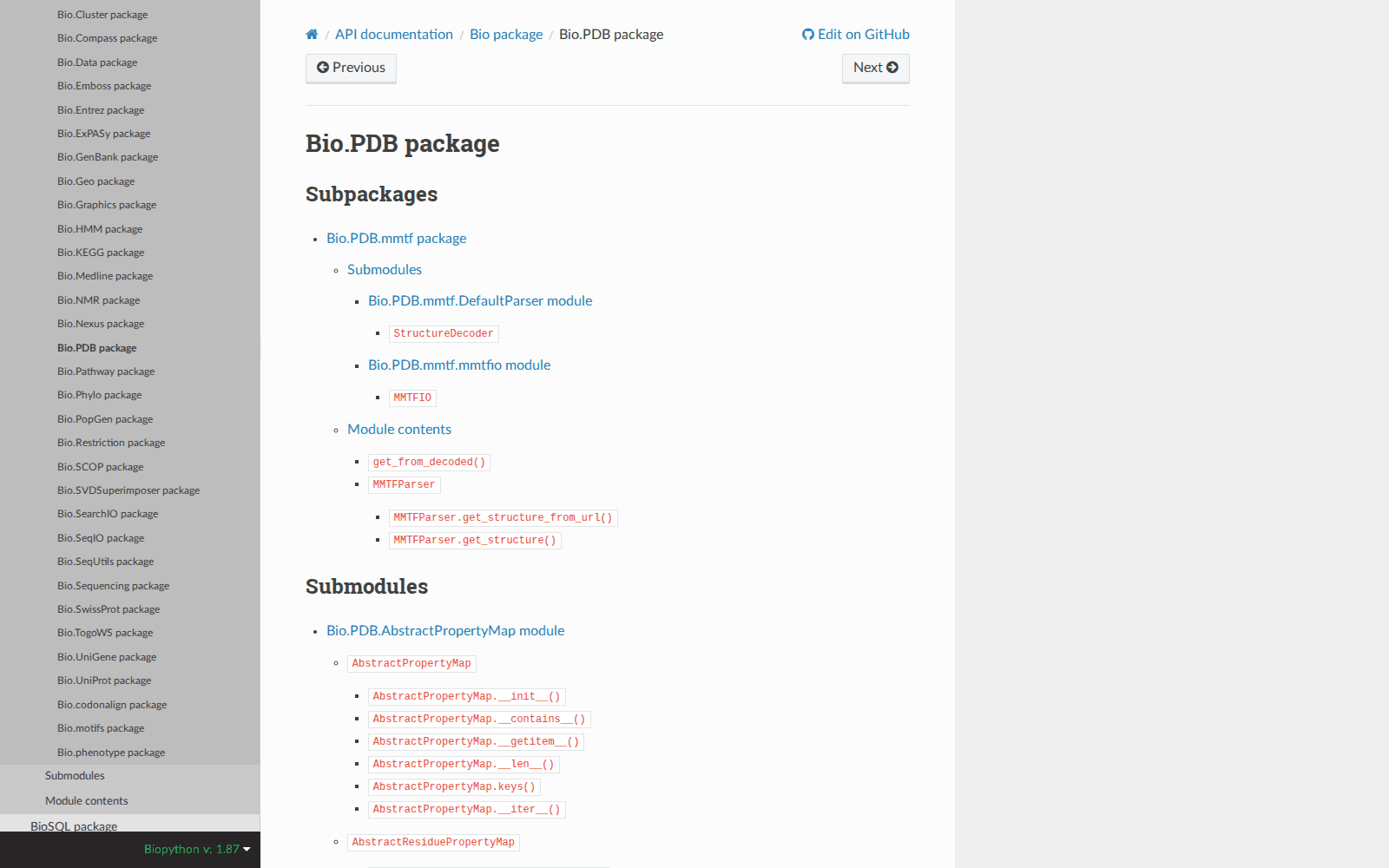
NCBI Datasets release notes plus dedicated RCSB Data/Search/download API guides, Bio.PDB API docs, and current mmCIF dictionary-index references now make it easier to build reproducible pipelines for sequence, structure, and metadata retrieval.
The frontend should expose method-tooling lanes next to scientific claims so users can move directly from interpretation to reproducible data pulls.
May 15, 2026Life Search4 sources
Pandora and Exoplanet Watch strengthen the transit-characterization feedback loop
Pandora's commissioning period, launch documentation, and the active Exoplanet Watch surface together point to a higher-cadence pipeline for separating stellar variability from planetary atmosphere signals.
Research pages should make mission cadence and re-observation strategy explicit so users can see why repeated measurements matter for biosignature interpretation.
May 15, 2026Evidence Methods9 sources
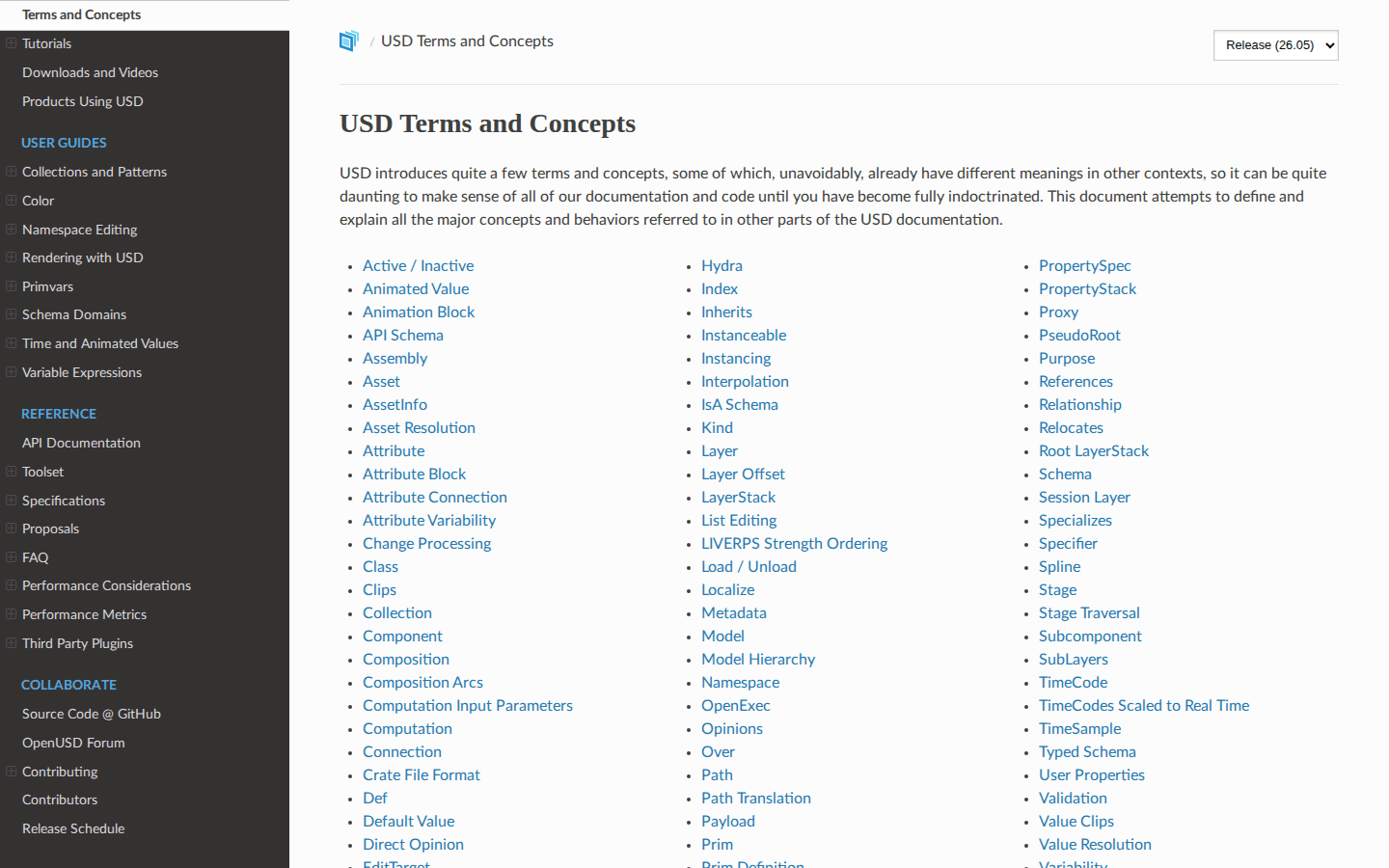
3D and molecular tooling now gives this research stack a clearer execution path
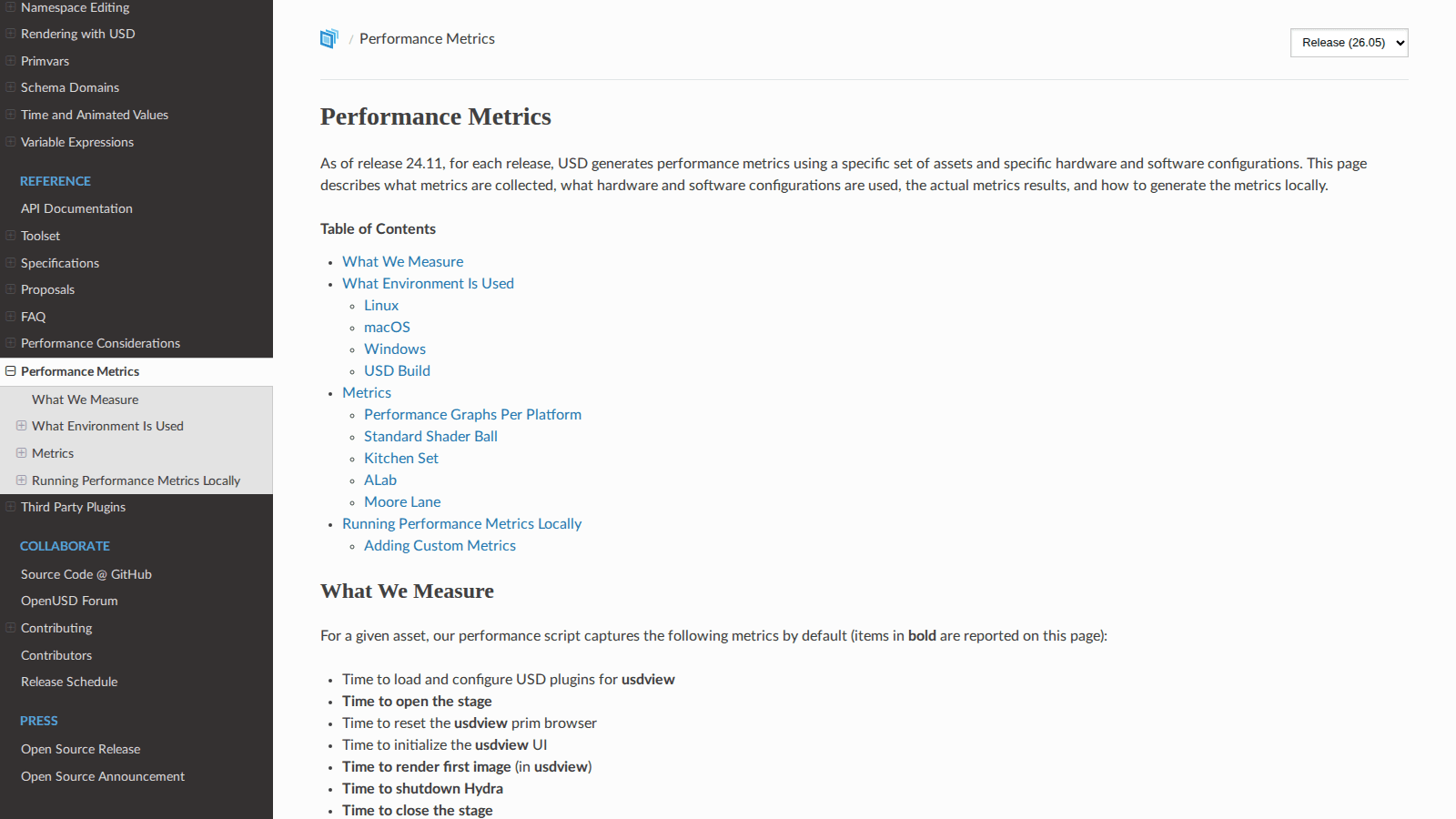
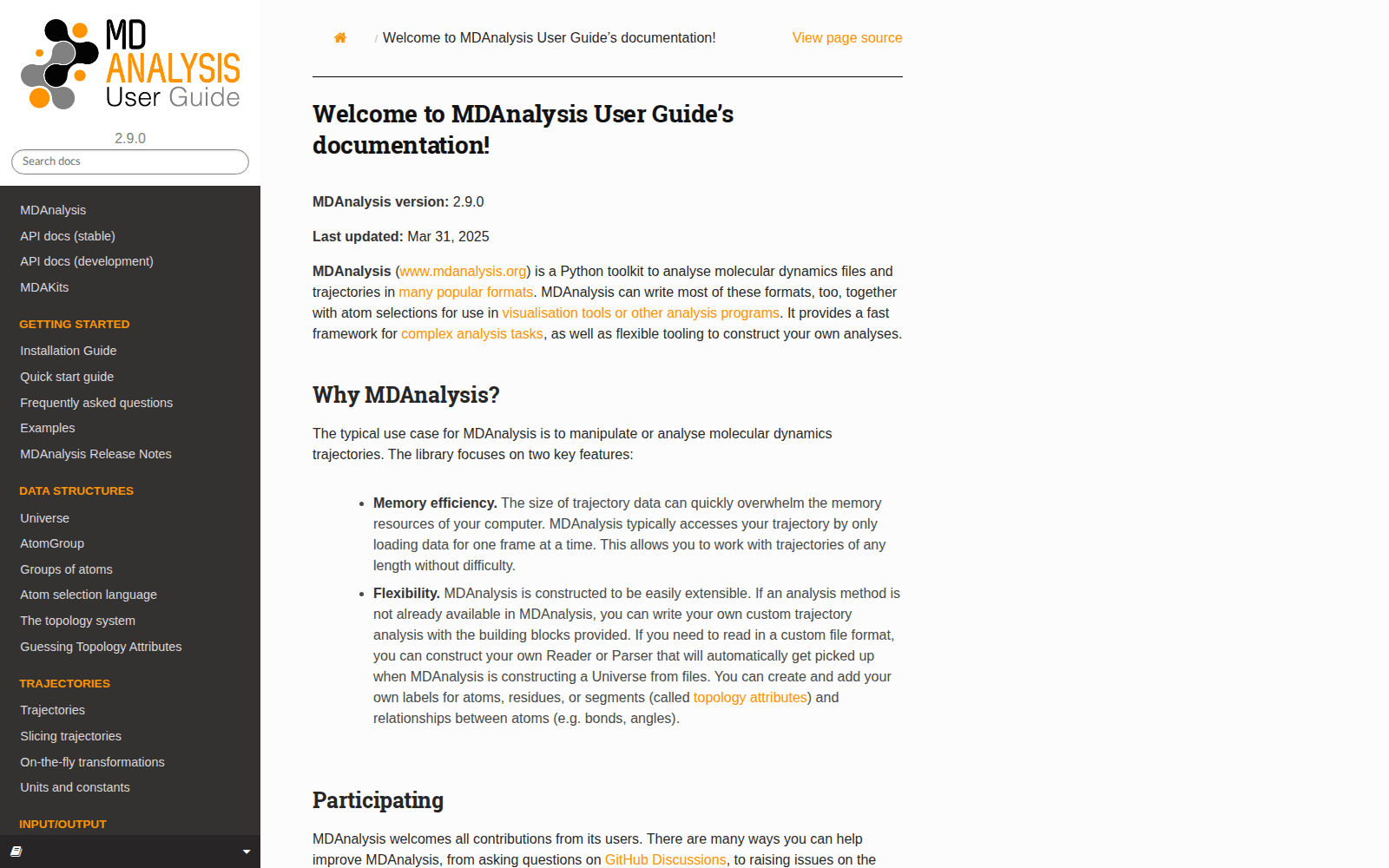
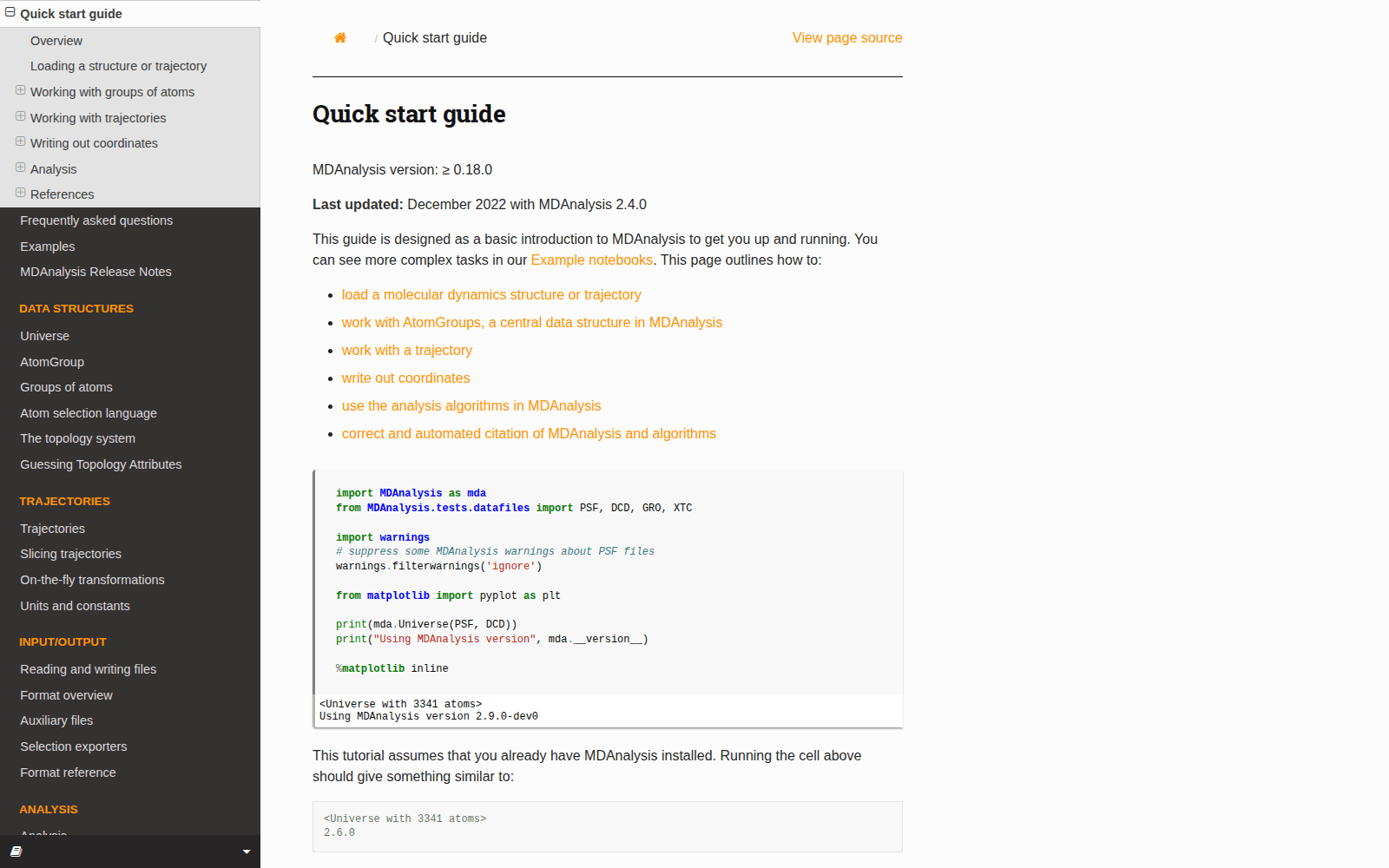
OpenUSD, OpenMM, MDAnalysis user-guide/quickstart docs, AlphaFold DB, RCSB APIs, and Biopython documentation together define a practical, open workflow for data ingestion, modeling, and visualization.
The frontend should surface this tooling lane with better interaction and visual context so readers can move from claims into reproducible workflows.
May 15, 2026Evidence Methods7 sources
Molecular 3D runtime options are now clearer across web viewers, desktop tools, and scene standards
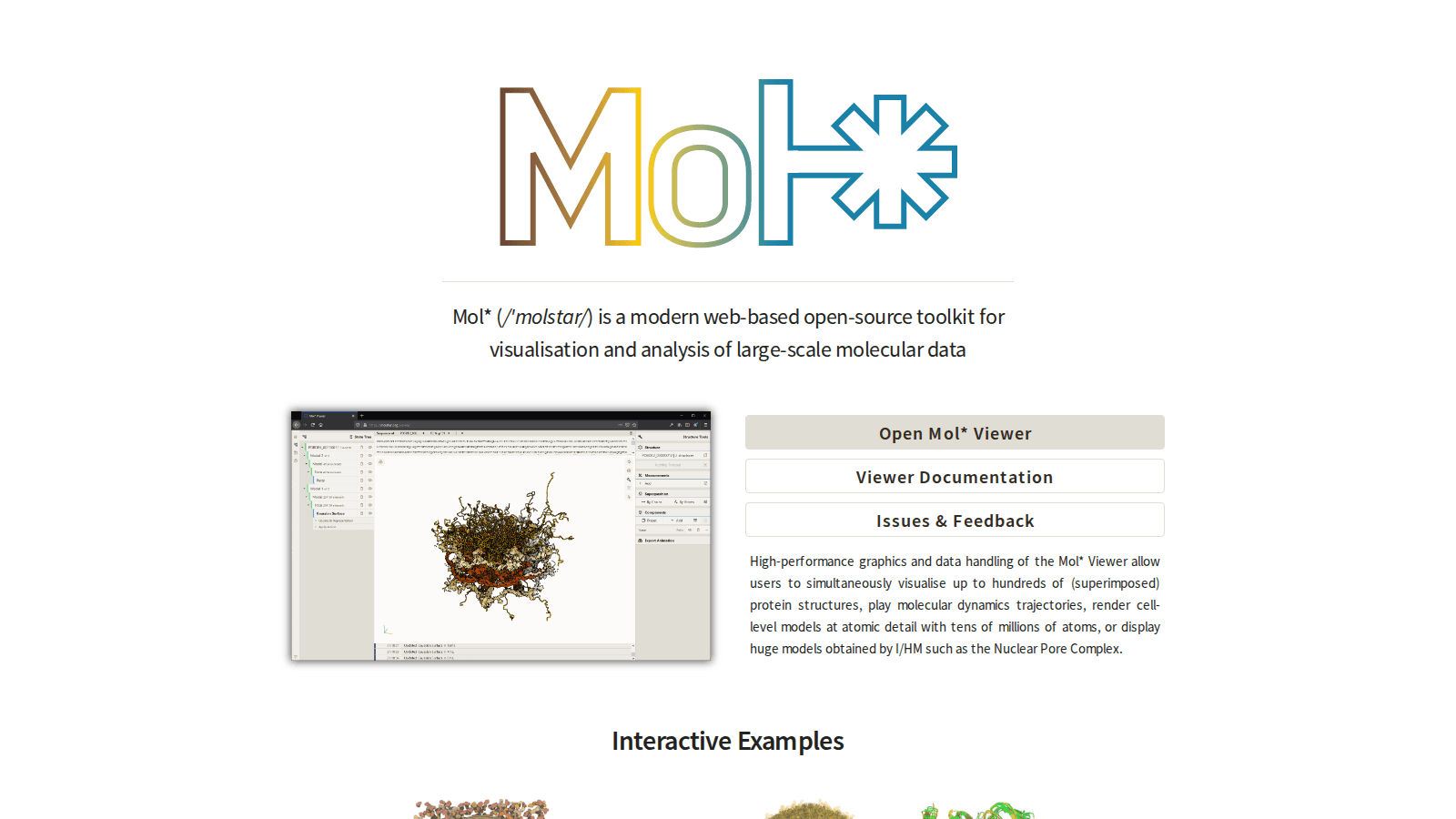
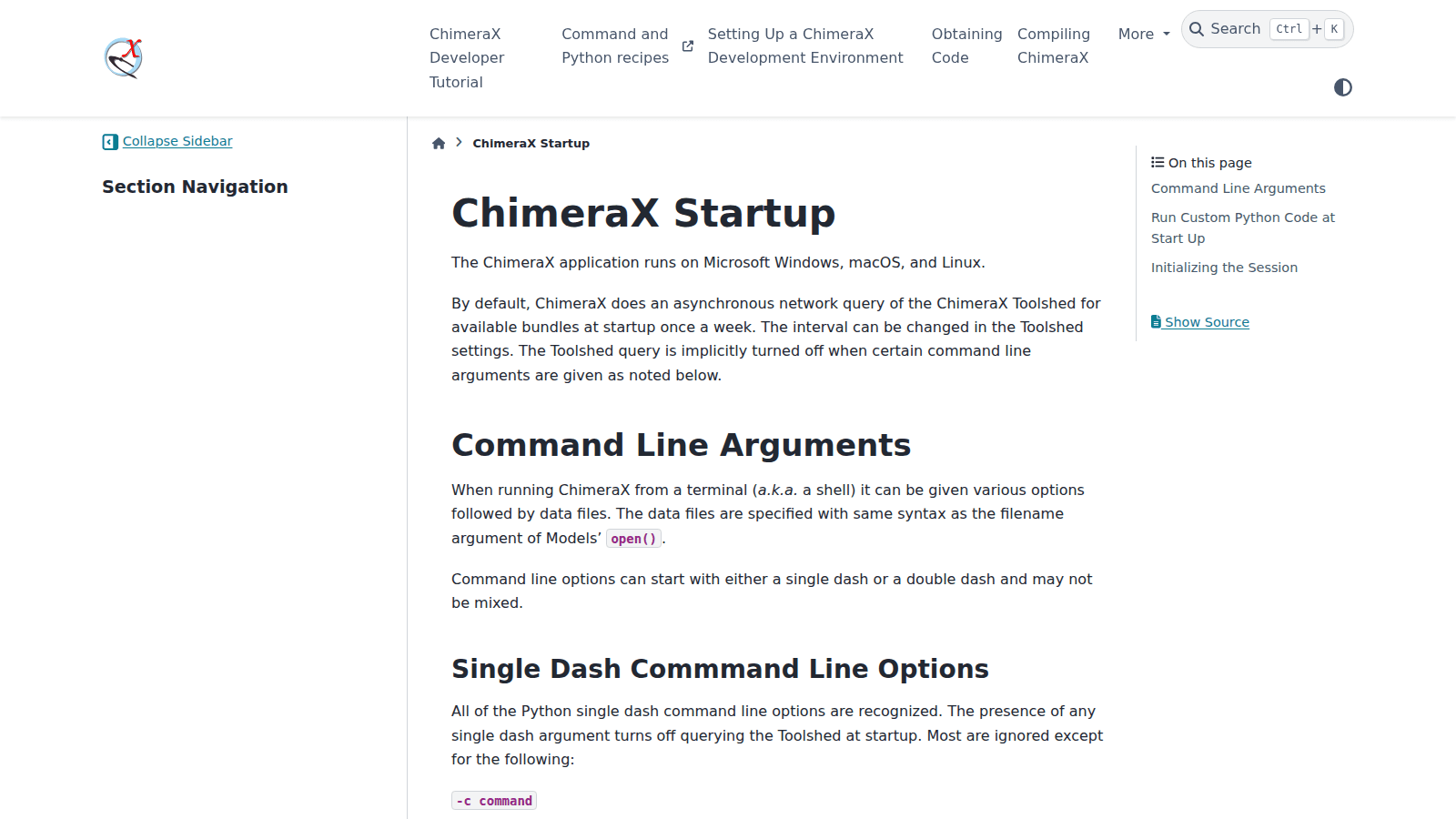
Mol* docs, Biotite PyMOL + PDBx I/O references, ChimeraX startup documentation, and OpenUSD 26.05 performance references now define a practical lane for moving structure data into interactive and rendered 3D review surfaces.
Pages should keep this lane visible with linked visuals so users can jump from scientific claims into concrete viewer/runtime choices and reproducible tooling paths.
May 15, 2026Life Search4 sources
Open exoplanet archives keep feeding new candidate-validation loops
Discovery Alert updates and ExoMiner++ work show that older Kepler and newer TESS archives still generate high-value candidate planets when revisited with improved analysis.
The atlas should keep archive age and algorithm generation visible, so users can distinguish genuinely new data from new processing of existing data.
May 15, 2026Evidence Methods4 sources
Life-detection planning is shifting from concepts into argument frameworks
NASA's Ladder of Life Detection and the Life Detection Knowledge Base now provide concrete structures for ranking biosignature evidence and tracking false-positive pressure.
The interface should expose biosignature claims with explicit method context so readers can compare confidence tiers instead of reading discovery headlines in isolation.
May 15, 2026Life Search4 sources
SPHEREx era planning is pushing stronger controls against oxygen false positives
NASA’s SPHEREx mission context and new 2026 atmospheric false-positive analysis reinforce that oxygen-bearing spectra need strict geochemical controls before being treated as life evidence.
The research interface should display mission cadence, atmosphere context, and false-positive pathways together so users can inspect why one biosignature claim can map to multiple physical explanations.
May 15, 2026Evidence Methods6 sources
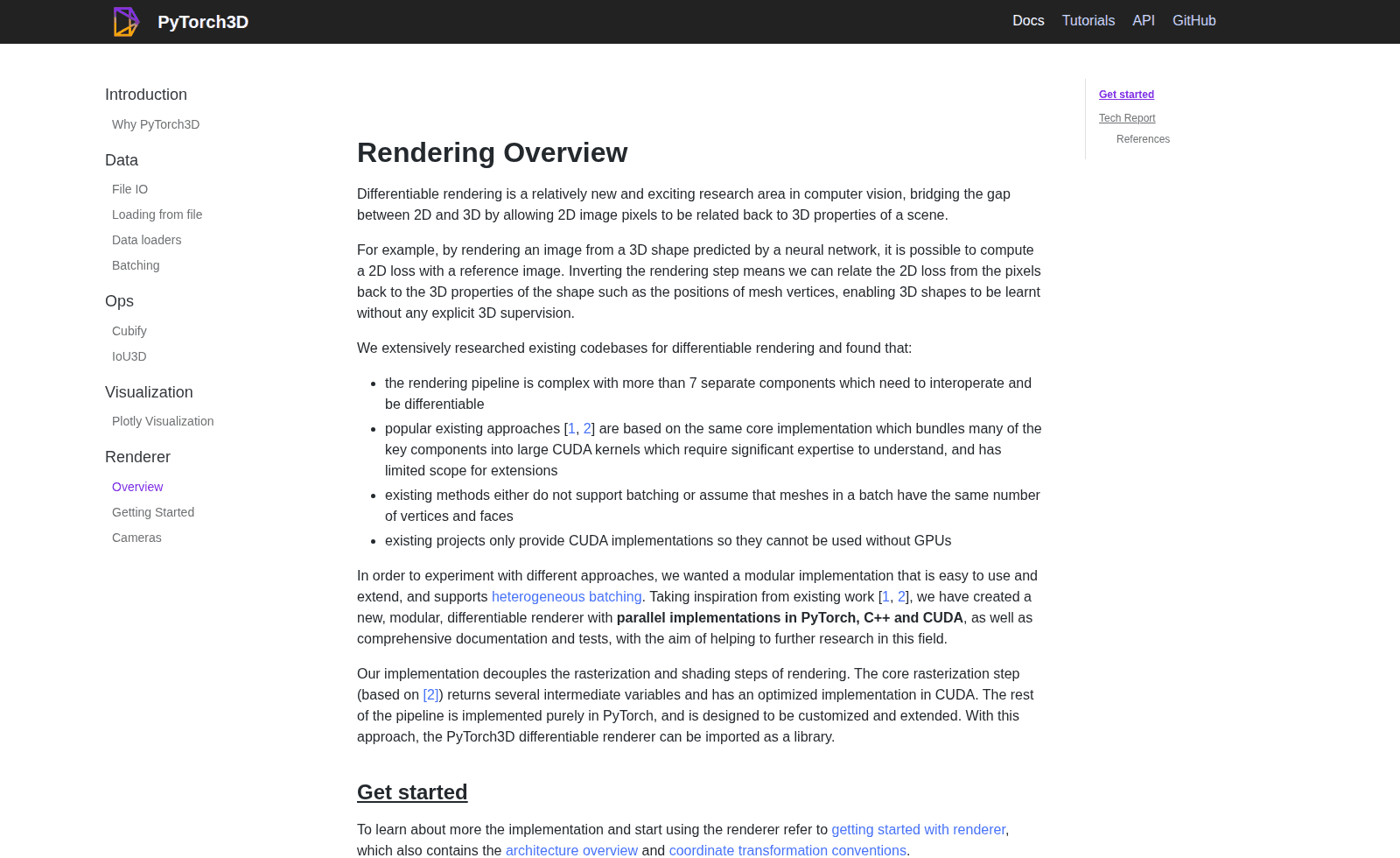
Differentiable 3D workflows are converging around practical runtime and physics documentation
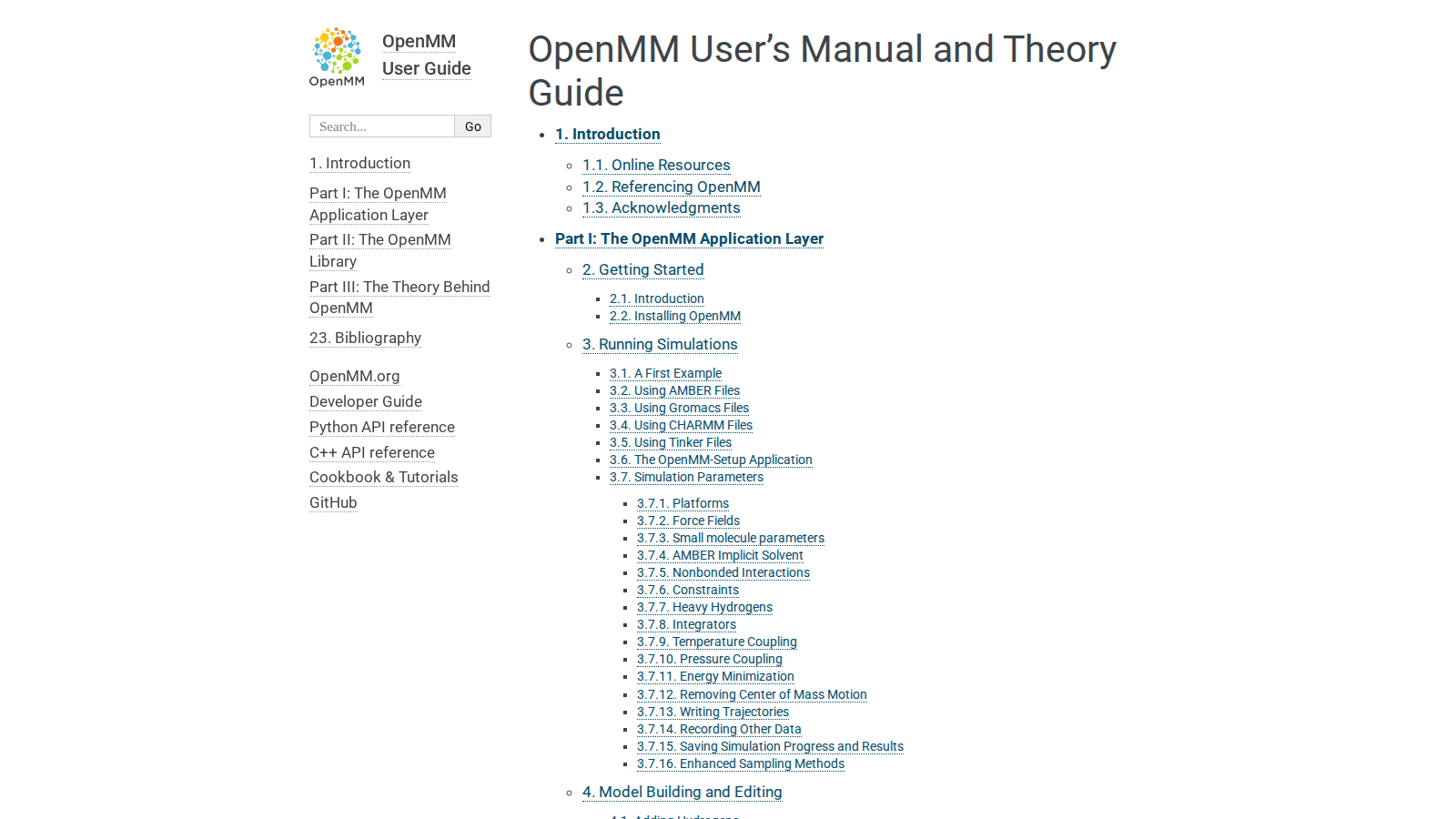
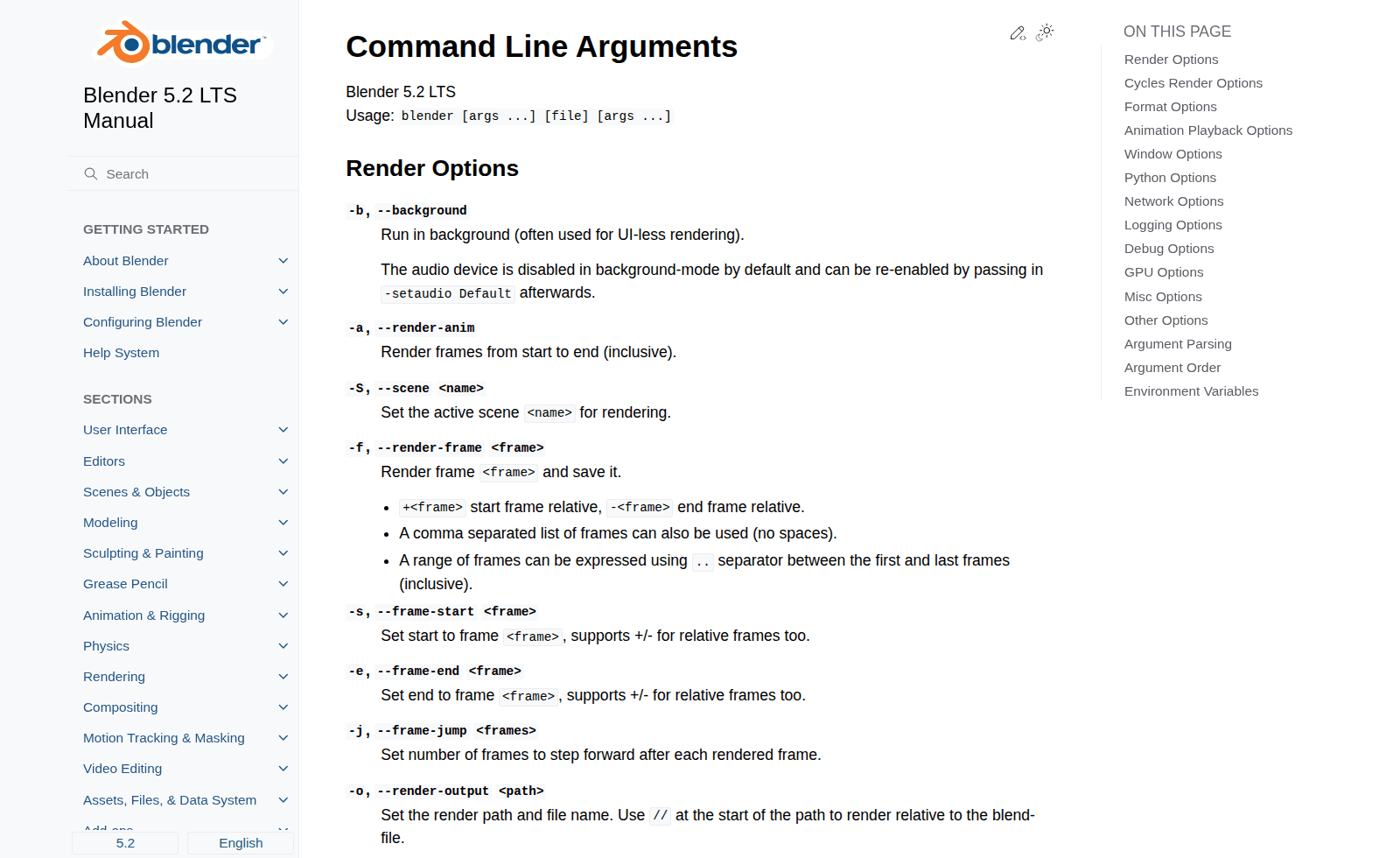
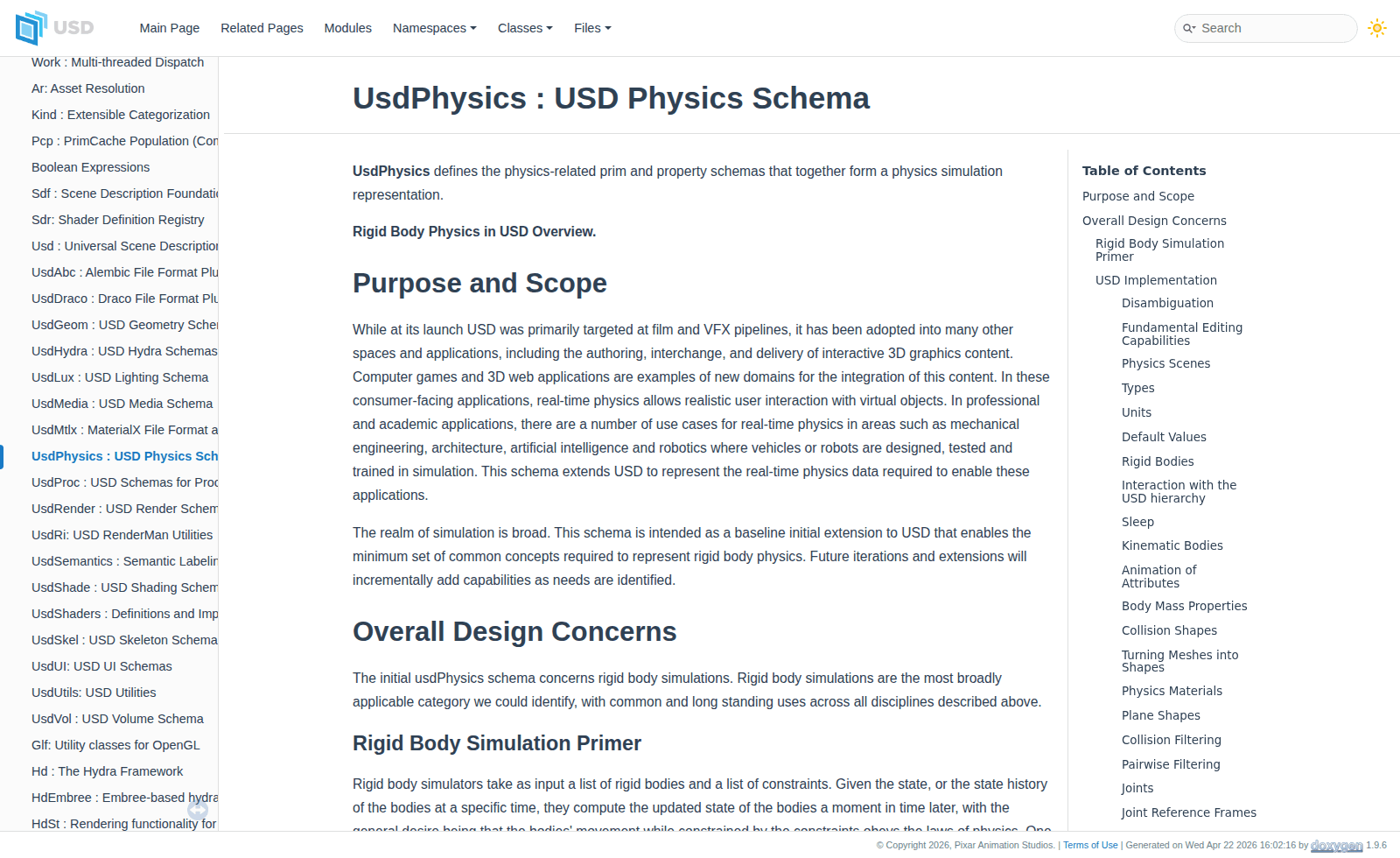
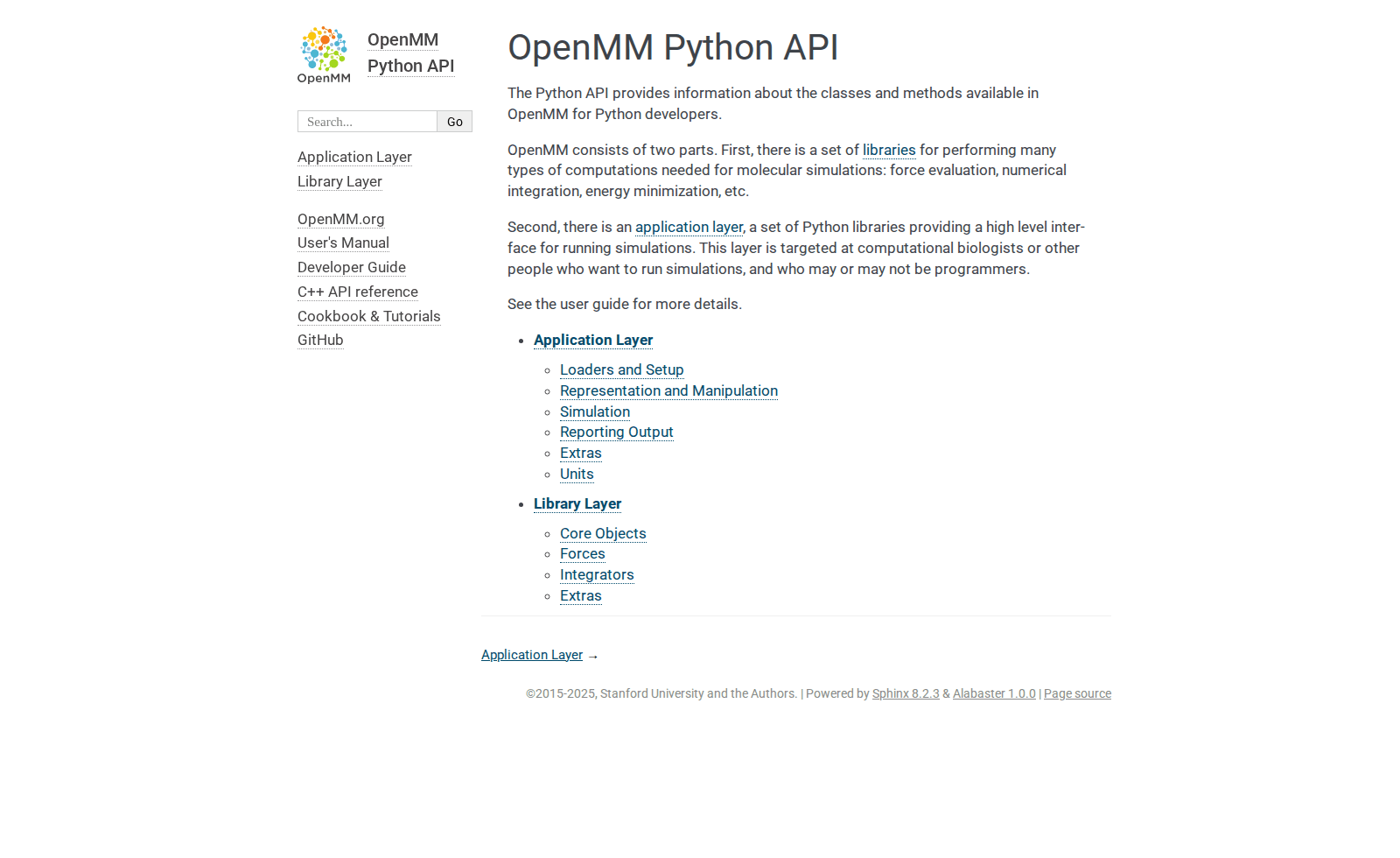
PyTorch3D renderer/I-O docs, OpenUSD physics schema references, OpenMM Python API material, and updated Blender CLI arguments together define a clearer path from data ingestion to simulation and reproducible visual output.
The interface should keep these runtime docs in an explicit execution lane so users can navigate from a scientific claim to concrete renderer, schema, and simulation implementation steps.
May 15, 2026Evidence Methods7 sources
Volumetric and cheminformatics tooling docs now connect the molecular lane end to end
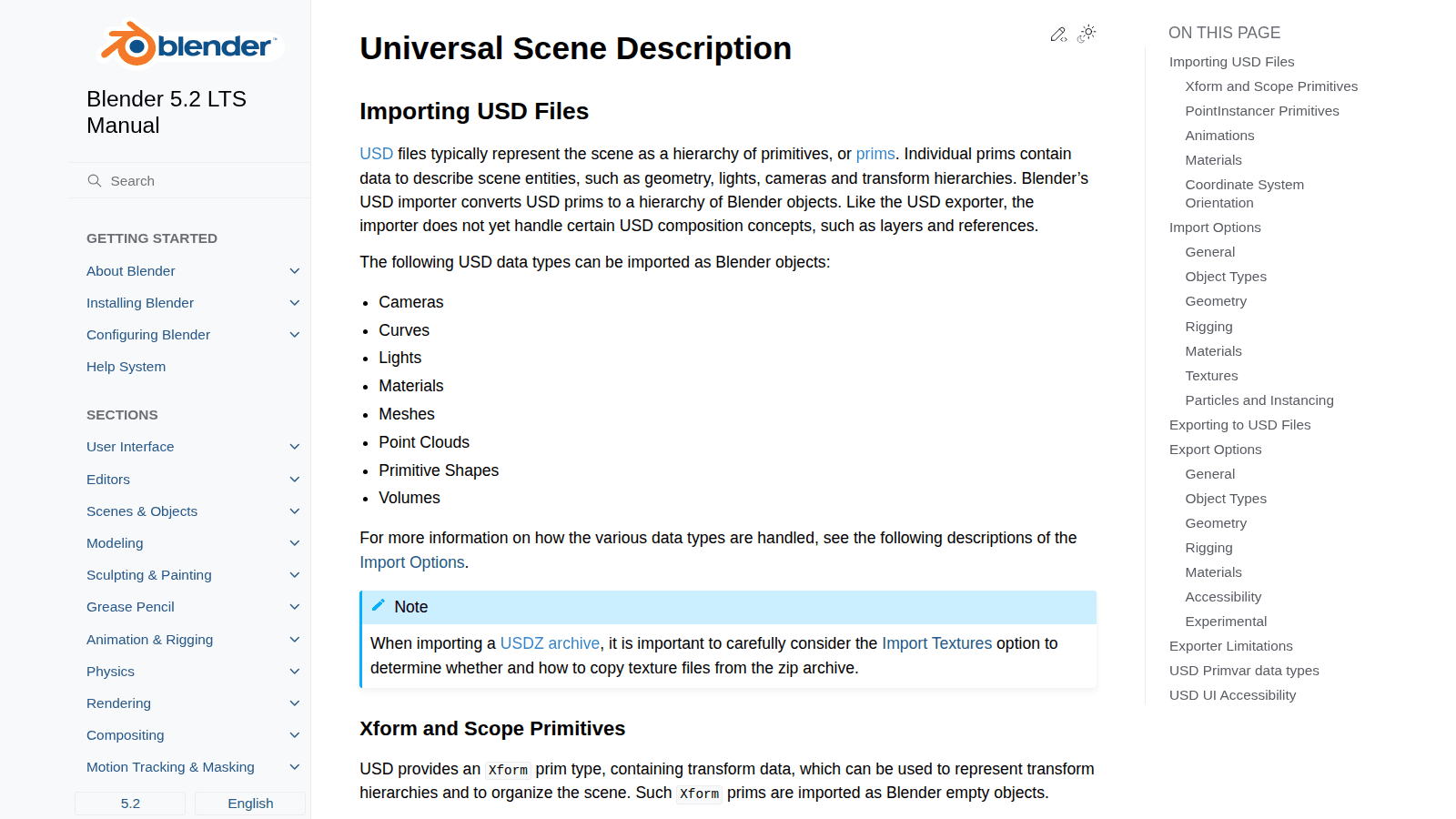
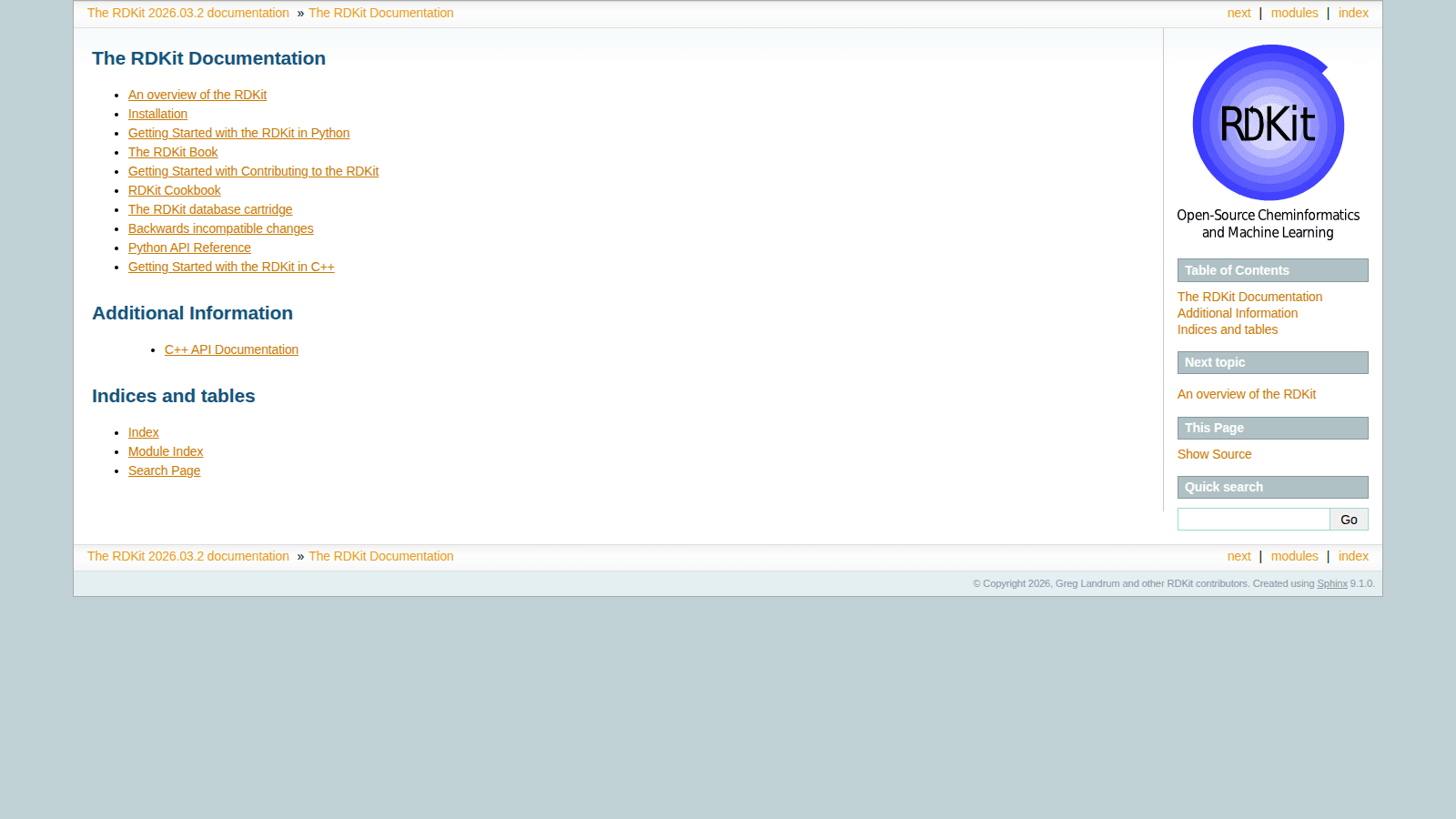
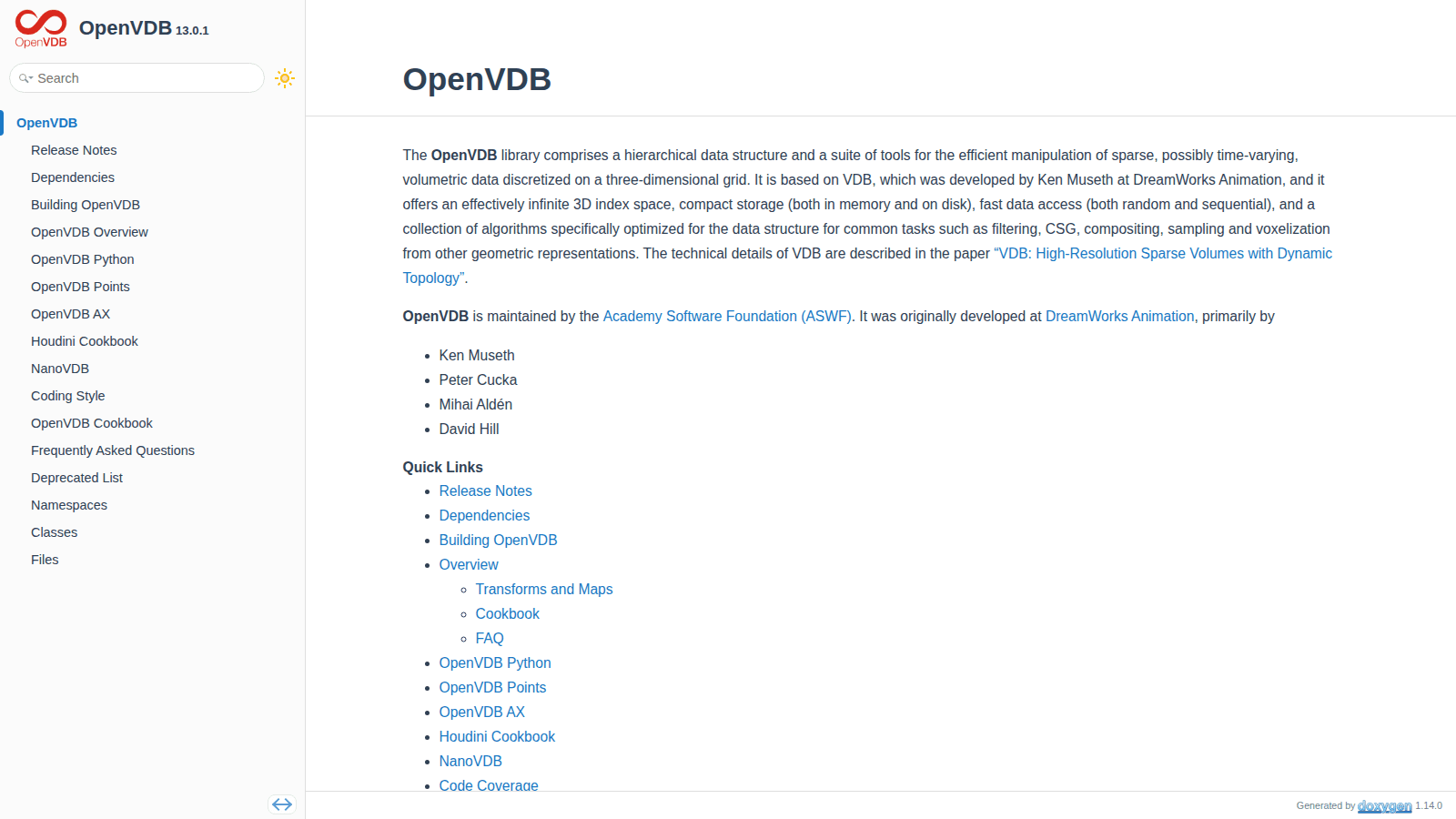
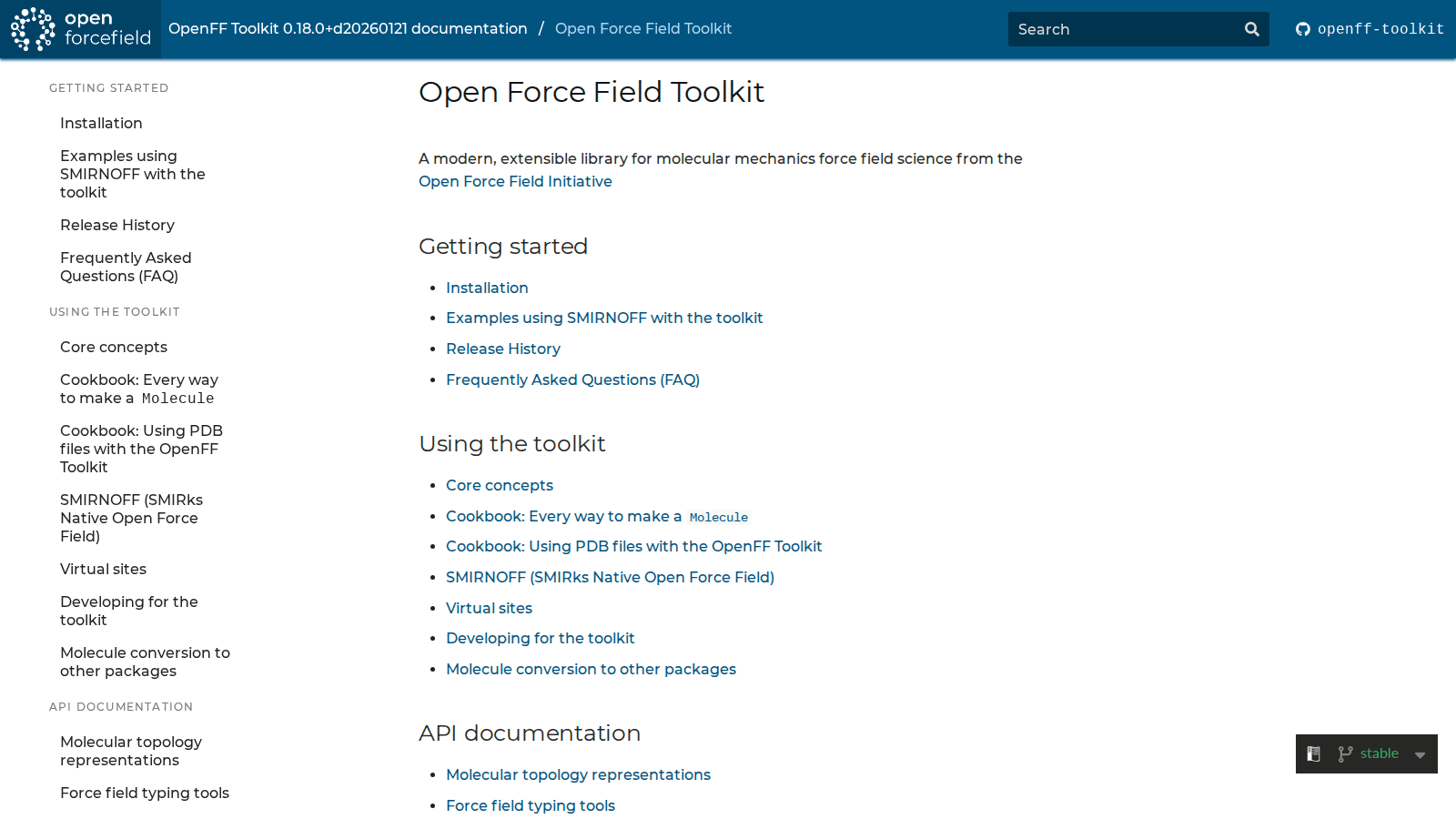
OpenVDB docs and release notes, RDKit and OpenFF toolkit references, Blender USD manuals, and RCSB's Mol* 3D-view surface now provide a clearer path from molecule-level processing through volumetric and scene-level visualization.
The interface should expose this lane directly so users can inspect data-shape conversions and renderer/runtime choices without leaving the research context.
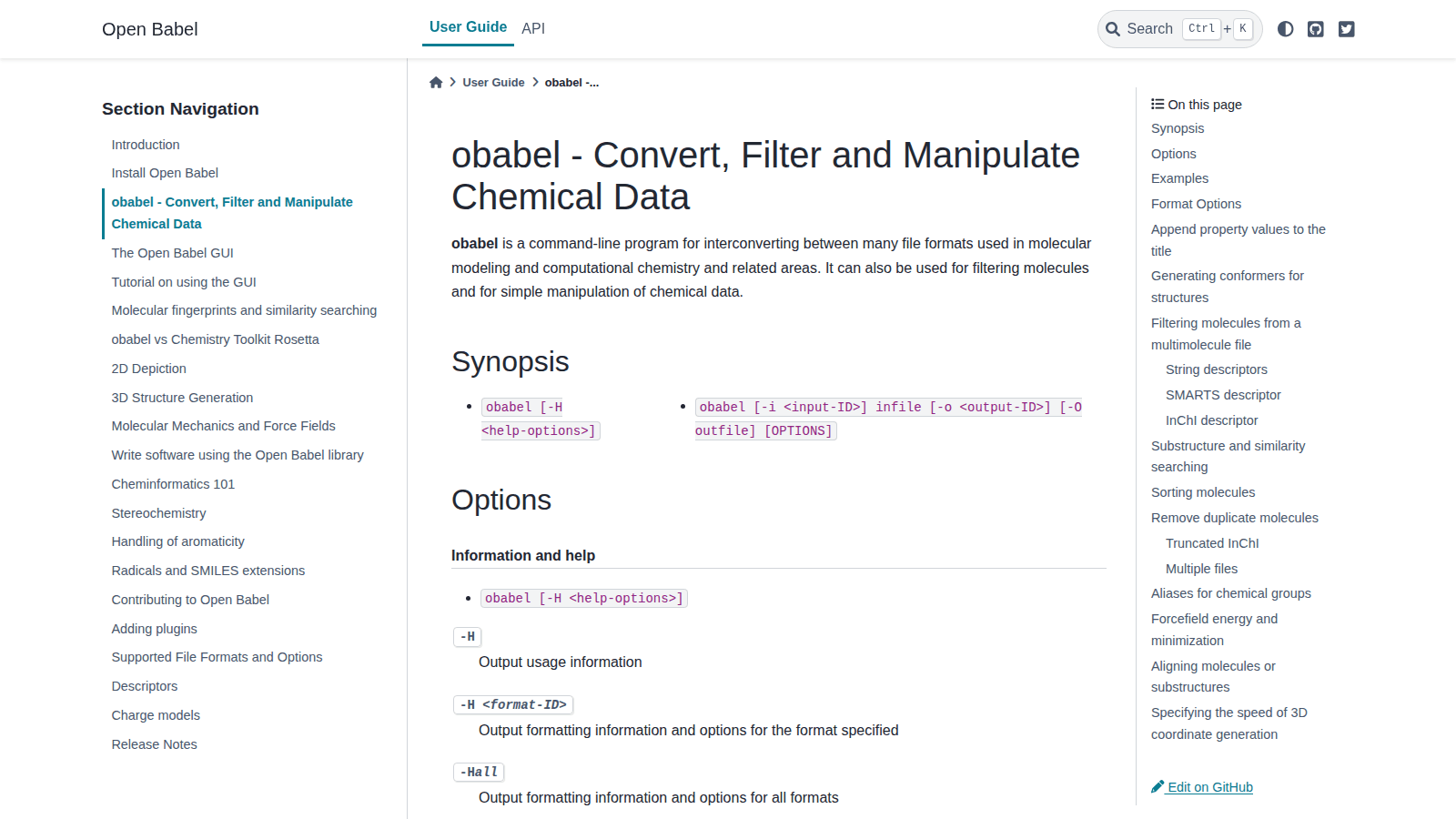
May 15, 2026Evidence Methods6 sources
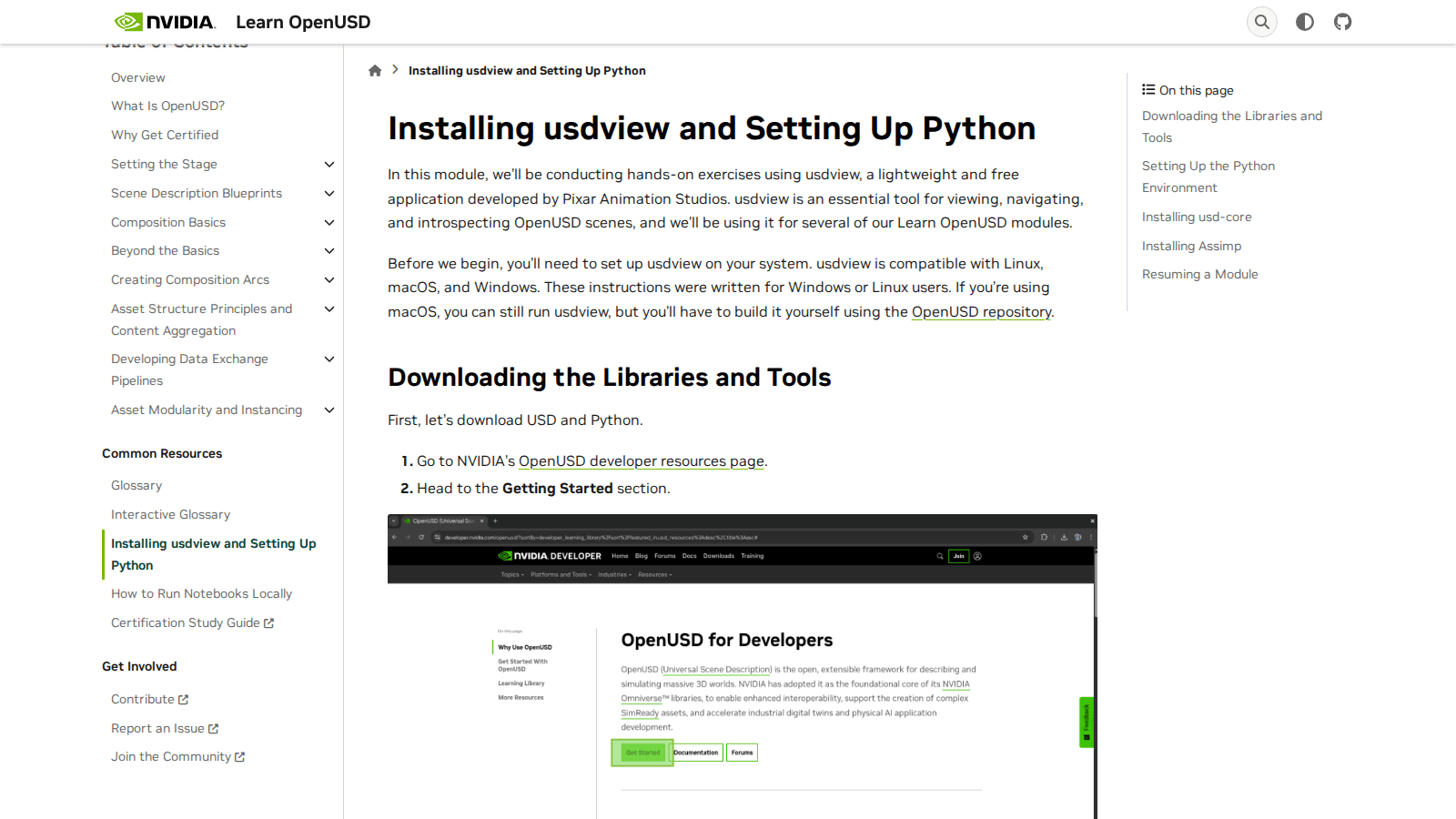
USD CLI, simulation runtimes, and molecular conversion docs now form a clearer execution lane
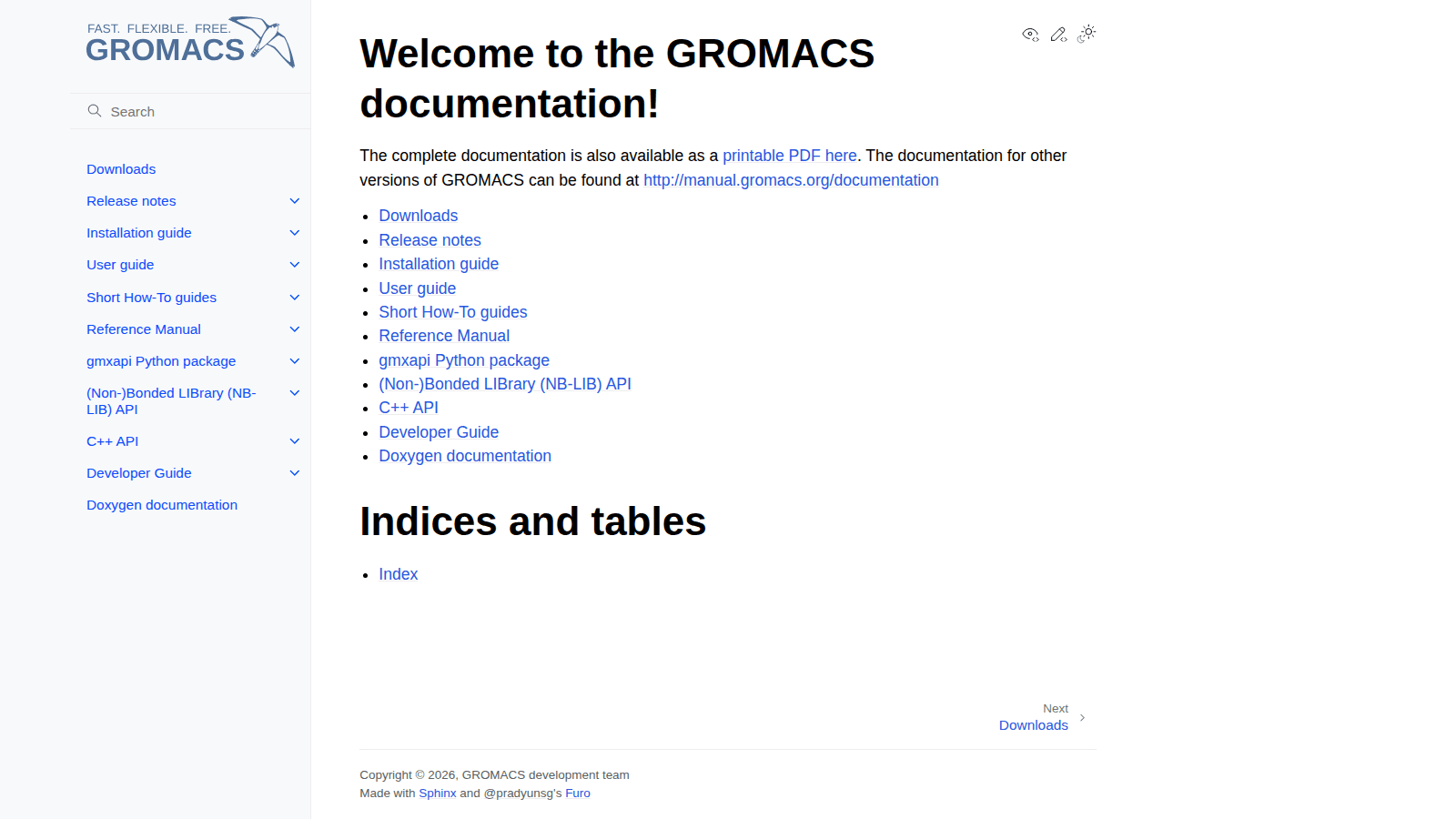
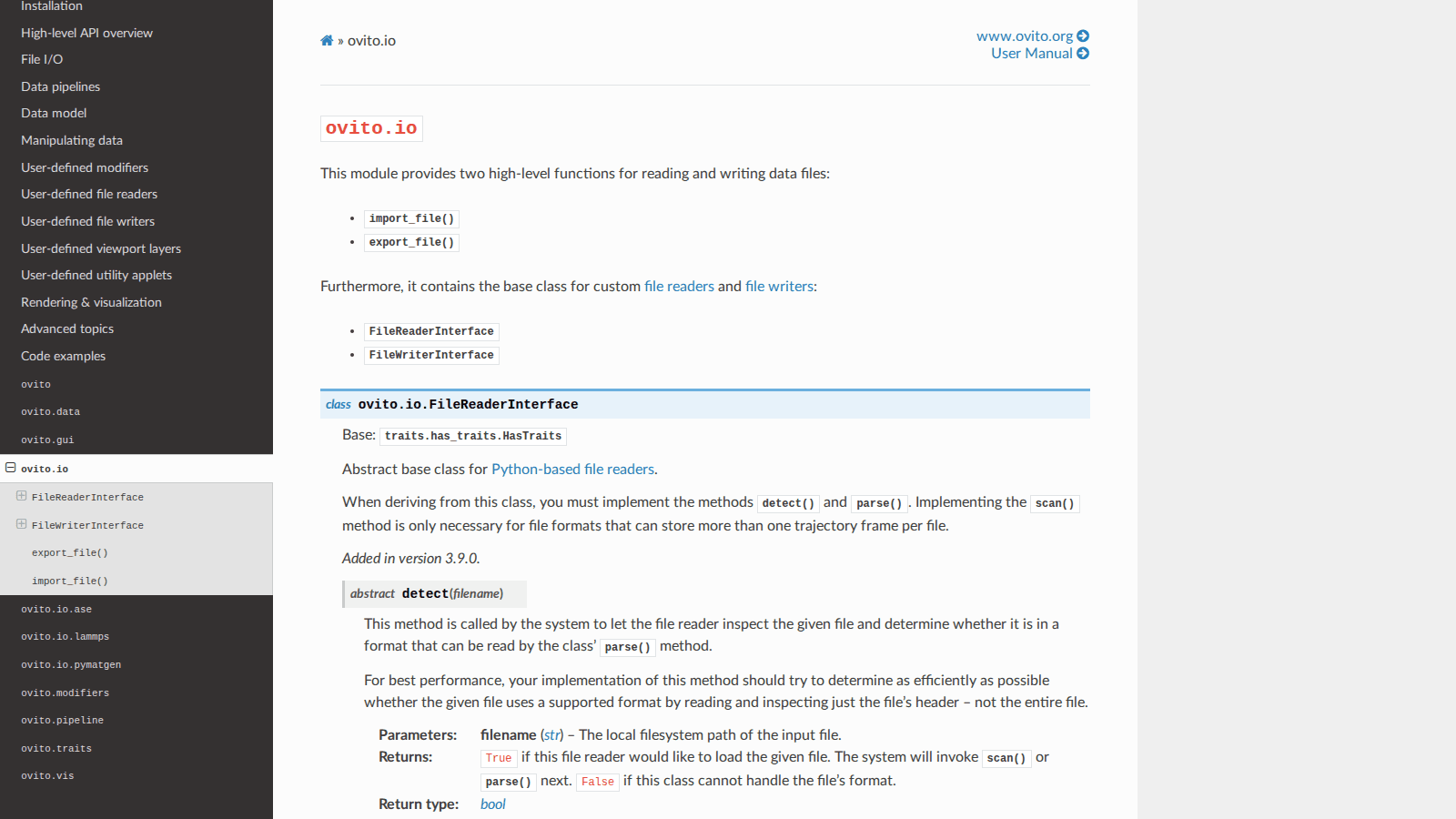
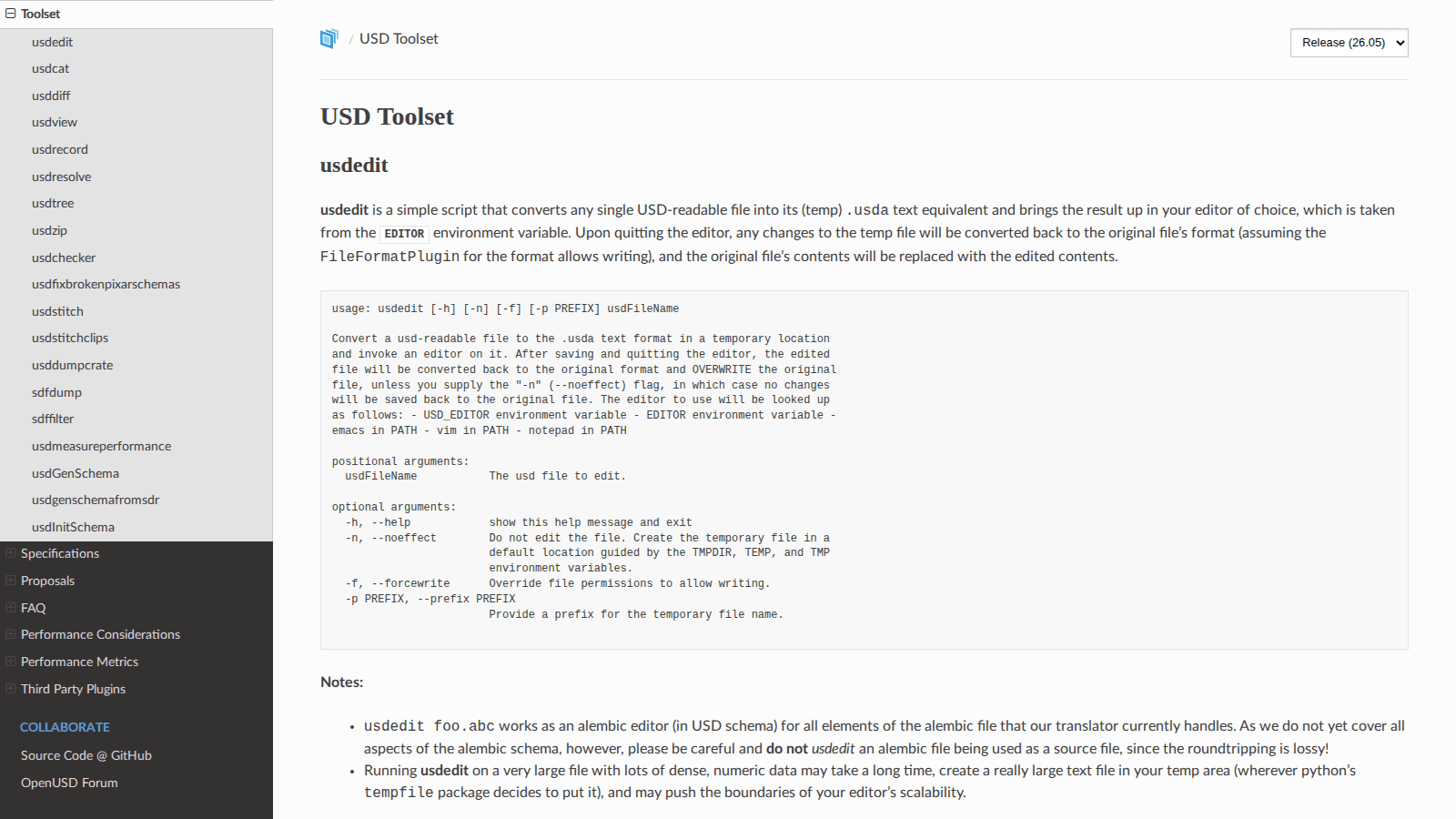
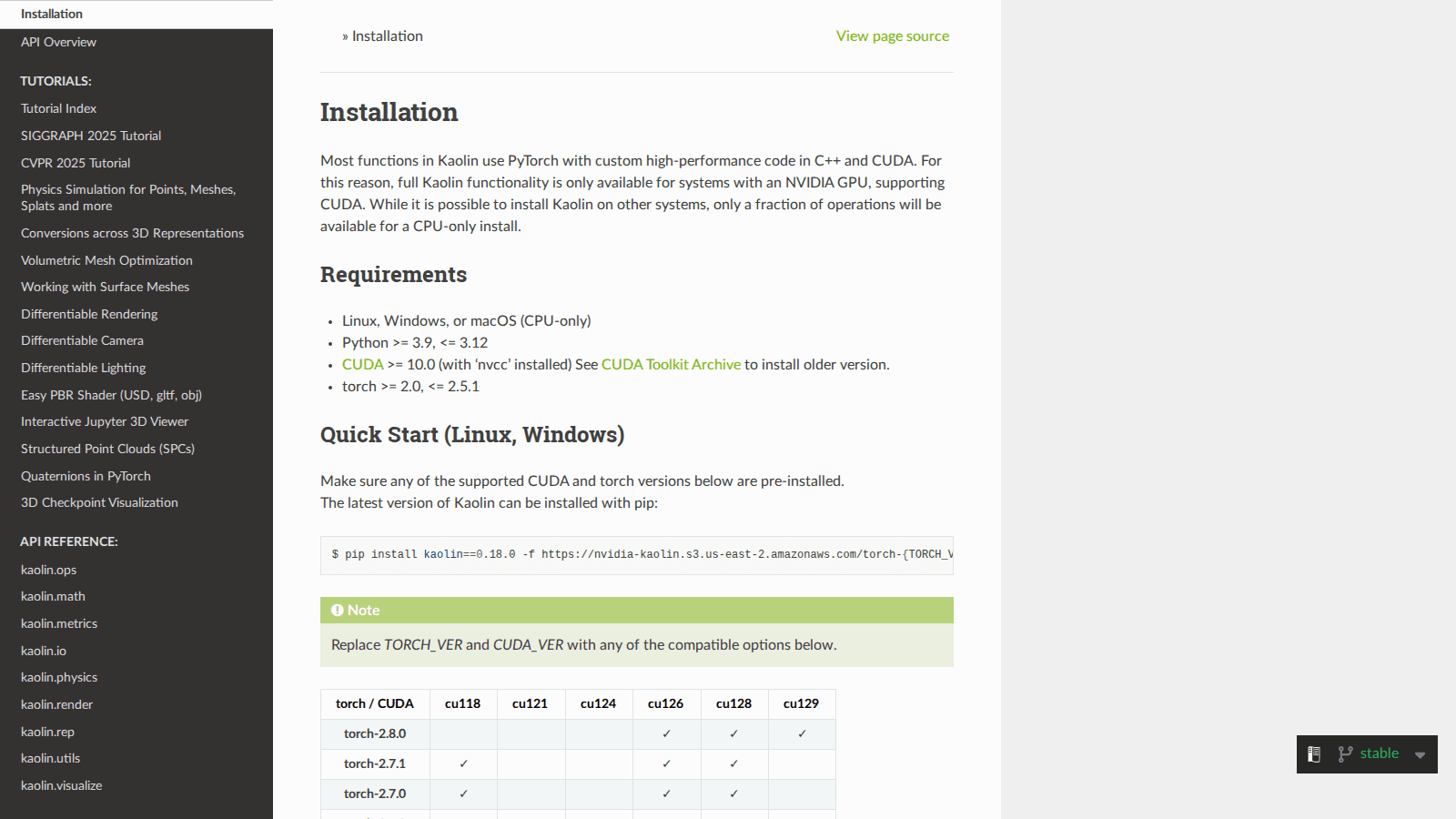
OpenUSD toolset docs, usdview setup guidance, Kaolin installation references, OVITO I/O APIs, Open Babel CLI docs, and current GROMACS documentation provide a stronger operations map from format conversion to simulation execution.
The interface should keep these docs grouped in a dedicated operations view so users can quickly move from source evidence into concrete toolchain choices and environment constraints.
May 13, 2026Life Search5 sources
TESS keeps turning survey scale into follow-up pressure
NASA's recent TESS material frames the mission as a high-throughput source of confirmed planets and thousands of candidates needing confirmation.
The atlas should separate confirmed planets from candidates and explain why candidate volume is not the same thing as life detection.
May 8, 2026Imagery Cases3 sources
AARO's public records surface is becoming a case-file interface
AARO's report-document pages now expose public case packets, mission-report references, and imagery routes instead of only annual-report PDFs.
The web interface should help readers move from headline claims into source packets, not just summarize cases.
May 5, 2026Evidence Methods3 sources
NASA now frames data and compute as core mission infrastructure
NASA's 2025-2030 data and computing strategy makes reproducibility, shared archives, and modern analysis tooling explicit dependencies for high-quality science output.
The interface should keep source snapshots and method context first-class so users can inspect claims from the same operational data layer as the editorial summaries.
April 7, 2026Life Search5 sources
Habitable Worlds Observatory is the future-life-search anchor
NASA's HWO page emphasizes direct study of Earth-like worlds and future observatory capabilities rather than near-term proof claims.
A serious public-facing interface should show the patience and instrument roadmap behind biosignature claims.
March 20, 2026SETI & Signals3 sources
3I/ATLAS shows how open archives and fast follow-up now interact
NASA's open-data coverage and the Breakthrough Listen Green Bank paper together show a mature workflow: archive mining, rapid campaign planning, and publication of null-result constraints.
SETI and observatory pages should foreground this pipeline view so users can track method quality, not just outcome headlines.
September 1, 2025Official Record3 sources
Declassification is part of the UAP evidence problem
AARO's declassification paper explains why classified sources can support analysis while still limiting what can be shown publicly.
The interface needs a source-led transparency lane so users understand why absence of public detail is not automatically proof of a hidden conclusion.
May 13, 2025SETI & Signals3 sources
All-sky monitoring expands the SETI instrument map
New monitoring projects continue shifting technosignature work toward persistent, data-rich search surfaces.
SETI pages should expose observatory infrastructure, null-result value, and open-data workflows alongside famous candidate signals.
February 3, 2025Contact Protocols3 sources
Earth-detecting-Earth remains the cleanest contact thought experiment
SETI's Earth-detecting-Earth material helps convert vague contact talk into geometry, observability, leakage, and detection thresholds.
Simulation pages should let users vary distance, cadence, and detectability rather than only read essays.
June 11, 2024Contact Protocols3 sources
A Sign in Space showed why decoding is social as well as technical
The year-long decoding process demonstrated that a simulated extraterrestrial message quickly becomes a public coordination problem.
The contact lab should frame messages as governance artifacts, not just signal strings.
September 14, 2023Evidence Methods3 sources
NASA's UAP study still sets the data-quality baseline
NASA's UAP independent study remains useful because it centers data quality, sensor calibration, metadata, and scientific workflow.
The simulator should make weak metadata visibly reduce confidence, even when a case feels interesting.